
OUTDOOR ENTERPRISE WI‑FI 6E · MERAKI CLOUD MANAGEMENT
Cisco Meraki CW9163E-MR Tanzania
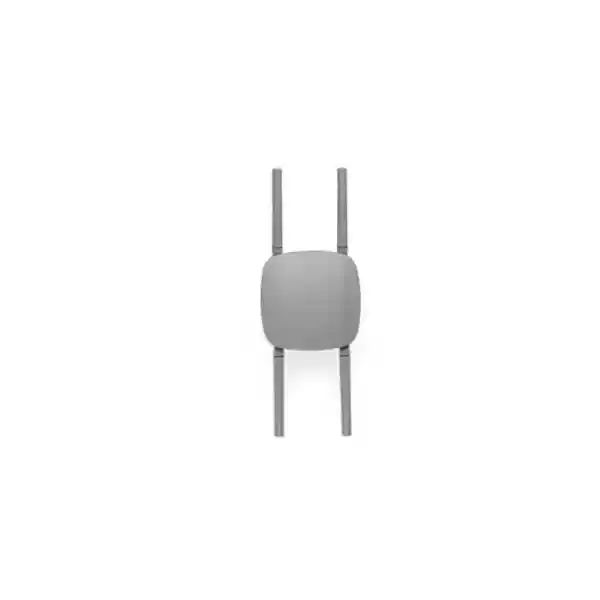
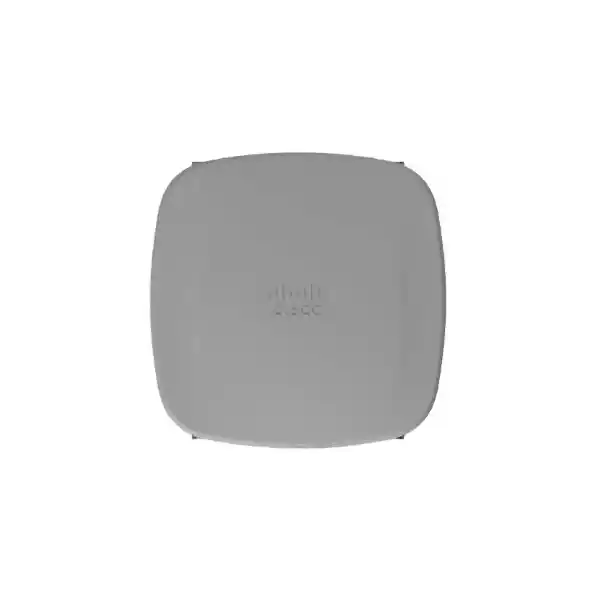
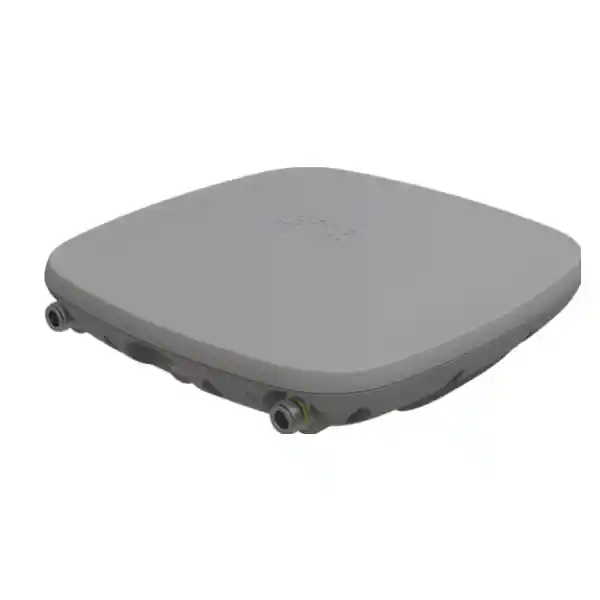
The Cisco Meraki CW9163E-MR is the Meraki cloud-managed version of Cisco’s outdoor Catalyst 9163E platform. It is built for organizations that need reliable business Wi‑Fi beyond indoor office space, including courtyards, logistics yards, campuses, hospitality grounds, educational environments, industrial compounds, parking areas and other outdoor or semi-outdoor zones. The platform combines tri-band Wi‑Fi 6E traffic radios, a dedicated tri-band scanning radio, Bluetooth Low Energy and 802.15.4 capabilities, external antenna flexibility, a 2.5GbE wired uplink and weatherized construction.
For Tanzania deployments, correct product selection should be paired with radio planning, suitable antennas, compliant 6 GHz operation, grounding, outdoor-rated cabling and enough PoE power. FourTeck helps buyers connect those technical requirements to a practical quotation rather than treating the access point as an isolated item.
CW9163E-MR is suitable when an outdoor project needs Meraki Dashboard management, Wi‑Fi 6E, 2×2 tri-band radios, external antennas and a multigigabit wired uplink. Full-feature operation requires 802.3at PoE; Cisco documentation notes that 802.3af places the unit in a degraded operating mode.
Concurrent 2.4 GHz, 5 GHz and 6 GHz 2×2 traffic radios support modern outdoor wireless designs while preserving compatibility with established client bands.
One 100M/1G/2.5G multigigabit Ethernet interface helps the wired side keep pace with aggregate wireless capacity where upstream switching is designed accordingly.
Four N-type Wi‑Fi antenna connectors let designers match antenna pattern to the coverage objective rather than relying on a fixed internal radiation pattern.
Meraki Dashboard provides centralized configuration, monitoring, firmware workflows, client visibility and policy administration for distributed wireless estates.
What is the Cisco Meraki CW9163E-MR?
The CW9163E-MR is an outdoor-rated enterprise access point using the Cisco Catalyst 9163E hardware platform with Meraki cloud management. Cisco positions the model for low- to medium-density outdoor deployments. Its radio architecture includes 2×2 traffic radios for 2.4 GHz, 5 GHz and 6 GHz, plus a dedicated tri-band scanning radio used for wireless security, spectrum analysis and related monitoring functions. The platform also includes a 2.4 GHz IoT radio supporting technologies such as Bluetooth Low Energy and 802.15.4-based use cases.
The model is especially relevant where an organization has standardized on Meraki operations but needs coverage beyond indoor ceiling-mounted access points. Typical design areas include building exteriors, landscaped hospitality areas, school grounds, factory compounds, warehouse loading areas, transport yards, outdoor retail zones and multi-building campuses. The correct antenna is a key part of the design. Cisco documents supported outdoor tri-band omnidirectional and directional antennas for the CW9163E family, while the access point itself provides four N-type female antenna connectors.
Buyers should also distinguish hardware capability from local regulatory permission. Outdoor 6 GHz operation depends on regulatory approval and Automated Frequency Coordination where required. Therefore, a Tanzania quotation should confirm the intended regulatory domain, deployment mode and applicable spectrum conditions rather than assuming that every radio feature can be enabled in every location.
Verified technical highlights for procurement
| Area | CW9163E-MR detail | Planning implication |
|---|---|---|
| Wireless bands | 2.4 GHz, 5 GHz and 6 GHz Wi‑Fi 6E traffic radios | Useful for staged migration where legacy and newer client populations coexist. |
| Radio architecture | 2×2 traffic radios plus dedicated tri-band scanning radio | Supports business connectivity while maintaining RF monitoring functions. |
| Wired uplink | 100M/1G/2.5G BASE‑T Ethernet | Check switch multigigabit capability and PoE budget before ordering. |
| Power | 802.3at for normal full operation; 802.3af supported in degraded mode | Plan a compatible PoE+ switch or suitable injector rather than relying on older PoE. |
| Antenna connections | Four N-type Wi‑Fi connectors plus external GNSS connection | Antenna selection and cable losses should be included in the RF design. |
| Mounting | Wall and pole mounting supported; MA‑MNT‑MR‑16 included | Survey mounting surface, pole diameter, grounding and cable route in advance. |
| Security | WPA2/WPA3 options, Air Marshal WIDS/WIPS, guest isolation and Layer 7 firewall capabilities | Translate feature availability into a documented SSID, identity and segmentation policy. |
Why businesses choose an outdoor Meraki Wi‑Fi 6E access point
Outdoor wireless projects can fail even when the access point is technically powerful. Common causes include unsuitable antenna patterns, mounting without clear line of sight, poor grounding, undersized PoE infrastructure, water ingress at cable terminations, congested channel plans or a mismatch between client density and AP placement. The CW9163E-MR gives designers a strong hardware platform, but the business value comes from combining the hardware with correct planning.
Meraki cloud management can simplify operations when a company has multiple sites or limited local IT staff. Administrators can centralize SSID configuration, review client health, monitor RF behavior, standardize policy and manage firmware from a common interface. In an outdoor environment this visibility is useful because troubleshooting physical coverage can otherwise involve repeated site visits. The dedicated scanning radio contributes to wireless intrusion detection and prevention, spectrum analysis and location-related analytics without being the primary client traffic radio.
For broader infrastructure planning, FourTeck Tanzania’s business technology portfolio shows how Wi‑Fi fits with switches, firewalls, structured cabling and other site systems. Customers preparing a purchase can also review the Tanzania technology shop and FourTeck Tanzania services for adjacent supply, deployment and support requirements.
Deployment, antenna and power planning
Antenna pattern first
Use an omnidirectional pattern when coverage is required around the mounting point; consider a directional pattern when energy should be concentrated toward a yard, corridor, building face or defined outdoor zone. Antenna choice should follow an RF objective, not convenience.
PoE and switching
Cisco documentation specifies 802.3at for normal operation. Verify per-port power, total switch PoE budget, cable length, surge considerations and whether the upstream switch supports 2.5GbE if multigigabit uplink capacity is required.
Outdoor cabling
Use suitable outdoor-rated shielded Ethernet and properly install the weather sealing components. Grounding and surge practices should be treated as part of the deployment, especially where equipment is exposed on poles, rooftops or external walls.
Licensing and dashboard
The Meraki-managed model depends on appropriate Meraki licensing and dashboard onboarding. Include subscription requirements, renewal planning and ownership of the Meraki organization in procurement discussions.
Cisco Meraki CW9163E-MR Tanzania
In Tanzania, the CW9163E-MR is a strong fit for organizations extending managed wireless into outdoor operational areas while retaining centralized Meraki visibility. A typical buyer may be a hotel group adding coverage around gardens and poolside areas, a school or university connecting courtyards and walkways, a logistics company covering loading bays and yard operations, a manufacturer extending Wi‑Fi between production buildings, or a corporate campus needing outdoor connectivity for staff and approved devices. The access point’s tri-band architecture gives planners room to support established 2.4 GHz and 5 GHz clients while introducing 6 GHz capability where client devices and local regulatory conditions permit.
A Tanzania deployment should begin with the business use case rather than an access-point count. Identify the outdoor areas that actually need connectivity, the applications that will run there, expected concurrent users, mobility patterns, building materials and whether coverage is required around a mounting point or toward a defined direction. That information determines whether an omnidirectional or directional external antenna is more appropriate. It also helps decide AP spacing, mounting height and wired backhaul placement. For sites with metal structures, dense shelving, concrete, trees or changes in elevation, an RF survey or predictive design can reduce guesswork.
Infrastructure readiness matters just as much. The CW9163E-MR requires 802.3at PoE for normal operation and supports a 2.5GbE uplink, so the access switch should be checked for both power and port capability. Outdoor cable routes need suitable shielding, weather sealing and grounding. Internet reachability is required for normal Meraki cloud management, and the firewall path should permit the outbound connectivity required by the Meraki platform. If the site uses VLANs, guest Wi‑Fi, identity-based access or security segmentation, those policies should be planned before installation so the outdoor wireless network becomes part of the same architecture rather than a separate unmanaged island.
When requesting a quote in Tanzania, provide the site type, approximate coverage area, preferred mounting points, user count, existing switch model, available PoE class, current firewall, internet connection and whether antennas are already specified. FourTeck can then help frame the AP, antenna, mounting, switching, cabling and licensing requirements into a clearer bill of materials. This approach avoids the common mistake of ordering only the access point and discovering later that antennas, power or upstream network capacity need changes.
Cisco Meraki CW9163E-MR Dar es Salaam
Dar es Salaam deployments often combine office, hospitality, retail, warehouse and industrial requirements within dense commercial environments. For a CW9163E-MR project, the first practical question is whether the outdoor area needs general coverage in all directions or focused coverage toward a particular zone. A hotel may want guest connectivity across an exterior leisure area, while a warehouse may need handheld scanners and operations devices along loading bays. A corporate site may need coverage between buildings or across parking and visitor areas. Those are different RF problems even when they use the same access-point model.
The CW9163E-MR’s external antenna design is useful because the radio pattern can be aligned to the intended environment. However, antenna selection should not be isolated from mounting height, obstructions and cable route. Coastal humidity, exposed outdoor locations and electrically noisy infrastructure make correct cable gland installation, shielded cabling, grounding and surge planning particularly important. The AP should have a clean wired path back to the switch, and the upstream switch should supply 802.3at power for full radio operation. If the access switch supports 2.5GbE, the AP can also use its multigigabit wired interface rather than being limited to a 1GbE uplink.
Dar es Salaam businesses with multiple branches may value Meraki Dashboard because common SSID and security policies can be administered centrally. IT teams can review client connectivity, AP status and wireless health without treating every outdoor AP as an isolated device. Where guest access is required, design should separate visitor traffic from internal resources. Where operational handhelds or business applications use Wi‑Fi, roaming and VLAN policy should be tested from the user’s path, not just beside the AP.
For quotation preparation, include a site plan if available, proposed mounting locations, expected user or device count, existing Meraki organization details, switch models, PoE availability, firewall information and required antenna pattern. Customers can also use FourTeck’s broader enterprise technology portfolio when a Dar es Salaam project includes additional switching, security or infrastructure requirements.
Cisco Meraki CW9163E-MR Mwanza
In Mwanza, outdoor enterprise Wi‑Fi may be needed around hospitality properties, education sites, commercial compounds, healthcare campuses, distribution facilities and business premises where users move between indoor and outdoor areas. The CW9163E-MR can support these environments when the design begins with a clear coverage objective. The device is not a substitute for RF planning: water, terrain, building orientation, exterior walls, roof structures and vegetation can affect signal behavior, while client devices themselves may transmit at lower power than the access point.
A useful design process identifies the most important client types. Staff laptops, modern smartphones, barcode terminals, CCTV maintenance devices and IoT endpoints can have different band support and roaming behavior. Wi‑Fi 6E adds 6 GHz capability, but existing 2.4 GHz and 5 GHz radios remain important for mixed client populations. Outdoor 6 GHz use also depends on the applicable local regulatory framework and AFC conditions, so availability of the hardware feature should not be confused with automatic permission to enable it in every deployment.
For Mwanza sites, plan the wired network at the same time as the wireless layer. The CW9163E-MR’s 2.5GbE Ethernet port is valuable only when switching and cabling can support the intended link rate. Full operation requires 802.3at PoE, and Cisco documents degraded operation under 802.3af. Outdoor-rated shielded cable, proper sealing and grounding are part of a professional installation, not optional accessories. Where the AP is pole-mounted, confirm pole dimensions and structural suitability. Where wall-mounted, avoid placing the antennas too close to large metal surfaces that may distort the desired RF pattern.
A well-prepared Mwanza request should describe the business application, desired coverage zone, number of users or wireless devices, existing switch and firewall models, available uplink, mounting conditions and licensing status. That information helps determine whether one AP is sufficient or whether several coordinated APs are required, and whether omnidirectional or directional antennas make better sense.
Cisco Meraki CW9163E-MR Arusha
Arusha has a broad mix of hospitality, tourism, education, nonprofit, business and logistics environments where managed outdoor Wi‑Fi can improve user experience and operational mobility. For lodges, hotels and conference venues, the important outcome may be consistent guest connectivity across landscaped areas and exterior meeting spaces. For schools, training centers or institutional campuses, the priority may be coverage between buildings, courtyards and outdoor learning zones. For logistics or commercial compounds, reliable connectivity for staff devices may matter more than guest access.
The CW9163E-MR’s external antenna capability makes it possible to adapt RF direction to the site. A 360-degree omnidirectional approach can suit central placement when users surround the AP, while directional coverage can be more efficient when the target area lies mainly in one direction. Antenna selection should be paired with mounting height and line-of-sight planning, because a high-power AP with the wrong radiation pattern can create inconsistent performance. The dedicated scanning radio and Meraki cloud visibility can also help operators understand interference and client experience over time.
For hospitality environments around Arusha, guest segmentation is a central design issue. Visitor traffic should be isolated from management, point-of-sale, back-office and other internal systems. Staff devices may need separate SSIDs or identity policies, while operational IoT equipment can have a more restricted network segment. The access point’s wireless security capabilities support such designs, but VLANs, firewall policy and upstream routing must be coordinated beyond the AP itself.
Power and cabling should also be confirmed before procurement. Use 802.3at PoE for full operation, plan outdoor-rated cable and grounding, and check whether the existing access switch supports multigigabit Ethernet. Organizations that operate across East Africa can also review FourTeck Kenya for regional technology context while keeping the Tanzania quotation aligned to the actual Arusha site requirements.
Cisco Meraki CW9163E-MR Dodoma
Dodoma organizations planning outdoor wireless often need predictable business coverage rather than consumer-style range claims. Government-related facilities, education campuses, offices, hotels, healthcare sites and commercial premises may all have outdoor areas where secure Wi‑Fi improves staff mobility or visitor access. The CW9163E-MR is best evaluated by matching its capabilities to those operating requirements: tri-band Wi‑Fi 6E, external antennas, cloud management, dedicated RF scanning, 2.5GbE uplink and outdoor-rated construction.
A useful Dodoma design begins with coverage maps and application priorities. If users mainly need messaging, web and cloud access around a courtyard, the density requirement may be moderate. If the area hosts events, training sessions or many mobile users, capacity becomes more important. In large compounds, one AP should not automatically be expected to cover every outdoor corner. Lower-power client devices must be able to transmit back to the AP, and solid walls, vehicles, structures and terrain can create shadow zones. Several correctly placed APs can be more reliable than one AP mounted too far away.
Network security should be designed before the access point is installed. Separate staff, guest and device traffic using appropriate SSIDs and VLANs, then enforce access through firewall policy. Meraki Dashboard can centralize this configuration across multiple APs and sites, but ownership and licensing should be documented in the procurement package. For institutions with strict change controls, identify who will administer the Meraki organization, approve firmware changes and maintain network documentation after handover.
The physical layer still determines reliability. Plan 802.3at power, outdoor-rated shielded Ethernet, grounding, mounting hardware and a weather-sealed cable entry. Where 6 GHz is part of the design, verify current regulatory approval and AFC applicability for the intended location. A FourTeck quotation can be more accurate when it includes not only AP quantity but also selected antenna type, switching and power requirements, mounting environment and Meraki licensing term.
Cisco Meraki CW9163E-MR UAE
For UAE businesses, the CW9163E-MR can serve outdoor wireless requirements across hospitality, education, logistics, enterprise campuses, manufacturing and retail developments. Hot outdoor conditions, exposed rooftops, extensive paved areas and large commercial compounds make physical installation quality especially important. The access point is designed for outdoor deployment, but a professional project still needs correct mounting, cable routing, grounding, antenna choice and upstream network design.
External antennas give the design team flexibility. Omnidirectional coverage can work for courtyards, central outdoor gathering areas or open zones where clients approach from several directions. Directional coverage can be more effective when Wi‑Fi should follow a building frontage, walkway, loading area or specific outdoor sector. The right choice reduces wasted RF energy and can improve consistency. In high-interference locations, the dedicated scanning radio and Meraki operational tools can also support ongoing RF visibility.
For UAE installations, PoE and cabling should be checked early. Full operation requires 802.3at power, and the wired interface supports 2.5GbE. That makes multigigabit access switching useful where aggregate wireless demand justifies it. Outdoor cable runs should remain within Ethernet distance limits and use appropriate shielded cable and environmental protection. If a project uses the 6 GHz band, regulatory domain approval and AFC conditions must be validated for the specific country and deployment rather than assumed from product capability alone.
Organizations coordinating regional procurement can connect the wireless project to broader enterprise requirements through FourTeck UAE. A complete bill of materials should identify APs, antennas, mounting, PoE source, switching, cabling, licensing and any firewall or segmentation work required. That reduces deployment delays caused by missing accessories or infrastructure that cannot provide the required power and uplink capability.
Cisco Meraki CW9163E-MR Uganda
Uganda deployments may range from urban enterprise campuses to hospitality properties, schools, healthcare sites, logistics yards and branch networks. The CW9163E-MR is relevant when a project requires outdoor Wi‑Fi under centralized Meraki management, especially where the same organization already uses Meraki switching, security or indoor wireless. Consistency in operations can simplify monitoring and policy across sites, but the RF design should still be tailored to each physical environment.
The most important planning distinction is coverage versus capacity. A single outdoor AP might make a signal visible over a wide area, yet users can still experience poor performance if too many clients share the same radio or if client devices cannot transmit back reliably. Estimate simultaneous clients, application types and roaming behavior. Then choose mounting points and antenna patterns that create usable cells rather than chasing the largest possible radius. External omnidirectional and directional antenna options let designers shape coverage to the site instead of accepting one fixed pattern.
Infrastructure preparation should cover power, switching, cabling and internet reachability. Cisco specifies 802.3at for normal full operation, while 802.3af leads to a degraded operating mode. The 2.5GbE interface can benefit sites with multigigabit switching, but ordinary 1GbE designs may still be appropriate when traffic levels do not justify higher uplink capacity. The important point is to size the wired side deliberately. Meraki cloud management also depends on the AP reaching the required cloud services through the firewall.
For organizations working across Uganda, FourTeck Uganda provides regional technology context. A procurement request should state the intended location, application, expected client count, existing LAN equipment, available PoE, antenna preference if known and licensing requirements. This allows a quotation to reflect the full deployment rather than only the AP hardware.
Cisco Meraki CW9163E-MR Kampala
Kampala businesses may use outdoor Wi‑Fi to connect guest areas, campus walkways, parking zones, warehouse loading areas, education facilities and mixed-use commercial compounds. In dense urban RF environments, simply adding a high-performance access point is not enough. Designers should understand neighboring Wi‑Fi, existing channel use, building construction and where client devices actually operate. The CW9163E-MR’s dedicated scanning radio is helpful for ongoing visibility, while its external antenna options allow the RF pattern to match the intended area more closely.
For office and hospitality projects, central Meraki Dashboard management can reduce operational friction. Network teams can standardize SSIDs, apply access rules, monitor clients and review AP health from one platform. Guest traffic can be separated from corporate systems, while staff and managed devices can use distinct security policies. If the organization has several branches, template-based operations and common naming conventions can make the environment easier to support than individually configured standalone access points.
The physical installation should be treated as infrastructure work. Use the recommended 802.3at power source for full AP operation, confirm the access switch’s PoE budget and determine whether 2.5GbE is required. Outdoor-rated shielded Ethernet, cable sealing, grounding and suitable mounts are important for reliability. If pole mounting is selected, assess structural stability and ensure antennas have adequate clearance. If wall mounting, consider whether nearby metal or reinforced surfaces may distort the radio pattern.
A Kampala quotation should identify coverage zones, approximate dimensions, client types, peak concurrency, existing switch/firewall models, available Meraki licensing and whether guest access or identity integration is required. For 6 GHz operation, confirm applicable local regulations and AFC requirements. The goal is to deliver predictable wireless service in the defined business area, not just to install a device that broadcasts a strong signal near the mounting point.
Cisco Meraki CW9163E-MR Arua
In Arua, organizations considering the CW9163E-MR may be planning wireless for education, healthcare, hospitality, nonprofit operations, commercial facilities or larger compounds where outdoor connectivity supports staff and visitors. These environments can benefit from cloud management because centralized visibility reduces dependence on local configuration at every AP. However, the design should account for internet dependency, power continuity and the practical support model of the site.
A resilient Arua deployment starts with the wired foundation. The access point expects 802.3at PoE for full performance, so confirm whether the existing switch can supply the required power per port and across its total PoE budget. Where power quality is a concern, consider how the PoE switch and upstream network are protected by UPS infrastructure. The AP’s 2.5GbE interface provides capacity headroom, but the switching environment and cabling must support that speed if it is to be used. Reliable internet connectivity is also required for normal Meraki cloud operations.
Outdoor RF design should be practical. Select an omnidirectional antenna when users surround the AP, or a directional antenna when coverage should be concentrated. Do not assume that maximum transmit power automatically improves experience: client devices may transmit at lower power, and excessive cell size can create roaming or contention problems. Survey the area for obstacles and locate APs where the antennas have a clear path to the intended coverage zone.
For quotation, provide site dimensions, mounting opportunities, expected users, critical applications and the existing LAN/firewall environment. If the site connects several buildings or remote operational zones, mention whether fiber or intermediate switching already exists. A complete solution may include AP hardware, antennas, mounts, PoE switching, cabling, licensing, VLAN configuration and firewall policy. Defining these dependencies before purchase helps prevent an incomplete installation where the access point arrives before the network is ready to support it.
Cisco Meraki CW9163E-MR Mbarara
Mbarara businesses and institutions can use the CW9163E-MR where wireless coverage must extend into compounds, hospitality grounds, educational areas, healthcare campuses, storage yards and outdoor customer spaces. The platform is especially attractive when IT teams want the same Meraki management model indoors and outdoors. That operational consistency helps with monitoring and policy, but it does not remove the need for location-specific RF planning.
Start by defining what success means. If the goal is reliable staff access around buildings, prioritize roaming and coverage continuity. If the goal is guest access, focus on capacity, isolation and internet availability. If wireless supports scanners, tablets or operational applications, test the actual device types because their radio capabilities influence performance. The CW9163E-MR supports 2.4 GHz, 5 GHz and 6 GHz, yet many deployed clients may still depend on the older bands. Band strategy should therefore reflect the client estate rather than marketing terminology alone.
The external antenna architecture is useful for Mbarara sites with irregular outdoor spaces. Directional antennas can concentrate coverage along a yard or toward a building, while omnidirectional antennas can serve clients around a central mounting point. Installation should protect connectors and cabling from the environment, use outdoor-rated shielded Ethernet and include grounding. A compatible 802.3at PoE source is needed for full operation; older 802.3af should not be treated as equivalent because Cisco documents reduced capability in that mode.
For a useful quote, state how many outdoor zones need service, the dimensions of each area, whether there is line of sight, existing switch models, distance from the network rack and licensing requirements. Where several APs are needed, include a channel and placement plan rather than installing them at equal distances without regard to RF conditions. This produces a network that is easier to operate and scale when the site grows.
Cisco Meraki CW9163E-MR Gulu
For Gulu sites, outdoor Wi‑Fi can be valuable where buildings are spread across a compound or where users need connectivity in open operational areas. Education, healthcare, hospitality, nonprofit and commercial facilities may all have such requirements. The CW9163E-MR provides a business-class platform with Meraki cloud management, tri-band Wi‑Fi 6E, dedicated wireless scanning and external antenna support, but procurement should still be tied to the realities of the site.
One design consideration is infrastructure distance. Ethernet runs are limited in practical reach, so a large compound may need intermediate switching, fiber between buildings or alternative architecture rather than extremely long copper runs. Where a wired uplink is available, the CW9163E-MR can use 2.5GbE if the switch and cable support it. The PoE source should provide 802.3at for normal operation. If the AP is positioned on an external pole or wall, grounding and weather-protected cable termination should be included in the installation scope.
Wireless coverage should be planned around client behavior. Outdoor users often move, so roaming between indoor and outdoor APs may matter. If staff carry voice or real-time collaboration devices, handoff quality and consistent signal are more important than maximum range. If the requirement is guest internet, captive access, client isolation and bandwidth policy may be priorities. The Meraki platform supports centralized policy administration, but the surrounding VLAN, DHCP and firewall design must be ready for those traffic classes.
A Gulu procurement request should specify the application, expected number of devices, site map, mounting points, current switching and internet topology, and any need for directional versus omnidirectional coverage. Confirm regulatory permissions before planning outdoor 6 GHz operation. The best outcome is an integrated design where the AP, antenna, power, wired uplink, security policy and cloud license are all accounted for before installation begins.
Cisco Meraki CW9163E-MR Kenya
Kenya has a wide range of potential CW9163E-MR use cases, including corporate campuses, hospitality properties, logistics parks, schools, universities, healthcare facilities and industrial sites. Urban locations may have high RF congestion, while larger peri-urban and campus sites may be more affected by coverage distance and physical obstructions. The same access point can fit both scenarios, but antenna selection, channel strategy and AP density should differ.
For busy commercial environments, design for capacity rather than only coverage. If many users congregate in one outdoor area, multiple smaller cells may perform better than a single powerful AP. The CW9163E-MR uses 2×2 radios across 2.4 GHz, 5 GHz and 6 GHz and supports external antennas, enabling the designer to shape the cell according to the space. The dedicated scanning radio contributes RF monitoring while client radios serve users. When 6 GHz is included, verify national regulatory approval and AFC requirements for outdoor standard-power operation.
The wired layer should match the wireless objective. A 2.5GbE uplink helps avoid an unnecessary bottleneck when aggregate traffic is high, but it requires a compatible switch port. Full operation requires 802.3at PoE, and total switch power budget should be checked if several outdoor APs are connected. Use outdoor-rated cable, correct sealing, grounding and appropriate mounts. Where long distances separate buildings, fiber distribution may be more suitable than extending copper beyond normal Ethernet limits.
Kenya customers should include site type, coverage map, user profile, antenna preference, switching information, Meraki licensing needs and security requirements in the RFQ. If the organization operates in both Kenya and Tanzania, consistent Meraki standards can simplify policy and support while still allowing each site to use its own RF plan. Procurement should also account for spare strategy and license renewal ownership so the wireless estate remains manageable after installation.
Cisco Meraki CW9163E-MR Kuwait
In Kuwait, outdoor access points can be exposed to intense heat, dust and challenging installation conditions, which makes site engineering as important as radio capability. The CW9163E-MR is built as an outdoor enterprise access point, yet long-term reliability still depends on suitable mounting, environmental sealing, grounded infrastructure and cable routes that do not create avoidable stress. Hospitality, logistics, industrial compounds, education sites and enterprise campuses can all benefit from managed outdoor Wi‑Fi when those details are addressed.
The AP’s external antenna support allows the RF pattern to be chosen for the site. A directional antenna can focus energy toward a defined outdoor area, while an omnidirectional antenna can serve clients around a central point. In large paved yards or building exteriors, reflective surfaces and line-of-sight geometry can change how coverage behaves. Predictive design should therefore be validated with on-site testing where the wireless application is operationally important.
Kuwait deployments should verify PoE and switch capability before purchase. Cisco specifies 802.3at for normal operation and the AP supports a 2.5GbE wired interface. Where several APs share a switch, check the total PoE budget rather than only per-port support. Use shielded outdoor cable and proper grounding. If the project uses 6 GHz, confirm the applicable regulatory domain and AFC rules for outdoor operation at the project location.
Meraki cloud management can be useful for organizations with multiple locations because it centralizes configuration, firmware and monitoring. Security design should still define guest isolation, employee access, VLANs and firewall policy. A Kuwait quotation is most useful when it includes access points, selected antennas, mounting accessories, PoE source, switching, cabling and licensing. This turns a hardware request into a deployable solution and reduces the risk of missing components when installation begins.
Cisco Meraki CW9163E-MR Ghana
Ghana organizations can use the CW9163E-MR for outdoor Wi‑Fi across business campuses, education, hospitality, logistics, healthcare and industrial facilities. Climate exposure and physical site conditions mean cable sealing, grounding and mounting deserve the same attention as radio specifications. The AP’s outdoor construction is a foundation, but a reliable deployment still needs well-planned infrastructure around it.
For a hospitality property, the desired outcome may be stable guest access across open areas without exposing internal business networks. For a warehouse or logistics site, handheld scanners and staff devices may need consistent connectivity near loading zones. For education, users may move between buildings and outdoor gathering areas. Each scenario has a different client density and roaming pattern. The CW9163E-MR’s tri-band 2×2 radio design supports mixed client populations, while external antennas help tailor coverage to the area.
The wired network must support the AP. Full operation requires 802.3at power, so switch PoE class and available power budget should be verified. The 2.5GbE interface can provide uplink headroom when a multigigabit switch is available. Outdoor-rated shielded Ethernet, weather-resistant termination and grounding should be included in the scope. Where cable distance is too long between buildings, the distribution design may require fiber or additional switching rather than exceeding Ethernet limits.
Before enabling or specifying outdoor 6 GHz, confirm Ghana’s current regulatory position and any AFC requirements. A complete RFQ should state the coverage area, site type, expected devices, antenna pattern, existing switching, firewall, internet connectivity and license term. If the project spans multiple sites, define a naming standard and Meraki organization structure so remote operations remain easy to understand. The best procurement outcome is a bill of materials that reflects the complete wireless path from client radio to cloud management.
Cisco Meraki CW9163E-MR Nigeria
Nigeria’s enterprise, education, hospitality, logistics, industrial and multi-site business environments can create demanding outdoor Wi‑Fi requirements. Large user populations, mixed device types and expansive compounds mean access-point selection should be part of a broader architecture. The CW9163E-MR offers Wi‑Fi 6E, cloud management, external antenna flexibility and a multigigabit uplink, but deployment quality depends on how these capabilities are integrated.
In dense locations, capacity planning is critical. One AP with excellent line of sight may still become overloaded if too many active clients share the same channel. Designers should estimate concurrent devices, application demand and roaming paths. Directional antennas can help contain the RF cell and reduce interference in some layouts, while omnidirectional antennas can support open areas around a central mount. The dedicated scanning radio gives Meraki operators additional spectrum and security visibility without being the primary traffic radio.
For distributed businesses, Meraki Dashboard can simplify governance across branches by keeping wireless configuration and monitoring in a common interface. Network policy should define employee, guest and device access separately. Where applications depend on low latency or steady throughput, include QoS, uplink capacity and firewall behavior in the design. Outdoor 6 GHz operation should only be planned after confirming the applicable Nigerian regulatory requirements and AFC conditions.
The hardware also needs correct power and transport. Use 802.3at PoE for normal operation, confirm total PoE budget, and use multigigabit switching when the traffic case justifies 2.5GbE. Outdoor-rated shielded cable, grounding, mounting and cable sealing should be specified explicitly. A Nigeria RFQ should include site maps, AP locations, client counts, application profile, switching and firewall details, antenna choice and licensing term so suppliers can quote a complete, deployable design rather than a bare access-point quantity.
Cisco Meraki CW9163E-MR Seychelles
Seychelles deployments can place unusual emphasis on hospitality, resort environments, coastal properties and distributed buildings where outdoor connectivity contributes directly to guest experience and staff operations. The CW9163E-MR is attractive for these projects because it combines outdoor construction with Meraki cloud management and flexible external antennas. However, salt-laden air, humidity and exposed installation points make careful physical deployment essential.
RF design should follow the property layout. Resort paths, garden zones, pool areas, outdoor restaurants and beach-facing spaces may require different antenna patterns. Directional antennas can focus coverage along a path or toward a defined guest zone, while omnidirectional patterns can work around a central courtyard or common area. Vegetation, elevation and building materials can alter signal propagation, so predictive design should be checked against real measurements where service quality is important.
Infrastructure design must account for distance between buildings. If copper Ethernet would exceed standard limits, use fiber distribution or intermediate network locations rather than extending cable beyond specification. The AP requires 802.3at PoE for normal operation and supports 2.5GbE, so the edge switch should be evaluated for power, uplink and environmental placement. Outdoor cable, grounding and sealed connectors should be included from the start. A UPS strategy can help protect the network during short power disturbances.
Guest Wi‑Fi should be separated from hotel or business systems, and bandwidth policy may be useful during high occupancy. Meraki cloud management can centralize operations across multiple buildings or properties. Before relying on outdoor 6 GHz, verify Seychelles regulatory approval and AFC requirements. A complete quote should include APs, antennas, mounts, PoE switching or injectors, cabling, licensing and any required firewall/VLAN work so the final network is suitable for both guest experience and operational support.
Compatibility, security and integration guidance
The CW9163E-MR can participate in business wireless designs using WPA2 and WPA3 security options, guest access, VLAN tagging and Meraki network policy. Cisco documentation also lists integration with Cisco Identity Services Engine for guest access and BYOD-related use cases. These capabilities are most valuable when the wider network is ready: the switching layer must carry the required VLANs, DHCP must serve each network correctly, and the firewall must enforce access between guest, employee, server and IoT segments.
For mixed Meraki estates, plan naming, tags, firmware windows and licensing ownership consistently. Document the AP serial numbers, switch ports, mount locations, antenna types, cable IDs and intended SSIDs. This information reduces troubleshooting time later. If organizations migrate between Meraki cloud management and Cisco Catalyst controller-based management, note that Cisco positions the CW9163E as a converged platform capable of management-mode conversion under supported conditions; migration should follow Cisco’s documented process rather than being treated as a casual configuration switch.
IoT capability should also be evaluated by application rather than by radio presence alone. The platform includes BLE and 802.15.4-related radio capability, but compatibility with a specific sensor, lock or workflow depends on the relevant Meraki feature and supported integration. Confirm the exact use case before buying the AP solely for IoT functionality.
Cisco Meraki CW9163E-MR buying checklist
Define the exact outdoor zones, approximate dimensions, user movement and whether coverage should be 360-degree or directional.
List expected concurrent users, critical applications and the mix of 2.4 GHz, 5 GHz and 6 GHz capable devices.
Confirm the supported tri-band antenna model and whether omnidirectional or directional coverage best matches the site.
Verify 802.3at power, total PoE budget and whether a 2.5GbE switch port is needed.
Specify outdoor-rated shielded Ethernet, cable sealing, ground conductor and surge considerations for exposed installs.
Confirm license term, Meraki organization ownership, renewal responsibility and dashboard onboarding process.
Quotation checklist for FourTeck Tanzania
To prepare a precise quotation for Cisco Meraki CW9163E-MR, send the number of access points, site location, intended outdoor coverage area, approximate user or device count, application type, preferred antenna pattern if known, existing switch model, available PoE standard, firewall model, internet connection details and required Meraki license term. If the project is a new site, include floor plans, outdoor drawings or photographs showing proposed mounting points and cable routes.
If the project is replacing older outdoor Wi‑Fi, also provide the existing AP models, current antenna types, known coverage problems and any recurring complaints such as dead zones, roaming drops, congestion or unstable guest access. This helps distinguish whether the requirement is simply a hardware refresh or whether the RF design itself should be changed.
Frequently asked questions
Is the Cisco Meraki CW9163E-MR an outdoor access point?
Yes. Cisco documents the CW9163E as an outdoor-rated enterprise Wi‑Fi 6E access point designed for wall or pole mounting and use with supported external antennas.
Does the CW9163E-MR support 6 GHz?
Yes, the hardware includes a 6 GHz Wi‑Fi 6E radio. Outdoor use of 6 GHz must follow the applicable regulatory domain and AFC requirements, so availability should be verified for the deployment country.
What PoE does the CW9163E-MR need?
Cisco specifies 802.3at PoE for normal operation. The AP can operate from 802.3af in a degraded mode with reduced radio capability, so 802.3at should be used for a full deployment.
Are antennas included?
Cisco’s product information states that antennas are not included with the CW9163E access point. Supported tri-band omnidirectional and directional antenna options should be selected according to the RF design.
Does it have a 2.5GbE port?
Yes. The wired uplink supports 100 Mbps, 1 Gbps and 2.5 Gbps Ethernet. The upstream switch and cable must support the desired link speed.
Can FourTeck help with more than the access point?
FourTeck Tanzania can frame the wider requirement around wireless planning, switching, PoE, cabling, security, installation and related infrastructure so the quotation reflects a deployable solution rather than a standalone device.
Decision recap
Choose the Cisco Meraki CW9163E-MR when your project requires a robust outdoor Meraki-managed access point with Wi‑Fi 6E capability, external antenna flexibility, a 2.5GbE uplink and centralized cloud operations. It is particularly suitable for low- to medium-density outdoor areas where the RF pattern can be engineered deliberately rather than relying on integrated indoor-style antennas.
Before ordering, confirm the regulatory domain, Meraki licensing, antenna model, 802.3at PoE, switch capability, mounting method, grounding and cable route. These details determine whether the access point can deliver its intended performance at the actual site.
Talk to FourTeck about your CW9163E-MR deployment
Share your outdoor coverage requirement, site dimensions, user count, existing switching and preferred Meraki license term. FourTeck can help translate those inputs into a practical Cisco Meraki CW9163E-MR bill of materials for Tanzania and regional projects, including the AP, supported antennas, power, switching and related infrastructure where required.



Reviews
There are no reviews yet.