
HANWHA VISION • IP AUDIO • TANZANIA
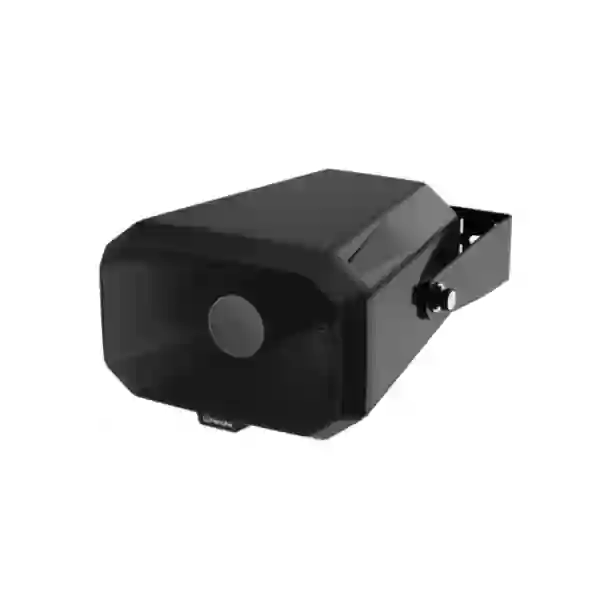
SPA-H100B Black IP Horn Speaker
A networked horn speaker for public-address messages, perimeter warnings and operational communication where clear speech and carefully designed audio coverage matter.
10W Class D • Up to 124 dB with PoE+ • IP66 • SIP and SUNAPI • 1GB internal storage
At a glance: verified specifications
| Product / finish | SPA-H100B, IP horn speaker, black |
|---|---|
| Amplification | Built-in 10W Class D amplifier |
| Maximum SPL | 121 dB with PoE; 124 dB with PoE+ |
| Sensitivity / frequency range | 111 dB at 1 watt; 650 Hz–5.3 kHz (-10 dB) |
| Power / network | IEEE 802.3af PoE or 802.3at PoE+; 10/100 Base-T Ethernet |
| Ingress protection | IP66 |
| Local storage | 1GB internal memory |
| Audio files | WAV and MP3; manufacturer-listed 16–48 kHz sampling |
| Integration | SIP, SUNAPI and manufacturer-listed ONVIF Profile S |
| I/O | One dry-contact input and one normally-open dry-contact output |
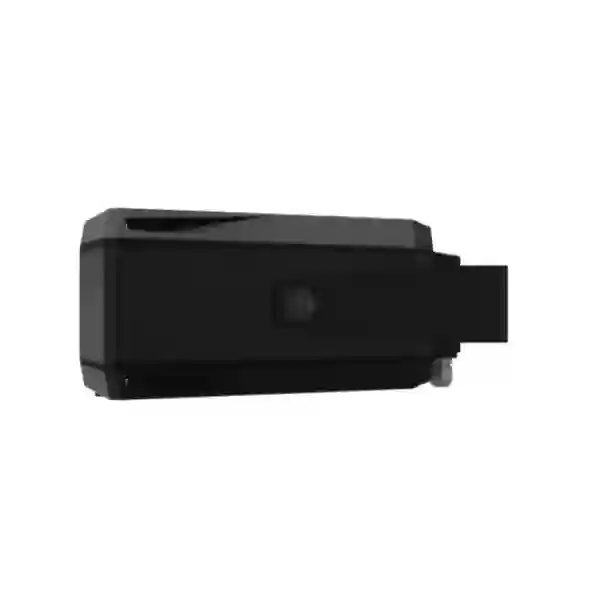
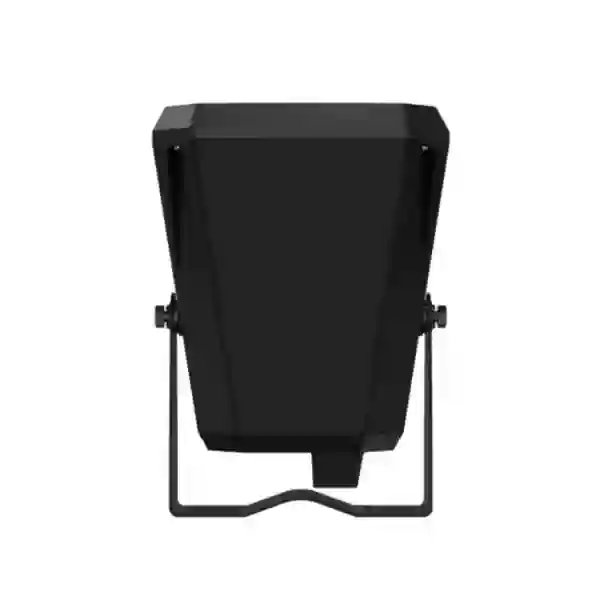
| Dimensions / weight | 241 × 155 × 307 mm (W × H × D); 3.7 kg |
| Operating conditions | -40°C to +55°C; 10–85% RH non-condensing |
| TTS languages listed | English (US/UK), German, French, Spanish, Russian |
Manufacturer specifications are subject to revision. Confirm current documentation and the exact configuration before installation.
The buying decision in one minute
Choose this model when projected spoken audio, IP networking and a weather-rated horn are relevant to the site. Verify the intended listening area, compatible PoE or PoE+ infrastructure, message language, mounting position and any SIP or surveillance integration. Request a site-specific compatibility review before assuming an installation can deliver a desired coverage distance.
Who this speaker is for
The Hanwha SPA-H100B IP horn speaker addresses a specific problem: a site needs speech or a warning to be audible beyond the immediate room, with messages controlled through an IP network rather than a conventional analogue amplifier run. For a buyer responsible for a warehouse, gate, production yard or controlled perimeter, the useful questions are not simply whether the speaker is loud. They are whether a person can understand the message at the intended position, whether it can be triggered at the right moment, and whether the site team can keep the device operational after installation. This model is designed around those requirements, but the outcome still depends on a properly engineered deployment.
It is a sensible candidate when an organisation already maintains Ethernet switching or IP surveillance infrastructure and wants to add a public-address endpoint to a planned communications workflow. It can be considered for routine announcements, pre-recorded notices, live intervention and appropriately designed background audio. It is not a substitute for a complete emergency communications design by itself, and its presence does not certify an installation as a fire-alarm, evacuation or life-safety system. Before purchase, define the audience, distance, language, trigger method, ambient noise and expected response; those details determine whether this horn type is the right choice.
Why a horn speaker instead of a room speaker?
A horn enclosure is intended to project voice and alert audio into areas where conventional low-profile indoor speakers may be difficult to hear. The SPA-H100B focuses on intelligible announcements rather than the full-range music reproduction expected from a premium listening speaker. Its manufacturer-stated frequency response is 650 Hz to 5.3 kHz at the -10 dB points. That range is relevant to spoken communication but should not be interpreted as a promise of deep bass or hi-fi performance. The shape also makes physical orientation important: pointing the device toward the working area is often more valuable than mounting it at the highest convenient spot.
Consider the surroundings before choosing horn technology. Open compounds, vehicle entrances and operational yards may favour robust projected audio, while offices, meeting spaces and quiet customer areas can benefit from a ceiling or wall speaker that distributes sound more gently. A high-output horn placed too close to workers can be unpleasant or unsuitable even when it has enough power to reach a distant area. If one site includes both a noisy loading bay and an indoor reception area, the better design may use different speaker types in separate zones, with each type selected for its actual environment.
Sound output and what the numbers really mean
Hanwha Vision specifies a built-in 10W Class D amplifier, sensitivity of 111 dB at one watt and a maximum sound pressure level of 124 dB when powered by PoE+. With standard PoE the listed maximum is 121 dB. These are manufacturer ratings, not a guarantee that every word will be understandable at a particular distance in the buyer’s environment. Sound pressure depends on measurement conditions, direction, background machinery, reverberation, obstacles and message content. A buyer comparing products should ask for the SPL test basis and consider an on-site intelligibility assessment where communication is critical.
Do not turn the headline maximum into an invented coverage radius. A yard with trucks passing, a metal-roofed warehouse and a narrow corridor produce very different listening conditions. If a long-range announcement is required, an integrator should identify the farthest intended listener, typical workday noise level and positions where the speaker could create excessive sound. Then choose the number, orientation and volume settings of speakers through a site design. The 124 dB figure is useful for shortlisting, while speech clarity at the listener is the result to verify during commissioning.
PoE versus PoE+: a consequential selection decision
The speaker accepts IEEE 802.3af Type 1 Class 3 PoE as well as IEEE 802.3at Type 2 Class 4 PoE+. For buyers, this can simplify installation because the network connection also delivers device power through compatible Ethernet infrastructure. Nevertheless, the two power choices do not deliver the same manufacturer-rated acoustic maximum: 121 dB with PoE and 124 dB with PoE+. If a proposal relies on the 124 dB maximum, specify a compatible PoE+ source and confirm the available budget on the exact switch port, not merely that the switch is labelled PoE-compatible.
A system with several speakers must account for the combined switch power budget, other powered devices, cable route and any backup power policy. The amplifier output rating should not be mistaken for the entire port power consumption or a complete sizing calculation. A network installer should use the equipment’s current electrical documentation to confirm port capacity and cable practices. In Tanzania, where a site may require a backup power strategy for business continuity, include the switch, network backbone and controllers in that plan; a powered speaker cannot announce anything reliably if the supporting network loses power.
Network connection and basic architecture
The SPA-H100B uses a 10/100 Base-T Ethernet interface. It is an IP endpoint, which means a deployment should specify addressing, VLAN or subnet assignment, device management access, bandwidth planning and whether messages will travel by unicast or multicast. For one speaker on a small site, the architecture can be straightforward. For a larger site, a drawing that shows speakers, switches, operator stations, any server, and the intended traffic flows can prevent expensive surprises. Confirm the current firmware and network prerequisites before installing, because a feature listed on a product page may still need particular settings or companion equipment.
Treat the Ethernet cable as part of a safety and reliability design, not just as a connectivity detail. Select installation methods appropriate to the building and the manufacturer’s instructions, particularly around exposed connectors, grounding and external mounting. Hanwha’s installation guidance includes restrictions on the PoE network and associated cable routing; installers should follow the current instructions rather than assuming a weather-rated speaker makes all external Ethernet wiring acceptable. Use appropriate surge-protection and electrical assessment where the environment calls for them, but do not improvise a connection scheme or bypass the supplied sealing components.
Live paging, SIP and voice communications
Support for SIP gives the device potential value in a business communications environment. Hanwha identifies SIP features and voice codecs and lists testing with example SIP clients and PBX equipment. This is evidence that voice-over-IP integration is part of the design, not a universal guarantee that every PBX, trunk, handset or hosted calling platform will work without configuration. A useful purchasing check is to identify the intended calling workflow: which authorised user can dial a speaker or zone, whether an operator can make an emergency-style announcement, what happens if a call is busy, and how the session ends.
Provide the system integrator with the actual PBX or calling-platform version and the current network topology. Confirm the codec, DTMF method, authentication, firewall rules and expected latency in a controlled test. If a site uses a hosted PBX, check whether the network security policy allows the required communication path; do not assume that internet access or a public IP address is necessary or desirable. For sensitive premises, protect the paging function so an unauthorised caller cannot broadcast to staff or visitors. A short compatibility demonstration is more reliable than an unqualified statement of seamless integration.
Scheduled announcements and stored messages
A scheduler and 1GB of internal storage make the SPA-H100B useful when the same announcement needs to be played at planned times. Examples include a shift-change notice, an opening or closing announcement, a gate instruction or a recurring operational reminder. This can reduce dependence on an operator remembering every message, while allowing the text and timing to be reviewed in advance. The manufacturer supports WAV and MP3 audio formats; prepare files that match the device’s supported encoding and sample-rate requirements. Storage capacity alone does not indicate how many minutes of content will fit without knowing the encoding.
A good message schedule needs governance. Decide who can upload audio, who approves the wording, which events are allowed to interrupt background audio, and what happens when work hours change. Seasonal activity, site maintenance and holidays can make a rigid schedule inaccurate. Plan for an easy review process rather than loading messages once and forgetting them. Keep instructions short, use a consistent tone, and test the recording in the actual acoustic space. A technically valid audio file can still be ineffective if the speaker is angled away from the audience or background noise masks important words.
Background music without confusing the use case
Hanwha lists background music as a supported feature, which can be useful in an appropriate customer-facing or operational environment. However, a horn speaker with a voice-focused frequency range is not automatically the best option for music quality. Assess whether the application needs full-range audio, modest ambient sound or mostly announcements. In many sites the priority is safe and intelligible speech; music is secondary and should not force the wrong speaker selection. Other products in the manufacturer’s IP audio family may be more suitable for reception, shops or sheltered occupied rooms.
When music is used, build clear rules for volume, broadcast priority and quiet periods. A security warning or an important operational instruction should not be obscured by routine audio. Decide whether a message needs to play to one location, multiple zones or the whole facility. The end-user team should also control the source files and any applicable usage rights; the speaker’s technical ability to reproduce a track does not grant the right to play it publicly. A commissioning test should verify the correct behaviour when one announcement interrupts another audio source and when normal operation resumes.
Text-to-speech and the Swahili question
Text-to-speech can help operators prepare some announcements quickly without making a separate voice recording every time. The manufacturer lists English (US and UK), German, French, Spanish and Russian as available TTS languages for this model. Swahili is not included in that published list. For a Tanzania deployment, that distinction matters: no buyer should assume the built-in speech engine can generate natural Swahili simply because the product is an IP speaker. Ask for a demonstration of any required language and specific voice before treating it as a procurement requirement.
For Swahili announcements, a practical route to assess is a professionally recorded WAV or MP3 message, subject to the format and workflow supported by the device. That allows the organisation to choose the pronunciation, pace and terminology appropriate to the workforce or public audience. A bilingual site may need separate English and Swahili recordings or an agreed single message based on its actual users. Ensure that instructions use words people recognise immediately and that an operator can identify which file is being broadcast. Do not advertise Swahili TTS support unless a current manufacturer document explicitly confirms it.
Two-way audio and operator interaction
Hanwha includes two-way audio in the model’s key features. For a security operator, this may support a more responsive encounter than a one-way prerecorded warning, depending on the complete system and controls. The design should be tested from the relevant control station through to the installed horn, with attention to voice clarity, permissions, microphone path and the surrounding noise. Device features alone do not tell a buyer whether an operator will hear every person at a distant gate, especially where wind, machinery or nearby vehicles are present.
Define a practical scenario before purchasing: a visitor approaches a controlled entrance, an event alerts the operator, the operator needs to speak, and the visitor should know what to do next. That flow may also require a camera, microphone, intercom, access-control device or management software, each of which should be separately verified. Do not describe the horn as a complete intercom or access-control solution without the other components. Consider whether two-way communication is truly required, or whether an appropriately worded one-way notice is simpler and more robust for the intended location.
Linking announcements to surveillance
The IP audio system can complement a video surveillance workflow when compatible software or supported event logic is configured. In a perimeter scenario, an alert can draw an operator’s attention and the loudspeaker can be used to issue an audible instruction. This may help a security team respond without immediately approaching a restricted area. It does not mean the speaker independently recognises people, verifies threats or automatically decides when to challenge someone. Detection, review and response depend on the design of the wider surveillance system, the configured triggers and the organisation’s operating procedures.
Before integrating audio with cameras or video management software, identify the exact software version, API capability, permitted event sources and required speaker selection. Hanwha lists SUNAPI and ONVIF Profile S as integration-related capabilities, but ONVIF support by itself should not be interpreted as a promise that every third-party VMS exposes every paging function. Request a focused proof of concept covering the intended trigger, the selected zone, message priority, operator controls and logging. A clear workflow avoids broadcast errors, such as sending a gate warning to an indoor reception area or allowing a routine event to override a critical announcement.
Dry contacts, relay output and local triggers
The published specification lists one dry-contact input and one normally-open dry-contact output. These connections can be useful in a broader event-driven installation, but the intended electrical operation and compatible loads must be checked in the current installation documentation before wiring anything. An input can be considered where an external event source must initiate a configured action, while the output may play a role in approved signalling. Neither terminal should be treated as an unrestricted power output or a guarantee of direct compatibility with an alarm panel, barrier or other controller.
A clear integration worksheet should describe the source of the contact event, its normal and active states, the message to be played, any delay or confirmation, the conditions that stop it and the intended fail-safe behaviour. Plan a test for accidental activation, disconnected wiring and loss of network access. Where the integration affects security or human safety, the responsible engineer should validate isolation, grounding and permitted wiring practices. These checks may seem detailed for a speaker purchase, but they separate a reliable operational message from a system that produces unexpected or silent failures.
Weather protection and environmental limits
The SPA-H100B is IP66 rated and intended for appropriate outdoor as well as indoor applications. IP66 concerns protection against dust and powerful water jets under defined test conditions; it should not be read as waterproofing for submersion or as approval for every exposed installation detail. The published operating temperature range is -40°C to +55°C, with a colder-start qualification in the specification, and humidity is listed as 10–85% RH, non-condensing. These ratings help engineers screen applications, but the installation remains subject to correct orientation, cable sealing and environmental assessment.
For a site in Tanzania, examine sun exposure, rain direction, wind-driven dust, salt or corrosive conditions where relevant, and access for maintenance. Do not assume that a coastal, industrial or chemically exposed location is suitable without reviewing the material and mounting requirements. A weather-rated enclosure will not protect a poorly sealed cable entry, an overloaded bracket or unprotected supporting network equipment. The device may sit outdoors while the network switch remains indoors; that combination requires a documented cable route compliant with current manufacturer guidance. Include the actual exposure conditions in the quote request rather than relying solely on the IP66 label.
Mechanical mounting and aiming
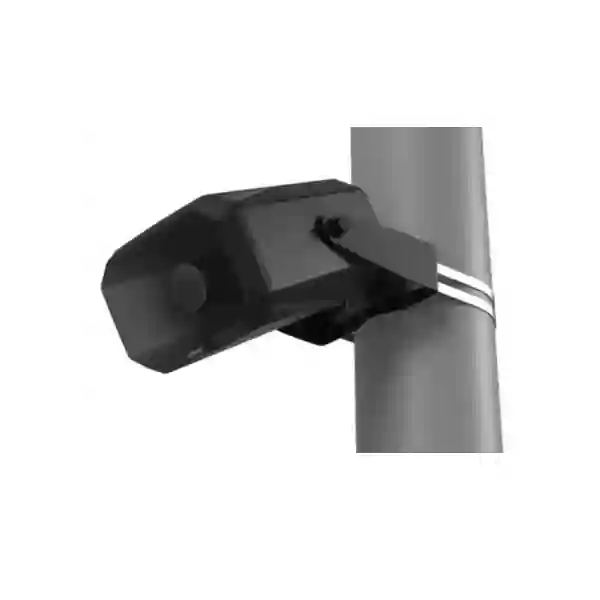
Hanwha lists a device weight of 3.7 kg and dimensions of 241 by 155 by 307 millimetres. The installation guide states that the chosen location should be able to support at least five times the product’s weight. That is a mounting requirement, not a general substitute for an engineer’s assessment of anchors, substrate, vibration and wind exposure. Verify whether the intended bracket, fasteners, safety restraints and other accessories are supplied for the exact regional package. An optional accessory shown in a guide should not be assumed to be included in the box.
Aiming is part of acoustic design. Draw a simple site plan with target listening positions, obstructions and likely noise sources, then determine where a horn can be mounted securely and serviced safely. Avoid directing unnecessarily high sound levels into occupied spaces or neighbouring property. During commissioning, use a realistic spoken announcement at operating volume rather than judging performance only by a short test tone. If workers must understand instructions while wearing hearing protection, assess the actual communication procedure instead of relying on maximum loudness. Mounting and sound testing should be completed by suitably qualified personnel.
Networking security and access control
Any IP-connected paging device deserves the same basic security attention as other managed network equipment. Separate authorised operators from general users, change initial credentials as directed by current instructions, restrict management access, and record the assigned device addresses. Review firmware supplied by the manufacturer and plan an approved update procedure rather than leaving an unknown configuration in service indefinitely. User-access logs and password controls appear in the manufacturer’s integration specifications, but organisations should still test the controls they need and set an appropriate retention and incident-review process.
Network segmentation can reduce the risk of unauthorised audio broadcasts or accidental interference from unrelated systems. Specify whether speaker management is allowed from an operations PC, security workstation or controlled maintenance network, and document any SIP or multicast access needed. Avoid unnecessary public exposure of administration interfaces. Provide an offline recovery plan for a forgotten password or a misconfigured IP address, since physical access may be difficult after a high mounting position is installed. Security policy should also define who can edit recordings and who can initiate high-priority announcements, not merely who can connect a cable.
Zones, groups and multiple-speaker planning
The manufacturer describes multi-source paging, zone and group management capabilities in its IP audio integration specifications. These capabilities can matter at a multi-building facility where an announcement must reach one gate, a specific warehouse or a selected cluster of outdoor positions. The architecture and limits are not the same as a guarantee that every system can grow without additional software or hardware. Hanwha has also described broader system designs with an optional audio server for larger speaker counts. Validate the current device, controller and server limits for the actual software and firmware combination being proposed.
Start with the operational map rather than a device count. Draw zones based on people who need the same information, not only on cable runs or building boundaries. Name each zone in a way an operator can recognise under pressure. Then test broadcast priority, overlapping messages, simultaneous sources and what happens when part of the network goes offline. A small site may need only a few clearly defined endpoints; a larger site might require multicast planning, switching configuration and operator training. Oversizing a zone can create needless disturbance, while undersizing it can leave part of an area without the intended instruction.
Warehouse and logistics-yard applications
In a warehouse, the challenge is often competing sound from forklifts, loading operations, conveyors and hard reflective surfaces. A project may need a scheduled shift notice in the loading area, a short access warning at a restricted doorway and an operator-initiated announcement near a dispatch gate. These are design examples, not promises that a single horn will cover a full building. Assess forklift routes, available power, protected mounting points and whether workers can identify a message clearly while normal machinery is operating. The most useful installation may combine a horn in a noisy zone with different indoor speakers where quieter audio is preferable.
A logistics yard brings different questions: open-air propagation, changing vehicle positions, weather exposure, remote gate location and the need to avoid unnecessary disturbance beyond the premises. Build a message set with simple actions such as where a vehicle should stop, which entrance is in use or when access is restricted. If the message depends on a camera or access sensor, verify the end-to-end event path. Use a commissioning checklist that covers both routine announcements and exceptional conditions, including a power interruption. The final decision should be based on site measurements and a system diagram, not on a generic promise of long-range coverage.
Industrial facilities and restricted areas
At an industrial site, a projected warning can support a carefully defined access procedure at a restricted area, equipment zone or security perimeter. It may be particularly valuable where staff can issue a message from a control room without entering a potentially unsafe location. The speaker should, however, be integrated into the site’s existing safety and communications arrangements, rather than presented as a certified replacement for mandatory alarms, signage, radios or trained personnel. An industrial hazard review must still decide what communication channels are required during normal operation, maintenance and emergency conditions.
The wording of a warning matters as much as its output level. A message that describes a clear action is generally more useful than a vague siren-like sound. Test whether people recognise the source and intended direction, and consider whether hearing protection, language preferences or workplace noise could mask speech. Maintenance crews may need different announcements from vehicle drivers or visitors, so zone separation and message governance may matter. If the system needs to link to a machine controller or an alarm interface, establish an independently verified interlock design and do not assume the horn’s dry contacts meet specialised industrial requirements.
Gate, perimeter and visitor messaging
An entrance application is often easier to specify when the buyer writes down the complete visitor journey. A person arrives, an operator or authorised event triggers a message, the visitor hears a clear instruction, and an appropriate access-control action follows. The SPA-H100B may be considered for the announcement portion of that journey. It does not by itself verify identity, open a barrier or provide the entire visitor-management workflow. Decide whether the message will be live, scheduled or event-triggered; whether it must be repeated; and how the security team will avoid broadcasting private information unnecessarily.
Perimeter messages should also be designed with local surroundings in mind. High volume may improve audibility inside the intended zone while creating disturbance elsewhere. Choose a mounting location and direction that favour the target area, and test the actual warning under representative conditions. If a camera analytic event is involved, define who confirms it and how false alerts are handled. Keep a documented manual override and a way to disable a faulty trigger safely. A clear operational specification makes it easier to evaluate the speaker alongside cameras, intercoms, access controls and any other equipment required.
Choosing audio for a multilingual workplace
An organisation with a mixed workforce or public audience should decide its announcement language before procurement. A site may need English, Swahili or both, depending on who must understand the message. Language decisions should be guided by actual communication needs rather than assumptions about the country. The manufacturer-listed TTS language set does not include Swahili, which means automatically generated Swahili speech should not be assumed. Instead, discuss an approved recording workflow for any required Swahili announcements and test whether the file can be played correctly through the intended scheduling or event mechanism.
For important messages, use short sentences and familiar terms. Avoid placing multiple instructions in one long recording if listeners have only a few seconds to respond. Establish a process for translations and pronunciation approval, especially where a term has a specific operational meaning. Recordings may also need to be updated when a gate, route or safety procedure changes. Keep a message register that identifies language, version, owner, trigger and last test date. This turns multilingual paging from a one-time upload into a controlled communications function that can be understood and maintained by a changing operations team.
What to check before integrating with a PBX or VMS
Compatibility should be verified against the exact installed system. For a PBX, record the supplier, software version, authentication method, allowed codecs, dial plan and expected user permissions. For a VMS, record the software version, camera and event integration route, permitted operator actions and the way audio endpoints are addressed. Manufacturer mentions of SIP, SUNAPI and ONVIF Profile S are valuable starting points, but real workflows depend on supported features on both sides. A dealer demonstration or test environment should use the same message priority and network restrictions planned for the actual site.
Do not confuse a product supporting a protocol with an installation supporting every function that can possibly use that protocol. Some workflows require additional software, a controller or an audio server. Others may be available with device configuration alone. During evaluation, ask the integrator to demonstrate the precise actions users will take, not merely to show that the speaker responds on the network. Include event recovery after a lost connection, attempted unauthorised access and overlapping announcements in the test. Capture the result in a configuration record so the working setup can be maintained and replicated.
How this model compares with other speaker types
Choosing between a horn, wall, ceiling or pendant speaker is fundamentally an application decision. The SPA-H100B is attractive where projected announcements, outdoor-capable housing and network integration matter. A ceiling unit may make more sense for a sheltered office or corridor that needs even audio distribution at moderate levels. A wall unit can suit a room where mounting space or visual appearance matters. A pendant design may be worth evaluating for high-ceiling interiors. None of those categories automatically wins: compare sound coverage, intelligibility, environmental requirements, mounting options, service access and total system cost.
A conventional analogue public-address horn is another possible alternative if the site already owns and maintains a suitable amplifier and does not need endpoint-level IP management. Conversely, an IP endpoint may simplify certain software-driven announcements, although it introduces switching, cybersecurity and device configuration responsibilities. Ask for quotations that show the full installed system rather than a bare speaker price. Include power supply, cable route, mounting hardware, any control software, network equipment and commissioning. The appropriate choice minimises communication risk and ongoing complexity rather than simply delivering the largest published dB figure.
A practical specification worksheet for Tanzania buyers
A useful quote request starts with the exact model and finish: Hanwha Vision SPA-H100B, black. State the required quantity only after outlining the intended areas. Include a basic site drawing or dimensions, whether the environment is indoor, sheltered or exposed, the highest expected ambient noise, likely listening positions and any separate announcement zones. Mention the desired message languages, particularly if Swahili recordings are required, and whether messages should be live, prerecorded or scheduled. These details help an integrator evaluate suitability without inventing a coverage distance or making assumptions about the installation.
Next provide the network and integration constraints: available PoE or PoE+ switches, power budget, Ethernet paths, backup power expectations, existing PBX or VMS versions and relevant security policy. Ask for any necessary controller, audio server, accessories and mounting materials to be stated separately. Request confirmation of current manufacturer documentation, package contents and the exact supported workflow. Price, availability, warranty, delivery and installation service should be confirmed in an actual quotation; none is implied by this product description. A complete bill of materials should be agreed before work starts.
Pre-installation review and acceptance criteria
Before fixing the speaker in place, confirm who owns each part of the work: mounting, structured cabling, switch configuration, audio message preparation, software integration and final acceptance. Verify the bracket and anchor design with the installation guide and inspect the intended surface. Confirm a compatible source of PoE or PoE+, any required switching configuration and access to a secure management workstation. Prepare the first set of messages before site work so the installer can test intelligibility with realistic speech. Record any site-specific safety requirements and coordinate access to areas where work at height is involved.
Write acceptance criteria that can be measured or observed. Examples include a test message understood at named listening points, the correct zone receiving each scheduled announcement, an authorised operator being able to initiate paging and an unauthorised user being unable to do so. Verify that a configured contact event produces only the intended action and that an interrupted network connection is reported or handled as designed. Keep records of speaker positions, IP settings, software versions, audio-file names and test outcomes. Without a written acceptance plan, a device can appear to work while the real operational requirement remains unmet.
Commissioning, volume and acoustic testing
Start acoustic commissioning at a controlled level and increase output only as required to meet the agreed communication objective. The speaker’s maximum rating should not be treated as a normal recommended setting for every site. Use the exact messages people will hear, and test during representative operating conditions rather than in an unusually quiet building after hours. Ask listeners at several positions what they understood; a loud sound that is distorted or unintelligible is not a successful result. A properly designed system should avoid unnecessary exposure of nearby workers to high sound levels while reaching the intended audience.
Repeat tests after changing the horn direction, a network setting or an audio file, because each adjustment can affect the result. Verify whether the chosen PoE class is sufficient for the planned output and whether simultaneous broadcasts alter expected behaviour. If routine messages and high-priority instructions share the same endpoint, establish priority logic and demonstrate it. Include a failure scenario such as losing a switch or an upstream controller and document how the operations team should respond. A commissioning sign-off should capture real outcomes, not simply show a checked box labelled speaker works.
Operating the system after handover
A network speaker is a maintained system asset. Assign a responsible owner for message content, device access, firmware review and periodic testing. Keep a register showing each unit’s location, network details, message zones, configuration backup and person responsible for changes. Review messages when site procedures are updated, especially those that mention gates, times, access routes or emergency instructions. Operators should know how to distinguish a scheduled announcement from an event-triggered or live one and whom to contact if the wrong area hears the wrong message.
Periodic checks should cover both network connectivity and real acoustic output. Hanwha lists functional monitoring and an audio test feature, but remote software checks do not replace occasional listening tests at the intended positions. Inspect exposed components according to the manufacturer’s maintenance instructions, including mounting security and environmental seals. Keep updates and account credentials within an approved change-control process. If a speaker stops working, the response plan should explain how communication will continue while a technician investigates. Good maintenance is what turns a technically capable product into a useful part of daily operations.
Important limitations and purchasing cautions
The SPA-H100B is a specific network horn speaker, not a complete guaranteed communications solution. Its headline SPL depends on power class, and actual intelligibility depends on the site. IP66 does not remove mounting and cable-entry requirements. SIP and integration listings do not guarantee every PBX or VMS workflow. Its 1GB storage does not create unlimited space or imply external memory; do not assume an SD card slot based on an unrelated or outdated reseller listing. The text-to-speech language list should be checked against current manufacturer documentation, especially when automatic Swahili speech is a requirement.
Avoid assuming a price in Tanzanian shillings, local stock, a delivery window, a warranty term or installation coverage without an exact commercial quotation. Do not assume inclusion of mounting accessories, microphones, network switches or a server merely because they appear in a system diagram. Treat any compliance or certification requirement as a separate project check rather than deriving local approval from an overseas certificate. For critical safety use, engage qualified designers and use equipment specifically required by the governing standard; this general IP audio endpoint alone is not evidence that an emergency communication design meets that standard.
Ordering decision and next step
If you need a durable network speaker for clear operational announcements, the Hanwha SPA-H100B IP horn speaker is worth evaluating where PoE power, IP66 protection and integration with an IP audio workflow are useful. The strongest buying case is one where the site has clearly defined zones, realistic audio requirements, an identified operator or event source and an installation plan. Buyers who primarily want gentle room music or a basic analogue paging system should compare alternatives before committing. The difference between an appropriate and an inappropriate installation is usually the system design, not a small change in a specification.
To request a meaningful quotation, provide the exact model, project location in Tanzania, number of intended zones, site conditions, available PoE infrastructure, desired language or recordings, and the PBX or VMS platform if integration is needed. Ask for a compatibility assessment and a clear list of any required accessories or other system components. Confirm commercial terms and local fulfilment through the quotation process. This approach allows the product to be evaluated on actual customer needs without assuming availability, a universal coverage figure or capabilities not established by the manufacturer.
Frequently asked questions
Is the SPA-H100B suitable for outdoor installation?
Hanwha Vision specifies IP66 protection and an outdoor-capable design. Suitability still depends on proper mounting, protected connections, the current installation instructions and site exposure. Do not infer that the speaker can be submerged or that all exposed network equipment is weatherproof.
What is the difference between PoE and PoE+ on this speaker?
The manufacturer lists a maximum SPL of 121 dB with standard PoE and 124 dB with PoE+. Both power standards are supported, but the switch port and total power budget must match the design. Specify PoE+ if the higher published maximum is part of the requirement.
Can this speaker play announcements in Swahili?
The published built-in text-to-speech language list does not include Swahili. A recorded Swahili WAV or MP3 message is an option to evaluate within the supported audio-file workflow. Test the exact audio and scheduling or triggering function before procurement.
Does the speaker connect to a SIP PBX?
SIP support is a published feature and the manufacturer names examples of tested SIP equipment. However, a working result depends on the exact PBX version, codecs, authentication, dialling rules and network design. Request a demonstration of the intended paging procedure.
Can it be triggered from a camera or an external contact?
The model has integration capabilities and one dry-contact input plus one normally-open output. An actual automated workflow requires compatible event logic, software and wiring designed to the manufacturer’s instructions. Do not assume any camera or alarm panel can trigger it without testing.
How far can a single horn speaker be heard?
There is no trustworthy universal distance for every installation. Output, aiming, obstacles, background noise and message clarity vary widely. Use a site survey and intelligibility test to determine whether one unit or several speakers are needed.
Can it replace a certified emergency evacuation system?
Do not assume so. A general IP public-address speaker does not alone establish compliance with fire or life-safety system requirements. Critical emergency communications should be specified and assessed by qualified professionals under the applicable project rules.
Does it have built-in memory?
Yes. The manufacturer lists 1GB of internal storage and support for WAV and MP3 audio files. Do not assume an external SD slot, unlimited recording time or a particular supported file workflow without checking current documentation.
What is included when purchasing it?
The exact package and optional accessories may vary by region. Confirm the device finish, mount, fasteners and any required power, control or network components in the supplier quotation. No local stock, warranty, installation or delivery commitment is implied here.
What details should a Tanzania buyer send with an enquiry?
Share the exact model SPA-H100B, intended site and zones, environmental conditions, spoken languages, existing PoE equipment, required integrations and the installation timetable. Ask for a bill of materials and a compatibility review, with commercial conditions confirmed separately.
Request a project-specific SPA-H100B quotation
Share your intended site, zones, mounting environment, audio language, PoE infrastructure and any PBX or video-management integration. Request confirmation of product availability, required accessories, compatibility and commercial terms for your particular project in Tanzania.
Ask FourTeck Tanzania for a specification and quotation review.




Reviews
There are no reviews yet.