
FortiGate Firewall Selection Guide
Choosing a FortiGate is not a matter of matching a user count to a model number. The correct appliance must carry the traffic that will actually be inspected, support the interfaces and VPN architecture the site needs, provide enough session and security headroom, and fit the operational plan for subscriptions, high availability, logging, growth and administration. This guide gives procurement teams and technical decision-makers a structured way to move from requirements to a shortlist.
Fortinet currently presents FortiGate appliances across entry-level branch, mid-range campus and high-end data-center categories. The most useful selection method is to begin with the deployment role, then compare the published performance metric that resembles your intended security policy rather than relying on basic stateful firewall throughput alone.
Start with the internet and inter-site bandwidth you expect during the firewall lifecycle. Then identify how much of that traffic will use IPS, application control, malware protection, web or DNS controls, TLS inspection and VPN. Compare that requirement with Fortinet’s threat-protection, NGFW, SSL-inspection and VPN figures for the exact model.
Finally check ports, fiber or copper uplinks, rack format, HA design, logging, remote-access method, subscription term and at least one realistic growth scenario before approving the bill of materials.
Why FortiGate sizing should begin with the workload
A firewall sits at a point where many different demands meet. It may route ordinary internet traffic, inspect encrypted sessions, apply intrusion prevention, classify applications, connect branches through IPsec, segment internal VLANs, protect public services, enforce web policy and feed logs into a wider security architecture. Two organisations with the same number of employees can therefore need very different appliances. A design office transferring large files and using cloud collaboration all day can create a different traffic profile from a larger office whose applications are mostly lightweight web systems.
Fortinet publishes several performance figures because the workload matters. Raw firewall throughput is useful for understanding packet-forwarding capacity, but it is not the only number to use when security inspection is enabled. Threat-protection and NGFW figures are more relevant when multiple security functions are active. SSL-inspection capacity becomes important when HTTPS traffic will be decrypted and examined. IPsec VPN throughput matters for branch connectivity, cloud links and remote-access designs. Concurrent sessions and new sessions per second help describe connection scale, while the interface list determines whether the appliance can physically connect to the required WAN, LAN, fiber and high-speed networks.
The buying objective is therefore to identify the most demanding realistic policy set and make sure the shortlisted model has capacity beyond that requirement. Leaving headroom matters because traffic grows, applications change, encrypted traffic expands, firmware evolves and organisations often add security controls after deployment. A firewall that is already near its practical limit on day one can turn a routine bandwidth upgrade into an early replacement project.
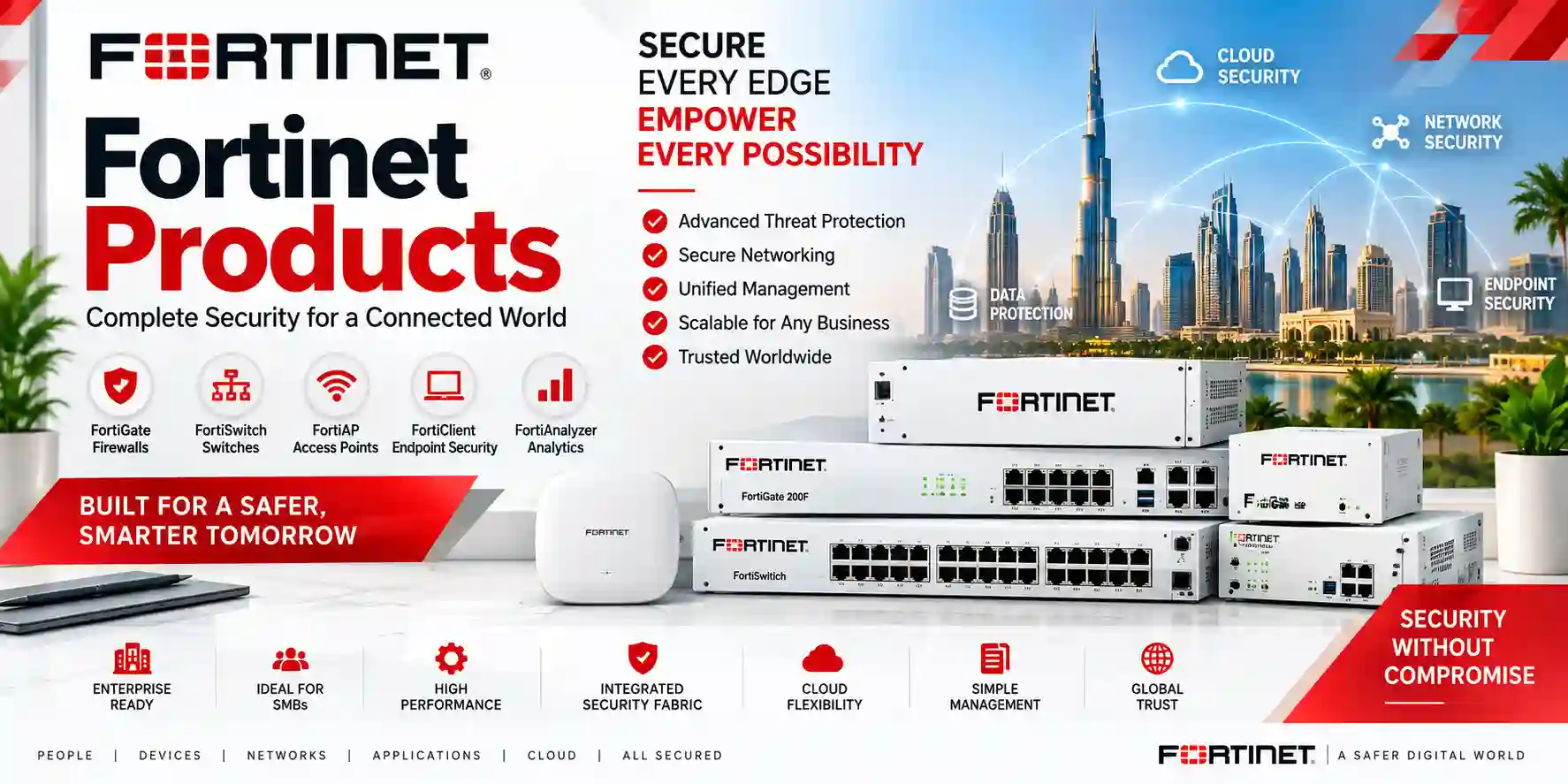
Seven checks that create a defensible FortiGate shortlist
1. Define the security role
Decide whether the firewall is protecting a compact branch, a busy office, a campus, a regional hub, a data center, a public-service edge or a segmentation boundary. The role determines which performance, interface and resilience requirements deserve the most weight.
2. Measure inspected bandwidth
Record current peak WAN use and expected upgrades. Estimate how much traffic will receive IPS, application control, malware scanning, web controls and TLS inspection. The inspected workload is usually a better sizing reference than the ISP package speed by itself.
3. Map encrypted traffic
Identify whether business policy requires broad HTTPS inspection, selective inspection or exemptions for specific applications. Decryption is a demanding function and should be tested against the exact model, certificate strategy and application mix.
4. Count sessions and VPN demand
Consider user sessions, cloud applications, IoT devices, cameras, voice systems and branch tunnels. Document site-to-site IPsec, remote access, cloud connectivity and any need for dynamic routing over VPN rather than assuming bandwidth is the only constraint.
5. Verify physical interfaces
Check copper and fiber requirements, WAN handoffs, 1/2.5/5/10/25/40/100GbE needs where relevant, transceivers, port density and rack format. A fast appliance can still be the wrong appliance if it cannot connect cleanly to the network design.
6. Plan resilience and operations
If high availability, redundant power, out-of-band management, centralized logging or multi-site policy control is required, include those needs before choosing the model. Operational design is part of firewall sizing, not an afterthought.
7. Include lifecycle headroom
Model at least one realistic future state: faster internet, more branches, heavier cloud usage, more inspection, added VLANs or a larger remote workforce. A sensible growth margin can extend useful life and reduce emergency upgrades.
Current FortiGate portfolio reference: compare the security metric, not only the label
Fortinet’s current NGFW portfolio groups appliances into entry-level branch, mid-range campus and high-end data-center families. The table below uses selected current models and Fortinet-published threat-protection figures as a comparative reference. These are published maximums from controlled test conditions, not a promise of production throughput. Exact results depend on configuration, enabled services, traffic mix, packet size, encrypted inspection, firmware and network variables.
Do not turn this table into an automatic user-count recommendation. A small team can generate heavy encrypted traffic, while a much larger workforce can be comparatively light. Use the exact datasheet for every shortlisted model and validate the functions that matter to your environment.
Branch and small-office selection
For a branch, the important questions are usually practical: how fast is the primary WAN, is there a second WAN, which FortiGuard security services will be active, how many VLANs must be routed, how much IPsec traffic crosses the edge, what type of remote access is required and which ports connect the LAN. Compact FortiGate models are attractive because they combine security, routing and secure SD-WAN in one platform, but the model should still be sized for inspected traffic.
If the site expects a broadband upgrade, cloud backup, video meetings, guest Wi-Fi, IP phones and multiple security profiles, model the combined busy-hour requirement. Check the exact remote-access capabilities of the chosen hardware and FortiOS release when replacing an older firewall, because supported methods can differ by platform and software generation.
Campus and headquarters selection
A campus or head office often aggregates more users, applications, VLANs, branch tunnels and server traffic. The firewall may also sit between network zones rather than simply between users and the internet. Here, interface speed and density become more important. A model may need several high-speed uplinks, fiber connectivity, HA links and capacity for east-west policy in addition to north-south internet inspection.
Document peak traffic between internal zones, not only ISP bandwidth. Consider whether backup replication, server access, voice, CCTV or wireless controller traffic crosses the firewall. If HA is required, define whether the design is active-passive or another supported topology, how switch connections are redundant, where logs are stored and how change control will be managed.

FortiGuard, FortiCare and lifecycle planning
A FortiGate quotation is not complete simply because the appliance model is correct. Security services and support terms affect what the solution can do and how it is maintained. Procurement teams should ask the supplier to state the exact FortiGuard service package, FortiCare level, subscription duration, registration responsibility and renewal date. The same hardware can appear in commercial offers with different service content, so two prices should not be treated as equivalent until the bundle is compared line by line.
Before final approval, decide which functions are expected in production. Intrusion prevention, malware protection, web or DNS security, application control, sandbox-related services, centralized analytics and other capabilities can depend on the chosen subscription and architecture. Confirm what is included instead of assuming that every feature named in marketing material is permanently enabled by the hardware purchase.
Lifecycle planning should also cover configuration backups, firmware policy, administrator authentication, logging, certificate management, renewal ownership, change review and replacement timing. A well-sized firewall with an unmanaged subscription or undocumented configuration can still become an operational risk. Include the support and maintenance process in the original design so the appliance remains usable throughout its planned service life.
Integration: the firewall should fit the network around it
FortiGate is often deployed as part of a wider network that includes managed switching, business Wi-Fi, IP telephony, cameras, servers, cloud applications and branch connectivity. Selection should therefore consider where Layer 3 routing will occur, which VLANs must cross the firewall, how guest networks are isolated, how switches connect to redundant firewalls and whether access points need centrally coordinated security policy. A firewall cannot compensate for an undocumented LAN or a switching design that does not preserve segmentation.
Where FortiSwitch, FortiAP, FortiClient, FortiManager, FortiAnalyzer or other Fortinet platforms are part of the architecture, confirm the exact management and compatibility requirements for the software versions being proposed. Integration can simplify policy and visibility, but it should be designed around business outcomes rather than enabled merely because products share a vendor.
For organisations that operate mixed-vendor networks, the same principle applies: document VLAN tagging, routing, authentication, logging, DNS, NTP, syslog or SIEM integration, VPN peers and monitoring expectations. The firewall is a security control inside a larger operating environment. A successful selection is one that can be deployed cleanly without forcing unnecessary redesign of every connected system.
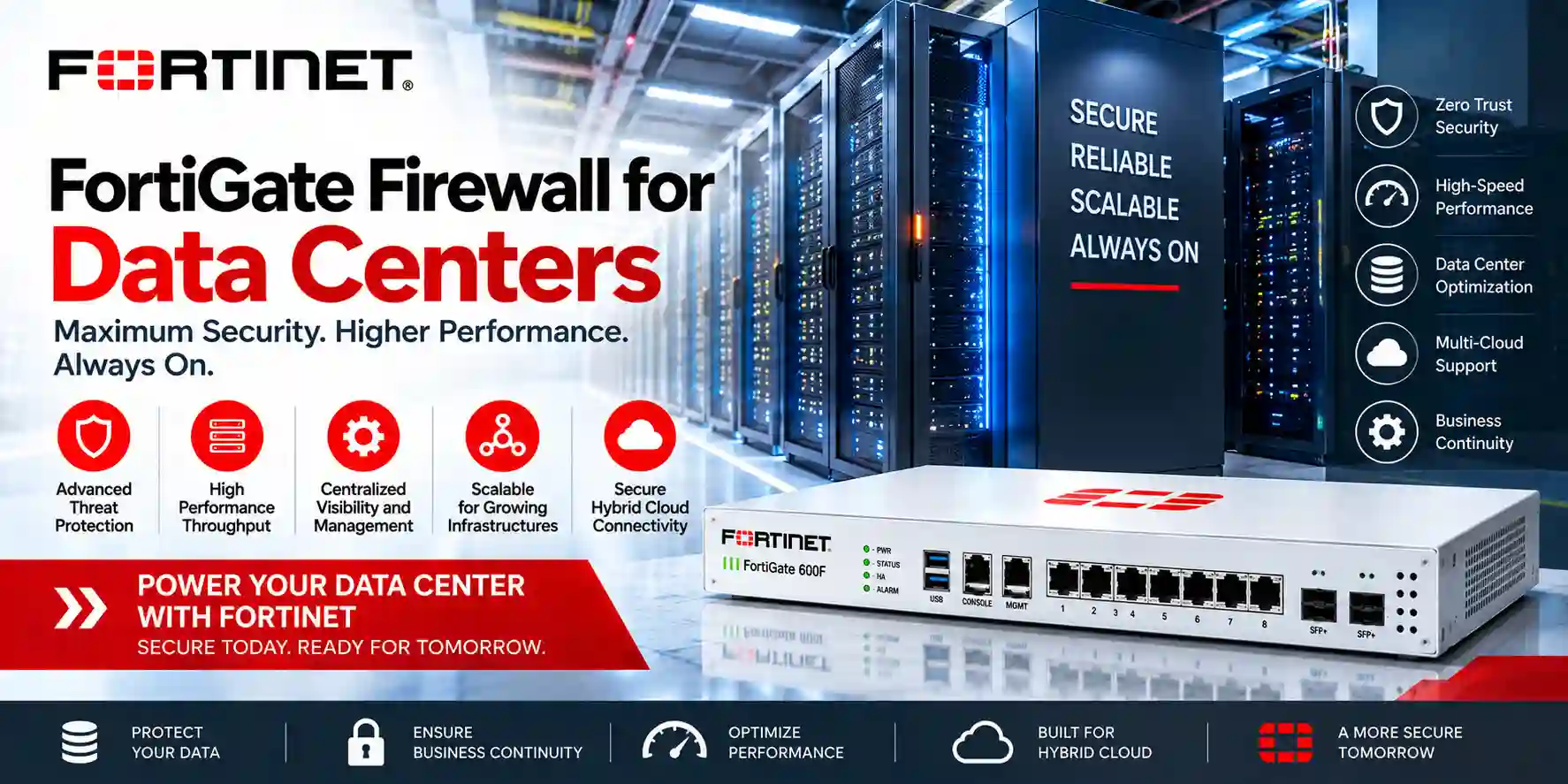
FortiGate Firewall Selection Guide Tanzania
For Tanzania projects, firewall selection should begin with the operating environment rather than a generic international user-count chart. A Dar es Salaam headquarters with fiber connectivity, cloud applications and several branches may need high inspected throughput and multiple VPNs. A compact office in another region may place greater emphasis on WAN resilience, remote manageability and a predictable configuration template. Industrial, hospitality, education, healthcare, NGO, retail and professional-services sites can also have very different mixes of guest traffic, business applications, cameras, voice systems and remote access.
Create a Tanzania sizing worksheet that records primary and backup internet services, realistic busy-hour utilization, the expected percentage of encrypted traffic to be inspected, the number of internal networks, critical applications, branch tunnels, remote-user requirements and the planned security services. Include the current network-switching environment and any fiber handoffs. Power and physical installation also matter: identify rack space, cooling, UPS availability and whether the design needs redundant power or high availability. These details help avoid buying an appliance that is technically powerful but operationally awkward for the site.
Procurement teams should request an itemized quotation. Separate the FortiGate hardware from FortiGuard services, FortiCare, transceivers or accessories, staging, installation, migration, VPN work, testing, documentation and training. Do not assume stock position, delivery time, warranty scope or licensing term from the model number. Ask for each point to be confirmed for the specific order. When comparing proposals, compare identical subscription periods and implementation assumptions so a cheaper appliance-only offer is not mistaken for the same solution as a licensed and configured deployment.
For broader Tanzania technology planning, FourTeck Tanzania provides a business-technology context covering networking, security and supporting infrastructure. Use the selection guide as a technical conversation starter: provide bandwidth, site count, users and devices, VPN needs, security features, existing firewall, growth expectations and preferred deployment scope, then validate the exact model against the current Fortinet datasheet before purchase.
FortiGate Firewall Selection Guide Dar es Salaam
Dar es Salaam organisations commonly combine cloud productivity, internet-based business systems, IP telephony, video conferencing, Wi-Fi, CCTV and remote connectivity on the same WAN edge. That makes the firewall more than a simple border device. A good shortlist should model the traffic generated when several of these workloads are active together. For example, large cloud synchronisation jobs and video meetings can raise encrypted throughput at the same time that guest users and remote tunnels are consuming capacity. If the firewall is sized only from average internet usage, the busiest hour can become the hidden bottleneck.
For a head office, check whether the appliance will terminate branch IPsec tunnels, provide inter-VLAN policy, inspect server-bound traffic or connect directly to high-speed core switching. Those roles can increase the importance of sessions, interface speed and HA design even when the public internet circuit itself is moderate. If two internet providers are used, define the secure SD-WAN policy before selecting hardware. Decide which applications prefer each link, what constitutes a failed link, whether critical traffic must survive on a lower-capacity backup circuit and whether source-IP changes affect cloud services. Failover should be tested as a business workflow, not only as a green status indicator in the interface.
A Dar es Salaam procurement request should include planned WAN speeds for the next several years, the number of sites and tunnels, internal VLANs, any public-facing services, required logging, the level of TLS inspection and whether high availability is mandatory. If the current firewall uses legacy remote-access methods, document them early so the new platform is validated against the current FortiOS capabilities of the exact model. Migration tasks such as NAT conversion, policy cleanup, object naming and tunnel coordination should be included in the implementation scope instead of being assumed to happen automatically.
For a growing office, leave headroom for faster circuits and additional cloud use. For a small office, do not oversize purely because it is in the capital. The correct FortiGate is the smallest model that safely meets the real inspected workload, interface, resilience and lifecycle requirements with sensible growth capacity.
FortiGate Firewall Selection Guide Mwanza
Mwanza businesses evaluating FortiGate should pay particular attention to branch architecture and connectivity continuity. A site may be a standalone office, a regional hub, a warehouse, a healthcare facility, an education site, a hospitality property or part of a company whose main applications are hosted elsewhere. Each pattern changes the firewall requirement. A standalone site may focus on secure internet inspection and local segmentation, while a regional branch may depend on IPsec links to headquarters for ERP, file services, voice, management or camera access.
If more than one WAN service is available, size the appliance for the traffic that must still be inspected when paths change. A backup circuit often has different capacity from the primary link, so define application priorities. Critical business systems may need to continue while large downloads, guest traffic or nonessential synchronization is limited. FortiGate secure SD-WAN can support policy-based path selection, but the design should include realistic health checks, routing behavior, DNS dependencies and public-IP requirements. A technically correct failover that breaks a cloud allowlist or voice registration is not an operational success.
Mwanza sites should also document local segmentation. Staff, guest Wi-Fi, cameras, building systems and servers should not automatically share an unrestricted network. When managed switching supports VLANs, the FortiGate can enforce different policies between zones. That architecture affects interface and throughput needs because some internal traffic may be inspected in addition to internet traffic. If central logging or remote management is used, include those flows and administrator access requirements in the design.
For quotation preparation, provide the expected WAN services, current firewall, users and devices, tunnel destinations, security services, switch uplinks, remote-access requirement and growth plan. Ask for hardware, subscription, support and implementation as clearly separated items. This reduces the chance of receiving a device that fits today’s internet speed but lacks the headroom, interfaces or service coverage needed for a stable regional deployment.
FortiGate Firewall Selection Guide Arusha
Arusha firewall projects often need to account for a diverse endpoint population. Hospitality, tourism, NGO, professional, education and branch environments can combine staff devices, guest Wi-Fi, payment systems, IP phones, cameras, printers and cloud applications behind the same security gateway. The number of employees alone does not describe this load. Guest sessions can create large connection counts, video and cloud applications increase encrypted traffic, and cameras or operational systems may require isolation even when they do not use much internet bandwidth.
Build the FortiGate shortlist around trust zones. Identify which networks are staff-only, which are for guests, which contain servers or sensitive systems and which host cameras or other devices. Decide where routing between these zones takes place. If the firewall carries inter-VLAN traffic, include that internal workload in the capacity plan. Hospitality environments should pay special attention to guest isolation and the path between wireless access points, managed switches and the firewall. Segmentation is strongest when SSIDs, VLANs and firewall policy are designed together rather than added independently.
Remote connectivity can also shape the model choice. A property or regional office may connect to a central system through IPsec, while administrators need secure remote management. Confirm the supported remote-access method on the exact hardware and software release. If multiple internet circuits are used, define the SD-WAN policy for critical business services and test what happens when a link fails during active sessions. The requirement may justify more performance headroom than the average bandwidth graph suggests.
An Arusha quotation should state whether the requirement is hardware-only or a complete project. Include subscriptions, support, configuration, migration, VLAN policy, VPN setup, documentation and testing where required. Ask for the FortiGuard term to be stated clearly so procurement can plan renewal. A carefully scoped quote makes it easier to compare models and avoids buying additional hardware later simply because the original appliance was selected from a headline throughput figure.
FortiGate Firewall Selection Guide Dodoma
Dodoma organisations selecting a FortiGate may include government-related offices, project teams, institutions, schools, NGOs, professional firms and branch operations with formal requirements for logging, access control and change management. In these environments, the firewall’s operational features can matter as much as raw throughput. Start by identifying who administers the device, where logs are retained, how configuration backups are protected, which changes require approval and whether security policy must be consistent with other sites.
Performance planning should separate internet traffic from internal security flows. If the FortiGate is used to segment departments, servers, guest users or management networks, traffic may cross the appliance even when it never reaches the internet. Add branch VPNs, remote administration and security inspection, then compare the total requirement with the published NGFW, threat-protection, SSL-inspection and VPN figures of candidate models. For encrypted applications, decide whether inspection is broad or selective and document certificate deployment implications. A model that has comfortable raw firewall capacity can still be undersized if decryption and multiple security services are applied heavily.
Resilience should be explicit. If the site needs dual internet, define which services continue on backup, how routing changes and whether external systems depend on a fixed source address. If high availability is required, include duplicate appliances, switching connections, HA interfaces, power and maintenance procedures in the design. An HA pair is a system architecture, not simply two boxes on a quotation.
For Dodoma procurement, include required documentation and acceptance testing in the scope. Ask for a final configuration backup, interface map, VLAN and subnet list, VPN details, administrator handover and subscription information. These items make future support easier and reduce dependency on undocumented knowledge. The correct FortiGate is one that can satisfy the security policy, provide manageable operations and support planned growth without forcing the team to disable inspection simply to preserve performance.
FortiGate Firewall Selection Guide UAE
UAE FortiGate projects frequently encounter very high internet access speeds, dense cloud usage and multi-site architectures. This can make raw firewall throughput especially misleading because an appliance may forward traffic at a much higher rate than it can deeply inspect encrypted sessions. A branch with a fast fiber service should therefore compare its expected security policy against threat-protection and SSL-inspection performance, not assume that a compact appliance is appropriate simply because its basic firewall figure exceeds the ISP speed.
For headquarters and campus designs, interface selection becomes critical. Review whether the core uses copper or fiber, whether 10GbE or faster links are required, how many WAN circuits are present, whether HA is planned and how internal segmentation traffic is routed. If the FortiGate aggregates IPsec tunnels from other countries, include that encrypted workload and the number of sites in the sizing process. Standardizing policy across UAE, Tanzania, Kenya or Uganda can simplify administration, but the same hardware should not be forced on every branch when bandwidth and inspection needs differ.
Commercial comparison also deserves care. Different proposals may combine the same appliance with different FortiGuard services, FortiCare terms or implementation scope. Ask for the hardware, support, security subscription and professional services to be identified separately. If the firewall will be staged in one country and deployed in another, confirm registration, power accessories, shipment responsibilities, licensing and final configuration ownership rather than assuming these details are interchangeable.
For UAE-focused Fortinet information, FourTeck Fortinet UAE is a specialist regional resource. Use it alongside the exact current Fortinet datasheet and your own traffic measurements to create a shortlist that reflects the actual inspected workload, interfaces, VPN design and growth requirement.
FortiGate Firewall Selection Guide Uganda
Uganda deployments can benefit from a standardized branch design, especially when an organisation operates several offices and wants consistent policy. Standardization should begin with architecture rather than with a single appliance model. Define a common VLAN pattern, administrator policy, logging approach, naming convention, IPsec template and documentation format, then choose the FortiGate size for each site’s actual bandwidth and inspection load. A Kampala head office and a smaller regional branch may share the same design principles while using different hardware tiers.
Connectivity is often the key variable. Record the primary and secondary WAN services at each site, peak traffic and the applications that must remain available during an outage. If secure SD-WAN is used, define application priorities, performance thresholds and how traffic should behave when only a lower-capacity backup link remains. Site-to-site IPsec should use non-overlapping address plans and documented routing. When cloud services depend on public source addresses, failover behavior should be tested carefully so business continuity is not assumed from link status alone.
Security services must be applied consistently enough to meet policy but flexibly enough to suit each site’s capacity. A branch carrying mostly web and SaaS traffic may need strong attention to TLS inspection and threat protection. A site carrying significant inter-office traffic may place more emphasis on IPsec capacity and sessions. If local VLANs are routed through the FortiGate for segmentation, include that traffic in the performance model. Check the exact interfaces needed for switches, fiber and WAN handoffs before finalizing the model.
Organisations coordinating projects in Uganda can review FourTeck Uganda for related regional technology context. Any quotation should still state the precise hardware, FortiGuard term, FortiCare level, implementation scope, VPN work and documentation so different offers can be compared on the same assumptions.
FortiGate Firewall Selection Guide Kampala
Kampala offices can generate demanding firewall workloads even when the employee count appears moderate. Cloud ERP, Microsoft 365 or Google Workspace, video meetings, internet calling, guest Wi-Fi, endpoint updates, cloud backup and branch tunnels can all operate simultaneously. The correct sizing method is to examine peak traffic and the inspection profile rather than use a fixed users-per-firewall rule. If most traffic is encrypted and security policy calls for decryption, SSL-inspection performance can become one of the most important comparison points.
Network segmentation should be designed at the same time. Identify staff, guest, finance, server, voice, camera and management networks. Decide which communication is necessary and which should be blocked by default. If the FortiGate routes between those VLANs, internal traffic adds to the workload. Managed switches must carry the VLANs correctly, and wireless SSIDs should map to the intended trust zones. This is why firewall selection should be coordinated with the LAN rather than treated as a separate purchase.
For businesses with two internet connections, secure SD-WAN can improve path control, but design decisions come first. Define what constitutes acceptable latency or loss, which applications should prefer each circuit, whether guest traffic is allowed on the backup service and what happens to sessions during a path change. Test the plan with real business applications. Where branch IPsec is used, include the tunnel count, routing protocol needs and aggregate encrypted traffic in the sizing worksheet.
A Kampala procurement request should state the current firewall, intended replacement date, WAN services, security subscriptions, remote-access requirement, logging destination and growth expectation. Ask the supplier to identify what configuration and migration tasks are included. Comparing identical scope prevents a basic hardware price from appearing cheaper than a complete deployment whose services, support and implementation are already included.
FortiGate Firewall Selection Guide Arua
Arua branches may place extra value on remote manageability and clear standardization because the local site can be far from the primary IT team. The FortiGate should therefore be selected not only for throughput but also for the branch operating model. Interfaces should be sufficient for primary and backup WAN where required, local VLANs should follow a predictable addressing structure, configuration backups should be controlled and administrators should be able to understand the site without relying on undocumented local changes.
Connectivity assessment should use measured conditions where possible. Nominal service speed does not describe packet loss, latency, contention or temporary degradation. If a secondary path is available, secure SD-WAN policies can steer applications according to health and priority, but the backup circuit must still have enough usable capacity for the services expected to continue. Decide whether business transactions, voice, ERP or management traffic has priority over large downloads and guest browsing. The firewall cannot create bandwidth that the backup connection does not provide.
For security policy, focus on simplicity and consistency. Separate guest access from business devices, restrict management interfaces and document any rules between cameras, staff networks and servers. If remote-user connectivity is needed, verify the supported method for the exact FortiGate and FortiOS release before deployment. Branch projects replacing an older firewall should catalogue current VPNs and administrator workflows early so the migration does not discover an unsupported dependency during cutover.
The quotation should include enough deployment detail to support a remote or semi-remote installation. Specify who connects the ISP handoff and LAN, who can provide console access, what information is needed for IPsec peers and how acceptance testing is performed. Hardware, FortiGuard, FortiCare, staging, configuration and documentation should be visible as separate elements. This gives procurement a realistic view of the complete branch solution rather than only the appliance cost.
FortiGate Firewall Selection Guide Mbarara
Mbarara businesses planning a FortiGate should include future connectivity and application growth in the sizing worksheet. A branch can begin with a moderate WAN service and later add higher-speed fiber, more SaaS use, video meetings, cloud backup, cameras or additional staff. If the original firewall is sized to operate close to its inspected capacity, the organisation may need to replace it simply to use the faster connection or enable additional security functions. A modest amount of headroom can therefore be more valuable than choosing the lowest-cost appliance that works today.
Review the security policy that will actually run. Threat protection, NGFW inspection, application control and TLS decryption create a different workload from plain routing and NAT. Compare the candidate model’s published figures for those functions and leave operational margin. If the branch connects to headquarters through IPsec, include encrypted inter-site traffic. If the FortiGate routes between local VLANs, include internal flows as well. Session scale can matter where many devices, guest users or cloud services create numerous short-lived connections.
For multi-site organisations, Mbarara can use a common configuration framework shared with Kampala or other offices. Standardize names, address blocks, DNS, NTP, logging, administrator access and VPN proposals while keeping site-specific WAN settings separate. This makes troubleshooting easier and reduces the risk of one branch accumulating years of unique rules. Secure SD-WAN can be applied consistently where dual links exist, but performance thresholds and backup capacity should reflect each site’s actual providers.
When requesting pricing, provide the present and expected WAN speed, site role, users and devices, security-service requirement, VPN peers, VLAN count and implementation scope. Ask for subscription terms and support to be written clearly. A model selected through this process is easier to justify to both technical and procurement teams because the choice is tied to documented requirements rather than a generic user-count estimate.
FortiGate Firewall Selection Guide Gulu
Gulu sites that rely on centralized IT support should prioritize a firewall design that is easy to understand remotely. Logical interface names, policy descriptions, standardized address objects, controlled administrator accounts and regular configuration backups can be more valuable in daily operation than rarely used features. The model still needs enough performance, but the selection process should include how the appliance will be monitored, updated and troubleshot after installation.
Start with business-critical traffic. Identify cloud applications, financial or operational systems, voice, branch-to-head-office traffic and any public services. Then determine which security controls will be applied to each flow. If a backup WAN is available, define which of these services must continue during primary-link failure and whether the backup connection can carry them after inspection. Secure SD-WAN can enforce priorities, but only a realistic capacity plan prevents an outage from turning into severe congestion.
Security services also create recurring operational work. Subscription renewals, firmware changes, security-profile tuning, rule cleanup and log review should have clear ownership. If FortiGuard services are expected, confirm the exact package and term in the quotation. If the site has remote users or engineers, verify the supported remote-access method on the selected model and software release. For branch-to-branch IPsec, document non-overlapping networks, routing and tunnel parameters so support does not depend on memory.
A Gulu quotation should make the remote deployment process visible. Include whether the device will be pre-staged, who enters local WAN details, who performs cabling, how switch and VLAN information is provided and what tests confirm successful handover. If these tasks are not part of the supplier’s scope, they should still be assigned to someone before shipment. Clear responsibilities turn the FortiGate from a purchased appliance into a supportable branch security system.
FortiGate Firewall Selection Guide Kenya
Kenya organisations selecting FortiGate appliances may be comparing requirements across Nairobi headquarters, branches, retail networks, hospitality locations, industrial sites and regional offices. The strongest approach is to create a common sizing template and fill it for each site. The template should record WAN bandwidth, security inspection, VPNs, VLANs, interfaces, sessions, high availability, logging and expected growth. This makes hardware differences defensible and prevents procurement from forcing one model everywhere for administrative convenience.
High-speed metropolitan connectivity can make inspection performance particularly important. If a site has a fast fiber link and policy includes broad IPS, application control and TLS inspection, compare the relevant Fortinet security-performance metrics rather than raw firewall throughput. For regional branches with smaller links, WAN resilience and remote management may matter more than maximum capacity. If the same organisation connects Kenya and Tanzania sites through IPsec, include the aggregate encrypted traffic at hubs and verify that address plans do not overlap.
Commercially, the exact bundle should be consistent across comparisons. A hardware-only quote, a one-year security bundle and a multi-year FortiGuard plus FortiCare proposal are different solutions even when the appliance model is identical. Ask each supplier to show subscriptions, support, accessories, transceivers, implementation and renewal term. If high availability is proposed, verify that both appliances and required connectivity are included and that the switching design supports failover without hidden single points of failure.
For related regional technology information, FourTeck Kenya provides a Kenya-focused resource. Final FortiGate selection should still be validated against the current Fortinet datasheet and the measured requirements of each site rather than a country-level assumption.
FortiGate Firewall Selection Guide Kuwait
Kuwait FortiGate projects can involve high-bandwidth internet, branch connectivity, cloud services and dense office networks, making encrypted inspection and high-speed interfaces important selection criteria. The first step is to separate basic connection speed from the traffic that will receive security processing. If the organisation expects IPS, application control, malware protection and TLS decryption across a large proportion of its traffic, use the published threat-protection, NGFW and SSL-inspection figures to establish the shortlist. Raw firewall throughput is still useful, but it does not represent the full workload.
Physical design deserves equal attention. Confirm the WAN handoff, LAN core speed, fiber or copper requirements, transceiver type, rack form factor and power expectations. For a high-availability pair, map both appliances to the switching infrastructure and verify that the design remains redundant during maintenance or a device failure. If the FortiGate also provides internal segmentation between server, user or guest zones, include the east-west traffic in performance planning. A firewall can be busy even when internet graphs look comfortable.
If the Kuwait site is part of a wider Middle East or Africa network, define VPN and routing architecture centrally. Avoid overlapping private subnets, document dynamic-routing needs and decide which applications use local internet breakout versus encrypted inter-site paths. Secure SD-WAN can support multiple WAN services, but the policies should be based on application importance and measured link quality. Failover tests should include cloud authentication, voice, public IP dependencies and branch systems rather than only a ping test.
Procurement should ask for a complete bill of materials with hardware, FortiGuard, FortiCare, accessories, implementation and support assumptions separated. Confirm current availability and commercial terms for the exact order instead of relying on generic market expectations. The best model is the one that fits the inspected workload, interfaces and operational plan with enough capacity for the expected lifecycle.
FortiGate Firewall Selection Guide Ghana
Ghana organisations evaluating FortiGate may be planning a single business site or a distributed network that combines headquarters, branches, warehouses, retail outlets or service locations. Begin by categorizing each site by role. A headquarters that aggregates VPNs and hosts critical servers requires a different performance and resilience profile from a small branch that mainly consumes SaaS applications. Using the same selection worksheet across all sites creates consistency without pretending that every site needs identical hardware.
WAN design should capture both speed and reliability. If two providers are used, document which circuit is preferred for each application, how degraded performance is detected and what traffic is restricted when the backup link is active. For branches, secure SD-WAN can make connectivity policy more systematic, but the appliance must still have enough inspected throughput for peak conditions. For hubs, aggregate IPsec traffic and session scale may be more important. Where TLS inspection is part of policy, evaluate certificate deployment and application exceptions before assuming every encrypted session will be treated identically.
Segmentation can improve control over guest access, servers, cameras, finance systems and operational devices. Decide whether the FortiGate will route these networks or whether some routing stays on the core. That decision changes the traffic that passes through the firewall and therefore the sizing model. Interface requirements should also be checked early, particularly where fiber uplinks or faster-than-gigabit switching are planned.
A Ghana quotation should make recurring services visible. State the FortiGuard and FortiCare terms, renewal period and support scope. Include migration, VPN work, security-policy configuration, testing and documentation where required. Avoid relying on assumptions about stock, lead time or onsite service; confirm them for the specific project. This structured approach gives procurement a comparable set of offers and gives the technical team a firewall that can support the intended policy without unnecessary oversizing.
FortiGate Firewall Selection Guide Nigeria
Nigeria projects can range from compact offices to large multi-branch enterprises, financial or professional environments, industrial operations and data-center edges. A useful FortiGate selection process should therefore avoid broad country-level assumptions and model each environment individually. Start with the security role: internet perimeter, internal segmentation, branch gateway, campus edge, data-center firewall or a combination. Then map traffic to the security services that will be enabled, including IPS, application control, malware protection, web or DNS policy and encrypted inspection.
Where businesses depend on several WAN circuits, secure SD-WAN can be part of the architecture, but link design should be specific. Record capacity, latency sensitivity, provider handoffs, public-IP dependencies and the applications that must survive link failure. Large branch networks should also examine how many IPsec tunnels terminate at hubs, what routing approach is used and how much aggregate traffic crosses those tunnels. The hub may need a much larger FortiGate than an individual branch even if the branch hardware is standardized.
Large environments should pay close attention to session scale, high availability, redundant power and high-speed interfaces. If a firewall protects servers or data-center segments, internal east-west traffic can exceed internet throughput. A proof-of-concept can be valuable for mission-critical or complex deployments because it allows the team to validate real policies, TLS inspection, applications, routing and failover before committing to production scale.
Commercially, ask for the exact FortiGuard service package and FortiCare term, then separate implementation and recurring support. If multiple sites are being purchased, define a standard configuration baseline and a process for site-specific variables. Confirm delivery, stock and service scope for the actual project instead of assuming national coverage from a supplier’s marketing. The result should be a model choice supported by measurable capacity and a deployment plan that can be repeated safely across sites.
FortiGate Firewall Selection Guide Seychelles
Seychelles firewall selection can place special importance on resilience, remote administration and careful planning because organisations may operate hospitality, professional, retail or institutional sites where technology support and replacement logistics need to be considered in advance. The firewall should be sized with enough capacity that normal traffic spikes, security inspection and WAN changes do not immediately require an appliance upgrade. At the same time, buying a much larger model than the site can use does not automatically improve security.
Begin with the internet services and the applications that depend on them. Hotels and guest-facing businesses may carry substantial guest Wi-Fi alongside staff systems, cloud booking applications, payment services, voice, cameras and management traffic. Separate these networks and decide which flows should be inspected. If guest traffic is high, the total encrypted throughput and session count may be more important than employee numbers. If a secondary WAN is available, define the business services that must continue and limit noncritical traffic when operating on reduced capacity.
Remote support should be designed securely. Administrator access, configuration backups, logging and monitoring should be documented so the site can be managed without informal workarounds. Verify the remote-user and site-to-site VPN methods supported by the exact model and FortiOS release. For multi-property or island deployments, consistent addressing and configuration templates can reduce support complexity, while site-specific WAN details remain clearly documented.
A Seychelles quotation should include the full lifecycle requirement: hardware, FortiGuard services, FortiCare, accessories, initial staging, configuration, VPN setup, testing, documentation and any agreed support. Confirm shipping, lead time and local implementation responsibilities for the particular order. Good preparation is especially valuable where replacement cannot be treated as an instant local transaction. A correctly sized FortiGate should therefore balance security performance, manageability, connectivity resilience and practical lifecycle support.
Regional FourTeck resources for multi-country projects
Organisations operating in more than one market often benefit from a shared network-security standard with site-by-site sizing. A branch template can keep naming, VLAN design, administrator policy, logging and IPsec consistent while allowing the appliance model and WAN policy to match each location. For wider regional technology context, FourTeck IT Solutions Africa covers business infrastructure across Africa, while the dedicated FourTeck Kenya and FourTeck Uganda sites provide country-focused technology context. For UAE Fortinet requirements, FourTeck Fortinet UAE is the relevant specialist resource.
Use regional resources to coordinate procurement and design questions, but validate every FortiGate model against the current Fortinet datasheet and the exact project requirements. Internet quality, bandwidth, physical interfaces, local switching, VPN topology, security policies and support responsibilities vary by site and should remain explicit in the final bill of materials.
FortiGate selection FAQs
Which FortiGate model should I buy?
Choose from the deployment role and the busiest realistic inspected workload. Record WAN speed, security services, TLS inspection, VPN traffic, sessions, interfaces, HA and growth. Then compare the exact current datasheets. User count can be a supporting clue, but it should not be the sole sizing rule.
Why not size from firewall throughput?
Basic firewall throughput measures a lighter workload than a policy using intrusion prevention, application control, malware protection and encrypted inspection. Fortinet publishes additional figures such as threat protection, NGFW and SSL inspection because these functions consume resources differently.
Should I choose by number of users?
User count alone is too coarse. Ten users transferring large files and running continuous cloud applications can create a heavier workload than many more light users. Include users, but validate the choice with measured bandwidth, encrypted traffic, sessions, security policy and VPN demand.
How much headroom should a firewall have?
There is no universal percentage that fits every environment. Leave enough margin for known bandwidth upgrades, peak traffic, additional security inspection, more branches, software changes and expected business growth. Avoid designing the appliance to operate continuously near its published maximum.
Do I need high availability?
HA is appropriate when the business impact of a single firewall failure justifies redundant appliances and supporting network design. The decision should include switches, links, power, maintenance, failover testing and operational procedures rather than adding a second unit without an architecture.
What should I check for FortiGuard and FortiCare?
Ask for the exact service package, support level, term, registration responsibility and renewal date. Compare quotations on identical service periods. Confirm which security capabilities your intended bundle enables instead of assuming every Fortinet security service is permanently included with hardware.
Can FortiGate manage dual internet links?
FortiGate supports secure SD-WAN capabilities for policy-based path selection. A successful design still requires suitable link monitoring, application priorities, routing, DNS planning and realistic backup capacity. Test failover with actual business applications.
What information should I send for a FortiGate quotation?
Provide location, site role, WAN speeds, expected upgrades, user and device estimates, security services, TLS inspection approach, VPNs, VLANs, interface requirements, HA needs, current firewall, remote-access requirement, subscription term, implementation scope and expected growth.
Quotation checklist: send these details before asking for a model
Decision recap
The best FortiGate shortlist is built from measurable requirements. First define the role of the firewall. Second size for inspected traffic rather than basic forwarding. Third validate TLS inspection, VPN and session demand. Fourth confirm the physical interfaces and form factor. Fifth design HA, dual-WAN, logging and management. Sixth compare the exact FortiGuard and FortiCare terms. Seventh leave realistic headroom for growth. Only then should price be used to choose between technically suitable candidates.
This method prevents two common errors: buying too small and later disabling security to preserve performance, or buying too large because a generic user-count chart suggested an unnecessary tier. A documented sizing worksheet gives both IT and procurement a clear reason for the final model and creates a better foundation for migration, support and renewal planning.
Prepare your FortiGate consultation
Bring the quotation checklist, a recent WAN-usage snapshot, the current firewall model, major VPN dependencies and a simple network diagram. If you do not have every item, begin with site role, internet speed, users, critical applications and security priorities. Those inputs are enough to narrow the FortiGate family and identify the questions that need engineering validation.
For complex campuses, data centers, heavy TLS-inspection environments or mission-critical HA designs, consider a structured validation or proof-of-concept before final procurement. The goal is not to select the largest firewall; it is to select the appliance that can run the required security policy, interfaces and resilience plan throughout its expected lifecycle.