
FortiGuard Security Services
FortiGuard Security Services are Fortinet’s AI-powered security services designed to deliver continuously updated protection across networks, files, web traffic, applications, SaaS use, data, devices and users. For FortiGate customers, the practical buying question is not simply whether to purchase a license. It is which security services are required, which bundle maps to the organization’s risk profile, which Fortinet appliance or virtual platform must be covered, and whether the requirement is a new subscription, renewal, upgrade or a-la-carte service.
FourTeck can help organizations in Tanzania and regional markets prepare a technically accurate FortiGuard quotation by reviewing the Fortinet model, serial-linked entitlement, current subscription status, internet use, security inspection requirements, branch topology, remote access, cloud adoption and operational priorities. Pricing, availability and exact service eligibility depend on the selected Fortinet platform and subscription terms, so a model-and-requirement review should come before procurement.
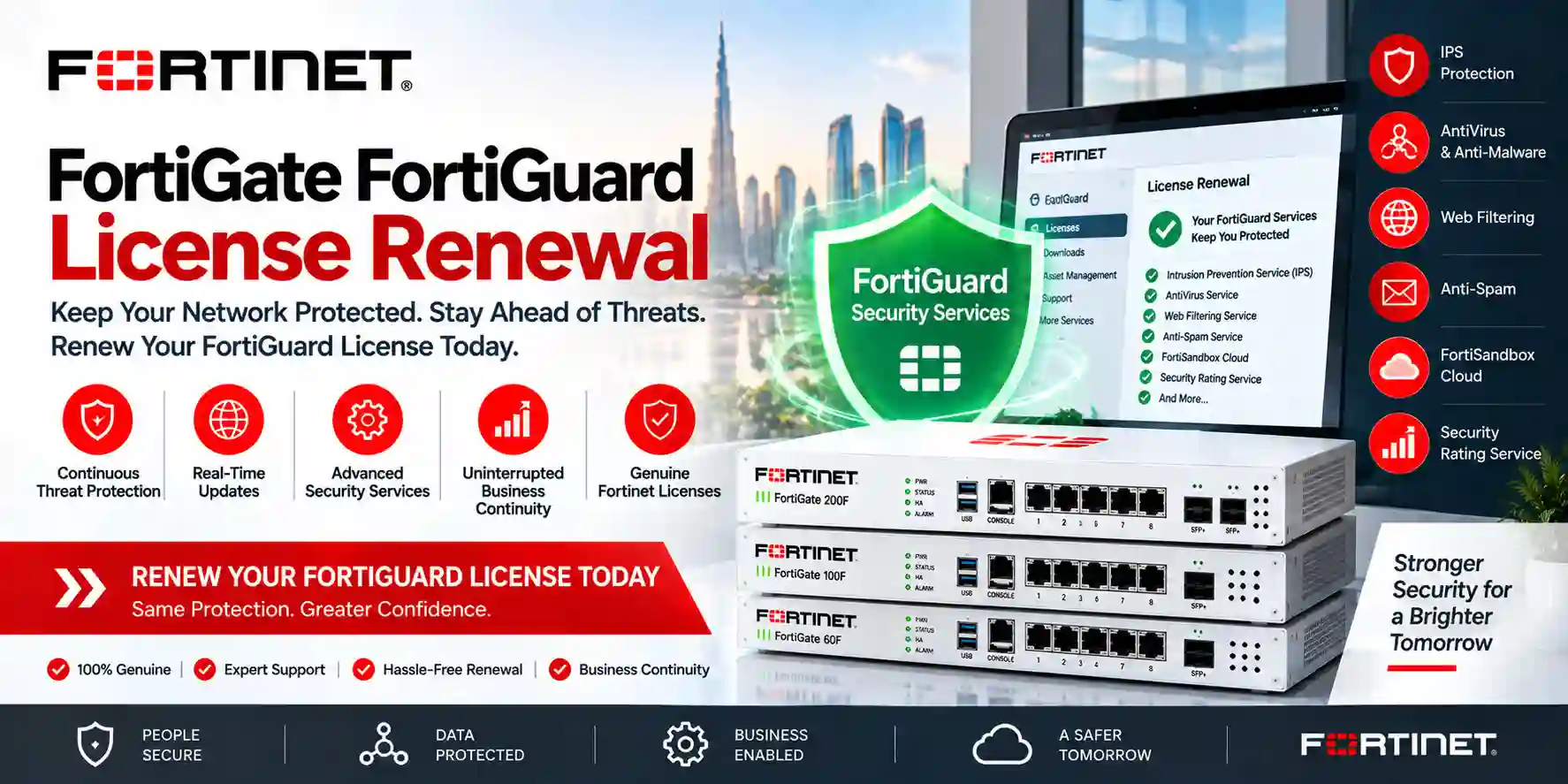
What are FortiGuard Security Services?
FortiGuard Security Services are a portfolio of security capabilities powered by FortiGuard Labs threat intelligence and integrated across the Fortinet Security Fabric. Fortinet currently describes the portfolio as more than twenty services that can be consumed individually or through curated bundles. The services are designed to provide real-time, layered protection and to help enforcement points such as FortiGate next-generation firewalls respond to known, unknown and emerging threats with continuously updated intelligence.
For many FortiGate deployments, the most familiar functions include intrusion prevention, antivirus and anti-malware protection, application control, web and URL filtering, DNS security and cloud-based sandbox capabilities. Broader FortiGuard options extend into areas such as data loss prevention, inline malware prevention, IoT visibility, attack-surface security, OT protection, managed SOC services and other specialized capabilities. Not every service is available on every platform, model, software release or subscription tier, which is why buyers should avoid treating the words “FortiGuard license” as one universal SKU.
A useful procurement process begins with the exact Fortinet product and the security outcomes the business needs. If the priority is stopping network intrusions and malware, one bundle may be sufficient. If employees depend heavily on web and cloud services, web and DNS protection can become central. If the organization has more demanding data-protection, SaaS, IoT or risk-management requirements, a broader enterprise bundle may be appropriate. FourTeck can help translate these operational requirements into a quotation request without inventing entitlements or assuming that one bundle fits every environment.
Advanced Threat Protection (ATP)
Fortinet positions ATP as the essential first line of defense. Current Fortinet bundle information includes core services such as intrusion prevention, antivirus and advanced malware protection, FortiSandbox SaaS detection, application control and inline CASB capabilities. It is aimed at organizations whose first requirement is strong network and file threat protection without the broader web, data and IoT capabilities included in higher tiers.
Unified Threat Protection (UTP)
UTP builds on ATP and adds web-oriented protection. Current Fortinet guidance identifies URL and DNS filtering, video filtering and anti-botnet or command-and-control communication protection among the additional capabilities. This tier is often relevant where employee web access, phishing exposure, risky domains, branch internet use and broader internet policy enforcement are major considerations.
Enterprise Protection (ENT)
Enterprise Protection is Fortinet’s broader FortiGate security bundle. Current guidance adds capabilities such as data loss prevention, attack-surface monitoring and risk scoring, AI-based inline malware prevention and IoT detection or vulnerability correlation on top of ATP and UTP. Organizations should still verify model and feature eligibility, and OT-specific protection is handled separately where required.
Key FortiGuard services businesses commonly evaluate
Intrusion Prevention
FortiGuard IPS applies threat intelligence and intrusion-prevention rules to identify and block known or suspicious exploit traffic. Fortinet also describes virtual patching as an IPS use case, which can help reduce exposure while application or device remediation is being planned.
Antivirus & Anti-Malware
FortiGuard Antivirus combines signature, heuristic, behavior and AI or ML techniques to identify malware and malicious content. Its value depends on the traffic paths and inspection policies actually enabled on the compatible Fortinet platform.
Application Control
Application Control enables administrators to identify applications and create policy decisions that allow, restrict or block activity. This can support business-use policies, visibility into shadow applications and enforcement around risky or unnecessary traffic.
URL & Web Filtering
FortiGuard web security uses maintained URL intelligence and categorization to support malicious-site blocking and acceptable-use policies. Organizations can apply category-based controls without manually maintaining large URL lists.
DNS Security
FortiGuard DNS Security can identify risky domain requests and help block communication with malicious domains, including command-and-control infrastructure. DNS-layer protection is particularly useful because many user and malware connections begin with a domain lookup.
Sandbox & Advanced Analysis
Cloud-based sandbox analysis can add another decision layer for suspicious files or objects. The exact sandbox capability and enforcement behavior depend on the bundle, platform and configured workflow, so it should be checked during licensing and deployment planning.
How to choose the right FortiGuard subscription
Choosing a FortiGuard subscription should begin with the security policy and the actual Fortinet environment rather than the bundle name alone. Start by recording the Fortinet platform, exact model, serial-linked entitlement, FortiOS or software version, number of devices, current contract status and expiry date. Then define which controls are expected to operate in production: IPS, malware protection, application control, web filtering, DNS filtering, SSL inspection, SaaS controls, data loss prevention, IoT visibility, OT security, cloud logging, managed SOC functions or other services.
Performance planning also matters. A firewall sized only on headline stateful throughput may not deliver the same throughput when deep inspection, intrusion prevention, antivirus and encrypted-traffic inspection are enabled. Before adding or upgrading FortiGuard services, organizations should compare the firewall’s security-performance specifications with actual internet bandwidth, concurrent traffic, VPN use, branch links, cloud applications and growth expectations. If the security plan requires more inspection than the existing appliance can comfortably process, licensing alone will not solve the capacity problem.
Renewal timing deserves equal attention. Security subscriptions are operational controls, not decorative add-ons. Teams should identify which policies depend on cloud-delivered ratings, signatures, intelligence and services, then plan renewal before the entitlement becomes a business risk. A renewal request should include the exact device information and the required term rather than a generic request for “FortiGuard.” Where a customer has several FortiGates, a consolidated entitlement review can reduce missed renewals and help standardize bundles across comparable sites.
FortiGuard renewal and entitlement planning
A reliable renewal process starts with evidence: device model, serial number, current service bundle, expiry date, support entitlement, desired term and any change in the security requirement. This matters when a business is moving from basic threat protection toward web controls, data protection or broader enterprise security. It also matters after a hardware refresh, high-availability redesign or branch expansion because licensing must align with the actual assets that will enforce policy.
FourTeck can help customers prepare renewal information and compare current needs with the presently available Fortinet bundle structure. The quotation should identify what is being renewed or changed rather than assuming continuity from an old bundle name. For general purchasing context, visit the FourTeck Tanzania technology shop, which explains compatibility, capacity and lifecycle checks before business technology is ordered.
Related FourTeck Tanzania resources
Firewall & security architecture
The FourTeck Tanzania home page explains how firewalls, switching, Wi-Fi, servers and security fit into a coordinated business-technology design.
Professional services
Review the Tanzania services page when FortiGuard licensing is part of a wider firewall, network, deployment, configuration or support requirement.
FortiGate 30G
The FortiGate 30G Tanzania product page provides an example of a Fortinet firewall platform where hardware sizing and security subscriptions should be evaluated together.
Shop & lifecycle checks
Use the business technology shop for broader buying guidance around compatibility, capacity, infrastructure, management and lifecycle planning.
IP telephony context
The Grandstream GXP1625 Tanzania page is relevant where voice endpoints share the protected LAN and firewall policies must preserve SIP, VLAN and business-application connectivity.
About FourTeck Tanzania
The About FourTeck Tanzania page outlines the broader IT, telecom, network and security approach behind integrated project planning.
Quotation & requirement review
Use the verified FourTeck Tanzania contact page to send the Fortinet model, current entitlement, expiry date and requested security outcomes for quotation review.
FortiGuard Security Services Tanzania
Organizations evaluating FortiGuard Security Services in Tanzania often need to solve two related problems at the same time: selecting the correct Fortinet security subscription and making sure the firewall or security platform can enforce the required controls without becoming a performance bottleneck. A useful review therefore starts with the existing topology. Record the internet circuits, active FortiGate or other supported Fortinet platforms, FortiOS versions, user and device counts, VPN usage, public-facing services, cloud applications, guest networks, branch links and any compliance or internal-policy obligations. From there, identify which services are operationally necessary rather than buying a bundle because its name sounds comprehensive.
For a Tanzanian headquarters with branches, UTP-style requirements may center on consistent IPS, malware protection, application control, web filtering and DNS security across multiple locations. An organization with sensitive data flows, extensive SaaS use, IoT visibility requirements or stronger data controls may need to compare Enterprise Protection capabilities. Manufacturing, utilities or other environments with operational technology should treat OT requirements separately because Fortinet’s current bundle guidance identifies OT-specific device and protocol protection as a specialized service rather than assuming it is included in the general enterprise bundle.
Procurement should also account for connectivity and operational realities. If a site uses more than one internet connection, security policy should remain consistent during failover. If remote users connect by VPN, administrators should define who can reach which internal resources. If cloud applications dominate business traffic, web, DNS and application controls deserve careful policy design. If power stability is a concern at a site, firewall, switching and internet-edge equipment should be planned with appropriate UPS protection so security enforcement does not disappear during short interruptions.
For a quotation in Tanzania, provide the exact Fortinet model and serial-linked entitlement information, the requested term, whether the requirement is new or renewal, the current expiry date, and any desired change in bundle. Where several branches are involved, list each appliance separately and identify which sites should share a standard policy. This gives procurement and IT teams a cleaner record and reduces the chance of renewing the wrong service. FourTeck Tanzania can then discuss the requirement in the wider context of firewall sizing, network design, secure access and lifecycle planning without making unsupported assumptions about stock, activation timing or entitlement.
FortiGuard Security Services Dar es Salaam
Dar es Salaam businesses evaluating FortiGuard Security Services may be protecting high-user-density offices, internet-facing services, branch gateways, cloud-heavy workforces or mixed environments where headquarters security policy must be consistent with smaller sites. In these environments, the licensing discussion should be tied to traffic behavior. A firewall that handles ordinary stateful traffic comfortably may face a different load when IPS, anti-malware, web filtering and encrypted-traffic inspection are enabled together. Before a subscription upgrade, review the current FortiGate model, actual internet throughput, peak utilization, VPN demand and the inspection profiles expected to run.
Dar es Salaam headquarters frequently act as aggregation points for business applications, remote access or branch connectivity. That makes policy structure as important as subscription choice. Segment users, servers, guest access, voice, CCTV and management traffic where appropriate, then apply security inspection according to risk rather than using one broad rule for everything. FortiGuard Application Control can help administrators understand application use, while web and DNS security can reduce exposure to malicious destinations. IPS and anti-malware controls can add defenses against exploit and file-based threats when placed on the right traffic paths.
Renewal planning should be calendar-driven rather than reactive. IT teams can maintain an entitlement register listing device serials, bundle names, expiry dates, support contracts and responsible administrators. This is especially useful where the main office has an HA pair or where several branches depend on the same standard. Fortinet licensing and HA eligibility can vary by model and FortiOS release, so the exact architecture should be checked before a purchase order is issued. Do not assume that a license from one device can simply be reused on another.
When requesting a Dar es Salaam FortiGuard quotation, include the Fortinet model, quantity, existing license status, target term and the controls required in production. Add internet bandwidth, approximate user count, branch count and whether SSL inspection, web filtering, DNS security, remote-access VPN or site-to-site VPN will be important. This produces a more useful commercial response than asking for a generic “FortiGuard price” because the correct subscription and appliance capacity depend on the environment being protected.
FortiGuard Security Services Mwanza
For organizations in Mwanza, FortiGuard planning can be particularly valuable when a site depends on centrally managed business systems but operates some distance from the main IT team. The objective is to make security policy repeatable and supportable, not to create a configuration that requires constant local intervention. A branch or regional office can use FortiGate with FortiGuard services to apply intrusion prevention, malware controls, application visibility, web policy and DNS protection at the edge while administrators maintain consistent standards across locations.
Connectivity design should be reviewed alongside the subscription. If Mwanza operations use primary and backup internet links, security inspection and routing behavior should be tested for both paths. If the site accesses ERP, cloud applications, VoIP, CCTV or remote file services, the firewall policy should distinguish business-critical traffic from general browsing and guest use. Where bandwidth is constrained, administrators should avoid enabling expensive inspection everywhere without understanding the performance impact. FortiGuard services create the most value when they are matched to deliberate policies and an appliance sized for the workload.
A practical lifecycle plan is equally important for regional sites. Keep configuration backups, maintain documented administrator access, record subscription and FortiCare expiry dates, and review firmware strategy before making major changes. A renewal should not be treated as a purchasing event that starts only after the license expires. The site should be reviewed in advance to confirm whether the existing bundle still reflects the risk profile, whether internet capacity has increased, and whether new services such as cloud applications, guest Wi-Fi or remote users change the inspection requirements.
For Mwanza procurement, a clear request should state whether the need is for an initial FortiGuard subscription, a renewal, an upgrade from ATP to UTP or Enterprise Protection, or a specific a-la-carte service. Include appliance model, serial-linked entitlement details, quantity, expiry date and desired term. If the site is part of a national network, include the standard used at other branches so compatibility and policy consistency can be assessed before the commercial quotation is finalized.
FortiGuard Security Services Arusha
Arusha organizations may use FortiGuard Security Services in environments where internet access is shared across employees, guests, operational systems and cloud applications. Hospitality, professional services, education, NGOs, travel-related businesses and multi-site organizations can have very different risk profiles, so policy should begin with user groups and application flows rather than a universal block list. A FortiGate deployment can separate business traffic from guest or device networks, while FortiGuard services add threat intelligence for IPS, malware defense, application control, web filtering and DNS decisions according to the chosen entitlement.
Guest access deserves special attention in environments with public or visitor connectivity. The firewall policy can isolate guest users from internal systems, apply web and DNS security, and restrict applications that are inappropriate for the available bandwidth or business policy. Staff traffic may require stronger access to cloud systems, VPN resources and collaboration platforms. Servers, cameras and management interfaces should typically use separate security zones with tighter rules. These design choices reduce dependence on a single “inside versus outside” firewall rule and make logs more useful when troubleshooting or investigating unusual activity.
For an Arusha business considering UTP or Enterprise Protection, the decision should be tied to actual controls. UTP is relevant when web and DNS threat protection are central, while Enterprise Protection adds broader capabilities for data, SaaS, IoT and attack-surface awareness according to Fortinet’s current bundle definitions. If operational technology is present, confirm OT service requirements separately. The selected FortiGate must also have enough performance headroom for the inspection profiles the business plans to activate.
A strong quotation request for Arusha should list the FortiGate model, license status, subscription expiry, internet speed, approximate users, guest-network scale, branch links, VPN requirements and desired protections. For renewal projects, note any changes since the previous purchase, such as faster internet, new cloud applications, additional sites or new compliance expectations. This helps avoid renewing yesterday’s architecture when the business environment has already changed.
FortiGuard Security Services Dodoma
Dodoma buyers considering FortiGuard Security Services may place particular value on clear procurement documentation, predictable renewal records and security policy that can be explained to management, auditors or project stakeholders. A FortiGuard purchase should therefore be supported by a simple entitlement schedule showing the Fortinet appliance, serial number, current bundle, requested bundle, subscription term and the business reason for each major security capability. This provides a cleaner approval trail than a quotation containing only a license code with no relationship to the protected environment.
The technical review should map services to traffic. Intrusion prevention is relevant where exploit traffic must be inspected. Antivirus and advanced malware capabilities address file and content threats. Application Control supports visibility and policy around application use. URL and DNS filtering support web-access governance and malicious destination blocking. Broader enterprise services can be considered when data protection, SaaS, IoT or attack-surface priorities justify them. The goal is not to enable every available feature indiscriminately but to apply controls where they improve risk management without creating unnecessary performance or usability problems.
For government-adjacent, education, professional or administrative offices, change control can be as important as threat prevention. Document firewall rules, backup configurations before upgrades, restrict administrative access and plan maintenance windows for firmware or policy changes. If the FortiGate connects multiple departments or sites, use segmentation so one compromised endpoint does not automatically receive broad reach across the network. FortiGuard services add intelligence, but they work best as part of disciplined network design and administration.
For a Dodoma quotation, provide the exact Fortinet platform, current entitlement, requested term and any tender or procurement format that must be respected. State whether the requirement is renewal, new deployment or bundle change, and include the internet bandwidth, user count and critical applications that influence firewall sizing. Where the organization needs formal documentation of included services, request that the quotation identify the service bundle clearly rather than relying on a generic description.
FortiGuard Security Services UAE
UAE organizations evaluating FortiGuard Security Services often operate high-bandwidth offices, cloud-intensive workflows, regional branch networks and hybrid work patterns where security policy must follow users and applications across more than one edge. In this context, FortiGuard licensing should be planned with the FortiGate architecture, Secure SD-WAN design, remote-access strategy and SaaS usage. High internet speed alone does not determine the correct firewall; inspection throughput, encrypted traffic, VPN load and enabled security profiles all influence real-world capacity.
Businesses using ATP can establish core network and malware defenses, while UTP adds the web and DNS protections that are often important in internet-heavy offices. Enterprise Protection can be considered when broader data, SaaS, IoT and attack-surface controls are required. The exact service set should be checked against Fortinet’s current entitlement information because platform, model and software version affect availability. For specialized OT environments, dedicated OT security services should be reviewed separately rather than assumed to be part of a general enterprise bundle.
Regional headquarters may also need a standard that can be replicated in Tanzania, Uganda, Kenya or other branches. A useful standard defines bundle tier, baseline policies, logging approach, VPN topology, segmentation rules, administrator roles, firmware process and renewal ownership. Consistency reduces troubleshooting time, but each branch should still be sized for its own bandwidth and workload. For UAE firewall-specific project context, buyers can review the FourTeck Firewall Dubai specialist site for network security, VPN, segmentation and firewall planning topics.
A UAE FortiGuard quotation request should identify each Fortinet appliance, serial-linked entitlement, current bundle, expiry date, desired term and any planned hardware refresh. Add the internet circuits, security services expected to be enabled, cloud or SaaS priorities, remote users and branch count. This avoids comparing quotes that appear similar but cover different entitlements, support levels or device quantities.
FortiGuard Security Services Uganda
Uganda-based organizations can approach FortiGuard Security Services as part of a broader branch-security standard rather than as a stand-alone renewal line item. The useful starting point is to identify which FortiGate devices protect headquarters, branches, guest networks, server segments or internet-facing systems, then document the policies that depend on FortiGuard intelligence. This makes it easier to decide whether ATP, UTP, Enterprise Protection or selected a-la-carte services match the environment.
For businesses with sites in Kampala, Arua, Mbarara, Gulu and other locations, connectivity quality and link diversity may vary. A standard security policy should therefore be capable of operating across different bandwidth profiles without creating unnecessary overhead. If a smaller branch has limited internet capacity, administrators may prioritize the most important inspection paths while keeping segmentation and DNS or web controls consistent. Larger sites can apply deeper inspection where the firewall platform has sufficient performance headroom. Centralized policy design is useful, but one model size should not be assumed to fit every site.
Cross-border organizations can also align Uganda licensing with Tanzanian or Kenyan standards. Matching bundle families can simplify support, reporting and renewal tracking, but asset records must still remain device-specific. Each Fortinet appliance has its own entitlement relationship, so renewal lists should include serial information, term and site ownership. For Uganda regional context, visit the FourTeck Uganda technology site, which covers IT, networking and security requirements in that market.
When requesting a Uganda FortiGuard quotation, provide the Fortinet model, quantity, current bundle, expiry date, desired term and whether the requirement is a renewal or new deployment. Include branch count, internet bandwidth, VPN usage and any web, DNS, application, malware, data or IoT controls expected to be enabled. This gives procurement teams a clearer basis for comparing proposals and helps technical teams confirm that the chosen subscription aligns with the real security design.
FortiGuard Security Services Kampala
Kampala organizations often manage dense office environments where employees depend on cloud applications, web platforms, remote meetings, business messaging, VPN access and shared internet connectivity. FortiGuard Security Services can support a layered edge-security design, but the subscription should be chosen around what the firewall will actually inspect. A FortiGate with IPS, anti-malware, application control, web and DNS security enabled may process traffic differently from a device performing basic routing and stateful filtering, so security throughput and peak usage should be part of the sizing discussion.
Application visibility can be especially useful when teams need to distinguish sanctioned business services from unknown, risky or bandwidth-heavy applications. Web and DNS security can help enforce acceptable-use policies and block malicious destinations, while IPS and malware services address exploit and file-based threats. The policy should be segmented so servers, finance systems, staff networks, guest Wi-Fi, VoIP and CCTV do not all share unrestricted trust. Security services are more effective when network architecture gives them meaningful zones and rules to enforce.
Kampala companies with several branches can also use the renewal cycle as an opportunity to standardize. Compare appliance generations, FortiOS versions, bundle tiers, VPN configuration, admin roles and logging practices. If older branches run a different subscription from newer locations, determine whether the difference is intentional or simply historical. Where web and DNS security are now business requirements, moving from core ATP protection to UTP may be relevant; where data and SaaS controls are important, Enterprise Protection can be assessed against the current Fortinet bundle definition.
For quotation preparation, send the exact Fortinet model and serial-linked license information, the desired term and the current expiry date. Add approximate user count, internet capacity, branch links, remote users and critical applications. If the business is also replacing the firewall, request hardware and FortiGuard services as one architecture so the appliance is sized for the inspection workload rather than selecting the license after the hardware decision is already fixed.
FortiGuard Security Services Arua
Arua sites may place a premium on manageable security that continues to function reliably even when the main IT team is elsewhere. FortiGuard Security Services can fit this model by bringing continuously updated threat intelligence to compatible Fortinet enforcement points, while the local configuration remains governed by a documented standard. The key is simplicity: define which traffic must be inspected, which services are essential, how failover behaves and how administrators will support the site remotely.
Where connectivity is variable or a backup link is used, security policy should be tested under both normal and failover conditions. Critical applications may need prioritized access, while web filtering, DNS security and application control can reduce unnecessary or risky traffic. If remote administration is required, management access should be restricted and protected rather than exposed broadly to the internet. Site-to-site VPN can provide controlled connectivity to centralized systems, but routing, authentication and segmentation should be documented so troubleshooting does not rely on memory.
For a smaller regional site, the broadest subscription is not automatically the best choice. ATP may cover core threat-prevention needs when web and data controls are managed elsewhere; UTP may be more appropriate if the branch requires local web and DNS protection; Enterprise Protection can be assessed if data, SaaS, IoT and broader attack-surface controls are genuinely needed. The FortiGate model and inspection capacity should be checked before activating a demanding policy set, particularly if the site has recently received a faster internet circuit.
An Arua FortiGuard quotation request should include the appliance model, serial entitlement, current license status, expiry date, desired subscription term, internet links, branch VPN requirement and the controls expected to run locally. If the branch is part of a larger Uganda or East Africa deployment, include the corporate standard so the quotation can preserve consistency while still respecting the site’s actual bandwidth, user count and operational role.
FortiGuard Security Services Mbarara
Mbarara organizations evaluating FortiGuard Security Services can use the subscription review to align security controls with business continuity. Retail, education, healthcare, professional, logistics and branch-office environments may all rely on internet connectivity, but the traffic and risk patterns differ. The firewall policy should first identify critical systems, user groups, cloud applications, guest access and device networks. FortiGuard services can then be applied where they add value instead of turning every rule into the same inspection profile.
For example, a staff network that accesses SaaS and web applications may benefit from UTP web and DNS security on top of IPS and malware controls. A server segment may require strict application access, IPS and carefully controlled outbound traffic. Guest Wi-Fi should normally be isolated from internal resources and can use its own web policy. CCTV or IoT devices may need highly restricted internet access rather than broad browsing rights. These patterns make logs easier to interpret and reduce the blast radius of a compromised endpoint.
Renewal is also a good time to compare what the organization bought with what it actually uses. An expensive bundle provides little value if features are never configured, while a narrow subscription can leave desired controls unavailable. Review active profiles, FortiOS support, hardware performance, internet growth and new compliance requirements. If the firewall is approaching capacity, a hardware refresh and subscription plan should be considered together so the next license term is attached to an appliance that can support the intended inspection workload.
For Mbarara procurement, include model and serial information, current bundle and expiry, requested term, approximate users, internet bandwidth and any branch or remote-user VPN requirements. Describe which security outcomes matter most: malicious-site blocking, intrusion prevention, malware defense, application control, data protection or visibility into connected devices. This helps suppliers and IT teams discuss a correct entitlement rather than comparing generic license prices that may not represent the same service set.
FortiGuard Security Services Gulu
Gulu sites can benefit from a FortiGuard design that emphasizes remote manageability, clear segmentation and resilient access to central resources. When the local IT footprint is compact, complicated policy can become a support burden. The preferred approach is to define a small number of meaningful zones—such as staff, servers, guest, voice and devices—then apply the FortiGuard controls needed for each zone. This allows security to remain understandable when troubleshooting must be performed remotely.
If the business uses cloud applications or centralized services, DNS and web security can help reduce exposure before connections reach malicious destinations, while IPS and anti-malware controls provide additional layers for exploit and content threats. Application Control can support visibility into how the link is being used. In sites where bandwidth must be conserved, policy can also restrict unnecessary high-volume applications while preserving access to important business platforms. These controls should be tested against operational needs so security does not become the reason essential work is interrupted.
The choice among ATP, UTP and Enterprise Protection should reflect these requirements. ATP is a core starting point, UTP adds web-focused protection, and Enterprise Protection extends into broader data, SaaS, IoT and attack-surface capabilities. Exact entitlements should be verified for the specific Fortinet device and current software. Where the environment includes industrial or operational technology, specialized OT services should be reviewed independently according to Fortinet’s current service structure.
For a Gulu quotation, provide the FortiGate or supported Fortinet platform, serial-linked entitlement, existing bundle, expiry date, requested term and expected inspection features. Add the primary and backup internet links if present, branch VPN design, user count and the name of any corporate security standard the site must follow. This allows a renewal or new license to be evaluated as part of a working architecture rather than as an isolated product code.
FortiGuard Security Services Kenya
Kenyan organizations evaluating FortiGuard Security Services may need to secure headquarters, branches, remote users and cloud-heavy operations with one repeatable policy framework. The practical starting point is an asset and entitlement inventory: list each FortiGate, location, serial, FortiOS version, current bundle, contract expiry and internet bandwidth. Then map required controls to users and applications. This approach is more dependable than assuming the same bundle and firewall model should be used everywhere.
High-bandwidth offices should pay close attention to security-performance figures, especially where TLS inspection, IPS, anti-malware, web filtering and VPN operate concurrently. Branches may have lower throughput but greater dependence on SD-WAN, failover or centralized applications. FortiGuard services can support both scenarios, but policy should be designed around the traffic path. Application Control and web security are useful for understanding and governing internet use; DNS protection can block risky domains early; IPS and malware services add defenses against exploits and malicious content.
For companies operating across East Africa, Kenya can form part of a regional Fortinet standard that also covers Tanzania and Uganda. Standardization should include naming conventions, security profiles, VPN patterns, logging, backup practices and renewal calendars. Each site still needs the correct device and entitlement, but shared design principles can reduce support complexity. For regional IT and network-security context, the FourTeck Kenya site provides related solution information, while FourTeck Africa covers wider cross-market technology requirements.
A Kenyan FortiGuard quotation request should state whether the need is new licensing, renewal, bundle upgrade or service expansion. Include device model, serial-linked entitlement, quantity, expiry date, term and target controls. For multi-site projects, list sites separately and note whether there is a common configuration standard. That gives procurement a basis to compare like-for-like offers and gives engineers enough information to verify that the requested security services align with appliance capacity.
FortiGuard Security Services Kuwait
Kuwait businesses considering FortiGuard Security Services may be protecting fast internet connections, cloud applications, multiple offices, remote users and sensitive corporate data. In high-bandwidth environments, the main design risk is buying a firewall that can route the connection speed but cannot sustain the same performance when advanced inspection is enabled. The subscription and appliance therefore need to be evaluated together, with attention to IPS throughput, threat-protection performance, SSL inspection, VPN usage and expected growth.
UTP can be relevant where organizations need the combination of core network threat protection plus web and DNS security. Enterprise Protection can be considered where the security program also requires stronger data controls, SaaS-related visibility, IoT awareness, inline malware prevention or attack-surface monitoring. These descriptions should be validated against the current Fortinet entitlement for the selected platform, because availability and feature behavior can change by model and software release. Specialized OT environments require separate confirmation of OT security services.
Policy design should reflect departments and services. Finance and administrative users may require strict web and application controls, developers may need different outbound access, guest networks should be isolated, and servers should receive only the inbound and outbound traffic they require. Remote access should be tied to approved users and protected with appropriate authentication and access policy. FortiGuard intelligence becomes more valuable when those enforcement boundaries are deliberate and documented.
For Kuwait procurement and regional technology context, visit FourTeck Kuwait. When requesting a FortiGuard quotation, include model, serial-linked entitlement, bundle status, expiry, term, internet capacity and the security features planned for production. If the project includes a firewall replacement or HA design, include that architecture from the beginning so licensing, support and hardware are quoted as one coherent solution rather than separate assumptions.
FortiGuard Security Services Ghana
Ghanaian organizations can use FortiGuard Security Services to strengthen network-edge controls while keeping licensing aligned with the real business environment. An effective review begins by identifying the Fortinet platform at each site, the internet circuits it protects, the user and device population, the VPN topology and the applications that carry business-critical data. From there, security teams can decide whether the priority is foundational intrusion and malware prevention, broader web and DNS security, or enterprise-level capabilities around data, SaaS, IoT and attack-surface visibility.
For multi-branch businesses, subscription consistency is useful but should not become a shortcut for sizing. A large head office and a small branch may use the same bundle family while requiring very different FortiGate models. The security profile also needs to match local traffic. A branch with mostly SaaS and browser traffic may emphasize URL, DNS and application policies; a data-center edge may prioritize IPS, segmentation and tightly controlled server access. An organization with guest Wi-Fi should isolate that traffic from internal business systems and apply an appropriate web policy.
Renewal management becomes more important as the device count grows. Maintain a list of appliance serials, installed models, current bundle names, expiry dates and responsible owners. Review the list ahead of budget cycles so expired or duplicate coverage does not become an emergency. If a site is being upgraded, confirm whether the subscription should be renewed on the existing appliance or aligned with a replacement platform. This avoids purchasing a long term for hardware that is about to be retired.
For Ghana market context, the FourTeck Ghana site provides related IT, networking and security information. A FortiGuard quotation request should include exact model, serial-linked entitlement, current subscription, desired term and planned security services. Add user count, internet speed, branch count and any relevant change in architecture so the proposal reflects the environment rather than a generic license description.
FortiGuard Security Services Nigeria
Nigeria-based enterprises may operate large user populations, multiple WAN links, branch networks, cloud services and hybrid work environments that make FortiGuard planning an architecture question rather than a simple renewal. Start by mapping the security edges: headquarters internet breakout, data-center or cloud connectivity, regional branches, remote-access gateways and any public-facing applications. Each edge can have a different traffic profile, so FortiGate sizing and FortiGuard policy should be based on the inspection load at that location.
In a large office, enabling IPS, anti-malware, application control, web and DNS security can provide layered protection but also increase processing demand. Encrypted traffic inspection may add further load. For this reason, throughput should be evaluated with the security services that will actually be enabled rather than relying on basic firewall figures. Branch sites can use the same policy principles with different hardware. Where SD-WAN or multiple internet providers are used, security policy should remain consistent regardless of the active link.
The bundle choice should also follow risk. ATP provides a core defense layer, UTP adds important web-oriented services, and Enterprise Protection extends into broader data, SaaS, IoT and attack-surface capabilities under Fortinet’s current structure. OT security remains a specialized requirement that should be checked separately for industrial environments. For larger estates, teams should maintain centralized renewal records and avoid letting each branch purchase subscriptions independently without a common standard.
For related market context, visit FourTeck Nigeria. A useful FortiGuard quotation request includes every Fortinet model, serial entitlement, site, current bundle, expiry date and requested term. Add bandwidth, users, VPN topology, cloud usage and required security controls. If a hardware refresh is planned, state that clearly so new appliances and subscriptions can be evaluated as a single lifecycle decision.
FortiGuard Security Services Seychelles
Organizations in Seychelles evaluating FortiGuard Security Services may need to protect compact IT environments where internet connectivity, remote administration and business continuity carry high operational importance. Hospitality, professional services, financial, public-sector and multi-site organizations can have very different policies, but the same planning principle applies: identify the assets and users that need protection, then select the FortiGuard services and Fortinet platform that can enforce those controls without adding unnecessary complexity.
Web and DNS security can be valuable where users rely heavily on browser-based and cloud applications. IPS and anti-malware services add protection against exploit and malicious-content threats. Application Control can help administrators understand or restrict traffic that is risky or inappropriate for a business link. Guest networks, where present, should be separated from staff and management networks. Remote access for administrators or employees should use controlled VPN access rather than broadly exposing internal management services to the public internet.
Because island operations can make remote support especially important, documentation and lifecycle management should be strong. Keep configuration backups, firmware records, administrator ownership, subscription expiry dates and support contacts organized. If a business uses a backup internet link, test firewall routing and security enforcement during failover. If a site is replacing its FortiGate, review the FortiGuard term at the same time so the new license aligns with the replacement hardware rather than extending an old architecture without review.
For a Seychelles FortiGuard quotation, provide the exact Fortinet appliance or virtual platform, serial-linked entitlement, current bundle, expiry date, requested term and the services the organization expects to enable. Include internet bandwidth, approximate users, VPN requirements and any guest, IoT or server segments that need separate policy. Where regional standards are managed from another country, include those requirements so the Seychelles site can fit the wider design while still being sized for its actual traffic and support model.
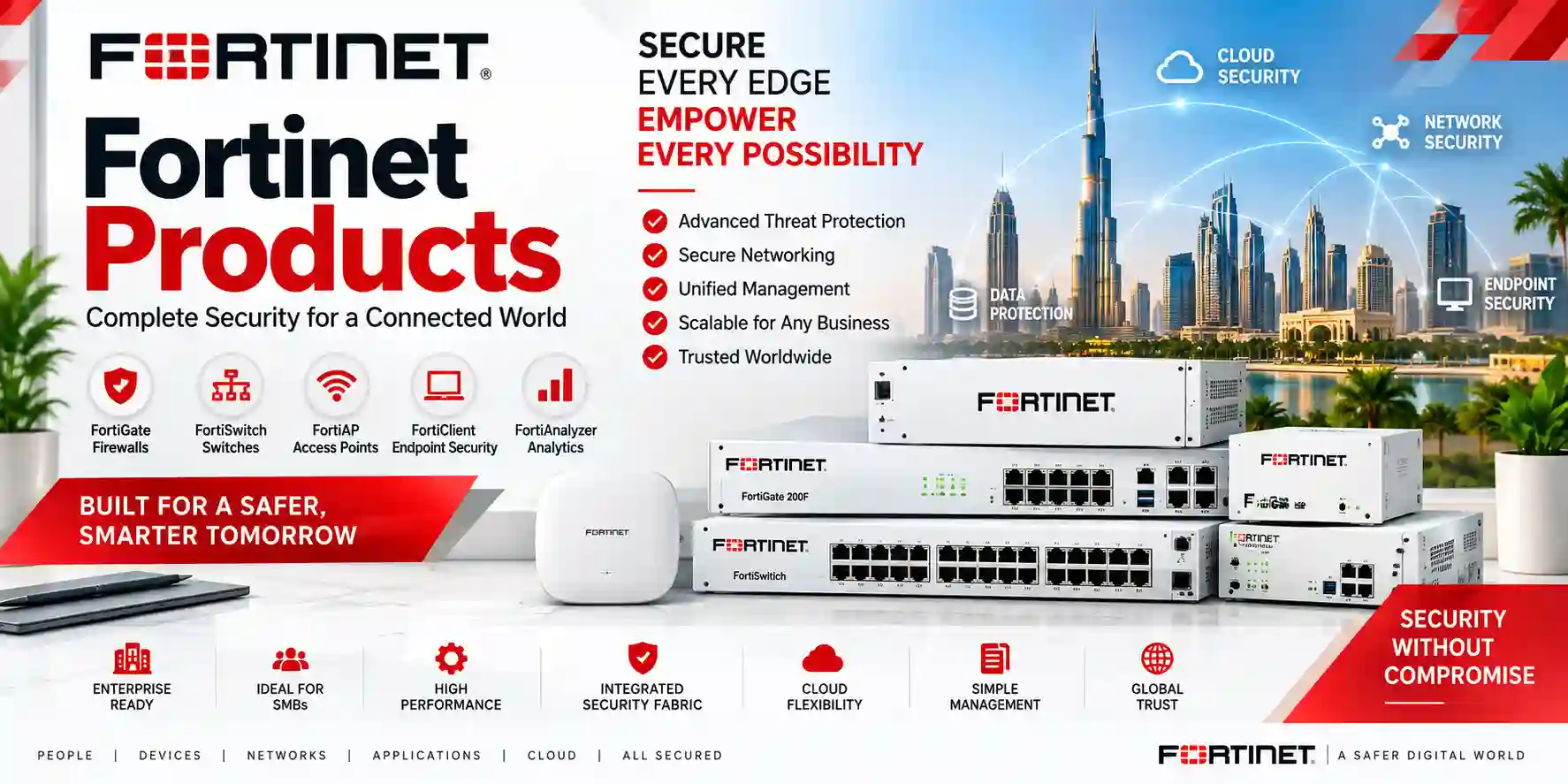
FortiGuard works best as part of a complete security architecture
Threat-intelligence subscriptions cannot compensate for poor segmentation, unrestricted administrator access, weak authentication, missing backups or an undersized firewall. The strongest result comes from combining the appropriate FortiGuard services with deliberate firewall policy, protected management access, documented VPNs, reliable switching, controlled Wi-Fi and a lifecycle process for firmware, configuration and entitlement review.
Organizations operating in several markets can use a common design language while sourcing regional support through FourTeck’s network. Related resources include FourTeck Africa, FourTeck Uganda, FourTeck Kenya, FourTeck Ghana, FourTeck Nigeria and FourTeck Kuwait.
FortiGuard deployment and renewal checklist
Record FortiGate or other Fortinet product model, serial, virtual or hardware form factor, HA design and current FortiOS or software version.
Capture existing FortiGuard bundle, FortiCare status, expiry date and any a-la-carte services so the renewal can be compared accurately.
List required IPS, malware, application, web, DNS, SaaS, data, IoT, OT, SOC or other controls instead of choosing a bundle by name alone.
Compare internet speed, VPN load and expected inspection features with relevant FortiGate security-performance specifications before enabling deeper inspection.
Separate staff, guest, server, voice, CCTV and device traffic where practical and apply controls according to risk rather than one broad policy.
Send model, serial-linked entitlement, quantity, expiry, desired term, deployment location and requested bundle or service changes.
FortiGuard Security Services FAQs
Is FortiGuard one license or several security services?
FortiGuard is a portfolio of services. Fortinet offers many services individually and also groups selected capabilities into bundles such as Advanced Threat Protection, Unified Threat Protection and Enterprise Protection. The correct entitlement depends on the Fortinet platform and the security controls required.
What is the difference between ATP, UTP and Enterprise Protection?
ATP is Fortinet’s core network and malware protection tier. UTP adds web-oriented protection such as URL and DNS filtering and anti-botnet capabilities. Enterprise Protection adds broader data, SaaS, IoT, inline-malware and attack-surface capabilities under Fortinet’s current bundle structure. Always verify the current entitlement for the exact device.
Do FortiGuard services work only with FortiGate?
No. FortiGuard services are integrated across the wider Fortinet Security Fabric, although FortiGate is one of the most common platforms associated with FortiGuard subscriptions. Service availability differs by product, so the exact supported platform must be checked.
Can I buy FortiGuard services individually?
Fortinet publishes both a-la-carte services and curated bundles. Whether a specific service can be ordered for a particular platform depends on current Fortinet ordering rules, device eligibility and subscription terms.
What information is needed for a FortiGuard renewal quote?
Provide the Fortinet model, serial-linked entitlement information, current bundle or service, expiry date, desired subscription term, device quantity and any planned change in protection level. For broader projects, add bandwidth, user count, VPN requirements and enabled inspection services.
Does enabling more FortiGuard security affect firewall performance?
Deep inspection services require processing resources, so real-world throughput can differ from basic firewall throughput. Size the FortiGate using the performance metrics that match the inspection services expected in production, especially when IPS, anti-malware, web filtering and encrypted-traffic inspection operate together.
Is OT Security included in Enterprise Protection?
Fortinet’s current bundle guidance states that OT-specific device and protocol recognition is not included in the Enterprise Protection bundle and should be added through the OT Security Service when required. Confirm current eligibility for the selected Fortinet platform.
Should I renew the same FortiGuard bundle every year?
Not automatically. Review whether the internet bandwidth, user count, cloud usage, compliance needs, device estate and threat-control requirements have changed. Renewal is a good time to verify that both the bundle and the firewall platform still fit the current environment.
Quotation checklist for FortiGuard Security Services
To prepare a meaningful FortiGuard quotation, send the information that links licensing to the actual protected environment. This reduces rework and helps prevent mismatched bundles or terms.
- Exact Fortinet product and model for every device requiring coverage.
- Serial-linked entitlement information and current FortiCare or FortiGuard status.
- Current bundle or a-la-carte services, expiry date and desired renewal term.
- Required security capabilities: IPS, antivirus, application control, web, DNS, SaaS, data, IoT, OT or SOC services.
- Internet bandwidth, approximate users, branch count, VPN usage and any planned speed upgrade.
- Whether the project includes hardware refresh, HA, SD-WAN, new branches or migration from another firewall.
Decision recap
Choose FortiGuard based on the protections your organization will actually operate, the Fortinet platform that will enforce them and the lifecycle of the deployment. ATP is the core threat-protection starting point; UTP extends protection into web and DNS use cases; Enterprise Protection adds broader data, SaaS, IoT, inline-malware and attack-surface capabilities under Fortinet’s current bundle structure. Specialized services such as OT Security should be validated separately.
The best next step is to gather device and entitlement details before asking for price. This lets the quotation match the correct platform, term and service level while giving engineers enough context to check capacity, segmentation, VPN and inspection requirements. For Tanzania enquiries, use the verified FourTeck Tanzania contact page and include the model, serial-linked license information, current expiry and required outcome.
Talk to FourTeck about FortiGuard licensing, renewal or deployment
Whether you are renewing an existing FortiGate subscription, selecting a bundle for a new firewall, aligning security across branches or reviewing whether your present protection level still fits the business, send the exact environment details first. FourTeck can help organize the requirement around the Fortinet platform, subscription term, intended controls and broader network design so the quotation is technically meaningful.