
FortiGate VM64 Azure
FortiGate VM64 Azure is a Fortinet virtual firewall platform for organizations that want FortiGate security controls inside Microsoft Azure. It can be used to protect cloud workloads, inspect traffic between network segments, connect branches and data centers through encrypted VPNs, and apply consistent security policy as applications move into Azure. Rather than treating cloud security as an isolated appliance purchase, buyers should plan the Azure virtual network design, routing, availability, licensing, expected traffic, inspection profile and operational ownership together.
Cloud Security
FortiGate-VM combines stateful firewalling with FortiOS security functions such as application control, intrusion prevention, web filtering, antivirus and VPN capabilities, subject to the selected license and services.
Flexible Licensing
Fortinet documents both bring-your-own-license and pay-as-you-go approaches for FortiGate-VM on Azure. The suitable route depends on procurement preference, migration plans, subscription model and deployment duration.
Resilient Design
Azure deployments can be designed around high-availability patterns. Architecture should be validated against current Fortinet guidance, Azure networking requirements, failure domains and the application availability objective.
FortiGate VM64 Azure Overview
The VM64 designation is associated with Fortinet’s 64-bit virtual machine image family, while the Azure variant is built for deployment in Microsoft Azure. This is not a fixed hardware appliance with one immutable port count or throughput figure. Capacity is influenced by the FortiGate-VM licensing tier, supported Azure instance type, enabled security inspection, traffic characteristics and architecture. For procurement teams, that distinction matters: selecting a virtual firewall requires sizing both the Fortinet entitlement and the Azure compute/network resources rather than comparing only a hardware datasheet.
A common design places FortiGate-VM in a security or transit virtual network so traffic can be steered through inspection using Azure routing. Depending on the environment, it can secure internet-facing workloads, inspect east-west traffic, terminate VPN connectivity, support hybrid networking, or extend a consistent FortiGate policy model into the cloud. High availability may use active/passive FortiGate synchronization or architectures involving Azure load-balancing components. The final design should follow the FortiOS version-specific Azure administration guide because supported instance families, templates and deployment recommendations can change.
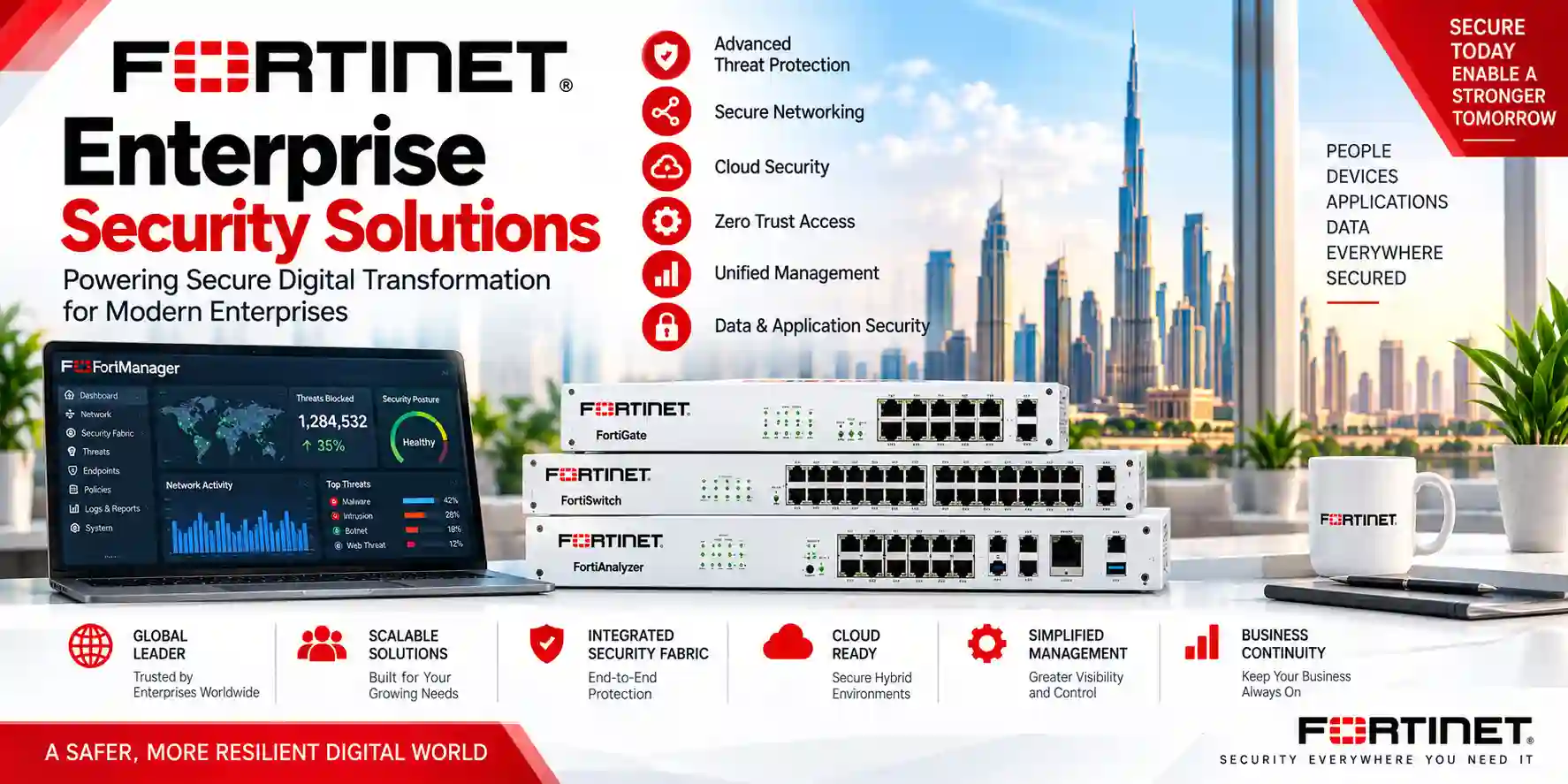
Planning Licensing, Azure Sizing and Deployment
Fortinet publishes BYOL and PAYG licensing options for FortiGate-VM on Azure. BYOL can suit organizations that procure a Fortinet license separately or are migrating an existing licensed virtual deployment, while PAYG can align licensing charges with Azure marketplace consumption. Buyers should verify the exact entitlement, FortiGuard services, FortiCare coverage, term, supported virtual CPU allocation and Azure instance compatibility for the proposed order. FourTeck does not recommend treating the image name alone as a complete bill of materials.
Before quotation, document the Azure region, expected north-south and east-west traffic, number of protected VNets, VPN peers, remote users, inspection features, availability target, logging destination and growth expectation. If encrypted traffic inspection, IPS, application control or other resource-intensive functions will be enabled, sizing should reflect the real security profile rather than raw firewall throughput. Azure compute, storage, public IP, load balancer and data-transfer charges are separate considerations from Fortinet licensing.
Related FourTeck Security Resources
For broader Fortinet planning, explore FourTeck Tanzania for regional technology sourcing and consultation. Organizations extending the same security strategy into neighboring markets can review FourTeck Uganda, FourTeck Kenya, FourTeck Ghana, FourTeck Nigeria, and the specialist Fortinet UAE resource. For requirements spanning broader African operations, FourTeck Africa provides an additional regional route for solution discussions.
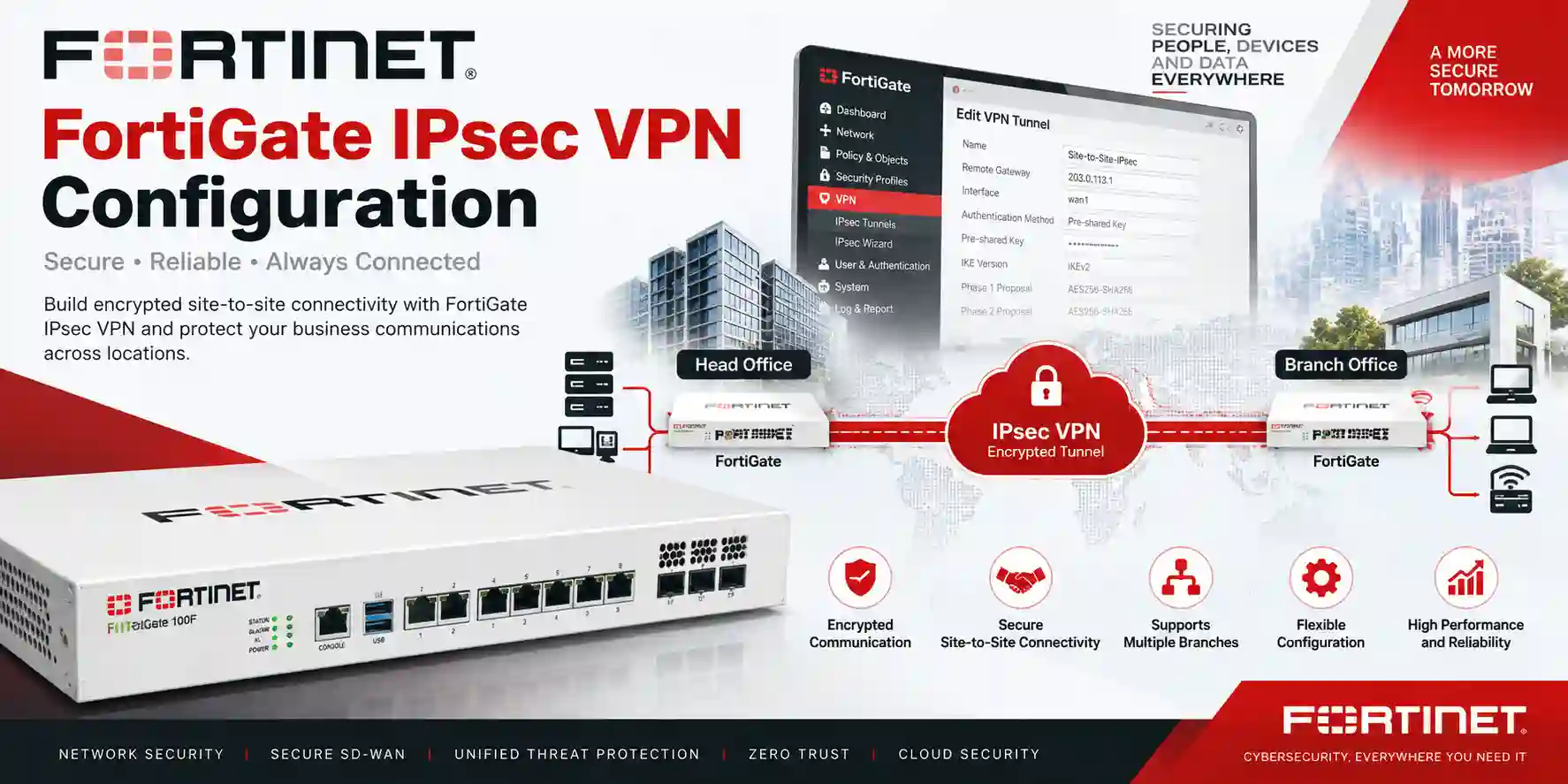
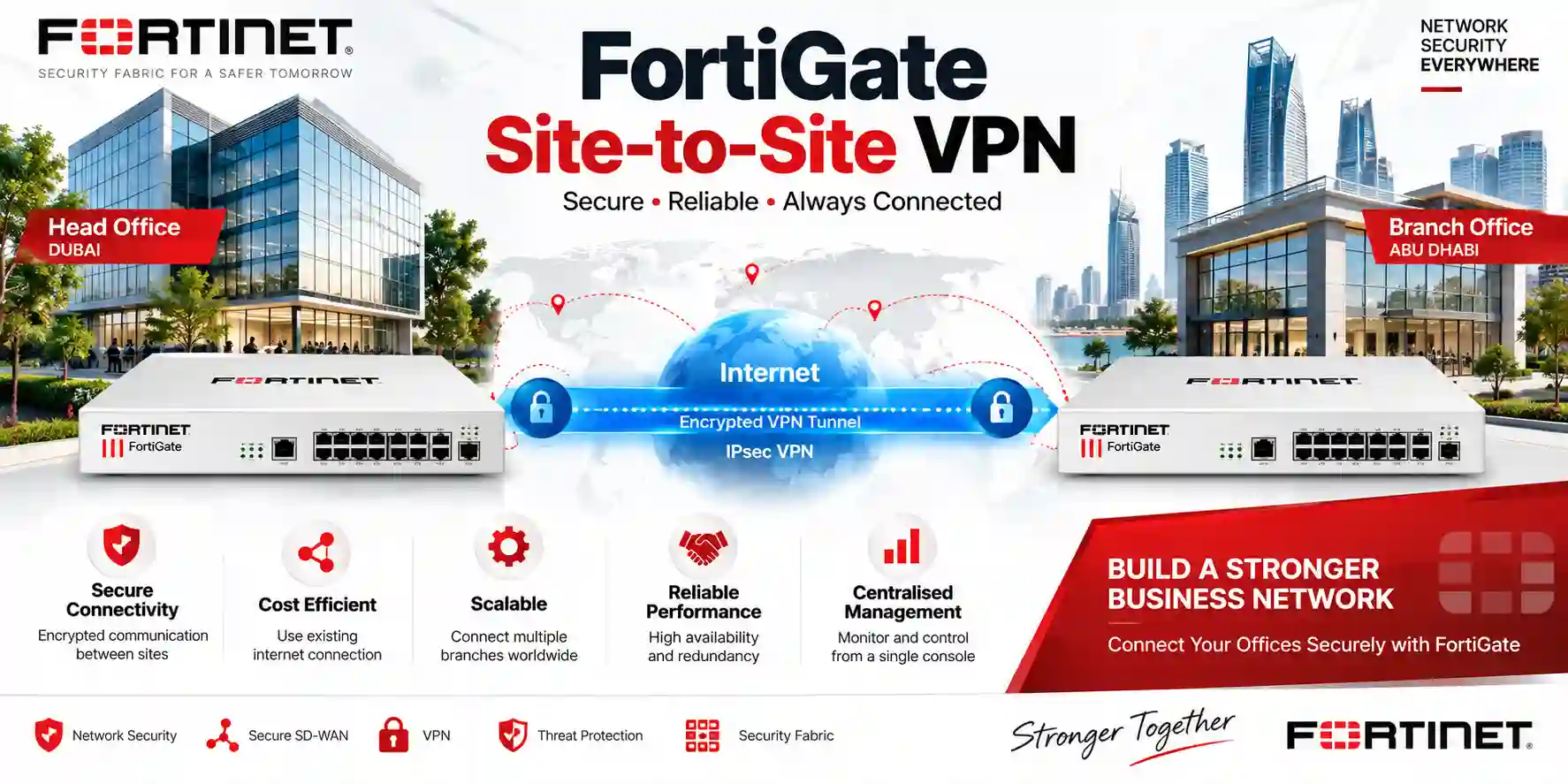
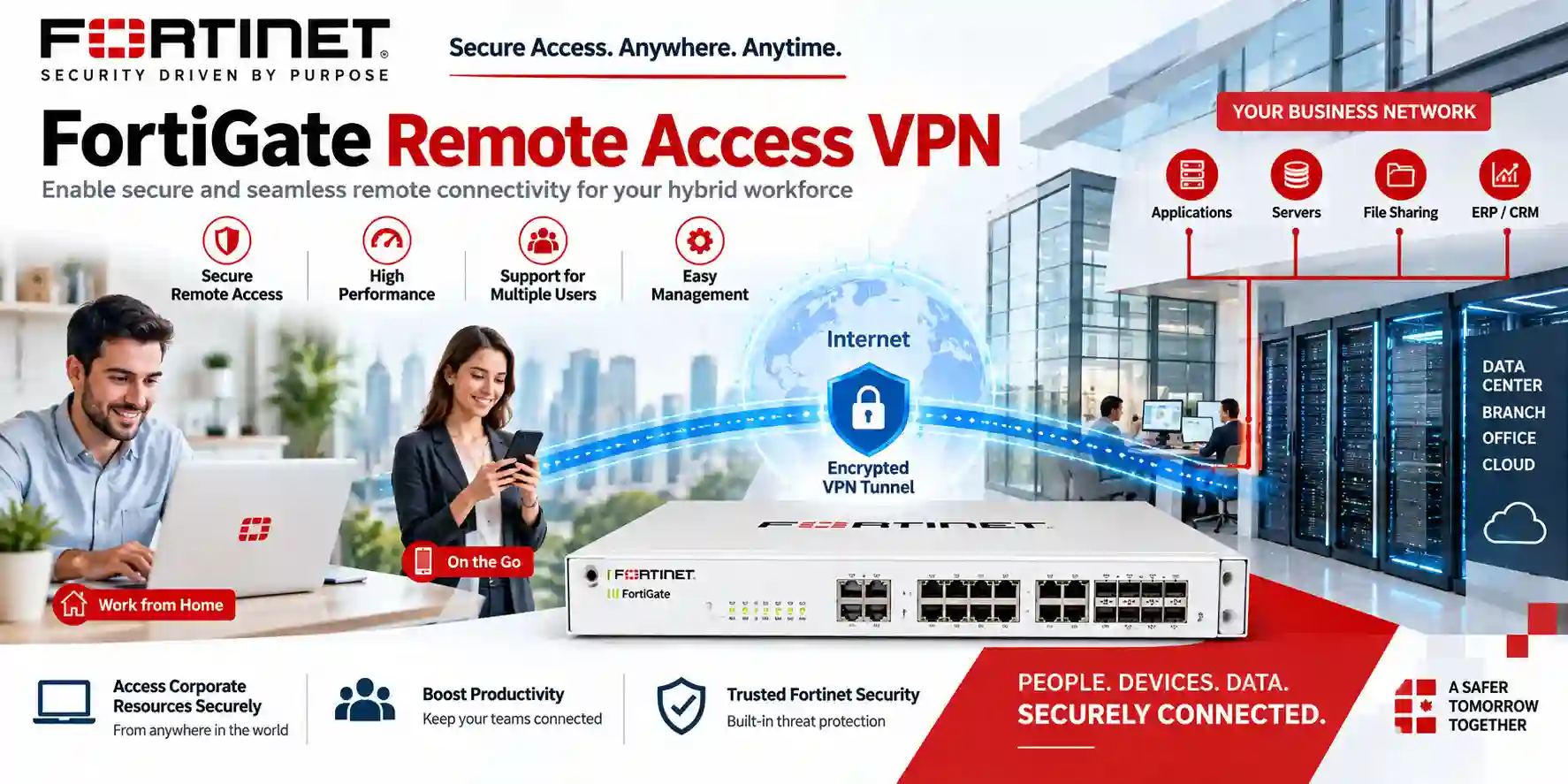
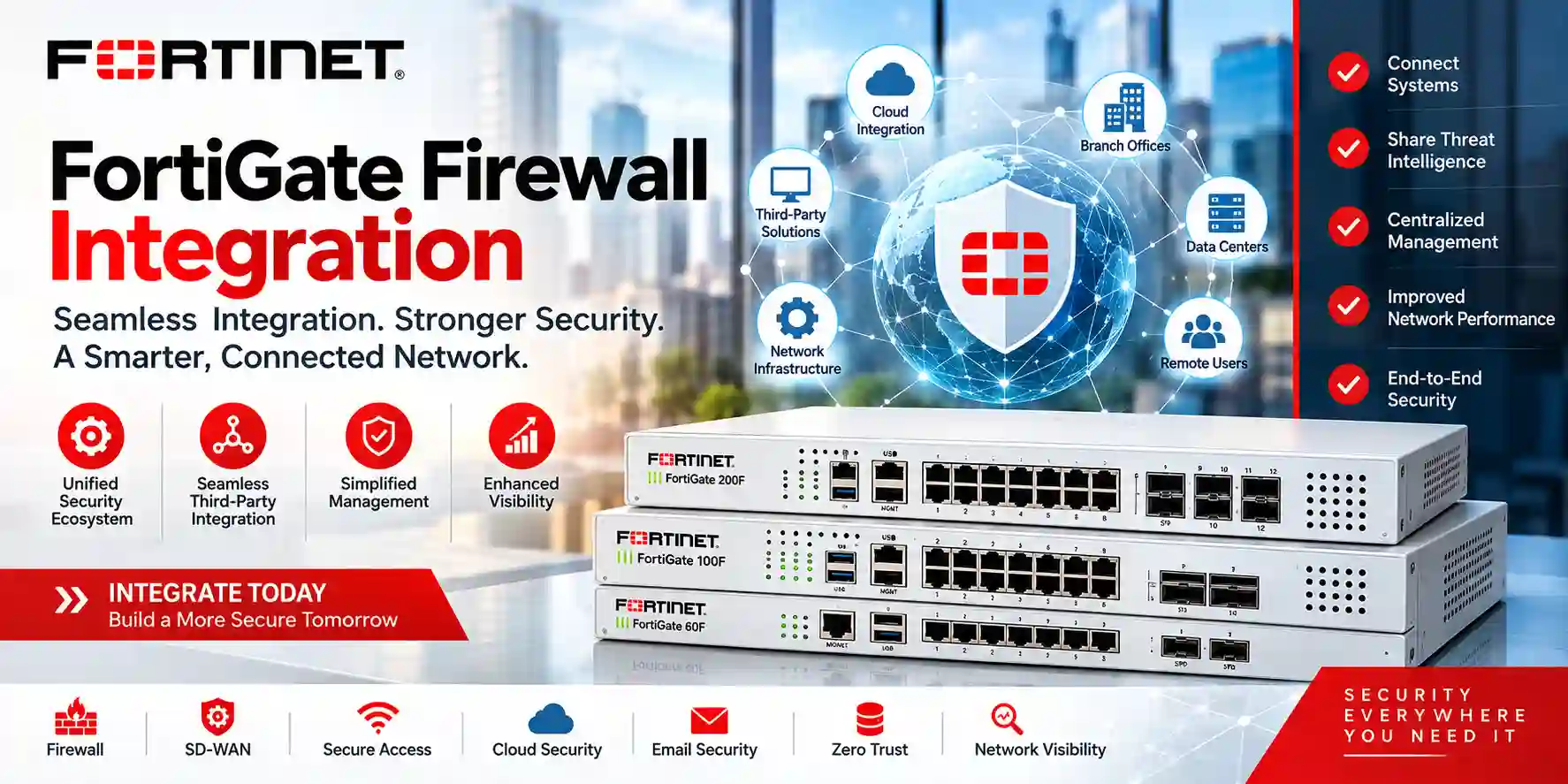
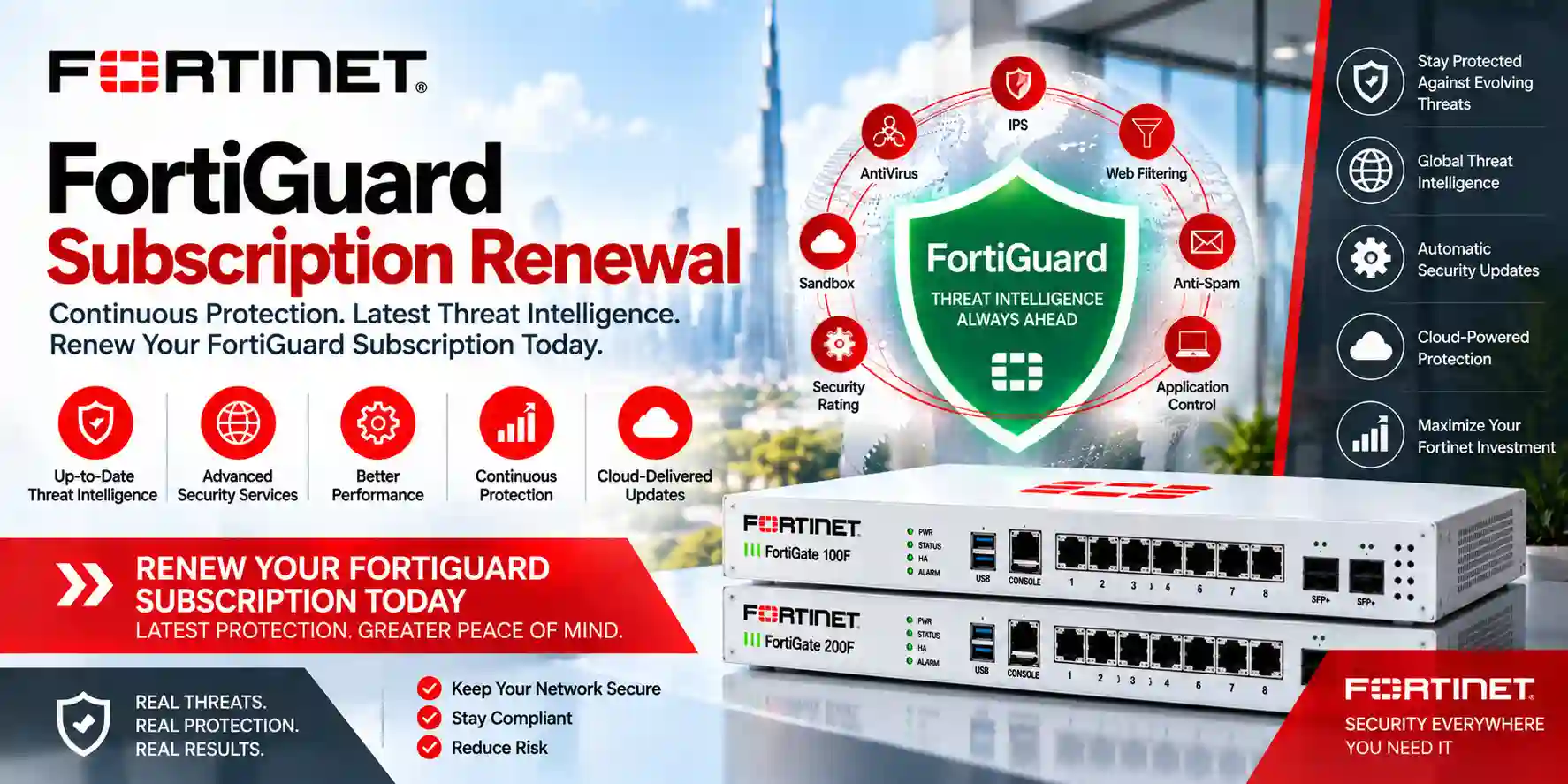
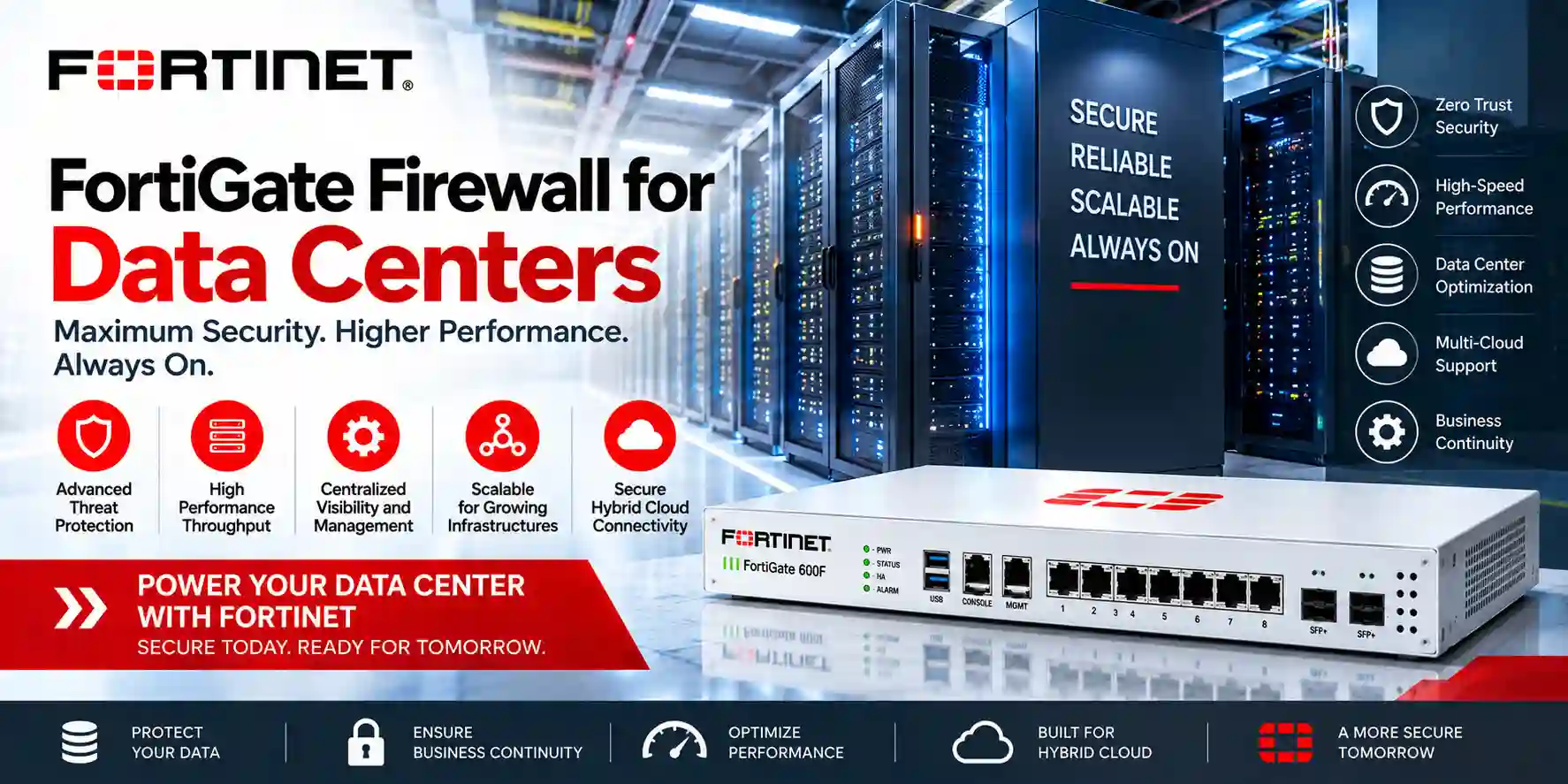
Within the Tanzania site, buyers can also use the Tanzania contact and quotation page to share Azure topology, licensing preferences and security requirements. The Tanzania site also hosts FortiGate-focused visual and informational resources covering IPsec VPN configuration, site-to-site VPN, remote-access VPN, FortiGate integration, FortiGuard licensing, data-center firewall planning, and Fortinet product coverage. These resources help procurement teams frame adjacent requirements, although final Azure configuration should always be based on current vendor documentation.
FortiGate VM64 Azure Tanzania
For organizations in Tanzania adopting Microsoft Azure, FortiGate VM64 Azure provides a route to extend familiar Fortinet firewall policy into cloud-hosted infrastructure. A Tanzania deployment may support businesses moving ERP, web applications, collaboration services, customer portals or internal systems into Azure while retaining connectivity to offices and data centers. The important buying question is not simply whether a virtual firewall can be launched; it is how traffic should flow through it, what workloads require inspection, what VPN relationships must be maintained and which FortiGuard security services are appropriate for the risk profile.
Tanzanian buyers should begin with a workload and connectivity map. Identify Azure VNets, on-premises subnets, internet-facing applications, branch networks, administrative access paths and any third-party connections. This makes it easier to decide whether FortiGate-VM should act primarily as an internet edge, a hybrid VPN termination point, a segmentation firewall or a central inspection layer. Organizations with regulated or sensitive workloads should also decide where logs will be retained, who reviews security events, and how changes are approved.
Quotation preparation should include the preferred BYOL or PAYG model, Azure region, expected traffic, availability requirement and desired security subscriptions. Because cloud consumption and Fortinet licensing are separate cost components, a complete budget should consider Azure compute, storage, network services and data transfer alongside the firewall license. FourTeck can use this information to help frame a procurement request without making unsupported assumptions about capacity. For a Tanzania-focused discussion, send the planned topology and workload profile through the FourTeck Tanzania contact page.
FortiGate VM64 Azure Dar es Salaam
Dar es Salaam businesses often combine headquarters connectivity, internet-facing services, remote branches and cloud applications, making architecture clarity especially important when deploying FortiGate VM64 Azure. A company migrating workloads from a local server room or colocation environment can use FortiGate-VM as part of a hybrid design in which Azure resources remain connected to existing networks through encrypted tunnels. The firewall can enforce policies at the cloud edge while administrators retain FortiOS-based operational workflows.
For procurement teams in Dar es Salaam, sizing should start with application behavior rather than employee count alone. A smaller workforce can still generate demanding traffic when applications transfer large files, use encrypted APIs or require extensive security inspection. Conversely, a larger organization with mostly lightweight SaaS access may have different requirements. Record peak bandwidth, concurrent VPN expectations, security services to be enabled, number of routed networks and expected growth. This information supports a more defensible Azure instance and FortiGate licensing discussion.
Resilience also deserves attention. If an Azure-hosted service is business critical, the firewall architecture should avoid creating a single point of failure. Fortinet documents Azure high-availability options, but the implementation should be aligned with Azure routing and load-balancing design. Dar es Salaam buyers planning disaster recovery should additionally define whether secondary Azure regions or on-premises recovery sites are involved. Sharing those requirements before quotation helps distinguish a basic single-instance deployment from a production architecture requiring high availability, logging, monitoring and change-management planning.
FortiGate VM64 Azure Mwanza
Organizations in Mwanza can consider FortiGate VM64 Azure when central applications are being hosted in Azure but users, branches or operational sites remain distributed across Tanzania. In this scenario, the virtual firewall can form part of a secure cloud hub that receives VPN traffic, controls access to Azure workloads and separates application networks according to business policy. This can be useful for companies that want consistent security controls without placing a physical firewall inside the cloud environment.
A practical Mwanza deployment assessment should document WAN reliability and how users reach Azure. If branches depend on public internet links, the design should consider tunnel redundancy, routing behavior during link failure and the business impact of latency. FortiGate’s VPN and SD-WAN capabilities may be relevant, but exact architecture depends on the wider network and licenses. Avoid selecting a virtual firewall solely from a nominal bandwidth number; inspection features, encryption and Azure instance resources can materially affect real deployment capacity.
For quotation, Mwanza customers should provide the number of sites, Azure networks, expected VPN tunnels, remote-user needs, public applications and security services. It is also useful to specify whether centralized management or analytics products are already in use. If an organization already operates FortiGate appliances at branches, an Azure FortiGate-VM may offer operational consistency, although compatibility and version planning must be checked. A staged implementation can validate routing, policies, VPN and monitoring before critical production traffic is migrated.
FortiGate VM64 Azure Arusha
Arusha organizations with cloud-hosted booking platforms, business applications, databases or shared services can use FortiGate VM64 Azure as a security control point around Azure workloads. Tourism, professional services, education and other sectors may have users connecting from multiple locations, partners requiring limited access, and public services that need controlled exposure. A virtual firewall can help separate these access paths through explicit policies rather than relying on a flat cloud network.
The strongest design starts with segmentation. Define which Azure subnets host web, application, database and management functions, then determine which flows genuinely need to cross between them. FortiGate-VM can inspect routed traffic when Azure networking is configured to steer it through the appliance. For internet-facing applications, buyers should also distinguish network firewall requirements from application-specific controls so that the complete security architecture addresses the actual threat model.
Arusha procurement teams should ask for a bill of materials that clearly separates Fortinet licensing from Azure infrastructure costs. Confirm whether the intended deployment uses BYOL or marketplace PAYG, which security subscription is expected, and whether high availability is required. Document the target FortiOS release and upgrade policy as part of operations planning. When requesting a quote, include anticipated traffic, VPN requirements, Azure region and topology so the proposed solution can be reviewed against current Fortinet instance-support guidance rather than based on a generic VM assumption.
FortiGate VM64 Azure Dodoma
FortiGate VM64 Azure can support Dodoma organizations that need controlled connectivity between Azure workloads, institutional networks, remote offices and internet users. Public-sector, education and enterprise environments often require clear separation of systems and auditable access rules. A FortiGate virtual appliance can provide firewall and VPN functions within an Azure network design, with additional FortiGuard security capabilities depending on the chosen entitlement.
For environments with formal governance, deployment documentation is as important as the firewall itself. Record route tables, interfaces, security zones, allowed flows, administrator roles, logging targets, backup procedures and change approval. If high availability is required, test failover behavior and confirm how Azure components participate in traffic redirection. Operational teams should also use Fortinet’s recommended upgrade path for the exact Azure licensing model when planning FortiOS maintenance.
Dodoma buyers preparing a tender or quotation request can improve accuracy by defining measurable requirements rather than specifying an arbitrary virtual-machine size. Include protected applications, expected throughput, concurrent sessions where known, VPN topology, security inspection requirements, retention expectations and support term. If integration with Microsoft identity or security monitoring is planned, state that requirement early so the architecture can be reviewed. This approach gives suppliers enough context to propose a suitable FortiGate-VM and Azure design without inventing specifications or oversizing based on incomplete information.
FortiGate VM64 Azure UAE
UAE organizations frequently operate hybrid and multi-site networks in which Azure hosts customer applications, development environments, disaster-recovery systems or regional services. FortiGate VM64 Azure can be positioned as a virtual security gateway to apply FortiOS policies around these workloads. Companies already using FortiGate at physical sites may value a common policy approach across cloud and branch environments, while organizations new to Fortinet should evaluate management, licensing and support alongside technical features.
Azure architecture in the UAE should be designed around the selected Azure region and the organization’s latency, residency, resilience and application requirements. The FortiGate layer must fit the VNet, subnet, route and load-balancing model. If multiple subscriptions or application teams are involved, a centralized transit or security VNet may be considered, but the final topology depends on governance and traffic flows. High availability should be treated as an architectural requirement rather than a checkbox because firewall failover depends on surrounding cloud networking behavior.
Procurement teams should compare BYOL and PAYG based on expected duration, commercial model and existing Fortinet entitlements. They should also confirm the required FortiGuard services, FortiCare support, Azure instance family and expected compute charges. FourTeck’s Fortinet-focused UAE resources can complement Tanzania-led regional projects when organizations operate across both markets. A clear request should include cloud topology, VPN peers, expected inspection features and availability target so licensing and implementation discussions remain tied to the actual workload.
FortiGate VM64 Azure Uganda
Ugandan businesses using Microsoft Azure can deploy FortiGate VM64 Azure as part of a cloud security and hybrid-connectivity architecture. The virtual appliance can protect workloads, terminate VPNs and enforce traffic policies between network zones. This is relevant when applications move to Azure while users and branch systems remain on premises, because the security boundary can extend into the cloud rather than ending at the physical office firewall.
A Uganda-wide design may involve Kampala headquarters plus regional branches, making VPN and routing design central to the project. Map every site, internet connection, protected subnet and Azure VNet before selecting licensing. If branches already use FortiGate, administrators can evaluate how routing and security policies should be coordinated with the Azure instance. If different firewall brands are used, standards-based IPsec connectivity may be considered, subject to compatible parameters and tested interoperability.
Buyers should request current vendor-supported Azure instance guidance and avoid assuming that a VM size used in another project will suit their traffic. Security inspection, encrypted traffic, logging and VPN processing affect resource demand. Procurement should also distinguish Azure infrastructure charges from Fortinet licensing and subscription costs. FourTeck Uganda can provide a regional route for related requirements while Tanzania FourTeck remains useful for Tanzania-led procurement. For cross-border organizations, standardizing documentation, policy naming and operational procedures can simplify management even when cloud subscriptions are separated by business unit.
FortiGate VM64 Azure Kampala
Kampala organizations often centralize IT teams while supporting branches and remote users across Uganda. FortiGate VM64 Azure can serve as an Azure security gateway for cloud applications that must be reached securely from these distributed users. A typical assessment examines internet ingress, branch-to-cloud VPN, administrator access, east-west application traffic and outbound connections from Azure workloads. Each flow should have an explicit business reason and security policy.
When Azure is used as a hub for branch connectivity, availability and routing become especially important. A firewall outage can affect multiple locations, so production deployments should evaluate Fortinet’s supported HA patterns and the Azure services needed around them. Teams should test failover, route convergence, VPN recovery and monitoring rather than assuming cloud infrastructure automatically provides appliance-level resilience. Central logging should also be planned so administrators can investigate denied connections, security events and tunnel status.
Kampala procurement requests should identify whether the organization wants PAYG for marketplace-based consumption or BYOL through a separately procured Fortinet entitlement. The preferred model may depend on budget treatment, deployment lifespan and existing licenses. Include FortiGuard security requirements and support expectations. If centralized FortiManager or FortiAnalyzer capabilities are part of the broader environment, state their versions and role so compatibility can be checked. A structured requirements sheet helps suppliers return a useful quote rather than a generic cloud-firewall price.
FortiGate VM64 Azure Arua
For organizations operating from Arua or supporting northwestern Uganda, Azure can centralize applications that would otherwise need to be maintained at multiple physical sites. FortiGate VM64 Azure can provide a controlled security layer around those applications and encrypted connectivity back to offices. This is particularly useful when local sites should access only defined cloud services instead of receiving broad network access.
Connectivity planning should account for the quality and redundancy of each site’s internet service. VPN architecture can include primary and secondary paths where available, but failover behavior must be designed and tested. Administrators should define which traffic should traverse the Azure FortiGate, whether internet breakout remains local, and how DNS and identity dependencies behave during WAN disruption. These decisions can influence both user experience and the amount of traffic processed by the cloud firewall.
For Arua buyers, a useful quotation request includes branch count, tunnel count, Azure workloads, peak traffic, remote-user requirements and the desired security inspection stack. If the environment is expected to grow, describe likely additional sites and applications so the initial design leaves a practical expansion path. Licensing should be verified against current Fortinet terms, and Azure compute should be selected from supported instance families. Separating immediate needs from future assumptions helps control cost while maintaining a design that can be revisited as cloud usage increases.
FortiGate VM64 Azure Mbarara
Mbarara enterprises can use FortiGate VM64 Azure when cloud workloads need the same disciplined network-security approach applied to physical infrastructure. The virtual firewall can sit between Azure network zones, internet connections and VPN-connected sites, giving administrators a point at which to enforce security rules and inspect traffic. This can support business applications, shared databases, development platforms or backup services hosted in Azure.
The design should avoid unnecessary hairpinning. Sending every packet through a firewall without a clear inspection requirement can add complexity and cloud data-processing costs. Instead, map trust boundaries and identify which flows need security enforcement. User-defined routing, VNet design and application architecture should be coordinated with the FortiGate deployment. Where high availability is needed, surrounding Azure networking must be configured to support the intended failover method.
Mbarara procurement teams should also plan operations. Decide who manages FortiOS updates, security policies, backups, licenses and incident response. Fortinet publishes separate upgrade-path identifiers for Azure PAYG and BYOL deployments, so maintenance procedures should reflect the actual license type. For a quote, provide Azure region, desired licensing model, security subscriptions, traffic expectations and support term. A technically complete request makes it easier to compare proposals on equivalent scope rather than comparing prices that omit different components.
FortiGate VM64 Azure Gulu
Gulu organizations considering Azure for centralized applications, disaster recovery or shared services can place FortiGate VM64 Azure within the cloud network to provide firewall and VPN controls. This allows the Azure environment to participate in a wider enterprise security design rather than operating as an isolated set of virtual networks. The firewall can be relevant for site-to-site connectivity, workload segmentation and controlled internet access.
A sound Gulu deployment plan should account for remote administration. Management access to the FortiGate and Azure resources should be restricted, logged and separated from ordinary user traffic where practical. Identity controls, multifactor authentication and privileged-access procedures may complement network firewalling. If remote-access VPN is part of the requirement, document the user population, authentication method and application access scope rather than enabling broad network access by default.
For procurement, specify whether the firewall is for a proof of concept, production system or disaster-recovery environment. The licensing and availability approach may differ across those use cases. A production design may justify HA and longer support coverage, while a temporary test may prioritize flexibility. Azure costs remain separate from Fortinet software charges, so budget owners should consider compute and network consumption. Providing these details to FourTeck or a regional FourTeck team supports a clearer discussion of the required license and deployment scope.
FortiGate VM64 Azure Kenya
Kenyan organizations with regional cloud operations can use FortiGate VM64 Azure to secure Azure workloads and hybrid connections while maintaining Fortinet security controls. The platform is relevant for enterprises that need to connect offices, data centers and cloud VNets through encrypted links or enforce segmentation between cloud application tiers. It can also support internet-edge inspection for workloads exposed through Azure networking.
Kenya deployments should be sized around actual application and security demand. A cloud firewall that performs basic stateful filtering has a different resource profile from one performing IPS, antivirus, web filtering and extensive encrypted traffic inspection. Azure instance selection and FortiGate licensing must therefore be reviewed together. Organizations with seasonal or rapidly changing workloads should also consider how scaling and licensing choices align with their operating model.
Cross-border businesses operating in both Kenya and Tanzania can benefit from documenting a common reference architecture while preserving separate local requirements. Standard policy structure, logging conventions, VPN naming and change procedures can reduce operational friction. FourTeck Kenya is an available regional resource for Kenya-related requirements, while the Tanzania site can coordinate Tanzania procurement. When seeking a quotation, include Azure subscription architecture, protected VNets, expected traffic, HA target, FortiGuard services and support needs so proposals can be compared on a consistent basis.
FortiGate VM64 Azure Kuwait
Kuwait organizations deploying applications in Microsoft Azure can use FortiGate VM64 Azure as a virtual network security appliance for workload protection, segmentation and hybrid VPN. The FortiOS policy model can be useful where security teams want a consistent approach across physical and cloud environments. Architecture should still be cloud-native in the sense that routing, availability and automation are designed around Azure rather than copying a physical data-center topology unchanged.
For workloads with strict availability requirements, evaluate Fortinet’s documented HA options and Azure infrastructure dependencies. Confirm how traffic reaches the active firewall, what happens when an instance or availability component fails, and how configuration synchronization is maintained. Testing should include application connectivity and monitoring after failover, not only firewall status. If multiple Azure subscriptions or VNets are involved, routing governance and ownership should be agreed before implementation.
Kuwait buyers should compare PAYG and BYOL based on procurement policy and deployment horizon, then confirm FortiGuard subscriptions and support. Cloud budget planning should include Azure compute, networking and data-transfer costs in addition to the Fortinet entitlement. FourTeck Kuwait can be referenced for Kuwait-focused requirements, while organizations coordinating security from Tanzania can keep a common technical specification across regions. A detailed bill-of-material request should state the Azure region, security features, expected bandwidth, VPN topology and resilience objective.
FortiGate VM64 Azure Ghana
Ghanaian businesses using Azure for customer applications, enterprise systems or shared services can deploy FortiGate VM64 Azure to enforce network security controls in the cloud. The appliance can support VPN connectivity from offices, security inspection at cloud boundaries and segmentation between workloads. Organizations already operating Fortinet infrastructure may also evaluate centralized policy and logging approaches to keep cloud operations aligned with existing practices.
A Ghana deployment should start by identifying critical services and their dependencies. If an application depends on on-premises databases, identity services or third-party APIs, the firewall and routing design must allow the required flows while restricting unnecessary access. Security rules should be based on documented application communication rather than broad network ranges. Logging should be sent to an appropriate monitoring destination so security teams can review events without relying solely on the appliance interface.
Procurement teams should request current licensing and supported Azure instance information for the chosen FortiOS release. BYOL and PAYG provide different commercial paths, and neither should be selected without considering deployment duration and existing agreements. FourTeck Ghana can support Ghana-focused discussions, while Tanzania-led regional organizations can use a common requirement template across both countries. Include VPN count, workload traffic, desired inspection services, HA requirement and support term when requesting a quotation.
FortiGate VM64 Azure Nigeria
Nigeria’s large and distributed enterprise environments can create demanding hybrid-cloud requirements. FortiGate VM64 Azure can be used as a security gateway for Azure-hosted workloads, providing firewall policy, VPN and licensed threat-protection functions. Enterprises with many branches may consider Azure as a hub for selected services, but the firewall architecture must be designed for the aggregate traffic and resilience expectations of those sites.
Sizing should include peak rather than average traffic, encrypted VPN demand, enabled inspection features and anticipated growth. Large branch estates also increase the importance of routing design and operational automation. Administrators should determine how routes are learned or maintained, how tunnel health is monitored and how configuration changes are controlled. If FortiManager or other centralized tooling is planned, compatibility should be verified for the FortiOS release in use.
Nigeria procurement teams should distinguish software licensing from Azure consumption and professional deployment scope. A quote that lists only a firewall entitlement may not include Azure compute, load balancing, public IP resources, data transfer, logging or implementation services. FourTeck Nigeria provides a regional route for Nigerian requirements. For organizations operating across Nigeria and Tanzania, a shared security architecture can improve consistency while each Azure environment remains sized for its actual workload. Provide a topology and clear service list before seeking final commercial pricing.
FortiGate VM64 Azure Seychelles
Seychelles organizations may use Azure to host services that need to be securely accessible from island offices, remote workers or international partners. FortiGate VM64 Azure can provide a virtual firewall layer around those cloud workloads and terminate encrypted connectivity where required. For smaller environments, careful design is particularly valuable because unnecessary complexity can increase cloud operating cost without improving security.
Begin by separating essential controls from optional architecture. Identify internet-facing applications, internal Azure services, branch connections and administrative paths. Determine which traffic must be inspected by FortiGate and which Azure-native controls remain responsible for other layers of security. If internet connectivity from a site is constrained, VPN and application performance testing should be included before a full migration. Resilience planning should consider both the Azure firewall architecture and the local connectivity used to reach it.
Seychelles buyers should specify whether they prefer BYOL or PAYG, but the final choice should follow commercial and technical review. Confirm FortiGuard services, support coverage, Azure instance requirements and expected network charges. If a single FortiGate instance is proposed for cost reasons, document the resulting availability trade-off; if HA is required, include the additional Azure resources in budget planning. A concise topology diagram and workload list will make a quotation request more accurate and reduce the risk of assumptions during deployment.
FortiGate VM64 Azure Quotation Checklist
✓ Azure region and subscription structure
✓ BYOL or PAYG preference
✓ Protected VNets and subnets
✓ Expected peak traffic and growth
✓ Internet-facing workloads
✓ Site-to-site and remote-access VPN needs
✓ Required FortiGuard security services
✓ High-availability objective
✓ Logging and monitoring destination
✓ Support term and operational ownership
Frequently Asked Questions
What is FortiGate VM64 Azure?
It is the Azure-oriented FortiGate virtual machine image family used to run FortiOS security capabilities in Microsoft Azure. It is a virtual appliance rather than a physical FortiGate model.
Does FortiGate-VM for Azure support BYOL and PAYG?
Yes. Fortinet documents bring-your-own-license and pay-as-you-go licensing approaches for Azure. The appropriate option depends on the specific deployment and commercial requirements.
Can FortiGate VM64 Azure be used for VPN?
FortiGate-VM includes VPN capabilities and can be used in hybrid connectivity designs. Exact topology, authentication and interoperability requirements should be validated for the target FortiOS version and network environment.
How should an Azure FortiGate be sized?
Sizing should consider supported Azure instance families, FortiGate licensing, peak traffic, security inspection features, encrypted traffic, VPN demand, session profile and future growth. A raw bandwidth figure alone is not sufficient.
Does Azure compute cost come with a BYOL FortiGate license?
Azure infrastructure consumption is a separate cost consideration. Budget planning should distinguish Fortinet software and services from Azure compute, networking, storage and data-transfer charges.
Decision Recap and Consultation
FortiGate VM64 Azure is best evaluated as part of an Azure security architecture, not as an isolated software SKU. Define the protected workloads, traffic paths, security services, VPN requirements, licensing model and availability objective first. Then validate FortiGate entitlement and Azure instance support against current Fortinet documentation. FourTeck can use a topology diagram and requirement list to structure a quotation discussion for Tanzania and regional projects.




Reviews
There are no reviews yet.