
FortiGate VM Series Tanzania
FortiGate VM Series extends Fortinet FortiOS security into virtualized data centers, private clouds, public clouds and hybrid environments. It is designed for organizations that need security policy enforcement around virtual workloads, internet gateways, application tiers, cloud networks and encrypted connections without depending only on a physical firewall. The platform is available in multiple vCPU tiers, making it possible to align virtual firewall capacity with the architecture rather than treating every deployment as the same size.
What FortiGate VM Series is designed to solve
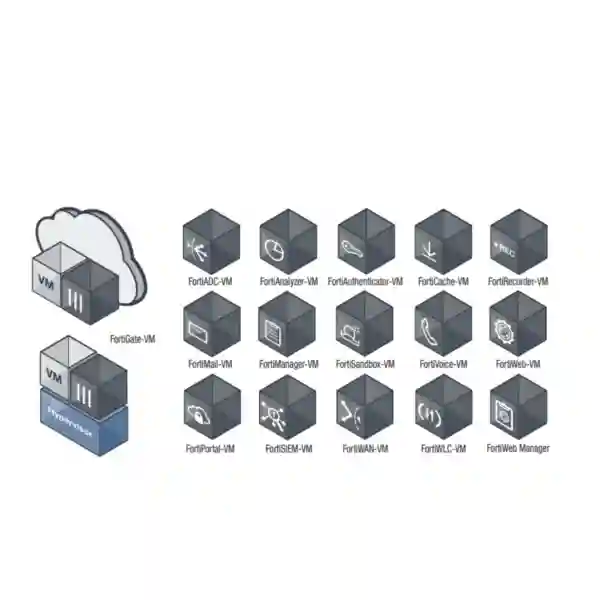
Virtual infrastructure changes where network boundaries exist. Applications may communicate between virtual networks, cloud subnets, branch offices, remote users and internet services, while workloads can be moved or scaled without installing new physical security appliances. FortiGate-VM places FortiGate next-generation firewall controls into that software-defined environment. Fortinet publishes support for major cloud platforms and hypervisors including VMware ESXi/vSphere/NSX-T, Microsoft Hyper-V, KVM, Xen/XenServer and Cisco CSP/ENCS. FortiGate-VM can be deployed in private or public cloud environments and can be obtained through bring-your-own-license arrangements or, for supported public clouds, marketplace consumption models.
The buying decision should begin with traffic paths and security functions, not with a model number. A project team should identify which flows will cross the virtual firewall, how much traffic will be inspected, whether VPN or SD-WAN is required, how many virtual interfaces and security zones are planned, what resilience model is needed, and whether centralized management or logging will be part of the design. Fortinet lists core controls such as intrusion prevention, application control, antivirus, URL and DNS filtering, sandboxing and SD-WAN for FortiGate VM. Actual enabled services depend on the selected license and subscription bundle.
Protect virtualized workloads and enforce security between network segments while retaining FortiOS policy workflows.
Apply virtual firewall controls around cloud networks and workloads with deployment choices aligned to supported marketplaces and licensing.
Build consistent security policy across virtual, cloud and physical FortiGate environments while planning secure VPN and routing paths.
FortiGate VM models and sizing
Fortinet’s current FortiGate-VM family includes tiers based on vCPU entitlement. Published product information identifies VM00 and VM01 at one vCPU, VM02 at two, VM04 at four, VM08 at eight, VM16 at sixteen, VM32 at thirty-two and VMUL with unlimited vCPU entitlement. Fortinet publishes headline firewall throughput figures up to 12 Gbps for VM00/VM01, 15 Gbps for VM02, 28 Gbps for VM04, 33 Gbps for VM08, 36 Gbps for VM16 and 50 Gbps for VM32. These headline values are vendor test figures, not a promise of application performance in every deployment. Hypervisor resources, packet profile, enabled inspection, encryption, cloud instance characteristics and architecture affect real-world results.
| FortiGate VM tier | vCPU entitlement | Published firewall throughput | Planning view |
|---|---|---|---|
| VM00 / VM01 | 1 | 12 Gbps | Compact virtual firewall requirements. |
| VM02 / VM04 | 2 / 4 | 15 / 28 Gbps | Growing virtual network and workload segmentation. |
| VM08 / VM16 | 8 / 16 | 33 / 36 Gbps | Higher-scale virtualized or cloud security projects. |
| VM32 / VMUL | 32 / unlimited | 50 Gbps / architecture-dependent | Large deployments requiring substantial compute flexibility. |
Licensing, subscriptions and procurement
FortiGate-VM licensing is an important part of sizing. Fortinet documents perpetual VM licensing, annual S-series subscription licensing and FortiFlex consumption options. With perpetual VM licensing, the VM base is perpetual while FortiCare and FortiGuard services are purchased separately on annual terms. S-series licensing combines a VM base with a FortiCare/FortiGuard service bundle under an annual contract. FortiFlex is designed for qualified enterprise and MSSP use cases that need flexible entitlements based on points. Buyers should confirm the current ordering structure, bundle, term and platform before issuing a purchase order because commercial packaging can change independently of technical architecture.
A useful quotation request states the preferred platform, planned vCPU size, expected traffic, security services, subscription term, high-availability requirement, number of sites or cloud networks, VPN requirement, management approach and target deployment schedule. Avoid requesting only “FortiGate VM price” because that leaves major commercial variables undefined. For wider Fortinet planning, see the FourTeck Fortinet solution overview, the FortiGate Kenya product category, the FortiGate Uganda product guidance, and the FortiGate VM08 Africa page. These regional references help procurement teams compare virtual and physical Fortinet approaches without assuming that one appliance format fits every project.
FortiGate VM Series Tanzania
For Tanzania organizations, FortiGate VM Series is relevant when important applications, servers or network services are hosted in virtualized infrastructure rather than sitting entirely behind a physical office firewall. A Dar es Salaam headquarters might run a private virtualization cluster while branches reach applications over VPN; another organization may operate workloads in a public cloud and retain local systems in Tanzania. In both cases, the security requirement is not simply an internet-edge firewall. Teams need to understand east-west workload traffic, north-south internet traffic, administrative access, application dependencies and encrypted connections. FortiGate-VM can provide FortiOS policy enforcement at selected virtual boundaries while physical FortiGate appliances can continue protecting office or branch edges.
Tanzania procurement teams should document infrastructure before selecting VM01, VM02, VM04, VM08 or a larger tier. Record the hypervisor or cloud, available vCPU and memory, expected inspected throughput, internet capacity, VPN tunnel count, remote-access expectations, VLAN or virtual-network structure, public-facing applications and resilience requirement. Security inspection can consume resources differently from basic firewall forwarding, so sizing only from ISP bandwidth can lead to an incomplete design. If SSL inspection, IPS, antivirus, application control, DNS or web filtering are required, state those functions during quotation preparation. Also identify whether FortiManager or FortiAnalyzer is part of the operational plan.
Commercially, Tanzania buyers should confirm whether perpetual licensing, subscription licensing or a flexible consumption model is appropriate. The correct answer depends on ownership preference, project duration, cloud architecture and how security services will be renewed. Ask for the exact entitlement, FortiGuard bundle, FortiCare term and any platform-specific requirement to be written into the quote. FourTeck can help organize these requirements for a Tanzania FortiGate VM quotation without assuming stock, instant activation or a particular service entitlement. For deployments that also use physical firewalls, the design should identify which traffic is secured by the virtual appliance and which remains at the physical perimeter.
FortiGate VM Series Dar es Salaam
Dar es Salaam businesses often centralize IT systems, internet gateways, data-center resources and cloud connectivity, making virtual firewall architecture especially relevant for organizations consolidating applications or modernizing server infrastructure. FortiGate VM can be positioned around virtual server segments, hosted applications, development environments or cloud-connected networks so policy follows the workload architecture instead of relying exclusively on a physical perimeter. The design should start with a traffic-flow map showing users, internet links, server networks, cloud routes, partner connections and branch VPNs. This makes it easier to decide whether the VM acts as an internet gateway, internal segmentation firewall, VPN termination point, cloud security gateway or a combination of roles.
For a Dar es Salaam deployment, availability planning deserves particular attention. If the protected applications are business critical, ask how the hypervisor cluster, virtual networking and FortiGate high-availability design interact. A virtual firewall cannot compensate for an unplanned single point of failure elsewhere in the platform. Teams should also decide how administrators reach the management interface, where logs are stored, who approves policy changes and how configuration backups are protected. If multiple business units share infrastructure, VDOM requirements and policy separation should be discussed during design rather than added casually after deployment.
When requesting FortiGate VM Series Dar es Salaam pricing, provide a concise technical bill of requirements: hypervisor or public cloud, vCPU target, expected inspected traffic, WAN links, VPN needs, subscription services, term, HA requirement and desired management tooling. This lets the quotation focus on a usable entitlement rather than a bare VM license. Organizations migrating from a physical firewall should also plan route changes, NAT rules, VPN peers, certificate handling, maintenance windows and rollback. A staged migration with validated application paths is generally easier to troubleshoot than moving every policy at once.
FortiGate VM Series Mwanza
Mwanza organizations considering virtual infrastructure can use FortiGate VM Series to protect hosted business applications, virtual server networks and secure connectivity between local users and centralized services. The value of a virtual firewall becomes clearer when a company has multiple logical network zones inside the same virtualization platform. Finance systems, application servers, databases, management networks and user-facing services may need different policy. FortiGate-VM can enforce controls between selected zones while providing the same FortiOS operating model used across the broader FortiGate family.
Sizing in Mwanza should account for the actual security path rather than the total capacity of the virtualization host. Determine which traffic will traverse the firewall and whether inspection includes IPS, antivirus, application control, URL filtering or encrypted-traffic inspection. If branches or remote staff connect through VPN, include that encrypted workload. If the VM is used for SD-WAN or multiple upstream paths, document link speeds and routing objectives. The choice between VM02, VM04, VM08 or another tier should therefore follow workload analysis, not company size alone.
Procurement can also use the virtual format to separate compute purchasing from security licensing, but both sides still need coordination. Confirm the supported virtualization platform, reserve appropriate resources, plan virtual NIC connectivity and verify that the selected entitlement matches the intended vCPU allocation. Ask for FortiCare and FortiGuard options to be clearly identified so renewal planning is visible from day one. For organizations with limited in-house security staff, operational simplicity matters: define who will monitor events, maintain policies, review logs and update configurations. A technically correct deployment still needs an ownership model to remain effective over time.
FortiGate VM Series Arusha
Arusha businesses in hospitality, professional services, education, logistics and multi-site operations may increasingly depend on applications hosted outside a single office. FortiGate VM Series can secure virtual workloads and cloud-connected services while branch or property networks continue to use physical security gateways where appropriate. This mixed architecture is useful because virtual and physical firewalls solve different placement problems. The virtual appliance protects traffic where virtual workloads live; a physical appliance can protect users, local devices and WAN circuits at a site edge.
A practical Arusha design begins by separating business requirements into zones. Public applications may need tightly controlled inbound access, internal application tiers may need east-west segmentation, administrators need protected management paths, and remote employees may need authenticated VPN access. Rather than creating one broad rule set, define each permitted flow and its business owner. If FortiGuard services are required, select the subscription bundle according to the security controls the organization will actually operate. Logging and reporting requirements should also be planned before deployment, especially where management wants audit trails or security-event review.
For quotation preparation, Arusha buyers should state whether the deployment is private cloud, public cloud or hybrid; name the hypervisor or cloud platform; estimate inspected traffic; identify the number of virtual networks; and describe VPN, HA and management needs. If the project is replacing another firewall, include the current routing and policy scope so migration complexity is visible. If it is a new environment, include expected growth over the license term. This produces a more useful FortiGate VM Series Arusha proposal than selecting a tier from raw firewall throughput alone.
FortiGate VM Series Dodoma
Dodoma organizations planning digital services, centralized applications or virtualized server infrastructure can consider FortiGate VM Series when security policy needs to sit close to the workloads. A virtual firewall is particularly useful when multiple application environments share compute infrastructure but should not share unrestricted network access. Teams can define segmentation between server groups, control outbound internet access, inspect selected application traffic and build encrypted connectivity to branches or remote users. The objective is to make security boundaries explicit even when the underlying servers are virtual.
Architecture decisions should be documented for governance as well as performance. Identify who owns the hypervisor, who owns FortiOS policy, who approves firewall changes, how emergency access works and where logs are retained. If a public cloud is involved, map cloud-native route tables and security controls alongside FortiGate-VM rather than treating them as unrelated systems. If the VM is deployed on premises, verify the supported hypervisor and resource reservation. High availability should be designed with the surrounding virtualization and network architecture so failover behavior is predictable.
Dodoma procurement teams should request licensing and security services as named line items. Fortinet supports several FortiGate-VM licensing approaches, and the selected structure affects renewal and budgeting. State the desired term, FortiGuard services, FortiCare coverage, VM tier and any centralized management or analytics components. For public-sector or regulated environments, also include internal documentation, change-control and logging requirements in the project scope. FourTeck can help translate these requirements into a structured FortiGate VM Series Dodoma inquiry while final technical design remains dependent on the organization’s actual infrastructure.
FortiGate VM Series UAE
UAE organizations frequently operate hybrid estates spanning local data centers, public cloud services, branch offices and hosted applications. FortiGate VM Series can provide a consistent FortiOS firewall layer inside virtual and cloud environments while physical FortiGate appliances protect campuses and branches. This can simplify policy concepts for teams already familiar with Fortinet, but deployment should still reflect cloud routing and platform architecture. Public-cloud networks often use route tables, native load balancing, identity controls and availability zones, so the virtual firewall must be integrated deliberately rather than inserted as if it were a physical box.
UAE buyers should decide whether the requirement is workload segmentation, cloud internet egress, inbound application protection, VPN termination, SD-WAN, or a combined design. Each use case produces different traffic patterns. Estimate throughput after inspection, not only raw network capacity, and identify encryption requirements. Fortinet supports BYOL and marketplace-based approaches in supported public clouds, while FortiFlex may suit organizations that need consumption flexibility. The commercial model should be evaluated alongside cloud compute costs and operational ownership.
For regional guidance, FourTeck maintains a dedicated Fortinet firewall UAE resource covering physical and virtual deployment choices. A useful quote request includes cloud provider or hypervisor, preferred VM tier, FortiGuard bundle, support term, HA requirement, number of environments and centralized management needs. Enterprises running development, test and production networks should also decide whether entitlements are permanent, project-based or elastic. This prevents a technically sound architecture from becoming difficult to operate or renew later.
FortiGate VM Series Uganda
Uganda businesses can use FortiGate VM Series when applications and security boundaries extend beyond a physical branch firewall. A company may host ERP, web applications or shared services in a virtual data center while offices in Kampala and other cities connect through encrypted tunnels. FortiGate-VM can secure those virtual networks, inspect traffic and apply segmentation close to the workloads. This complements rather than automatically replaces physical FortiGate appliances at office edges.
The most important sizing questions are platform, traffic path and security services. Confirm whether the VM will run on VMware, Hyper-V, KVM or a supported public cloud. Estimate normal and peak inspected traffic, identify VPN use, and list security profiles. If the deployment is intended as a hub for multiple branches, include aggregate branch traffic and resilience requirements. For a shared virtualization environment, identify how many zones and virtual interfaces are needed and whether VDOMs form part of the design.
Uganda procurement teams should also separate license cost from subscription coverage. A VM entitlement provides the software capacity tier, while FortiGuard and FortiCare choices affect ongoing security services and support. Annual subscription and flexible consumption models may be available depending on the ordering approach. Ask for exact terms rather than assuming a generic “full license.” FourTeck’s Uganda Fortinet pages can provide regional product context, but final FortiGate VM selection should be based on the virtual architecture, inspection load and lifecycle plan. Include renewal ownership in the project documentation so security services do not become an afterthought.
FortiGate VM Series Kampala
Kampala enterprises with centralized IT operations may use FortiGate VM as a security gateway for virtual server farms, private clouds or public-cloud networks. The product is especially relevant where a physical perimeter firewall cannot see traffic moving between virtual workloads. By placing policy enforcement in the virtual network path, teams can control application-to-application communication, administrative access and internet connectivity. This reduces reliance on a single broad trusted server network.
Before choosing a VM tier, Kampala teams should build a simple workload matrix. List protected applications, source networks, destination networks, ports, expected throughput and inspection requirements. Add VPN users, branch tunnels and cloud connectivity. Then identify which flows must traverse FortiGate-VM. This approach prevents over-sizing from total data-center bandwidth or under-sizing from ISP bandwidth alone. High availability should be tested with the hypervisor and network design because firewall failover, virtual switching and upstream routing need to work together.
A Kampala quotation should state the exact project context: private cloud or public cloud, hypervisor, vCPU target, FortiGuard services, FortiCare term, management platform and deployment support requirement. Organizations migrating existing FortiGate policies can also identify the source FortiOS environment and migration window. New installations should document naming, address objects, security zones and logging standards before rule creation. These operational details help make the virtual firewall maintainable after go-live, which is as important as selecting the initial license tier.
FortiGate VM Series Arua
Arua organizations that access centralized applications from branch locations may encounter FortiGate VM Series as part of a hub-and-spoke or hybrid security architecture. The virtual appliance can protect the data-center or cloud side of the connection while a physical firewall, router or secure access design protects the local site. This division is useful when critical workloads are hosted centrally and the branch needs encrypted, policy-controlled access rather than direct exposure to the application network.
For Arua projects, connectivity quality and failover strategy should be included in design discussions. VPN performance, tunnel monitoring and routing behavior affect user experience even when the virtual firewall itself has ample compute. If multiple WAN paths exist at branches, decide whether SD-WAN functions are handled locally, centrally or both. At the hosted end, define the networks that remote sites may reach and avoid overly broad VPN policies. FortiGate-VM can provide the enforcement point, but the policy model still needs clear business ownership.
Procurement should avoid ordering a VM license before the hosting platform is confirmed. Verify the supported environment, planned vCPU allocation, security bundle and term. If the virtual firewall is managed by a central IT team outside Arua, define remote administrative access and logging. If local staff need troubleshooting visibility, establish procedures without granting unnecessary privileges. A well-scoped FortiGate VM Series Arua request therefore includes architecture, licensing, connectivity and operations rather than only asking for the lowest price.
FortiGate VM Series Mbarara
Mbarara businesses modernizing server infrastructure can consider FortiGate VM Series when they need firewall controls inside a virtual environment. This may include organizations hosting accounting, ERP, inventory, healthcare, education or line-of-business applications on virtual servers. Segmentation can reduce unnecessary communication between workloads and provide a defined inspection point for internet or branch traffic. The virtual appliance is most valuable when it is placed according to a deliberate network design rather than simply duplicating an existing physical firewall.
Teams should identify expected traffic after enabling the required security services. A VM may handle basic stateful firewalling differently from a policy set using IPS, antivirus, application control, web filtering and encrypted inspection. Resource allocation on the hypervisor also matters. Avoid planning the firewall on heavily overcommitted compute without understanding performance implications. If high availability is required, validate the surrounding virtual network and storage dependencies so the design does not contain hidden single points of failure.
For Mbarara procurement, ask for the VM tier, license model, FortiGuard bundle and FortiCare term as separate, understandable components. If the organization expects growth, state projected traffic and additional networks over the contract period. If the deployment is temporary or project-driven, discuss whether subscription or flexible licensing better matches the lifecycle. FourTeck can help prepare a structured FortiGate VM Series Mbarara quotation request based on these variables, with final availability and commercial terms confirmed at quotation time.
FortiGate VM Series Gulu
Gulu organizations with distributed users or hosted applications may need security controls at both the branch and application hosting layers. FortiGate VM Series can address the hosted layer by protecting virtual networks and providing VPN, firewall and threat-inspection functions in software. A physical branch firewall can remain responsible for local internet access, LAN segmentation and WAN failover. Using both formats can create a consistent Fortinet policy environment while allowing each firewall to be placed where it is technically useful.
A Gulu design should define which side initiates VPN tunnels, where internet breakout occurs and how DNS, authentication and management traffic flow. If applications are sensitive to latency, avoid unnecessary traffic hairpinning through distant networks. Virtual firewall placement should support the application architecture rather than force every flow through one path. For cloud deployments, include native cloud routing and availability-zone design in the review. For private virtualization, include virtual switches, VLANs and uplink redundancy.
Commercial planning should include both initial entitlement and recurring security services. Ask which FortiGuard capabilities are needed and who will own renewals. If central management or logging is required, include those products in the architecture and budget rather than discovering the need after deployment. A complete FortiGate VM Series Gulu request should state user and branch context, protected workloads, platform, traffic, security functions and support expectations. This gives technical and procurement teams a common basis for comparing options.
FortiGate VM Series Kenya
Kenya organizations operating cloud, colocation and virtualized infrastructure can deploy FortiGate VM Series to enforce security policy around virtual workloads and hybrid network connections. Nairobi-based IT teams may manage applications serving users across multiple counties or countries, so the virtual firewall can become a central inspection and VPN point. The architecture should still avoid creating an unnecessary bottleneck. Map application flows and decide which traffic requires inspection before placing the firewall in the route.
Fortinet supports major hypervisors and public clouds, giving Kenya buyers several deployment choices. Platform support alone does not determine the correct model. VM tier should reflect vCPU entitlement, expected traffic and security services. Teams planning cloud deployments should also consider cloud instance type, native networking and availability design. Private-cloud teams should consider hypervisor capacity, virtual switching and resource reservation. If FortiGate-VM is part of a disaster-recovery environment, licensing and standby design should be discussed explicitly.
For product context, FourTeck’s FortiGate firewall Kenya guide explains broader FortiGate selection. A FortiGate VM Series Kenya quotation should add the cloud or hypervisor platform, VM tier, FortiGuard bundle, FortiCare term, HA requirement, management tools and deployment scope. Organizations comparing physical and virtual FortiGate should focus on traffic location: physical appliances fit network edges with physical interfaces, while VM appliances fit virtual and cloud traffic paths. Many hybrid environments can use both.
FortiGate VM Series Kuwait
Kuwait enterprises adopting private cloud, public cloud or hybrid infrastructure can use FortiGate VM Series to extend FortiOS security policy into virtual networks. The virtual form factor is useful for protecting application tiers, internet-facing workloads, cloud egress and encrypted connections where installing a physical appliance is impractical. It can also complement physical FortiGate appliances protecting headquarters, branches and data-center edges.
Kuwait projects should include capacity, resilience and operational requirements in the design. Identify inspected throughput, SSL inspection, VPN, IPS and application-control requirements. Determine whether the firewall needs high availability and how failover interacts with the cloud or hypervisor network. If the organization has strict logging or audit requirements, plan log retention and centralized analysis. Administrators should use controlled management paths and documented change procedures, especially where multiple environments share the same virtual infrastructure.
Procurement should compare licensing structures against the expected lifecycle. A long-lived private-cloud deployment may have different commercial preferences from an elastic cloud project. Ask for the precise VM entitlement, security-service bundle and support term. If the project includes several environments, list development, test, disaster recovery and production separately so entitlements are not overlooked. FourTeck regional resources can help structure the request, while the final order should reflect current Fortinet licensing and the actual deployment platform.
FortiGate VM Series Ghana
Ghana businesses moving applications into virtualized data centers or cloud environments can use FortiGate VM Series to add Fortinet firewall controls around workloads and network segments. A virtual firewall can be useful for organizations with centralized services used by branches, partners or remote employees. It provides a policy point for traffic entering or leaving protected virtual networks and can also support encrypted connectivity where the architecture requires it.
For Ghana deployments, start by identifying whether the firewall protects public applications, internal servers, cloud egress, VPN connections or east-west traffic. Each role changes the expected load. Include the security profiles that will be enabled and estimate peak traffic. If multiple branches connect to a central FortiGate-VM, aggregate the branch traffic and consider tunnel resilience. If the VM sits in a public cloud, review cloud routing and availability. If it sits on premises, verify hypervisor support and allocate resources deliberately.
A FortiGate VM Series Ghana quotation should specify VM tier, platform, licensing approach, FortiGuard services, FortiCare term and any management or analytics requirement. Organizations should also identify who owns policy updates and renewals. Virtual appliances can be provisioned quickly, but governance should not be rushed. Clear naming, documented rules, backup procedures and log review make the deployment easier to maintain. When comparing FortiGate VM with a physical firewall, choose based on where the protected traffic exists rather than assuming virtual is universally better or worse.
FortiGate VM Series Nigeria
Nigeria enterprises with large distributed networks, cloud applications and virtualized data centers may use FortiGate VM Series as part of a layered security architecture. The virtual appliance can protect workloads and cloud network boundaries while physical FortiGate appliances protect offices and WAN edges. This approach is particularly relevant when applications move between private and public infrastructure and the organization wants a consistent FortiOS policy model.
Nigeria projects can vary greatly in scale, so model selection should not be based on employee count alone. A smaller team running traffic-heavy public applications may need more firewall capacity than a larger office with modest server traffic. Measure or estimate flows, inspection, encryption and session behavior. Include HA and disaster-recovery requirements. If several business units share the platform, determine whether policy separation or VDOM design is needed and confirm the supported limits for the selected tier.
Procurement should request current licensing and subscription options because virtual firewall commercial models can be structured differently from hardware purchases. Specify whether the project prefers perpetual entitlement, annual subscription or flexible consumption, subject to current Fortinet availability. Include FortiGuard and FortiCare requirements, management tools and deployment services. For multi-country Nigerian enterprises, also document where the workloads are hosted and where users connect from, because routing and latency can affect architecture. A structured FortiGate VM Series Nigeria request gives vendors enough information to quote a relevant configuration rather than a generic license.
FortiGate VM Series Seychelles
Seychelles organizations may use FortiGate VM Series when business systems are hosted in virtual infrastructure locally or in regional public-cloud environments. The virtual firewall can secure application networks, VPN connections and cloud traffic without requiring a physical appliance at the workload location. This can be useful for hospitality, services, government, education and other organizations that depend on centralized digital systems while users operate from island locations or remote sites.
Connectivity architecture is especially important when workloads are hosted outside the user location. The firewall should not create avoidable routing distance. Teams should identify where applications live, where internet breakout occurs, which users require remote access and how branch tunnels are routed. If the FortiGate VM acts as a VPN hub, include aggregate encrypted traffic and failover. If it protects public applications, include inbound traffic, NAT and segmentation requirements. If it protects internal workloads, map east-west communication and administrative paths.
Seychelles procurement teams should confirm the hosting platform before licensing. Select the VM tier based on vCPU entitlement and workload analysis, then identify FortiGuard services and FortiCare coverage. If the organization relies on a managed service provider or remote IT team, define responsibility for policy, monitoring, backups and renewals. A FortiGate VM Series Seychelles quotation should therefore include platform, traffic, security services, term, HA, management and support expectations. This creates a clearer basis for procurement and reduces the risk of buying an entitlement that does not match the intended virtual architecture.
Deployment and integration checklist
Before deployment, confirm the supported hypervisor or cloud image, allocate vCPU and memory, map virtual interfaces, define routing, establish management access and document DNS/NTP dependencies. Build security zones before creating rules. Decide which services require NAT, which traffic needs IPS or other FortiGuard inspection, and which VPN peers must be migrated or created. If high availability is required, test failover under realistic conditions rather than assuming the virtual platform handles every dependency automatically.
For operations, decide whether FortiManager is needed for centralized policy management and whether FortiAnalyzer or another supported logging design will be used for analysis and retention. Document administrator roles, backup frequency, change approval, firmware maintenance and license renewal ownership. If a physical FortiGate estate already exists, align object naming and policy conventions where practical. Consistency reduces troubleshooting time and makes hybrid operations easier.
Related Fortinet solutions and FourTeck resources
Use physical appliances for branch, campus and data-center edges where physical ports and appliance-based deployment fit the network.
Select service bundles according to required threat prevention, web, application and other security functions rather than buying an undefined “full license.”
Consider centralized management and analytics when operating multiple FortiGate instances, regions or policy domains.
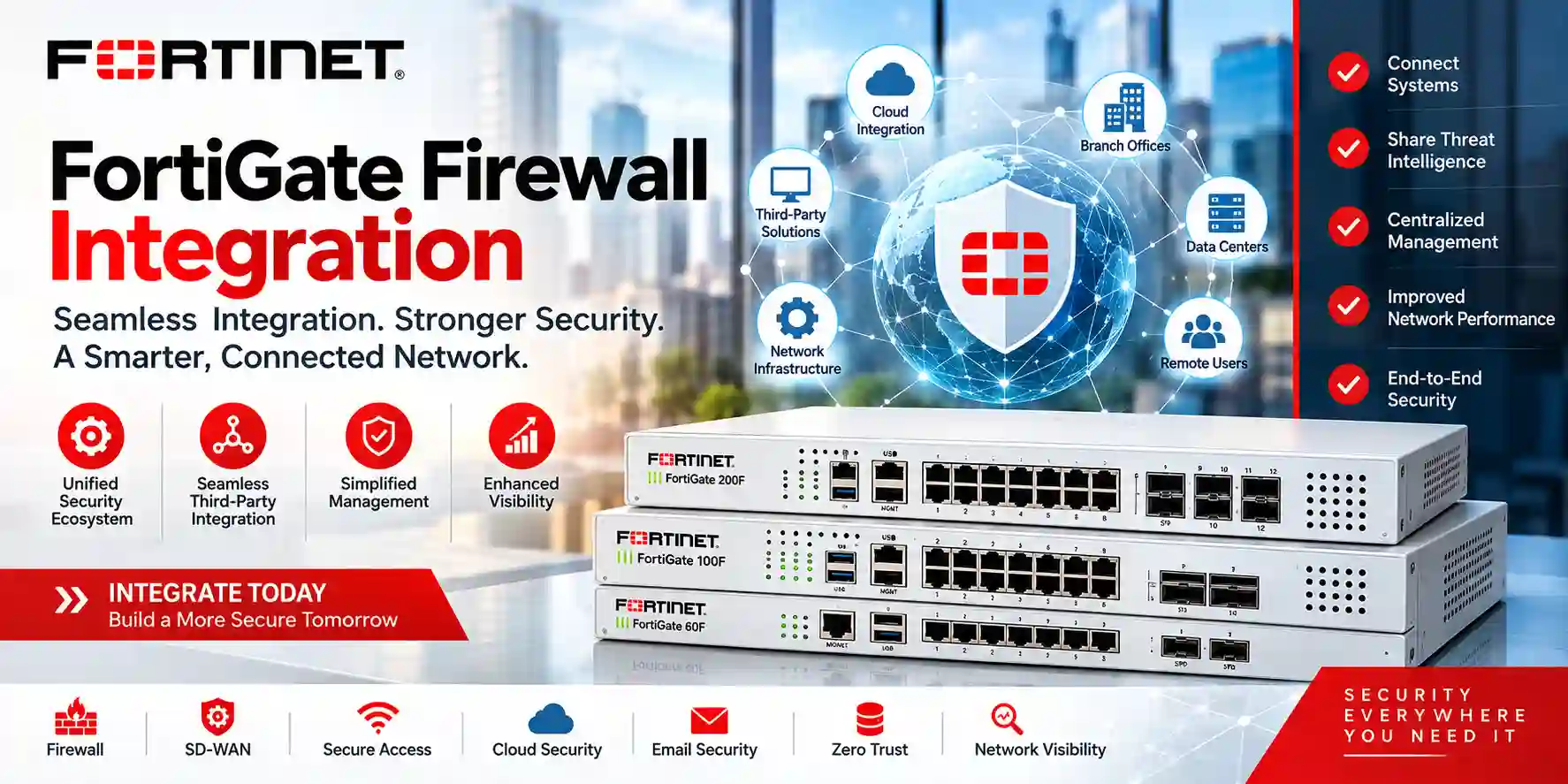
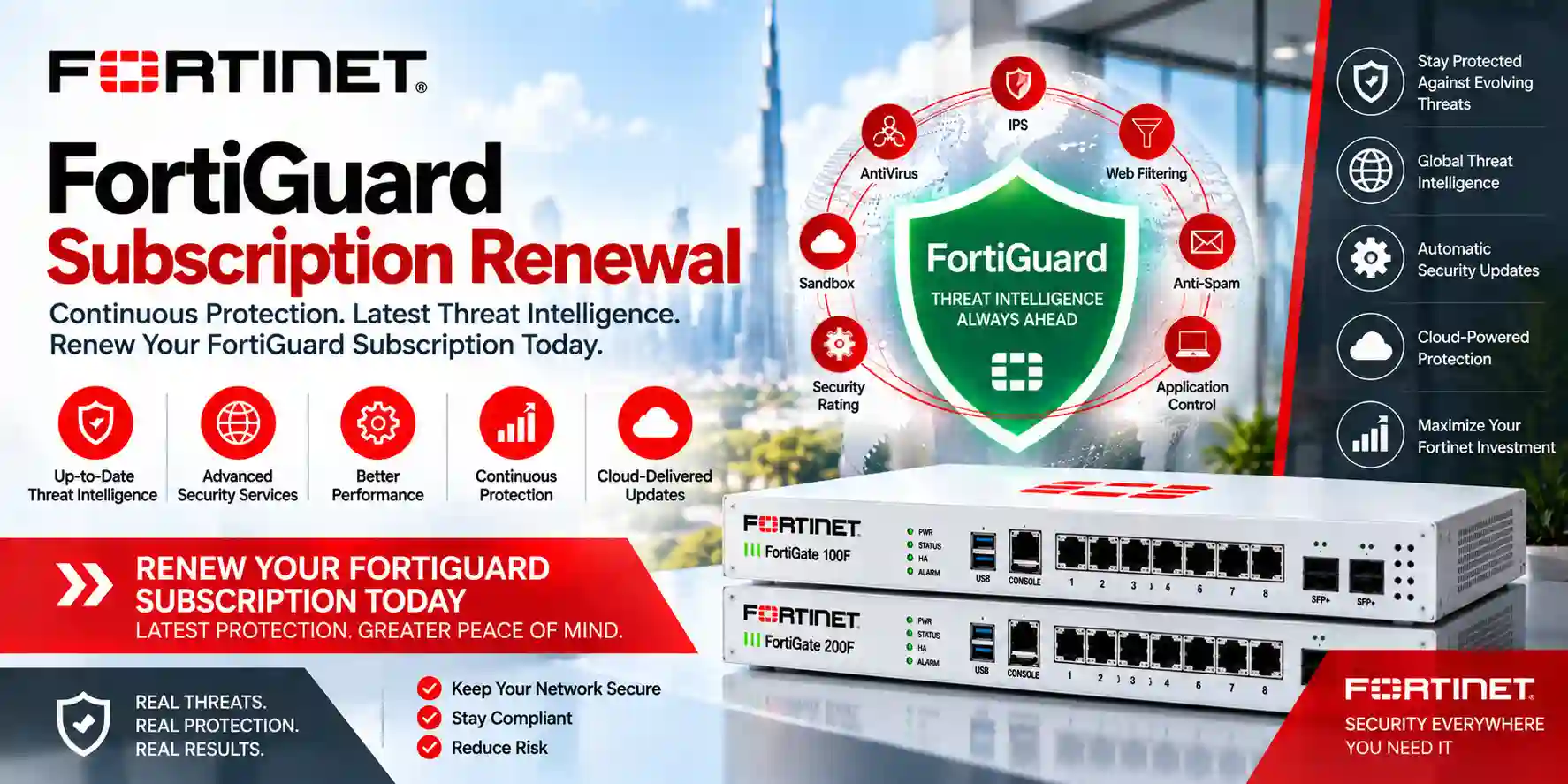
For Tanzania-oriented visual and solution context, FourTeck’s published resources include Fortinet enterprise security, FortiGate data-center firewall, FortiGate integration, FortiGuard renewal, remote-access VPN and site-to-site VPN topics. Relevant supplied media includes FortiGate integration Tanzania and FortiGuard license renewal Tanzania. These are useful when planning how the VM connects to wider security and lifecycle requirements.
FortiGate VM Series FAQ
What is FortiGate VM Series?
FortiGate VM Series is Fortinet’s virtual next-generation firewall family. It packages FortiGate/FortiOS security functions as virtual appliances for supported private-cloud, virtualization and public-cloud environments.
Which hypervisors does FortiGate VM support?
Fortinet publishes support including VMware ESXi/vSphere/NSX-T, Microsoft Hyper-V, KVM, Xen/XenServer and Cisco CSP/ENCS. Always verify the current Fortinet datasheet and version compatibility for the planned deployment.
How do I choose between VM02, VM04, VM08 and larger tiers?
Choose from architecture and workload: supported platform, vCPU entitlement, inspected throughput, VPN and encryption load, security profiles, interfaces, HA, VDOM requirements and expected growth. Raw firewall throughput alone is not sufficient sizing data.
Can FortiGate VM run in public cloud?
Yes. Fortinet positions FortiGate-VM for private and public cloud environments and supports major cloud platforms. Deployment and licensing choices vary by platform, so confirm the current marketplace or BYOL options for the intended cloud.
Does FortiGate VM support VPN and SD-WAN?
Fortinet documents VPN and SD-WAN capabilities for FortiGate VM. The exact design depends on routing, interfaces, licensing, traffic volume and the role assigned to the virtual firewall.
What information is needed for a Tanzania quotation?
Provide the hypervisor or cloud, target VM tier if known, inspected traffic, VPN needs, security services, subscription term, HA requirement, management/logging needs and deployment scope. This makes the quote materially more useful than requesting a generic FortiGate VM price.
Quotation checklist and decision recap
Prepare your request with: deployment country and site, hypervisor or public cloud, intended FortiGate VM tier, expected normal and peak inspected traffic, VPN and SD-WAN requirements, virtual networks and interfaces, FortiGuard security services, FortiCare term, high availability, centralized management, logging, migration needs and target project schedule. Confirm current commercial availability before committing to a design.
FortiGate VM is best evaluated as a security component in a virtual architecture, not as a software copy of a physical box. The correct choice depends on where traffic flows, which controls are enabled, how the environment is licensed and who will operate it. FourTeck can help organize these inputs into a procurement discussion for Tanzania and regional projects.


Reviews
There are no reviews yet.