
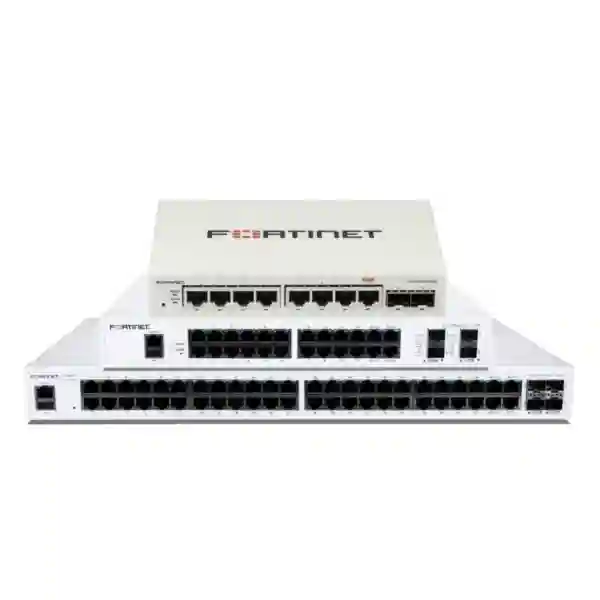
FortiSwitch 100 Series Tanzania
FortiSwitch 100 Series is Fortinet’s secure access switching family for organizations that need practical edge connectivity with centralized security integration. Current Fortinet portfolio information positions the 100 Series with 1 Gbps main-port speed, choices of 8, 24 and 48 main ports, 1 or 10 Gbps uplink options depending on model, and PoE choices. The family can operate in standalone mode or be managed through FortiGate, FortiEdge Cloud or FortiSwitch Manager, allowing buyers to align management with their existing Fortinet architecture.
FortiSwitch 100 Series overview
For a branch, office floor, retail location, hospitality environment or smaller campus access layer, the 100 Series provides a useful balance between port density and integrated network control. Fortinet’s Secure Access family documentation includes 100E, 100F and 100G generation products, with examples such as FS-108F, FS-124F, FS-148F and FS-110G-FPOE. Exact capabilities differ by model, so procurement should be based on the current Fortinet datasheet and the requirements of the intended network rather than assuming every 100 Series switch has identical ports, PoE capacity or uplinks.
FortiLink is a major architectural consideration. When a compatible FortiSwitch is managed by FortiGate, administrators can centralize switch configuration and visibility within the Fortinet Security Fabric. Fortinet documentation describes capabilities such as centralized VLAN configuration, client monitoring, device detection, DHCP snooping and 802.1X authentication, while the exact feature set remains model and software-version dependent. Organizations planning FortiLink should also verify FortiGate model capacity and FortiOS/FortiSwitchOS compatibility before deployment.
Access-layer fit
Designed for secure Ethernet access where users, phones, wireless access points, cameras and other endpoints need managed connectivity.
PoE choices
PoE-capable variants can simplify power and data delivery for compatible edge devices. Calculate the endpoint power budget before choosing a model.
Fortinet integration
FortiLink can bring switching into FortiGate-led management, helping teams coordinate wired access with broader Security Fabric operations.
Choosing a FortiSwitch 100 Series model
Start with the number of wired endpoints expected on day one and during the planned life of the switch. An eight-port access requirement is different from a 24-port office floor or a 48-port aggregation of desks and edge devices. Leave practical capacity for growth, patching changes and new devices. Next, separate ordinary data ports from PoE endpoints. IP phones, access points and cameras may require PoE, but their individual and combined power requirements should be checked against the exact switch model. Finally, examine uplink design. A switch serving many active users may need faster uplinks than a lightly used branch, and redundant topology requirements can influence the final architecture.
Management is equally important. A business already standardized on FortiGate may prefer FortiLink management, while another deployment may require standalone operation or cloud-oriented management. Software compatibility should be validated against current Fortinet documentation before rollout. Buyers should also specify rack or desktop placement, transceiver needs, fiber distances, VLAN design, authentication requirements and whether voice, wireless or surveillance traffic will share the same switching layer.
FortiSwitch 100 Series Tanzania
Tanzanian organizations evaluating FortiSwitch 100 Series commonly need an access switch that can support business endpoints while fitting into a security-led network design. The right procurement conversation should begin with the site topology rather than only a model number. Count users, IP phones, wireless access points, cameras, printers and specialist devices, then map these to required copper ports, PoE demand and uplinks. For multi-floor offices, schools, clinics, hospitality sites and distributed branches, this exercise helps avoid buying too few ports or paying for capacity that has no defined use.
Where FortiGate is already deployed, FortiLink can make the 100 Series especially relevant because switching can be incorporated into FortiGate-managed operations. That can simplify VLAN planning, endpoint visibility and policy-oriented administration, subject to compatible FortiOS and FortiSwitchOS releases. Customers should confirm the specific FortiGate model’s supported switch scale before finalizing a multi-switch design. For sites that do not use FortiGate management, Fortinet also documents standalone, FortiEdge Cloud and FortiSwitch Manager options.
A Tanzania quotation request is more useful when it includes the required port count, PoE endpoint list, desired uplink media, existing firewall model and expected expansion. It is also worth identifying whether fiber transceivers, patching, racks, UPS protection or configuration services are part of the same project. FourTeck can use this information to help narrow the applicable FortiSwitch 100 Series variant without making assumptions about stock, lead time or exact deployment scope. For broader security planning, see FourTeck Tanzania technology solutions, and for regional Fortinet context visit FourTeck Africa.
FortiSwitch 100 Series Dar es Salaam
Businesses in Dar es Salaam often combine headquarters, branch, retail, warehouse and hospitality networking requirements. FortiSwitch 100 Series can be assessed as an access-layer option where secure Gigabit Ethernet connectivity and manageable PoE choices are required. A practical design starts by documenting each endpoint and its location, then deciding whether 8, 24 or 48 main-port configurations are appropriate. Exact port layouts vary by model, so the selected Fortinet datasheet should remain the final technical reference.
For an office with FortiGate at the edge, FortiLink management can reduce the number of separate management workflows by bringing compatible switching into the FortiGate interface. Network teams should still plan VLANs, authentication, guest access, voice segmentation and wireless backhaul deliberately. If PoE is needed, list every powered device and its expected draw rather than selecting a PoE model solely from the number of ports. This is particularly important when access points and cameras share the same switch.
Procurement teams can improve quotation accuracy by providing the current firewall model, floor or rack layout, number of switches, uplink distances, fiber requirements and growth expectations. This enables a model-level discussion rather than a generic switch quote. Where resilient internet and firewall architecture are also part of the project, the Tanzania site’s Fortinet enterprise security reference image illustrates the broader solution context, while FourTeck Fortinet specialist resources provide additional regional Fortinet coverage.
FortiSwitch 100 Series Mwanza
In Mwanza, a FortiSwitch 100 Series purchase may support a branch office, education site, healthcare environment, retail operation or other organization needing managed edge connectivity. The selection process should distinguish user access from infrastructure access. Desktop computers and printers create one port profile, while IP phones, cameras and wireless access points can add PoE requirements. Separating these requirements makes it easier to identify whether a non-PoE, PoE or full-PoE variant is appropriate.
Uplinks deserve equal attention. Fortinet’s current product matrix lists 1 or 10 Gbps uplink speed within the 100 Series depending on model. That does not mean every unit offers every uplink combination, so model-specific validation is essential. Sites with multiple switches should consider how traffic returns to the firewall or distribution layer and whether fiber is required because of distance or building layout. Transceiver compatibility should be confirmed rather than assumed.
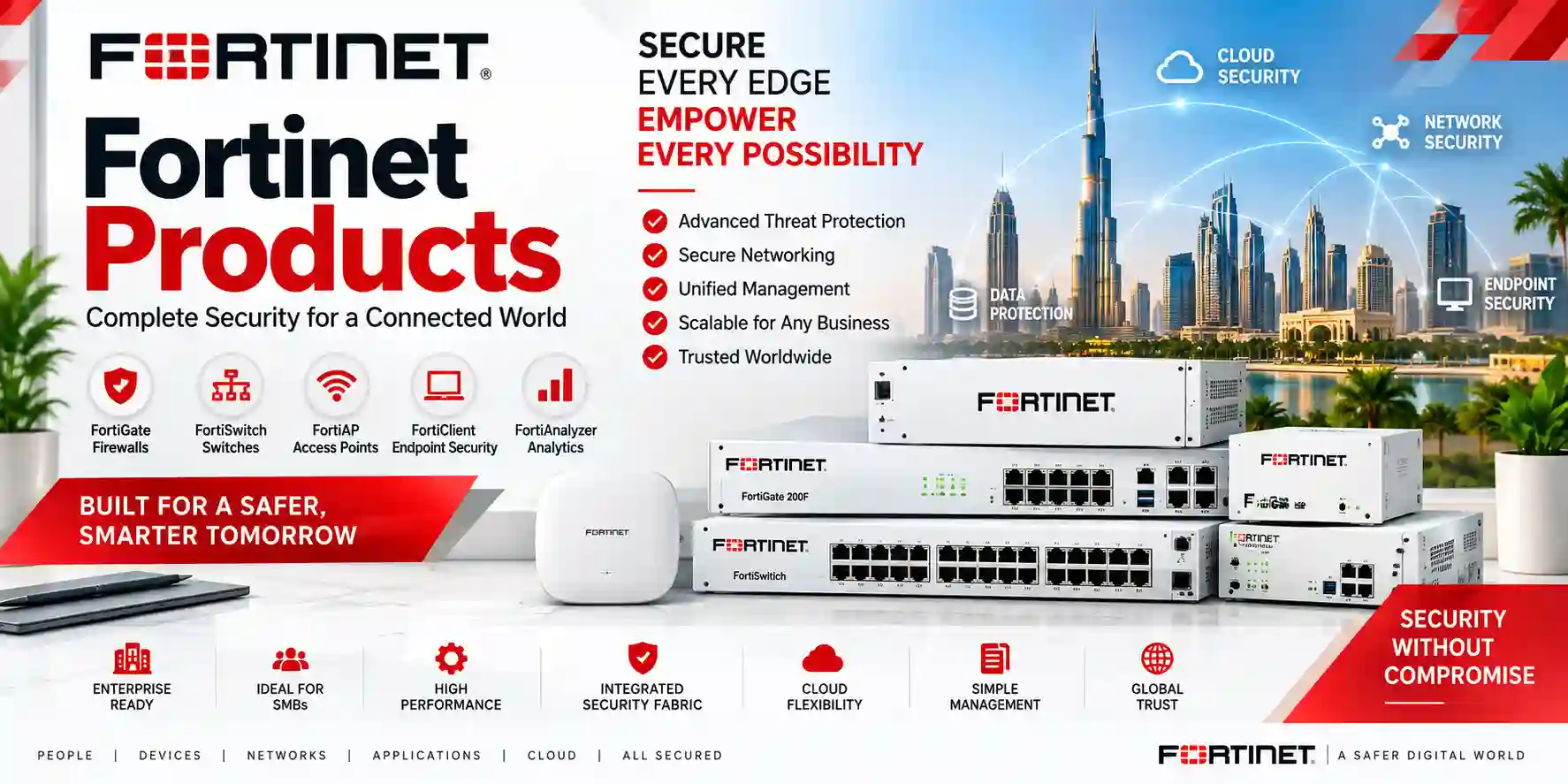
For FortiGate environments, confirm the FortiOS and FortiSwitchOS compatibility matrix before implementation. New product introductions and software versions can change compatibility considerations. A useful Mwanza quotation brief should therefore include the FortiGate model and software version, endpoint count, PoE device types, uplink preference and any planned expansion. This supports a cleaner bill of materials and reduces redesign during installation. Customers planning a wider Fortinet deployment can also review Fortinet product coverage in Tanzania as a visual reference to the broader ecosystem.
FortiSwitch 100 Series Arusha
Arusha organizations comparing access switches may value the 100 Series for branch and edge deployments where Gigabit user connectivity, PoE model choices and Fortinet integration are priorities. Hospitality, professional services, education and distributed business environments can have very different traffic patterns, so switch sizing should not be reduced to a simple port count. Wireless access points may generate more aggregate traffic than ordinary desk endpoints, while surveillance devices can create sustained flows and PoE load.
When planning a FortiSwitch 100 Series deployment, identify which endpoints must remain powered during utility interruptions and size upstream power protection accordingly. The switch’s PoE capability does not replace the need to plan UPS runtime for the switch, firewall and associated network equipment. Likewise, if fiber uplinks are required between buildings or floors, specify distance and fiber type so the correct optical components can be assessed.
FortiLink can be attractive for organizations that want FortiGate-led switching administration. Features documented by Fortinet include centralized VLAN configuration, client monitoring, device detection and authentication functions, but support should be checked for the exact model and software release. An Arusha procurement request should therefore identify the desired management mode as well as hardware requirements. For projects extending beyond switching, FourTeck IT services resources provide broader infrastructure context without implying a specific local service commitment.
FortiSwitch 100 Series Dodoma
For Dodoma offices and institutions, FortiSwitch 100 Series can be evaluated for secure access-layer networking where manageable Ethernet connectivity is required. Procurement should start with a port schedule by room, floor or department. This is more reliable than estimating from employee headcount because meeting rooms, printers, phones, access points, cameras and building systems can consume additional ports. A growth allowance should then be added based on realistic expansion plans.
Security design should also be considered before ordering. If the switch will be managed through FortiGate using FortiLink, document intended VLANs, user groups and device classes. Fortinet documentation identifies 802.1X authentication and DHCP snooping among supported secure-access capabilities, with model and software qualifications applying. This can support a more structured wired-access policy than an unmanaged switching approach.
A Dodoma buyer should ask for the exact model datasheet in the quotation process and verify port types, PoE budget, uplinks and management compatibility. Where multiple sites are involved, standardizing a small set of validated models can simplify spares, configuration templates and operational training. The purchasing brief should also identify any FortiGate, FortiAP or endpoint-security dependencies so the switching layer is designed as part of the complete network rather than in isolation.
FortiSwitch 100 Series UAE
UAE buyers often evaluate access switching within larger Fortinet security and branch-standardization projects. FortiSwitch 100 Series is relevant where the requirement centers on secure edge connectivity rather than higher-capacity campus-core switching. Fortinet’s portfolio matrix places the family at 1 Gbps main-port speed with 8, 24 and 48 port-count options and model-dependent uplinks. Exact specifications must be checked against the current model datasheet.
For multi-branch organizations, consistency can matter as much as raw port count. Standardized VLAN naming, FortiLink configuration and endpoint policies can simplify deployment when compatible FortiGate appliances are used. Buyers should map PoE devices carefully, particularly Wi-Fi access points and cameras, and check both per-port standards and total power budget for the chosen model. Uplink capacity should reflect actual traffic concentration rather than only the number of connected users.
A useful UAE request for quotation should include site count, switch quantity, FortiGate models, desired port density, PoE requirements, fiber or copper uplinks and any transceiver needs. For UAE-focused Fortinet projects, visit FourTeck Fortinet UAE or the broader FourTeck UAE technology site.
FortiSwitch 100 Series Uganda
Ugandan organizations can assess FortiSwitch 100 Series for branch, office, education, hospitality and other access-layer requirements. The family is most useful when the procurement team first translates business needs into technical quantities: active users, wired endpoints, PoE devices, switch locations and uplink paths. This avoids treating all 100 Series models as interchangeable.
Where FortiGate is part of the network, FortiLink can centralize compatible switch management. Before deployment, confirm the exact FortiGate platform and supported number of managed FortiSwitch units, as Fortinet publishes model-dependent limits. Also confirm FortiOS and FortiSwitchOS compatibility. For standalone deployments, Fortinet documents other management approaches, allowing the architecture to be chosen around operational requirements.
Uganda quotations should specify whether the project needs PoE for phones, cameras or wireless, whether fiber uplinks are required, and how much expansion is expected. These details influence model selection and accessory planning. Regional customers can review FourTeck Uganda for Uganda-focused technology information and use the Tanzania contact route for this page’s sales enquiry.
FortiSwitch 100 Series Kampala
Kampala networks can range from compact professional offices to multi-floor commercial environments. FortiSwitch 100 Series can serve the access layer when requirements align with its Gigabit main-port positioning and model-specific PoE and uplink choices. Begin by creating a switch-port schedule and grouping endpoints by function. User devices, voice, wireless and surveillance often need different VLAN, PoE and traffic considerations.
A FortiGate-managed design can use FortiLink to integrate compatible switching into the Fortinet Security Fabric. This can help operations teams manage VLANs and observe connected clients through a unified workflow. However, software compatibility and feature availability should be validated for the exact switch model. Buyers upgrading an existing Fortinet environment should include current FortiOS version information in the design brief.
Kampala procurement should also consider physical installation: rack space, patch panels, cable category, fiber runs, UPS capacity and environmental conditions. These are not switch specifications, but they directly affect a successful deployment. A quote that captures these dependencies is more useful than a hardware-only request and helps separate mandatory accessories from optional expansion items.
FortiSwitch 100 Series Arua
Arua buyers considering FortiSwitch 100 Series should focus on right-sizing for the site. Smaller branches may need only a compact port count, while expanding operations can justify more headroom. Fortinet’s portfolio identifies 8, 24 and 48 main-port options across the 100 Series, but the exact available models and configurations should be checked at quotation time.
PoE planning is especially important when the switch is expected to support access points, phones or cameras. List each powered endpoint and allow for realistic growth. If uptime during power interruptions is important, include the switch and its connected PoE load in UPS calculations. Network resilience may also depend on firewall, WAN and uplink design rather than the access switch alone.
For FortiLink deployments, provide the FortiGate model and software version so compatibility can be reviewed. If the site is standalone, identify the preferred management method and remote-administration requirements. A clear Arua quotation brief should include these management choices alongside port density, uplink media and accessory needs, giving procurement and technical teams a common specification to review.
FortiSwitch 100 Series Mbarara
Mbarara organizations can use a structured selection process for FortiSwitch 100 Series: count endpoints, classify PoE devices, determine uplink requirements, select management mode and validate software compatibility. This sequence prevents a common procurement problem in which a switch has enough physical ports but insufficient power budget or unsuitable uplink options for the intended topology.
Fortinet positions FortiSwitch as part of its Security Fabric, and FortiLink enables compatible switches to be managed from FortiGate. For teams already operating FortiGate, this can align wired access with existing network-security administration. The exact supported features depend on model and software release, so current Fortinet documentation should be used during configuration planning.
Physical deployment should include cabling, rack layout and power protection. If the site has separate buildings or long cable runs, fiber uplinks may be appropriate and transceiver requirements should be documented. For a quotation, state whether optics, patching and configuration assistance are required. This keeps the hardware selection connected to the actual installation scope rather than treating the switch as an isolated item.
FortiSwitch 100 Series Gulu
Gulu deployments may use FortiSwitch 100 Series as a secure access switch for offices, education environments, clinics, retail locations or distributed business sites. The family’s 1 Gbps main-port positioning suits common endpoint access, while model-dependent uplinks connect the access layer toward the firewall or distribution network. Buyers should validate the exact model rather than infer specifications from the series name.
Where wireless access points and cameras are part of the project, PoE requirements can become the deciding factor. Calculate both port count and total power demand, and consider future devices. If voice traffic shares the switch, document VLAN and quality-of-service requirements during design. These operational details can influence configuration even when they do not change the selected hardware.
FortiLink may simplify management for compatible FortiGate environments, but the firewall model and software version should be supplied before final design. A Gulu quotation request should therefore include the current network inventory, not only the desired switch quantity. This provides the context needed to discuss compatibility, uplinks, accessories and migration sequencing.
FortiSwitch 100 Series Kenya
Kenyan businesses evaluating FortiSwitch 100 Series can treat it as an access-layer component within a broader secure networking design. Model choice should reflect endpoint density, PoE demand and uplink traffic. A 24-port office with several access points has different power and bandwidth needs from a 24-port office dominated by low-bandwidth desktop endpoints, even though the physical port count looks similar.
For FortiGate-managed environments, FortiLink can provide centralized switch configuration and visibility. Network teams should verify the FortiGate platform’s switch-management scale and the FortiOS/FortiSwitchOS compatibility matrix. If multiple branches are being standardized, documenting a repeatable design for small, medium and larger sites can simplify procurement and operations.
Kenya-focused customers can consult FourTeck Kenya for regional technology information. A useful FortiSwitch quotation should still specify the exact site requirements, including PoE devices, uplink media, transceivers and whether integration with existing FortiGate or FortiAP infrastructure is planned.
FortiSwitch 100 Series Kuwait
Kuwait deployments can assess FortiSwitch 100 Series where secure edge switching, Fortinet integration and practical Gigabit access are required. Start with the physical network: endpoint count, rack location, copper cabling and any fiber uplinks. Then identify powered devices and calculate PoE demand. This produces a clearer basis for choosing among the available 100 Series variants.
FortiLink is relevant to organizations already using compatible FortiGate appliances because it can centralize switch management and security visibility. Model and software compatibility must be checked before rollout. For larger environments, also confirm whether the 100 Series is intended only for access while higher-capacity switching serves aggregation or core roles.
Procurement teams should request the exact model datasheet and list required accessories separately. This helps avoid ambiguity around optics, rack components and power. For Kuwait-specific technology resources, see FourTeck Kuwait.
FortiSwitch 100 Series Ghana
Ghana organizations planning secure branch or office networks can consider FortiSwitch 100 Series for access connectivity. The most effective selection process combines technical and procurement requirements: how many endpoints connect, which require PoE, how traffic leaves the switch, what management platform is preferred and what growth is expected during the deployment lifecycle.
Fortinet documents FortiSwitch operation in standalone mode as well as management through FortiGate, FortiEdge Cloud or FortiSwitch Manager. A FortiGate-led FortiLink design can be attractive where unified administration is a priority, but compatibility should be verified against current releases. Teams should also document VLAN and authentication requirements before installation.
A Ghana quotation should identify site count, required switch quantities, current Fortinet equipment and accessory needs. This enables a more precise discussion of suitable variants. Regional information is available at FourTeck Ghana.
FortiSwitch 100 Series Nigeria
Nigeria projects can range from small branch switching to multi-site enterprise rollouts. FortiSwitch 100 Series can fit access-layer requirements when 1 Gbps main ports and the family’s model-specific PoE and uplink choices match the design. For multi-site procurement, create standard site profiles rather than choosing each switch independently. This can simplify configuration, spares and support procedures.
FortiLink integration with compatible FortiGate appliances can centralize switching management. Before standardizing, confirm FortiGate capacity, software compatibility and the exact features needed on each switch model. High-density wireless or surveillance deployments should receive particular attention to PoE budgets and uplink utilization.
Nigeria buyers can improve quotation quality by providing a bill of endpoint types, site topology, fiber distances and growth assumptions. For regional technology coverage, visit FourTeck Nigeria. This regional resource complements the product-level assessment without substituting for model-specific Fortinet documentation.
FortiSwitch 100 Series Seychelles
Seychelles businesses assessing FortiSwitch 100 Series should consider the complete site architecture, especially where hospitality, office, retail or distributed facilities rely on wireless and IP endpoints. Port density is only one dimension. PoE capacity, uplink design, remote management and replacement planning can be equally important for geographically distributed operations.
Where FortiGate is used, FortiLink can integrate compatible switching into centralized administration. This can support consistent VLAN and access policy workflows across sites, subject to the exact hardware and software compatibility. Standalone and other Fortinet management approaches are also documented, allowing buyers to match operations to their network model.
For quotation preparation, identify each site, switch location, endpoint count, PoE device list, uplink media and existing Fortinet appliances. If optics or other accessories are required, include them explicitly. This helps procurement compare complete deployment requirements rather than only switch chassis pricing and creates a clearer basis for technical review.
Compatibility, integration and deployment guidance
FortiSwitch should be designed alongside the firewall, wireless network, endpoint access policy and physical cabling. In a FortiGate-managed architecture, FortiLink creates the management relationship, but supported switch scale depends on the FortiGate model and compatibility depends on software versions. Check the current FortiLink compatibility information before upgrades or new deployments. For wireless projects, PoE and uplink planning should consider the number and capability of access points. For IP telephony, account for phones, passthrough PCs and voice VLAN configuration. For surveillance, consider sustained traffic and power requirements.
Do not assume that a 100 Series model is a direct substitute for every other model in the family. Generations and variants differ. Fortinet’s Secure Access documentation lists 100E, 100F and 100G family members, including PoE and FPoE variants. Always use the exact ordering information and datasheet applicable to the quoted model.
Related Fortinet and FourTeck resources
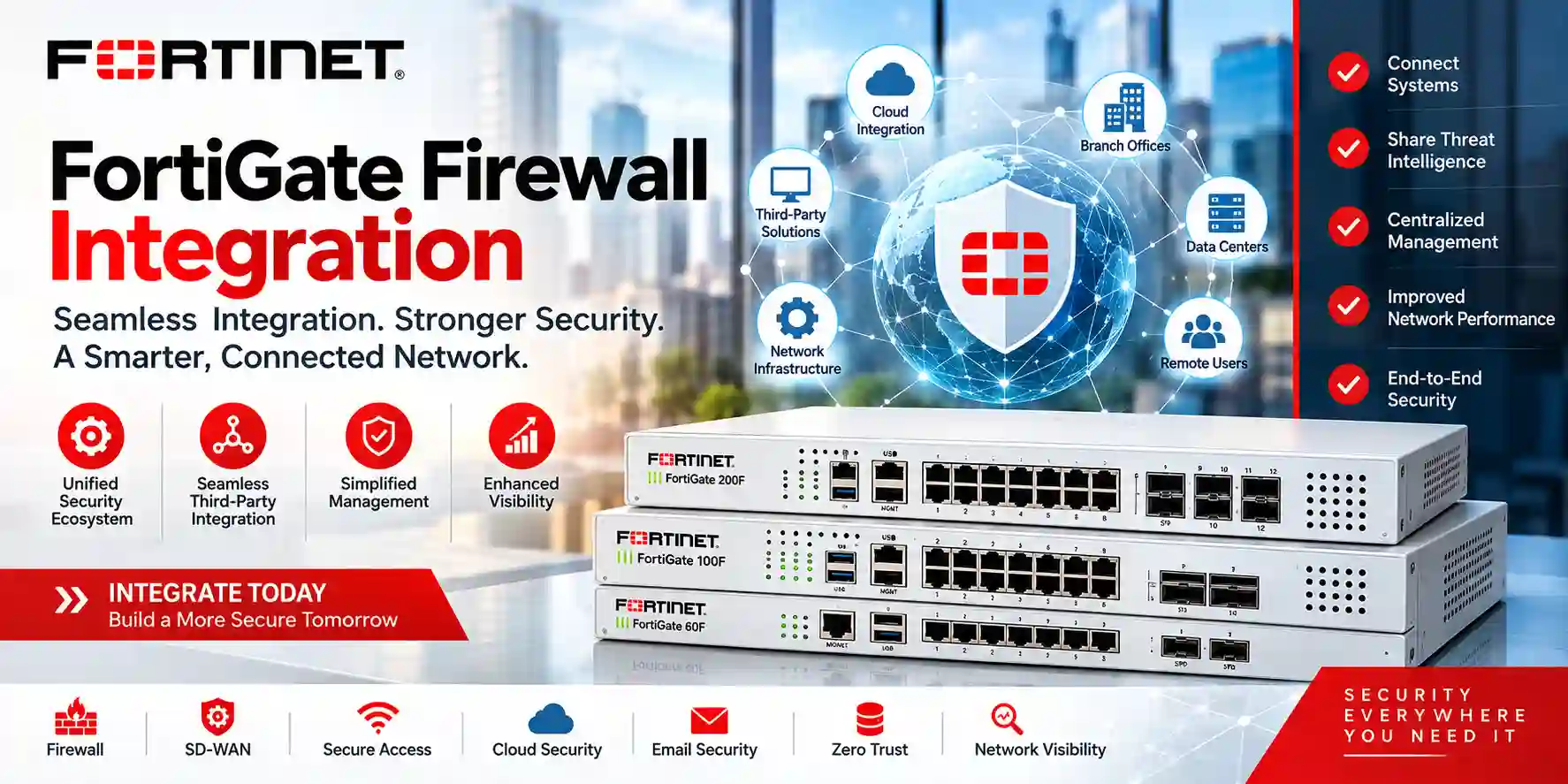
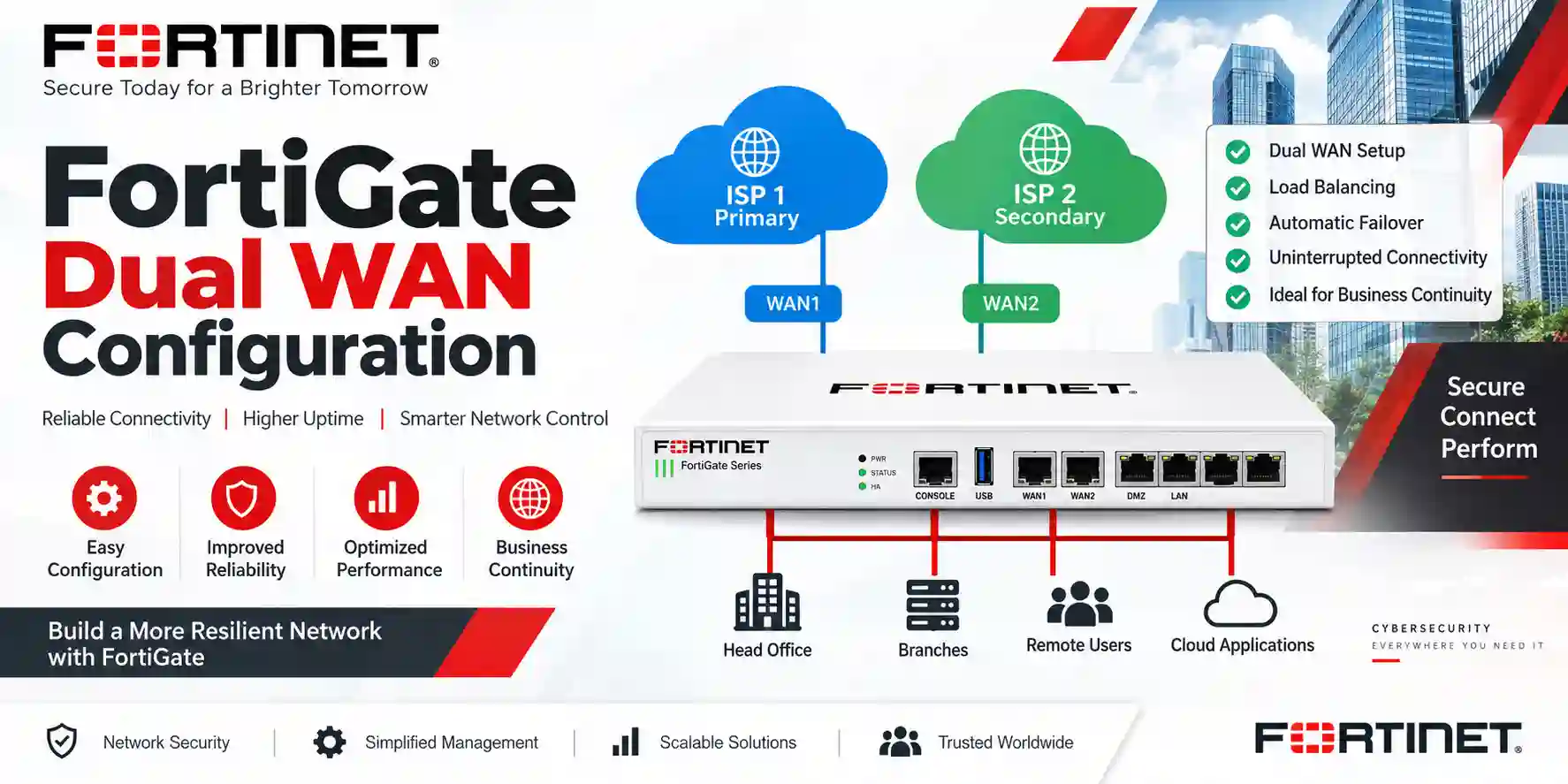
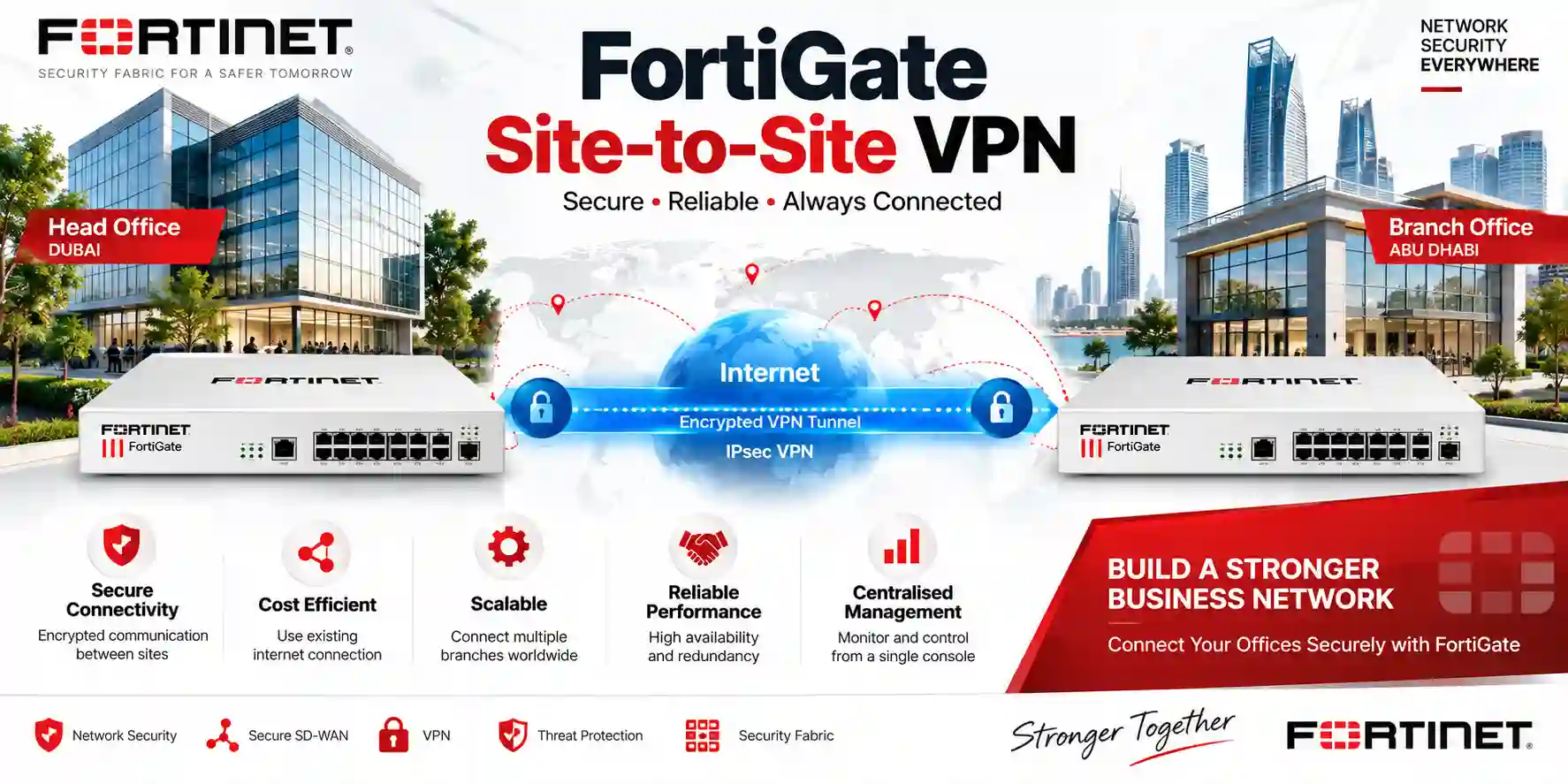
Customers building a complete secure network may also need firewall, WAN, VPN and wireless planning. The Tanzania media library includes a FortiGate firewall integration reference, a FortiGate dual-WAN setup reference, a FortiGate site-to-site VPN reference, and a Fortinet small-business security reference. These resources illustrate adjacent solution areas that may need to be considered with access switching. For broader regional coverage, FourTeck Africa connects the discussion to multi-country technology requirements.
Quotation checklist
For a more accurate FortiSwitch 100 Series quotation, provide: required switch quantity; preferred port count; number and type of PoE endpoints; existing FortiGate model and FortiOS version; desired uplink speed and media; fiber distances; transceiver requirements; rack or desktop placement; VLAN and authentication requirements; number of sites; expected growth; and whether configuration or migration assistance should be considered. If the exact model is already known, include the official model number.
Frequently asked questions
What port counts are available in the FortiSwitch 100 Series?
Fortinet’s current product matrix identifies 8, 24 and 48 main-port count options across the 100 Series. Exact layouts and uplinks depend on the specific model.
Can FortiSwitch 100 Series be managed by FortiGate?
Compatible FortiSwitch units can be managed through FortiGate using FortiLink. Check the FortiGate model capacity and FortiOS/FortiSwitchOS compatibility before deployment.
Does every FortiSwitch 100 Series model support PoE?
No assumption should be made at series level. Fortinet offers PoE-capable variants, but the exact PoE capability and budget must be verified for the selected model.
What information is needed for a quote?
Provide port count, PoE endpoint requirements, uplink needs, existing FortiGate details, switch quantity, site count, fiber or transceiver needs and expected growth.
Decision recap and consultation
FortiSwitch 100 Series is best evaluated as a family of secure access switches rather than a single fixed specification. Confirm the exact model, port density, PoE requirement, uplink design and management mode. If FortiLink is planned, validate FortiGate scale and software compatibility. FourTeck can use your network inventory and project requirements to help structure a quotation and model-selection discussion for Tanzania and the other regions covered on this page.




Reviews
There are no reviews yet.