
FortiGate Firewall Model Comparison
Choosing a FortiGate is not a matter of picking the largest model number that fits a budget. Fortinet publishes different performance measures for stateful firewalling, IPS, NGFW processing, threat protection, SSL inspection, IPsec VPN and session scale, and those measurements answer different design questions. A branch that mainly routes internet traffic has a different workload from a site that inspects encrypted web sessions, connects several IPsec tunnels, segments cameras and guest Wi-Fi, and runs security services continuously.
This FortiGate firewall model comparison uses Fortinet’s current 2026 product matrix and NGFW ordering guidance as the factual baseline. It compares representative branch and mid-range appliances from the FortiGate 30G through the 900G and explains how to translate published specifications into a practical shortlist for offices, branches, campuses, distributed organisations and larger security edges. Performance values are manufacturer-published up-to figures measured under defined test profiles; production results depend on traffic mix, firmware, policies and enabled services.
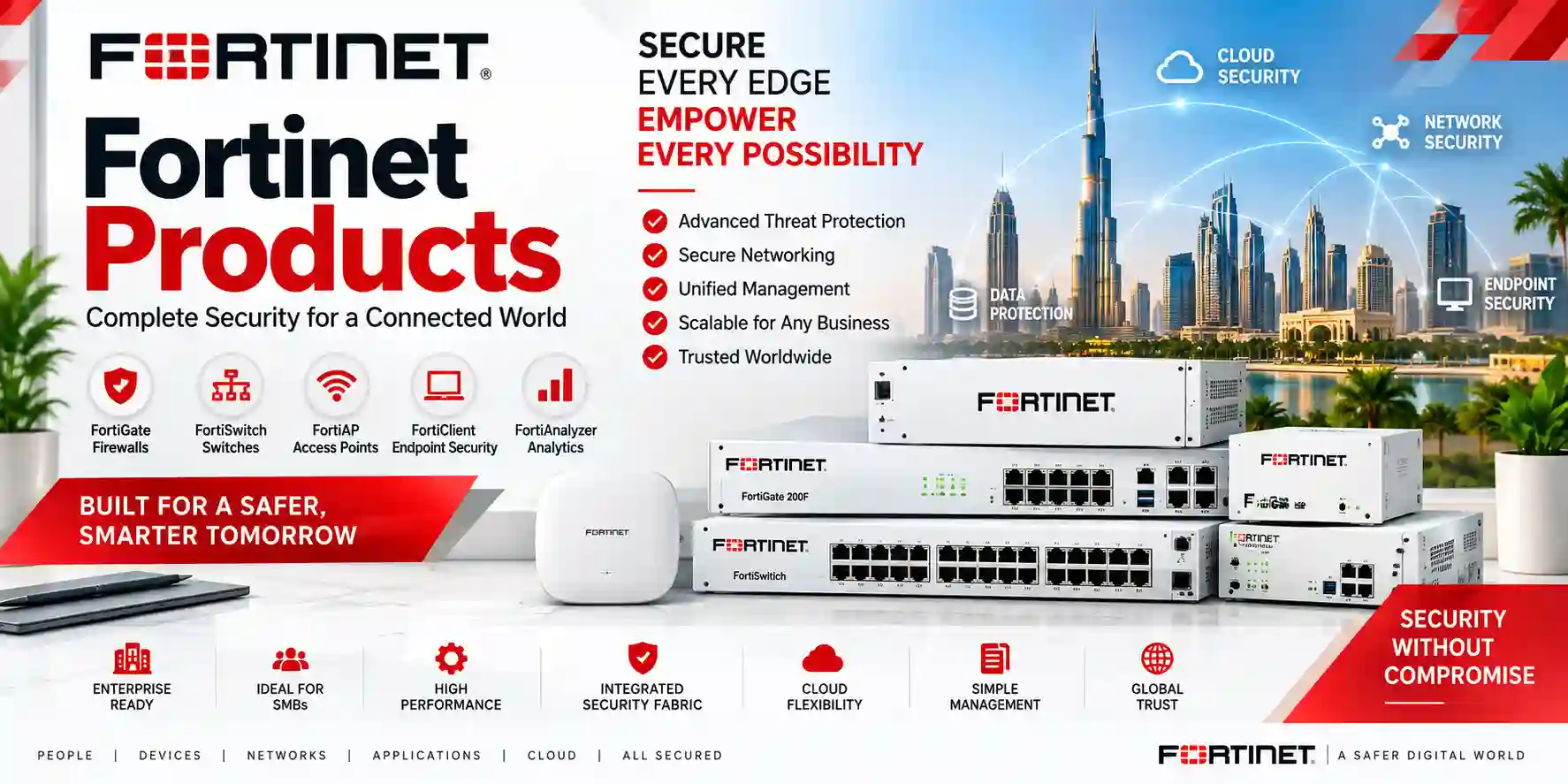
Direct answer: how should a business compare FortiGate models?
Start with the security workload you will actually run, then confirm interfaces, VPN scale, resilience and expansion headroom. Raw firewall throughput is useful for understanding the packet-forwarding ceiling, but it can be a poor sizing number for an internet edge that will run intrusion prevention, application control, anti-malware services and encrypted-traffic inspection. For that reason, threat-protection throughput and SSL-inspection throughput deserve particular attention when comparing models for real production use.
List internet bandwidth, expected inspected traffic, TLS-heavy applications, IPsec use, segmentation and logging requirements.
Confirm WAN handoffs, copper and fibre interfaces, 10GbE or faster uplinks, FortiLink needs and high-availability cabling.
Plan for traffic growth, extra sites, more encrypted applications, additional security profiles and realistic peak utilisation.
Match the same hardware, FortiGuard services, FortiCare term, implementation scope and accessories before comparing cost.
FortiGate model comparison table: branch to mid-range
The figures below are drawn from Fortinet’s July 2026 product matrix. They are useful for engineering comparison, but they should not be interpreted as guaranteed production speeds. Threat-protection throughput is particularly useful as a planning reference when multiple security functions are active, while SSL-inspection throughput helps frame capacity for encrypted web traffic. Interface counts also matter because a firewall with adequate compute but the wrong physical connectivity can still be a poor fit.
| Model | Firewall throughput* | IPS | NGFW | Threat protection | SSL inspection | Concurrent sessions | Interface summary |
|---|---|---|---|---|---|---|---|
| FortiGate 30G | 4 / 4 / 3.9 Gbps | 800 Mbps | 570 Mbps | 500 Mbps | 400 Mbps | 600,000 | 4 × GE RJ45 |
| FortiGate 40F | 5 / 5 / 5 Gbps | 1 Gbps | 800 Mbps | 600 Mbps | 310 Mbps | 700,000 | 5 × GE RJ45 |
| FortiGate 50G | 5 / 5 / 4 Gbps | 2.25 Gbps | 1.25 Gbps | 1.1 Gbps | 1.3 Gbps | 720,000 | 5 × GE RJ45 |
| FortiGate 60F | 10 / 10 / 6 Gbps | 1.4 Gbps | 1 Gbps | 700 Mbps | 630 Mbps | 700,000 | 10 × GE RJ45 |
| FortiGate 70G | 10 / 10 / 10 Gbps | 2.5 Gbps | 1.5 Gbps | 1.3 Gbps | 1.4 Gbps | 1.4 million | 10 × GE RJ45 |
| FortiGate 80F | 10 / 10 / 7 Gbps | 1.4 Gbps | 1 Gbps | 900 Mbps | 715 Mbps | 1.5 million | 8 × GE RJ45, 2 shared port pairs |
| FortiGate 90G | 28 / 28 / 27.9 Gbps | 4.5 Gbps | 2.5 Gbps | 2.2 Gbps | 2.6 Gbps | 3 million | 8 × GE RJ45, 2 × 10GE shared port pairs |
| FortiGate 120G | 39 / 39 / 28 Gbps | 5.3 Gbps | 3.1 Gbps | 2.8 Gbps | 3 Gbps | 3 million | 10GE SFP+, GE RJ45 and GE SFP mix |
| FortiGate 200G | 39 / 39 / 26.5 Gbps | 9 Gbps | 7 Gbps | 6 Gbps | 7 Gbps | 11 million | 10GE SFP+, 5GE RJ45, GE RJ45 and GE SFP mix |
| FortiGate 400G | 164 / 163 / 145 Gbps | 25 Gbps | 14 Gbps | 13 Gbps | 11.5 Gbps | 28 million | 25GE, 10GE, 5GE, 2.5GE and 1GE mix |
| FortiGate 700G | 164 / 163 / 145 Gbps | 38 Gbps | 29 Gbps | 26 Gbps | 14 Gbps | 28 million | 25GE, 10GE, 2.5GE and 1GE mix |
| FortiGate 900G | 164 / 163 / 153 Gbps | 42 Gbps | 31 Gbps | 30 Gbps | 16.7 Gbps | 28 million | 25GE, 10GE, 2.5GE and 1GE mix |
*Firewall throughput is shown for Fortinet’s published 1518/512/64-byte UDP test sizes where available. All published performance figures are up-to values and vary with system configuration and traffic characteristics.
How the main FortiGate tiers differ
30G and 40F
These compact units sit at the light end of the comparison. They can fit small sites where inspected internet traffic is modest and interface requirements are straightforward. The 30G publishes 500 Mbps threat protection and the 40F 600 Mbps. Because those figures are well below their raw firewall numbers, buyers should avoid using 4–5 Gbps stateful throughput as the design target for a fully inspected internet edge.
50G, 60F, 70G and 80F
This group covers a broad branch range. The 50G and 70G show how generation matters: their threat-protection and SSL-inspection figures can exceed some higher-numbered F-series appliances. The 60F and 80F remain useful comparison points where their particular port layout or installed standard fits an existing environment. Selection should compare the exact metric and interfaces, not infer capability from the number alone.
90G and 120G
The 90G raises threat protection to 2.2 Gbps and provides 10GbE shared-port connectivity, while the 120G adds a rack-mount form factor and a larger interface mix including multiple 10GE SFP+ ports. These models are often worth evaluating when gigabit-class access, faster uplinks, several network segments or growth would leave smaller desktop units with limited headroom.
200G, 400G, 700G and 900G
These platforms move the discussion toward enterprise edges, larger campuses and higher-capacity aggregation. The 200G publishes 6 Gbps threat protection and 11 million concurrent sessions; the 400G reaches 13 Gbps threat protection; the 700G and 900G extend that to 26 and 30 Gbps. At these tiers, redundancy, fibre speeds, upstream architecture, high availability and operational management become central design factors.
Small-business and branch sizing: do not size by user count alone
User count can be a useful discovery question, but it is not a reliable firewall-sizing formula. Ten users transferring large cloud backups, conducting continuous video meetings and passing encrypted traffic through security inspection can create a heavier workload than a larger office doing light browser and email activity. Device count also matters because cameras, phones, printers, guest clients, IoT devices and servers create sessions even when the employee count is low.
For a branch shortlist, begin with peak WAN bandwidth and the proportion of traffic that will be inspected. Add IPsec traffic, SSL inspection strategy, number of VLANs, public services, application-control policy, expected session count and future bandwidth upgrades. Then verify physical ports. A 50G may offer attractive inspected-security performance for a compact site, while a 70G or 90G can provide more capacity or connectivity. A 120G becomes relevant when the site needs rack mounting, more ports or 10GbE connectivity beyond what a desktop branch unit can provide.

Seven measurements that should drive a FortiGate comparison
A useful combined-security planning reference for internet-edge deployments that will run multiple inspection functions.
Important when the policy will inspect encrypted HTTPS traffic, which represents a large share of modern business application use.
Useful when intrusion prevention and application control are primary requirements and the inspection profile is known.
Relevant for site-to-site designs, hub-and-spoke networks and remote-access architectures that use supported IPsec methods.
Concurrent and new-session figures matter for busy user populations, NAT-heavy services, dense guest access and large distributed environments.
Check copper, fibre, 10GE/25GE capability, WAN handoffs, FortiLink connectivity and the ports required for high availability.
Consider redundant WAN, power, HA pairs, subscription terms, firmware planning, replacement horizon and operational ownership.
FortiGuard, FortiCare and the real cost of a FortiGate deployment
A FortiGate quotation is not complete simply because it contains the correct appliance model. Fortinet security services and support entitlements are commercial components of the solution, and different proposals may bundle different service levels or terms. A procurement team should identify which security capabilities are expected, how long the subscription should run, what support level is required, and whether central management, analytics or additional services are part of the architecture.
Implementation scope should also be separated clearly. Hardware supply, staging, firmware preparation, interface configuration, VLANs, routing, NAT, application policies, IPS, web controls, IPsec tunnels, SD-WAN rules, migration, testing, documentation and administrator handover are distinct tasks. Two quotes with the same FortiGate model can therefore represent very different project scopes. Comparison is meaningful only after the buyer aligns hardware, subscriptions, duration, accessories and services.
For Tanzania projects, the FourTeck Tanzania technology shop provides broader purchasing guidance across firewall, switching, Wi-Fi and related infrastructure. The FourTeck Tanzania services page is useful when the requirement includes design, installation, migration or lifecycle support rather than appliance supply alone.
When the comparison moves into campus and data-centre scale
A higher-capacity firewall decision is no longer only about internet access. The device may sit between major network zones, protect application segments, connect many branches, terminate a large VPN estate, enforce east-west policy or serve as an enterprise perimeter. Port speed, fibre type, transceiver planning, routing scale, high availability, redundant power and change-control procedures can be as important as the inspection number.
The 400G, 700G and 900G illustrate this shift. Their published threat-protection figures rise to 13, 26 and 30 Gbps respectively, while session capacities reach tens of millions. Those specifications create room for much larger security workloads, but they also require disciplined architecture. A high-end appliance does not fix poor segmentation, uncontrolled routing, inadequate upstream switching or an undocumented migration plan. Capacity and topology should be designed together.
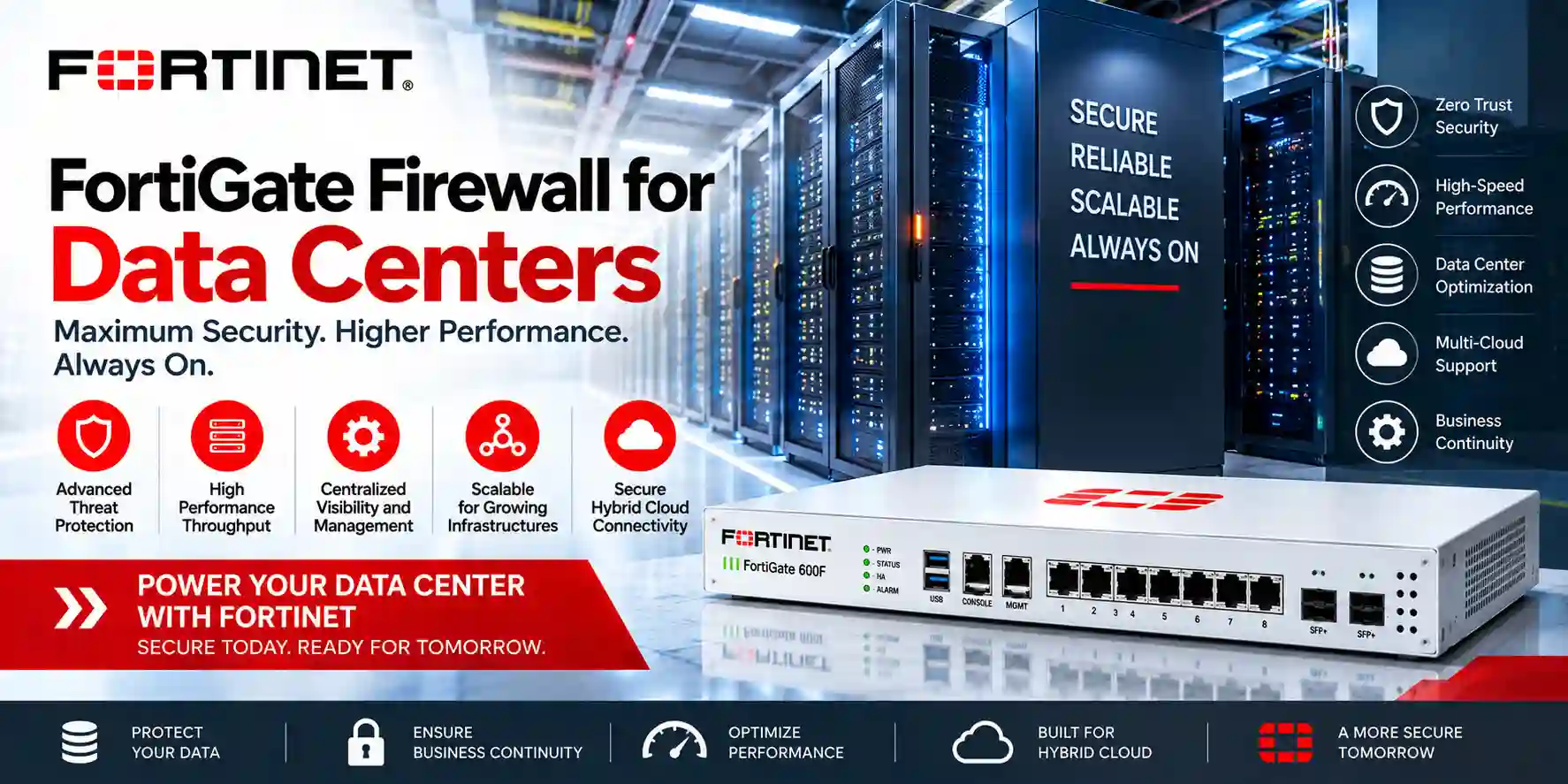
A practical FortiGate decision framework
Compact branch
Evaluate the 30G, 40F and 50G when the site has straightforward interfaces and moderate inspected traffic. The 50G’s 1.1 Gbps threat-protection figure is particularly notable compared with older compact tiers. Confirm whether the port layout and current feature support match the intended design before standardising.
Growing branch
Compare the 60F, 70G, 80F and 90G based on inspected throughput and interfaces. The 70G and 90G provide substantial performance increases for newer deployments, while F-series choices may remain relevant in installed standards or specific procurement contexts. Avoid treating the numbering as a linear performance ladder.
Large branch or enterprise edge
The 120G and 200G bring rack mounting, broader interface options and more inspected-security capacity. The 200G’s 6 Gbps threat protection and 11 million sessions create a different operating envelope from branch desktop units, especially for multi-gigabit WAN and heavier VPN environments.
High-capacity campus or perimeter
Use the 400G, 700G and 900G comparison when inspected traffic, fast uplinks and session scale move beyond the 200G class. At this level, include HA topology, redundant power, optical interfaces, routing architecture, central management, logging and migration rehearsal in the selection process.
If the project starts with a very compact site, the existing FortiGate 30G Tanzania product page gives a model-specific reference for the entry end of the range and helps show why threat-protection throughput, interface count and remote-access design must be checked separately from the headline firewall figure.
FortiGate Firewall Model Comparison Tanzania
A FortiGate firewall model comparison for Tanzania should begin with the network role rather than a fixed list of recommended models. A compact office that connects mainly to cloud applications may need a different appliance from a company headquarters that terminates branch VPNs, exposes business services, inspects encrypted web traffic and carries guest, voice, camera and staff networks through separate VLANs. The first discovery step is therefore to document the primary and backup internet circuits, peak traffic, critical applications, number of network zones, site-to-site connections and security functions that will be enabled. Once that information is known, Fortinet’s threat-protection and SSL-inspection figures can be used as planning anchors, with additional headroom for growth and traffic bursts.
For smaller Tanzanian sites, the 30G, 40F and 50G form a useful starting comparison, but they should not be treated as interchangeable. The 50G publishes 1.1 Gbps threat protection, almost twice the 40F’s 600 Mbps, despite the close numbering. The 70G and 90G move further upward, with the 90G publishing 2.2 Gbps threat protection and 2.6 Gbps SSL inspection. A business planning faster WAN services, more encrypted traffic or multiple network segments may value that extra capacity even if today’s utilisation is modest. The 120G and 200G become more relevant where rack mounting, larger interface counts, 10GbE connectivity, multi-gigabit inspection or a more substantial VPN role is required.
Procurement should also account for the complete lifecycle. A firewall quotation should identify the exact appliance, FortiGuard service bundle and term, FortiCare entitlement, any transceivers or rack accessories, and the implementation work included. If an existing firewall is being replaced, share the current routing, NAT, VLAN, policy and VPN dependencies before ordering. That information helps prevent a technically powerful appliance from arriving without the correct migration plan. Where power quality, rack environment or internet redundancy is a concern, include UPS capacity, cooling, cabling and secondary-WAN design in the project review rather than treating them as unrelated infrastructure.
For a Tanzania-wide standard, consistency can reduce operational effort. A repeatable FortiOS baseline, naming convention, administrator policy, log destination, VLAN framework and configuration-backup process make branches easier to support even when they use different appliance sizes. Standardisation should not mean forcing one model into every site; it should mean applying the same design principles and choosing a FortiGate tier that matches each site’s inspected traffic, interfaces and resilience needs. For quotations or requirement review, the FourTeck Tanzania contact page provides the local website route for sharing bandwidth, users, sites and deployment scope.
FortiGate Firewall Model Comparison Dar es Salaam
For Dar es Salaam organisations, FortiGate selection often needs to balance internet-edge security with a dense mix of business applications and local network services. An office may carry cloud productivity, ERP, voice, video meetings, guest access, CCTV viewing, remote administration and partner connectivity through the same perimeter. Rather than starting with employee count, document how much of that traffic will pass through inspection, which services are latency sensitive, whether there are primary and secondary WAN links, and whether the firewall will route between internal security zones. This workload view makes it easier to determine whether a compact desktop model has adequate headroom or whether a 90G, 120G or larger platform is more appropriate.
A common comparison point is the gap between raw and inspected throughput. The 60F publishes 10 Gbps maximum stateful firewall throughput for large packets, yet its threat-protection figure is 700 Mbps. The 70G has the same 10 Gbps class of stateful firewalling but increases threat protection to 1.3 Gbps and SSL inspection to 1.4 Gbps. The 90G steps to 2.2 Gbps threat protection. That means a buyer with a fast access circuit and extensive inspection requirements should not assume that any model with a multi-gigabit firewall headline will preserve the same speed once the desired security profiles are active. The correct comparison is the metric that resembles the intended production workload.
Dual-WAN design deserves similar care. Secure SD-WAN can steer traffic according to link health and policy, but it cannot create bandwidth that is absent from the backup circuit. Decide which applications must survive an outage, how public-IP dependencies will behave, whether long-lived sessions can tolerate path changes, and which traffic should be restricted when operating on a smaller secondary link. If the site hosts services or connects to cloud platforms that depend on source addresses, include those dependencies in failover testing. A firewall cutover should validate primary failure, backup operation and recovery, not simply confirm that both physical WAN ports show link.
Dar es Salaam procurement teams should ask suppliers to separate appliance, security subscriptions, support entitlement and engineering scope. If the design includes fibre handoffs or 10GbE uplinks, verify optics and cable types before the order is final. If high availability is required, confirm the pair design, heartbeat links, switch topology and power feeds. A model comparison becomes useful only when it includes these surrounding dependencies; otherwise, the purchasing decision may optimise a specification while overlooking the architecture that determines availability and day-to-day manageability.
FortiGate Firewall Model Comparison Mwanza
A Mwanza firewall comparison should give particular attention to branch autonomy and predictable remote support. A regional office can be small in headcount while still depending on central applications, cloud services, payment systems, voice and remote administration. If the firewall becomes the termination point for an IPsec tunnel to headquarters, the design must consider both local internet inspection and encrypted inter-site traffic. Addressing should be planned to avoid overlapping private subnets, routes should be documented, and application owners should identify which central services must remain reachable during a WAN disruption. Those requirements can influence model choice more than the number of desks in the branch.
The lower and middle branch tiers provide several useful options. A 30G publishes 500 Mbps threat protection and can suit lighter inspected workloads. A 50G raises that figure to 1.1 Gbps, while a 70G publishes 1.3 Gbps and supports a larger session profile. If the site expects more security inspection, growth or a faster internet upgrade, the 90G’s 2.2 Gbps threat-protection figure provides substantially more margin. When the branch needs a rack appliance, many physical interfaces or 10GbE uplinks, the 120G becomes a different class of choice even when the current WAN speed alone might not require it. Port layout and form factor are legitimate selection criteria, not secondary details.
Where a secondary internet service is available, define exactly how it should be used. Some branches need full automatic failover; others may reserve the backup link for ERP, voice, remote support or a small set of cloud services. Secure SD-WAN policy can support either strategy when health checks and application rules are configured correctly. The backup link should be tested under realistic load because a configuration that works for a few test pings may still fail operationally when many users shift traffic to a lower-capacity service. Logging and alerts should also make the failover visible to the support team.
For Mwanza procurement, share the exact WAN handoff, expected inspected bandwidth, local VLANs, IPsec peers, current firewall, switch environment and planned growth before requesting the final model. Ask whether the quote includes only hardware or also policy migration, tunnel build, SD-WAN configuration, security profiles, testing and handover. A consistent branch template can reduce future support effort, but the appliance should still be sized to the actual Mwanza site’s traffic. Standard configuration and right-sized hardware are complementary goals rather than competing ones.
FortiGate Firewall Model Comparison Arusha
Arusha organisations can have unusually mixed edge traffic because a single site may support administration, customer-facing Wi-Fi, reservations or cloud applications, voice, payment devices, cameras and staff endpoints. In hospitality, tourism, education, professional services and NGO environments, guest and operational traffic should not automatically share the same trust level. A FortiGate model comparison should therefore include segmentation requirements: how many VLANs are needed, which networks need access to one another, where routing will occur, and whether the firewall will inspect traffic between internal zones as well as internet-bound sessions. Internal inspection can add load that is easy to miss when sizing only from ISP speed.
For lighter sites, compact 30G, 40F and 50G options may be appropriate when their inspected throughput and port counts fit the design. The 50G is notable for 1.1 Gbps threat protection and 1.3 Gbps SSL inspection, giving it a different performance profile from the 40F despite the adjacent model numbers. The 70G increases session capacity and threat protection further, and the 90G offers 2.2 Gbps threat protection with 10GbE shared-port capability. An Arusha property expecting a larger guest population, high cloud usage or future WAN upgrades may therefore justify extra capacity even if today’s average traffic is below the published limit.
Wireless architecture should be reviewed together with the firewall. Guest SSIDs should map to appropriate network segments, management interfaces should be protected, and employee or operational devices should receive only the access they require. If the site operates cameras, access control or other building devices, those systems can also be isolated to reduce unnecessary lateral communication. The firewall cannot preserve segmentation if the switching and Wi-Fi design collapses all traffic into one flat LAN, so VLAN support, trunks and access-port configuration should be part of the deployment plan.
Before ordering in Arusha, confirm the FortiGuard service package and support term, then document whether configuration, migration and testing are included. If the business runs more than one site, use a standard addressing and policy approach so that tunnels, logs and administrator workflows are consistent. A model can then be selected based on the role of each location rather than using one appliance everywhere by default. This keeps the architecture coherent while allowing a smaller branch and a busier central property to receive different FortiGate capacities where justified.
FortiGate Firewall Model Comparison Dodoma
For Dodoma offices, institutions, project sites and professional organisations, firewall selection frequently intersects with governance requirements. The network may need clear separation between staff, servers, guests, cameras and management interfaces, while administrators may also need audit-friendly policy descriptions, controlled changes and reliable configuration backups. These operational expectations affect sizing because logging, inspection, VPN and inter-VLAN policy can all increase the work performed by the appliance. A useful comparison therefore looks beyond the internet circuit and asks how much policy enforcement the FortiGate will perform inside the site.
The 70G and 90G are important mid-branch reference points. Fortinet publishes 1.3 Gbps threat protection for the 70G and 2.2 Gbps for the 90G, while the latter also supports three million concurrent sessions. The 120G maintains 2.8 Gbps threat protection but moves into a 1U rack platform with a larger interface mix, including multiple 10GE SFP+ links. That can matter in an office with fibre aggregation, several switches or a requirement to keep WAN, server and distribution links physically distinct. The 200G steps to 6 Gbps threat protection and 11 million sessions for heavier enterprise use.
If the Dodoma site connects to other offices, VPN architecture should be designed before the appliance is purchased. List tunnel peers, local and remote networks, dynamic or static routing, authentication, encryption requirements and expected traffic across each link. A hub site carrying several branch tunnels may need more capacity than a standalone office with the same local internet speed. Likewise, a site that hosts shared systems for other branches should be evaluated as an aggregation point, not merely as another branch. Redundancy of WAN, power and firewall hardware can then be considered in proportion to the importance of those central services.
A clear Dodoma request for quotation should provide the design assumptions so competing proposals can be evaluated on the same basis. Ask for hardware, FortiGuard services, FortiCare, implementation, documentation and optional HA components as distinct line items. Confirm what happens after initial deployment: who maintains firmware, reviews rules, renews subscriptions and restores configuration if a device must be replaced. The most suitable FortiGate model is the one that fits both the technical workload and the operating process that will keep the security policy reliable over time.
FortiGate Firewall Model Comparison UAE
A UAE FortiGate comparison often starts with high-speed WAN connectivity and a need to preserve security inspection performance as bandwidth grows. A small office can have a fast fibre connection even when the number of users is modest, which makes user-count sizing particularly risky. If a business expects broad TLS inspection, IPS, application control and malware scanning, the relevant design number may be far below the appliance’s stateful firewall headline. A 60F, for example, publishes 700 Mbps threat protection, while a newer 70G publishes 1.3 Gbps. The 90G reaches 2.2 Gbps, and the 120G 2.8 Gbps. These differences become meaningful when the WAN service itself is already in the gigabit range.
Regional organisations with both UAE and East African operations can also use FortiGate standardisation to simplify inter-office design. Standardisation should cover more than the model number: use coordinated private addressing, common object naming, repeatable VPN parameters, administrator controls, log settings and documented change procedures. Different sites can still use different appliances when their traffic profiles differ. A smaller Tanzania or Uganda branch might use a compact G-series model while a UAE hub uses a 120G, 200G or larger platform to aggregate tunnels and inspect heavier traffic. This creates a consistent operating model without artificially constraining every location to the same hardware size.
Interface planning is particularly important when moving from desktop appliances to rack platforms. The 120G and 200G offer broader 10GE connectivity and a larger mix of ports. The 400G and above introduce higher-speed enterprise interfaces suited to substantially larger architectures. Check the exact ISP handoff, switch uplinks, optical modules, HA links and any dedicated management or server connections before approving a bill of materials. A firewall that is fast enough but requires unplanned media converters or switching changes can increase project complexity and cost.
For UAE procurement, compare like-for-like service bundles and support terms, especially when quotations come from different channels. Confirm whether pricing includes only the appliance or also FortiGuard, FortiCare and deployment. For readers evaluating multi-brand or UAE firewall projects, the FourTeck Firewall Dubai specialist site provides broader firewall-solution context. The FortiGate model decision should still be based on measured workload, required interfaces and an implementation design that preserves inspection performance after go-live.
FortiGate Firewall Model Comparison Uganda
A Uganda FortiGate model comparison is most useful when it supports a repeatable branch architecture. Organisations with sites in Kampala and regional cities may want the same FortiOS policy structure, VPN template and administrator workflow across the estate, but network size and connectivity can still vary significantly from one branch to another. Build the comparison around each site’s actual WAN capacity, inspected traffic, number of VLANs, IPsec role and local application demand. Then map those requirements to the published threat-protection and interface figures rather than selecting one model solely for purchasing convenience.
For compact Uganda branches, the 30G and 50G can form the lower end of a standard. The 50G publishes 1.1 Gbps threat protection and 1.3 Gbps SSL inspection, while the 70G increases threat protection to 1.3 Gbps and concurrent sessions to 1.4 million. The 90G provides substantially more headroom at 2.2 Gbps threat protection. If a central Uganda location aggregates several branch tunnels or runs higher-speed uplinks, the 120G or 200G may provide a more appropriate port mix and performance envelope. The 200G’s 6 Gbps threat-protection figure can be relevant when a hub processes both local internet traffic and encrypted traffic for multiple sites.
Branch resiliency should be specified before configuration. Where a secondary WAN exists, decide what must remain available during failover and how the backup link will be monitored. For site-to-site VPN, avoid overlapping address ranges and maintain consistent tunnel naming. Where central DNS, identity, ERP or voice services are required, list those dependencies so failover testing covers real applications rather than only basic connectivity. A standard firewall template should include placeholders for each site’s WAN, VLAN, routing and tunnel variables, while keeping common security profiles and administrator policies consistent.
When comparing Ugandan quotations, align the FortiGuard package, support term and implementation assumptions. If one proposal includes staging, migration, VPN configuration and documentation while another contains appliance-only hardware, the totals do not represent equivalent solutions. Multi-site buyers can also review the FourTeck Uganda site for regional IT-solution context. The objective is to create a model ladder that central IT can operate consistently while preserving enough capacity at each branch for its actual inspected traffic and future growth.
FortiGate Firewall Model Comparison Kampala
Kampala businesses often concentrate more applications and users at one location than their regional branches, which can make the capital site a natural VPN or services hub. That role changes FortiGate sizing. A firewall that handles only local internet traffic has one workload; a firewall that also terminates tunnels from multiple branches, routes between internal zones and protects public-facing services has another. During discovery, record both local and transit traffic, the number of expected tunnels, session demand, logging requirements and the amount of encrypted web traffic that will be inspected. This produces a much stronger basis for comparison than a simple headcount table.
A growing Kampala office may compare the 70G, 90G, 120G and 200G rather than starting at the smallest branch tiers. The 70G publishes 1.3 Gbps threat protection, the 90G 2.2 Gbps, the 120G 2.8 Gbps and the 200G 6 Gbps. The jump from 120G to 200G is particularly significant for inspected traffic and session scale, but it should be justified by workload and growth rather than the desire to overbuy. Conversely, operating a firewall consistently near its inspected-security ceiling leaves little room for traffic spikes, feature changes or faster WAN services, so reasonable headroom is part of responsible sizing.
Network segmentation can also create a meaningful load. A Kampala headquarters may separate finance, servers, staff, guest Wi-Fi, voice, CCTV and management traffic. If routing between those networks passes through the FortiGate, east-west policy enforcement adds to the traffic processed by the device. The switching design must carry VLAN trunks correctly, and the firewall policy should be organised around business flows rather than broad any-to-any rules. This design improves visibility but should be included in performance planning from the beginning.
For a procurement package, define whether the solution requires a single appliance or HA pair, the FortiGuard and FortiCare terms, optical modules, rack accessories, migration work and post-cutover support. If the site will act as a hub, provide branch IP ranges and expected aggregate VPN traffic. If the firewall will replace an existing platform, export and review rules before migration rather than automatically recreating every legacy policy. A good Kampala FortiGate comparison reduces technical uncertainty before price becomes the deciding factor.
FortiGate Firewall Model Comparison Arua
For an Arua branch, manageability can be just as important as maximum performance because technical support may be coordinated remotely. The firewall configuration should make its purpose obvious: WAN interfaces named clearly, VLANs mapped consistently, IPsec tunnels documented, administrator access restricted and configuration backups stored according to the organisation’s support process. A smaller appliance can be a strong fit when inspected traffic is modest, but it should still provide enough capacity for future WAN changes and the security services the business intends to keep enabled. A branch that frequently reaches its performance ceiling will be harder to troubleshoot remotely.
The 30G provides a 500 Mbps threat-protection reference point, while the 50G raises that to 1.1 Gbps. The 70G reaches 1.3 Gbps and the 90G 2.2 Gbps. Those increases can be useful for a site that serves more devices, runs heavier cloud applications or expects a connectivity upgrade. Still, the physical port count should be reviewed before choosing solely on compute performance. A branch needing multiple WANs, segmented local networks and dedicated management or uplink connections may benefit from the port arrangement of a larger model even if measured bandwidth would fit a smaller one.
If a backup internet path is available, the failover design should reflect real business priorities. Reserve scarce backup bandwidth for central applications, transactions, voice or remote administration if necessary, and limit nonessential guest or large-download traffic during degraded operation. Secure SD-WAN can automate path selection, but health checks must measure what the business considers usable connectivity. A circuit may still answer a gateway ping while upstream internet service is impaired, so monitoring targets and thresholds should be chosen deliberately.
An Arua quotation should state who is responsible for local cabling, ISP handoff, rack or desktop placement, configuration, remote testing and final acceptance. If the appliance is staged elsewhere before shipment, verify what site-specific information is required in advance and how last-mile changes will be applied securely. Include subscription and support terms as separate items so renewal dates remain clear. A model comparison is successful when the selected FortiGate is not only fast enough but also easy for the organisation to operate, recover and support from a distance.
FortiGate Firewall Model Comparison Mbarara
Mbarara organisations planning a firewall refresh should compare today’s traffic with the business profile expected during the full appliance lifecycle. A site can begin with a moderate internet circuit and then add cloud workloads, cameras, additional staff, guest access or a higher-speed WAN service. If the firewall is purchased with almost no security-performance headroom, those changes may force an early replacement. Capture current peak bandwidth, expected upgrade path, percentage of TLS traffic, VPN demand and network segmentation so the model can be evaluated against realistic future use rather than a static snapshot.
The difference between a 60F and a 70G is a good example of why the comparison should use specific metrics. Both are 10 Gbps class stateful firewalls for large packets, but Fortinet publishes 700 Mbps threat protection for the 60F and 1.3 Gbps for the 70G. The 90G extends threat protection to 2.2 Gbps and has three million concurrent-session capacity. A Mbarara branch with a fast ISP service or a security-heavy configuration may therefore find a newer G-series model provides more usable inspection headroom, while an existing 60F deployment can still be assessed against its actual utilisation and feature set rather than replaced purely because a newer model exists.
If the branch connects to Kampala or another hub, include IPsec traffic in the plan. Determine whether internet breakout is local or central, which services traverse the tunnel, and how routing changes during WAN failover. Where multiple sites use the same private address range, correct that overlap before building a scalable VPN design. Consistent site numbering, VLAN IDs, route objects and tunnel names can make a regional FortiGate estate much easier to support and automate.
Procurement should separate the hardware decision from the complete solution cost without treating them as unrelated. The appliance, subscription, support term, installation, migration, documentation and optional training all affect the project. If a supplier recommends a larger model, ask which measurable requirement drives the recommendation: inspected bandwidth, ports, sessions, VPN, HA or growth. If a smaller model is proposed, ask how much headroom remains under the intended security profile. Those questions make the Mbarara comparison transparent and reduce the risk of selecting by price alone.
FortiGate Firewall Model Comparison Gulu
For Gulu branches, the firewall design should aim for predictable operation under normal conditions and during connectivity problems. A branch that relies on cloud applications or central systems can be affected by WAN instability even when the firewall itself is healthy. Model selection should therefore be accompanied by a clear connectivity plan: identify primary and backup paths, define critical applications, determine how link health will be measured and decide how much traffic the secondary circuit can realistically carry. Secure SD-WAN can enforce these decisions, but the policy must be based on business priorities rather than generic defaults.
A smaller Gulu site might compare 30G, 50G and 70G appliances, while a busier regional centre could include the 90G. Published threat-protection figures scale from 500 Mbps on the 30G to 1.1 Gbps on the 50G, 1.3 Gbps on the 70G and 2.2 Gbps on the 90G. These are more practical reference points than the raw firewall figures when multiple security services are active. A site with only a moderate WAN link may still choose extra headroom if it expects growth, runs extensive SSL inspection or routes internal VLAN traffic through the firewall.
Configuration quality is especially important where support is remote. Use descriptive policy names, restrict administrator interfaces, keep firmware and configuration backups under change control, and document ISP addresses, tunnel peers and local subnets. Temporary troubleshooting rules should not remain indefinitely. If the firewall protects guest Wi-Fi, cameras or operational devices, place them in deliberate security zones rather than allowing broad access to staff resources. A consistent template makes remote diagnosis faster because engineers can recognise the same design pattern across several branches.
A Gulu procurement request should specify whether the device will be shipped preconfigured, installed locally or configured remotely after delivery. Define responsibility for console access, ISP coordination, switch changes and failover tests. Confirm the FortiGuard service term and FortiCare support so the security profile and renewal schedule are known from day one. Choosing the right model is only part of resilience; a branch is easier to keep secure when the design, documentation and support workflow are prepared with the same care as the appliance specification.
FortiGate Firewall Model Comparison Kenya
Kenyan organisations comparing FortiGate models may need to support a wide range of site types, from compact offices and retail locations to larger headquarters, campuses and regional hubs. The safest model-selection process is to classify sites by traffic and function instead of purchasing the same appliance for every location. Define a small-branch profile, a busy-branch profile and a hub profile using inspected throughput, VPN role, interface needs and resilience. FortiGate models can then be assigned to those profiles with documented headroom. This approach provides standardisation while preserving the flexibility to use a larger appliance where the site actually needs it.
The 50G, 70G and 90G create a useful branch ladder for new comparisons, with published threat-protection figures of 1.1, 1.3 and 2.2 Gbps respectively. The 120G extends the range into a rack platform with 2.8 Gbps threat protection and multiple 10GE SFP+ interfaces, and the 200G reaches 6 Gbps. A headquarters that aggregates branch tunnels, serves more users or connects to faster switching infrastructure may justify those upper tiers even when a satellite office does not. For very large edges, the 400G, 700G and 900G provide much higher inspected-security capacity and enterprise connectivity.
When multiple countries are connected, the VPN plan should use non-overlapping private networks and a consistent naming scheme. Central services, cloud breakouts, DNS, identity and logging should be mapped before tunnels are built. If each country uses independent ISP circuits, SD-WAN policies can differ by site while the broader security framework remains consistent. The model choice should also consider who manages the devices: a central team may value standard templates and central visibility, while local teams need clear documentation and controlled access.
For Kenyan procurement, verify the same service bundle and duration across compared quotes. A lower hardware-only figure should not be compared with a proposal that includes multi-year security services and deployment. If the project includes Tanzania or Uganda as well, keep a common technical questionnaire covering WAN speed, inspected traffic, tunnels, VLANs, HA and growth. That allows each site to be mapped to the correct FortiGate tier using the same engineering method, producing a regional standard based on measurable requirements rather than arbitrary model preferences.
FortiGate Firewall Model Comparison Kuwait
A Kuwait FortiGate comparison should pay close attention to the relationship between fast access circuits and inspected-security performance. Modern offices can consume significant encrypted cloud traffic even without a large number of users, so SSL inspection, threat protection and session scale may become limiting factors before raw firewall throughput does. Document peak WAN use, the proportion of HTTPS traffic to be inspected, remote and site-to-site VPN, guest access, server publishing and internal segmentation. Then compare those needs against the manufacturer’s inspection figures with enough margin for traffic growth and firmware or policy changes.
The 90G, 120G and 200G can be especially relevant to organisations that require more than a basic branch gateway. The 90G publishes 2.2 Gbps threat protection and 2.6 Gbps SSL inspection. The 120G raises those figures to 2.8 and 3 Gbps while adding a larger rack-mount interface mix. The 200G provides 6 Gbps threat protection, 7 Gbps SSL inspection and 11 million concurrent sessions. Those specifications can support materially different workloads, but the correct tier still depends on the actual policy set, interface topology and resilience requirement rather than a generic company-size label.
High availability may be appropriate for sites where the firewall is a single point of failure for critical services. If HA is planned, review redundant switch connections, WAN presentation, heartbeat interfaces, synchronisation, power feeds and maintenance procedure before ordering. Two appliances do not automatically provide end-to-end redundancy if both depend on one switch, one circuit or one power source. The model comparison should therefore include the cost and complexity of the full resilient path, not simply double the firewall quantity.
For Kuwait quotations, insist on exact model and subscription identifiers, term length, support coverage and implementation scope. If optics or high-speed cables are required, list them explicitly. If migration from an older platform is included, define whether policy cleanup, NAT conversion, VPN recreation, testing and rollback planning are part of the work. A disciplined commercial comparison mirrors the technical comparison: every offer should be based on the same assumptions so that price differences represent genuine value differences rather than missing components.
FortiGate Firewall Model Comparison Ghana
For Ghana deployments, FortiGate model selection can be organised around three questions: how much traffic will be inspected, what connectivity must the appliance terminate, and how difficult would an outage be for the business. A modest branch may need only a few interfaces and a site-to-site tunnel, while a larger office may host shared services, carry multiple VLANs and act as a hub for remote sites. Those roles generate different workloads even if the internet circuits appear similar. A discovery worksheet should therefore include traffic peaks, inspection policy, IPsec use, SSL inspection, local routing and resilience before any model is shortlisted.
Compact G-series models can offer strong inspected performance for branch deployments. The 50G publishes 1.1 Gbps threat protection; the 70G 1.3 Gbps; and the 90G 2.2 Gbps. The 120G and 200G extend the range for larger sites and faster uplinks. If a Ghana office expects a future increase in fibre bandwidth, the selection should be checked against that future speed rather than only the present contract. Otherwise, a WAN upgrade can expose a firewall bottleneck and force a second procurement cycle sooner than expected.
Operational simplicity should be designed in from the start. Use clear zones for employees, guests, servers, cameras and management where appropriate. Maintain configuration backups and change records. If branches connect to a central site, standardise tunnel parameters and address allocation so new locations can be added without overlapping networks or unpredictable routing. Where backup connectivity exists, define which applications receive priority during failover rather than assuming all traffic can move unchanged to a smaller circuit.
A Ghana request for quotation should identify whether the buyer needs appliance supply only or a complete deployment. Security subscriptions, support, rack accessories, optics, configuration, migration, testing and documentation should be visible as separate scope elements. If a supplier recommends a particular FortiGate, ask for the metric that supports the choice and the expected capacity margin. This transforms the procurement discussion from model popularity into a traceable engineering decision that can be reviewed later when the network expands.
FortiGate Firewall Model Comparison Nigeria
Nigeria deployments can range from a single office to a large distributed organisation with many branches, which makes a tiered FortiGate standard more practical than one universal model. Classify sites by inspected internet traffic, VPN role, local segmentation, uplink type and business criticality. A compact branch profile might use a 50G or 70G when their port counts fit; a busy branch can evaluate the 90G; a hub may require 120G, 200G or larger. The objective is not to assign a model by employee count, but to build a repeatable selection method that engineering and procurement teams can apply consistently.
Where connectivity is fast or traffic is inspection-heavy, the performance gaps become important. The 90G publishes 2.2 Gbps threat protection, the 120G 2.8 Gbps and the 200G 6 Gbps. Moving to the 400G raises threat protection to 13 Gbps, while the 700G and 900G provide 26 and 30 Gbps respectively. Those larger appliances also support far greater interface and session scale. A national hub, data-centre edge or major campus should therefore be evaluated differently from a branch, including routing, HA, power, fibre, logging and change-control requirements.
Multi-site VPN design should be treated as an architecture rather than a collection of individual tunnels. Use structured addressing, document route ownership, decide whether branches break out locally or send selected traffic through hubs, and define how policies are updated across the estate. If central management or analytics are required, include those components and their licensing in the project scope. A model with enough packet capacity but no operational plan can still create a difficult environment when dozens of branches must be changed or troubleshot consistently.
Commercially, compare the same FortiGuard bundle, duration, FortiCare support and deployment assumptions. For a large rollout, request a standard configuration template, site-specific variable sheet, acceptance checklist and process for storing backups. Confirm lead time and availability at quotation time rather than assuming stock. By combining a model ladder with a common build standard, Nigerian organisations can scale FortiGate deployment while keeping the security architecture understandable across sites of different sizes.
FortiGate Firewall Model Comparison Seychelles
A Seychelles FortiGate comparison should account for sites where internet continuity, remote administration and guest connectivity can be central to operations. Hospitality, professional services, retail and distributed organisations may run staff applications alongside guest Wi-Fi, cameras, voice and cloud services. Those traffic classes should be separated logically and given different security policies where appropriate. When the firewall routes between them, internal policy enforcement can add to the workload beyond simple internet access, so the sizing exercise should include both north-south and relevant east-west traffic.
Compact appliances such as the 50G and 70G can be attractive for smaller sites because they combine desktop form factor with threat-protection figures of 1.1 and 1.3 Gbps respectively. The 90G increases inspected-security headroom to 2.2 Gbps and adds 10GbE shared-port capability. A larger property or central site with faster aggregation may evaluate the 120G or 200G, while very high-capacity environments move into the 400G and above. The correct selection should also consider local port needs, because connecting WAN, switching, management and redundant paths can consume interfaces quickly.
If a site uses multiple internet paths, design failover around application priorities and realistic backup capacity. Cloud reservations, payment systems, voice or corporate VPN may deserve priority over guest streaming during an outage. Secure SD-WAN can make path decisions automatically, but the organisation should still test the experience when the primary circuit fails. DNS behaviour, public IP changes and long-lived sessions can affect applications even when the backup link becomes reachable. Documenting these details makes the resilience plan operational instead of theoretical.
Seychelles procurement should confirm the complete logistics and implementation scope at quotation time without assuming local stock, delivery schedules or on-site coverage. Specify appliance, subscriptions, support term, optics, power accessories, staging, configuration and acceptance testing. If deployment will be coordinated remotely, define who will connect the ISP and LAN, provide console access if necessary and validate business applications after cutover. A suitable FortiGate is therefore one that fits both the security workload and the practical support model for the site.
Compatibility, migration and integration checks before choosing a model
A firewall replacement can fail even when the new appliance is much faster than the old one. Review current interfaces, VLAN tags, routing protocols, NAT rules, public IP dependencies, IPsec peers, authentication methods, DNS behaviour, published applications, logging destinations and monitoring tools before the migration. Feature availability can differ by model and FortiOS release, so verify any remote-access method, specialised routing function or integration the existing environment depends on instead of assuming every FortiGate generation behaves identically.
For Fortinet environments, integration with FortiSwitch, FortiAP, FortiManager, FortiAnalyzer and FortiGuard services may influence the design. Confirm management topology, FortiLink needs, logging volume and subscription scope. When replacing another vendor, decide whether the project will translate the old configuration literally or redesign policies around current business flows. A clean migration is often an opportunity to remove obsolete rules and document the intent of the remaining ones.
FortiGate quotation checklist
Peak WAN speed, expected inspected traffic, applications, device count, concurrent users and growth.
WAN links, copper/fibre handoffs, 10GE or faster uplinks, switch topology, VLANs and public IPs.
IPS, application control, malware protection, web/DNS controls, SSL inspection and segmentation.
Site-to-site peers, remote-access method, routes, dual-WAN policy, health checks and failover priorities.
Single appliance or HA, redundant power, UPS, duplicate switches, backup internet and rollback planning.
Exact appliance, FortiGuard package, FortiCare term, accessories, implementation, migration and documentation.
Frequently asked FortiGate model comparison questions
Which FortiGate specification matters most for model selection?
There is no single universal metric, but threat-protection throughput and SSL-inspection throughput are often more useful than raw firewall throughput when the appliance will run multiple security services. Interface type, IPsec requirements, session scale and high-availability design can be equally decisive in some environments.
Is a higher FortiGate model number always faster for inspected traffic?
No. Generation and workload matter. For example, Fortinet’s current product matrix shows the 50G at 1.1 Gbps threat protection compared with 700 Mbps for the 60F. Compare the specific published metrics and interfaces for the models in question rather than assuming a perfectly linear numbering scheme.
How much spare capacity should a firewall have?
Headroom should reflect expected traffic growth, seasonal peaks, new security features, WAN upgrades and the criticality of the site. Avoid designing so the appliance is already close to its relevant inspected-throughput ceiling at deployment. The correct margin depends on workload and business growth rather than a fixed percentage that applies everywhere.
When should a business move from a desktop FortiGate to a 1U rack model?
Move when the required inspected performance, interface density, uplink speeds, physical rack design or resilience requirements exceed what the desktop tier provides. A rack model may be justified by connectivity even when WAN bandwidth alone would fit a smaller appliance.
Should FortiGuard subscriptions be compared separately from the hardware?
Yes. The hardware model, security-service bundle, support entitlement and term length are distinct parts of the commercial solution. A lower appliance price may not represent a lower total cost if the compared quote has a different service package or excludes implementation work.
What information should I send when requesting a FortiGate recommendation?
Send country and city, current and planned internet speeds, WAN links, user and device profile, required VLANs, security services, IPsec peers, remote-access requirements, switch and Wi-Fi environment, existing firewall, expected growth, HA requirement and whether you need supply only or full migration and configuration.
Decision recap: build the shortlist around the workload
The strongest FortiGate comparison is evidence based. Use raw firewall throughput only for the traffic profile it represents; use threat protection, SSL inspection, IPS and NGFW figures for inspected workloads; verify session scale and interface requirements; and add headroom for growth. Compact models such as the 30G, 40F and 50G can fit lighter branches, while the 70G and 90G increase inspected-security capacity. The 120G and 200G bring rack mounting, richer connectivity and higher performance, and the 400G, 700G and 900G address substantially larger enterprise workloads.
The appliance is only one part of the decision. Security-service subscriptions, support, HA, switching, WAN design, optics, migration, testing and documentation determine whether the firewall will deliver the intended result. A complete request for quotation should make those assumptions visible so the recommended model and commercial offer can be reviewed on the same basis.
Consultation panel: what to send for a model recommendation
Send your current firewall model, internet speeds, number of WAN links, number of sites, approximate users and devices, VLANs, VPN requirements, critical applications, planned security inspection, preferred subscription term and expected growth. Include whether you need a single appliance, HA pair, migration, configuration, testing or post-deployment support. This allows the comparison to narrow from many FortiGate choices to a technically defensible shortlist.