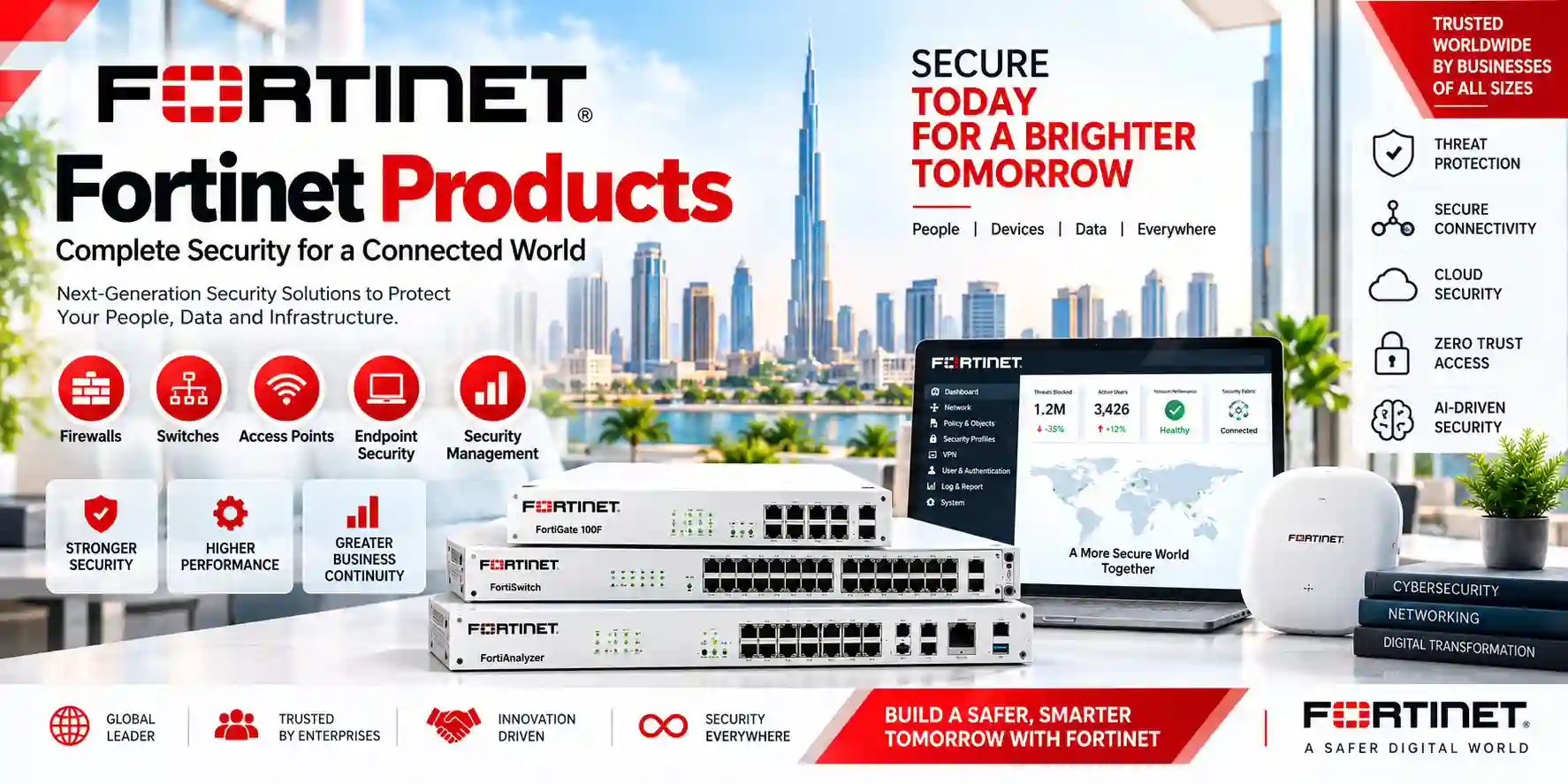
FortiGate Firewall with 5G Connectivity
FortiGate firewall deployments can combine next-generation security with 5G cellular connectivity for branch resilience, remote sites, industrial networks, temporary projects and locations where a conventional fixed circuit is unavailable, slow to install or not sufficiently dependable on its own. Fortinet offers selected FortiGate, FortiWiFi and FortiGate Rugged models with built-in 5G modems, while FortiExtender provides a separate 5G/LTE wireless-WAN path that can connect to FortiGate firewalls and participate in failover or Secure SD-WAN designs. The correct architecture depends on the exact firewall model, carrier compatibility, coverage, antenna placement, required inspection throughput, traffic volume, power conditions and operational environment.
For Tanzania projects, the buying decision should begin with the business requirement rather than the words “5G firewall.” A branch that needs a backup internet path may need a different bill of materials from a remote industrial site that requires an integrated rugged firewall with embedded cellular modems. This page explains the choices, verified Fortinet capabilities, planning points and procurement questions that help teams select a practical configuration.
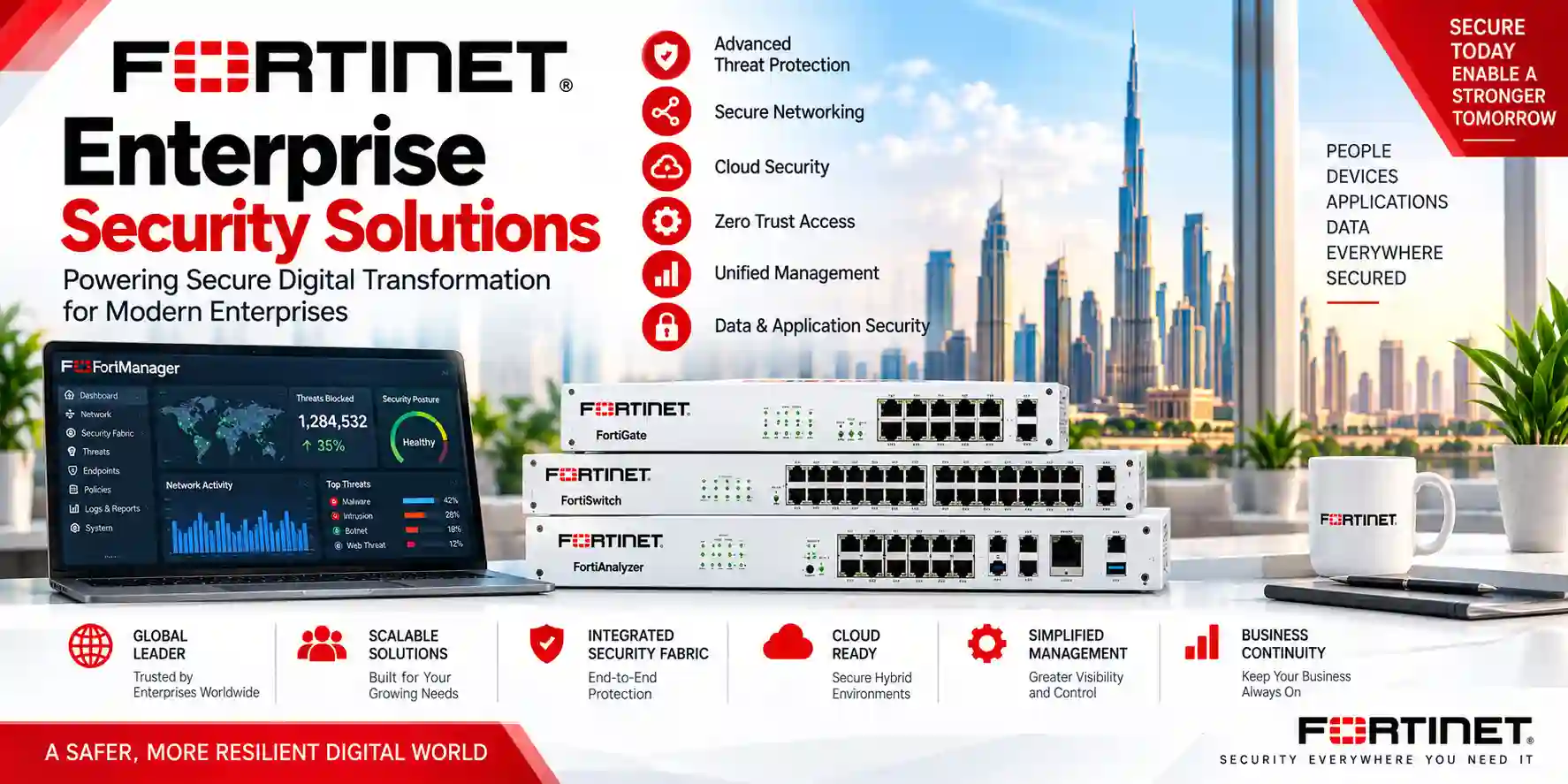
What does “FortiGate with 5G connectivity” actually mean?
It can mean one of two deployment patterns. The first is a FortiGate or FortiGate Rugged appliance with an integrated 5G-capable modem. Fortinet documentation identifies built-in 5G capability on models and variants such as the FortiGate/FortiWiFi 50G-5G family, FortiGate Rugged 60G-5G variants and FortiGate Rugged 70G 5G variants, including a dual-modem configuration. These appliances can use cellular connectivity as an internet path or a redundant WAN link, subject to model-specific design and carrier compatibility.
The second pattern uses a separate FortiExtender cellular gateway. Fortinet positions FortiExtender for 5G/LTE wireless WAN, primary connectivity, high availability, broadband failover, out-of-band management and SD-WAN integration. This option is useful when the selected FortiGate does not have a built-in cellular modem, when the best cellular signal is located away from the network rack, or when the organisation wants a dedicated wireless-WAN device that can be positioned for better radio reception. FortiExtender includes indoor, rugged and vehicle form factors, so the wireless WAN layer can be matched to the physical environment rather than forcing a firewall into an unsuitable location.
This distinction matters during procurement. A standard FortiGate with a WAN port is not automatically a native 5G firewall. Likewise, connecting an arbitrary USB modem is not equivalent to purchasing a Fortinet platform that was designed and documented for 5G use. The quotation should state whether 5G is embedded in the firewall or supplied through FortiExtender, which SIM strategy is intended, which antennas and power accessories are required, which FortiOS and management features will be used, and which FortiCare or FortiGuard services are included.
Primary 5G WAN
Use cellular as the main internet path where fixed connectivity is impractical or when rapid site activation is important. Performance still depends on carrier service, local signal conditions, network congestion and the selected modem.
5G Failover
Keep cellular available as a secondary path when the primary fibre, microwave, DSL or other wired service becomes unavailable or fails an SD-WAN health check.
Secure SD-WAN
Combine wired and wireless transports in policy-based path selection. Applications can be steered according to link health and business rules rather than relying on a simple static backup route.
Remote and Rugged Sites
Industrial and remote deployments can use rugged FortiGate and FortiExtender options designed for harsher environments than ordinary office equipment.
Verified Fortinet 5G firewall and wireless-WAN options
Fortinet’s current product documentation shows several ways to bring 5G into a secured edge. The exact specifications vary by model and revision, so the values below should be treated as product-family guidance rather than a substitute for the final datasheet and regional order code.
| Option | 5G approach | Typical planning use | Important check |
|---|---|---|---|
| FortiGate / FortiWiFi 50G-5G variants | Built-in 5G modem | Compact branch or edge connectivity | Confirm exact regional model, bands, SIM support and FortiOS feature requirements. |
| FortiGate Rugged 50G-5G / 60G-5G | Embedded cellular modem on 5G variants | Industrial, utility, transport, field or remote fixed sites | Verify environment, power, mounting, antenna placement and cellular coverage. |
| FortiGate Rugged 70G-5G / 70G-5G-DUAL | Single or dual embedded 5G variants | High-availability OT and remote-edge designs | The dual model uses two embedded 5G modems; plan antennas, SIMs and carrier diversity carefully. |
| FortiExtender 5G gateways | Separate 5G/LTE wireless-WAN appliance | Add cellular WAN to compatible FortiGate deployments; improve placement flexibility | Choose indoor, rugged or vehicle form factor and confirm carrier/SIM compatibility. |
Fortinet’s current Rugged Series material lists Secure SD-WAN, FortiGuard security services, central management integration and model-specific 5G modem options within the same broader FortiOS environment. This convergence is useful because the cellular path can be governed by the same firewall policy, routing and visibility framework used for conventional WAN interfaces. It does not remove the need for radio planning: 5G quality is still determined by the network provider, frequency support, antenna location, building materials, terrain, weather exposure, congestion and the service plan.
Why organisations add 5G to a FortiGate edge
The strongest reason is not headline mobile speed; it is transport diversity. A branch that depends on one fibre path may still be offline if construction work cuts the route, an upstream provider fails, or an access device loses power. A separately routed cellular path can reduce the number of shared failure points. Where FortiGate Secure SD-WAN is used, the firewall can monitor path quality and apply policies that decide when 5G should carry business traffic. That can support more deliberate continuity than a simple “cable unplugged” failover rule.
5G can also accelerate site activation. A temporary office, construction site, field team, pop-up location, ATM, retail unit or project facility may need connectivity before a fixed service is commissioned. Cellular can provide an interim path if coverage and capacity are adequate. In other cases it can remain as a long-term secondary path after the wired service arrives. The project should define that lifecycle in advance so data-plan size, antenna placement and monitoring thresholds reflect the intended role.
For remote operations, the physical placement of the cellular device can be as important as the firewall. A network rack in the centre of a reinforced building may have poor mobile reception. FortiExtender gives teams more freedom to position the cellular gateway closer to a useful signal location while keeping the firewall and core network equipment where they belong. Rugged models further extend this concept to outdoor, industrial and vehicle scenarios. In every case, the design should be based on measured or verified service conditions rather than an assumption that “5G” guarantees a particular throughput.
Security, performance and licensing considerations
A 5G interface changes the transport, not the need for firewall sizing. FortiGate selection should still be based on the security services that will run during normal operation. Stateful firewall throughput is only one reference point. If the design enables intrusion prevention, application control, malware protection, DNS security, web filtering, encrypted traffic inspection, IPsec VPN, logging and other functions, the relevant performance figures are the ones measured with those services active. Leave capacity for growth and for simultaneous traffic during a failover event, when a cellular path may suddenly receive traffic that normally uses the primary WAN.
FortiGuard and FortiCare terms should be identified explicitly in the quotation. Hardware alone and a bundled appliance with security subscriptions are not equivalent purchases. Procurement teams should compare the exact service package, subscription duration, support level and renewal date. They should also confirm whether the project includes initial configuration, migration, VPN setup, SD-WAN rules, monitoring, documentation, policy review and post-cutover support.
For built-in 5G FortiGate devices, Fortinet’s operator documentation states that internet access for downstream LAN devices through the internal 5G modem is intended for NAT-mode operation, not transparent mode. The same documentation cautions against casually adding a USB modem to a FortiGate that already has a built-in 5G modem because it can create operational confusion. These details are examples of why the final design should follow model-specific Fortinet documentation rather than generic cellular-router assumptions.
5G failover, multi-WAN and Secure SD-WAN design
A reliable design begins by identifying what the second WAN is expected to achieve. If cellular exists only to preserve basic business communication during an outage, it may be reasonable to restrict backup bandwidth to critical cloud applications, VPN traffic, point-of-sale systems or management access. If 5G is intended to share traffic during normal conditions, the plan must account for data-plan limits, variable radio performance and how sessions are handled when one path becomes impaired.
FortiGate Secure SD-WAN can combine multiple WAN interfaces, use health checks and apply application-aware rules. That allows the organisation to define performance objectives instead of waiting for a physical link to go completely down. For example, voice or real-time traffic can prefer the path that meets latency and packet-loss requirements, while bulk traffic uses a different route. The exact rules should be tested with the applications that matter to the business.
Carrier diversity should be examined separately from modem diversity. Two SIMs from the same provider may still depend on common infrastructure. A dual-modem design can improve flexibility, but business continuity is strongest when the architecture reduces shared points of failure across access technology, provider path, power and local equipment. For important sites, test actual failover behaviour, public-IP changes, VPN re-establishment, DNS dependencies and application session recovery instead of assuming that a second link automatically provides seamless continuity.
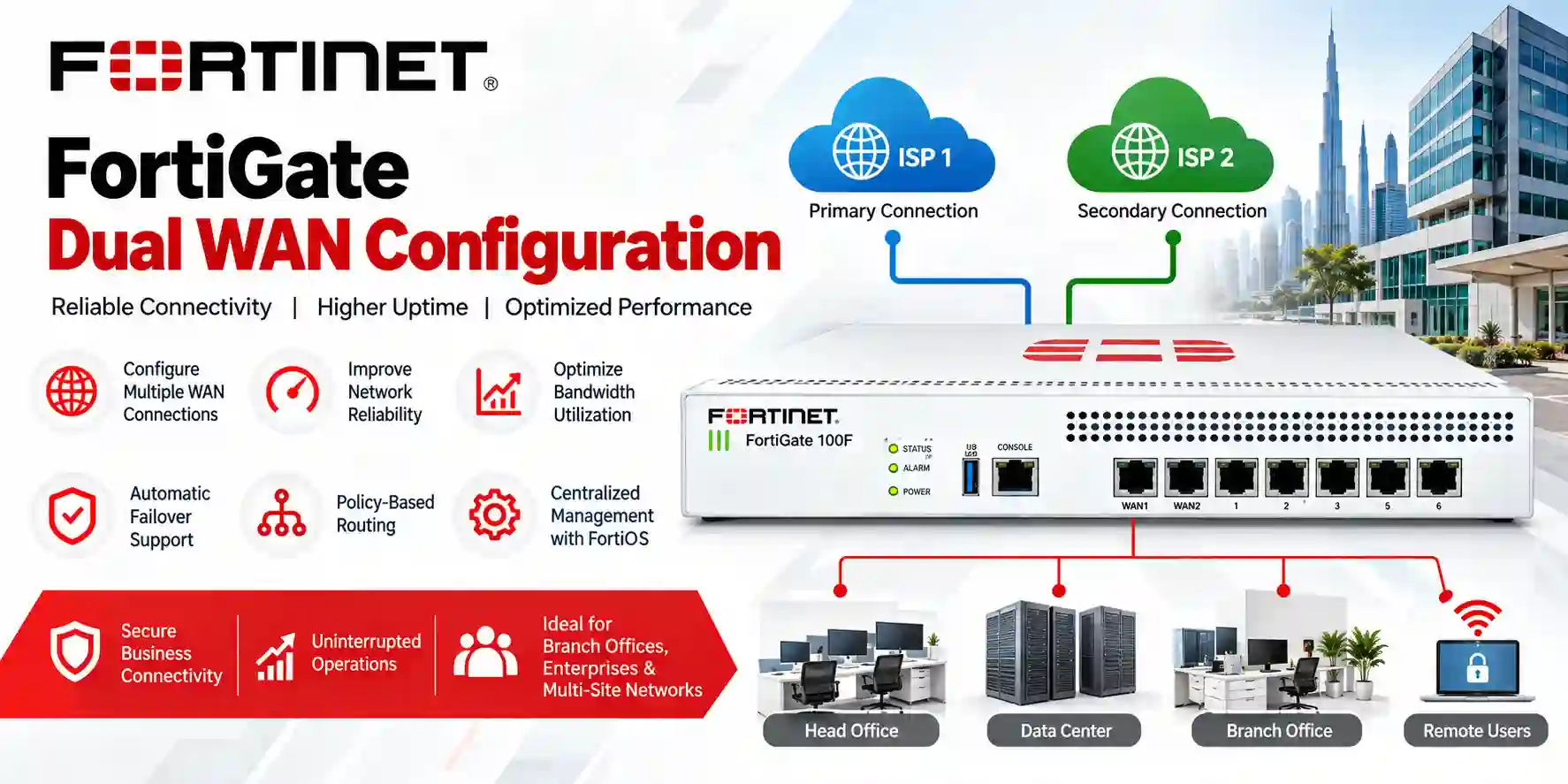
When FortiExtender may be a better fit than a built-in 5G firewall
Choose the architecture around the network, not around a single appliance label. FortiExtender is useful when the organisation already has a suitable FortiGate and wants to add 5G without replacing the firewall. It is also valuable when the best cellular location is physically separated from the firewall rack. Instead of running long antenna cables that can introduce signal loss, a cellular gateway can be placed nearer to the useful radio signal and connected back to the network by Ethernet according to the supported design.
The FortiExtender family includes indoor 5G gateways as well as rugged and vehicle options. Fortinet documents wireless WAN, high availability, failover, SD-WAN integration, out-of-band management and private 5G/LTE use cases. This makes the product family relevant to distributed branches, industrial edges, mobile operations and other places where the connectivity device may need a different form factor from the firewall. A common branch strategy is to keep the FortiGate focused on security and routing while the FortiExtender handles cellular access.
A separate gateway also gives procurement teams more flexibility when firewall lifecycle and cellular lifecycle do not align. The firewall may remain correctly sized for several years while modem standards, carrier requirements or antenna needs change. However, using separate devices introduces its own considerations: power, mounting, Ethernet path, management, firmware compatibility and the operating responsibility for both components. Those factors should be documented in the bill of materials and implementation plan.
Industries and use cases for FortiGate 5G connectivity
Branch offices
Add 5G as primary connectivity for rapid deployment or as backup for fibre and fixed wireless links. Pair the WAN design with segmentation, VPN and central policy.
Industrial and OT sites
Rugged FortiGate variants are designed for industrial conditions and can combine network security with cellular connectivity at remote or operational edges.
Retail and service points
Preserve access to cloud applications, transactions, communications and central services when a primary WAN is interrupted, subject to application and provider behaviour.
Temporary projects
Bring a controlled network online at project offices, construction environments or event-style locations before permanent connectivity is ready.
Transport and mobile operations
FortiExtender vehicle models support wireless WAN for fleets and mobile deployments where connectivity moves with the asset.
Remote infrastructure
Use cellular where the cost, distance or lead time of a fixed circuit is not practical, while maintaining FortiGate policy and VPN controls.
Related FourTeck resources for planning your Fortinet network
For a compact non-cellular FortiGate reference, review the FortiGate 30G Tanzania product page. It explains why raw firewall throughput should not be used alone for sizing and shows how FortiGuard, VPN and Secure SD-WAN requirements affect procurement. The broader FourTeck Tanzania technology shop helps buyers consider firewalls alongside switches, wireless access points, servers and other infrastructure that can influence the final design.
If the project includes installation, integration, cabling, network segmentation or broader infrastructure work, the FourTeck Tanzania services page describes the surrounding solution scope. Regional procurement teams can also use the FourTeck Fortinet UAE resource for Fortinet-focused products and licensing topics, and the FourTeck Kenya site when coordinating related network-security requirements in East Africa.
These links are most useful when a 5G firewall purchase is part of a larger architecture. Cellular connectivity may affect routing, VPN design, IP addressing, public services, cloud access, monitoring, rack power, UPS runtime, antenna placement and branch standardisation. Treating the project as one connected system reduces the chance that a correctly purchased firewall is limited by an overlooked dependency elsewhere in the network.
FortiGate Firewall with 5G Connectivity Tanzania
FortiGate Firewall with 5G Connectivity Tanzania is relevant to organisations that need secure internet access in locations where fixed connectivity alone does not provide the required resilience, deployment speed or physical reach. The first planning step is to decide whether the cellular service will be primary, backup or an active participant in an SD-WAN design. That decision influences everything that follows: modem choice, number of SIMs, data allowance, carrier strategy, antenna placement, WAN policy, failover testing and the amount of firewall capacity reserved for an outage condition. A Tanzania headquarters with fibre may use 5G as a secondary transport, while a remote project office may initially depend on cellular as the main link. Those are very different risk and performance profiles even though both use the same general technology.
Businesses should verify actual mobile coverage at the precise installation location instead of assuming that a city-level 5G coverage claim guarantees performance inside the building. Reinforced concrete, metal roofs, elevation, room placement and distance from the useful serving cell can materially affect radio quality. A FortiExtender can be helpful when the firewall rack is not located where the best signal is available, because the cellular gateway can be positioned separately. Rugged FortiGate models are more appropriate when the firewall itself must operate in a harder industrial environment. Procurement should record the intended mounting location, environmental conditions, available power and whether an external antenna arrangement is required.
Tanzanian buyers should also distinguish the cost of the security platform from the recurring cost of the cellular service and Fortinet subscriptions. The monthly or contract mobile-data plan is a telecom expense, while FortiCare and FortiGuard terms relate to support and subscribed security services. Both need renewal planning. If 5G is only used during outages, the data plan should still be large enough for the traffic that will move during a failure. If it is used continuously, policy may be needed to prevent nonessential transfers, operating-system updates or backup jobs from consuming expensive cellular capacity.
For a Tanzania quotation, provide the city and exact site type, number of users and devices, current internet services, whether the existing FortiGate will remain, required VPN tunnels, intended FortiGuard services, preferred subscription term, 5G role, expected data usage and installation environment. Ask the supplier to identify whether the recommendation uses built-in 5G or FortiExtender, which model and order code applies, what accessories are included and what deployment work is separate. This creates a more useful commercial comparison than asking only for “a FortiGate 5G price.”
FortiGate Firewall with 5G Connectivity Dar es Salaam
FortiGate Firewall with 5G Connectivity Dar es Salaam can support headquarters, branch offices, logistics companies, retail locations, hotels, professional services, financial operations and other businesses that depend on cloud applications and continuous internet access. In a dense commercial environment, the main value of cellular backup is route diversity. A fibre connection may be fast, yet the business can still be exposed to a local cable cut, access-equipment failure or upstream outage. A 5G path can provide an independent transport where carrier coverage and site conditions make that practical. The design should identify which applications must remain available during failover and how much cellular capacity those applications require.
A Dar es Salaam office with multiple WAN circuits can use FortiGate Secure SD-WAN to monitor quality and select paths according to policy. That is useful for Microsoft 365, hosted ERP, IP telephony, video meetings, remote desktop, VPN and other services that respond differently to latency, loss and path changes. The firewall should not simply send every application across the same backup link if that link has limited capacity. Priority policies can reserve cellular bandwidth for essential business traffic while deferring large software downloads, cloud backup or entertainment traffic until the primary connection returns.
Building layout deserves special attention. A secure server room is often the correct place for the firewall but not necessarily the best place for a 5G antenna. If signal is weak inside the rack area, a separate FortiExtender can provide more placement freedom. That may be cleaner than running long antenna cables through the building. Survey the intended location, confirm carrier compatibility and verify the power method before deployment. For a rugged site around ports, yards, warehouses or industrial facilities, the environmental requirements can justify a FortiGate Rugged or rugged FortiExtender instead of office-grade hardware.
When requesting a Dar es Salaam quotation, include primary ISP handoff type, secondary connectivity if present, number of public-IP dependencies, VPN requirements, user count, security-service profile and whether the project requires configuration or only supply. If public servers, IPsec peers or remote-management systems depend on a fixed public address, explain what should happen when the 5G path becomes active. Failover testing should include real business applications and VPN recovery, not only a successful ping. That produces a design that matches operational continuity rather than treating 5G as a generic secondary internet connection.
FortiGate Firewall with 5G Connectivity Mwanza
FortiGate Firewall with 5G Connectivity Mwanza is useful for organisations operating branches, warehouses, service offices, hospitality facilities, clinics, education sites and trading businesses that need secure connectivity without relying on one access method. In Mwanza, the technical question should be framed around the actual site: what fixed services are available, which mobile carriers provide usable signal at the building, how the business handles an outage and whether connectivity must extend to another location through VPN. A solution that works well in one neighbourhood or building may not perform the same way elsewhere because cellular conditions vary by elevation, construction material, antenna location and network load.
For branch connectivity to headquarters, FortiGate IPsec VPN can carry encrypted traffic across the 5G path when that path is active. Address planning becomes important because branch networks should not overlap with head-office networks. If the primary WAN and 5G backup use different public IP arrangements, the VPN configuration and failover behaviour need to account for that change. Central applications such as ERP, finance systems, voice services and CCTV monitoring may also have different bandwidth priorities, so the backup policy should identify which traffic receives preference during a degraded condition.
A business that expects 5G to be the main internet connection should test performance during the periods when staff actually work, not only during a quiet installation window. Cellular networks can vary throughout the day. Data usage must also be forecast realistically. Cloud backup, software updates, large file synchronisation and video can consume substantial capacity if they are allowed to run without policy control. FortiGate traffic policies and SD-WAN rules can help manage the path, but they do not change the limits of the carrier plan.
For a Mwanza purchase, provide the exact branch role, existing firewall model if any, number of users, application mix, current WAN speed, expected 5G function and desired security subscriptions. State whether the site is an ordinary office or requires rugged hardware. Ask whether the proposed solution contains an integrated cellular modem or a FortiExtender, and verify the required SIM format, power arrangement and antenna placement. A well-specified quotation should separate hardware, FortiCare, FortiGuard subscriptions, cellular service, implementation and any supporting network changes so procurement can compare complete designs rather than incomplete line items.
FortiGate Firewall with 5G Connectivity Arusha
FortiGate Firewall with 5G Connectivity Arusha can be considered by hospitality businesses, tour operators, NGOs, professional firms, education organisations, medical facilities, retail sites and remote project offices that need a secure edge with flexible internet options. Arusha deployments often involve a mixed device environment: staff laptops, guest Wi-Fi, IP phones, payment devices, CCTV, servers and cloud applications. The firewall must protect and segment those systems even when the WAN transport changes from a primary fixed service to cellular. This makes VLAN and policy design as important as the modem itself.
Hospitality and visitor-facing locations should avoid allowing guest traffic to consume all available 5G backup capacity. During a primary ISP failure, the business may prefer to preserve bandwidth for reception, reservations, payment processing, email, management systems and staff communication while applying tighter controls to guest access. FortiGate policy and SD-WAN can support that objective when the network is properly segmented. If guest and business devices are all on one flat network, it becomes much harder to make intelligent failover decisions.
Arusha also includes sites outside dense urban commercial areas where fixed connectivity lead times or coverage may influence project planning. A 5G or LTE path can be useful for rapid activation, but only after verifying service at the exact site. Where antenna placement is challenging, FortiExtender allows the cellular gateway to be separated from the firewall location. For field or rugged environments, specify the operating conditions, dust exposure, temperature range, mounting and power source so the chosen product family matches the physical site.
When preparing an Arusha quotation, include the number of LAN segments, Wi-Fi networks, VPN tunnels, internet providers, required FortiGuard features and whether the firewall will be centrally managed. If the organisation operates several lodges, branches or project sites, consider a standard configuration template with site-specific variables for addressing, WAN parameters and SIM details. That approach makes future support more predictable. The commercial document should state which subscriptions are included, their duration, any FortiCare support term, installation scope, accessories and the responsibilities for mobile-service activation and testing.
FortiGate Firewall with 5G Connectivity Dodoma
FortiGate Firewall with 5G Connectivity Dodoma can serve offices, institutions, project sites, professional organisations, education facilities, service providers and distributed enterprises that want stronger continuity than a single WAN circuit can provide. For administrative and institutional environments, the network may carry confidential business data, voice, collaboration, access-control systems, CCTV and connections to central applications. Adding 5G should therefore be treated as part of the security architecture, not as an unmanaged consumer hotspot connected during emergencies.
A controlled design keeps the cellular interface under FortiGate policy. If the primary WAN fails, the firewall can continue enforcing segmentation and security rules while traffic uses the alternate path. When Secure SD-WAN is configured, the decision to change paths can be based on health checks rather than only physical link state. That is useful when an ISP circuit remains electrically up but has severe packet loss, high latency or no usable internet reachability. The monitoring targets and thresholds should reflect the applications that matter to the organisation.
Dodoma projects may also involve temporary programme offices or sites that need connectivity before a permanent circuit is delivered. In those cases, 5G can function as an activation bridge. The network team should plan how the configuration will change once the permanent WAN arrives: whether cellular becomes standby, remains active for selected traffic or is removed. Defining the end state avoids rebuilding the firewall later. If the site uses IPsec to connect to another office, verify how tunnels respond when the source WAN changes.
For procurement, specify the expected internet bandwidth, number of users and devices, retention of logs, FortiGuard services, VPN traffic and projected growth. If the project has formal change-control or audit requirements, include configuration backup, administrative access policy, documentation and test records in the implementation scope. Ask the supplier to confirm the exact 5G-capable model or FortiExtender combination rather than accepting a generic “FortiGate 5G” description. This gives technical teams a verifiable bill of materials and gives procurement a clearer basis for comparing support, subscriptions and deployment effort.
FortiGate Firewall with 5G Connectivity UAE
FortiGate Firewall with 5G Connectivity UAE is relevant to companies that operate retail branches, construction sites, logistics facilities, remote service points, industrial networks and multi-country offices requiring a secure cellular WAN option. UAE projects often have access to high-speed fixed services, so the purpose of 5G is frequently resilience, rapid deployment or route diversity rather than simply more bandwidth. A branch with a fast fibre circuit may still benefit from an independently routed mobile path when downtime has a direct effect on transactions, cloud applications or customer service.
When organisations operate in both the UAE and Tanzania, standardisation can reduce support complexity. The same FortiOS concepts, naming standards, IPsec templates, security profiles and logging policy can be used across regions while local WAN details remain site-specific. Do not assume that the same 5G hardware order code or carrier profile is automatically appropriate in every country. Frequency support, SIM requirements, service registration and power accessories should be checked for the destination. Regional sourcing should therefore be coordinated with the final installation country rather than based only on where the purchase order originates.
For UAE construction and project sites, a rugged or externally positioned cellular device may be particularly relevant because network rooms can move as the project develops. FortiExtender can separate the radio placement from the firewall, while FortiGate Rugged 5G variants are designed for harsher operational settings. Teams should document heat, dust, mounting, power and enclosure conditions, as well as the expected WAN traffic. If the appliance is placed inside another enclosure, consider how that affects radio signal and thermal performance.
A UAE quotation should state whether the design uses integrated 5G, a dual-modem rugged firewall or a FortiExtender attached to another FortiGate. It should also identify FortiCare, FortiGuard bundle, subscription term, installation responsibility, SIM responsibility, configuration scope and any cross-border staging. For organisations evaluating regional Fortinet procurement, the linked FourTeck Fortinet UAE resource provides additional product and renewal context while this Tanzania-focused page concentrates on planning the 5G edge architecture itself.
FortiGate Firewall with 5G Connectivity Uganda
FortiGate Firewall with 5G Connectivity Uganda can support organisations that want a consistent security architecture across branches while allowing each site to use the most practical WAN transport. A business with locations in Uganda and Tanzania may use fixed internet at major offices and cellular connectivity as backup or primary access at smaller sites. FortiGate policy, IPsec VPN and Secure SD-WAN can help standardise the network edge, but local carrier conditions should still be tested individually. The same model should not be selected for every branch without reviewing user count, traffic, security services and environmental requirements.
A common multi-country goal is to keep configuration predictable. Branches can follow a shared scheme for VLANs, addressing, firewall objects, VPN naming, administrator roles and log handling. The 5G variables—SIM profile, carrier, antenna location and expected data usage—can remain site-specific. This structure helps central IT teams support the network without treating every branch as a unique design. It also makes procurement clearer because the standard firewall and subscription package can be distinguished from local connectivity details.
Uganda deployments should define whether the cellular path must carry all traffic during a fixed-WAN outage or only priority applications. Data-plan economics and variable radio performance can make selective failover more practical. For example, cloud backup or large updates can be paused while business applications, IPsec VPN and communications continue. If the organisation uses voice or real-time services, SD-WAN health checks should be tuned to meaningful quality indicators instead of simple reachability alone.
When requesting a Uganda-related FortiGate 5G quotation, provide the site list, expected bandwidth, number of branches, existing FortiGate estate, required tunnels, security subscriptions and preferred management method. Confirm whether the recommended hardware has a built-in modem or requires FortiExtender, and ask for the exact regional order codes. For a large rollout, pilot the design at representative sites before ordering every unit. A pilot can reveal radio-placement issues, SIM activation steps, policy adjustments and failover behaviour that are difficult to predict from specifications alone.
FortiGate Firewall with 5G Connectivity Kampala
FortiGate Firewall with 5G Connectivity Kampala can fit headquarters, professional offices, financial services, retail, healthcare, hospitality and distributed enterprises that rely on continuous access to cloud and central applications. Kampala businesses with fibre or fixed wireless should treat 5G as a separate resilience decision: how independently routed is the cellular service, which systems must remain online, and what happens to VPNs and public-IP dependencies during a failover? A second link only adds useful resilience when the network is configured to use it predictably.
FortiGate Secure SD-WAN can help by measuring path quality and applying business rules. One application may need low latency, another may need stable throughput, and a third may simply need any working route. During a primary-WAN failure, the organisation can restrict less important traffic so the 5G path is reserved for the services that protect revenue, operations or customer communication. This is particularly important when the backup mobile plan has a lower data allowance or more variable performance than the primary circuit.
A Kampala office in a multi-storey building should also evaluate signal placement. The network rack may sit in an interior room with weak cellular reception. If the firewall model does not have built-in 5G, a FortiExtender can be positioned where signal conditions are more favourable. Even when a FortiGate has an embedded modem, antenna placement still needs to be considered. The implementation plan should include carrier testing and should avoid promising a throughput figure before the site is measured.
For organisations connecting Kampala and Dar es Salaam or other regional offices, coordinate IP addressing so private networks do not overlap. Document IPsec parameters, routing and failover expectations centrally. Procurement should state the FortiGate or FortiExtender model, support and subscription term, antenna and power accessories, SIM responsibility, configuration scope and testing. If central logging or FortiManager is required, include that in the design from the start. A complete quotation then represents a managed network edge rather than a firewall appliance plus an unspecified cellular modem.
FortiGate Firewall with 5G Connectivity Arua
FortiGate Firewall with 5G Connectivity Arua is relevant to organisations that operate regional branches, NGOs, logistics activities, education sites, healthcare facilities, field offices and service locations where the availability or installation lead time of fixed connectivity can differ from a major capital-city environment. The business case for cellular should therefore be defined by the local site requirement. In some locations, 5G or LTE may be a backup path; in others, cellular may be the quickest practical way to activate the site while a permanent service is arranged.
Because radio coverage can vary significantly across short distances, site testing is essential. It is not enough to confirm that a carrier advertises service in the broader region. Measure or validate the signal where the equipment and antenna will actually be installed. If the best radio location is away from the server cabinet, a FortiExtender design can provide placement flexibility. Rugged versions may be appropriate when the device is exposed to harsher conditions than an ordinary office installation.
Arua branches that connect to a headquarters should use a documented VPN and routing plan. When the cellular path becomes active, the branch may receive a different public address or NAT behaviour from the provider. That can affect inbound services and tunnel establishment. The network team should test the exact failover scenario and ensure that business applications can recover. Where bandwidth is constrained, prioritise core services and suppress nonessential transfers until the preferred WAN returns.
For purchasing, provide a simple site profile: number of users, critical applications, existing ISP, available power, indoor or rugged environment, current firewall if any, number of VPN tunnels and preferred FortiGuard term. Ask for a complete bill of materials that identifies the 5G method, antennas, mounting, power, FortiCare and FortiGuard services. If several remote sites will be deployed, standardise configuration and documentation but allow local variation in SIM and antenna placement. This balances central manageability with the real differences between radio environments.
FortiGate Firewall with 5G Connectivity Mbarara
FortiGate Firewall with 5G Connectivity Mbarara can be used by businesses with branch offices, healthcare operations, hospitality, education, retail, agriculture-related services and logistics requirements that need a secure, centrally managed network edge. The cellular connection should be treated as part of a wider continuity plan. That plan should identify how staff access cloud services, what happens to voice and payment systems during an outage, whether branch-to-head-office VPN must remain active and what amount of mobile data is realistic for the backup period.
If the site has a conventional fixed WAN, 5G can be configured as a secondary interface. Secure SD-WAN gives administrators more control than a simple static failover because policy can consider path performance and application importance. A branch may, for example, keep ERP, email, payment and VPN traffic available while slowing or blocking guest Wi-Fi and large updates. The correct policy depends on the organisation and the limits of its cellular plan.
Mbarara deployments should also examine power continuity. A secondary mobile path is not useful if the firewall, switch or cellular gateway loses power at the same time as the primary ISP equipment. UPS capacity should be calculated for the network equipment that must remain active during an interruption. In remote or field settings, input voltage and ruggedisation may be more important than rack aesthetics. FortiGate Rugged and rugged FortiExtender options exist for environments where ordinary office equipment is not appropriate.
A procurement request should include expected WAN bandwidth, number of users and connected devices, required FortiGuard functions, VPN topology, SIM responsibility, antenna requirements and whether installation is part of the scope. Ask how the selected model is managed and whether central policy or logging tools are needed. If the organisation already uses FortiGate elsewhere, provide those model and firmware details so the new branch can follow the same operational standards where practical. This reduces support complexity and helps the cellular feature become an integrated network capability instead of a one-off workaround.
FortiGate Firewall with 5G Connectivity Gulu
FortiGate Firewall with 5G Connectivity Gulu is an option for regional businesses, institutional sites, NGOs, clinics, education facilities, project offices and distributed operations that need secure WAN connectivity with a cellular fallback or primary path. The strongest design starts by defining the minimum service level the branch requires during a fixed-line outage. Some sites only need email, cloud ERP and VPN to headquarters. Others must also maintain voice, video, remote monitoring or payment systems. The 5G plan, firewall capacity and SD-WAN rules should be sized around that requirement.
For a Gulu branch using cellular backup, the firewall can monitor the primary link and move traffic when the preferred path no longer meets the health criteria. A successful deployment should be tested with an actual simulated outage. Verify that IPsec tunnels re-establish, DNS continues to work, cloud applications remain reachable and any public-IP-sensitive services behave as expected. Record the recovery process so support teams understand what normal failover looks like.
Where mobile signal inside the network room is poor, FortiExtender can allow the radio gateway to be placed in a more suitable position. This is especially helpful when the firewall must remain in a secure cabinet while the cellular device needs better exposure. For harsher locations, use rugged equipment designed for the environmental conditions rather than placing office hardware in an unprotected enclosure. Antenna, power and mounting details belong in the procurement plan, not as last-minute installation decisions.
When requesting a Gulu quote, include the site address or area for planning purposes, user and device counts, current ISP, VPN endpoints, FortiGuard requirements, subscription duration and the intended role of 5G. Ask for the exact FortiGate or FortiExtender model and regional order code. If the business plans more branches later, request a repeatable configuration template and standard documentation. Consistent naming, addressing, policies and change control can make a distributed Fortinet estate much easier to operate even when the local WAN services differ from one city to another.
FortiGate Firewall with 5G Connectivity Kenya
FortiGate Firewall with 5G Connectivity Kenya is relevant to organisations coordinating branches across Nairobi, Mombasa, industrial areas, field offices and regional sites where secure WAN continuity is important. For companies operating in both Kenya and Tanzania, the main opportunity is to standardise the security architecture while keeping local carrier choices flexible. A common FortiGate policy framework, VPN design, VLAN scheme and FortiGuard service package can simplify operations, while each site uses the appropriate fixed and mobile connectivity available to it.
The selection between an integrated 5G FortiGate and a FortiExtender-based design should consider location and lifecycle. A compact branch may prefer an appliance with built-in cellular capability when the radio signal is good near the firewall. A larger office may retain a standard FortiGate and position FortiExtender elsewhere in the building for better reception. Industrial or outdoor projects may require rugged hardware. These designs can share the same objective but differ significantly in mounting, antennas, power and maintenance.
Kenya projects that use 5G as backup should decide what traffic is allowed when the primary WAN fails. A large office can generate enough background traffic to consume a cellular plan quickly if every endpoint continues operating normally. Security and SD-WAN policies can protect the backup path by prioritising business systems, restricting guest traffic and postponing bulk transfers. Central monitoring should make the failover visible so teams know that the site is operating in a degraded state and can respond before data limits or performance problems develop.
For regional procurement, prepare a site matrix with country, city, current ISP, target bandwidth, number of users, firewall model, security subscription, 5G role, preferred carrier and environment. Ask suppliers to confirm country-specific order codes and support terms. Do not assume that identical hardware purchased in one market automatically provides the same cellular compatibility in another. A controlled pilot in each country is useful before a large rollout. The linked FourTeck Kenya site can support broader Kenya technology context while this page provides the technical questions needed to evaluate a secure cellular edge.
FortiGate Firewall with 5G Connectivity Kuwait
FortiGate Firewall with 5G Connectivity Kuwait can support branches, retail, logistics, remote service locations, construction projects and enterprises that want a secure cellular path alongside conventional internet services. In a market where high-speed fixed and mobile services may both be available, the architecture should focus on resilience, policy and operational control. The correct question is not which link advertises the highest speed, but how the firewall should use each transport under normal and failure conditions.
A standard FortiGate with FortiExtender can be appropriate when the organisation wants to keep the cellular gateway near the best signal location. An integrated 5G model can reduce device count when the firewall location is also suitable for radio reception. Rugged FortiGate models become relevant for industrial or harsh environments. The selection should also account for carrier bands, SIM support, temperature, power and mounting. These are model-specific details and should be verified against the current regional documentation before purchase.
For businesses with sites in Kuwait, UAE and East Africa, central FortiManager or consistent FortiGate policy can help unify operations, but the transport design should still reflect each country. IPsec VPN address plans should avoid overlap, and failover behaviour should be tested when a site changes from a fixed WAN to cellular. If an application requires a fixed public IP or inbound connectivity, check whether the mobile service supports the necessary addressing and whether the design must use an alternate method.
A Kuwait quotation should specify the firewall model or FortiExtender combination, FortiCare term, FortiGuard package, cellular role, SIM responsibility, expected data volume and implementation scope. For larger sites, confirm that the firewall has enough inspected throughput to handle the primary internet service and the traffic pattern that occurs during link changes. A fast 5G connection can expose an undersized security appliance just as easily as a fast fibre circuit. Sizing should therefore use NGFW and threat-protection requirements, not mobile speed alone.
FortiGate Firewall with 5G Connectivity Ghana
FortiGate Firewall with 5G Connectivity Ghana can be considered by enterprises, financial-service branches, retail operations, logistics organisations, hospitality, education, mining-support operations and project sites that need secure internet connectivity with better transport diversity. Cellular can be particularly useful when a fixed service has a long lead time or when a business cannot accept a single WAN failure point. The design should document which carrier serves the location, what service is available at the installation point and whether the mobile link will be primary, standby or active in SD-WAN.
For remote or operational sites, rugged equipment may be more appropriate than a standard office firewall. FortiGate Rugged 5G variants combine security and cellular functions in a hardened form factor, while rugged FortiExtender options provide a separate wireless-WAN layer. That distinction allows engineers to decide whether the cellular hardware and the firewall need to occupy the same physical position. Antenna line-of-sight, enclosure material, heat and power resilience should be included in the site design.
Ghana branches connected to a central office should consider VPN failover carefully. Mobile services can use NAT or public-address arrangements that differ from fixed business circuits. The IPsec design should be tested with the actual service profile. Where mobile data is limited, use policy to preserve bandwidth for essential business traffic. If security logs or backups normally upload large volumes of data, determine whether they should continue during a backup event or be delayed until the preferred path returns.
For procurement, list the site environment, user count, bandwidth requirement, required security services, number of VPN tunnels, preferred subscription period, existing FortiGate models and expected 5G role. Ask for explicit model numbers and supported regional variants rather than broad product-family descriptions. A pilot deployment can validate coverage, antenna placement, failover timing and real application behaviour before a wider rollout. This reduces the risk of treating theoretical mobile coverage as a substitute for measured site performance.
FortiGate Firewall with 5G Connectivity Nigeria
FortiGate Firewall with 5G Connectivity Nigeria can support distributed enterprises, financial services, retail, oil and gas support, logistics, professional offices, hospitality and project operations that need secure connectivity across sites with different access options. In a large and diverse market, network conditions can differ significantly from one city or facility to another. The best practice is to standardise the security architecture while validating cellular and fixed connectivity locally. A branch template can define FortiGate policy, VLANs, VPN and logging, while carrier selection and antenna placement remain site-specific.
For business continuity, the organisation should map each site’s critical applications and determine how much bandwidth is needed during a failure. A 5G link can be technically fast but still subject to coverage variation, congestion, data limits or carrier NAT. Secure SD-WAN can choose paths and prioritise traffic, but it cannot remove those external constraints. Monitoring should therefore include both firewall state and WAN quality. Operations teams need to know when a branch has moved to cellular so they can investigate the primary link and manage data consumption.
Industrial and remote sites may benefit from FortiGate Rugged 5G or rugged FortiExtender models. A dual-modem rugged firewall can provide additional cellular-path flexibility, while a separate FortiExtender may be easier to position for signal quality. Power resilience is essential. If the business expects 5G to maintain connectivity during local infrastructure disturbances, the firewall, switch and cellular equipment should have appropriate UPS or site power planning.
A Nigeria quotation should identify the destination, expected carrier or carriers, required firewall performance, FortiGuard package, FortiCare term, installation environment, VPN topology and whether central management is part of the scope. For multi-site projects, include quantities by city and rollout phase. Request documentation of regional model compatibility before order approval. A representative pilot is especially valuable when sites have different building materials, terrain or carrier conditions. The goal is a repeatable secure WAN design that tolerates local variation without becoming a collection of unrelated configurations.
FortiGate Firewall with 5G Connectivity Seychelles
FortiGate Firewall with 5G Connectivity Seychelles can be relevant to hospitality, professional services, government-related organisations, branch offices, marine and logistics activities, remote operational locations and island businesses that need secure WAN resilience. Island environments make connectivity planning especially dependent on exact location, carrier service and the cost of alternate paths. Cellular can provide a useful independent transport, but it should be assessed as part of a complete continuity strategy that also considers power, upstream dependencies and the business impact of a WAN interruption.
Hospitality sites can have very different traffic classes. Reservation and property-management systems, payment services, staff applications, VoIP and security systems may need continuity even when guest internet is restricted. FortiGate segmentation allows those groups to receive different policies. During a primary-WAN outage, Secure SD-WAN and firewall rules can preserve cellular capacity for operational traffic rather than allowing guest devices to consume the backup link. That policy should be tested and documented before an actual outage.
The physical location of the cellular equipment deserves careful planning. Dense construction, equipment rooms and terrain can affect signal. FortiExtender can be positioned separately from the FortiGate when that improves reception, while rugged models may suit exposed operational areas. Salt exposure, heat, enclosure design and mounting should be considered where applicable. Do not assume that a consumer-grade placement method is suitable for business infrastructure that is expected to operate continuously.
For a Seychelles quote, include the island or site location, building type, current ISP, number of users, guest-network demand, required VPN tunnels, FortiGuard services, subscription period and intended 5G function. Ask the supplier to confirm the regional model and cellular compatibility. If 5G is backup, estimate how long the site may need to operate on it and what data volume that implies. If it is primary, test normal-day and peak-period performance. The final solution should include security, connectivity, power and operational procedures as one design rather than treating the mobile link as an accessory added after deployment.
Selection and sizing checklist
1. Define the 5G role
Primary WAN, standby failover, active/active transport, temporary activation, out-of-band path or remote/industrial connectivity.
2. Validate the carrier
Confirm coverage, supported bands, SIM requirements, data plan, addressing behaviour and realistic performance at the installation location.
3. Choose architecture
Decide between built-in 5G FortiGate, rugged 5G FortiGate or separate FortiExtender based on radio placement, environment and lifecycle.
4. Size security throughput
Use relevant NGFW and threat-protection performance for the services you will enable, with headroom for growth and outage traffic.
5. Plan failover behaviour
Document SD-WAN health checks, traffic priorities, VPN changes, DNS, public-IP dependencies and what happens to long-lived sessions.
6. Confirm lifecycle
Record FortiCare, FortiGuard, carrier plan, firmware policy, configuration backup, monitoring and renewal responsibilities.
Quotation checklist for a FortiGate 5G project
A useful quotation request should include more than the product name. Provide the country and city, quantity, site type, user count, device count, existing firewall, current WAN services, desired 5G role, preferred carrier if already selected, approximate monthly data expectation, required VPN tunnels, number of VLANs, FortiGuard services, FortiCare level, subscription duration, logging requirements, central management requirements, installation environment, power source and whether configuration or migration is required.
Ask the supplier to return the exact model and order code, whether the modem is integrated or supplied through FortiExtender, SIM capability, required antennas and power accessories, license bundle, support term, implementation scope and any assumptions. If rugged equipment is proposed, verify environmental specifications against the site. If standard equipment is proposed, confirm that the installation location is suitable. If cellular is mission-critical, consider whether carrier diversity or dual-modem capability is justified and how the design reduces shared failure points.
Do not compare two proposals only by the hardware price. A lower figure may omit FortiGuard services, FortiCare, antennas, power accessories, installation, migration or testing. Compare like-for-like terms and request renewal information. For multi-site deployments, ask for a pilot phase, a configuration template, naming and addressing standards, documentation and a repeatable testing procedure. These items can save more operational time than choosing the cheapest individual appliance.
Frequently asked questions
Does every FortiGate firewall have 5G?
No. Fortinet offers selected FortiGate, FortiWiFi and FortiGate Rugged variants with built-in 5G capability. Other FortiGate deployments can use a FortiExtender 5G/LTE gateway as a separate wireless-WAN device. Always verify the exact model rather than assuming 5G from the FortiGate family name.
Can 5G be used as a backup internet connection?
Yes. Fortinet documents 5G/LTE as a wireless-WAN option for redundancy and failover. The best design uses health checks and clear traffic priorities, and it should be tested with real applications because public addressing, VPNs and sessions can behave differently when the WAN changes.
Is FortiExtender the same as a FortiGate?
No. FortiGate is the firewall and secure-networking platform. FortiExtender is a cellular gateway/router family used for 5G/LTE wireless WAN. They can be integrated in the same architecture, but they perform different roles.
Should I choose integrated 5G or FortiExtender?
Choose based on the site. Integrated 5G can reduce device count when the firewall location has good radio conditions. FortiExtender provides more placement flexibility and can add cellular WAN to an existing compatible FortiGate. Rugged options are appropriate when environmental conditions demand them.
Can FortiGate use 5G in Secure SD-WAN?
Fortinet documents 5G/LTE wireless WAN integration with Secure SD-WAN. The cellular path can participate alongside other WAN interfaces, with routing and path selection based on configured rules and health checks.
What should I check before ordering a 5G FortiGate in Tanzania?
Confirm the exact model, regional compatibility, carrier and coverage at the installation point, SIM requirements, antenna placement, firewall performance, FortiGuard services, FortiCare term, power, mounting, VPN design and whether 5G will be primary or backup.
Does 5G guarantee faster internet than fibre?
No. Real cellular performance depends on carrier service, radio conditions, spectrum, congestion, antenna placement and the service plan. Fibre and 5G have different strengths. The value of 5G in a FortiGate design is often resilience and deployment flexibility rather than a guaranteed speed comparison.
Do I need FortiGuard subscriptions for the firewall to work?
The appliance can perform core firewall and networking functions, but many advanced threat-intelligence and security services are subscription based. The exact FortiGuard package should be selected according to the protection features required, and the quotation should clearly state the term.
Decision recap
Choose a FortiGate 5G architecture by matching the connection method to the site. Use an integrated 5G FortiGate when you want firewall and cellular functionality in one documented platform and the equipment location is suitable for radio reception. Use FortiExtender when you want to add 5G to another FortiGate, need better physical placement for the cellular gateway or require a different form factor. Use rugged equipment when the operating environment demands industrial characteristics. In all cases, verify regional compatibility and carrier service before ordering.
Then size the firewall for the security functions it will actually perform. Consider threat-protection throughput, VPN, encrypted inspection, session load, SD-WAN and growth rather than relying on raw stateful firewall throughput. Define what traffic should use 5G during normal operation and during an outage. Protect cellular capacity with application priorities where needed. Plan FortiGuard and FortiCare terms, document renewals and include implementation and testing in the commercial scope.
Finally, treat 5G resilience as a system property. The firewall, cellular gateway, antennas, SIMs, carrier, switches, power, VPN configuration and application dependencies all affect the outcome. A well-chosen appliance cannot compensate for poor radio placement, an undersized UPS or an untested failover design. A concise site survey and a structured quotation request help convert the product choice into a supportable business network.
Prepare a FortiGate 5G consultation brief
Before contacting sales, note your city, number of sites, current internet providers, expected bandwidth, number of users, existing firewall model, whether 5G will be primary or backup, preferred mobile carrier, FortiGuard requirements, VPN count, installation environment and target deployment date. With those details, the proposed solution can be evaluated around real requirements rather than a generic model list.