
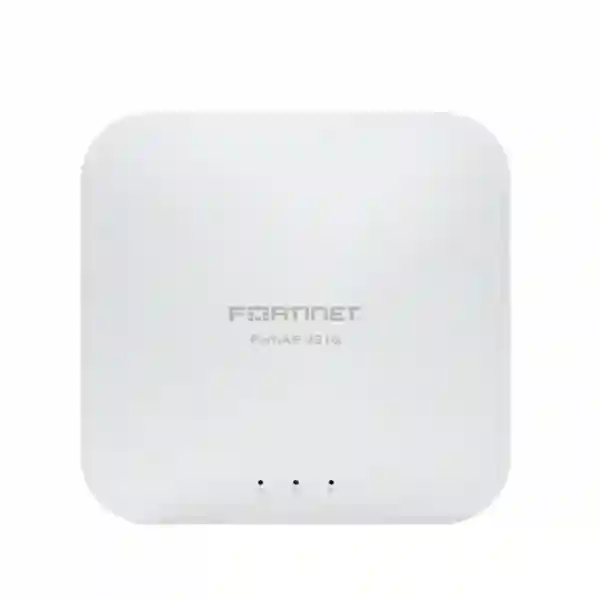
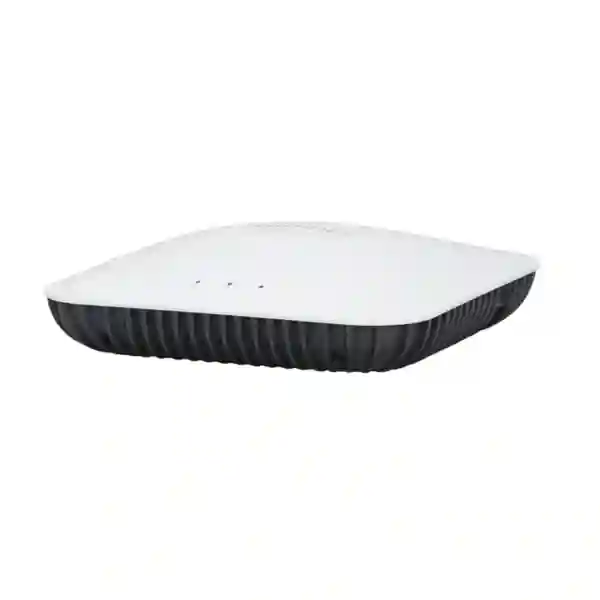
FortiAP FAP-231G Tanzania
FortiAP FAP-231G is a Wi-Fi 6E indoor access point for organizations that want modern wireless capacity integrated with the Fortinet security and management ecosystem. The platform supports tri-radio operation across 2.4 GHz, 5 GHz and 6 GHz, with 2×2 MU-MIMO, and can also be configured for dual-5 GHz operation where the radio design calls for it. For Tanzanian offices, education environments, hospitality networks, branches and distributed enterprises, the practical buying question is not simply whether the access point is fast; it is whether the RF plan, client mix, switching, PoE budget, FortiGate/FortiOS version and security policy are designed together.
FortiAP FAP-231G Overview
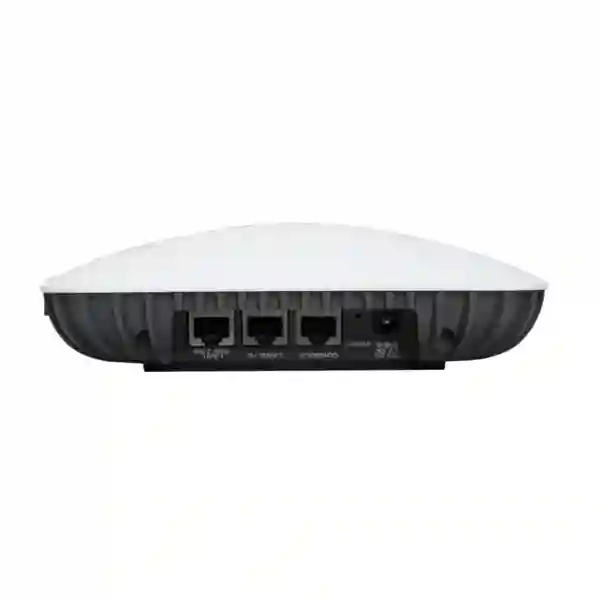
Fortinet documentation identifies the FAP-231G as a Wi-Fi 6E model with three radios and 2×2 MU-MIMO. In its Wi-Fi 6E tri-band profile, the radios can serve 2.4 GHz, 5 GHz and 6 GHz clients. Fortinet also documents a dual-5 GHz profile, giving designers an alternative when the client population or RF environment benefits more from additional 5 GHz capacity than 6 GHz service. The access point provides a multigigabit primary RJ45 interface and a second Gigabit Ethernet interface. This makes upstream switching and cabling part of the performance conversation: buying a modern AP while connecting it to an undersized edge design can restrict the value available from the wireless layer.
The FAP-231G can be managed within Fortinet’s secure networking architecture, including FortiGate-based wireless control. Compatibility should always be checked against the intended FortiOS and FortiAP firmware release before deployment. This is particularly important for organizations standardizing multiple branches, because repeatable firmware, VLAN, SSID, authentication and security-policy baselines reduce operational inconsistency.
Wi-Fi 6E
Tri-band capability can use 2.4 GHz, 5 GHz and 6 GHz, subject to configuration, client support and applicable regulatory availability.
2×2 MU-MIMO
Designed for contemporary business wireless environments where efficient client service and predictable RF planning matter.
Multigigabit Uplink
The primary Ethernet interface supports multigigabit connectivity, helping the wired edge keep pace with modern WLAN design.
Fortinet Management
FortiGate/FortiOS integration enables organizations already using Fortinet security to coordinate wired, wireless and policy operations.
Verified Technical Highlights
| Area | FAP-231G guidance |
|---|---|
| Wireless generation | Wi-Fi 6E / IEEE 802.11ax |
| Radio architecture | Tri-radio; supports tri-band 2.4/5/6 GHz profiles and documented dual-5 GHz mode |
| Spatial configuration | 2×2 MU-MIMO |
| Documented radio data rates | Up to 574 Mbps + 1201 Mbps + 2402 Mbps by radio configuration |
| Ethernet | One 100/1000/2500/5000 Base-T RJ45 plus one 10/100/1000 Base-T RJ45 |
| Power | 802.3at PoE documented as default; reduced functionality applies in documented 802.3af low-power operation |
Planning a FortiAP FAP-231G Deployment
A wireless bill of materials should follow a site and client assessment rather than a simple floor-area rule. Walls, shelving, reinforced structures, neighboring WLANs, device capabilities, expected concurrency, voice and video usage, roaming expectations and mounting positions can all influence access-point quantity and placement. The 6 GHz band can provide valuable additional spectrum for compatible Wi-Fi 6E clients, but its propagation characteristics and client support mean that it should be designed deliberately rather than treated as a universal replacement for 5 GHz.
Power and switching also deserve early attention. The FAP-231G’s default documented PoE mode uses 802.3at. If the edge switch cannot provide the intended power level, feature limitations can apply. Likewise, the presence of a multigigabit AP interface is most useful when the switch port, cabling and upstream architecture support the required design. Procurement teams should therefore request a complete check covering AP quantity, compatible PoE switching, FortiGate capacity, firmware interoperability, cabling and any mounting requirements.
Organizations already operating Fortinet can evaluate the FAP-231G as part of a broader secure-networking design. Explore FourTeck Tanzania technology solutions for related infrastructure planning, or review the wider FourTeck Fortinet solution portfolio when comparing Fortinet security and networking components. Regional projects can also reference FourTeck Uganda, FourTeck Kenya, FourTeck Ghana, FourTeck Nigeria and FourTeck Kuwait for country-specific procurement conversations.
FortiAP FAP-231G Tanzania
For organizations evaluating FortiAP FAP-231G in Tanzania, the strongest procurement approach starts with the business workload and ends with a validated wired-and-wireless design. Corporate offices may need secure employee and guest SSIDs, identity-based access, voice roaming and predictable performance for collaboration applications. Schools and training environments may place greater emphasis on concurrent clients and segmented student, staff and administrative traffic. Hospitality sites may need guest isolation, captive access workflows and careful coverage across rooms and shared spaces. Each of these cases can use the same access-point family but may require different RF profiles, AP density and switching capacity.
The FAP-231G is particularly relevant where an organization wants Wi-Fi 6E capability while remaining within the Fortinet operational model. Compatible 6 GHz clients can use the additional band when the deployment and local regulatory environment permit it, while 2.4 GHz and 5 GHz remain important for existing endpoints and IoT equipment. This mixed-client reality makes a device inventory useful before ordering. Procurement teams should identify laptops, phones, scanners, printers, handheld terminals, cameras and specialist devices that will connect to the WLAN, then classify them by band and security support.
A Tanzania quotation request should include site count, approximate floor plans, expected concurrent users, current FortiGate model and FortiOS version, existing PoE switch details, uplink speeds, VLAN requirements and whether guest wireless is required. Where a new edge design is being built, ask for the AP and switching architecture together. This avoids treating Wi-Fi as an isolated purchase and creates a clearer path to capacity planning, security policy and lifecycle management. FourTeck can use this information to structure a more relevant product discussion without assuming stock, lead time or deployment scope before those items are confirmed.
FortiAP FAP-231G Dar es Salaam
Dar es Salaam businesses commonly operate in environments where wireless connectivity supports a mixture of office productivity, customer service, logistics, conferencing and cloud applications. A FortiAP FAP-231G design for a head office, branch, hotel, education site or professional workspace should begin with density and building layout. Multi-floor premises, partitioned offices and shared commercial buildings can create RF conditions that make access-point placement more important than raw specification figures. A predictive design followed by validation is preferable to spacing APs evenly without regard to walls, interference and client distribution.
For Wi-Fi 6E planning, client capability deserves special attention. Newer laptops and mobile devices may support 6 GHz, while many operational devices remain on 2.4 GHz or 5 GHz. The FAP-231G can accommodate this transition through its tri-radio architecture, but SSID, authentication and radio profiles should be aligned with the endpoint estate. Fortinet also documents dual-5 GHz operation, which can be considered where the design objective favors 5 GHz capacity. The appropriate mode depends on the site rather than a universal preference.
Dar es Salaam buyers should also verify the wired edge. Check PoE budget per switch, multigigabit port availability, cable condition, VLAN trunks and the FortiGate platform that will manage wireless policy. If the project includes a network refresh, treating firewall, switching and wireless as one design can simplify operational standards. For a quotation, provide the number of sites, user count, floor plan, application mix, existing network equipment and desired rollout approach. This allows the discussion to focus on fit and compatibility rather than only unit quantity.
FortiAP FAP-231G Mwanza
Mwanza organizations considering FortiAP FAP-231G can use the model for secure indoor wireless projects where Wi-Fi 6E, centralized management and integration with Fortinet infrastructure are priorities. A practical design for offices, healthcare administration, education, retail operations or hospitality should account for the actual shape and construction of the building. Thick walls, corridors, storage areas and high concentrations of users can change coverage requirements significantly. AP count should therefore be based on RF and capacity planning rather than a generic square-metre estimate.
The model’s 2×2 MU-MIMO and tri-radio architecture make it suitable for modern mixed-device environments, but the value of 6 GHz depends on compatible clients. Existing 2.4 GHz equipment may still be essential for operational devices, while 5 GHz remains central to many enterprise WLANs. During discovery, separate critical business endpoints from guest and convenience devices, then define segmentation and authentication requirements. This helps the wireless design support security objectives instead of merely providing connectivity.
For Mwanza procurement, include the current FortiGate and FortiOS information if FortiGate management is planned. Fortinet publishes compatibility matrices, and version alignment should be checked before implementation. Also document PoE switch capability and available multigigabit ports. If the existing switch estate only provides lower-power or Gigabit access, the design team can determine whether it remains appropriate or should be upgraded. A well-prepared quotation request should cover AP quantity assumptions, mounting locations, switching, cabling, security policies and expected support requirements so the final bill of materials reflects the complete network edge.
FortiAP FAP-231G Arusha
Arusha deployments can span professional offices, tourism and hospitality environments, education, NGOs and distributed business operations, each with different wireless priorities. FortiAP FAP-231G offers a modern Wi-Fi 6E platform, but successful deployment depends on matching radio design to user behavior. Guest-heavy environments may prioritize isolation, onboarding and consistent coverage across common areas, while offices may focus on authenticated corporate access, collaboration traffic, roaming and policy consistency. These needs should be identified before deciding AP placement and quantity.
The tri-band option allows 2.4 GHz, 5 GHz and 6 GHz operation, enabling a gradual transition toward Wi-Fi 6E clients while retaining support for established device populations. However, 6 GHz should be planned with its coverage characteristics in mind. More APs are not automatically better; excessive overlap can create its own RF problems. Site design should consider channel planning, transmit power, expected client density and physical obstructions. For locations with outdoor coverage needs, the indoor FAP-231G should not simply be extended outside; an appropriate outdoor-rated model should be evaluated.
Arusha buyers can improve quotation accuracy by supplying floor plans, ceiling information, estimated concurrent users, guest-network requirements and existing switch/firewall details. If multiple properties or branches are involved, include the desired configuration standard and central-management approach. The aim is to create repeatable WLAN policy while allowing RF tuning for each site. Confirm firmware compatibility and PoE requirements during design, and keep pricing, availability and delivery expectations subject to the specific quotation rather than assumptions based on the model name alone.
FortiAP FAP-231G Dodoma
Dodoma organizations planning secure wireless for administrative, commercial, education or institutional facilities can evaluate the FortiAP FAP-231G where Fortinet-managed Wi-Fi 6E aligns with their architecture. The most useful starting point is a requirements matrix covering coverage, capacity, security and operations. Coverage asks where service must reach; capacity asks how many active devices and what applications they use; security defines segmentation and authentication; operations determines how the WLAN will be monitored, upgraded and supported.
FAP-231G provides flexibility through tri-band and documented dual-5 GHz profiles. A site with a growing population of Wi-Fi 6E endpoints may value 6 GHz, while another environment may prioritize 5 GHz capacity. The decision should be informed by endpoint inventory and RF design. Legacy devices should be identified early because their band and security limitations can affect SSID strategy. Guest, staff and operational traffic should also be separated according to organizational policy rather than placed on a single shared wireless network.
From a procurement perspective, verify the edge infrastructure that will power and connect the APs. The default documented power mode uses 802.3at PoE, and the primary interface supports multigigabit Ethernet. Check the planned switch accordingly and include uplink capacity in the design. For FortiGate-managed deployments, record the FortiGate model and software release so compatibility can be validated. Dodoma projects covering several buildings should also define whether configuration templates, VLAN conventions and security policies need to be standardized across sites. These details turn an AP purchase into a manageable wireless architecture.
FortiAP FAP-231G UAE
UAE buyers evaluating FortiAP FAP-231G often operate high-density offices, hospitality properties, retail environments, warehouses and multi-branch networks where secure wireless is part of a wider Fortinet architecture. The FAP-231G’s Wi-Fi 6E capability can support modern client estates, while its tri-radio design provides options for 2.4 GHz, 5 GHz and 6 GHz service. Deployment should nevertheless be driven by a professional RF plan, particularly in dense commercial buildings where neighboring wireless networks and high client counts can influence channel utilization.
A multigigabit-capable AP should be paired with appropriate access switching when the design calls for higher wired throughput. Check PoE budget, port speed and cable category across the planned installation. FortiGate-managed WLANs should also be checked against the current compatibility matrix and approved firmware strategy. Where an organization spans multiple sites, common SSID, VLAN, authentication and security-policy templates can simplify administration, while RF settings remain tailored to each physical environment.
Procurement teams should provide building plans, user density, endpoint types, guest requirements, existing Fortinet equipment and rollout timing when requesting a quotation. The model may also be compared with newer FortiAP families when lifecycle, Wi-Fi generation or long-term standardization is a key consideration. FourTeck’s UAE technology site and Fortinet-focused UAE resource provide regional paths for discussing broader Fortinet requirements.
FortiAP FAP-231G Uganda
For Uganda-wide branch, campus and office projects, FortiAP FAP-231G can be assessed as a secure Wi-Fi 6E component within a Fortinet-managed network. Organizations with multiple sites benefit from defining a repeatable architecture: consistent SSID naming, VLAN mapping, authentication, guest access and security policy can reduce operational variation. The physical RF design should still be site-specific because building materials, floor plans and device density differ from one location to another.
Wi-Fi 6E introduces 6 GHz capability for compatible clients, while the FAP-231G continues to address 2.4 GHz and 5 GHz requirements. Before choosing a radio profile, inventory client devices and identify which business applications are sensitive to latency, roaming or congestion. Video meetings, voice, cloud applications and handheld operational devices can create different requirements. Fortinet’s documented dual-5 GHz mode may be relevant for some client mixes, whereas other sites may benefit from tri-band operation.
Uganda procurement should also cover the wired infrastructure. Confirm 802.3at PoE planning, switch port speeds, uplink capacity and FortiGate/FortiOS compatibility. A quote request is stronger when it includes the number of branches, approximate AP count, user density and current equipment. For country-specific technology discussions, visit FourTeck Uganda. Pricing, availability, implementation and support scope should be confirmed in the project quotation rather than assumed from general product information.
FortiAP FAP-231G Kampala
Kampala offices and commercial facilities frequently combine employee devices, guests, collaboration systems and operational endpoints on the same physical WLAN infrastructure. FortiAP FAP-231G can support a segmented approach when integrated with the appropriate Fortinet policy design. Rather than creating one broad SSID for every device, buyers should define user groups, trust levels and application requirements. Corporate endpoints, guest users and IoT devices may require different authentication, VLAN and access policies.
The FAP-231G’s Wi-Fi 6E tri-band capabilities provide a path for compatible 6 GHz clients while maintaining 2.4 and 5 GHz service. In dense offices, however, capacity planning matters as much as coverage. A strong signal does not guarantee a good user experience if too many active clients compete for airtime or if the wired uplink becomes constrained. Floor plans, meeting-room occupancy, open-office seating and high-traffic zones should therefore be incorporated into the AP design.
Kampala buyers should ask for validation of PoE, switch speed and FortiGate compatibility before finalizing the bill of materials. If existing switches are being retained, document their model, available power budget and port capabilities. If the WLAN is part of a broader refresh, align switching and firewall design at the same time. This reduces the risk of purchasing an AP whose available capabilities cannot be fully supported by the edge network. Include firmware standards and management responsibilities in the rollout plan as well as hardware quantities.
FortiAP FAP-231G Arua
Arua organizations considering FortiAP FAP-231G may be planning a single business site or a branch connected to a wider enterprise network. In either case, wireless design should be tied to business continuity and operational simplicity. Start by identifying coverage zones, expected users, critical applications and any areas where roaming is required. For branch deployments, standardizing configuration with the wider organization can make troubleshooting and policy management easier.
The Wi-Fi 6E capability of the FAP-231G should be evaluated against the actual endpoint estate. Newer devices can potentially use 6 GHz, while older endpoints remain dependent on 2.4 or 5 GHz. This mixed environment is normal, so radio profiles should balance compatibility and capacity. The documented dual-5 GHz option also gives designers flexibility where 5 GHz service is more valuable than enabling 6 GHz at a particular site. Decisions should be made after considering device support and RF conditions.
For procurement, check power and switching before ordering APs. The documented default is 802.3at PoE, and the primary network interface supports multigigabit speeds. The existing access switch may therefore need to be reviewed for both PoE budget and port capability. If FortiGate will manage the WLAN, provide the appliance model and FortiOS version for compatibility checking. A clear quotation request should also identify installation expectations, mounting conditions, cabling readiness and whether the site needs guest access or special segmentation.
FortiAP FAP-231G Mbarara
Mbarara business, education and institutional wireless projects can evaluate the FAP-231G when a Fortinet-managed Wi-Fi 6E access layer fits the network strategy. The access point should be selected as part of a system rather than in isolation. User density, floor layout, application traffic and endpoint types determine wireless requirements, while the switch, firewall and cabling determine how effectively the AP integrates into the wired network.
In a mixed-device environment, the 2.4 GHz band may remain important for legacy or IoT endpoints, 5 GHz may carry much of the mainstream client load, and 6 GHz can serve compatible Wi-Fi 6E devices. The FAP-231G supports tri-band operation and Fortinet documents an alternative dual-5 GHz profile. A design review can determine which approach is appropriate. Security should be considered at the same time, including authentication, guest isolation, VLAN segmentation and access to internal resources.
Mbarara procurement teams can reduce redesign by documenting existing infrastructure before requesting final quantities. Record PoE switch models, available power, uplink capacity, FortiGate details and firmware versions. Provide a floor plan and estimated concurrent client count rather than only total employee numbers. If voice or real-time collaboration is important, identify those applications explicitly. These inputs help determine whether coverage or capacity is the dominant design constraint and whether related switch or firewall changes should be included in the project scope.
FortiAP FAP-231G Gulu
Gulu deployments for offices, education, healthcare administration, NGOs and other organizations can use a structured approach to assessing FortiAP FAP-231G. Begin with the services the WLAN must support, then map those services to coverage and capacity requirements. Staff access, guest internet, cloud applications, voice, video and operational devices can each place different demands on wireless infrastructure. This information is more useful for sizing than a simple request for a certain number of access points.
Wi-Fi 6E provides access to the 6 GHz band for compatible devices, and the FAP-231G combines that capability with 2.4 and 5 GHz operation. Since client estates evolve over time, buyers should consider both current endpoints and the likely refresh cycle. A site dominated by older clients may use the radio resources differently from one adopting newer laptops and phones. Fortinet’s documented profile options provide flexibility, but configuration should be based on design evidence rather than defaults alone.
Gulu buyers should also validate the PoE and switching environment. Confirm that the planned switch can supply the required power and that port/uplink capacity aligns with the WLAN design. For FortiGate control, check software compatibility and establish a firmware maintenance plan. Where Gulu is one branch in a larger network, use common policy templates where practical, while allowing local RF tuning. A quotation request should include branch count, user estimates, floor plans and existing Fortinet equipment to support a more accurate technical discussion.
FortiAP FAP-231G Kenya
Kenyan organizations assessing FortiAP FAP-231G may be upgrading from older Wi-Fi generations, expanding a Fortinet deployment or standardizing secure wireless across multiple sites. Wi-Fi 6E adds 6 GHz capability for supported clients, but migration planning should include the complete endpoint mix. A phased approach can maintain service for existing 2.4 and 5 GHz devices while allowing newer endpoints to benefit from the additional spectrum where appropriate.
The FAP-231G is a 2×2 MU-MIMO tri-radio model with a multigigabit primary Ethernet interface. That makes access switching an important part of the solution. Check PoE budget, multigigabit support and upstream capacity, especially in offices with substantial cloud, collaboration or local application traffic. Where FortiGate is used for WLAN control, validate the FortiOS/FortiAP compatibility matrix and define a software lifecycle policy for all sites.
Kenya procurement teams should provide site plans, concurrent user estimates, endpoint categories and security requirements when seeking a quotation. Include whether guest access, separate business units, voice roaming or IoT segmentation are needed. This enables AP selection and placement to be discussed alongside firewall and switching requirements. For regional enquiries, FourTeck Kenya provides a country-specific path for related technology requirements. Commercial terms, stock and deployment scope should be confirmed in the resulting quotation.
FortiAP FAP-231G Kuwait
Kuwait organizations considering FortiAP FAP-231G can evaluate it for secure indoor WLAN projects where Wi-Fi 6E and Fortinet integration are required. Dense offices and commercial environments benefit from capacity-led design: meeting rooms, open-plan areas and visitor spaces can produce concentrated client loads that are not obvious from floor area alone. A proper RF plan should account for expected concurrency, application traffic and neighboring wireless networks.
The FAP-231G’s tri-radio architecture supports 2.4 GHz, 5 GHz and 6 GHz profiles, while Fortinet also documents dual-5 GHz operation. Endpoint inventory should guide the choice. Organizations with a substantial Wi-Fi 6E client population may prioritize 6 GHz, while others may find different radio allocation more suitable. Security design should cover authentication, guest access, segmentation and the relationship between wireless policy and the FortiGate security layer.
Before purchase, verify switch PoE and port capability, cable infrastructure, FortiGate model and software compatibility. A multigigabit AP is best evaluated together with the wired access layer rather than as an isolated device. Kuwait buyers can use FourTeck Kuwait for regional technology enquiries. For a useful quotation, provide AP quantity estimates, floor plans, user counts and current network hardware, and request confirmation of commercial availability and project scope.
FortiAP FAP-231G Ghana
Ghana deployments can assess FortiAP FAP-231G for offices, education, hospitality and branch environments that need centrally managed Wi-Fi 6E within a Fortinet architecture. The design process should distinguish coverage from capacity. Coverage ensures that clients can reach the WLAN in required areas, while capacity ensures that the network can serve the number and type of active devices expected there. High-occupancy rooms may need a different design from corridors or lightly used office areas.
Because the FAP-231G supports 2.4, 5 and 6 GHz tri-band operation, it can support a mixed client estate during Wi-Fi 6E adoption. Compatibility and security capabilities vary by endpoint, so a device inventory is useful. Guest devices, managed corporate endpoints and IoT equipment should not automatically share the same access policy. Define VLAN and authentication requirements alongside radio design so wireless security reflects business roles.
Ghana buyers should validate the 802.3at PoE design, switch port speeds and FortiGate/FortiOS compatibility before finalizing quantities. For multi-site projects, establish configuration and firmware standards that can be repeated across branches. FourTeck Ghana provides a regional route for technology discussions. A complete enquiry should identify site count, floor plans, concurrent users, application priorities and current Fortinet equipment so the solution can be evaluated as a connected network rather than a standalone AP purchase.
FortiAP FAP-231G Nigeria
Nigeria enterprises and growing organizations may consider FortiAP FAP-231G when modernizing secure wireless or extending an existing Fortinet network. Multi-branch environments can benefit from consistent configuration and security policy, but each physical site still requires RF planning. User density, construction, neighboring WLANs, application mix and device types can all affect AP quantity and placement. Standardization should therefore focus on policy and operations without assuming identical radio settings everywhere.
Wi-Fi 6E can provide additional spectrum for compatible clients, while the FAP-231G retains 2.4 and 5 GHz capability. Organizations should identify how quickly their device estate is moving toward Wi-Fi 6E and whether critical operational endpoints have special requirements. Fortinet’s documented dual-5 GHz profile gives designers another option where client distribution favors 5 GHz capacity. The selected mode should follow the site survey and business requirements.
Nigeria procurement should include a wired-edge assessment. Check 802.3at PoE availability, multigigabit port support, uplink capacity and FortiGate compatibility. For large rollouts, also define firmware, monitoring and change-management procedures before deployment. Visit FourTeck Nigeria for regional technology enquiries. A quotation request should include branch count, user density, floor plans, existing Fortinet models and desired security segmentation, with stock, lead time and service scope confirmed specifically for the project.
FortiAP FAP-231G Seychelles
Seychelles organizations evaluating FortiAP FAP-231G may include hotels, offices, education environments and multi-building properties where reliable secure wireless is central to operations. Hospitality and guest-oriented environments need particular attention to room layouts, shared areas, back-office networks and guest isolation. A single AP model can be part of the solution, but indoor and outdoor areas should be assessed separately and outdoor coverage should use equipment designed for that environment.
The FAP-231G supports Wi-Fi 6E tri-band operation, allowing compatible clients to use 6 GHz while established devices continue on 2.4 or 5 GHz. Guest device diversity makes this backward-looking compatibility planning important. Capacity should be estimated from concurrent clients and application usage rather than room count alone. Conference areas, restaurants, lobbies and staff workspaces can create peaks that require deliberate AP placement and channel planning.
Seychelles procurement should also verify switching and power. The documented default PoE requirement is 802.3at, and the AP provides a multigigabit primary Ethernet interface. Confirm that the access layer and cabling fit the intended design. If FortiGate is used for management, validate software compatibility and security policy before rollout. Provide floor plans, occupancy patterns, guest-network expectations and existing equipment when requesting a quotation, and confirm logistics, availability and implementation scope for the specific project rather than relying on general regional assumptions.
Related Fortinet and FourTeck Planning Resources
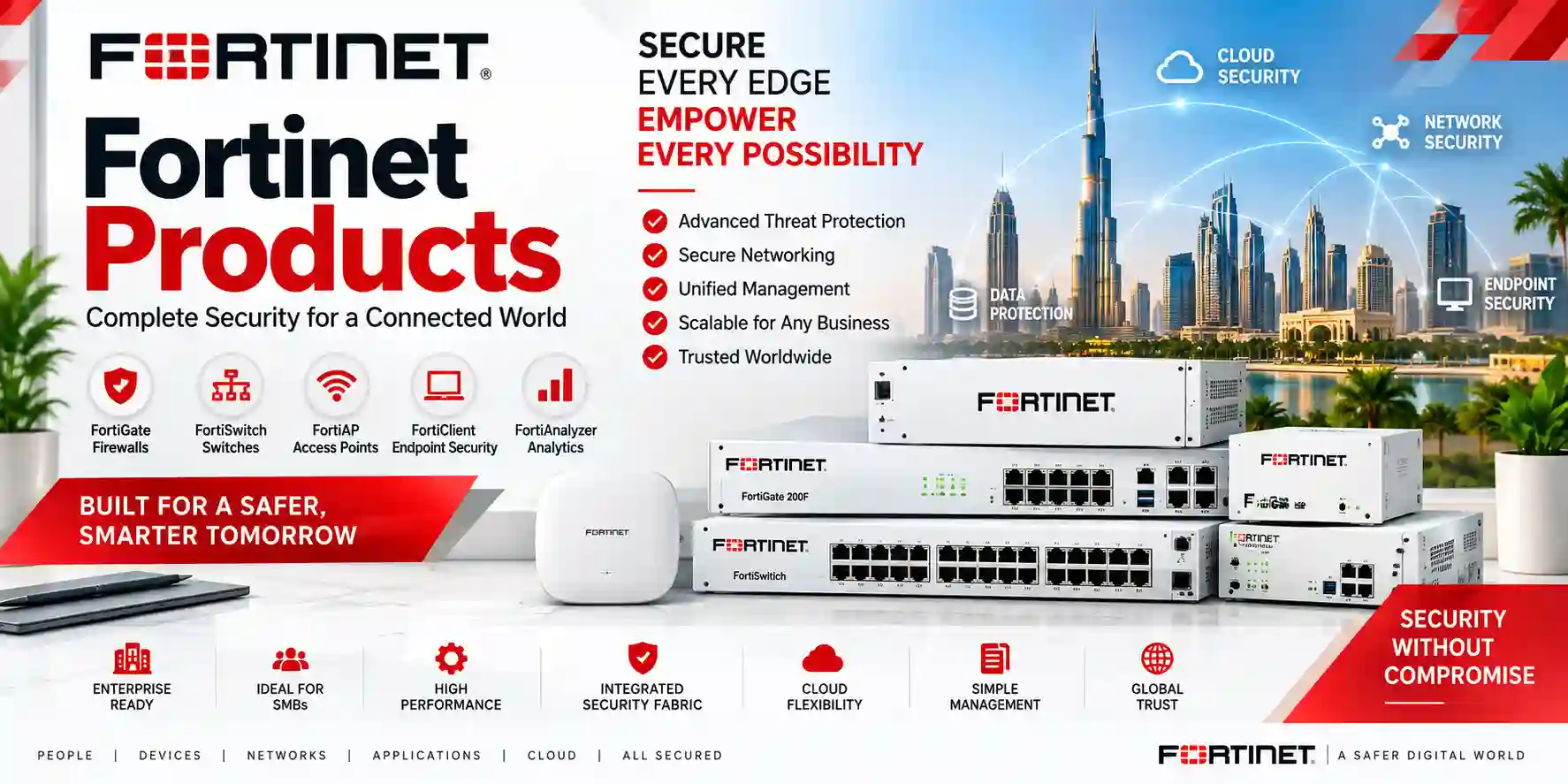
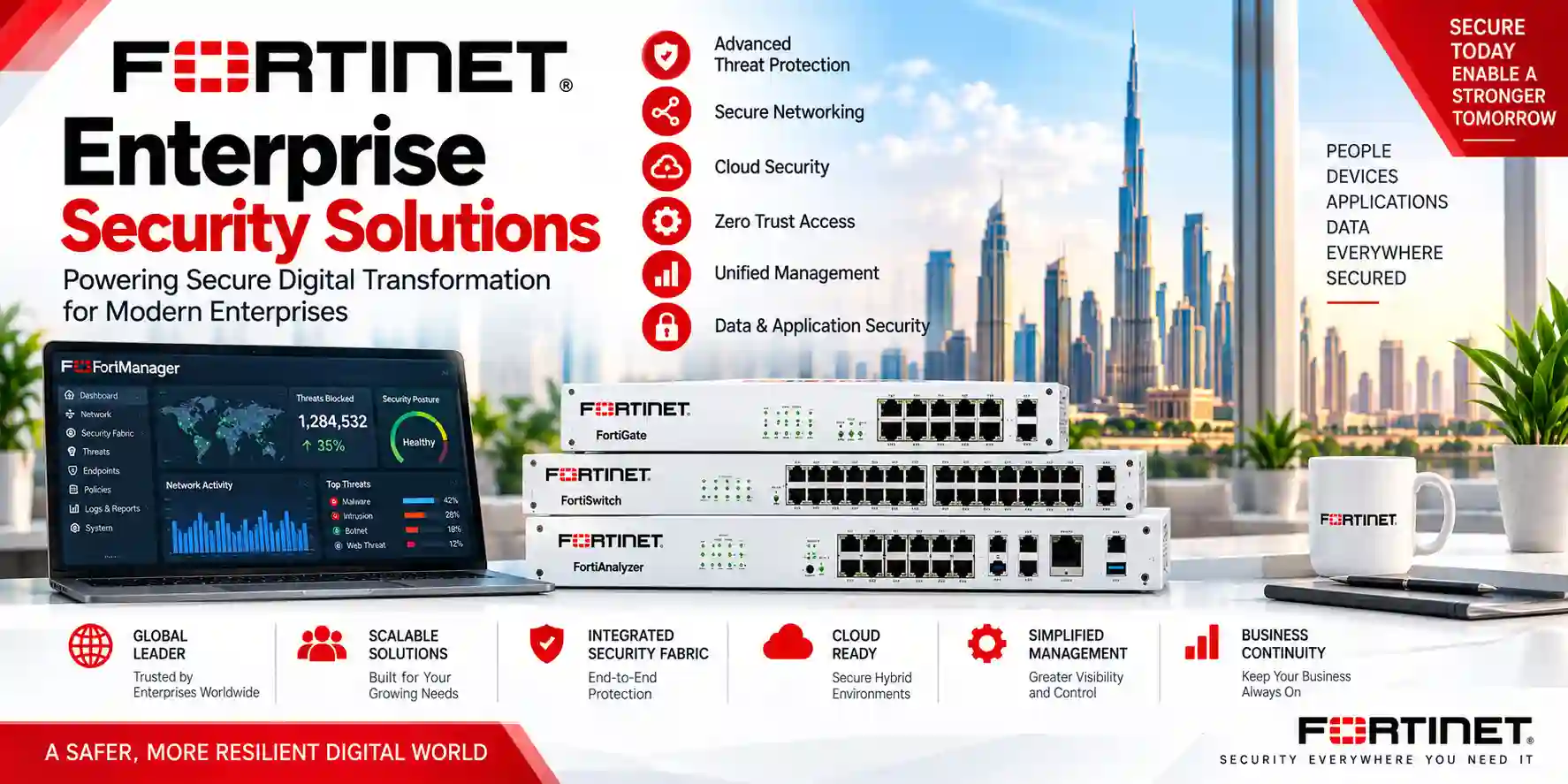
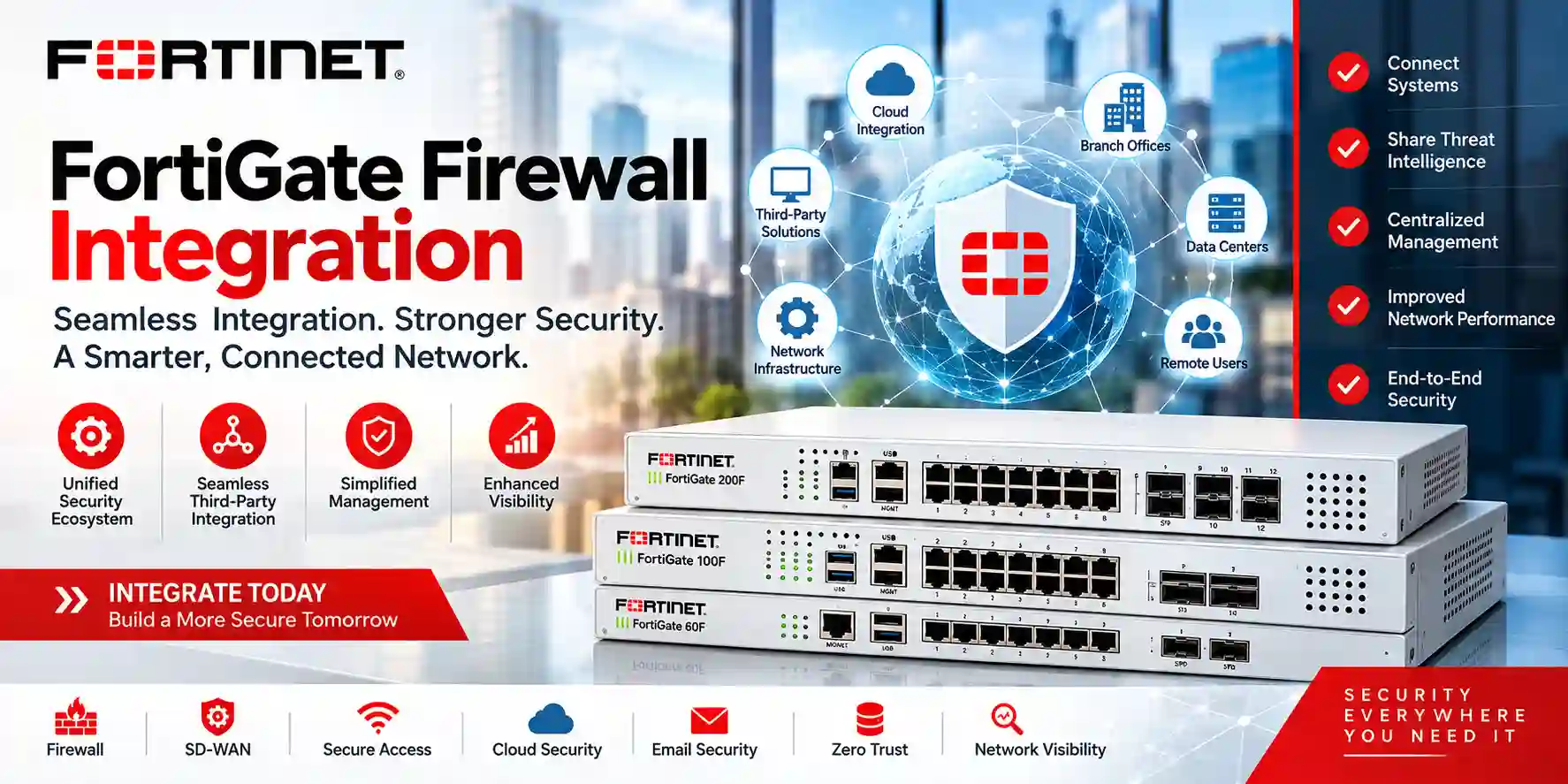
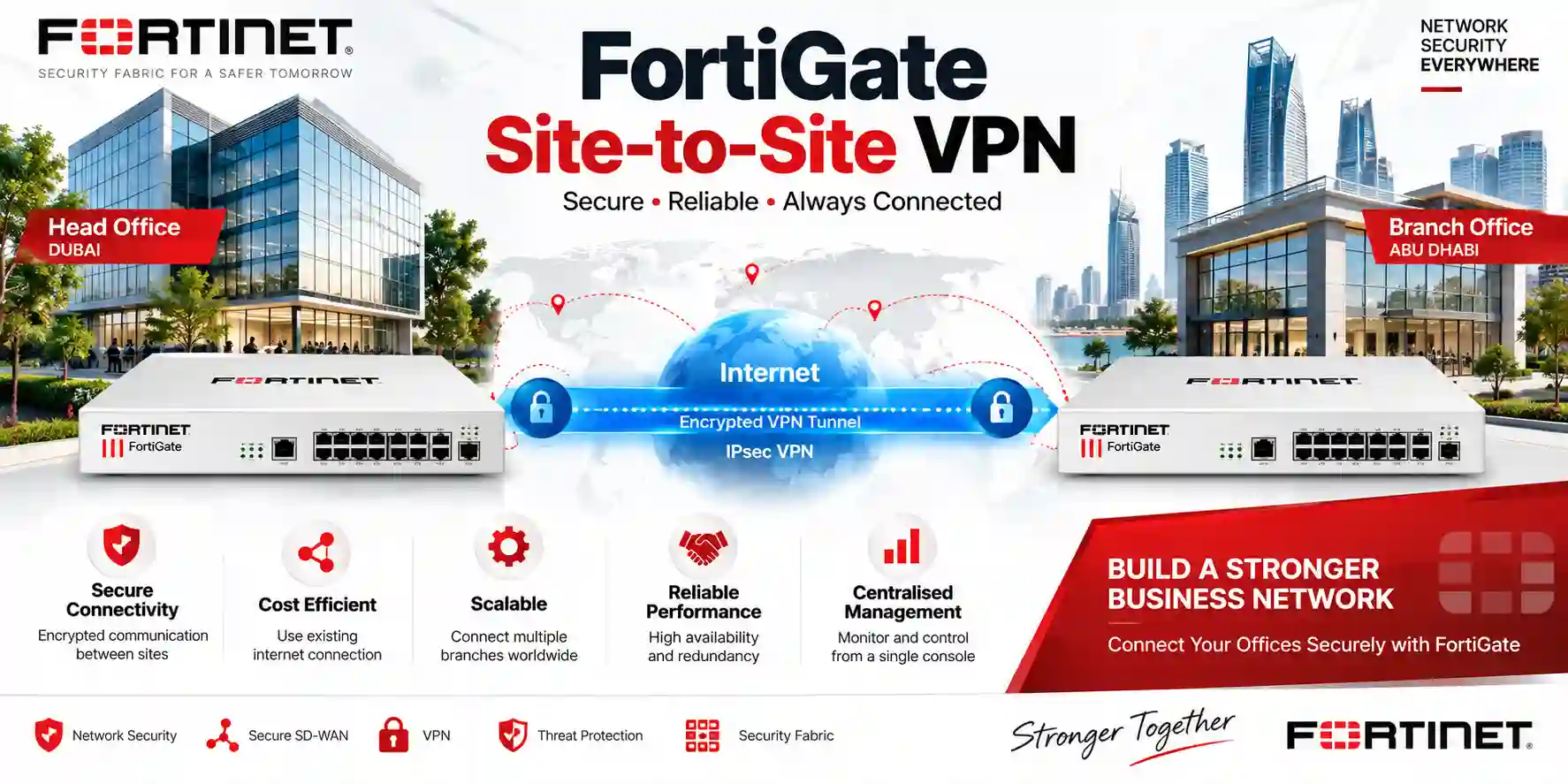
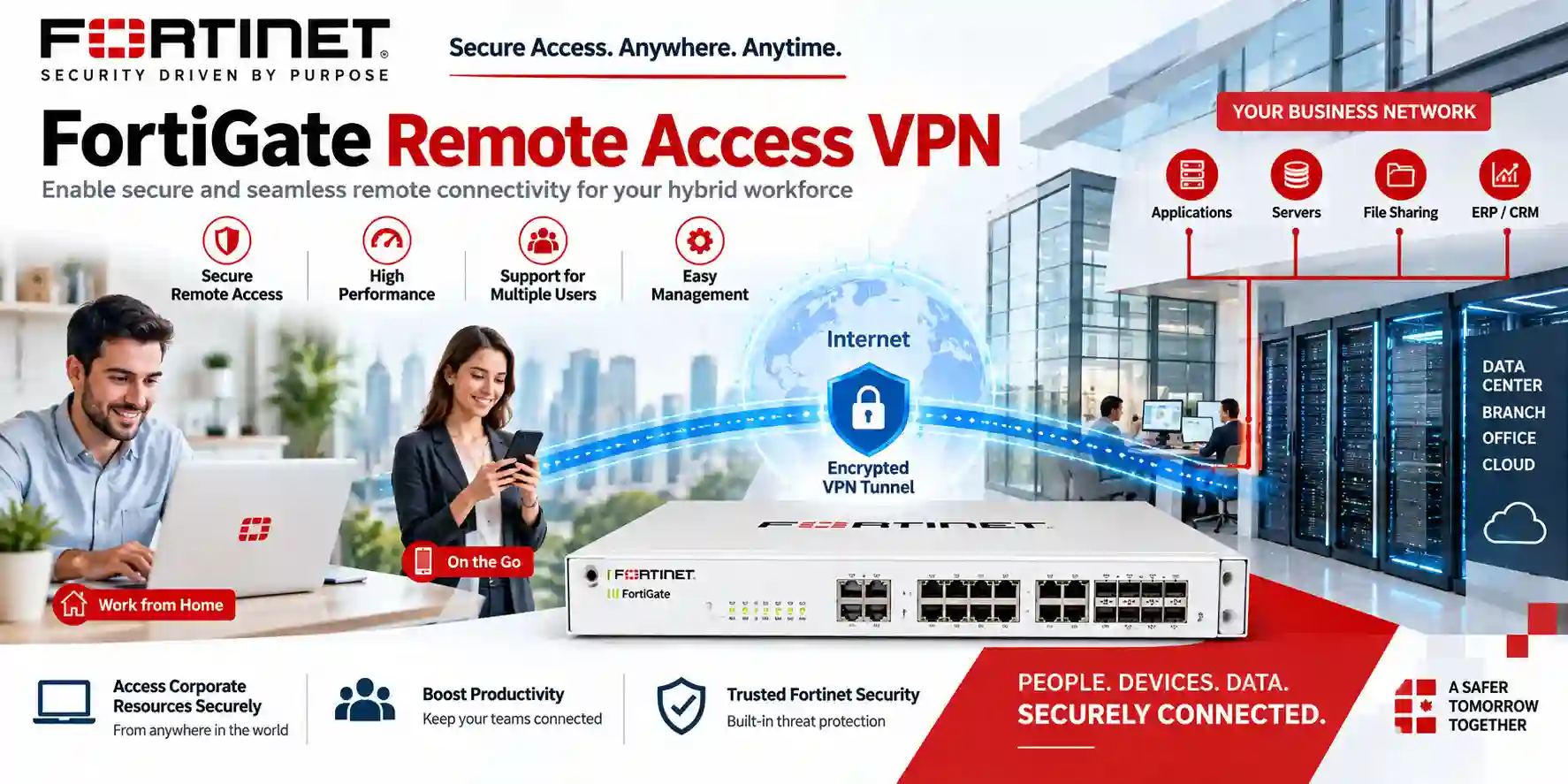
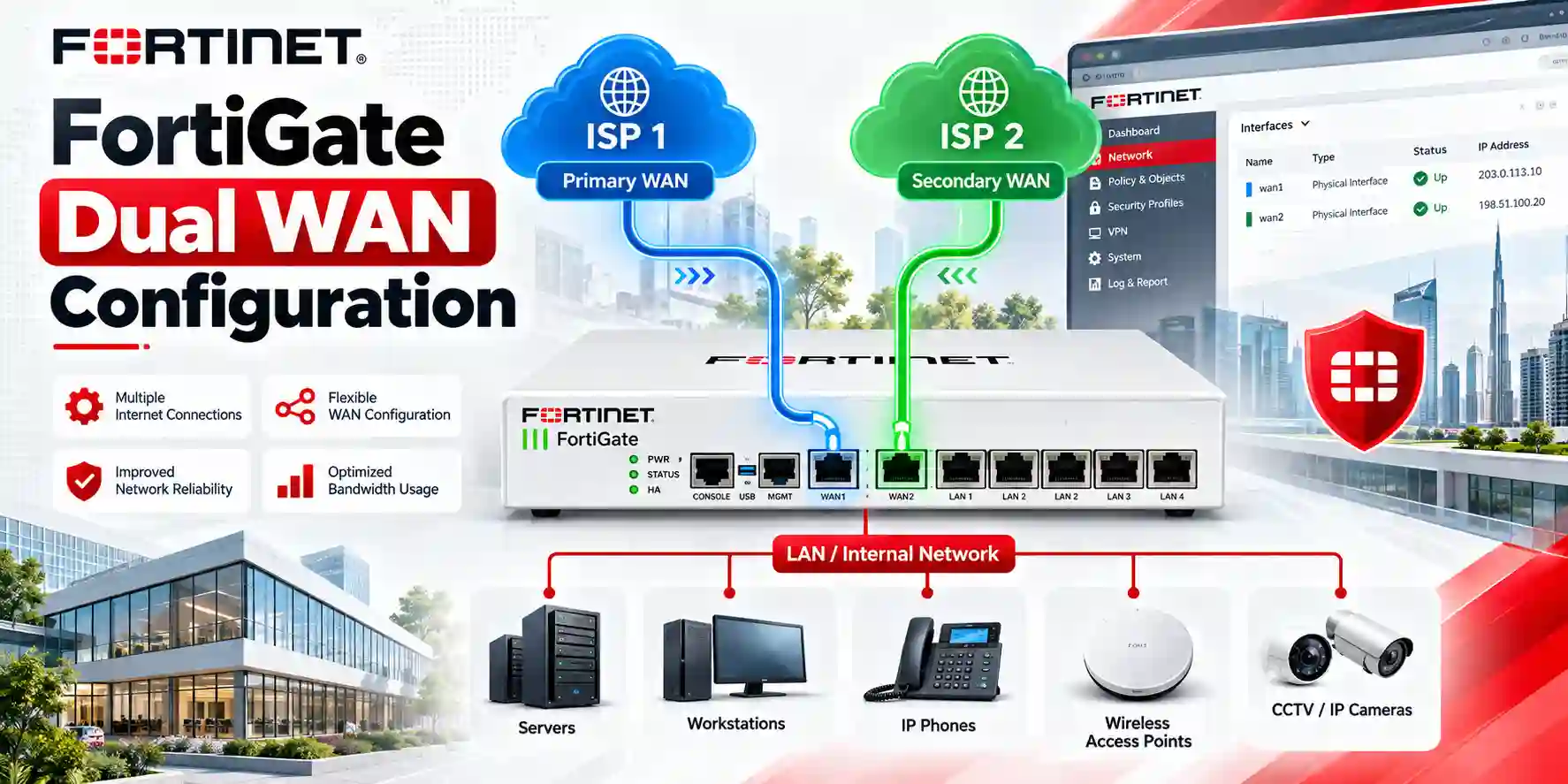
A FortiAP deployment often touches firewall policy, switching, internet resilience and secure remote connectivity. On the Tanzania site, the following verified media topics illustrate related Fortinet solution areas that can be considered during broader network planning: Fortinet products in Tanzania, Fortinet enterprise security solutions, Fortinet small-business security, FortiGate firewall integration, FortiGate site-to-site VPN, FortiGate remote-access VPN and FortiGate dual-WAN failover. These related topics matter because secure WLAN projects often rely on the firewall, WAN and segmentation architecture surrounding the access points.
FortiAP FAP-231G Buying Checklist
Provide floor plans, wall construction, mounting height, concurrent users, meeting-room density and roaming requirements.
Identify Wi-Fi 6E-capable endpoints, legacy 2.4/5 GHz devices, IoT equipment and security/authentication constraints.
Confirm PoE budget, switch port speeds, cabling, VLAN trunks and upstream capacity.
Record FortiGate model, FortiOS release and the intended FortiAP firmware so compatibility can be checked.
FortiAP FAP-231G FAQs
Is the FortiAP FAP-231G Wi-Fi 6E?
Yes. Fortinet documents the FAP-231G as a Wi-Fi 6E access point supporting IEEE 802.11ax and tri-band 2.4 GHz, 5 GHz and 6 GHz operation. Actual use of 6 GHz also depends on client capability, configuration and applicable regulatory availability.
Can FAP-231G operate with two 5 GHz radios?
Fortinet documents a dual-5 GHz platform mode for G-series models including the FAP-231G. In that mode, 6 GHz operation is unavailable, so the choice should be based on the RF plan and client requirements.
What PoE should be planned?
Fortinet documents one 802.3at PoE connection as the default power mode for the FAP-231G. A reduced-function 802.3af mode is also documented, so switch power should be checked before deployment.
Does it have a multigigabit Ethernet port?
Yes. Fortinet documentation lists one 100/1000/2500/5000 Base-T RJ45 interface and one additional 10/100/1000 Base-T RJ45 interface.
What information should I send for a Tanzania quotation?
Send the site count, floor plans, approximate concurrent users, device types, guest requirements, existing FortiGate and switch models, FortiOS version, PoE availability and any special roaming, voice or segmentation requirements. These details support a more useful technical and commercial review.
Decision Recap and Consultation
FortiAP FAP-231G is a strong candidate to evaluate when the requirement is for an indoor Fortinet Wi-Fi 6E access point with 2×2 MU-MIMO, tri-radio flexibility, multigigabit wired connectivity and integration with Fortinet management. The purchasing decision should still be validated against RF coverage, client density, 6 GHz adoption, PoE, switching and FortiOS compatibility. FourTeck can review these inputs and help prepare a project-specific quotation without relying on unverified assumptions about stock, price, lead time or implementation scope.



Reviews
There are no reviews yet.