
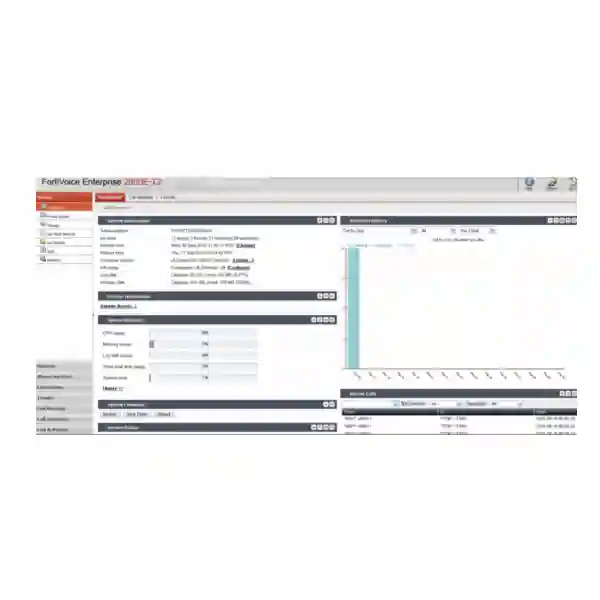
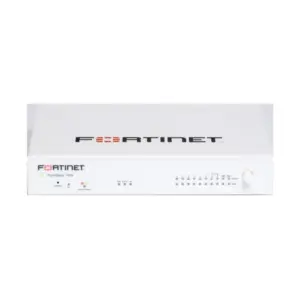
FortiVoice Enterprise Series Tanzania
FortiVoice Enterprise Series is Fortinet’s business phone-system family for organisations that need centrally administered voice communications rather than isolated desk phones. The platform combines enterprise PBX functions with unified communications capabilities including voice, conferencing and fax, while current Fortinet documentation covers physical and virtual deployments, gateways, user administration, monitoring and related FortiFone endpoints. For a Tanzania project, the right starting point is not a model number alone. Buyers should document extension count, expected simultaneous calls, carrier trunks, branch topology, endpoint mix, recording or queue requirements, resilience expectations and growth before selecting a platform.
What FortiVoice Enterprise Series is designed to solve
Business telephony becomes difficult when extensions, public numbers, voicemail, reception workflows, queues, remote users and branches are managed separately. FortiVoice brings these functions into a unified administrative environment. Fortinet documents core phone-system functions including auto attendants, voice messaging, ring groups, conferencing, user portals, operator and call-centre capabilities, with feature availability depending on model, software release and licensing. This makes the family relevant to organisations replacing legacy PBX equipment, standardising branch communications or building an IP-based voice environment alongside an existing Fortinet network.
A sound procurement process separates business requirements from product selection. Count named users and shared endpoints, then estimate peak concurrent calls rather than assuming every extension calls externally at once. Record SIP, analogue or PRI requirements; direct numbers; reception and after-hours behaviour; queue needs; call recording; conference usage; remote working; fax or analogue devices; and branch survivability expectations. These inputs help determine whether a physical appliance, virtual deployment or a more distributed architecture is appropriate.
Calling workflows
Plan extensions, trunks, dial plans, auto attendants, groups, voicemail, transfers, schedules and escalation paths around real business processes.
Network readiness
Voice quality depends on LAN and WAN design, latency, jitter, packet loss, VLANs, QoS, PoE capacity, firewall policy and carrier performance.
Lifecycle planning
Confirm the exact model, software branch, support term, optional services, endpoint compatibility and regional availability at quotation time.
FortiVoice Enterprise capabilities and buying considerations
Fortinet positions FortiVoice as a unified communications solution with integrated voice, conferencing and fax and a centralized management platform. Current documentation includes administration guides, REST API material, ports and protocols references, compatibility information and deployment guides for FXO, FXS and PRI gateways. The practical implication is that FortiVoice should be evaluated as a communications system, not just a box. The selected design must account for the telephone service entering the building, the endpoints users operate, the network carrying the traffic and the operational team that will administer the service.
Enterprise features can vary across models and software versions. Before purchasing, identify which functions are mandatory and validate them against the exact target platform. Examples include call queues, call recording, operator workflows, conferencing, remote extensions, reporting, gateway integration and high-availability or survivability requirements. Procurement teams should avoid treating a family-level feature list as a guarantee that every feature is bundled with every model.
Licensing deserves the same discipline. Fortinet’s documentation instructs buyers to identify the relevant order information and work through a Fortinet partner for product licensing. A commercial request should therefore state the appliance or virtual requirement, support term, optional services, phone quantities, gateway requirements and implementation scope separately. This makes the quotation easier to review and helps the IT team understand which components may need renewal later.
FortiVoice Enterprise Series Tanzania
Tanzania organisations considering FortiVoice commonly need to modernise a legacy PBX, connect multiple departments, support branch calling or create a more manageable reception and customer-service workflow. The first design task is to document how calls enter and leave the organisation. Record the telecom provider, SIP or legacy line type, public numbers, number ranges, business hours, after-hours destinations, departmental groups and expected peak calling. For a headquarters with branches, also identify whether calls are centralized through one site or whether each location keeps local carrier connectivity.
Network preparation is especially important for IP voice. A Tanzania deployment may span fibre, fixed wireless, mobile backup or private WAN services, and each path can behave differently under load. Voice VLANs, QoS, switch PoE budgets and firewall rules should be planned before phones are rolled out. Where a FortiGate environment is already present, the voice project can be coordinated with segmentation, VPN and SD-WAN policy, but interoperability still needs to be tested with the chosen carrier and software versions. Review the wider FourTeck Tanzania technology portfolio when the telephony project also requires network or security planning.
Procurement should include growth headroom rather than selecting solely from today’s headcount. A business with many employees but light external calling has a different capacity profile from a service desk with intensive queues and recording. Include remote users, meeting rooms, common-area phones, reception consoles, warehouse endpoints and analogue devices in the inventory. Ask for the quote to distinguish hardware, FortiFone endpoints, gateways, support, licenses and professional services. Current availability, lead time and regional ordering details should be confirmed at the time of quotation rather than assumed from a global data sheet.
FortiVoice Enterprise Series Dar es Salaam
Dar es Salaam businesses often operate in environments where customer-facing calling, headquarters functions and connectivity to branches converge. For a FortiVoice design, start with departments that handle the highest call volume: reception, sales, support, reservations, finance and operations. Map direct inward numbers, queues, hunt groups, voicemail rules and escalation paths so the PBX configuration reflects how customers are actually served. A larger office should also document conference demand, call recording policies and operator-console requirements.
Connectivity planning should cover the primary internet or private WAN service and the desired behaviour during an outage. A second link can improve network resilience, but telephony continuity also depends on carrier routing, DNS, firewall policy and how extensions reach the FortiVoice system. If branch sites rely on the Dar es Salaam system, test what happens when the inter-site path is interrupted. Business continuity requirements may affect gateway, survivability and architecture decisions, so they should be defined before the final bill of materials.
For offices replacing an older PBX, create a migration inventory before disconnecting existing services. Capture extension numbers, DIDs, analogue lines, fax devices, door phones, paging, receptionist keys and after-hours messages. Decide which items are retained, redesigned or retired. This reduces surprises during cutover and creates a clear acceptance test. Buyers should request a quotation that identifies the FortiVoice platform, endpoints, support term, carrier dependencies, configuration scope, migration responsibilities and user handover rather than comparing appliance prices alone.
FortiVoice Enterprise Series Mwanza
Mwanza organisations can use a FortiVoice project to standardise communications between administration, sales, field operations, warehouses, clinics, schools or distributed service locations. The design should begin with extension roles. Desk-based staff may need FortiFone endpoints with transfer and programmable-key functions, while mobile or remote personnel may need supported softclient workflows. Shared spaces such as reception desks, meeting rooms and security posts should be counted independently from employee headcount.
For sites connected to other Tanzania locations, WAN quality matters as much as PBX capacity. Measure latency, jitter and packet loss during busy periods and confirm that switches provide sufficient PoE for the planned phone estate. Segment voice traffic where appropriate and establish QoS so large downloads or cloud backups do not unexpectedly degrade calls. If internet connectivity is variable, discuss whether local calling continuity or alternate carrier paths are required and validate those needs against supported FortiVoice deployment options.
A quotation request should include user count, expected concurrent calls, public-number requirements, trunk type, endpoint quantities, branch links, analogue devices and support expectations. Buyers should also state whether they need supply only, configuration, migration, testing or training. This distinction is important because a product purchase does not automatically include carrier coordination or a full deployment service. Confirm current model availability and licensing before purchase, particularly when a project has a fixed commissioning date.
FortiVoice Enterprise Series Arusha
Arusha businesses in hospitality, tourism, professional services, education and multi-site operations can have communication requirements that extend beyond ordinary office extensions. Reception, reservations, guest services, back office and mobile teams may each need different call handling. FortiVoice planning should therefore begin with a call-flow workshop: identify the numbers customers call, who answers first, where unanswered calls go, what happens outside business hours and which users require voicemail, queues, recording or conference functions.
Hospitality or specialised integration requirements should be validated carefully rather than inferred from general PBX features. If the project depends on property-management integration, analogue guest-room devices, paging, emergency calling or third-party applications, record the exact system names and versions and verify compatibility for the chosen FortiVoice release. This prevents a broad feature statement from becoming an unsupported integration assumption.
Infrastructure readiness includes structured cabling, PoE switching, UPS capacity, rack or desktop placement, LAN addressing, VLANs and WAN connectivity. A staged deployment can reduce operational risk: configure the core system, build users and call flows, provision a pilot set of phones, test inbound and outbound routes, then expand. Procurement should include endpoint quantities, spares strategy, gateway needs, support terms and future growth. For regional projects that extend beyond Tanzania, FourTeck Africa provides a related regional technology reference for broader African requirements.
FortiVoice Enterprise Series Dodoma
Dodoma organisations planning a business phone-system refresh should document governance and operational requirements alongside technical capacity. Public-sector, education, NGO and enterprise environments may have formal approval processes, segmented departments and strict change windows. A FortiVoice scope should identify administrators, user groups, numbering conventions, call permissions, reporting needs, backup responsibilities and the people authorised to request changes after deployment.
For multi-building or multi-site environments, decide whether endpoints register to one central FortiVoice system or whether the architecture requires local components. Network diagrams should show WAN links, firewalls, VLANs, PoE switches and carrier connections. Where resilience is required, define the failure scenarios that matter: internet loss, branch-link loss, power failure, carrier outage or PBX maintenance. Each scenario may require a different mitigation, so resilience should be expressed as a business requirement rather than a vague request for redundancy.
During procurement, avoid using employee count as the only sizing metric. Include common-area phones, meeting rooms, service desks, receptionists, remote workers and anticipated growth. Estimate peak external calls and conference usage, then validate model capacity and feature availability. Ask vendors to separate product, licensing, support, implementation and training costs so proposals can be compared on equivalent scope. Final regional SKU and availability should be confirmed when the quotation is issued.
FortiVoice Enterprise Series UAE
UAE organisations evaluating FortiVoice should focus on regional availability, carrier compatibility and deployment model as early as possible. Fortinet publishes a broad global FortiVoice family, but a global listing should not be treated as proof that every appliance, gateway or endpoint is orderable in every market. The quotation should confirm the exact regional model, support term and entitlement. For UAE-focused information, review the FortiVoice business phone systems UAE guide.
The design process should capture extension count, concurrency, SIP services, branch connectivity, receptionist workflow, call queues, recording, remote users and endpoint roles. Network teams should verify voice VLANs, QoS, PoE and firewall behaviour and test the actual SIP provider. For multi-emirate operations, define whether branches use centralized trunks or local carrier services and what should happen if the WAN path fails.
Commercial scope should distinguish equipment from professional services. Installation, migration, number coordination, configuration, testing and training can require separate effort. Buyers can also review FortiVoice configuration services when a project requires structured call-flow and deployment planning. Confirm current Fortinet documentation and regional terms before approval.
FortiVoice Enterprise Series Uganda
Uganda deployments should be scoped around the communications pattern of the organisation rather than a generic office template. A Kampala headquarters, regional branches and field teams can create different requirements for trunks, extensions, remote access and survivability. Start by documenting users, shared phones, DIDs, reception groups, queues, after-hours routing and the expected volume of simultaneous calls. Identify whether branch calls traverse VPN or private WAN links and whether local carrier connectivity must remain available during WAN interruptions.
Infrastructure review should include switch PoE capacity, VLAN design, WAN quality, firewall rules, DNS and time services. Voice traffic is sensitive to congestion and packet loss, so a successful deployment depends on the network carrying it. A FortiVoice appliance cannot compensate for every unstable path. Pilot testing should include internal calls, inbound and outbound carrier calls, transfers, voicemail, queues and branch scenarios under realistic load.
Procurement should specify the required support term and any optional communications services separately. Fortinet’s licensing documentation directs customers to obtain the appropriate product and registration information through a partner. For related regional procurement, FourTeck Uganda can be used as a regional reference while exact product availability is confirmed at quotation.
FortiVoice Enterprise Series Kampala
Kampala enterprises frequently need a phone system that can support reception, sales, support and branch communication without making everyday administration unnecessarily complex. FortiVoice central management can support structured extension and call-routing operations, but the system should first be mapped to business processes. Define departments, direct numbers, hunt or ring groups, queues, voicemail ownership, call schedules and escalation rules. For contact-heavy teams, include peak concurrency and recording requirements in capacity planning.
A headquarters deployment should also consider the network edge and branch paths. SIP signalling and media may interact with NAT, firewall inspection and VPN policy, so testing with the actual carrier is essential. Where multiple internet links exist, voice failover should be tested deliberately rather than assumed. If a branch loses connectivity to the central PBX, document what users are expected to do and whether local survivability is a mandatory requirement.
For quotation accuracy, provide a user and endpoint inventory, carrier details, number ranges, site list, desired support term and implementation expectations. State whether existing phones or third-party devices are expected to remain, because compatibility must be verified against the relevant FortiVoice release. A staged migration with a pilot group can make acceptance testing clearer and reduce disruption during cutover.
FortiVoice Enterprise Series Arua
Arua organisations may place particular value on predictable operation across sites where WAN options and support logistics differ from major metropolitan areas. FortiVoice planning should therefore include connectivity and continuity questions from the beginning. Identify the primary carrier path, backup connectivity, power protection and the business impact if the central phone system or WAN becomes unavailable. This information guides decisions about architecture and the level of resilience worth funding.
Endpoint selection should match job roles. Reception staff may require more call appearances and transfer controls, while ordinary office users may need simpler phones. Remote or mobile staff may require supported softclient options. Shared locations, meeting rooms and common areas should be counted in the extension inventory. If analogue devices remain, record them explicitly so gateway or interface requirements are not discovered after purchase.
Before ordering, confirm the exact model, software compatibility, licenses, support term and delivery arrangement. A quotation should state what configuration and testing are included and what remains the customer’s responsibility, such as carrier contracts, cabling or local electrical work. Documenting these boundaries creates a cleaner deployment plan and reduces ambiguity at handover.
FortiVoice Enterprise Series Mbarara
Mbarara businesses evaluating FortiVoice can begin with a practical communications audit. List every public number, extension, department, shared phone, voicemail box and analogue device in the current environment. Note pain points such as unanswered calls, difficult transfers, inconsistent after-hours handling or limited visibility into call activity. These findings help turn a product enquiry into measurable project objectives.
The LAN should be assessed before phones are deployed at scale. Confirm switch port availability, PoE budgets, cabling quality and voice VLAN design. On the WAN side, measure performance during busy periods and decide how voice traffic will be prioritised. Where branches connect to a central FortiVoice system, document VPN or private-network dependencies and test failure scenarios. Call quality troubleshooting is much easier when network baselines are established before migration.
Commercial planning should include expected growth and support requirements. A system selected exactly at today’s boundary can create an early replacement problem if new branches or departments are planned. Ask for a transparent bill of materials covering the FortiVoice platform, FortiFone endpoints, gateways, support, licensing and deployment services. Validate availability at the point of order rather than relying on an older online listing.
FortiVoice Enterprise Series Gulu
Gulu deployments can benefit from treating business voice as part of the wider network design. FortiVoice provides the call-control layer, but phones depend on switching, power, addressing, DNS and reliable paths to trunks and remote sites. During discovery, document the current network, carrier services and any constraints on cabling or power. Include UPS requirements for the PBX, switches and critical endpoints if communications must continue through short power interruptions.
Call-flow design should be written before configuration begins. Create simple diagrams for main numbers, auto attendants, departments, queues, voicemail and after-hours routing. This gives business stakeholders something understandable to approve and provides engineers with a clear implementation target. It also exposes exceptions, such as a support line that needs different hours or an executive number that should bypass reception.
When requesting pricing, provide the expected number of extensions and concurrent calls, endpoint types, trunk details, branch count and required features. Confirm whether migration, user training and post-cutover support are included. Where existing third-party phones or analogue devices are expected to remain, request explicit compatibility validation. These steps help avoid purchasing a technically capable platform with an incomplete project scope.
FortiVoice Enterprise Series Kenya
Kenya enterprises considering FortiVoice should map business calling across headquarters, branches and remote staff before selecting a model. Nairobi offices, regional operations, warehouses and service locations may have different endpoint and connectivity needs. Record extension count, simultaneous calls, SIP trunks, DIDs, queues, recording, conferencing and branch survivability. These inputs are more useful for sizing than employee count alone.
Network readiness should cover PoE switching, voice VLANs, QoS, firewall policy and WAN performance. If FortiGate or secure SD-WAN is already deployed, voice can be planned within that architecture, but carrier interoperability and failover still require testing. For regional information and related infrastructure requirements, review FourTeck Kenya.
A complete quote should identify the FortiVoice platform, phones, gateways, support term, licenses and professional services. Ask for current availability and regional ordering confirmation. For migration projects, include existing number plans and call flows so configuration can be staged and tested before cutover. Acceptance testing should cover inbound and outbound calls, transfers, voicemail, queues, conference functions and branch scenarios that matter to the business.
FortiVoice Enterprise Series Kuwait
Kuwait buyers should verify regional product availability and telecom compatibility before finalising a FortiVoice architecture. Begin with the carrier environment: SIP trunks, public numbers, number presentation, emergency requirements and any retained analogue or legacy services. Then document users, extensions, queues, conference requirements, recording and remote-working needs. This sequence helps ensure that product selection follows operational requirements.
Enterprise sites should assess resilience, especially when voice supports customer service or critical operations. Define the acceptable impact of internet, carrier, switch or PBX failure and design mitigation accordingly. Redundant internet alone does not guarantee telephony continuity if the SIP provider or routing design cannot fail over. Test the complete call path under realistic conditions.
Procurement documentation should distinguish base platform, support, optional services, endpoints, gateways and implementation. Regional SKUs and licensing should be confirmed at quotation. Buyers can consult the approved FourTeck regional network when broader infrastructure planning is needed, while keeping the final bill of materials tied to verified Fortinet information and the actual Kuwait carrier environment.
FortiVoice Enterprise Series Ghana
Ghana organisations can approach FortiVoice as a structured communications project rather than a simple PBX replacement. Start with business outcomes: improve reception, standardise branch numbering, support queues, give users voicemail and conferencing, or simplify administration. Translate each objective into call flows and technical requirements. This prevents unnecessary features from driving the design while important operational needs remain undocumented.
For multi-site deployments, assess WAN links and decide how branches depend on the central system. Voice traffic should be prioritised appropriately and tested for latency, jitter and loss. PoE switching and power protection should be sized for the phone estate. If the design includes remote users, confirm supported client options and security requirements for the target software release.
A procurement request should state user count, concurrency, carrier type, endpoint mix, branch topology and support expectations. Current regional availability should be confirmed before committing to a specific appliance. Separate configuration, migration, training and carrier coordination from hardware supply so responsibilities remain clear throughout the project.
FortiVoice Enterprise Series Nigeria
Nigeria deployments can range from single offices to large distributed organisations, so FortiVoice sizing should reflect traffic patterns and site architecture. Record all extensions, shared devices, reception positions, remote workers and planned growth. Estimate peak simultaneous external calls and identify departments that rely on queues, recording or conferencing. A call-intensive service operation may require substantially more capacity planning than an office with the same headcount.
WAN resilience deserves deliberate design where branches depend on a central phone system. Multiple internet providers can improve availability, but SIP routing, firewall policies, DNS and carrier behaviour must also support the failover plan. Test branch-to-headquarters calling, external calls and recovery after a link change. If local survivability is a requirement, validate the appropriate FortiVoice architecture and gateway options against current documentation.
For purchasing, ask for an itemised quote with the platform, endpoints, support, licensing, gateways and professional services separated. Confirm exact regional model availability and lead time. Migration plans should preserve critical numbers and call flows and include a rollback approach for major cutovers. User training and administrator handover should be part of the project discussion when the organisation is moving from a substantially different PBX.
FortiVoice Enterprise Series Seychelles
Seychelles organisations evaluating FortiVoice should pay close attention to procurement logistics, carrier services and support planning because island deployments can make replacement lead times and site access especially important. Begin with an accurate inventory of users, extensions, trunks, phones and analogue devices. Identify critical communication points such as reception, reservations, operations, security and management, and define the expected behaviour if a component or WAN service fails.
Hospitality and service businesses may require specialised call flows, guest services, paging or integration with other systems. These requirements should be validated against the selected FortiVoice release and supported interfaces rather than assumed. For ordinary enterprise use, map auto attendants, ring groups, queues, voicemail, conferencing and reporting needs to user roles. Endpoint choice should consider the actual job function and network environment.
Before shipment, confirm the exact model, licensing, support term, power and rack requirements, endpoint quantities and gateway needs. A staged configuration and documented acceptance test can reduce commissioning risk. The quote should also state whether remote configuration, on-site work, training or carrier coordination is included. This creates a clear boundary between product supply and deployment services.
Deployment, integration and migration checklist
Discovery
Document users, sites, numbers, trunks, call flows, queues, recording, conferencing, remote users, analogue devices, business hours and growth.
Network
Validate cabling, PoE, VLANs, QoS, WAN quality, firewall policy, DNS, addressing, certificates and backup connectivity.
Commercial
Confirm exact platform, regional SKU, support term, optional services, endpoints, gateways, delivery scope and professional services.
Acceptance
Test inbound and outbound calls, transfers, voicemail, queues, conferencing, remote users, branch calling, failover and administrator access.
FortiVoice Enterprise Series FAQ
Is FortiVoice an IP PBX or unified communications platform?
Fortinet describes FortiVoice as a unified communications solution with integrated voice, conferencing and fax. Its phone-system documentation also covers core PBX functions such as extensions, call routing, auto attendants, voicemail and groups. Exact functions depend on the selected model, release and licensing.
How should a company choose a FortiVoice Enterprise model?
Use extension count as one input, then add concurrent calls, trunks, queues, recording, conferences, branches, endpoint types, resilience and growth. Validate the resulting requirement against the current Fortinet data sheet and regional availability.
Can FortiVoice work with FortiFone phones?
FortiFone is a related Fortinet endpoint family for FortiVoice environments. Choose endpoint models by user role and verify compatibility against the relevant FortiVoice software release before purchasing.
What affects VoIP call quality?
Latency, jitter, packet loss, congestion, Wi-Fi conditions, cabling, PoE stability, WAN paths, firewall handling and carrier performance can all affect voice. QoS and good network design should be validated end to end.
What information should be sent for a FortiVoice quote?
Provide user and extension counts, peak concurrent calls, sites, trunk type, public numbers, endpoint quantities, analogue requirements, queues, recording, conferencing, remote users, resilience expectations, support term and deployment scope.
Quotation checklist
For a useful FortiVoice Enterprise Series quotation, prepare the number of users and extensions, estimated peak concurrent calls, site list, current telecom provider and trunk type, public-number ranges, desired FortiFone quantities, analogue or fax devices, call queues, recording needs, conference usage, remote-user requirements, branch connectivity, preferred support term and required implementation services. Also state the delivery destination and target project window. Do not send passwords or sensitive configuration backups through a public enquiry form.
Decision recap and consultation
FortiVoice Enterprise Series can suit organisations that want centrally managed business calling, structured extension control, conferencing, voicemail, call routing and related unified communications capabilities within the Fortinet ecosystem. The correct choice depends on capacity, carrier connectivity, endpoints, network readiness, licensing, resilience and regional availability. FourTeck can use these inputs to prepare a more precise product and deployment discussion for Tanzania and multi-region projects.
For the next step, share the user count, expected simultaneous calls, locations, trunk type, endpoint preference and any mandatory call-centre, recording or survivability requirements. The resulting discussion can focus on the suitable FortiVoice tier and current commercial availability instead of a generic PBX package.



Reviews
There are no reviews yet.