
Wireless business communications
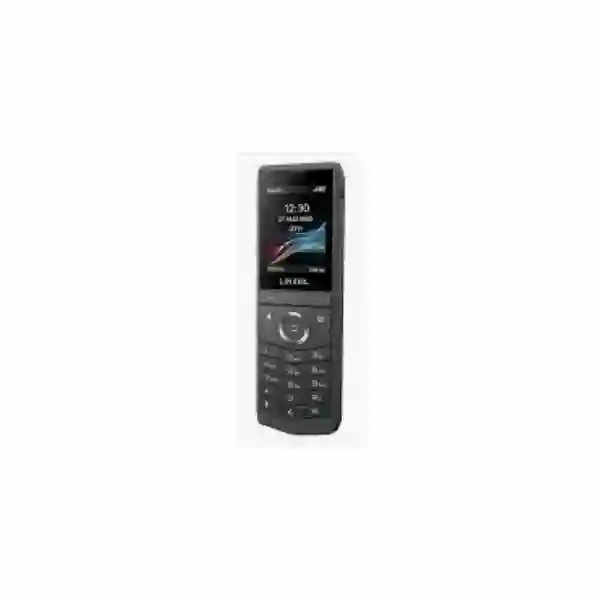
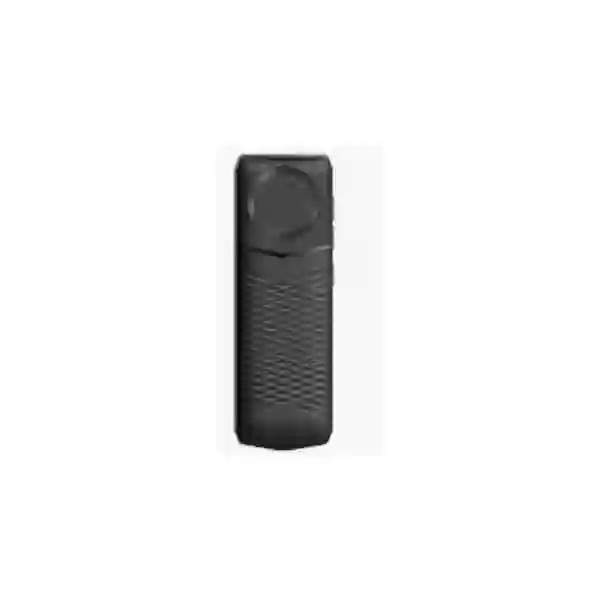
LINKVIL W620H Multi-Cell System Phone
The LINKVIL W620H is positioned by LINKVIL, a Fanvil sub-brand, as a next-generation wireless multi-cell system phone. It is designed for organisations that need a mobile voice endpoint inside a managed multi-cell communications environment rather than a conventional fixed desk telephone. The W620H is especially relevant where staff move between work areas, floors, departments or operational zones but still need access to business calling. FourTeck Tanzania helps organisations assess the handset as part of a complete deployment, including user numbers, coverage expectations, call-flow requirements, network readiness, management approach and the relationship between the handset and the LINKVIL W710H manager infrastructure.
What the W620H solves
The W620H addresses a practical business problem: people often need to remain reachable while away from a desk. In warehouses, hospitality environments, clinics, campuses, offices, retail operations and service facilities, a mobile phone extension can support faster internal communication without tying each user to a fixed workstation.
Multi-cell deployment context
Official LINKVIL documentation identifies the W620H as part of its wireless multi-cell product family. Installation guidance indicates that administrators register the handset in the system, after which the phone can connect through the W710H environment and obtain communication settings such as its SIP account and extension. This makes planning and administration as important as handset quantity.
Buy by requirement
A useful quotation should begin with the number of mobile users, approximate building or site layout, existing PBX or SIP platform, required call flows and expected growth. FourTeck Tanzania can help translate those operational needs into a practical bill of materials instead of treating the handset as an isolated item.
Verified product positioning and deployment guidance
LINKVIL lists the W620H as a “Next-gen Wireless Multi-cell System Phone” in its current wireless UC portfolio. The manufacturer also maintains current firmware downloads for the W620H, which is important for organisations evaluating lifecycle management and ongoing administration. The model should not be confused with the W620W portable Wi-Fi phone or the W620D DECT phone; those are separate products with different wireless architectures and deployment requirements. Procurement teams should therefore use the exact W620H model designation when requesting pricing, accessories or compatibility checks.
The available installation guidance describes a managed onboarding process. An administrator first authorises the device within the paired manager environment, and the W620H then connects to the relevant W710H system. After successful connection, the handset can automatically receive configuration information such as the SIP account and internal extension. For buyers, this means the practical question is not merely “How many handsets do we need?” but also “How will the multi-cell infrastructure be designed, commissioned and maintained?” A reliable deployment considers coverage areas, user movement, concurrent calling, PBX integration, network quality and the operational team responsible for changes after go-live.
For broader business telephony planning, see FourTeck Tanzania’s technology services overview, which explains how IP telephony depends on switching, call routing and network quality. Buyers can also use the FourTeck Tanzania business technology shop to review related communications and infrastructure categories. For model comparisons, the Dinstar C60S business IP phone page provides an example of a fixed desk-phone alternative, while the Dinstar C60SP PoE business IP phone page is useful when comparing mobile multi-cell endpoints with wired PoE desk deployments.
| Decision area | What to confirm | Why it matters |
|---|---|---|
| Users | Number of mobile extensions and user roles | Determines handset quantity and provisioning scope |
| Coverage | Floors, walls, outdoor areas and movement paths | Supports sensible multi-cell planning |
| PBX | Existing SIP/IP PBX and call-flow requirements | Avoids endpoint and platform mismatches |
| Management | Who will add users, update firmware and support handsets | Creates a clear lifecycle plan |
LINKVIL W620H Multi-Cell System Phone Tanzania
For organisations in Tanzania, the LINKVIL W620H is best evaluated as part of a business mobility and IP telephony project rather than as a standalone handset purchase. The model is intended for multi-cell use, so the starting point should be the operating environment: how many people need mobile extensions, where they move during a typical shift, which zones must maintain voice availability, and which existing PBX or SIP services must be retained. A headquarters building, warehouse, clinic, campus or hotel can each have very different coverage and workflow requirements even when the handset count is similar.
Tanzania buyers should also document the current voice network. If a business already uses an IP PBX, the quotation process should capture extension numbering, receptionist or queue requirements, branch calling, external trunks and any call-recording or voicemail policies. Network readiness matters because the overall communications system still depends on stable connectivity, sensible segmentation and administrative control. Where voice shares infrastructure with computers, CCTV, Wi-Fi or other services, switch capacity and network design should be reviewed together rather than assumed.
For procurement, request the exact W620H model and identify the multi-cell infrastructure required for the intended site. A useful request should state quantity, building type, approximate floors or zones, current telephone platform, number of simultaneous users, expected expansion and whether installation or configuration assistance is required. FourTeck Tanzania’s contact and quotation page specifically asks buyers to provide user counts, product quantities, site context and existing equipment so recommendations can focus on compatibility and capacity. Organisations with broader regional requirements can also review FourTeck Africa technology coverage when coordinating multi-country communications standards. The goal is a deployable system in which coverage, handset provisioning and PBX integration are planned together.
LINKVIL W620H Multi-Cell System Phone Dar es Salaam
Businesses in Dar es Salaam frequently operate across multi-floor offices, retail locations, hospitality facilities, warehouses and mixed-use commercial sites where employees do not remain at desks throughout the day. In that context, the LINKVIL W620H can form part of a mobile extension strategy that keeps operational staff reachable as they move between reception areas, stock rooms, service desks, corridors or supervisory zones. The important design task is to map real staff movement before determining the number and placement of supporting multi-cell components.
A Dar es Salaam deployment should begin with a simple floor and workflow survey. Identify where calls originate, who must answer them, where users spend most of their time, which areas contain dense walls or equipment rooms, and whether coverage must extend to loading areas or sheltered outdoor spaces. This information helps prevent an endpoint-only purchase that later reveals a coverage gap. Organisations with an existing PBX should also record extension plans, departmental call groups, reception routing and any branch links so the new mobile users can be incorporated without disrupting established calling patterns.
Procurement teams should ask for a complete quotation rather than only a handset unit price. Include W620H quantities, manager or multi-cell infrastructure, configuration requirements, any compatible charging or accessory needs, expected firmware management responsibility and deployment support. For offices where fixed and mobile users coexist, it can be useful to keep desk phones for finance, reception or administration while assigning W620H handsets to supervisors, security teams, facilities staff or operational workers. This role-based approach avoids overspecifying every user while still giving mobile teams the right tool. FourTeck Tanzania can use the Dar es Salaam site details to review the mix, and the central contact workflow supports enquiries for product selection, quotation and project discussions.
LINKVIL W620H Multi-Cell System Phone Mwanza
In Mwanza, organisations considering the LINKVIL W620H should focus first on mobility patterns and communication continuity. A manufacturing facility, distribution operation, hotel, healthcare environment or larger office may have teams that cross between departments several times per hour. Fixed desk phones can still serve administrative users, but they are less practical for staff whose work happens in corridors, service areas, warehouses or customer-facing spaces. A multi-cell handset approach is intended to make the extension follow the user instead of forcing the user to return to a particular desk.
Before purchasing, document both indoor and operational coverage areas. Building materials, room density, floor arrangement and the separation between work zones influence system design. Procurement staff should not infer coverage from a single generic distance figure because real environments differ substantially. A better process is to provide the site plan or an approximate description, identify priority voice zones and allow the multi-cell architecture to be sized around the actual premises. This is especially important when the phone system is expected to support supervisors or service staff who cannot afford repeated loss of contact during routine movement.
The second planning area is PBX integration. Note whether the organisation uses an on-premises or hosted SIP platform, how extensions are numbered, whether mobile workers belong to queues or ring groups, and whether branch-to-branch calls are part of the workflow. The W620H installation process depends on administrative enrolment into the LINKVIL multi-cell environment, so responsibility for provisioning and later changes should be assigned. A Mwanza quotation should therefore include the exact number of handsets, desired user roles, expected growth, existing PBX details and the physical areas requiring coverage. That makes comparison between proposals easier because buyers can evaluate solution scope rather than a handset price alone.
LINKVIL W620H Multi-Cell System Phone Arusha
Arusha businesses in hospitality, tourism support, professional services, logistics, education and healthcare often need communication tools that work while employees move between guest areas, offices, stores, service points and operational back-of-house zones. The LINKVIL W620H is relevant to this kind of workflow because it is a wireless multi-cell system phone rather than a conventional fixed desktop endpoint. The value comes from designing it around the movement of staff who need a consistent internal extension while performing tasks away from a workstation.
For a hotel or lodge operation, for example, housekeeping supervisors, maintenance coordinators and front-of-house managers may need different call groups and escalation paths. In a clinic, nurses or support staff may require predictable extension reachability across treatment and service zones. In an office campus, facilities and IT staff may spend more time walking the premises than sitting at a desk. These use cases should be converted into a call-flow plan before equipment is ordered. Define who receives direct calls, who belongs to groups, what happens when a user does not answer and which teams must be reachable during different shifts.
A site survey or at least a floor-plan review is useful because wireless multi-cell performance depends on the building environment. Identify stairwells, thick walls, separated wings and outdoor transitions that may affect the design. Also record the existing PBX platform and network topology so the W620H environment can be introduced cleanly. The FourTeck Tanzania contact page already lists Arusha among its office locations and provides a central route for quotation and product-selection enquiries. Buyers should submit the exact model, handset quantity, site type, user roles, current phone system and expected deployment timeline to receive a more meaningful response.
LINKVIL W620H Multi-Cell System Phone Dodoma
For organisations in Dodoma, the LINKVIL W620H can be considered when staff mobility is a core requirement of the telephone system. Government-related offices, educational institutions, service organisations, healthcare facilities and growing commercial sites may have employees who move between meeting areas, departments, reception points and operational spaces. A multi-cell handset strategy can support these users while preserving the familiar logic of an extension-based business phone system.
Planning should begin by separating mobile roles from fixed roles. Receptionists, finance teams and administrators may still be best served by desk endpoints, while facilities, supervisors, technical staff, security personnel or service teams can benefit from mobile handsets. This role mapping helps control project cost and improves usability because each user receives an endpoint suited to the way they work. Then define the building zones that need coverage and the expected number of active users during busy periods. If the site spans multiple blocks or floors, include that information in the request rather than assuming one infrastructure layout fits every property.
The procurement brief should also document the existing PBX, SIP services, call queues, extension range and branch connectivity. The W620H operates within a managed LINKVIL multi-cell ecosystem, so provisioning, authorisation and firmware responsibility should be part of the deployment plan. FourTeck Tanzania’s contact page identifies Dodoma as one of its listed office locations, making the Tanzania enquiry channel suitable for discussing quantity, compatibility and project scope. A strong quotation request states the exact W620H model, handset count, required coverage zones, user roles, existing telephony platform, desired call flows and whether installation or post-deployment support is expected.
LINKVIL W620H Multi-Cell System Phone UAE
In the UAE, the LINKVIL W620H is relevant for businesses that need mobile voice communications across offices, warehouses, hospitality properties, retail sites and service facilities. Multi-cell deployments are particularly useful where users must remain on an internal business extension while moving through a large property. The correct buying approach is to treat the handset as one component of a managed communications system and to size the supporting environment according to floor layout, user density and call-flow requirements.
UAE buyers should distinguish the W620H carefully from LINKVIL Wi-Fi and DECT product families when preparing procurement documents. The manufacturer identifies the W620H specifically as a wireless multi-cell system phone, so quotations should use the exact model name and confirm the required manager infrastructure. This avoids receiving a superficially similar endpoint that depends on a different radio or base architecture. For sites with several branches, a communications standard can also define which users need desk phones, which require mobile multi-cell handsets and which call features must remain consistent across locations.
A practical UAE request should include the number of handsets, floor plans or approximate coverage dimensions, existing PBX or SIP service, number of sites, call groups, reception requirements and expected expansion. It should also identify who will manage device onboarding and firmware after deployment. Organisations coordinating Tanzania and UAE purchasing can use FourTeck UAE for regional technology enquiries while maintaining a consistent project specification. Cross-border projects benefit from one documented endpoint standard, one extension plan and a clear support model, even when local network conditions and building layouts require different multi-cell designs.
LINKVIL W620H Multi-Cell System Phone Uganda
For Uganda deployments, the LINKVIL W620H suits organisations evaluating a mobile extension system for staff who move through offices, institutions, hospitality properties, warehouses or service facilities. The business value comes from maintaining voice reachability without relying on each user being seated beside a fixed handset. Buyers should therefore start with workflows: which people need to roam, where they move, how calls should find them and which locations are essential for coverage.
A Uganda project should include a coverage design rather than a handset-only bill of materials. Multi-cell planning needs the number of zones or floors, the physical separation between them and the approximate number of concurrent mobile users. The existing PBX is equally important. Document whether the organisation uses SIP trunks, queues, hunt groups, branch extensions or hosted telephony, and identify any policies for voicemail, call forwarding or internal numbering. This gives the deployment team a clear target when registering and provisioning the W620H handsets in the manager environment.
For regional procurement, FourTeck Uganda can be referenced when localising a broader East African communications standard. A group with operations in both Tanzania and Uganda can keep the W620H model specification consistent while adapting base placement and coverage design to each building. Quotation requests should include handset quantities by site, user roles, current PBX platform, expansion expectations and whether configuration, installation or lifecycle support is required. This information makes it easier to compare complete solutions and reduces the risk of ordering endpoints without the infrastructure needed to operate them effectively.
LINKVIL W620H Multi-Cell System Phone Kampala
Kampala organisations often combine administrative offices with customer-facing, operational or storage areas. In such settings, the LINKVIL W620H can support employees who need a business extension while moving through the premises. Instead of choosing handsets solely by department headcount, buyers should identify mobile roles: supervisors, security teams, facilities personnel, hospitality staff, technicians and floor managers are typical examples of users whose communication needs are tied to movement.
The site layout should then be translated into coverage zones. A multi-floor office tower, a spread-out warehouse and a hotel with separated wings can require very different designs. Provide approximate dimensions, floor counts, wall types where known and any areas where communication is business critical. During planning, confirm whether the existing PBX can accommodate the planned extensions and whether call groups need to be redesigned to take advantage of mobile reachability. For example, a maintenance line can ring a group of mobile users instead of a fixed room phone if that better reflects the workflow.
Administration also matters after installation. The W620H onboarding guidance describes authorisation within the manager environment before the phone receives its communication configuration. Kampala buyers should therefore decide who owns user provisioning, password policy, firmware updates and replacement-handset procedures. A quotation request should capture those support expectations along with hardware quantities. For organisations with branches elsewhere in Uganda, standardising the handset model can simplify training and spare planning, while each site still receives its own coverage design. This balance between standardisation and site-specific engineering is usually more reliable than trying to replicate one physical layout everywhere.
LINKVIL W620H Multi-Cell System Phone Arua
Arua organisations considering the LINKVIL W620H should frame the purchase around staff mobility and operational continuity. In facilities where supervisors, technical teams or service staff circulate through multiple rooms or work zones, a multi-cell handset can be more practical than installing fixed phones at every location. The objective is to give mobile staff a consistent extension and familiar business calling workflow while they remain active across the premises.
The first design input is coverage priority. Not every square metre carries the same business importance. Reception areas, service corridors, stores, loading points, clinical areas, security posts or management zones may have different requirements. By identifying the paths that users follow during normal work, the deployment can focus multi-cell planning on real movement rather than theoretical coverage. This approach also creates a clearer acceptance test because the organisation can specify the zones where a user must be able to place and receive calls.
The second input is system integration. Record the current PBX type, SIP service, extension numbering and any ring groups or call queues that mobile workers should join. The W620H depends on managed authorisation and configuration through the LINKVIL multi-cell environment, so IT responsibility must be clear. Arua buyers should request a quotation that includes the exact handset count, supporting system components, configuration scope and growth assumptions. Where the organisation is part of a national group, a shared W620H standard can make support and user training easier, while the physical design remains tailored to each branch. This produces a more maintainable communications platform than treating every location as an unrelated purchase.
LINKVIL W620H Multi-Cell System Phone Mbarara
In Mbarara, the LINKVIL W620H is a potential fit for businesses and institutions where employees need voice access across several working zones. A multi-cell phone system can be useful in hospitality, education, healthcare, warehousing, retail operations and larger professional premises because it makes the extension portable. The buying decision should still be based on the entire communications environment, not only the handset specification.
Start by defining the number of users who truly require mobility. Separate those users from staff who remain at fixed desks so the endpoint mix matches actual work patterns. Next, define coverage: list floors, wings, outdoor transition areas and high-priority operational spaces. If possible, provide a simple plan or annotated sketch. This is more useful than asking for a generic range estimate because building materials and layout can change how any wireless system performs. The multi-cell design can then be reviewed against those practical boundaries.
Mbarara organisations should also consider how calls are distributed. A mobile handset is most valuable when the PBX routes calls according to the role of the user. Maintenance teams may share a group, supervisors may receive escalations, and departmental calls may need rules based on working hours. These policies should be documented before provisioning. The quotation request should specify W620H quantities, existing PBX, extension and group requirements, coverage zones, expected user growth and support expectations. If several Uganda branches are involved, consistent naming, extension allocation and firmware practices can simplify administration while each branch retains a site-specific cell design. That creates an easier operating model for central IT teams.
LINKVIL W620H Multi-Cell System Phone Gulu
Gulu businesses can evaluate the LINKVIL W620H when a conventional fixed-phone layout does not reflect how staff actually work. Mobile supervisors, facilities personnel, service teams and security staff may need to move continuously while remaining available through the organisation’s internal telephone system. A wireless multi-cell handset supports that requirement, but the project succeeds only when coverage, PBX configuration and operational support are planned together.
A Gulu site review should identify the busiest communication routes. Where do users begin their shifts? Which areas generate the most calls? Are there separated buildings or long corridors? Does the phone need to remain usable in storage, service or outdoor transition areas? These questions help define the practical coverage objective. Organisations should avoid buying a quantity of handsets first and designing infrastructure later, because endpoint count alone does not reveal the physical requirements of the multi-cell environment.
Integration planning should include the existing SIP or IP PBX, extension numbering, receptionist workflow, call queues and any branch connectivity. The W620H should be provisioned as part of that call architecture, not as an isolated wireless device. Administrators also need a repeatable process for adding a new handset, replacing a lost or damaged unit, updating firmware and reviewing users when staff roles change. A complete quotation for Gulu should therefore include the hardware scope and the operational scope. Buyers should provide current system details, mobile-user quantity, approximate site layout and expected growth. This produces a proposal that can be assessed for deployment completeness instead of comparing only the visible price of individual handsets.
LINKVIL W620H Multi-Cell System Phone Kenya
Kenya organisations with mobile staff can consider the LINKVIL W620H as part of a multi-cell IP telephony design for offices, warehouses, campuses, hospitality sites, healthcare facilities and operational environments. The endpoint is most useful where users need business calling while moving across a property. It should be specified alongside the supporting manager environment, PBX integration and a coverage plan so the complete system reflects the way employees work.
For multi-site businesses, Kenya can also form part of an East African telephony standard. A group operating in Nairobi, Mombasa, Tanzania and Uganda might standardise on common handset roles, extension conventions and administrative procedures while still engineering each site independently. This reduces training variation and makes procurement documentation easier to maintain. However, standardisation should not be confused with copying one cell layout: floor plans, wall construction and user density remain local design inputs.
A Kenya quotation request should specify the exact W620H model, user count by site, current PBX or SIP platform, call groups, coverage zones and required deployment services. It should also identify any fixed desk-phone users so the supplier can understand the overall voice environment. Regional buyers can reference FourTeck Kenya when coordinating local technology requirements. For organisations managing multiple countries, a shared procurement template can list handset quantity, multi-cell infrastructure, configuration scope, support responsibility and lifecycle expectations for every site. This makes proposals easier to compare and helps prevent accessories, management tasks or integration work from being omitted.
LINKVIL W620H Multi-Cell System Phone Kuwait
In Kuwait, the LINKVIL W620H can serve businesses that require extension mobility through offices, warehouses, hospitality facilities, healthcare sites or service operations. The multi-cell concept is useful when staff need to stay reachable across a property without relying on personal mobile phones for every internal conversation. The deployment should still be designed as an enterprise communications system, with clear user roles, call flows and administrative ownership.
Kuwait buyers should begin with a coverage and workflow brief. Note floors, wings, large open spaces, dense service areas and any zones where users frequently cross between indoor and outdoor environments. Identify the teams who need mobile handsets and the likely number of simultaneous conversations during busy periods. The PBX brief should list current extensions, call queues, receptionist handling and any required integration with branch sites or external SIP services. This information makes it easier to define the supporting multi-cell environment and provisioning process.
Lifecycle management is another procurement consideration. Because the manufacturer publishes W620H firmware, organisations should decide who is responsible for reviewing and applying updates, maintaining configuration records and onboarding replacements. For cross-regional companies, those procedures can be standardised even when coverage designs differ. A strong Kuwait request for quotation therefore includes hardware quantity, manager infrastructure, configuration, site details, PBX compatibility requirements and support expectations. Buyers should also ask suppliers to identify inclusions and exclusions clearly so that charging accessories, installation tasks, testing and documentation can be compared on equal terms rather than hidden inside a single equipment price.
LINKVIL W620H Multi-Cell System Phone Ghana
Ghana businesses that rely on mobile operational teams can evaluate the LINKVIL W620H for managed multi-cell voice communications. The handset is relevant where staff need an internal extension while moving through a facility, and it can complement fixed phones used by reception, finance or office-based employees. This mixed-endpoint approach often maps better to real work patterns than assigning the same device type to every person.
The design should start with the site and user workflow. A warehouse may prioritise aisles, loading areas and supervisor stations; a hotel may focus on guest floors, service corridors and engineering areas; an office campus may need coverage between departments and shared facilities. Each example has different movement patterns even if the number of users is the same. A multi-cell project should therefore document the required zones and verify performance in those areas during commissioning rather than relying only on theoretical estimates.
Ghana procurement teams should also document the PBX environment and desired call logic. List mobile extensions, departmental ring groups, escalation paths and any branch calling needs. The W620H enrolment process is administratively managed, so IT teams should define who controls device registration and configuration. Organisations coordinating several countries can keep naming and support standards consistent while adapting physical designs locally. For regional assistance, FourTeck Ghana can support the local side of broader technology planning. A complete quotation request should state the exact model, quantity, building type, current PBX, expected growth and required configuration or deployment services.
LINKVIL W620H Multi-Cell System Phone Nigeria
Nigeria organisations evaluating the LINKVIL W620H should consider it in the context of mobile business communications across larger offices, warehouses, hospitality environments, healthcare facilities, retail operations and service sites. The model is positioned as a wireless multi-cell system phone, making it suitable for users who need to keep their business extension active while moving within a planned coverage environment. The commercial decision should therefore include infrastructure and integration, not just handset count.
For large or busy sites, define roles and peak usage before requesting a proposal. Supervisors, technicians, security officers and customer-service staff may all move through different zones and receive different call types. Mapping those roles to PBX queues or ring groups can make the mobile deployment more useful. The physical plan should include floors, major walls, separated buildings and any high-priority operational areas. Where a company has multiple branches, each site should be surveyed independently even if the same W620H model is standardised across the organisation.
Nigeria buyers should ask for a clear implementation scope: handset registration, system configuration, PBX integration, testing, administrator handover and any ongoing update responsibilities. This makes it easier to understand total project effort. Regional organisations can use FourTeck Nigeria when aligning local requirements with a broader FourTeck-supported architecture. A procurement checklist should capture exact model, quantity per site, manager infrastructure, PBX platform, call-flow requirements, coverage zones, growth forecast and support expectations. That structure reduces ambiguity and helps technical and purchasing teams evaluate whether a proposal is genuinely complete.
LINKVIL W620H Multi-Cell System Phone Seychelles
In Seychelles, hotels, resorts, service organisations and commercial properties may need staff to remain reachable while moving between guest areas, back-of-house spaces, technical zones and administration. The LINKVIL W620H can be considered for that requirement as part of a managed wireless multi-cell phone system. The objective is not simply to replace a desk phone with a portable handset; it is to create a voice environment designed around staff mobility.
Resort-style or spread-out properties require especially careful coverage planning because buildings may be separated, construction materials can vary and operational teams may cross between indoor and outdoor areas. A useful project brief identifies which zones are essential for voice, which teams require mobile extensions and how calls should be distributed. Maintenance, housekeeping, security and supervisory functions may need different groups or escalation rules. These should be configured in the PBX so the handset supports business workflow rather than functioning only as a portable dialler.
Procurement should include a precise bill of materials and deployment scope. State the number of W620H handsets, supporting multi-cell components, current PBX or SIP service, site layout, user roles and future expansion assumptions. Also decide how replacement devices and firmware will be managed after commissioning. For businesses sourcing technology across islands or multiple properties, standardising the W620H model can simplify user training and spare planning while each property retains its own coverage design. This approach is more resilient than purchasing endpoints independently because it connects the hardware decision to the communications architecture, the physical site and the operational procedures needed to keep the system usable over time.
Compatibility, integration and rollout checklist
Before quotation
Confirm the exact W620H model, number of users, building layout, priority coverage zones, current PBX or SIP service, reception flow, queues or ring groups, branch connections and expected growth. Note whether the project needs only equipment or also configuration and installation.
Before deployment
Agree the multi-cell design, handset naming, extension assignments, administrator access, onboarding process, testing procedure and user handover. Verify the existing network and PBX are ready for the planned voice service and document any changes required before the handsets go live.
After deployment
Maintain an inventory of handsets and extensions, define replacement procedures, review firmware releases, keep configuration records and test important call paths after significant system changes. A small amount of lifecycle discipline can prevent future support issues.
Frequently asked questions
What is the LINKVIL W620H?
LINKVIL lists the W620H as a next-generation wireless multi-cell system phone. It is intended for managed business communications where users need a mobile handset within a multi-cell deployment rather than a fixed desk endpoint.
Does the W620H work by itself?
It should be planned as part of the LINKVIL multi-cell environment. Available installation guidance describes pairing and authorisation through the W710H manager environment before the handset receives communication configuration. Confirm the complete system design for your site before ordering.
How many W620H handsets should a business buy?
Count the users who genuinely require mobility and map their roles. Reception and finance users may remain on desk phones while supervisors, facilities teams, service staff or security users receive mobile handsets. Add realistic spares and growth only after the operational requirement is understood.
What information helps with a W620H quotation?
Provide handset quantity, building type, floor or zone information, current PBX, extension and queue requirements, number of sites, expected growth and whether you need configuration or installation support. A floor plan is helpful for larger or complex properties.
Is the W620H the same as the W620W or W620D?
No. LINKVIL lists them as separate products. The W620H is the multi-cell system phone, while the W620W and W620D are different models with different product positioning. Use the exact model designation when requesting a quotation.
Can FourTeck help with PBX and network planning too?
FourTeck Tanzania’s services and contact pages cover IP PBX, IP phones, networking and related project discussions. For a multi-cell phone rollout, describing the existing voice and network environment helps the proposal address compatibility and deployment rather than only endpoint supply.
Quotation checklist for LINKVIL W620H
To receive a useful commercial proposal, include the exact model name, number of W620H handsets, site or building type, floors and priority coverage areas, existing PBX or SIP platform, extension plan, ring groups or queues, branch requirements, expected growth, desired rollout timeline and whether the scope should include configuration, installation, testing or administrator handover.
Decision recap: choose the W620H when the business problem is mobile extension access inside a managed multi-cell environment. Do not compare it only with desk-phone pricing. Compare complete deployment scope, coverage design, PBX integration, administration and lifecycle responsibility. A well-defined requirement allows procurement and technical teams to evaluate the system on operational fit instead of feature count alone.
Talk to FourTeck about the W620H
FourTeck Tanzania can review the LINKVIL W620H in the context of your users, site layout and business telephony environment. Share the quantity you expect, where the handsets will be used, how users move through the building, your existing PBX or SIP service and any known call-flow requirements. This provides a better foundation for compatibility review and quotation preparation than a model number alone.




Reviews
There are no reviews yet.