
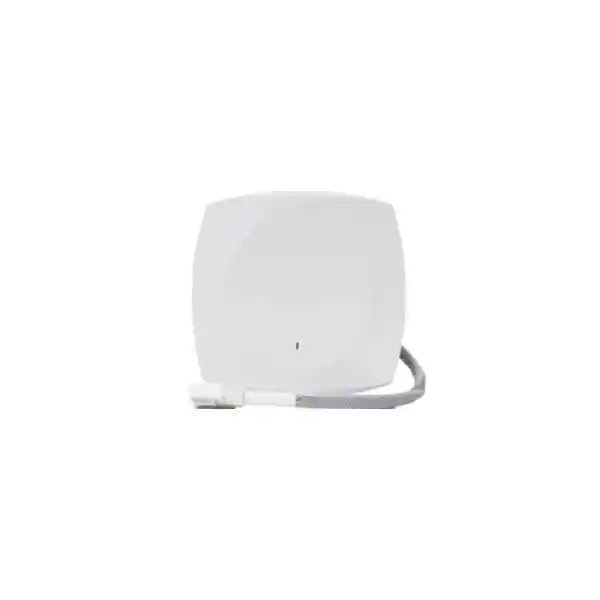
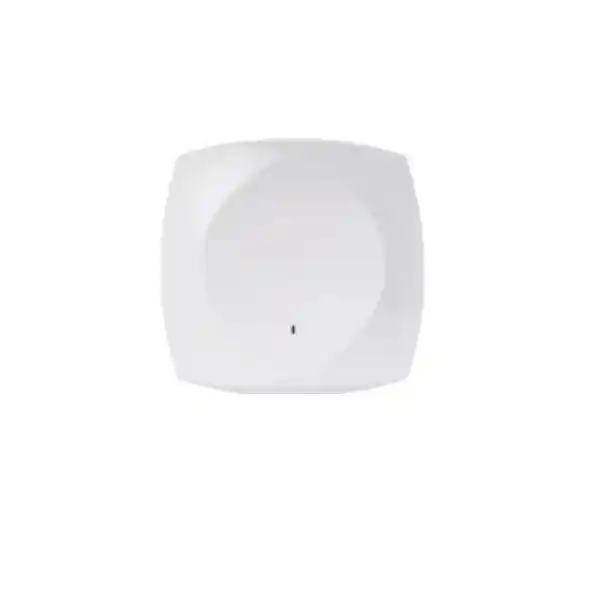
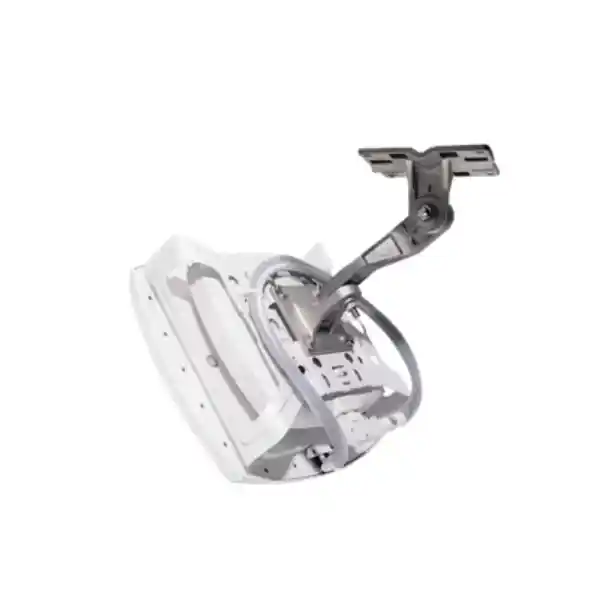
Cisco Meraki CW9174E
The Cisco Meraki CW9174E is the external-antenna model in Cisco’s Wireless 9174 Series, designed for enterprise indoor environments that need Wi-Fi 7 performance with more freedom over RF coverage. Cisco positions the CW9174E for moderate-to-high-density deployments and supports it on both Meraki cloud-managed and Cisco Catalyst controller-based architectures. That unified platform approach makes the CW9174E especially relevant to organizations planning a new wireless network, refreshing an older Wi-Fi 5 or Wi-Fi 6 estate, or standardizing multiple sites while retaining a choice of operating model.
Choose the CW9174E when you need Wi-Fi 7, external antenna flexibility, enterprise management and a platform that can fit Meraki or Catalyst environments. Antenna selection, PoE capability, licensing, switching capacity and local 6 GHz regulatory availability should be confirmed before quotation.
802.11be features include 4096-QAM, Multi-Link Operation, preamble puncturing and wider channel options where supported.
DART8-based antenna support allows coverage to be adapted for specialized indoor RF designs rather than relying only on an integrated antenna pattern.
Cisco supports the hardware with Meraki cloud management as well as Catalyst wireless controller deployments, subject to the required software and licensing.
The platform supports a 5 Gbps multigigabit Ethernet uplink when powered for full operation, helping avoid a 1 Gbps wired bottleneck.
Cisco Meraki CW9174E overview
Cisco identifies the CW9174E as an indoor Wi-Fi 7 access point with an external antenna connector. In tri-band operation it can use 2.4 GHz, 5 GHz and 6 GHz radios, with a 2×2 radio on 2.4 GHz and 4×4 radios on 5 GHz and 6 GHz for a total of ten spatial streams. It can also operate in a dual-band eight-spatial-stream configuration using 4×4 on 2.4 GHz and 4×4 on 5 GHz. The correct operating mode depends on design requirements, local regulatory conditions and the software platform used.
For organizations accustomed to Meraki, the important point is that the CW9174E can join the Meraki cloud-managed wireless stack rather than being limited to a traditional controller architecture. For organizations standardized on Cisco Catalyst, the same hardware family can integrate with supported Catalyst 9800 wireless controllers and Catalyst Center. This allows procurement teams to evaluate the physical access point, management approach and subscription requirements as one architecture decision instead of treating them as unrelated items.
The external antenna design differentiates the CW9174E from the CW9174I. External antennas are valuable when the RF pattern needs to be shaped for high ceilings, aisles, selective coverage zones, public venues, clean rooms or other spaces where an integrated omnidirectional antenna is not ideal. Antenna type, mounting position, cable or adapter requirements and local transmit-power rules should therefore be part of the bill of materials from the beginning.
Verified technical highlights
| Wireless generation | Wi-Fi 7 / IEEE 802.11be, with backward-compatible enterprise deployment planning |
| Radio configuration | Tri-band up to 10 spatial streams, or dual-band 8 spatial streams |
| Antenna architecture | External antenna model using Cisco DART8 antenna connectivity and supported antenna accessories |
| Management | Meraki cloud stack or supported Cisco Catalyst wireless controller environment |
| Wired interface | Up to 5 Gbps multigigabit Ethernet depending on power mode |
| Power | 802.3bt Class 5 UPOE or DC power for full capability; reduced capability modes are documented for lower PoE classes |
| Security | WPA3 support plus enterprise security and policy integration through the selected Cisco architecture |
| Licensing | Cisco Networking Subscription required, with Wireless Essentials or Wireless Advantage options documented by Cisco |
Planning the CW9174E as a complete wireless solution
A successful CW9174E deployment depends on more than choosing an access point. The wired network must have appropriate multigigabit ports, adequate PoE budget, VLAN design, uplink capacity and redundancy. For full 5 Gbps uplink operation and full radio capability, Cisco documents 802.3bt Class 5 UPOE or suitable DC power. PoE+ can operate the unit with reduced wired speed and USB power, while basic 802.3af significantly limits radio capability. That means the access switch specification should be reviewed together with the wireless bill of materials rather than after the APs have been ordered.
RF design is equally important. External antennas create flexibility but also require deliberate selection. An omnidirectional ceiling antenna can serve open office or broad-area coverage; a directional antenna can be useful for aisles or targeted spaces. Ceiling height, wall materials, racking, machinery, neighboring networks, client capabilities and roaming patterns all change the practical design. A predictive survey can establish an initial plan, but validation after installation remains valuable, especially in warehouses, campuses, hospitality buildings and facilities with dense construction.
For broader solution planning, review FourTeck Tanzania’s integrated IT and networking overview, browse the Tanzania technology shop, and consider the deployment and support services that may be relevant to switching, cabling, firewall, installation and lifecycle requirements. Regional organizations can also use FourTeck’s wider technology network for cross-border project coordination, subject to project scope and availability.
Cisco Meraki CW9174E Tanzania
For organizations evaluating the Cisco Meraki CW9174E in Tanzania, the strongest use case is an enterprise wireless upgrade where both capacity and coverage control matter. Offices, hotels, universities, hospitals, logistics facilities, financial institutions, manufacturing sites and multi-branch businesses increasingly depend on Wi-Fi for cloud applications, voice and video meetings, mobile point-of-sale, handheld scanners, operational tablets and guest connectivity. The CW9174E adds Wi-Fi 7 capabilities while its external antenna design gives the network designer more options for shaping signal in challenging indoor environments. Before purchasing, a Tanzania deployment should document user density, floor layout, device types, expected roaming, ceiling height, cabling routes, switch locations, internet capacity and any existing Cisco or Meraki infrastructure.
Power and switching deserve particular attention. A buyer may focus on the headline wireless specification yet connect the access point to a legacy 1 Gbps PoE switch, creating a bottleneck and potentially limiting the AP’s operating mode. Cisco documents full-capability operation with 802.3bt Class 5 power or a supported DC option, while lower PoE classes can reduce uplink speed or radio capability. A practical Tanzania quotation should therefore identify whether the existing switch provides multigigabit Ethernet, the required PoE class and enough available power budget for every AP. Cabling quality also matters; Cat 6 or Cat 6A is a sensible design consideration for new multigigabit runs.
Licensing should be quoted with the hardware rather than treated as an afterthought. Cisco requires a Networking Subscription for the 9174 Series, and the selected level should reflect management, assurance and support requirements. The design should also confirm whether the organization intends to use Meraki cloud management or a Catalyst architecture, because operational workflows, administrator skills and adjacent components differ. For procurement teams, useful quotation inputs include AP quantity, site addresses, preferred management model, desired antenna pattern, switch model, PoE availability, cable distances, coverage drawings and subscription term. These details help turn a product enquiry into a deployable wireless design rather than a box-only purchase.
Cisco Meraki CW9174E Dar es Salaam
Dar es Salaam organizations often combine dense office areas, meeting rooms, reception zones, retail floors, hospitality spaces, warehouses and multi-tenant buildings within the same project. That mix makes the external-antenna CW9174E interesting because coverage can be designed around the environment rather than accepting one fixed antenna pattern everywhere. A corporate headquarters may use broad-area antennas for standard workspaces and directional designs for long corridors, storage zones or selective coverage areas. Hotels and event spaces may need careful capacity planning around conference rooms and public areas, while logistics businesses may prioritize reliable roaming for handheld devices between aisles and loading areas.
The project should begin with traffic and user behavior. Video conferencing, cloud ERP, large file transfers and voice over Wi-Fi can create different performance expectations from basic web access. Guest Wi-Fi should normally be separated from internal business traffic using appropriate segmentation and security policies. Where multiple SSIDs, VLANs and access-control policies are required, the switching and firewall configuration needs to align with the wireless design. Meraki cloud management can appeal to businesses that want centralized visibility across several branches, while Catalyst management may suit organizations already invested in Cisco’s controller and automation ecosystem.
Dar es Salaam procurement should also account for installation details such as ceiling type, bracket choice, antenna mounting, cable routes, rack space, patching, UPS protection and PoE headroom. A wireless survey or at minimum a detailed floor plan reduces the risk of ordering the wrong antenna mix. Because 6 GHz use depends on national regulatory authorization and supported client devices, the design should validate current local conditions instead of assuming every Wi-Fi 7 feature will be usable immediately. A well-prepared request for quotation should state the number of users, number of floors, approximate floor area, high-density zones, existing switches, firewall platform, management preference and whether installation, configuration and post-deployment testing are required.
Cisco Meraki CW9174E Mwanza
For businesses in Mwanza, the CW9174E can fit projects where wireless coverage must support a combination of administration, customer-facing spaces and operational areas. Enterprises serving tourism, trading, healthcare, education, distribution and professional services may need more than basic indoor Wi-Fi, particularly when laptops, smartphones, voice applications, payment devices and operational handhelds share the network. The external-antenna architecture is useful when a standard ceiling-mounted omnidirectional access point cannot address every space cleanly. Directional coverage can help focus RF energy along specific work areas, while omnidirectional options can serve offices or open public zones.
An upgrade decision should consider the whole access layer. If an existing network uses older 1 Gbps PoE switches, the AP may still function but the design will not take advantage of the CW9174E’s full multigigabit capability. Cisco’s documented power modes show why switch capability and PoE budget are part of wireless sizing. For a new Mwanza deployment, it is reasonable to examine multigigabit switch ports, 802.3bt power availability, Cat 6 or Cat 6A cabling, UPS coverage and uplinks between network closets. Where several APs serve one site, controller or cloud-management architecture, VLAN consistency and IP addressing should be standardized before installation.
Buyers should also decide whether the priority is a Meraki operational model with cloud-based visibility or integration into an existing Catalyst environment. The hardware supports both approaches, but licensing and software requirements must match the selected design. If a business expects future branches in other Tanzanian cities, standardized templates for SSIDs, segmentation and access policies can reduce configuration drift. Quotation preparation should include a site drawing, estimated concurrent clients, business-critical wireless applications, any high ceilings or metal shelving, antenna preferences if known, switch models, desired subscription duration and installation expectations. This gives the supplier enough information to recommend AP count and supporting infrastructure without inventing coverage numbers from product specifications alone.
Cisco Meraki CW9174E Arusha
Arusha has a broad mix of hospitality, tourism, education, offices, NGOs, healthcare and service businesses where wireless reliability directly affects staff productivity and guest experience. The Cisco Meraki CW9174E is particularly relevant when the building requires deliberate RF design rather than a simple access point placed at the center of each floor. Hotels may need coverage across guestrooms, corridors, conference facilities and public spaces; campuses may need consistent roaming between classrooms and shared areas; offices may need high client density around meeting rooms and collaboration spaces. External antennas allow the installer to choose a coverage approach suited to each zone.
Hospitality and multi-building sites should separate guest access from operational systems and administration. Network policy, firewall rules and switching VLANs must match the SSID design so that guest devices cannot reach sensitive systems. Meraki cloud management can make multi-site monitoring and policy deployment easier for teams managing several properties, while Catalyst can remain the preferred option for enterprises with established Cisco controller operations. The CW9174E’s unified hardware architecture protects flexibility, but the organization still needs to choose licensing, software and management workflows deliberately.
Physical installation in Arusha should be planned with ceiling materials, aesthetics, antenna orientation, power stability, rack locations and structured cabling in mind. High ceilings or long indoor spaces may benefit from directional antenna planning, while conventional offices may use broad coverage. Full capability requires suitable power and multigigabit switching, so each proposed AP port should be checked for PoE class and available switch power budget. Buyers should request a quote based on drawings, room usage, expected guest and staff density, meeting-room locations, existing network hardware and any requirement for survey, installation, configuration or acceptance testing. Where 6 GHz service is part of the goal, current regulatory approval and client-device compatibility should be confirmed before committing the design to that band.
Cisco Meraki CW9174E Dodoma
Organizations in Dodoma planning new offices, institutional facilities, education sites or branch expansions can use the CW9174E as part of a modernized Wi-Fi access layer. The access point’s strength is not only its Wi-Fi 7 radio platform but also the ability to combine that platform with external antennas and a choice of Meraki or Catalyst management. This helps when a project includes conventional offices alongside boardrooms, training areas, corridors, halls or storage spaces with different RF needs. Instead of assuming one antenna pattern is appropriate for the entire building, planners can treat coverage, capacity and roaming as separate design questions.
Government-related, institutional and professional environments often place extra emphasis on network segmentation, auditability and consistent configuration. The wireless design should identify staff, guest, device and operational networks, then map those SSIDs to the correct VLANs, firewall policies and authentication approach. Cisco’s enterprise ecosystem supports integration with broader identity and assurance components, but those functions depend on the purchased architecture and licenses. A quote should clearly separate the access point hardware, antennas, mounting accessories, subscription requirements, switching upgrades and professional services so procurement teams can evaluate the full project cost.
Power design is critical in any new deployment. Cisco documents full operation with 802.3bt Class 5 power or appropriate DC power, with lower PoE levels imposing capability reductions. If the existing access switches provide only 1 Gbps and basic PoE, a network refresh may be needed to realize the value of the Wi-Fi 7 access point. Structured cabling, UPS protection, patch-panel organization and switch uplinks should be checked at the same time. Dodoma buyers can improve quotation accuracy by supplying floor plans, wall construction information, estimated users, high-density rooms, existing switch and firewall models, preferred cloud or controller management, antenna requirements and desired subscription term. That information supports a defensible design and avoids relying on unrealistic “one AP covers everything” assumptions.
Cisco Meraki CW9174E UAE
For UAE enterprises, the CW9174E suits Wi-Fi 7 projects that need external antenna choices for corporate offices, hospitality, retail, education, logistics and high-ceiling indoor environments. The unified Cisco hardware model is useful for organizations operating mixed Meraki and Catalyst estates because the access point can participate in either supported management model rather than forcing a different physical product for each operating approach. This is particularly valuable for regional businesses standardizing branch hardware while allowing central IT to choose the management method appropriate to each environment or migration stage.
UAE projects often include demanding wired infrastructure expectations, so the AP should be paired with multigigabit switching and sufficient PoE. Cisco documents a 5 Gbps mGig link with full 802.3bt Class 5 power, while lower power modes can reduce link speed or feature availability. In greenfield offices or refurbishments, Cat 6 or Cat 6A cabling, switch power budget, fiber uplinks and UPS-backed closets should be reviewed together. The external antenna option is especially useful in warehouses and specialized spaces, but antenna choice must be supported by RF design rather than selected solely by gain figures.
Licensing and lifecycle planning remain core procurement items. Cisco Networking Subscription requirements should be included with the hardware, and buyers should confirm the intended software version and management architecture. Wi-Fi 7 client readiness, 6 GHz local regulations and application requirements should also be validated. A regional RFQ can include AP quantity, antenna model or coverage objective, floor plans, ceiling height, rack and switch inventory, internet uplink capacity, user density, security requirements and whether installation or migration assistance is needed. This makes it easier to compare quotations on a like-for-like basis and reduces the risk of a low hardware-only price hiding missing antennas, licenses, power upgrades or installation components.
Cisco Meraki CW9174E Uganda
Ugandan enterprises evaluating the Cisco Meraki CW9174E should treat it as a wireless architecture component rather than a stand-alone radio. The device is built for enterprise Wi-Fi 7 and external antenna deployments, but real performance depends on the switch port, power class, antenna design, channel plan, client mix and management platform. National organizations with multiple branches can benefit from standardizing access point hardware and policy while tailoring antenna placement to each building. Meraki cloud management can provide centralized operations across sites, while Catalyst remains appropriate where existing controller infrastructure and network operations processes already exist.
Uganda deployments in offices, hotels, healthcare, schools, warehouses and public-facing facilities may have very different RF conditions. Masonry walls, shelving, long corridors, high ceilings and crowded meeting spaces affect signal differently. External omnidirectional or directional antenna options allow the design to address these conditions, but a survey should determine where each antenna style is justified. Guest, staff and device traffic should be segmented, and access policies should be consistent with firewall and identity controls. When voice, video or operational applications depend on Wi-Fi, roaming behavior and capacity deserve particular attention.
Procurement teams should check subscription licensing, supported software, current local regulatory approval for available frequency bands and switch readiness. Full capability requires appropriate 802.3bt Class 5 power or a supported DC source, so older PoE access switches may need replacement or careful validation. An RFQ should list the number of sites, AP count if known, current switch models, coverage areas, expected concurrent users, application priorities, desired management platform, antenna constraints and installation scope. For organizations expanding regionally, it is also useful to define naming, SSID, VLAN and security templates that can be reused across branches while still allowing local RF tuning at each site.
Cisco Meraki CW9174E Kampala
Kampala businesses frequently operate in dense commercial environments where neighboring networks, multi-floor buildings and variable office layouts can complicate Wi-Fi planning. The CW9174E provides Wi-Fi 7 capability with external antennas, making it suitable for designs that need more deliberate coverage than a standard integrated-antenna AP. Corporate offices can use broad coverage in open workspaces and focus antennas toward specialized zones where appropriate. Hospitality, retail and education sites can plan capacity around busy public areas instead of relying only on maximum range.
A Kampala wireless upgrade should include spectrum and capacity considerations. More access points do not automatically create a better network; excessive overlap can increase contention, while too few APs create weak coverage and overloaded radios. Channel planning, transmit power, client roaming and the distribution of users by floor all matter. The CW9174E includes modern Wi-Fi 7 functions, but the network design must also account for older Wi-Fi clients that will continue to operate on 2.4 GHz and 5 GHz. A staged migration can therefore be more realistic than expecting every endpoint to immediately benefit from the newest standard.
The wired edge should be reviewed at the same time. The access point can use multigigabit Ethernet, and full operation is tied to suitable power. A quotation should verify switch port speed, 802.3bt availability, switch PoE budget, cable category, rack uplinks and UPS capacity. Licensing and the intended Meraki or Catalyst operating model should be listed explicitly. For a practical Kampala RFQ, provide floor plans, user counts, high-density meeting areas, existing AP locations, switch details, internet bandwidth and business applications. That information helps determine whether the project needs AP replacement only, a broader switching refresh, antenna changes, cabling work or a complete redesign.
Cisco Meraki CW9174E Arua
In Arua, the CW9174E may be considered by institutions, NGOs, healthcare facilities, education environments, hotels and commercial organizations seeking a wireless platform that can scale beyond basic office connectivity. The external-antenna approach is useful when buildings include a combination of standard rooms, larger halls, corridors and operational spaces. Rather than choosing AP quantity from floor area alone, planners should consider wall materials, device density, application use, ceiling height and roaming paths. A smaller number of carefully placed access points can sometimes outperform a larger number installed without RF planning.
Connectivity resilience is also relevant. Cloud-managed wireless is operationally convenient, but the site still depends on a properly designed LAN, firewall, addressing plan and internet connection for management services. Catalyst-based deployments have different operational requirements. The CW9174E supports either architecture when the correct software and licensing are used, allowing an organization to choose based on its central IT model. Staff, guest and IoT traffic should be segmented, and network administrators should document SSIDs, VLAN mappings, authentication methods and device policies to make future troubleshooting easier.
For procurement, avoid a hardware-only comparison. External antennas, mounting accessories, subscription licensing, compatible switching, PoE, cabling, configuration and testing may all be part of the project. Cisco documents different operating capability according to supplied power, making the switch specification especially important. If full radio and 5 Gbps wired capability are objectives, the upstream infrastructure should be designed accordingly. Arua customers can request a more accurate quote by sharing site plans, photos of ceilings and racks, number of users, application requirements, existing network equipment, preferred management method and whether a survey or installation visit is needed. Local frequency authorization and client support for 6 GHz should be confirmed during design rather than assumed.
Cisco Meraki CW9174E Mbarara
Mbarara organizations looking to modernize business Wi-Fi can use the CW9174E in locations where stable roaming, increasing client counts and tailored coverage matter. Healthcare, education, hospitality, retail, agribusiness and professional offices can all have different wireless priorities. A hospital may prioritize reliable roaming and segmentation; a hotel may focus on guest capacity and coverage consistency; a warehouse may need directional coverage along aisles. Because the CW9174E uses external antennas, these scenarios can be addressed with more RF flexibility than an integrated-antenna design, provided that the antenna and mounting plan is engineered correctly.
An enterprise Wi-Fi 7 project should be coordinated with switching. Full-capability CW9174E operation calls for appropriate power and multigigabit connectivity, while lower PoE levels can constrain the access point. Before ordering, review the access switch model, available 802.3bt ports, total PoE budget, uplink capacity and cable plant. A new AP connected through older cabling and an oversubscribed switch may not deliver the intended improvement. Where the site has multiple closets, fiber uplink capacity and redundancy should also be considered as part of the wireless refresh.
Management model and subscription are additional decisions. The CW9174E can be managed through Meraki cloud infrastructure or supported Catalyst systems, but the quote must include the correct Cisco Networking Subscription and compatible software path. A multi-site business can benefit from standardized policy templates and remote visibility, yet each location still needs local channel and power tuning. Mbarara procurement teams should prepare user counts, building layouts, business applications, existing switch and firewall details, desired guest access, IoT requirements and installation scope. These inputs support better AP and antenna sizing and help identify whether ancillary items such as power injectors, switch upgrades, mounts or additional cabling belong in the bill of materials.
Cisco Meraki CW9174E Gulu
For Gulu customers, the Cisco Meraki CW9174E offers a path to a Wi-Fi 7 enterprise network where external antennas are useful for adapting wireless coverage to the building. Universities, training centers, hotels, healthcare sites, NGOs and businesses with expanding digital services may need to support many different client types, from modern laptops and phones to legacy devices and operational equipment. A proper design should therefore support the transition period, not only the newest Wi-Fi 7 endpoints. The CW9174E can operate with 2.4 GHz and 5 GHz clients while providing newer capabilities on supported bands and devices.
Coverage should be planned from user locations and applications. Classrooms, meeting halls and guest areas are capacity-heavy; corridors and administrative rooms are more coverage-oriented; storage or operational spaces can need directional antennas. External antenna selection allows the design to address these differences, but each antenna must be mounted and oriented correctly. The wired network should provide sufficient power and uplink performance, and the firewall should enforce segmentation between staff, guest and device networks. If cloud management is selected, administrators can monitor multiple APs centrally, while Catalyst deployments can integrate with an existing Cisco controller environment.
A Gulu quotation should include the access point, required antennas, mounting hardware, subscription licensing and any network changes identified during assessment. Cisco’s power table demonstrates why PoE class cannot be ignored: reduced power can reduce radio or uplink capability. Structured cabling and switch ports should be checked before installation. Organizations can speed up design by providing floor plans, estimated concurrent clients, critical applications, present AP and switch models, rack locations, cable lengths and preferred management platform. If 6 GHz operation is important, current country-specific regulatory support and client compatibility must be checked. The final acceptance plan should include coverage validation, roaming checks and confirmation that business and guest traffic are correctly segmented.
Cisco Meraki CW9174E Kenya
Kenyan organizations with offices, campuses, hospitality properties, retail environments and distribution facilities can evaluate the CW9174E when Wi-Fi 7 capability and external antenna control are required together. Regional businesses often want one hardware standard that can be deployed across multiple sites, and Cisco’s unified platform approach supports either Meraki cloud management or Catalyst management with the appropriate software and subscription. This makes the CW9174E a practical candidate for enterprises migrating from older Cisco or Meraki access points while modernizing switching and cabling.
High-density offices in Nairobi, logistics facilities, hotels and education sites all create different RF challenges. External antennas can help shape coverage, but a survey is still the correct basis for antenna selection and AP placement. Wi-Fi 7 features such as Multi-Link Operation and wider channels should be viewed in context: client support, spectrum availability and interference determine actual benefit. Existing 2.4 GHz and 5 GHz devices will remain part of most networks, so capacity planning must address the mixed client population during the upgrade period.
Switch readiness is frequently the hidden cost in an AP refresh. The CW9174E can use a 5 Gbps uplink under the appropriate power mode, and Cisco recommends sufficient 802.3bt power for full functionality. Buyers should validate multigigabit switch ports, PoE budgets, uplink speeds, cabling and UPS protection before finalizing the AP quantity. Licensing should be included in the commercial comparison, along with antennas, mounts, installation and configuration. A Kenyan RFQ is stronger when it includes site maps, expected users, application types, current Cisco environment, desired management model, guest-access requirements and support expectations. This prevents proposals from being compared on access-point price alone while missing the infrastructure needed to achieve the intended performance.
Cisco Meraki CW9174E Kuwait
Kuwait enterprises can use the CW9174E for modern indoor wireless deployments that combine high client density with specialized antenna requirements. Corporate offices, hospitality venues, retail sites, healthcare facilities, education campuses and logistics environments can all benefit from the ability to choose directional or omnidirectional antenna approaches. The AP’s Wi-Fi 7 radio platform offers an upgrade path for new client generations, while Cisco’s support for Meraki cloud or Catalyst management provides architectural flexibility for organizations with different operational preferences.
For a high-performance deployment, the wired network should be sized to match the AP. Cisco’s documentation associates full 5 Gbps mGig operation with 802.3bt Class 5 power or suitable DC power. That means a Wi-Fi 7 refresh may need multigigabit PoE switching rather than simply replacing existing ceiling devices. Cabling, rack uplinks and switch power headroom should be checked for every access point. In large facilities, redundant core and distribution design may also matter because the wireless layer cannot compensate for a congested or unstable wired backbone.
The external antenna system should be specified with the building, not from a generic bill of materials. Ceiling height, wall construction, corridors, shelving, public areas and device density should inform antenna choice. Regulatory support for 6 GHz and local operating parameters should be validated before design completion. Kuwait procurement teams should request licensing details, software compatibility, antenna and mounting accessories, switch requirements, installation scope and post-installation testing in the same proposal. Useful RFQ inputs include drawings, user counts, existing switch inventory, preferred Meraki or Catalyst management, high-density areas, guest Wi-Fi needs, security segmentation and required subscription term. This provides a more complete total-cost view and reduces late-stage changes during deployment.
Cisco Meraki CW9174E Ghana
Ghanaian businesses planning enterprise wireless upgrades can consider the CW9174E when a flexible external-antenna design and unified Cisco management options are important. Financial services, education, healthcare, hospitality, mining support, logistics and corporate environments often include both office and operational spaces. One building can contain open-plan seating, dense meeting rooms, corridors, storage zones and public areas. The ability to use different antenna approaches allows the RF designer to match those zones more precisely than a one-pattern solution, although the final choice should be based on survey evidence.
The most effective upgrade path starts with the existing infrastructure. If current switches are limited to 1 Gbps and older PoE standards, they may constrain the benefits of a Wi-Fi 7 access point. Cisco documents multigigabit operation and different power modes for the CW9174E, so switch port capability, power budget, cabling and uplink performance should be included in project discovery. Segmentation for staff, guest, voice and device networks must also be mapped through switching and firewall policies, not just configured on the wireless side.
Management and licensing determine the operating model. Meraki can centralize administration through the cloud dashboard, while Catalyst can fit controller-based Cisco networks. The same hardware family supports either approach with the appropriate requirements, which is useful for regional organizations that want procurement consistency. Ghana buyers should ask for a complete bill of materials covering APs, antennas, mounting hardware, subscription, switching changes, installation and testing. A site plan, approximate users per area, high-density zones, current AP and switch models, preferred management platform and key applications help improve design accuracy. Current local frequency regulations and 6 GHz authorization should also be confirmed so the proposed configuration matches what can legally and practically be deployed.
Cisco Meraki CW9174E Nigeria
Nigeria’s large enterprise, financial, education, hospitality, energy, healthcare and retail environments can create demanding wireless requirements across multiple sites. The CW9174E is suitable for projects that need Wi-Fi 7 capabilities and external antennas for controlled indoor coverage. A multi-branch organization can standardize hardware while using centrally defined SSIDs, segmentation and security policies. Meraki cloud management can support centralized operational visibility, while Catalyst management can suit organizations that already run Cisco controllers and automation tools. The unified access point platform gives IT teams flexibility during migration or standardization programs.
Dense office buildings and public facilities need capacity planning, not only coverage. Meeting rooms, training spaces, customer halls and shared work areas can concentrate many active devices within a small area. Directional antennas may be useful in specific spaces, while broad-area antennas suit others. Channel design and transmit power must be coordinated to limit interference, especially where neighboring wireless networks are common. Wi-Fi 7 client adoption will grow over time, but older devices remain part of the environment and must be supported through a balanced design.
Power quality and switching architecture are critical to a predictable deployment. Cisco specifies higher capability when the CW9174E receives 802.3bt Class 5 power, and its multigigabit uplink can exceed what legacy access switches provide. The project should therefore review switch ports, total PoE budget, cabling, fiber or copper uplinks and UPS coverage. Subscription licensing and support expectations should be included in the quotation. Nigerian buyers can improve proposals by sharing site count, floor plans, current network hardware, user density, application mix, antenna constraints and whether the project includes survey, installation, migration or managed support. Frequency-band use and 6 GHz availability should be checked against current national regulations before the final RF plan is approved.
Cisco Meraki CW9174E Seychelles
Seychelles hospitality, resort, government, professional-services and education environments may consider the CW9174E for indoor Wi-Fi upgrades where reliable guest and staff connectivity needs to coexist with operational systems. Hotels and resorts are especially sensitive to inconsistent wireless experience because users move between rooms, conference areas, restaurants and public spaces. The external-antenna CW9174E offers RF design flexibility for different indoor zones, while Wi-Fi 7 provides a platform for newer client devices. However, successful deployment depends on site-specific coverage planning rather than assuming that newer technology automatically increases range.
Multi-area properties should separate guest, staff, payment, IoT and management traffic according to security policy. VLANs, firewall rules and authentication methods must be coordinated with the wireless SSIDs. Meraki cloud management can simplify administration where several buildings or properties need centralized visibility, while Catalyst is available for organizations with a Cisco controller strategy. The correct subscription, software version and support plan should be included in the bill of materials. Where internet links are bandwidth-constrained, local wireless speed should not be mistaken for internet throughput; WAN capacity remains a separate design consideration.
Island environments can make careful procurement planning particularly important. A complete order should include APs, external antennas, mounting accessories, licenses, compatible switching, power requirements and planned spares where operationally appropriate. Cisco’s documented power modes show that older PoE switches may limit capability, so multigigabit and PoE readiness should be verified before installation. A Seychelles RFQ should include property drawings, room and public-area counts, expected concurrent clients, ceiling types, existing network equipment, critical applications, guest portal requirements and preferred management architecture. Current regulatory approval for frequency bands, including 6 GHz, should be checked as part of technical validation so the final configuration reflects local legal and spectrum conditions.
Compatibility, licensing and migration guidance
Cisco documents support for the CW9174 Series with Cisco IOS XE 17.18.2 or later and Meraki MR 32.1.5 or later, alongside supported Catalyst 9800 controller platforms. Organizations should verify their exact controller, dashboard organization, software train and subscription before ordering. The point of the unified hardware design is operational flexibility, but that does not remove software prerequisites or licensing requirements.
For migration from older Meraki or Catalyst access points, examine three layers: mounting and antenna compatibility, wired network readiness, and management policy. Some existing antenna families may be supported with adapters, but this must be confirmed against Cisco’s current compatibility tables. Existing PoE switches may power the AP in reduced modes yet still be unsuitable for the desired full feature set. Existing WLAN profiles may also need review to make use of Wi-Fi 7 features without disrupting older clients.
A controlled pilot is useful when a large estate is being refreshed. Deploy a small number of APs in representative environments, validate client behavior, roaming, application performance, PoE consumption, RF coverage and dashboard or controller operations, then refine the standard configuration before mass rollout. This reduces project risk and creates a repeatable deployment template.
Cisco Meraki CW9174E buying checklist
Confirm whether the site will use Meraki cloud management or a supported Catalyst controller environment, and verify required software versions.
Include the appropriate Cisco Networking Subscription and term in the commercial comparison rather than treating licensing as a later purchase.
Choose external antennas according to coverage geometry, mounting, ceiling height and RF objectives, not only antenna gain.
Validate multigigabit ports, 802.3bt capability, total switch power budget, uplink capacity and cable category.
Confirm current country authorization for the intended frequency bands and any local power limitations, especially for 6 GHz.
Define coverage, capacity, roaming and segmentation success criteria, then validate the finished installation instead of relying only on predictive design.
Frequently asked questions
Is the Cisco CW9174E a Meraki access point?
The CW9174E is Cisco unified wireless hardware that can be deployed with the Meraki cloud-based wireless stack or with supported Cisco Catalyst wireless controller infrastructure. The chosen platform must meet Cisco’s software and licensing requirements.
What is the difference between CW9174E and CW9174I?
The CW9174E is the external-antenna model, while the CW9174I uses an integrated omnidirectional antenna. The external version is useful where a directional or specialized antenna pattern is required.
Does the CW9174E support 6 GHz?
Cisco documents tri-band 2.4 GHz, 5 GHz and 6 GHz operation, but actual 6 GHz use depends on country regulatory approval, configured operating mode and client support. Regulatory status should be checked for the target country.
Does the CW9174E need a license?
Yes. Cisco states that Wi-Fi 7 access points in the 9174 Series require a Cisco Networking Subscription, with Wireless Essentials and Wireless Advantage options documented by Cisco.
Can I use an ordinary PoE switch?
The access point supports multiple power modes, but lower PoE classes reduce capability. For full radio operation and 5 Gbps mGig connectivity, Cisco documents 802.3bt Class 5 UPOE or suitable DC power. Switch power and port speed should be confirmed before deployment.
How many CW9174E access points do I need?
There is no responsible universal number based only on floor area. AP quantity depends on user density, wall materials, applications, antenna pattern, ceiling height, interference, roaming requirements and local power rules. A predictive or on-site wireless assessment is the better basis for sizing.
Quotation checklist and decision recap
To prepare a useful Cisco Meraki CW9174E quotation, provide the project country, site count, floor plans, expected users, device types, high-density spaces, application priorities, ceiling heights, current access points, switch models, PoE capabilities, cable category, firewall platform, management preference and desired subscription term. Add any antenna constraints, guest-network requirements, security segmentation, installation scope and post-deployment support expectations.
The CW9174E is a strong fit when external antenna flexibility is valuable, the organization is ready for Wi-Fi 7, and the wired network can support modern multigigabit wireless infrastructure. It is not automatically the best choice for every room: where a standard integrated antenna pattern is sufficient, another model may simplify deployment. The correct buying decision balances coverage, capacity, management, licenses, switch power, cabling and lifecycle operations.
For consultation, use the verified FourTeck Tanzania contact page and include the CW9174E model name plus your site and network details. A complete requirement enables a more relevant bill of materials and reduces the risk of missing antennas, mounting hardware, subscriptions or switching upgrades.


Reviews
There are no reviews yet.