
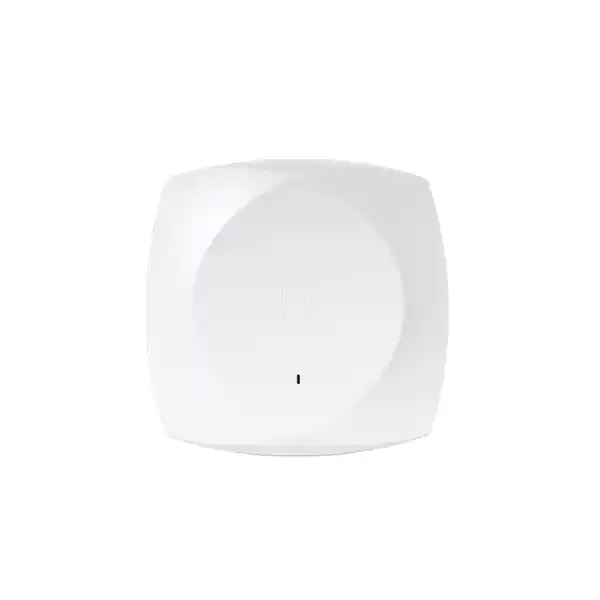
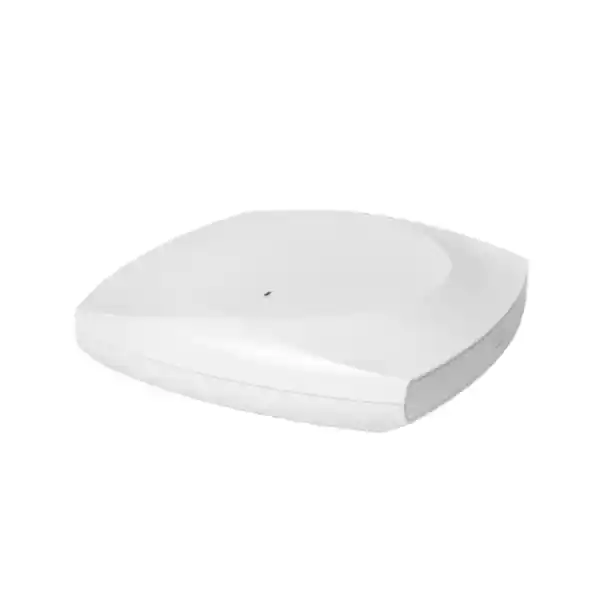
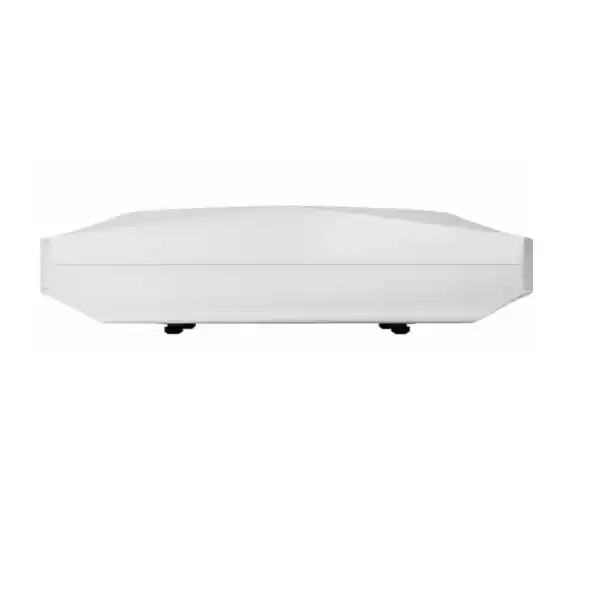
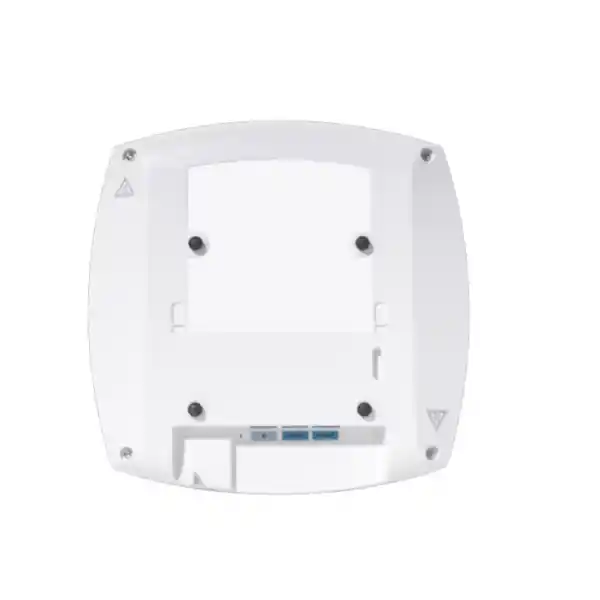
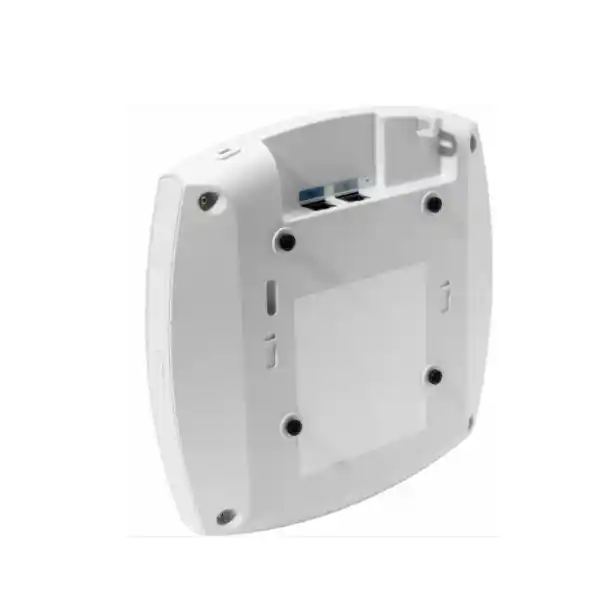
Cisco Meraki CW9178I Tanzania
Cisco Meraki CW9178I is a high-end indoor Wi‑Fi 7 access point created for organizations that need predictable wireless capacity, strong security controls and a management model that can fit modern cloud-first or controller-based network operations. The platform supports 2.4 GHz, 5 GHz and 6 GHz client access, can operate in tri-radio or quad-radio modes, and is engineered for dense environments where conventional access points may become constrained by channel contention, client growth or uplink limitations. For Tanzanian enterprises planning new offices, campus networks, hotels, hospitals, universities, retail spaces or high-capacity collaboration areas, the CW9178I provides a path toward Wi‑Fi 7 while preserving flexibility around how the wireless estate is managed.
What the Cisco Meraki CW9178I is designed to solve
Modern enterprise wireless networks increasingly carry more than laptops and phones. They support collaboration video, voice, cloud applications, scanners, IoT devices, guest traffic, asset-location systems and dense groups of users who expect wired-like responsiveness. The CW9178I addresses this by combining Wi‑Fi 7 radio capabilities with high-capacity Ethernet uplinks, dedicated RF visibility and a management architecture that can support either Meraki cloud operations or Cisco Catalyst wireless control. That makes it especially relevant for refresh projects where the organization wants to improve capacity without locking the hardware into only one operational model.
The device should be specified as part of a complete wireless design rather than as an isolated access point. Radio mode, PoE power class, switching capacity, cabling, 6 GHz regulatory availability, client capabilities, licensing and management platform all affect the experience delivered in production. For this reason, FourTeck positions the CW9178I around survey-led planning, accurate bill-of-material preparation and compatibility checks instead of relying on headline throughput alone.
Verified Cisco CW9178I technical highlights
Quad-radio Wi‑Fi 7
The CW9178I supports 4×4 client-serving radios across 2.4 GHz, dual 5 GHz and 6 GHz when used in quad-radio mode, with Wi‑Fi 7 capabilities including 4096-QAM, Multi-Link Operation, preamble puncturing and 320 MHz channels in the 6 GHz band where permitted.
High-capacity wired uplinks
Two multigigabit Ethernet interfaces can support up to 10 Gbps each under the appropriate power profile, helping the access point avoid an uplink bottleneck in high-throughput deployments and providing design options for redundancy.
Dedicated RF and security visibility
A dedicated scanning radio supports spectrum analysis and wireless threat monitoring so RF optimization and security functions do not have to compete directly with normal client traffic.
IoT and location services
The platform includes Bluetooth Low Energy, Ultra-Wideband support, GNSS/GPS capability and a USB interface for selected external IoT use cases, making it relevant for environments where wireless infrastructure also contributes to location-aware services.
Enterprise security
Supported security capabilities include WPA3, 802.1X enterprise authentication, AES encryption, guest isolation, VLAN tagging and Meraki Air Marshal functions for wireless intrusion detection and prevention.
Flexible management
Unified hardware allows deployment with Meraki cloud management or Cisco Catalyst wireless infrastructure. This gives architects more freedom when choosing between cloud-centric operational simplicity and controller-based enterprise designs.
Power and switching design: a critical CW9178I buying consideration
The CW9178I can operate under different PoE conditions, but the available radio chains, Ethernet speeds and USB capability depend on the power provided. Cisco documents full operation with 802.3bt Class 6 power, while reduced-power 802.3at modes impose feature limitations. A project should therefore verify the access switch model, PoE budget per port, total switch PoE budget, LLDP configuration and uplink architecture before ordering large quantities of access points.
This is particularly important in a retrofit. A building may have Cat 6 or better cabling and a physically compatible switch, yet still fail to deliver the intended CW9178I capability if the switch supplies only lower-power PoE or lacks sufficient multigigabit ports. A proper quotation should therefore identify AP quantity, required power source, switching capacity, mounting hardware, licensing, cabling scope and whether redundancy on the two Ethernet ports is required.
Management, licensing and integration
Organizations choosing Meraki cloud management gain centralized browser-based configuration, monitoring, RF visibility, alerting and remote troubleshooting across distributed networks. The cloud approach is particularly attractive where a small IT team manages multiple locations because network policy, firmware and health visibility can be consolidated. For enterprises standardized on Cisco Catalyst, the same hardware can participate in a Catalyst wireless design using supported controllers and Cisco management tooling. Licensing must be planned as part of the architecture; the required subscription depends on the selected management model and feature tier.
The CW9178I also integrates with broader Cisco ecosystem capabilities such as Cisco Identity Services Engine for policy and identity-aware access and Cisco Spaces for location-focused use cases. In Meraki environments, application-aware traffic shaping, guest access, client analytics and dashboard-based assurance can help IT teams make wireless performance easier to understand. In all cases, feature selection should follow the business requirement rather than enabling every capability by default.
For customers comparing wireless architectures across East Africa, FourTeck can also align the project with broader network sourcing through FourTeck Tanzania technology solutions, regional procurement coordination through FourTeck Kenya and FourTeck Uganda, wider multi-country projects through FourTeck Africa, or Gulf-linked infrastructure requirements through FourTeck UAE. These links are included to help buyers coordinate related network requirements across different operating regions rather than treating the access point as a stand-alone purchase.
Cisco Meraki CW9178I Tanzania
For Tanzania, the Cisco Meraki CW9178I is best suited to organizations that expect their wireless network to support dense user populations, demanding cloud applications and a growing mix of Wi‑Fi 6, Wi‑Fi 6E and Wi‑Fi 7 clients. Typical candidates include corporate headquarters, higher education, private healthcare, hotels, financial institutions, large retail environments and multi-building business campuses. The strongest procurement case is not simply that the device is newer; it is that the AP combines Wi‑Fi 7 spectrum efficiency, 6 GHz capacity, dedicated RF visibility and multigigabit wired connectivity in a platform that can remain useful as more client devices adopt Wi‑Fi 7 over the refresh cycle.
A Tanzania deployment should begin with the expected user density and application mix. Video meetings, cloud desktop use, voice, large file synchronization, guest access and location services create different design pressures. In high-density rooms, radio cell size, channel plan and client distribution matter as much as the theoretical throughput of each AP. The CW9178I supports a quad-radio operating mode with dual 5 GHz radios, which can be valuable in dense spaces, while 6 GHz can provide additional spectrum for compatible devices. However, regulatory rules and allowed channels must be validated for the deployment country before the design assumes specific 6 GHz operation.
Infrastructure readiness is equally important. Full access-point capability requires suitable PoE power and switching. An organization replacing older 802.11ac or early Wi‑Fi 6 APs may discover that the access layer needs upgrading to multigigabit Ethernet and higher-power PoE before the new wireless layer can operate at its intended ceiling. Cabling condition, patch panels, UPS sizing and switch uplinks should therefore be reviewed during planning. For distributed Tanzanian operations, Meraki cloud management can simplify centralized visibility, while organizations already invested in Cisco Catalyst can evaluate the controller-managed alternative.
When requesting a quotation for Cisco Meraki CW9178I Tanzania, buyers should include the number of sites, floor plans if available, approximate user counts, preferred management platform, current switching models, available PoE classes, internet and WAN architecture, desired guest or BYOD policies and any requirements for Cisco ISE, location analytics or IoT. This produces a more accurate bill of materials and reduces the risk of ordering high-performance AP hardware without the switching, licensing or power components needed to use it effectively.
Cisco Meraki CW9178I Dar es Salaam
Dar es Salaam organizations often combine dense office floors, meeting spaces, customer-facing areas and distributed business operations in a way that places sustained pressure on enterprise Wi‑Fi. For these environments, Cisco Meraki CW9178I can be considered when the network design calls for very high-capacity indoor wireless, newer 6 GHz clients and long-term migration toward Wi‑Fi 7. The platform is particularly relevant to large corporate offices, hospitality properties, healthcare environments, universities, financial services and technology businesses that expect a high number of concurrent devices per floor.
The design question in Dar es Salaam should focus on capacity per area, not only coverage. A single access point can provide excellent signal while still being overloaded by many active clients. Dense floor plans benefit from correct AP spacing, transmit-power tuning and channel planning. CW9178I’s dedicated scanning and RF optimization capabilities help the management system understand interference and RF conditions, while the ability to operate dual 5 GHz radios in quad-radio mode can create more capacity where the environment and channel plan support it. The 6 GHz band can further separate capable clients from congested legacy spectrum, subject to regulatory availability.
Many Dar es Salaam refresh projects also need to address the wired edge. Dual 10G multigigabit interfaces are valuable only if upstream switching and cabling can take advantage of them. Before procurement, IT teams should inspect access switch port speeds, PoE capability, total PoE budget, uplink bandwidth and UPS resilience. If the existing access layer is limited to 1 Gbps and lower-power PoE, the AP will still require a carefully planned deployment profile rather than an assumption that every headline capability will be active.
For quotation preparation, Dar es Salaam buyers should specify whether the requirement is a new build, expansion or replacement. It is also useful to describe expected meeting-room density, guest usage, voice over Wi‑Fi, corporate identity integration, CCTV or IoT coexistence and whether management will be handled through Meraki cloud or Cisco Catalyst. These details help turn a product request into a deployable wireless design with the correct licenses, injectors or PoE switching, mounting accessories and configuration scope.
Cisco Meraki CW9178I Mwanza
In Mwanza, Cisco Meraki CW9178I is relevant to organizations planning high-capacity indoor wireless for hotels, medical facilities, education, administration, financial operations and growing commercial sites. The access point is not intended as a simple replacement for every small-office AP; its value is strongest where user density, application demand or future growth justify advanced radio capacity and multigigabit infrastructure. A project should therefore map the spaces where Wi‑Fi performance is business-critical and distinguish them from low-density areas where a different AP class may be sufficient.
A strong Mwanza design should consider the number of active devices during peak periods. Lecture spaces, conference rooms, lobbies, clinical areas and open-plan offices can experience bursts of concurrent wireless usage that are not obvious from an average daily user count. CW9178I’s Wi‑Fi 7 architecture, multiple client-serving radios and dedicated security scanning can help in these demanding zones, but placement and RF design still determine whether clients are distributed efficiently. Large 320 MHz channels can deliver high performance on compatible 6 GHz clients, although narrower channels may be more appropriate in some dense deployments to increase channel reuse.
Power readiness is one of the most important procurement checks. Cisco documents different operating capabilities depending on the PoE level. Full radio and Ethernet capability requires appropriate 802.3bt power. If existing switching provides only PoE+, the design should account for reduced features or include a switching upgrade or suitable power injectors. This should be established before commercial comparison so that offers are evaluated on the full solution rather than only the AP unit price.
Mwanza organizations should also decide how they want to operate the wireless environment. Meraki cloud management can make remote administration attractive for teams supporting more than one site, while Catalyst management can suit organizations with established Cisco controller operations. Procurement requests should therefore include management preference, license duration expectations, number of APs, existing switch models, cabling category, user density and any requirements for identity services, guest access, location analytics or application prioritization.
Cisco Meraki CW9178I Arusha
Arusha has a broad mix of hospitality, tourism-support businesses, education, administration and corporate facilities where wireless experience can directly affect staff productivity and guest perception. Cisco Meraki CW9178I can be a strong fit for high-density indoor zones such as conference facilities, premium hotels, campuses and larger offices that need dependable performance for modern client devices. Its Wi‑Fi 7 radio platform can serve 2.4 GHz, 5 GHz and 6 GHz clients while providing dedicated RF-security visibility and enterprise policy controls.
Hospitality and event-focused environments should pay particular attention to peak density rather than room count. A ballroom, meeting hall or lobby may concentrate hundreds of devices for a limited period, requiring careful AP placement and channel planning. CW9178I’s quad-radio mode, including two 5 GHz radios, gives designers additional options in suitably planned dense areas. The 6 GHz band can be used by compatible clients for added capacity where local regulation and client support permit it. Guest-network design should also consider isolation, captive access requirements, bandwidth policies and separation from staff or operational systems.
Arusha buyers should not overlook the switching layer. Dual 10G mGig capability and higher-power PoE are meaningful only when the access network supports them. A wireless refresh can therefore become a combined switching and Wi‑Fi project, especially in older buildings where cable certification, patching and power resilience need review. In some cases, using the CW9178I only in the highest-demand areas and selecting other models elsewhere may be the most balanced design.
For organizations operating multiple properties or branches, Meraki cloud management can centralize configuration and troubleshooting, helping a smaller IT team maintain consistent policy. Organizations with existing Cisco Catalyst wireless teams can instead evaluate Catalyst-based management. A useful quotation request should identify property type, key high-density spaces, number of floors, approximate client counts, internet bandwidth, current switches, PoE capability, required guest policies and whether location or IoT features are part of the project scope.
Cisco Meraki CW9178I Dodoma
For Dodoma, Cisco Meraki CW9178I is suitable for enterprise and institutional indoor wireless projects where capacity, manageability and security are central requirements. Government-related offices, education environments, larger professional services organizations, conference facilities and multi-floor commercial buildings can benefit from a design that supports Wi‑Fi 7 clients while maintaining compatibility with earlier Wi‑Fi generations. The product’s combination of 2.4 GHz, 5 GHz and 6 GHz radios makes it possible to distribute clients across available spectrum rather than relying only on traditional bands.
Security planning is especially important in institutional environments. The CW9178I supports WPA3, enterprise 802.1X authentication, VLAN-based segmentation and wireless intrusion monitoring through Air Marshal in Meraki deployments. Integration with Cisco Identity Services Engine can support more advanced identity and policy requirements. These functions should be mapped to organizational access rules, including separation of staff, guest, contractor and IoT traffic, rather than treated as default settings.
Dodoma projects should also verify whether the building network is ready for the AP’s power and uplink requirements. Older access switches may supply PoE but not the 802.3bt class needed for full operation, and 1 Gbps ports may restrict the benefit of a high-capacity Wi‑Fi 7 radio. A pre-deployment check should document switch models, free PoE budget, uplink capacity, cabling category, patch-panel condition and UPS runtime. These items often have greater impact on deployment success than small differences in access-point hardware pricing.
When requesting a Cisco Meraki CW9178I quote in Dodoma, include the number of buildings, floor layouts, user estimates, security segmentation requirements, management preference and expected lifecycle. This helps determine whether the design should use CW9178I throughout, reserve it for high-density areas or combine it with other Cisco wireless models. It also helps ensure that licensing, mounting, injectors or PoE switches and implementation services are considered together.
Cisco Meraki CW9178I UAE
In the UAE, the Cisco Meraki CW9178I can support high-density enterprise wireless projects in corporate towers, hospitality, healthcare, retail, education and large technology environments. Its Wi‑Fi 7 architecture is particularly relevant where organizations are refreshing wireless infrastructure for a multi-year lifecycle and expect more 6 GHz and Wi‑Fi 7 client adoption. The AP’s quad-radio option, dual 10G multigigabit Ethernet and dedicated scanning functions position it for sites where performance and operational visibility matter more than lowest-cost coverage.
UAE deployments often involve modern structured cabling and higher-capacity switching, but project teams should still verify PoE class, switch port speed and aggregate access-layer uplinks. Full CW9178I capability depends on adequate 802.3bt power. If the AP is connected to lower-power PoE+, radio chains and interface capabilities are reduced according to Cisco’s supported power profiles. This makes switch selection part of the AP decision rather than a separate procurement task.
Organizations with many branches can benefit from Meraki dashboard management because configuration, RF status, client health and troubleshooting can be viewed centrally. Enterprises using Cisco Catalyst controllers can use the unified hardware with a controller-led design. That flexibility is useful for organizations with hybrid operational standards or those planning future management-model changes. Security design can incorporate WPA3, 802.1X, guest isolation, segmentation and Cisco identity integrations based on policy needs.
For a UAE quotation, provide the site type, floor plan, expected client density, required SSIDs, guest access model, switching platform, PoE capabilities, cabling standard and any identity, location or IoT requirements. It is also useful to distinguish spaces such as auditoriums, ballrooms and training rooms from normal office areas because those zones may require different radio density. The objective is to create a complete wireless bill of materials rather than quote AP hardware without the infrastructure needed to use it correctly.
Cisco Meraki CW9178I Uganda
For Uganda, the Cisco Meraki CW9178I is aimed at high-capacity indoor networks rather than basic coverage projects. Large offices, universities, healthcare facilities, hotels, financial institutions and multi-site businesses can consider the platform when they need Wi‑Fi 7 capability, centralized management and robust security. Because the AP can work with Meraki cloud management or Cisco Catalyst wireless infrastructure, it can fit both distributed IT models and more traditional enterprise controller environments.
Ugandan organizations should assess both current and future client populations. Many endpoints will remain Wi‑Fi 5 or Wi‑Fi 6 for years, but introducing Wi‑Fi 7 infrastructure can still improve network design by adding 6 GHz capacity for newer clients and modernizing the wired edge. CW9178I supports quad-radio operation with dual 5 GHz radios and a 6 GHz radio, allowing architects to make use of more spectrum where regulations and client capabilities permit. Dedicated scanning helps monitor RF conditions and supports ongoing optimization.
A procurement plan should verify that switching and power are suitable. Full performance requires 802.3bt power and multigigabit connectivity. Existing 1G PoE+ access switches may operate the AP only with reduced capabilities, so a refresh may need to include new access switches, injectors or both. Cabling quality is equally relevant because multigigabit links depend on the physical path between the AP and switch.
For Uganda projects spanning multiple sites, centralized Meraki cloud management can reduce the need for on-site configuration work and give IT teams consistent policy visibility. A quotation should include site count, AP quantity, user density, floor plans, switch information, desired license duration, security requirements, guest access and any integration with identity, location or IoT services. These details make it easier to size the complete solution and avoid underestimating power, switching or licensing needs.
Cisco Meraki CW9178I Kampala
Kampala’s mix of corporate offices, universities, hotels, medical facilities, banks and technology businesses creates many environments where high-density wireless is more important than broad low-cost coverage. Cisco Meraki CW9178I is well positioned for these high-demand spaces because it combines Wi‑Fi 7 radios, dual 10G multigigabit Ethernet and dedicated RF/security scanning. The product can be especially useful in buildings where video collaboration, SaaS applications, cloud storage and guest traffic all operate simultaneously.
A Kampala deployment should separate coverage zones from capacity zones. Corridors and low-occupancy offices may not need the same AP density as conference rooms, classrooms, auditoriums or customer areas. CW9178I’s quad-radio mode can provide additional 5 GHz capacity in busy spaces, while 6 GHz creates opportunities for compatible devices to use cleaner spectrum. Channel widths should be selected according to the density design; maximum channel width is not always the best choice when many APs need to reuse spectrum efficiently.
The wired access layer is a critical dependency. Cisco specifies different behavior under 802.3bt and 802.3at power. Full radio chains, 10G Ethernet capability and USB availability rely on the correct power class. Buyers should therefore ask whether proposed switching provides sufficient per-port power and total PoE capacity across all planned APs. Uplinks from the access switch toward distribution or core switches should also be sized to avoid moving the bottleneck from the wireless edge to the wired network.
When requesting CW9178I for Kampala, include the expected number of concurrent users, key applications, building structure, floor plans, existing switch models, cabling age, internet bandwidth and desired management model. If Meraki cloud management is preferred, license planning should be included from the start. If the organization operates Catalyst wireless controllers, compatibility and software requirements should be checked against the intended architecture.
Cisco Meraki CW9178I Arua
In Arua, the Cisco Meraki CW9178I can be considered for organizations building premium indoor wireless in larger offices, institutions, hotels, healthcare environments and education sites. The model is most appropriate where the network must handle many active users or where the organization wants a longer-term Wi‑Fi 7 platform rather than a basic access point refresh. It supports newer 6 GHz clients alongside established 2.4 GHz and 5 GHz devices, which allows a phased transition as endpoint capabilities change over time.
For projects outside the largest metropolitan centers, centralized operation can be a major advantage. Meraki cloud management allows policy, monitoring and diagnostics to be performed remotely, reducing dependence on repeated on-site access for routine configuration changes. This can be valuable for organizations with an IT team based elsewhere that still requires visibility into branch wireless performance. The alternative Catalyst management path is available where an enterprise already operates Cisco controller infrastructure.
Infrastructure assessment remains essential. A high-capacity Wi‑Fi 7 AP cannot compensate for insufficient internet bandwidth, underpowered switching or damaged cabling. Before deploying CW9178I in Arua, review the switch PoE standard, free power budget, Ethernet speed, switch uplink, UPS runtime and cable certification. If the design expects full quad-radio operation and high-rate Ethernet, 802.3bt power should be part of the plan.
A practical quotation request should specify whether the requirement is for a single site or several branches, the approximate number of APs, expected user count, high-density rooms, guest access needs and any centralized identity integration. Buyers should also state whether they need only supply, or whether survey, configuration, installation and post-deployment optimization are part of the desired scope. This keeps procurement aligned with deployment reality and prevents accessory or licensing gaps.
Cisco Meraki CW9178I Mbarara
Mbarara organizations upgrading enterprise Wi‑Fi can use the Cisco Meraki CW9178I in high-demand indoor areas where performance, security and centralized management are priorities. The model can serve dense offices, healthcare facilities, education sites, hospitality properties and other environments with a growing number of wireless endpoints. Wi‑Fi 7 capabilities are useful not only for headline speed but also for improving efficiency and creating a more capable platform for new client devices over the planned lifecycle.
The best design starts by identifying busy zones. A reception area, lecture hall, waiting room or conference center may need more capacity than surrounding spaces. CW9178I can operate with multiple serving radios and a dedicated scanning radio, giving RF planners more flexibility in dense environments. 6 GHz support offers an additional spectrum layer for compatible clients, while the AP continues to support 2.4 GHz and 5 GHz devices. Local regulatory availability should always be confirmed before the channel plan assumes a specific 6 GHz allocation.
Switching is another major consideration. Full CW9178I operation requires appropriate power and multigigabit connectivity. A site using older PoE+ switches may need to accept reduced operating profiles or upgrade the access layer. The total PoE budget matters when many APs are installed on one switch, because a port specification alone does not guarantee that the switch can power all devices simultaneously at the required class.
Mbarara buyers should include network-management preferences in the commercial request. Meraki cloud management can suit distributed organizations that value remote visibility and simplified operations, while Cisco Catalyst infrastructure can fit existing controller-based networks. Quotation preparation should cover AP quantity, licenses, mounting, PoE method, switches if required, cabling remediation, configuration, SSID policy, segmentation and any identity or guest-access integration.
Cisco Meraki CW9178I Gulu
For Gulu, Cisco Meraki CW9178I is best evaluated as part of a full high-capacity wireless architecture. It can support institutions, healthcare facilities, education campuses, commercial offices and hospitality sites that need secure wireless with room for future client growth. The AP’s Wi‑Fi 7 capability, dedicated RF scanning and support for cloud or Catalyst management provide a strong foundation, but project value depends on how well the solution is matched to actual site conditions.
Coverage surveys and floor-plan review are particularly important because wall materials, room layout and mounting positions influence radio behavior. Adding more powerful hardware does not automatically fix poor placement. Designers should identify likely client concentrations, interference sources and roaming paths, then choose AP locations and channel settings accordingly. In dense areas, dual 5 GHz operation can be useful, while the 6 GHz band can help capable devices move away from crowded legacy channels.
Power and cabling requirements should be confirmed early. Full performance requires suitable 802.3bt power. If an existing access switch cannot provide it, the project may need an injector or a switching upgrade. Likewise, if the cabling path is old or poorly terminated, multigigabit Ethernet may not operate reliably. Testing the physical layer before deployment can prevent troubleshooting that is mistakenly blamed on wireless RF conditions.
For a Gulu quotation, buyers should state the number of buildings and floors, expected users, main applications, existing access switches, cabling condition, management preference and any requirement for centralized identity, guest access or network segmentation. If remote operations are important, Meraki cloud management can reduce the need for frequent on-site changes. The final bill of materials should include licensing, power and mounting components alongside AP hardware.
Cisco Meraki CW9178I Kenya
In Kenya, Cisco Meraki CW9178I is relevant to sophisticated wireless refreshes in enterprise campuses, higher education, healthcare, financial services, hospitality, logistics and large offices. The model’s Wi‑Fi 7 radio architecture and dual 10G Ethernet interfaces make it particularly suitable where the network is expected to support high user density and an increasing share of advanced client devices. For organizations operating both Kenya and Tanzania, a unified Cisco wireless standard can simplify skills, policy and lifecycle planning across sites.
The technical design should account for the specific density of each space. High-capacity Wi‑Fi in an auditorium or collaborative office is not designed the same way as coverage in a warehouse office or low-occupancy corridor. CW9178I provides multiple serving radios plus dedicated RF/security monitoring, but an effective channel plan still requires careful cell sizing and spectrum reuse. 6 GHz can improve available capacity for compatible clients, and Wi‑Fi 7 features such as MLO can enhance future client performance where supported.
Kenyan buyers should confirm access-switch readiness before procurement. Full functionality depends on appropriate 802.3bt power, and the AP can make use of multigigabit Ethernet speeds far beyond legacy 1G access links. This may lead to a combined Wi‑Fi and switching modernization. Distribution/core links should also be examined so that a large group of high-capacity APs does not overwhelm upstream connectivity.
A complete Kenya quotation should include site count, estimated AP count, management platform, required licenses, switching and PoE requirements, cabling, mounting accessories, installation and configuration. Buyers should also provide expected guest, BYOD and identity policies. Cross-border organizations can coordinate regional planning through FourTeck Kenya and FourTeck Tanzania while keeping technical standards consistent across the estate.
Cisco Meraki CW9178I Kuwait
Cisco Meraki CW9178I in Kuwait is suited to indoor enterprise environments where wireless density, security and high-capacity backhaul are central requirements. Corporate offices, hospitality properties, universities, healthcare environments and larger retail facilities can use the platform as part of a Wi‑Fi 7 modernization strategy. Its support for 2.4 GHz, dual 5 GHz and 6 GHz radios in quad-radio mode provides a flexible spectrum architecture for mixed client populations.
High-performance wireless should be paired with an appropriate wired edge. The CW9178I provides two multigigabit Ethernet interfaces capable of 10G operation in the full-power profile. Project teams should verify access-switch port capabilities, 802.3bt power support, total PoE budget and the bandwidth available from access switches upstream. In new builds, these requirements can be incorporated into the design from the start. In existing buildings, a physical-layer assessment can identify whether cable runs and patching support the desired rates.
Wireless policy should also be planned around user groups and applications. Employee, guest, contractor and IoT traffic may require separate segmentation and authentication. The CW9178I supports enterprise wireless security capabilities including WPA3 and 802.1X, while Meraki or Catalyst management can be selected according to operational standards. Application-aware traffic controls and centralized monitoring can help organizations protect business-critical traffic during busy periods.
For Kuwait procurement, a request should identify the number of sites, expected concurrent users, room types, existing switching, desired management platform and any integration requirements. Buyers should also include expectations for survey, deployment and post-install optimization. This makes it possible to quote a complete solution with AP hardware, licenses, power, switching and services aligned to the intended performance.
Cisco Meraki CW9178I Ghana
For Ghana, Cisco Meraki CW9178I provides a Wi‑Fi 7 option for enterprises that require strong indoor capacity, centralized management and long-term scalability. It is most appropriate for larger offices, universities, healthcare sites, financial services, hotels and other environments where many clients share the network at the same time. The platform supports older client generations while creating a path for new 6 GHz and Wi‑Fi 7 devices, which can help organizations phase upgrades without waiting for every endpoint to change.
The AP’s dedicated scanning radio is useful in environments where ongoing RF visibility matters. It can support spectrum analysis and threat monitoring while client-serving radios continue normal operation. In dense sites, dual 5 GHz operation provides additional design flexibility. 6 GHz capacity can further improve client distribution where local regulations and device support allow it. As always, radio design should be based on a survey and client-density plan rather than assumed from a single coverage radius.
Power and access switching require particular attention. Full operation is associated with 802.3bt power, while lower-power modes reduce available capabilities. Ghana projects using existing PoE+ switches should therefore determine whether the current infrastructure can meet the intended design or whether switch upgrades are necessary. The same review should include multigigabit port support, upstream bandwidth, cabling and UPS resilience.
A Ghana quotation request should describe the business environment, number of floors, user density, desired management model, security requirements and any guest or identity integration. It should also specify whether the scope includes site survey, switching, structured cabling, configuration and optimization. This creates a realistic procurement plan and prevents the AP from being evaluated independently of the licenses and infrastructure required to operate it.
Cisco Meraki CW9178I Nigeria
Nigeria’s large enterprise, financial, education, hospitality and technology environments can create some of the most demanding indoor Wi‑Fi conditions in the region. Cisco Meraki CW9178I is a suitable candidate for high-density spaces that need Wi‑Fi 7 capabilities, high-capacity wired uplinks and centralized RF visibility. Its unified-hardware design also offers flexibility for organizations deciding between Meraki cloud operations and Cisco Catalyst controller-based management.
In dense Nigerian offices or campuses, capacity planning should consider simultaneous users and traffic patterns. Video conferencing, cloud applications, mobile devices and guest usage can create heavy contention even when internet bandwidth is ample. CW9178I’s quad-radio architecture can use two 5 GHz radios plus 2.4 GHz and 6 GHz serving radios, giving wireless architects more tools to spread demand. Wi‑Fi 7 features such as 4096-QAM, 320 MHz channels in 6 GHz and Multi-Link Operation can benefit compatible clients under suitable conditions.
Power design can become a project constraint. Access switches should provide the correct 802.3bt power and enough overall PoE budget for the number of APs on each switch. If the environment uses 1G PoE+ switching, a staged modernization may be required. Cable certification and switch uplinks should be included in the assessment, especially for new high-density floors where aggregate traffic can be substantial.
For Nigerian organizations with multiple branches, Meraki cloud management can provide consistent wireless policy and remote troubleshooting. A commercial request should include AP quantity, building layouts, expected client density, current switch inventory, desired licenses, guest-access model and identity requirements. This enables a quote that covers the complete deployment rather than a hardware-only price that may omit necessary power, switching or subscription components.
Cisco Meraki CW9178I Seychelles
In Seychelles, Cisco Meraki CW9178I can be particularly relevant to premium hospitality, resort, corporate and institutional environments where guest experience and operational connectivity depend on reliable indoor Wi‑Fi. The model offers Wi‑Fi 7 capacity for high-density areas while continuing to serve earlier client generations. For hotels and resorts, deployment can focus the CW9178I on lobbies, conference rooms, restaurants, event spaces and other indoor areas where many devices connect simultaneously.
Hospitality wireless requires careful segmentation. Guest access, staff devices, point-of-sale systems, IoT devices and operational applications should not necessarily share the same security policy. CW9178I supports enterprise authentication, VLAN tagging, WPA3 and policy controls that can be integrated into a broader network architecture. Meraki cloud management can be useful for properties with remote IT oversight because dashboard visibility can centralize monitoring and troubleshooting across multiple buildings or sites.
The physical design should account for building materials and AP mounting. Dense construction, decorative finishes and room layouts can alter propagation significantly, so survey-based placement is important. 6 GHz can provide excellent capacity but generally has different propagation characteristics from lower-frequency bands, which makes it important to design for client experience rather than assume that one AP count works equally across all bands.
Seychelles buyers should include PoE switching, cable condition, UPS protection and internet architecture in the project scope. Full CW9178I operation requires suitable 802.3bt power, and high-capacity radios benefit from multigigabit Ethernet. A quotation should identify the property type, key dense spaces, estimated users, management preference, guest-network requirements and any location or IoT services. This enables a complete design that aligns wireless performance with the broader property network.
CW9178I deployment and selection checklist
1. Density and applications
Document expected concurrent users, voice and video use, cloud applications, guest traffic, IoT and peak-density spaces.
2. RF and spectrum
Confirm 6 GHz regulatory availability, desired channel widths, AP placement, roaming expectations and whether dual 5 GHz operation is needed.
3. Power
Verify 802.3bt support where full capabilities are required and check total PoE budget across each access switch.
4. Wired capacity
Check multigigabit ports, switch uplinks, cable quality and whether redundancy on the two Ethernet interfaces is part of the design.
5. Management and licensing
Choose Meraki cloud or Catalyst management, then align the required subscription or license tier with the intended features.
6. Security and integrations
Define WPA3, 802.1X, guest access, segmentation, Cisco ISE, location analytics and IoT requirements before configuration begins.
Frequently asked questions about Cisco Meraki CW9178I
Is the CW9178I a Wi‑Fi 7 access point?
Yes. Cisco positions the CW9178I as an enterprise Wi‑Fi 7 access point based on 802.11be. It supports Wi‑Fi 7 features including 4096-QAM, Multi-Link Operation, preamble puncturing and 320 MHz channels in 6 GHz where supported by regulation and clients.
What is the maximum aggregate wireless rate?
Cisco documents up to 24 Gbps aggregate PHY rate in quad-radio mode. Real application throughput is lower and depends on client capability, channel width, signal quality, protocol overhead, network design and wired backhaul.
Does CW9178I require 802.3bt PoE?
Cisco supports operation under multiple PoE conditions, but full radio and interface capability requires the appropriate higher-power 802.3bt profile. Lower-power PoE+ operation uses reduced configurations, so switching power should be verified before procurement.
Can the CW9178I be managed by Meraki cloud and Cisco Catalyst?
Yes. The CW9178I is unified hardware designed to support either Meraki cloud management or Cisco Catalyst wireless management with supported controllers and software. The selected operating model determines the licensing and management workflow.
Does it support 6 GHz?
Yes, the CW9178I includes a 6 GHz serving radio. Actual channel availability is country dependent, so deployment plans should be aligned with local regulatory rules and supported client devices.
What type of organizations should choose CW9178I?
It is best suited to demanding indoor enterprise environments such as high-density offices, education, healthcare, hospitality, financial services, retail and campuses where high capacity, strong RF visibility and long-term Wi‑Fi 7 readiness justify a premium access-point platform.
Quotation checklist for Cisco Meraki CW9178I
For a more accurate quote, provide: number of sites and floors; approximate concurrent users; floor plans; key high-density spaces; preferred management platform; existing access-switch models; available PoE standard; cable category; internet/WAN bandwidth; required SSIDs; guest and BYOD policy; 802.1X or Cisco ISE requirements; need for location analytics, BLE, UWB or IoT; mounting environment; and whether the scope should include survey, configuration, installation, switch upgrades or post-deployment optimization.
This information helps distinguish a simple hardware purchase from a complete Wi‑Fi 7 deployment. It also allows the design to determine whether CW9178I is required throughout the site or should be concentrated in high-density zones alongside other access-point models.
Decision recap
Choose Cisco Meraki CW9178I when the project requires premium indoor Wi‑Fi 7 capacity, advanced RF visibility, 6 GHz support, dual 10G multigigabit interfaces and the flexibility to operate under Meraki cloud or Cisco Catalyst management. It is especially compelling for high-density environments and long-lifecycle wireless refreshes.
Before ordering, validate power, switching, cabling, licensing and radio design. A technically correct solution will match AP capability to the wired edge and client environment instead of relying only on theoretical wireless rates.
Talk to FourTeck about your CW9178I deployment
FourTeck can help structure the product request around AP quantity, management model, licensing, PoE, switching, cabling and deployment scope so the quotation reflects the complete network requirement. For Tanzania and multi-country projects, share your floor plans, user estimates and existing switch inventory to support a more accurate solution discussion.
For best results, include your target deployment date, number of sites and whether the project is a new installation, expansion or migration from existing Wi‑Fi infrastructure.



Reviews
There are no reviews yet.