
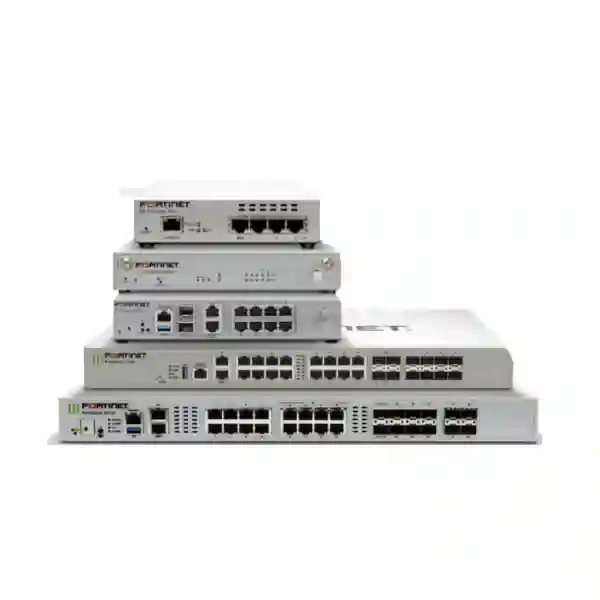
FortiAnalyzer G Series Tanzania
FortiAnalyzer G Series is designed for organizations that need a centralized way to collect, retain, analyze and report on security information generated across Fortinet environments. Instead of treating logs as isolated records, FortiAnalyzer helps security and infrastructure teams turn operational data into searchable visibility, investigation context, reports and automation workflows. For Tanzanian businesses planning a Fortinet security architecture, the important purchasing question is not simply which appliance is newest; it is which FortiAnalyzer capacity aligns with daily log ingestion, retention objectives, device count, reporting expectations and future growth.
Current Fortinet documentation lists G-series models including FortiAnalyzer 150G, 300G, 800G, 810G, 1000G, 3000G, 3100G, 3500G, 3510G, 3700G and 3750G across supported software branches. Model availability and specifications vary, so procurement should be based on the current Fortinet data sheet and the exact proposed SKU rather than assumptions carried over from another appliance.
Centralized visibility
Bring security logs and analytics into a central operational platform so teams can investigate activity without manually reviewing every individual Fortinet device.
Reporting and operations
Use consolidated information to support recurring reporting, incident review, operational monitoring and security workflows while maintaining a clearer historical record.
Capacity-led selection
Size the platform around log volume, retention, protected environment, growth and reporting demand rather than choosing only by appliance name or storage headline.
FortiAnalyzer G Series overview and model planning
Fortinet positions FortiAnalyzer as a Security Fabric analytics and automation platform. Current published ordering information includes multiple G-series hardware tiers. For example, Fortinet’s current data sheet lists FAZ-150G with 4 TB storage and up to 25 GB/day of logs, FAZ-300G with 8 TB and up to 100 GB/day, FAZ-810G with 16 TB self-encrypting storage and up to 200 GB/day, FAZ-1000G with 32 TB and up to 660 GB/day, FAZ-3100G with 64 TB and up to 3000 GB/day, and FAZ-3510G with 96 TB and up to 5000 GB/day. These figures are model-specific reference points, not interchangeable specifications for every G-series appliance.
A practical design starts with measured or defensible estimates. Count the Fortinet devices expected to send logs, establish normal and peak daily log generation, define how long searchable or archived information must be retained, and identify reporting frequency. Security teams should also consider whether the deployment will expand to additional branches, firewalls or other Security Fabric components. The selected platform should provide operational headroom rather than meeting only today’s minimum requirement.
| Model | Published storage | Published logs/day |
|---|---|---|
| FAZ-150G | 4 TB | Up to 25 GB/day |
| FAZ-300G | 8 TB | Up to 100 GB/day |
| FAZ-810G | 16 TB | Up to 200 GB/day |
| FAZ-1000G | 32 TB | Up to 660 GB/day |
| FAZ-3100G | 64 TB | Up to 3000 GB/day |
| FAZ-3510G | 96 TB | Up to 5000 GB/day |
Integration, deployment and procurement guidance
FortiAnalyzer is most valuable when its role is designed as part of the wider security operations process. Before procurement, document the FortiGate estate, relevant Fortinet integrations, administrator roles, network paths, time synchronization, retention policy, backup expectations and report consumers. This turns a hardware purchase into a deployment plan. Organizations should also validate the intended FortiAnalyzer software release against the exact hardware model and connected environment. Fortinet’s documentation lists supported models by software release, and that compatibility information should be checked during design and upgrades.
For related architecture planning, explore FourTeck Tanzania for the broader local technology portfolio, FourTeck Africa for regional solution context, FourTeck Uganda for Uganda-focused requirements, FourTeck Kenya for Kenya procurement discussions, and FourTeck Fortinet UAE for Fortinet-focused UAE enquiries. These regional resources are useful when a multi-country organization needs a coordinated conversation rather than a single-site purchase.
FortiAnalyzer G Series Tanzania
In Tanzania, FortiAnalyzer G Series is relevant to organizations that have moved beyond managing security events device by device. Enterprises with a head office and branches, financial organizations, service providers, education environments, hospitality groups, government-related institutions and growing commercial networks can generate significant security telemetry. Centralizing that information can make investigation and recurring reporting more manageable. The first Tanzania-specific design task is to create an inventory of log-producing devices and estimate realistic daily volumes. A small estate with modest retention requirements can have very different needs from a distributed environment with continuous reporting and long historical retention.
Procurement teams should request a quotation that identifies the exact FortiAnalyzer model, applicable licensing or support items, storage assumptions, log-volume assumptions and implementation scope. Avoid comparing quotations solely on appliance price when they use different capacity assumptions. If a deployment must retain information for internal governance or sector requirements, state the retention target explicitly so sizing can account for it. Network teams should also identify branch connectivity constraints, because reliable forwarding of logs from remote sites matters to the quality of centralized visibility.
A Tanzania deployment plan should document who will administer FortiAnalyzer, which teams need reports, how alerts and investigations will be handled, and how changes will be governed. Organizations upgrading from an older platform should review migration and software compatibility rather than assuming settings transfer identically. FourTeck can use this information to structure a product discussion around operational requirements instead of an arbitrary model. For a useful request, provide the FortiGate model list, approximate number of devices, current log volumes where available, preferred retention period, desired reporting use cases and anticipated growth. This creates a stronger basis for selecting among G-series capacities and preparing a technically meaningful quotation.
FortiAnalyzer G Series Dar es Salaam
Dar es Salaam organizations often operate dense headquarters environments, data rooms, branch networks and internet-facing services that make centralized security information valuable. A FortiAnalyzer G Series project can be approached as an operational visibility initiative: identify the security devices producing logs, decide which events must remain readily searchable, establish reporting requirements and estimate growth. Businesses with several offices or customer-facing digital systems may need to correlate activity across locations rather than troubleshoot one firewall at a time.
For procurement in Dar es Salaam, a bill of requirements should distinguish appliance capacity from implementation work. Include expected log ingestion, retention, number of managed devices, required network interfaces where relevant, redundancy expectations, rack and power considerations, software compatibility and support requirements. If security teams produce daily or weekly management reports, describe those reporting needs early. If the platform is primarily intended for incident investigation, identify the historical search period analysts expect to use. Those operational details influence sizing more effectively than simply requesting a FortiAnalyzer without a capacity target.
Organizations should also plan connectivity from remote Tanzanian branches into the central logging architecture. Stable time settings, routing, firewall policies and administration controls form part of a dependable deployment. For environments already using FortiGate extensively, FortiAnalyzer can become a central point for analytics and reporting, but it does not eliminate the need for disciplined configuration and security operations processes. When requesting a Dar es Salaam quotation, share the current topology and growth plan so the proposed G-series tier can be checked against actual demand. A capacity-led proposal helps avoid undersizing while also preventing unnecessary purchase of a platform far beyond foreseeable requirements.
FortiAnalyzer G Series Mwanza
For organizations in Mwanza, centralized log analysis can be especially useful when a main site supports satellite offices, operational facilities or remote users. FortiAnalyzer G Series gives network and security teams a platform around which they can organize log retention, reporting and investigation. The business case should start with visibility requirements: what systems need to be monitored, which Fortinet devices will forward information, how long logs should be retained and who needs access to reports.
A Mwanza buyer evaluating models should avoid selecting on storage capacity alone. Daily log ingestion, retention behavior, report generation, device growth and operational peaks all matter. Published Fortinet specifications differ significantly across the G-series range, which is why an accurate quotation request should include measured data where possible. Existing FortiGate administrators can review current logging rates and device counts to build a better baseline. New deployments can use expected user counts, traffic patterns, security profiles and branch plans as inputs for an initial estimate, followed by validation during solution design.
Deployment planning should include rack space, power, network connectivity, administrator access, software version alignment, backup procedures and change control. If Mwanza is one site within a larger Tanzanian or East African environment, determine whether analytics will be centralized at one location or organized differently across the enterprise. That decision affects traffic flows and operational ownership. Procurement teams can accelerate evaluation by providing a topology diagram, Fortinet device inventory, retention target, compliance or audit reporting expectations and a three-year expansion estimate. These details allow the discussion to focus on an appropriate FortiAnalyzer G Series capacity and a realistic implementation scope rather than a generic appliance request.
FortiAnalyzer G Series Arusha
Arusha businesses in tourism, hospitality, education, professional services and multi-site commercial operations can use centralized security analytics to improve visibility across distributed Fortinet environments. Where multiple internet links, guest networks, administrative systems and branch connections exist, security teams benefit from having a structured history of events for troubleshooting and investigation. FortiAnalyzer G Series should therefore be evaluated in the context of the organization’s entire logging architecture rather than as a standalone server.
The sizing conversation for an Arusha deployment should cover average and peak log volumes, number of connected devices, retention, reporting frequency and expected growth. If a hotel group or enterprise has multiple properties, each site can contribute to overall ingestion and storage requirements. If the organization is consolidating logs for periodic audit review, retention requirements may be a major design input. If the goal is faster security investigation, searchability and operational workflow may receive greater emphasis. These use cases can coexist, but they should be stated clearly when requesting a proposal.
Implementation planning should address secure administration, network reachability from branches, time synchronization, access roles, upgrade practices and operational ownership. A procurement request should also state whether installation, configuration assistance, knowledge transfer or ongoing support is expected, because those are separate from the appliance itself. FourTeck can use a structured requirement set to discuss appropriate G-series options without making unsupported assumptions about the environment. Arusha customers can prepare by listing FortiGate and other relevant Fortinet devices, current firmware, approximate daily log generation, retention objectives, number of administrators and the reports required by management or technical teams.
FortiAnalyzer G Series Dodoma
Dodoma organizations evaluating FortiAnalyzer G Series may place particular importance on governance, consistent reporting and visibility across geographically distributed systems. Centralized logging can support technical operations by giving authorized teams a consolidated place to review security information generated by Fortinet infrastructure. The deployment should be planned around verified requirements rather than a generic assumption that every organization needs the same appliance tier.
Start with data: number of devices, normal daily log volume, peak behavior, retention period and expected expansion. Then document the operational outcomes required from FortiAnalyzer, such as scheduled reporting, investigation support, centralized event review or security operations workflows. Fortinet publishes different capacity figures for different G-series appliances, so each proposed model should be checked against the current data sheet and intended software version. Where procurement procedures require detailed specifications, the quotation request should identify the exact model and associated items rather than using the broad G Series name alone.
For deployment in Dodoma, consider network paths from branch sites, administrative segregation, physical hosting requirements, backup and recovery procedures, and change-management responsibility. Organizations with formal reporting processes should define report recipients and frequency before configuration. Teams migrating from another logging platform should map retention and reporting requirements rather than recreating an old design without review. A useful pre-sales package includes a topology, Fortinet inventory, software versions, log estimates, retention target and support expectations. This allows technical and procurement stakeholders to compare options using the same baseline and reduces ambiguity when selecting an appropriate FortiAnalyzer G Series appliance.
FortiAnalyzer G Series UAE
UAE enterprises commonly operate multi-site networks, data-center environments, cloud-connected workloads and branch infrastructures where centralized security analytics can simplify operations. FortiAnalyzer G Series can serve as a central logging and analytics layer for Fortinet deployments, but model selection should be driven by measured ingestion and retention needs. Larger estates can generate substantial daily log volumes, particularly when multiple security functions are enabled, so sizing must reflect real traffic and logging policy.
For UAE procurement, define the number and type of Fortinet devices, daily log generation, required retention, report schedules, investigation use cases and future branch growth. Organizations with formal security operations teams should document analyst workflows and administrative roles. If a high-capacity model is being considered, verify interface, storage and log-volume specifications against the current Fortinet data sheet for that exact SKU. Do not assume specifications from one G-series appliance apply to another.
Multi-country organizations can also determine whether the UAE environment will operate independently or participate in a wider regional architecture. This affects connectivity, ownership and reporting design. Buyers should request separate clarity on appliance, support, implementation and any required services. For Fortinet-focused enquiries, the FourTeck Fortinet UAE resource provides a regional starting point. A strong quotation request includes topology, device inventory, current FortiOS and related versions, retention target, growth assumptions and operational objectives, allowing the proposed FortiAnalyzer tier to be evaluated against a documented baseline.
FortiAnalyzer G Series Uganda
Ugandan organizations with Fortinet security infrastructure can use FortiAnalyzer G Series to centralize security logs, analytics and reporting across branches and core sites. This can be useful for enterprises that otherwise rely on separate device interfaces to investigate events. The architecture should begin with an inventory of connected Fortinet systems and a clear definition of how long information needs to remain available for operational or governance purposes.
Uganda procurement teams should treat log volume as a primary sizing input. Count devices, review actual logging where an existing environment is available, and account for future locations. Reporting frequency and investigation requirements should also be documented. A platform intended for frequent security analysis may be used differently from one primarily supporting periodic reports, even if both collect similar logs. The exact FortiAnalyzer model should therefore be chosen after capacity and workflow review.
Connectivity between Kampala or another central site and remote branches should be considered during deployment design. Reliable routes, time synchronization, secure administration and clear responsibility for platform maintenance help support consistent operations. Buyers can use FourTeck Uganda for Uganda-focused technology enquiries. When asking for a FortiAnalyzer G Series quotation, include the device list, approximate logs per day, desired retention, software versions, number of administrators, reporting expectations and expansion plan. These inputs make it easier to evaluate whether a proposed appliance has suitable headroom and whether implementation services should be included.
FortiAnalyzer G Series Kampala
Kampala enterprises often act as the operational center for branch networks across Uganda, making the city a natural location from which organizations may plan centralized security visibility. FortiAnalyzer G Series can consolidate logs and analytics from Fortinet infrastructure so technical teams have a common environment for investigation and reporting. The correct design depends on the scale of the estate and how actively the organization intends to use the collected information.
A Kampala sizing exercise should establish daily ingestion, retention, device count, expected growth and reporting workload. Existing FortiGate environments can provide useful measurements; new projects should develop conservative estimates and validate them before final procurement. Teams should also decide whether remote sites will send all relevant logs centrally and whether connectivity can support the intended architecture. Where resilience is important, state those requirements explicitly rather than assuming they are included in every appliance proposal.
Operational preparation is equally important. Define administrator roles, reporting owners, escalation processes, maintenance windows and software upgrade responsibilities. Procurement documents should separate the FortiAnalyzer appliance from installation, configuration, support and training requirements so suppliers are responding to the same scope. A Kampala organization can prepare a concise technical brief containing topology, device models, software versions, log estimates and retention targets. With these inputs, the G-series discussion becomes a capacity and operations decision rather than a brand-only purchase, helping stakeholders compare proposals on a consistent technical basis.
FortiAnalyzer G Series Arua
For organizations in Arua, FortiAnalyzer G Series can support centralized visibility when security devices are distributed between a local site and other Ugandan locations. The value is not limited to large security operations centers; a smaller IT team can also benefit from organized historical logs and consolidated reporting when it manages several Fortinet devices. The scale of the appliance, however, should match the environment rather than being selected from enterprise specifications that may not apply.
Arua buyers should estimate the number of devices that will send logs, daily volume, retention period and future branch additions. Network connectivity should be included in the design because remote logging depends on reliable paths between sites. Teams should decide which reports are genuinely required and how frequently they will be reviewed. This helps define operational use instead of collecting data without a process for acting on it.
Before requesting pricing, create a requirements sheet that lists FortiGate models, relevant Fortinet components, current versions, approximate log generation, retention objectives and expected growth. State whether the proposal should include deployment assistance, configuration, knowledge transfer or support. The exact FortiAnalyzer G-series model can then be checked against Fortinet’s current documentation. This approach is particularly useful for organizations whose main technical staff may be based elsewhere, because responsibilities for administration and incident review can be agreed before installation. A structured procurement process reduces ambiguity and provides a better foundation for long-term security operations.
FortiAnalyzer G Series Mbarara
Mbarara organizations expanding branch connectivity or adopting more Fortinet security infrastructure can consider FortiAnalyzer G Series as a centralized analytics and logging platform. As networks grow, troubleshooting and incident review become harder when evidence is spread across individual appliances. Consolidating logs can improve operational consistency, but only when retention, capacity and administrative processes are planned properly.
The procurement process should begin by quantifying the environment. Record device count, average and peak daily logs, desired retention and planned growth. Identify the reports required by IT management, auditors or security teams, and establish who will administer the system. Different G-series models have substantially different storage and ingestion capacities, so a model recommendation should reference current vendor specifications rather than a broad assumption based on company size.
For a Mbarara deployment connected to other Ugandan sites, assess WAN paths, routing and logging behavior during connectivity interruptions. Confirm time synchronization and access controls so investigations use consistent records. If the organization is replacing an older analyzer or another logging system, document existing retention and workflows before migration. Buyers should ask for an itemized proposal showing the exact model and service scope. Providing a topology, Fortinet inventory, log-volume estimate and retention target allows a more defensible sizing conversation and helps technical teams explain the purchase to procurement stakeholders in operational terms.
FortiAnalyzer G Series Gulu
Gulu businesses and institutions with multiple Fortinet-protected networks can use FortiAnalyzer G Series to organize security information centrally. A consolidated platform can reduce the need to inspect individual devices independently when investigating events or preparing reports. For distributed environments, the architecture should reflect connectivity between sites and the capacity of the central platform to ingest and retain the required information.
Sizing begins with a realistic device inventory and log estimate. Security logging can vary with traffic, enabled features and policy, so measured information is preferable when available. Retention requirements should be stated in days or months and linked to operational or governance needs. Teams should also identify whether reports will be generated routinely and whether analysts need frequent historical searches. These factors help determine an appropriate G-series tier.
Gulu procurement teams can improve proposal quality by documenting the exact expected scope. Specify whether the request is hardware only or includes configuration, integration, knowledge transfer and support. Include current Fortinet versions so compatibility can be reviewed. If the platform will receive logs from several cities, outline network paths and administrative ownership. FortiAnalyzer should be treated as part of a security operations process rather than simply a storage appliance. With clear responsibilities for monitoring, reporting, upgrades and incident handling, the organization can make more effective use of the centralized information after deployment.
FortiAnalyzer G Series Kenya
Kenyan enterprises with distributed Fortinet deployments can use FortiAnalyzer G Series for centralized logging, analytics and reporting across offices, branches and protected services. Organizations operating in Nairobi and other locations may have a mix of perimeter, branch and data-center security requirements, making a consolidated view useful for investigation and operational reporting. The appliance should be selected according to measurable data rather than geography or organization name.
A Kenya sizing brief should contain device counts, log ingestion estimates, retention targets, report requirements and expansion plans. Larger organizations should also define security operations workflows, administrator roles and integration expectations. If a proposed model includes high-capacity storage or interfaces, verify those specifications against the exact current Fortinet SKU. Procurement comparisons are most useful when every supplier is asked to size against the same assumptions.
For regional groups, decide whether Kenya will have its own analyzer or participate in a wider centralized design. Cross-site connectivity, data handling requirements and operational ownership should be evaluated by the customer’s technical and governance teams. FourTeck Kenya provides a regional route for technology enquiries. Buyers can prepare for a quotation by supplying a topology diagram, Fortinet device inventory, current versions, approximate logs per day, retention period and required services. This makes model selection transparent and helps avoid both insufficient capacity and unnecessary oversizing.
FortiAnalyzer G Series Kuwait
Kuwait organizations evaluating FortiAnalyzer G Series may be supporting high-availability business systems, multiple sites and security teams that require consistent reporting. Centralized logging and analytics can help provide a common operational record across Fortinet infrastructure. The appropriate platform depends on the amount of data generated and the way analysts and administrators will use it.
Procurement teams should request sizing against daily log volume, retention, device count and growth. If the organization has formal audit or reporting cycles, include those requirements in the design. High log volume can change storage and platform requirements significantly, and published capacities differ by G-series model. Verify the exact proposed SKU and software compatibility before purchase.
Deployment planning should address rack and power requirements, network interfaces, secure management access, branch connectivity, time synchronization, backup strategy and maintenance ownership. Multi-country groups should also determine whether Kuwait data will be analyzed locally or within a wider regional architecture, subject to the organization’s policies and applicable requirements. For regional enquiries, FourTeck Kuwait can be used as a starting point. A detailed request should state current Fortinet devices, software versions, log estimates, retention objectives and desired implementation services so the proposed FortiAnalyzer G Series tier can be evaluated against documented needs.
FortiAnalyzer G Series Ghana
Ghanaian organizations operating Fortinet networks across headquarters, branches or service locations can consider FortiAnalyzer G Series for centralized security analytics and reporting. The platform can help teams work from a consolidated log history rather than relying only on individual device records. For growing environments, this can support more consistent investigations and management reporting.
The first sizing inputs are device count, daily log volume, retention and growth. Organizations should also identify who needs access to reports and how often security information will be reviewed. If the analyzer will support active security operations, document investigation workflows and administrator responsibilities. Published Fortinet specifications vary across G-series models, so procurement should always refer to the exact appliance proposed.
For Ghana deployments with remote sites, connectivity and time synchronization are important operational considerations. Define where the appliance will be hosted, how branches will reach it and who will manage upgrades and backup procedures. If implementation assistance is required, include it explicitly in the quotation scope. FourTeck Ghana provides a regional route for technology discussions. A useful pre-sales package includes a topology, Fortinet device list, versions, estimated logs per day, retention target and future site count. This information supports a more precise G-series selection and a clearer comparison of proposals.
FortiAnalyzer G Series Nigeria
Nigeria’s large and distributed enterprise environments can generate substantial security telemetry across headquarters, branches, data centers and internet-facing services. FortiAnalyzer G Series can centralize Fortinet logging, analytics and reporting so security teams have a more coherent operational view. The wide range of G-series capacities makes disciplined sizing particularly important for organizations with high log volumes.
A Nigerian enterprise should measure or estimate daily ingestion across all intended devices, define retention, identify reporting workloads and account for future sites. Security operations teams should document how analysts will search historical events and which recurring reports are required. Procurement should compare proposals on the same assumptions and verify the exact FortiAnalyzer SKU against current Fortinet documentation. Storage, log capacity and interfaces differ by model and should not be generalized across the family.
For multi-site deployments, assess WAN connectivity, administration boundaries, time synchronization and platform maintenance. Organizations with several business units should agree on who owns the centralized analyzer and how access is segmented. Implementation, migration and support expectations should be stated separately from hardware. FourTeck Nigeria provides a regional path for enquiries. A complete request containing topology, device inventory, versions, log estimates, retention and growth assumptions helps technical teams evaluate a suitable G-series tier and reduces the risk of a quotation based on incomplete information.
FortiAnalyzer G Series Seychelles
Seychelles organizations in hospitality, financial services, public services and multi-property operations can benefit from centralized security information when Fortinet devices protect several locations. FortiAnalyzer G Series provides a platform for collecting and analyzing logs, supporting investigation and producing reports. For island environments with distributed sites, connectivity and operational simplicity can be important parts of the design.
Sizing should begin with the number of devices, actual or estimated daily logs, retention and expected growth. A hospitality group with several properties may have different requirements from a single-site enterprise even if both use similar firewall models. Teams should identify which information needs to remain readily searchable and how frequently reports will be generated. This helps translate business and operational requirements into platform capacity.
Deployment planning should cover secure administration, branch connectivity, time synchronization, rack and power considerations, backup and software maintenance. Where specialist staff support the environment remotely, clearly define administrative access and escalation processes. Buyers should request an itemized proposal with the exact FortiAnalyzer model and separate service scope. Providing topology, device inventory, current software versions, log estimates and retention targets allows a more accurate discussion. For organizations operating across Seychelles and other African markets, regional architecture should also consider where analytics is hosted and how responsibilities are divided between local IT and centralized security teams.
FortiAnalyzer G Series quotation checklist
A well-prepared quotation request reduces sizing ambiguity. Include: the exact Fortinet device inventory; current software versions; average and peak log volume where available; required retention period; number of sites; expected growth; reporting frequency; investigation and SOC use cases; hosting location; redundancy expectations; network interface requirements; implementation scope; migration needs; administrator count; knowledge-transfer requirements; and support expectations. If exact log measurements are unavailable, say so and provide the best available topology and traffic context so assumptions can be documented.
FortiAnalyzer G Series FAQs
Which FortiAnalyzer G Series model should I buy?
Selection depends on daily log ingestion, retention, device count, reporting workload, growth and deployment requirements. Compare the exact proposed model against the current Fortinet data sheet rather than selecting only by storage capacity.
Can FortiAnalyzer support multiple FortiGate devices?
FortiAnalyzer is designed for centralized analysis and logging across Fortinet environments. The appropriate scale depends on the number of devices and the volume of logs they generate.
Why is log retention important for sizing?
Retention determines how long collected information must remain available and therefore directly affects storage planning. State both operational and governance retention needs during design.
Should software compatibility be checked before ordering?
Yes. Fortinet publishes model support by FortiAnalyzer software release. Validate the intended release, connected environment and exact appliance before procurement or upgrade planning.
Decision recap
FortiAnalyzer G Series procurement should be a capacity-and-operations decision. Confirm what will send logs, how much data is generated, how long it must be retained, who will use reports and investigations, which software versions are involved and how the environment is expected to grow. Then match those requirements to a current Fortinet model and an itemized implementation scope.
Talk to FourTeck about FortiAnalyzer sizing
Share your Fortinet device list, topology, retention objective and log-volume information with FourTeck to begin a model-selection and quotation discussion. This information helps turn a broad FortiAnalyzer G Series enquiry into a technically grounded proposal.



Reviews
There are no reviews yet.