
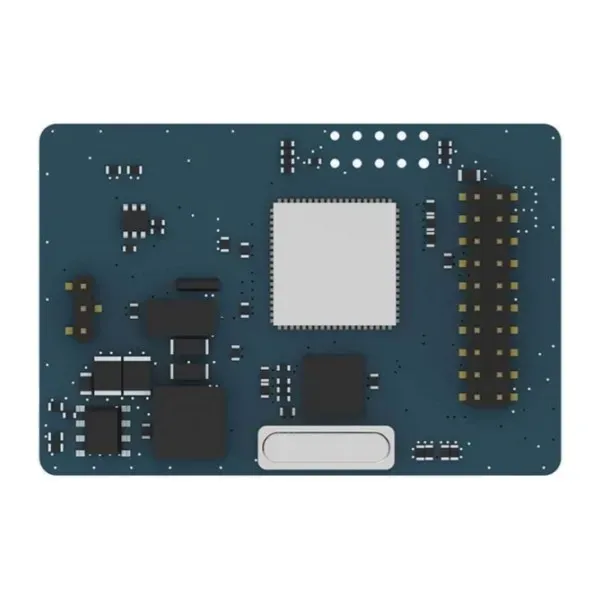
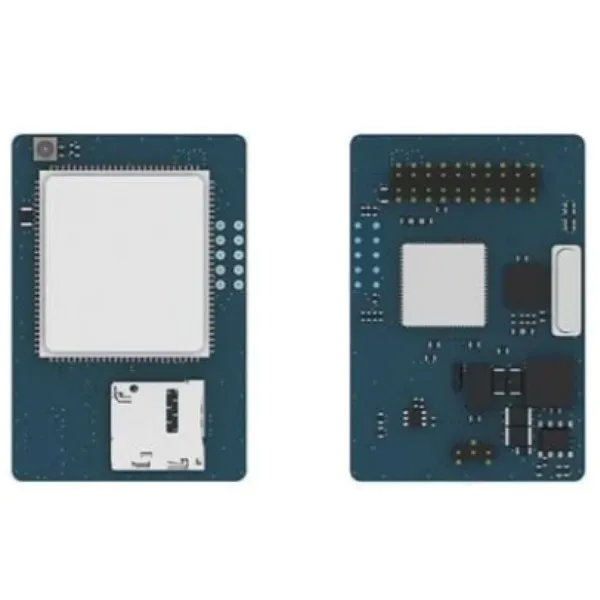
Yeastar 4G LTE Module Tanzania
The Yeastar 4G LTE Module is a cellular expansion module for supported Yeastar PBX systems, designed to bring 3G/4G voice calling, SIM-based mobile-network connectivity, SMS functions and, on supported platforms and hardware revisions, LTE data into a business phone-system deployment. It is useful when an organization wants a cellular trunk directly connected to its PBX, needs communications at a temporary or remote site, or wants an additional connectivity option when fixed-line access is limited.
The right deployment starts with compatibility checks. Yeastar publishes multiple regional LTE module variants and frequency-band combinations, so the correct module version must be matched to the mobile operator and spectrum available at the site. The PBX model, hardware generation, firmware level and physical module slot also matter. Fourteck can help buyers prepare a compatibility-led bill of materials before procurement rather than treating the module as a universal plug-in accessory.
Use the Yeastar 4G LTE Module when a compatible Yeastar PBX needs cellular voice, SMS or supported LTE connectivity through a SIM card. Confirm the PBX model and revision, intended use, module variant, local LTE bands and operator support before ordering.
Connect a supported Yeastar PBX directly to a compatible cellular network for mobile voice trunking.
Supported deployments can use SIM-based cellular data for PBX connectivity; on legacy S-Series systems, hardware-version restrictions apply.
The module family supports SMS functionality, enabling cellular messaging use cases within compatible Yeastar environments.
Different module variants support different LTE and WCDMA bands, making operator and location verification essential.
What the Yeastar 4G LTE Module does
Yeastar positions its 4G LTE Module as a way to add cellular connectivity to supported PBX systems. In practical business terms, the module can turn a SIM card into a PBX trunk for inbound and outbound cellular calls, subject to carrier service and compatibility. This can be valuable for organizations that receive or place significant mobile-network traffic, operate a branch where fixed telephony is not practical, or want a communications path that is independent from a conventional wired trunk.
The module family also supports cellular data. Yeastar documents 4G data use for specific systems and revisions and explicitly notes that the module is not intended to operate as a general-purpose 4G router. On S-Series platforms, cellular-data support is tied to eligible hardware versions and installation positions. On P-Series Appliance Edition hardware, Yeastar documentation lists 4G LTE modules among available telephony modules for models such as the P520 and P550, while expansion-board requirements apply to some larger models. Buyers should therefore specify the exact PBX rather than purchase only by the generic “4G LTE Module” name.
For a wider voice architecture discussion, visit the Fourteck Tanzania services page, which explains how IP PBX, IP phones, switching, internet connectivity and supporting infrastructure should be planned as a connected business system rather than isolated devices.
Verified feature and compatibility guidance
| Network type | Yeastar documents UMTS/WCDMA 3G and LTE support across the module family, with frequency bands varying by module version. |
| Voice | 3G/4G voice calling is supported. VoLTE availability depends on the module, network and operator environment. |
| SIM | Yeastar specifies use of a 3G/4G standard SIM card for the module family. |
| SMS | SMS is supported; MMS is not listed as supported on Yeastar’s 4G LTE solution specification. |
| Data | 3G/4G data is supported in eligible deployments. Yeastar states that the module cannot be used as a general 4G router. |
| S-Series examples | Yeastar documentation covers S412, S20, S50, S100 and S300, with defined slot rules for cellular-data use and revision limitations on some systems. |
| P-Series examples | P-Series Appliance Edition documentation lists 4G LTE telephony-module support on selected systems; P560/P570 deployments may use the EX08 expansion board depending on configuration. |
| Carrier compatibility | Must be confirmed against the exact module variant and mobile operator frequency bands before purchase and deployment. |
Business use cases
Cellular trunk for a PBX
A cellular trunk can give the PBX direct access to a mobile network. The value is operational: inbound and outbound routing can be designed around business call flows rather than relying on standalone mobile handsets that are difficult to share, monitor or integrate with receptionist workflows.
Temporary or project sites
Construction offices, event locations, temporary branches and field operations may need voice services before fixed circuits are installed. A compatible cellular module can help create a PBX-based communication system where suitable mobile coverage exists.
Connectivity resilience
Certain Yeastar S-Series deployments can use LTE data as an alternative path for PBX connectivity. This can support continuity planning, but the design must respect Yeastar’s hardware-version and slot restrictions and should be tested with the selected SIM and network.
Buying checklist before ordering
Before requesting a quotation, provide the exact Yeastar PBX model and, where relevant, its hardware revision and firmware level. State whether the module is required for cellular voice only, voice plus data, LTE failover, SMS, or a combination. Identify the intended mobile operator, the installation location and the SIM service type. These details make it possible to compare the required LTE frequency bands with the module variant rather than assuming that every regional version is interchangeable.
Also confirm how the module will fit physically. Some Yeastar systems have onboard module slots, while larger platforms may require an expansion board for particular module placements. The antenna connection and RF cable must be installed correctly. For S-Series cellular data, Yeastar publishes specific module-slot requirements. The safest procurement process therefore treats the module, PBX, antenna path, SIM, operator bands and intended routing as one solution.
Buyers comparing multiple communication products can also review the Fourteck Tanzania technology shop for broader IP phone, IP PBX, network and infrastructure purchasing guidance.
Yeastar 4G LTE Module Tanzania
For Tanzania organizations, the Yeastar 4G LTE Module is most relevant when a compatible PBX needs a direct mobile-network voice trunk or when a site needs a communications design that can work with available cellular infrastructure. The procurement question should begin with the existing or planned PBX model. A business using a supported Yeastar appliance must identify the platform, available expansion slots, hardware revision and firmware before selecting the module variant. That avoids a common problem in cellular telephony projects: buying the correct product family but the wrong regional radio version or installing it in a slot that does not support the intended data function.
Tanzania buyers should also check the frequency bands and service capabilities of the mobile operator intended for the SIM. Yeastar publishes several LTE variants rather than one globally identical radio profile. Network availability can differ by operator and location, and features such as VoLTE depend on carrier support and provisioning. For that reason, the quotation process should include the intended operator, site address or operating area, whether voice, data or both are required, and whether the module will act as a primary cellular trunk or as part of a continuity design. Testing with the actual SIM before final rollout is sensible for multi-site projects.
The module fits best into a larger voice architecture that includes IP phones, switching, power protection, call routing and security. Fourteck Tanzania describes these dependencies in its integrated business technology overview. This is particularly relevant where the PBX serves branch offices, reception teams, warehouses, hospitality operations, clinics, schools or distributed business units. A cellular module can add flexibility, but it should be configured as part of an intentional call-flow and network design rather than as an isolated accessory.
Yeastar 4G LTE Module Dar es Salaam
Dar es Salaam businesses often operate in environments where branch growth, office moves, temporary project sites and mobile-first communication requirements can make cellular integration useful. The Yeastar 4G LTE Module can provide a supported Yeastar PBX with a SIM-based cellular trunk, allowing call routing to be handled by the business phone system rather than by an individual mobile handset. For a reception desk, sales office, logistics operation or project team, that means incoming cellular calls can be directed through extensions, groups or other PBX workflows according to the organization’s configuration.
A Dar es Salaam deployment should be specified around the building and network environment. Confirm the exact Yeastar PBX and whether the requirement is voice, SMS, LTE data or a combination. Check the chosen operator’s bands at the actual location and select the corresponding Yeastar module variant. In dense business districts, warehouses, industrial areas or larger concrete buildings, cellular signal conditions may vary inside the equipment room, so antenna placement deserves attention. The module should not be assumed to replace a business router; Yeastar specifically distinguishes its PBX cellular-data use from a general-purpose 4G routing function.
For buyers modernizing an office at the same time, evaluate PoE switching for IP phones, voice VLAN design, UPS support for the PBX and switch, and firewall policies for SIP services. The module may solve the cellular access requirement, but dependable business telephony still relies on the network and power environment around it. When requesting a Dar es Salaam quotation, include extension count, PBX model, operator preference, required call direction, expected simultaneous use and whether cellular connectivity is intended as a primary or secondary path.
Yeastar 4G LTE Module Mwanza
In Mwanza, the Yeastar 4G LTE Module can suit offices, distribution businesses, hospitality sites, clinics, educational organizations and branch operations that want cellular voice integrated with a centrally managed PBX. Instead of keeping a SIM in a separate mobile phone for business calls, a compatible Yeastar system can use the module as a cellular trunk. This can make it easier to route calls to reception, teams or extensions and to include cellular connectivity in a broader call-handling policy.
Compatibility should be checked before the equipment is ordered. Yeastar has documented multiple 4G LTE module variants with different frequency bands. A buyer should therefore identify the intended Tanzanian mobile operator and confirm that the module’s supported bands match the service available at the Mwanza site. The PBX model and hardware generation also determine how the module is installed and which features are available. If LTE data is required, especially on legacy S-Series equipment, the exact hardware version and prescribed module slot need attention.
For multi-location organizations, Mwanza may be one branch within a larger Tanzania network. In that situation, standardizing PBX naming, extensions, outbound routing and support documentation can matter as much as the module itself. Consider how cellular calls will interact with SIP trunks, branch calling, failover rules and user permissions. A clear bill of materials should state the module variant, PBX model, SIM/operator assumption, antenna requirement and any expansion board needed. That level of detail reduces surprises when the equipment reaches the site and makes future troubleshooting easier.
Yeastar 4G LTE Module Arusha
Arusha has a mix of hospitality, tourism, professional services, education and regional business operations where reliable customer communication can be important even when the site’s fixed connectivity options are constrained or still being commissioned. The Yeastar 4G LTE Module gives supported Yeastar PBX hardware a way to connect to cellular services through a SIM. This can support mobile-network voice calls and, in eligible configurations, cellular data features documented by Yeastar.
For hotels, tour operators, lodges, offices and branch sites, the main design advantage is integration. A cellular number can be handled by the PBX call flow instead of being tied to a single handheld phone. The exact experience depends on carrier service, PBX configuration and module compatibility, so it is important to validate the intended mobile operator and location. Buildings with thick walls, equipment rooms away from exterior walls or sites at the edge of strong coverage may require extra attention to antenna position and signal testing.
Procurement teams should provide the Yeastar appliance model, the planned number of cellular modules, required voice or data use, SIM operator and any existing SIP trunks. If the project uses a P-Series platform, confirm the supported slot or expansion-board arrangement for that model. If it uses an S-Series system, verify hardware version and slot rules for LTE data. The module is best treated as one component of a business telephony solution that also includes IP phones, switching, power protection and documented call routing.
Yeastar 4G LTE Module Dodoma
Organizations in Dodoma that need SIM-based voice integrated with a PBX can use the Yeastar 4G LTE Module with supported Yeastar systems, subject to the correct regional radio version and platform compatibility. Government-related suppliers, professional offices, NGOs, education providers, contractors and branch operations may find cellular trunking useful when they want a mobile-network number to participate in structured business call handling rather than remain on a standalone handset.
A good Dodoma deployment begins with three checks: the PBX, the radio bands and the use case. First identify the exact Yeastar model and hardware revision. Then identify the mobile operator and confirm the LTE/WCDMA bands required at the site against Yeastar’s module variants. Finally define whether the module is intended for voice calls, SMS, data connectivity or a resilience scenario. These steps determine both the correct hardware and the configuration approach.
Where the PBX is part of a wider office network, voice quality and availability also depend on stable switching, power and correctly configured routes. A UPS for network and PBX equipment can help through brief power interruptions, while clear documentation of SIM ownership, PIN policy, trunk naming and outbound permissions improves administration. Buyers should avoid assuming that the module is a general internet gateway; Yeastar specifically limits its role to PBX-related cellular functions. For procurement, provide the site requirement in writing so compatibility can be validated before equipment is committed.
Yeastar 4G LTE Module UAE
For organizations with UAE operations, the Yeastar 4G LTE Module can support a consistent PBX strategy across offices and regional branches when cellular trunking is required. The key is not to assume that a module chosen for one country will automatically suit another. Yeastar publishes different LTE variants and frequency combinations, so the UAE mobile operator, PBX platform and intended feature set should be checked as a separate deployment profile even when the same business also operates in Tanzania.
A UAE project may use cellular integration for a temporary site, branch office, mobile-team hub or resilience design. If the business standardizes Yeastar PBX platforms across multiple countries, procurement can define a common call-flow and administration standard while selecting radio hardware appropriate to each market. This creates consistency without ignoring carrier-specific differences. For voice, confirm SIM service and cellular calling requirements; for data, verify that the selected Yeastar hardware actually supports the intended LTE-data function.
Regional buyers can also review Fourteck UAE when coordinating multi-country voice, network or infrastructure requirements. A useful quotation request should include the Yeastar PBX model, branch location, preferred carrier, number of modules, required cellular functions and whether the solution must interoperate with SIP trunks or other branch systems. This allows the module to be selected as part of an engineered communications design rather than as a generic accessory.
Yeastar 4G LTE Module Uganda
Uganda-based businesses considering the Yeastar 4G LTE Module should approach the purchase as a carrier-and-PBX compatibility decision. The module can add cellular voice and supported data features to eligible Yeastar appliances, but the correct module variant needs to match the bands used by the intended network. This is particularly important for companies that operate in both Tanzania and Uganda, because a standardized PBX brand does not eliminate differences in local radio networks or SIM services.
The module can be useful for branch offices, field operations, hospitality, retail, education and organizations that want a business mobile number routed through a PBX. Cellular trunk integration lets the PBX apply its call-routing logic rather than leaving the SIM attached to a separate handset. Where data functionality is part of the design, confirm the exact platform and hardware revision. Yeastar’s documentation places restrictions on S-Series LTE-data use and defines different installation slots for certain models.
Organizations sourcing for Uganda can reference Fourteck Uganda for related regional technology requirements. For a precise quotation, provide the branch city, carrier, PBX model, module quantity, expected call direction and whether the SIM is intended for voice only or voice plus data. If multiple branches are involved, define whether they should share a common dial plan, naming standard and support process so that cellular trunks remain manageable as the system grows.
Yeastar 4G LTE Module Kampala
Kampala businesses often have access to a range of fixed and mobile connectivity options, making the Yeastar 4G LTE Module most useful when cellular service is intentionally integrated into a PBX design. Rather than acting as a generic mobile broadband device, the module is designed for Yeastar communications platforms. It can support a cellular trunk for voice and, on appropriate systems, PBX-related LTE data functions. This distinction is important when comparing it with standalone routers or gateways.
For a Kampala office, confirm whether the business requirement is a dedicated cellular number, a mobile-network outbound route, temporary connectivity, continuity planning or SMS. Then match the module version to the intended operator’s bands. Office location also matters: cellular signal can behave differently between street-facing rooms, internal equipment rooms and multi-floor buildings. If reception is marginal, antenna placement and practical on-site testing may be more valuable than theoretical coverage maps alone.
The PBX design should also account for user roles and call flows. Reception may need inbound cellular calls to ring a group; sales teams may need controlled outbound mobile calling; administrators may need route permissions that prevent unexpected use. Document SIM ownership, PIN handling and the purpose of each trunk. If the organization also uses SIP services, define the preferred and fallback routes clearly. These operational details turn the 4G LTE Module from a hardware add-on into a manageable part of the business telephone system.
Yeastar 4G LTE Module Arua
For organizations operating in Arua, a SIM-based PBX trunk can be valuable where the mobile network is a practical communication channel for customers, staff or field teams. The Yeastar 4G LTE Module can integrate supported cellular services directly into eligible Yeastar PBX hardware. This gives the organization a centralized place to manage call routing rather than depending on one person to answer a mobile phone that represents the business.
The design should be based on the actual operator and site conditions. Because Yeastar offers module variants with different frequency support, the selected model must match the bands used by the intended network in the region. The PBX itself must also be compatible, and installations using LTE data need additional scrutiny around hardware revision and module position. Buyers should communicate these details at quotation stage rather than after the equipment arrives.
Arua deployments may serve branch offices, aid organizations, logistics, hospitality, education or field operations where maintainability is important. Keep the solution simple and documented: record the PBX model, installed module variant, SIM provider, trunk name, antenna connection and routing purpose. Where remote support is expected, clear documentation can shorten troubleshooting because the technician can distinguish between PBX configuration, SIM service, cellular coverage and hardware issues. If the requirement is temporary, include the expected operating period and whether the equipment will later be moved to another region, since that can affect band-selection decisions.
Yeastar 4G LTE Module Mbarara
Mbarara organizations can consider the Yeastar 4G LTE Module when they need a cellular voice path inside a structured business PBX. This can be useful for branch offices, distribution operations, professional services, hospitality or institutions where mobile calling is significant and the business wants calls routed through extensions, groups or reception rather than isolated mobile devices. The module family also includes supported data functionality on eligible Yeastar platforms.
Selection should be tied to the mobile operator and exact Yeastar appliance. Ask which LTE and 3G bands are required at the Mbarara site and compare them with the available module version. Confirm the PBX hardware generation and firmware. If using an S-Series appliance for data, verify Yeastar’s specific slot and hardware-version requirements. If using a P-Series Appliance Edition system, confirm module capacity and whether an expansion board is required for the planned configuration.
Operational planning is equally important. Decide whether the cellular trunk is a primary route, an alternate route or a dedicated path for selected users. Define inbound destinations and outbound permissions. If the PBX uses both SIP and cellular trunks, document route order and failover behavior so staff understand which path is used under normal and exceptional conditions. These details make the solution predictable and control costs. A quotation should therefore include not only the requested module but also the business call-flow requirement, site location, operator assumption and existing telephony infrastructure.
Yeastar 4G LTE Module Gulu
In Gulu, the Yeastar 4G LTE Module can help organizations connect a compatible Yeastar PBX to cellular voice services and supported mobile data functions. It is particularly relevant when a branch wants a business mobile number to behave like another PBX trunk or when mobile infrastructure is a practical option for a temporary or distributed site. The module should be chosen for its intended network environment rather than purchased only by product name.
Carrier-band verification is essential. Yeastar’s product family includes radio variants for different regional frequency combinations, and the module’s usefulness depends on matching those bands to the mobile service available where it will operate. Signal strength can also vary within a property, so antenna location should be considered during installation. Where LTE data is part of the requirement, verify that the exact PBX and hardware version support it; the module is not a substitute for a full-featured cellular router.
For organizations with limited on-site technical resources, documentation should be prepared during deployment. Record the SIM details, module type, antenna connection, trunk settings and routing rules without exposing sensitive credentials unnecessarily. Label the purpose of the trunk so future administrators understand whether it exists for normal mobile calling, backup communications or a temporary project. When the solution is part of a multi-branch phone system, standard naming and route policies can simplify support across Gulu and other locations.
Yeastar 4G LTE Module Kenya
Kenya organizations evaluating a Yeastar 4G LTE Module can use it to add cellular voice connectivity and supported data capabilities to compatible Yeastar PBX hardware. For companies operating across East Africa, the module can be part of a consistent PBX architecture while still using country-specific SIMs and radio variants. The regional hardware choice should be validated against the selected Kenyan operator rather than assumed from a Tanzania deployment.
The strongest use cases include business mobile-number integration, branch telephony, temporary offices and communications designs that benefit from an alternate network path. A PBX can route calls from the cellular trunk to extensions or departments, and administrators can control outbound patterns. For LTE data, platform limitations remain important: not every hardware generation supports the same function, and S-Series systems have documented slot and revision requirements. The module should therefore be specified by system, not as a generic add-on.
When preparing a Kenya quotation, include the PBX model, site city, intended operator, required module quantity, use of voice/SMS/data and the existing trunk architecture. If the business runs multiple branches, include the dial plan and whether branches need consistent route logic. Also consider power resilience and network readiness, because the PBX and connected IP phones depend on the supporting switch and power environment. The cellular module can improve flexibility, but the broader communications system still needs disciplined design and documentation.
Yeastar 4G LTE Module Kuwait
For Kuwait deployments, the Yeastar 4G LTE Module should be treated as a region-specific cellular interface for compatible Yeastar PBX systems. The product family supports voice, SMS and supported LTE data functionality, but different module versions cover different radio bands. A buyer should therefore identify the intended Kuwaiti carrier and validate its band requirements against the exact module variant before ordering.
Businesses may use the module for a direct mobile-network trunk, a project office or a communications path at a site where a SIM-based service is operationally useful. The PBX can incorporate the cellular trunk into inbound and outbound routing, which is more manageable than assigning a business SIM to an individual handset. Where a data use case is planned, confirm the supported Yeastar appliance, hardware revision and installation arrangement; do not assume the device functions as a standalone 4G router.
Multi-country procurement teams should maintain a small compatibility record for each region: PBX model, module version, SIM provider, supported bands, firmware baseline, antenna configuration and route purpose. This reduces the risk of moving a module between countries without checking radio compatibility. For larger deployments, test one site before ordering for every branch. A staged approach provides evidence about signal, operator behavior and call routing and can prevent a regional purchasing mistake from being repeated across multiple locations.
Yeastar 4G LTE Module Ghana
Ghana businesses can deploy the Yeastar 4G LTE Module with supported PBX platforms when they need cellular voice integration or eligible LTE connectivity. The key advantage is centralized call handling: a SIM-based number can become a trunk in the PBX so calls can be routed to reception, departments or extensions according to business rules. This can be useful for branch offices, customer-facing teams, hospitality, distribution and temporary operating locations.
The hardware choice must match the local network. Yeastar specifies different frequency bands for different LTE module versions, so the intended Ghana mobile operator and service coverage should be confirmed at the deployment site. If voice over LTE is part of the objective, carrier provisioning and network support also matter. For data use, buyers should check platform restrictions and remember that Yeastar does not position the module as a general-purpose 4G router.
Procurement can be improved by documenting the reason for each cellular trunk. A primary mobile line, a backup route and a temporary project connection have different configuration priorities. Specify the PBX model, module quantity, SIM operator, expected use and site location in the request. If several branches are involved, establish common naming and routing standards so administrators can identify cellular trunks quickly. This makes it easier to support the system later and reduces ambiguity when a call problem could originate from the PBX, SIM, operator or signal environment.
Yeastar 4G LTE Module Nigeria
Nigeria deployments of the Yeastar 4G LTE Module can support businesses that want a cellular trunk integrated directly into a Yeastar PBX. In a large and diverse mobile market, compatibility checks are especially important. The selected SIM provider, local network bands and coverage at the actual site should be compared with the Yeastar module variant. The generic product name does not guarantee that every regional radio version is suitable for every operator.
The module can help branch offices, service businesses, logistics teams and project sites centralize cellular calling. Instead of assigning a mobile number to one handset, the PBX can route incoming calls to users and apply outbound rules. Supported data functionality can also be useful in selected configurations, but the exact PBX model, hardware generation and installation slot must be validated. This is particularly important for S-Series appliances where Yeastar documents specific requirements for LTE-data use.
A deployment plan should also address signal quality, antenna positioning, power backup and user permissions. If the cellular trunk is intended for continuity, test the failure and restoration process rather than assuming it will behave as expected. If it is intended for normal calling, define which users can access it and what happens when it is busy or unavailable. Good operational rules matter because cellular connectivity introduces dependencies outside the PBX itself, including SIM status, operator service and local radio conditions.
Yeastar 4G LTE Module Seychelles
For Seychelles organizations, the Yeastar 4G LTE Module can be relevant where cellular networks are an important part of site connectivity and a compatible Yeastar PBX needs direct SIM-based voice integration. Hospitality, professional services, island operations and temporary sites may benefit from bringing a mobile number into a managed PBX environment, especially when calls need to be distributed across reception, reservations, operations or administrative teams.
Island geography makes accurate network selection and testing important. Confirm which mobile operator will provide the SIM, identify the bands in use and select the Yeastar module variant that matches them. Signal inside a hotel, office or equipment room can differ from outdoor coverage, so antenna placement may influence reliability. If LTE data is required, verify the specific PBX support and intended role. The Yeastar module is a PBX communications component, not a replacement for a general site router.
For multi-property or multi-island organizations, standardize the documentation even when each site uses different radio conditions. Record the PBX model, module type, SIM purpose, operator, route configuration and contact point for service administration. Where a cellular trunk serves a customer-facing number, test after-hours routing, busy behavior and alternative destinations. Where it serves as a resilience path, test switchover procedures under controlled conditions. This operational preparation makes the cellular integration more useful than simply installing the hardware and assuming coverage alone guarantees continuity.
Installation and configuration considerations
Yeastar installation guidance instructs technicians to power down the PBX before installing telephony modules. The module is inserted into the supported slot, a SIM card is installed, and the antenna is connected. On S-Series systems, Yeastar specifies particular slots when the 4G module is used for cellular data. On P-Series Appliance Edition systems, supported module locations depend on the appliance, and higher-capacity models may use an EX08 expansion board. These mechanical details should be checked against the exact installation guide for the PBX model in use.
After installation, the cellular trunk should appear in the Yeastar management interface if the module is detected correctly. The administrator can then configure trunk parameters, inbound routes and outbound routes according to the business call flow. SIM PIN settings, signal status and operator behavior should be verified. If voice and data are both intended, confirm the supported operating mode and test both independently before relying on the connection for business continuity.
For network-related dependencies such as VLANs, PoE switching and branch connectivity, Fourteck Tanzania provides broader planning guidance through its IT and communications services. A cellular module can reduce dependence on fixed telecom infrastructure, but it does not remove the need for stable LAN design, protected power and controlled administration.
Compatibility decision cards
You already own a Yeastar PBX
Share the exact model, hardware revision and firmware. The supplier can then confirm module support, installation slot and whether your intended voice or data feature is available.
You are buying a new PBX
Specify the required cellular channels alongside user count, concurrent calls and other trunk types. This avoids choosing a PBX that lacks the expansion arrangement needed for the final design.
You need LTE as a backup
Verify the exact PBX supports the intended data function, then test the SIM, signal and routing behavior. Do not assume a voice-capable installation automatically provides supported data failover.
Frequently asked questions
Can the Yeastar 4G LTE Module make and receive cellular calls?
Yes. Yeastar documents 3G/4G voice-call support for its 4G LTE module family. The exact service experience depends on the supported module variant, SIM, network and PBX configuration.
Does it support 4G data?
Supported Yeastar deployments can use 3G/4G data. On S-Series systems, Yeastar states that LTE data is supported only on eligible hardware and uses specific slot rules. The module cannot be used as a general-purpose 4G router.
Will one Yeastar 4G LTE Module work with every mobile operator?
Do not assume so. Yeastar offers different module variants with different LTE and WCDMA frequency bands. Confirm the operator bands and module version before purchase.
Which Yeastar PBX systems support 4G LTE modules?
Yeastar documentation covers multiple S-Series and P-Series Appliance Edition models, but supported slots and functions vary. Confirm the exact model, hardware revision and firmware for your deployment.
Can the module send SMS?
Yes. SMS support is documented for the module family. The precise workflow and integration depend on the Yeastar platform and configuration.
What information should I provide for a quotation?
Provide the PBX model, hardware revision if known, country and city, intended mobile operator, quantity of modules, whether you need voice, SMS or data, and whether the cellular trunk will be primary, secondary or dedicated to selected users.
Related communications and infrastructure planning
The 4G LTE module solves a specific cellular interface requirement; a complete business telephone environment normally includes PBX capacity planning, IP endpoints, switching, power and call-flow design. Organizations purchasing several categories can use the Fourteck Tanzania shop guidance to organize procurement around compatibility and lifecycle rather than isolated model numbers.
If the project involves branches in multiple countries, a consistent voice architecture can simplify administration. Standardizing extension ranges, route names, permissions and documentation across branches can make support easier even when each country uses a different cellular operator or module variant. Regional technology requirements can be coordinated through Fourteck’s broader technology network, while the Tanzania site remains the reference for local project discussions.
For Tanzania buyers, the most reliable next step is to submit the exact PBX model and the intended SIM/operator together with the requested feature set. Fourteck can then align the module choice with PBX expansion capacity, regional radio compatibility and the surrounding voice/network design.
Quotation checklist
Decision recap
Choose the Yeastar 4G LTE Module when a supported Yeastar PBX needs direct cellular voice, SMS or supported LTE data functions. Do not select the module solely by name. Confirm the PBX model, hardware generation, firmware, module slot, module radio variant, local operator bands and intended use before purchase.
For Tanzania and multi-region projects, this compatibility-led process is more dependable than assuming one SKU is universal. It also creates a clearer quotation because the supplier can identify whether the project needs only the module or also a PBX expansion board, antenna arrangement, IP phones, switching or other supporting infrastructure.
Consultation panel
Send the exact Yeastar PBX model and your intended Tanzania mobile operator when requesting a quotation. If the requirement spans more than one branch or country, include every deployment location so the cellular radio variant can be reviewed per market. This helps avoid ordering a module that fits the PBX physically but does not match the required local network bands or intended data feature.
You can use the Fourteck Tanzania contact page to start the compatibility and quotation discussion.




Reviews
There are no reviews yet.