
Cisco Meraki CW9176D1
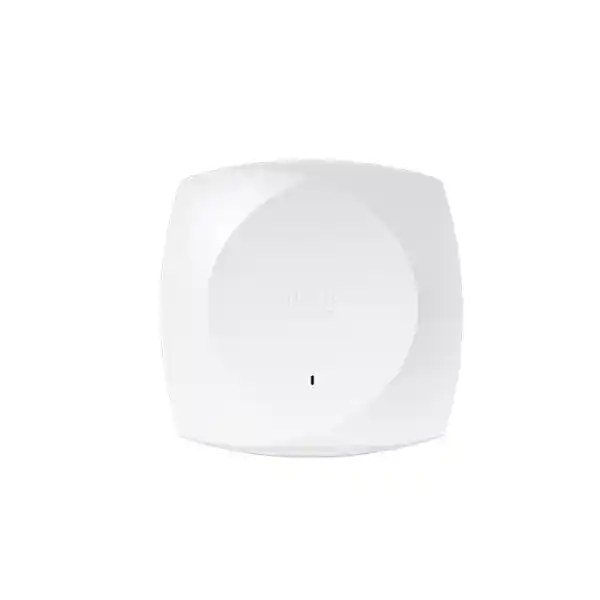
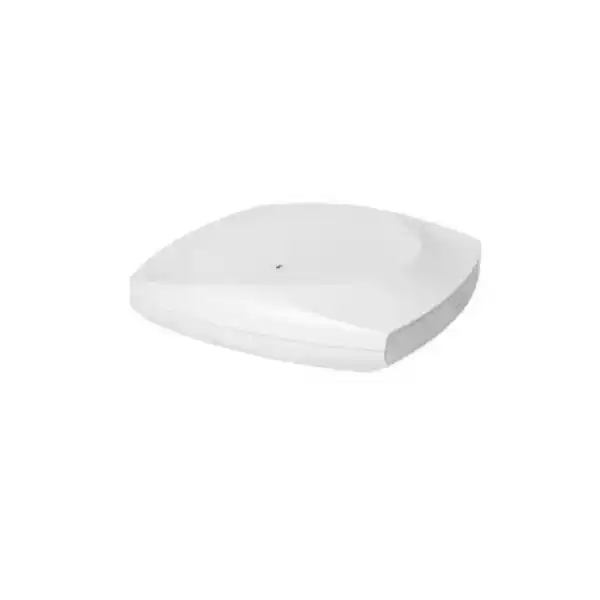
Cisco Meraki CW9176D1 is a high-performance indoor Wi‑Fi 7 access point designed for locations where wireless capacity and directional coverage matter at the same time. Cisco positions the model with integrated directional antennas, three 4×4 client radios across 2.4 GHz, 5 GHz and 6 GHz, a dedicated scanning radio, IoT radio capability, integrated Ultra-Wideband and GNSS/GPS, plus a single 100M/1G/2.5G/5G/10G Ethernet interface. For organizations in Tanzania planning new wireless infrastructure, high-ceiling spaces, warehouses, auditoriums, campuses, conference facilities or other coverage-sensitive interiors, the CW9176D1 can be evaluated as part of a complete RF, switching, power and licensing design rather than as an isolated access point.
What the Cisco Meraki CW9176D1 is designed to solve
Enterprise wireless design becomes more difficult when a site needs both high capacity and deliberate RF direction. A conventional omnidirectional access point distributes radio energy broadly around the mounting position. That can be appropriate for many offices, but it is not always ideal for auditoriums, warehouses, long open spaces, high-ceiling areas, large meeting venues or layouts where the designer wants to favour a particular coverage zone. The CW9176D1 addresses that requirement with integrated directional antennas, avoiding the need to select and attach separate external antennas for many indoor directional use cases. Cisco documents the model with directional antenna patterns on its client radios, making the access point especially relevant where RF planning benefits from focusing energy toward intended users instead of radiating equally in every direction.
The model also addresses performance headroom. It supports Wi‑Fi 7 features including 4096-QAM, multi-link operation, preamble puncturing, uplink and downlink OFDMA, MU-MIMO and channels up to 320 MHz in the 6 GHz band where local regulation and software support permit. These capabilities are not a substitute for good design: client capability, spectrum availability, channel plan, interference, mounting height, Ethernet backhaul, PoE and application patterns still determine real-world results. For that reason, FourTeck recommends treating CW9176D1 procurement as a wireless architecture decision. A useful quotation request includes floor plans, ceiling height, user count, critical applications, existing switches, PoE standard, cabling category, internet uplink, management preference and any requirement for guest networks, segmentation, identity integration or multi-site management.
Directional Wi‑Fi 7
The D1 variant uses built-in directional antennas. Cisco lists approximately 7 dBi peak gain at 2.4 GHz and 8 dBi peak gain at 5 GHz and 6 GHz, with directional beam widths intended to favour a defined coverage area.
Tri-radio 4×4
The access point provides three 4×4 radios supporting flexible operation across 2.4/5 GHz, 5 GHz and 6 GHz, together with dedicated radios for scanning and IoT-related functions.
10 Gigabit Ethernet
A single multigigabit RJ-45 interface supports 100M, 1G, 2.5G, 5G and 10G link speeds, enabling the wired edge to keep pace with a high-capacity Wi‑Fi 7 deployment when the switch and cabling are appropriate.
Flexible management
Cisco documents unified hardware that can be used with Meraki cloud management or supported Catalyst controller environments. The correct subscription, software and operating model must be confirmed for the intended deployment.
Cisco Meraki CW9176D1 technical overview
| Product role | Indoor enterprise Wi‑Fi 7 access point with integrated directional antennas |
| Wireless architecture | Three 4×4 client radios, supporting 2.4 GHz, 5 GHz and 6 GHz operation subject to regulatory domain and configuration |
| Wi‑Fi generation | 802.11be / Wi‑Fi 7, with backward support for earlier relevant Wi‑Fi generations documented by Cisco |
| Ethernet | 1 × 100M/1G/2.5G/5G/10G BASE-T RJ-45 |
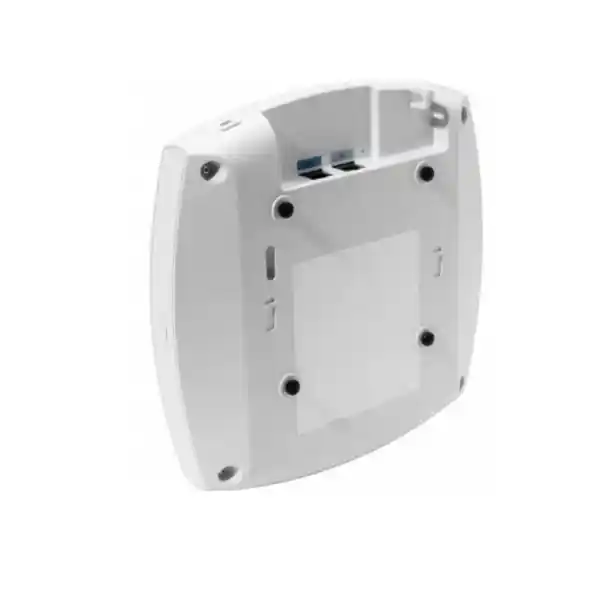
| Additional interfaces | RJ-45 console, USB 2.0; installation documentation also identifies external GPS/GNSS antenna connectivity |
| PoE | Supports 802.3at and 802.3bt power modes with feature differences; Cisco recommends 802.3bt for full operation and appropriate power negotiation |
| Management | Meraki cloud management or supported Cisco Catalyst wireless controller deployment, depending on software and licensing |
| Typical fit | High-density, high-ceiling and focused indoor coverage designs such as warehouses, auditoriums, lecture spaces, halls and other large open interiors |
Licensing, PoE and wired-network planning
A CW9176D1 project should include licensing and power decisions in the bill of materials. Cisco documentation states that a Cisco subscription or Meraki access point license is required, with the exact term and edition determined by the chosen management model. Buyers should not approve a hardware-only quote until the licensing path has been confirmed. The same applies to power. Cisco documents 802.3bt for full capability, while reduced-power modes can limit radio, Ethernet or USB functionality. An existing switch may therefore be physically compatible with the RJ-45 connection yet still be unsuitable because its PoE class, per-port output, total PoE budget or uplink capacity does not match the access point design.
The 10GbE interface also changes the access-layer conversation. A Wi‑Fi 7 refresh can expose bottlenecks in legacy switching and copper infrastructure. If the existing access switch offers only 1GbE ports, the AP can connect, but the wired backhaul may cap aggregate throughput well below the radio platform’s potential. If 5GbE or 10GbE is planned, cabling quality, distance, patching and switch capabilities need review. FourTeck Tanzania’s business technology overview, technology shop, integration services, solution-design approach and contact page provide useful context for combining wireless, switching, security, cabling and deployment requirements in one quotation discussion.
For wider Meraki research, buyers can also review Cisco Meraki solutions across Africa, Cisco Meraki wireless access points, Meraki Dashboard management guidance, the FourTeck Kenya regional site and FourTeck Uganda regional site. These links are relevant when a customer is standardizing wireless and cloud-managed networking across several East African operations.
Where a directional access point can make sense
Directional wireless is not automatically better than omnidirectional wireless. It is better when the RF design calls for energy to be concentrated in a particular direction. In a warehouse, an AP may be mounted high on a wall or structural position and aimed across aisles or working zones. In an auditorium, it may be positioned to cover seating rather than backstage or adjacent service areas. In a large hall, a directional pattern can help an RF designer create more intentional cell boundaries. This can improve reuse and reduce unnecessary overlap when the design is executed correctly. However, placement, orientation and mounting angle become more important, so a site survey or predictive design should guide the final location.
The CW9176D1 is therefore best selected through a requirement-based comparison with omnidirectional models such as the CW9176I or other Meraki Wi‑Fi 7 options. Consider ceiling height, room geometry, shelving, metal obstruction, wall construction, roaming paths, density hotspots, expected client mix, 6 GHz support and available switch power. A quote should also identify mounting accessories, injector requirements when PoE switching is not available, subscription term and whether Meraki Dashboard or a supported Catalyst architecture will be used.
Cisco Meraki CW9176D1 Tanzania
For organizations evaluating Cisco Meraki CW9176D1 in Tanzania, the practical starting point is the building and application profile rather than the headline Wi‑Fi 7 specification. Tanzania deployments can range from corporate offices and institutions to hospitality properties, warehouses, distribution facilities, education sites and mixed-use campuses. The directional antenna design is particularly relevant where users occupy a known zone and the access point can be positioned to direct RF energy toward that zone. High ceilings, large open interiors and long working areas are examples worth assessing. Buyers should provide floor plans, ceiling heights, expected concurrent users and any existing wireless heatmaps when available. That information helps determine whether CW9176D1 is appropriate, how many units are required and whether another antenna pattern would be more efficient.
Infrastructure readiness matters equally. A Wi‑Fi 7 access point cannot compensate for an overloaded LAN, insufficient PoE or old cabling. The CW9176D1 offers a multigigabit port up to 10 Gbps and can require 802.3bt power for full operation, so switch selection should consider both data rate and power budget. A site with several access points may need a broader access-layer refresh, including multigigabit PoE switching, higher-capacity uplinks and a firewall sized for increased wireless and cloud traffic. Cat6 or Cat6A suitability should be reviewed according to distance, electromagnetic conditions and required Ethernet rate rather than assuming all existing copper links can sustain the target speed.
Licensing and management should be defined before procurement. Some organizations prefer Meraki Dashboard because it centralizes monitoring and configuration for distributed sites. Others may have an existing Catalyst wireless architecture and operational processes built around supported controller deployments. Cisco’s unified-hardware approach means the same family can support different management strategies, but subscriptions, software compatibility and change procedures must be confirmed for the actual project. In Tanzania, this is especially useful for companies that operate several branches and want one standard wireless platform while retaining flexibility in how sites are managed.
When requesting a Tanzania quotation, include AP quantity, management preference, subscription term, mounting environment, existing switch models, available PoE standard, cable category, number of SSIDs, VLAN requirements, guest access, authentication method and installation scope. FourTeck can use those details to prepare a more complete bill of materials and avoid common omissions such as missing licenses, incompatible power injectors or underpowered switches. Current price, stock and delivery should always be confirmed for the required quantity and destination rather than assumed from online listings.
Cisco Meraki CW9176D1 Dar es Salaam
Dar es Salaam organizations often need wireless designs that support dense office usage, meeting areas, warehouses, retail environments, education facilities and hospitality spaces within the same metropolitan market. The Cisco Meraki CW9176D1 is most compelling in locations where the RF designer needs a directional cell rather than broad omnidirectional coverage. For example, a logistics or warehouse site may have tall racking, high ceilings and long working aisles. A directional access point can be positioned to favor the operational area while reducing wasted energy behind the unit. In a large conference facility or auditorium, the access point can be aimed toward seating or a defined user area. These scenarios should be validated with predictive design or an onsite RF assessment because building materials, interference and mounting height can change expected propagation.
Dar es Salaam projects also benefit from coordinated wired and wireless design. If a site is replacing older Wi‑Fi 5 or Wi‑Fi 6 access points with CW9176D1, the existing switch estate may not have enough multigigabit ports or 802.3bt PoE capacity. A complete refresh plan should inventory the access switches, uplink bandwidth, fiber backbone, patch panels, cable category and UPS capacity. The objective is not to replace equipment unnecessarily; it is to identify where the new AP would be constrained. A 10GbE-capable radio platform connected to a 1GbE access layer may still provide useful wireless improvements, but the design team should understand the bottleneck and decide whether phased upgrades are acceptable.
For multi-floor offices in Dar es Salaam, RF direction can also be used to control where cells begin and end, but the decision must be based on the floor plan. An omnidirectional CW9176I or another Meraki model may be more appropriate in standard open-plan offices where coverage is needed around a central ceiling mount. CW9176D1 should therefore be chosen because its antenna pattern matches the environment, not simply because it appears higher-end. Client capability matters too: Wi‑Fi 7 benefits increase as endpoints support newer standards, while legacy devices will continue to associate using older modes.
A useful Dar es Salaam procurement request identifies the building, intended coverage areas, number of users, key applications, management model and current LAN design. Include whether the wireless network will serve voice, video conferencing, handheld warehouse terminals, staff laptops, guest devices or IoT. This allows AP count, channel strategy, switch power, licenses and installation accessories to be scoped together. Ask for current availability and commercial terms against the final bill of materials rather than relying on a generic unit price that excludes subscriptions, mounting or network dependencies.
Cisco Meraki CW9176D1 Mwanza
Businesses and institutions considering Cisco Meraki CW9176D1 in Mwanza should focus on whether the site has a coverage shape that benefits from a directional antenna. Large interiors, workshops, warehouses, halls, logistics spaces and institutional facilities can present very different propagation conditions from a conventional office. Walls, shelving, equipment, stored materials and ceiling height all affect how radio signals behave. The integrated directional design of CW9176D1 can reduce the need for external antenna components in suitable indoor deployments, but the AP must be mounted and aimed correctly. A floor plan and basic RF model can identify whether the main user area falls within the intended beam and whether additional APs are needed to provide roaming continuity.
Mwanza buyers should also consider operating resilience. Wireless networks now carry business applications, cloud services, collaboration, handheld devices and often guest access, so an AP upgrade can increase dependence on the wired network and internet edge. Review UPS coverage for switching, uplink redundancy where necessary and the firewall’s ability to handle expected traffic. If the access layer is older, check PoE class and total budget carefully. The CW9176D1 can operate under different PoE conditions with feature tradeoffs, and Cisco recommends appropriate LLDP or CDP-based power negotiation. Full capability may require 802.3bt, so it is important to confirm the switch rather than assume any PoE port is sufficient.
Management is another procurement choice. Meraki cloud management can simplify remote monitoring for organizations whose IT team supports Mwanza alongside Dar es Salaam or other branches. Administrators can benefit from centralized configuration, visibility and health information without maintaining an onsite controller for every location. Organizations already standardized on Catalyst may instead evaluate supported controller operation. The correct choice depends on existing skills, security architecture, subscription strategy and how many sites need to be managed.
For a Mwanza quotation, provide the number of buildings, floor or warehouse dimensions, ceiling height, existing AP models, switch models, internet speed and application priorities. Also state whether 6 GHz operation is part of the design, because local regulatory permissions and Cisco software support govern where that band can be enabled. The final quote should list hardware, subscription or license requirement, power method, mounting accessories and any switching or cabling changes. This produces a more reliable procurement decision than comparing AP unit prices alone.
Cisco Meraki CW9176D1 Arusha
Arusha has a mix of corporate, tourism, education, conference and operational facilities, and each can place different demands on wireless coverage. The Cisco Meraki CW9176D1 should be evaluated where concentrated indoor coverage is valuable, including auditoriums, large meeting spaces, event venues, high-ceiling areas and some hospitality or back-of-house environments. Directional antennas can be useful for shaping coverage toward users, but they do not remove the need for RF engineering. Hospitality properties, for example, often contain walls and room layouts that favour multiple smaller omnidirectional cells rather than a few high-power directional APs. By contrast, a conference hall may benefit from intentional beam placement and higher-density capacity.
For hotels and conference venues in Arusha, wireless performance should be divided into guest-room, public-area, meeting-space and operational requirements. The CW9176D1 may be well matched to selected common areas while another Meraki model serves corridors or guest rooms. This mixed-model approach can create a better RF result than forcing one AP type throughout a property. VLANs and SSIDs can separate guests, employees, operational devices and management traffic, while Meraki cloud management can provide a common operational view across the property. Identity, captive portal and guest access choices should be scoped as part of the wider solution.
The wired foundation must be designed for sustained use. Video calls, guest internet, cloud applications and high client density can drive more throughput into the access switches and firewall. The CW9176D1’s multigigabit interface allows a capable backhaul, but switch port speed, PoE, uplinks and cabling must all support the desired design. For a new building or major renovation, it may be cost-effective to plan Cat6A and multigigabit PoE switching from the beginning. For an existing property, a phased approach may be more realistic, with critical high-density areas upgraded first and existing infrastructure retained where performance is adequate.
Arusha buyers should request a configuration-led quotation covering APs, licenses, power, switches, optics if required, mounting and installation. Include floor plans, room capacities, event-space seating, existing network topology and expected internet service. Current commercial availability should be confirmed for the project schedule. This information allows the wireless design to align with guest experience, operational reliability and future expansion rather than treating Wi‑Fi 7 as a simple hardware swap.
Cisco Meraki CW9176D1 Dodoma
Organizations evaluating Cisco Meraki CW9176D1 in Dodoma may include administrative facilities, education environments, offices, public-sector projects, conference spaces and commercial buildings. The model is relevant when wireless design needs both modern Wi‑Fi 7 capacity and a directional coverage pattern. A directional AP can be mounted to serve a hall, seating zone, large work area or other defined indoor space while limiting unnecessary signal behind the access point. This can support more intentional RF cell design, but AP orientation and mounting height must be treated as engineering parameters. Predictive modelling or a site survey can identify whether the 70- to 80-degree directional characteristics documented across the bands match the geometry of the target area.
For institutional deployments, wireless policy is as important as radio capability. Staff, visitors, students, contractors and IoT devices may need different access rights. SSIDs should map to appropriate VLANs and authentication methods, and network security should restrict lateral access where it is not needed. Meraki management can simplify policy and monitoring across several APs or sites, while a Catalyst-based design can fit organizations already operating Cisco controller infrastructure. The selected license or subscription must be identified before purchase because management capability and support are tied to the commercial model.
Power and switching design should also be documented. The AP’s 10GbE-capable port does not mean every deployment requires 10GbE, but it creates room for higher-capacity wired backhaul where the switching platform and cable plant support it. For full radio capability, 802.3bt power may be needed; lower-power modes can impose restrictions. A detailed bill of materials should therefore include the access switch or injector, available PoE budget, uplink design and any additional rack or UPS capacity. This is especially important for new deployments where a single PoE assumption can affect many access points.
When requesting a Dodoma quotation, describe whether the project is new construction, an expansion or replacement of older Wi‑Fi. Provide user density, application types, room dimensions, expected roaming, existing switch details and whether installation services are required. Also identify project governance requirements such as approved equipment lists, documentation, labeling or acceptance testing. FourTeck can then prepare a more complete commercial and technical response, while final stock and lead time are confirmed against the actual quantity and configuration.
Cisco Meraki CW9176D1 UAE
For UAE organizations planning Cisco Meraki CW9176D1, the strongest use cases are indoor environments where directional RF and high wireless capacity are required together. Warehouses, distribution hubs, large halls, training venues, event areas and industrial-style interiors can benefit from a focused antenna pattern when AP placement is carefully engineered. The Wi‑Fi 7 platform brings tri-radio 4×4 capability, modern modulation and channel features, while the integrated directional antennas simplify some designs that might otherwise rely on external antenna selection. Actual performance will depend on client support, permitted spectrum, channel plan, interference, mounting height and the wired network.
The UAE market often includes high-density offices and campuses with mature switching infrastructure. In those environments, the main design question may be whether CW9176D1 or an omnidirectional Wi‑Fi 7 model better matches the floor plan. Directional coverage can be valuable along large open zones, but conventional office seating around central ceiling mounts may be served more naturally by omnidirectional access points. A mixed deployment is entirely reasonable when one campus contains offices, halls, warehouses and public spaces. Meraki Dashboard can present those APs within one operational framework when a cloud-managed model is selected.
Procurement teams should verify licensing, country regulatory support and power requirements. Cisco documents that 6 GHz operation is enabled only where regulatory approval and current software support permit it. The CW9176D1 also places demands on PoE and multigigabit switching that should be checked before order approval. A complete quote can include the selected license term, compatible 802.3bt power, mounting accessories and any required switch upgrades. For wider UAE infrastructure work, customers can use FourTeck UAE to coordinate networking, security and related IT requirements.
A useful UAE quotation request includes site type, city, AP quantity, floor plans, ceiling height, switch model, PoE budget, cabling type, internet capacity, management preference and project schedule. If the network must integrate with identity services, guest access, voice, location services or IoT workflows, include those requirements at the design stage. This avoids treating the AP as an isolated device and helps ensure that the switch, firewall, subscription and RF plan are aligned with the expected user experience.
Cisco Meraki CW9176D1 Uganda
Uganda organizations considering Cisco Meraki CW9176D1 can evaluate it for high-capacity indoor wireless projects where directional coverage is useful. Enterprise offices, distribution facilities, education campuses, hospitality venues and large meeting areas may all have sections where a focused antenna pattern improves design flexibility. In a warehouse, the objective may be to direct signal into an operational zone while avoiding excessive coverage behind the mounting location. In an auditorium or training hall, the design may concentrate capacity toward seating. The access point’s integrated directional antennas simplify hardware selection compared with external-antenna designs, but final placement still requires an RF plan.
For Uganda deployments, centralized cloud management can be attractive where IT teams support multiple branches from a central office. Meraki Dashboard can reduce the need to maintain separate local management systems at every site, providing visibility, configuration and diagnostics through a common interface. Organizations with existing Cisco Catalyst wireless infrastructure may instead evaluate the supported controller path. In either case, the license or subscription should be part of procurement from the beginning. A hardware-only quote is incomplete if the selected management mode requires a corresponding subscription.
Access switching is another major consideration. The CW9176D1 can connect at multigigabit speeds up to 10GbE, and full operation may require 802.3bt power. A network refresh should therefore assess switch port speed, PoE class, total power budget, uplink capacity and cable quality. Existing Cat5e or Cat6 runs may support some multigigabit modes depending on distance and conditions, but the final rate should not be assumed without verification. New builds can plan cabling and PoE capacity around future growth rather than only today’s endpoints.
Uganda buyers can also review FourTeck Uganda when coordinating in-country networking requirements. For a useful quote, provide the destination, site count, floor plans, existing switch models, expected user density, application types, license preference and installation requirements. Current availability, lead time and commercial terms should be confirmed against the final bill of materials. This gives procurement and IT teams a clear basis for comparing the CW9176D1 with other Meraki access points.
Cisco Meraki CW9176D1 Kampala
Kampala businesses often operate in multi-floor office buildings, retail environments, hotels, campuses and mixed commercial facilities where wireless conditions vary significantly from one area to another. The Cisco Meraki CW9176D1 is best considered for those zones that benefit from directional RF rather than being used automatically across every floor. A large conference room, hall, warehouse area or high-ceiling interior can be a strong candidate. Standard office floors with centrally mounted APs may instead be better served by an omnidirectional model. A design that combines both antenna types can deliver cleaner coverage and better capacity than a one-model approach.
Kampala projects should assess client density and roaming, not only coverage. Wi‑Fi 7 features can improve efficiency and throughput for compatible clients, but real-world performance depends on the complete radio environment. Channel reuse, transmit power, 6 GHz availability, interference, neighboring networks and client capabilities all affect the result. The CW9176D1 includes dedicated scanning and RF-management functions that support enterprise operations, yet the design still needs sensible cell sizing and wired backhaul. Over-powering APs or installing too many units can be as problematic as providing too few.
The access layer should be reviewed in parallel. If a Kampala office currently uses 1GbE PoE+ switches, connecting CW9176D1 may be possible with reduced feature combinations, but the network may not access the platform’s full performance potential. A migration plan could prioritize 802.3bt multigigabit switches in high-density areas while retaining existing equipment elsewhere. Uplink bandwidth and firewall capacity should also be examined if the upgrade will increase aggregate user traffic or introduce more cloud-managed devices.
For a Kampala quotation, identify the site address or project area, access-point quantity, user count, switch models, power standard, cable category, management preference and subscription term. Include special requirements such as guest access, enterprise authentication, voice over Wi‑Fi, handheld operational devices or location services. This enables a quote to cover the complete solution instead of leaving licenses or infrastructure changes to be discovered during installation. Confirm current supply and delivery scheduling for the final quantity before committing project dates.
Cisco Meraki CW9176D1 Arua
For Arua organizations, the Cisco Meraki CW9176D1 can be relevant to indoor wireless environments that need focused high-capacity coverage and centralized management. Large institutional rooms, warehouses, training areas, offices with high ceilings or operational facilities may benefit from the directional antenna design. The most important first step is to determine the shape of the required coverage. A directional access point is designed to favour the space in front of it, so it should be positioned with a clear understanding of users, obstructions and roaming paths. If users need coverage equally in all directions around a ceiling point, another Meraki model may be more appropriate.
Arua projects may also place a premium on remote manageability. Where local IT resources are limited, cloud-managed visibility can help a central network team review AP status, clients, configuration and wireless health without traveling for every diagnostic task. This operational benefit should be weighed against subscription requirements, internet dependency for cloud management and internal governance policies. Organizations with an existing Catalyst controller environment can consider the supported controller path instead, but software versions and licensing should be validated before procurement.
Power continuity and switching design deserve careful attention. A high-performance AP is only as reliable as the PoE switch, cabling, UPS and upstream connectivity supporting it. The CW9176D1 can require 802.3bt for full functionality, while its wired interface supports multigigabit speeds. If the site uses older switches, the project may need power injectors or targeted access-switch upgrades. The total PoE budget should be calculated across all APs and other powered devices such as phones or cameras, rather than checking only the per-port rating.
A useful Arua quote request lists the intended coverage zones, building dimensions, AP count, user density, current network equipment, internet links and desired management model. If installation is required, include mounting height, ceiling or wall material and access constraints. Procurement should ask for a complete bill of materials showing hardware, licensing, power and mounting dependencies. Availability and delivery timing can then be confirmed against that specific requirement, reducing the risk of receiving AP hardware that cannot be commissioned as planned.
Cisco Meraki CW9176D1 Mbarara
Mbarara customers evaluating Cisco Meraki CW9176D1 should consider how the access point will serve real users and applications within the building. The platform is designed for demanding Wi‑Fi 7 environments, but the D1 model is specifically differentiated by its integrated directional antennas. That makes it appropriate for deliberate coverage patterns in large rooms, storage spaces, lecture environments, halls and high-ceiling interiors. A predictive RF design can estimate coverage, but onsite validation is valuable where walls, racks, machinery or stored goods create unpredictable attenuation and reflections.
Business applications influence AP density. General web access has different capacity demands from high-definition video meetings, large cloud file transfers, voice roaming or handheld scanning systems. The client mix also affects how much value Wi‑Fi 7 features provide immediately. New laptops and smartphones may support newer capabilities, while older devices will continue to use earlier standards. A sensible design therefore balances current clients with the expected device lifecycle over the next several years instead of sizing the network only for today’s endpoints.
On the wired side, review the switching and cabling before purchasing APs. The CW9176D1’s 10GbE-capable port can connect at several multigigabit rates, and full operation may need 802.3bt PoE. Where the existing switch provides only PoE+ or 1GbE, the deployment can require compromises or an upgrade. The project should also confirm upstream switch uplinks, firewall capacity and internet bandwidth so increased wireless capability does not simply move the bottleneck elsewhere in the network.
For Mbarara procurement, include site count, access-point quantity, floor layout, ceiling height, current switches, cable type, UPS availability, application priorities and the desired Meraki or Catalyst management model. Ask for licenses, injectors or switches, brackets and installation scope to be included where required. Current commercial availability should be checked for the project quantity and delivery destination. This structured approach gives IT teams a clearer technical basis for selecting CW9176D1 and helps procurement compare complete solutions rather than incomplete hardware prices.
Cisco Meraki CW9176D1 Gulu
In Gulu, Cisco Meraki CW9176D1 can be evaluated for institutions, offices, commercial facilities, warehouses and other indoor environments where focused wireless coverage is preferable to a broad omnidirectional pattern. The integrated directional antenna design can simplify deployments that would otherwise need an external antenna AP and separate antenna selection. It is especially useful when the installer can mount the AP with a clear line toward the intended user area. Large open rooms and high ceilings can be good candidates, although the final design should account for building materials and any obstacles that block or reflect radio energy.
The choice between CW9176D1 and another Meraki AP should consider coverage geometry, not only performance tier. Directional models can create more controlled cells, while omnidirectional models may be better for central ceiling locations. In a campus or multi-building organization, both types may be used under the same management environment. Meraki cloud management can be helpful when a central IT team supports Gulu together with Kampala or other locations, providing consistent configuration and visibility. Where an organization already operates Cisco wireless controllers, the supported Catalyst approach may also be relevant.
Network readiness should be validated early. The AP supports high radio throughput and a 10GbE-capable Ethernet interface, so a legacy 1GbE access switch may become the limiting point. It can still be reasonable to deploy the AP on slower backhaul if the organization is phasing upgrades, but that should be an intentional decision. PoE is equally important: full features may require 802.3bt, and switch power budgets must account for all connected devices. Cabling length and quality should also be checked where multigigabit Ethernet is expected.
A Gulu request for quotation should therefore cover hardware, license or subscription, PoE method, mounting, cabling and any switch upgrades as one solution. Provide the target areas, number of users, current AP and switch models, internet speed and application priorities. If the organization needs guest wireless, separate device networks, voice or IoT, include those use cases so VLAN and policy requirements can be designed correctly. Current stock, pricing and delivery timing should be confirmed only after the final configuration and quantity are agreed.
Cisco Meraki CW9176D1 Kenya
Kenya enterprises looking at Cisco Meraki CW9176D1 often have a strong reason to consider multigigabit Wi‑Fi 7 as part of a wider campus or branch refresh. The D1 model is particularly useful when the wireless design calls for directional coverage in warehouses, auditoriums, lecture spaces, conference halls or other large indoor areas. In a typical corporate office, an omnidirectional access point may still be the better fit, so buyers should compare antenna pattern and mounting position before choosing the model. Directional RF works best when it is used intentionally to serve a defined user zone and control cell overlap.
Kenya projects commonly combine wireless with cloud applications, video meetings, IP telephony, guest access and operational devices. This can increase aggregate LAN traffic, making switch and uplink design important. The CW9176D1 supports a multigigabit Ethernet interface up to 10 Gbps, and a high-density deployment can justify access switches with 2.5G, 5G or 10G ports depending on the design. PoE must be reviewed at the same time. Cisco documents feature differences between 802.3at and 802.3bt operation, so full performance should be planned with suitable 802.3bt power and sufficient switch power budget.
Multi-site organizations can benefit from Meraki Dashboard for centralized monitoring and configuration. A company with offices in Nairobi, Mombasa, Kisumu and other locations can apply a consistent policy framework while still adapting RF settings to each building. The CW9176 family also offers management flexibility for organizations with Catalyst infrastructure. The decision should consider operations, existing licenses, security policy and administrator skills rather than assuming cloud or controller management is always superior.
For Kenya enquiries, FourTeck Kenya can be used for regional coordination. A complete quote request should provide project city, AP quantity, floor plans, ceiling heights, expected client density, switch models, cable category, PoE capability and desired subscription term. Include any requirement for installation, RF survey, configuration or handover documentation. Current stock, licensing options and lead time can then be checked against the actual project instead of inferred from overseas online pricing.
Cisco Meraki CW9176D1 Kuwait
Kuwait organizations evaluating Cisco Meraki CW9176D1 may be planning enterprise offices, large commercial interiors, education campuses, warehouses or public-facing facilities with demanding wireless requirements. The CW9176D1 combines Wi‑Fi 7 capability with integrated directional antennas, making it especially relevant when the coverage area is clearly defined in front of the access point. High-ceiling storage spaces, auditoriums, training halls and long indoor areas can benefit from this approach. In smaller rooms or conventional office floors, another antenna pattern may be more suitable, so model selection should follow RF design rather than only product hierarchy.
High-performance wireless also requires thermal, power and network planning. The access point is rated for indoor operating conditions documented by Cisco, and installation should preserve ventilation and comply with mounting guidance. The Ethernet interface supports multigigabit rates up to 10GbE, so the switch may need a corresponding access port and high-capacity uplink. PoE is not simply a checkbox: full features can depend on 802.3bt. A building-wide rollout should calculate aggregate PoE budget, account for other powered endpoints and ensure UPS capacity is appropriate for network continuity requirements.
Licensing must be confirmed before order placement. Meraki cloud management can simplify operations across several Kuwait branches and provide centralized visibility, while organizations with Cisco controller infrastructure may evaluate Catalyst management. Regulatory support for 6 GHz should also be checked against Cisco’s current country certifications and software release because the 6 GHz radio is not enabled everywhere by default. Client support is equally relevant; older devices will continue to use 2.4 or 5 GHz even when the AP supports Wi‑Fi 7.
For a Kuwait quotation, share the number of sites, AP quantity, room or warehouse dimensions, ceiling height, current switch models, cable category, expected client density and applications. Indicate whether the project requires only supply or also RF planning, installation and configuration. The resulting bill of materials should identify licenses, power accessories, mounting components and switching dependencies. Pricing and lead time should be confirmed for the final configuration and quantity rather than assumed from a standalone AP listing.
Cisco Meraki CW9176D1 Ghana
Ghana customers considering Cisco Meraki CW9176D1 can use it as part of a modern enterprise wireless design for offices, education, hospitality, distribution, warehousing and large indoor meeting areas. The directional antenna is the defining reason to choose the D1 version. Instead of distributing radio energy evenly around a ceiling point, it is designed to favour a specific direction. This can help an RF designer cover seating, aisles or work zones from a strategic mounting position. The site should be assessed for obstructions, wall types, ceiling height and neighboring RF before deciding how many access points are required.
Where Wi‑Fi supports cloud applications, video, voice and operational devices, the access layer needs enough capacity behind the AP. The CW9176D1 supports multigigabit Ethernet up to 10 Gbps, but a legacy switch can limit the achievable wired throughput. An upgrade decision should consider real application demand and budget rather than assuming every AP needs a 10GbE port. PoE deserves equal attention. Cisco’s documentation shows operating differences by power mode, so a design seeking full radio capability should plan suitable 802.3bt power and calculate the total switch PoE budget across the deployment.
Cloud management can be valuable for Ghana organizations with branches in Accra, Kumasi, Tema or other locations, because configuration and troubleshooting can be centralized. Meraki Dashboard provides a common operating model for supported APs and other Meraki products. The CW9176 platform also supports Catalyst management in supported designs, offering flexibility for organizations with an existing Cisco controller environment. Licensing, software and change procedures must be validated before the project is ordered.
A Ghana request for quotation should identify the project location, AP count, intended management model, license term, floor plans, switch and cabling details, PoE availability and installation scope. For broader regional coordination, customers may also use FourTeck Ghana. Current commercial availability, lead time and warranty terms should be confirmed for the specific supply route and quantity. A configuration-based quotation reduces the risk of missing licensing or power components that are essential for commissioning.
Cisco Meraki CW9176D1 Nigeria
Nigeria enterprises often operate large offices, industrial facilities, campuses, warehouses and distributed branch networks that demand strong wireless operations. Cisco Meraki CW9176D1 is relevant when a specific indoor zone needs a directional Wi‑Fi 7 cell with high capacity. The integrated antenna design can simplify hardware planning in locations that might otherwise use an external antenna AP. Warehouses, auditoriums and large open interiors are strong examples, but the design should be validated against local building geometry. Metal structures, shelving and dense materials can change radio propagation significantly, so an RF survey can prevent poor placement and unnecessary AP quantity.
For multi-site Nigerian organizations, Meraki cloud management can provide a consistent way to monitor wireless networks across branches without deploying a separate management appliance at each location. Standard templates, visibility and remote diagnostics can reduce operational overhead, although subscriptions and connectivity requirements must be considered. Organizations with existing Catalyst controller deployments can evaluate the alternative supported management model. The key procurement point is that the hardware, software and license strategy should be agreed together before purchase.
Power and network resilience can be particularly important in business-critical deployments. The access point should be connected to an appropriately rated PoE source and protected by the same UPS strategy as the access switch where continuous service is required. The switch’s aggregate PoE budget should account for every AP and powered endpoint. The multigigabit wired interface also raises questions about cable plant and uplinks. A phased network can deploy new APs while retaining some legacy switching, but the throughput limitations should be documented so future upgrades are planned rather than reactive.
For Nigeria procurement, provide location, site count, floor or warehouse drawings, AP quantity, expected users, application mix, switch models, cabling, PoE standard and preferred license term. Customers can use FourTeck Nigeria for regional project coordination. Ask the quotation to identify hardware, subscription, injectors or switches, mounting and installation separately so commercial comparison is transparent. Current availability and delivery should be confirmed against the final approved bill of materials.
Cisco Meraki CW9176D1 Seychelles
Seychelles wireless projects frequently involve hospitality, offices, institutions and distributed facilities where user experience is closely connected to dependable internet access. Cisco Meraki CW9176D1 can be useful for selected high-capacity indoor zones that benefit from a directional RF pattern, such as conference halls, large public areas, back-of-house operational spaces or storage environments. It should not automatically replace omnidirectional APs in guest rooms or small offices. A hospitality property, for example, may combine directional APs in event spaces with lower-profile omnidirectional models in accommodation areas, all managed within a common platform.
Remote management can be particularly valuable for island environments because network teams may need to diagnose issues without immediate onsite access. Meraki Dashboard can provide centralized status, configuration and client visibility for supported deployments. This operational convenience must be paired with a clear license strategy and reliable internet path. For organizations that use Cisco Catalyst controllers, the CW9176 family’s management flexibility may support another operational model. The chosen path should be documented before procurement so subscriptions and software are correct from the start.
The physical network needs equal consideration. CW9176D1 supports a multigigabit interface up to 10GbE and can require 802.3bt power for full functionality. In an existing property, cable quality and distance should be checked before planning higher Ethernet rates. Access switches must have enough PoE budget not only for the APs but also for phones, cameras or other devices sharing the same switch. UPS capacity and equipment-room conditions should also be reviewed where wireless service is business-critical.
A Seychelles quotation should include property or site type, intended coverage zones, AP quantity, ceiling height, client density, internet architecture, switch models, cable type, management preference and required license term. If the project includes guest networks, captive portal, staff segmentation, voice or location services, state those requirements so the solution can be designed end-to-end. Availability and logistics should then be confirmed for the final quantity and destination, including any mounting, power or installation components required for commissioning.
Selection checklist: is CW9176D1 the right model?
Select the D1 model when a directional pattern fits the intended coverage zone. If the AP is centrally located and must serve users evenly around it, compare an omnidirectional model.
Confirm 802.3bt capability and total switch power budget when full AP functionality is required. Reduced-power operation can change available radios, Ethernet rate or USB capability.
Review access-switch speed, uplinks and copper cabling. A high-performance AP on a legacy 1GbE edge can still function, but the wired network may become the limiting factor.
Define Meraki cloud or Catalyst management, license or subscription tier, term and support requirements before ordering the access point hardware.
Frequently asked questions
What is the Cisco Meraki CW9176D1?
It is an indoor enterprise Wi‑Fi 7 access point with integrated directional antennas. Cisco documents tri-radio 4×4 operation, dedicated scanning and IoT capabilities, integrated UWB and GNSS/GPS, and a multigigabit Ethernet interface supporting up to 10 Gbps.
Where is CW9176D1 most useful?
It is especially relevant to indoor spaces where directional coverage is useful, including warehouses, auditoriums, large open rooms and high-ceiling environments. The final fit depends on RF design, mounting location and user distribution.
Does the CW9176D1 require a license?
Yes. Cisco documentation states that an appropriate Cisco subscription or Meraki access point license is required. The exact license depends on the management model, feature tier and term selected for the deployment.
Does it require 10GbE?
No. The Ethernet interface can negotiate several speeds from 100 Mbps through 10 Gbps. The appropriate switch port speed should be selected from expected traffic, budget and overall LAN design. Higher radio capability can justify multigigabit access switching in demanding deployments.
What PoE should be planned?
Cisco supports 802.3at and 802.3bt operating modes with different capability levels. Full AP functionality should be planned with suitable 802.3bt power and proper power negotiation. Switch power budget should be calculated for the whole deployment.
Can it use Meraki Dashboard?
Yes. Cisco positions CW9176D1 for Meraki cloud management, and the platform can also support compatible Catalyst controller operation. Confirm software, subscription and migration requirements for the chosen management mode.
Is 6 GHz available everywhere?
No. Cisco states that the 6 GHz radio is enabled only in countries where the band is permitted and current software supports operation. Regulatory status should be verified for the deployment country and software release.
What information should I send for a quote?
Send the deployment country and city, AP quantity, floor plans or room dimensions, ceiling height, expected users, key applications, existing switch models, PoE capability, cable type, management preference, license term and whether RF planning, installation or configuration is required.
Quotation checklist for Cisco Meraki CW9176D1
Providing these details helps reduce quotation gaps and allows the wireless, switching, PoE, licensing and mounting components to be evaluated together. FourTeck can then confirm current commercial availability and prepare a solution aligned with the actual site instead of quoting the access point in isolation.
Decision recap
Cisco Meraki CW9176D1 is a strong candidate when an organization needs a high-performance indoor Wi‑Fi 7 access point and the RF design benefits from integrated directional antennas. Its tri-radio 4×4 architecture, 6 GHz capability where permitted, dedicated scanning and IoT functions, UWB/GNSS features and up-to-10GbE wired interface provide substantial technical headroom. The real value, however, depends on whether the building, switching, cabling, power and management architecture are designed to use those capabilities effectively.
Before ordering, compare directional and omnidirectional models, confirm PoE and switch compatibility, choose the management and license path, verify regulatory support for intended bands, and document mounting and coverage requirements. A complete bill of materials should include the AP, required subscriptions, suitable power, mounting accessories and any network upgrades. This approach reduces deployment surprises and gives procurement teams a clearer basis for evaluating total project cost.
Talk to FourTeck about CW9176D1 sizing and deployment
FourTeck can help business and institutional buyers review wireless coverage, AP quantity, Meraki or Catalyst management, licensing, PoE, multigigabit switching, cabling and installation dependencies before a quotation is finalized. For Tanzania projects, start with the FourTeck Tanzania contact page. For broader regional standardization, the approved FourTeck network also includes FourTeck Africa, FourTeck Kenya, FourTeck Uganda and FourTeck UAE.
Send the location, quantity, switch environment and floor-plan information with your enquiry. A configuration-led discussion is the most reliable way to determine whether CW9176D1 is the best fit or whether another Cisco Meraki access point should be used in part of the design.




Reviews
There are no reviews yet.