
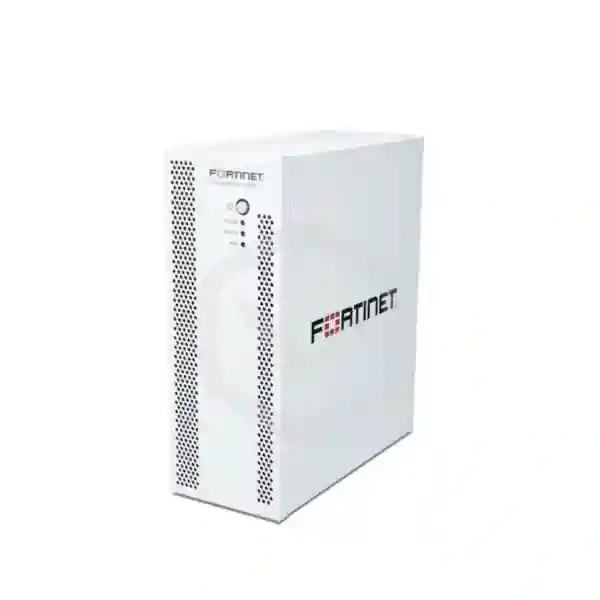
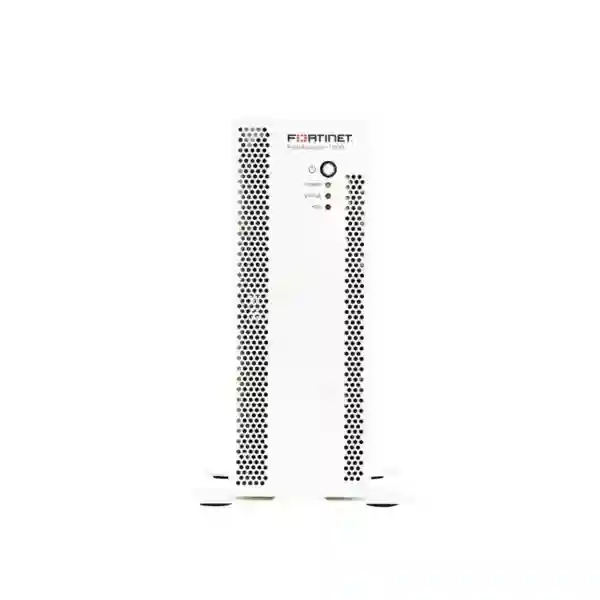
FortiAnalyzer FAZ-150G
FortiAnalyzer FAZ-150G is a dedicated centralized logging and analysis appliance designed for organizations that want to turn Fortinet security telemetry into searchable operational information. For a Tanzania business operating FortiGate security appliances or a broader Fortinet Security Fabric, centralizing logs can simplify investigation, reporting, operational review and security monitoring compared with treating every device as an isolated source of events. The FAZ-150G is positioned at the compact end of Fortinet’s current hardware appliance range, making correct sizing especially important: buyers should validate daily log volume, sustained log rate, device and VDOM count, retention objectives, reporting workload and required FortiAnalyzer services before ordering.
Official maximum daily log capacity for FAZ-150G.
Analytic sustained rate published by Fortinet.
Collector sustained rate for the appliance.
Storage capacity, implemented as 2 × 2 TB.
Maximum devices/VDOMs stated for FAZ-150G.
What FortiAnalyzer FAZ-150G does
Security infrastructure produces a continuous stream of traffic, event, threat and administrative information. The value of FortiAnalyzer is that this information can be brought into a centralized platform rather than reviewed independently on each security device. That central view supports investigation, reporting, analytics and operational workflows. For teams responsible for several FortiGate firewalls, branches, VDOMs or security zones, the practical benefit is consistency: analysts can work from a common repository and apply repeatable review processes across the environment.
FAZ-150G should not be selected only because its hardware is compact. Log-management appliances are workload-driven. A useful procurement exercise estimates normal and peak logs per second, average daily ingestion, number of managed devices or VDOMs, retention requirements, analytics periods and expected reporting activity. If projected demand approaches platform limits, planning headroom or evaluating a larger FortiAnalyzer model is more sensible than designing around a permanently saturated appliance.
Verified FAZ-150G specifications
| Product | FortiAnalyzer FAZ-150G |
| Positioning | Centralized log and analysis appliance |
| Daily logs | Up to 25 GB/day |
| Analytic sustained rate | 500 logs/second |
| Collector sustained rate | 750 logs/second |
| Maximum devices/VDOMs | 50 |
| Maximum analytics days | 90 days under Fortinet’s stated sizing condition |
| Interfaces | 2 × RJ45 GE |
| Storage | 4 TB (2 × 2 TB) |
| Form factor | Desktop |
Specifications should be checked against the current Fortinet datasheet and the exact subscription/support bundle quoted at the time of purchase. Retention in a real deployment varies with ingestion rate, analytics settings, database use and operational policy.
Sizing, licensing and deployment questions
A FortiAnalyzer purchase should begin with data, not only a model name. List every Fortinet device expected to send logs, identify VDOMs where relevant, collect representative log-rate measurements, and estimate how the environment may change over the intended service life. A branch rollout or firewall refresh can increase log volume even when user count stays similar. Enabling additional security inspection can also create more telemetry. Buyers should therefore size for realistic future operation rather than today’s quietest period.
Fortinet also offers service and protection options for FortiAnalyzer. The current ordering guide identifies hardware bundles, support renewal and service add-ons for the FAZ-150G family. Exact entitlement, term and part number should be confirmed during quotation because subscriptions and support are procurement items, not assumptions that should be inferred from the appliance name. Organizations with compliance, SOC automation, IOC or outbreak-detection requirements should describe those requirements explicitly so the proposed bill of materials can be checked.
Deployment planning should include management addressing, DNS and NTP, administrative access, log-source onboarding, ADOM design where applicable, retention expectations, alerting, report schedules, backups, administrator roles and an upgrade policy. The appliance should sit in a controlled network segment with reliable power and appropriate environmental conditions. Operational ownership also matters: decide who reviews alerts, who maintains reports, who handles firmware changes and how investigations are documented.
Related FourTeck resources
For broader project planning, FourTeck Tanzania covers integrated networking, firewall, server and infrastructure requirements that can surround a FortiAnalyzer deployment. Organizations with East African branch requirements can also review FourTeck Uganda and FourTeck Kenya when coordinating regional technology projects. For West African requirements, FourTeck Ghana and FourTeck Nigeria provide regional entry points. These links are useful when the same security architecture or procurement standard must be discussed across several countries.
FortiAnalyzer FAZ-150G Tanzania
For organizations evaluating FortiAnalyzer FAZ-150G in Tanzania, the most useful starting point is the security estate that will feed the platform. A company may operate one main FortiGate with several VDOMs, multiple branch firewalls, or a combination of headquarters and remote locations. Each architecture produces a different logging profile. A procurement request should therefore include firewall models, VDOM count, approximate users, internet bandwidth, security services enabled, current log rates if available, retention goals and any reporting or audit requirements. These inputs help determine whether the FAZ-150G’s published 25 GB/day capacity and 50-device/VDOM ceiling provide comfortable operating headroom.
Tanzania deployments can also benefit from planning the surrounding infrastructure. Central analytics is only useful when devices can reliably deliver logs with accurate timestamps. NTP consistency, stable routing, DNS, administrative access controls and dependable power should be considered during design. Where the appliance is placed in a server room or communications area, UPS protection, ventilation, rack or shelf organization and documented cabling make ongoing maintenance easier. For multi-site businesses, WAN reliability and the expected behavior during link interruptions should be understood before rollout.
From a buying perspective, separate the hardware requirement from service entitlement and lifecycle planning. Ask for the exact FAZ-150G configuration, required FortiCare level, relevant FortiAnalyzer protection or service bundle, term length and renewal approach. If security teams need IOC analysis, outbreak detection, SOC automation, compliance functions or other subscription-dependent capabilities, state those needs in the request rather than assuming they are included. FourTeck Tanzania can use the project scope to structure a quotation discussion around capacity, licensing and integration. This approach is more reliable than selecting an appliance solely from a product label and discovering later that log volume, retention or subscription expectations were different.
FortiAnalyzer FAZ-150G Dar es Salaam
Dar es Salaam organizations often centralize technology operations for headquarters, branches, retail sites, warehouses or customer-facing locations. In that type of topology, FortiAnalyzer FAZ-150G can be evaluated as a central point for Fortinet security logging and analysis, provided the combined workload fits the appliance limits. The sizing exercise should aggregate all contributing FortiGate devices and VDOMs, not only the firewall physically located beside the analyzer. Peak traffic periods, enabled threat-prevention services, VPN activity and branch growth can materially affect log generation.
A useful Dar es Salaam deployment plan maps the path between log sources and FortiAnalyzer. Security teams should know which interfaces and management networks are used, how name resolution and time synchronization are maintained, and how administrator access is restricted. If remote branches depend on WAN connectivity to forward logs, document what happens during a circuit interruption and how monitoring teams distinguish a quiet network from a disconnected log source. Reports and alerting should then be designed around actual operational questions: suspicious activity, policy changes, threat events, VPN usage, executive summaries or audit evidence.
For quotation preparation, provide the exact model request, quantity, current Fortinet estate, daily or hourly log information if available, desired retention, support term and required security services. A business replacing an older analyzer should also describe existing data, migration expectations and firmware versions so compatibility and transition steps can be reviewed. New deployments should budget time for onboarding, administrator roles, reporting templates and documentation rather than treating installation as simply connecting two Ethernet ports. FourTeck’s Tanzania contact channel can be used to discuss the appliance alongside firewall, switching, UPS and server-room dependencies when the requirement is part of a wider infrastructure project.
FortiAnalyzer FAZ-150G Mwanza
Businesses evaluating FAZ-150G for Mwanza should focus on whether centralized analytics can simplify security operations across geographically separated sites. A regional office may have its own FortiGate while headquarters or other branches maintain additional appliances. Instead of requiring administrators to investigate each firewall separately, a properly sized FortiAnalyzer environment can consolidate telemetry for more consistent review. The decision still depends on measurable workload: total devices and VDOMs, logs per second, daily log volume and the period for which searchable analytics are required.
Connectivity deserves special attention in a multi-site design. Logging traffic must reach the analyzer predictably, and administrators need a way to recognize when a branch has stopped forwarding events. Time synchronization is essential because investigations depend on comparing activity across systems in the correct sequence. WAN design, routing, firewall policies and management addressing should therefore be documented before onboarding. Where the analyzer is installed locally, stable power, UPS coverage and a controlled equipment environment help protect the platform and reduce avoidable downtime.
Mwanza buyers preparing a commercial request should avoid asking only for ‘FAZ-150G price.’ A more useful quotation request states whether the need is appliance-only or a supported bundle, the desired support duration, expected subscription services and whether implementation assistance is required. Include current FortiGate models and firmware branches, especially when the project involves existing infrastructure. If log growth is uncertain, request a sizing review before finalizing the bill of materials. The published limits make FAZ-150G easy to compare on paper, but the best fit depends on how the security environment behaves during normal and peak periods. Planning this early supports cleaner procurement and fewer surprises during commissioning.
FortiAnalyzer FAZ-150G Arusha
Arusha organizations in hospitality, professional services, education, logistics and other sectors may operate security infrastructure across offices, guest networks, operational networks and remote facilities. When Fortinet firewalls protect those environments, FortiAnalyzer FAZ-150G can be considered for centralized logging where its capacity matches the estate. The value is not merely storing logs; the objective is to make security information easier to search, analyze and report so administrators can investigate events without repeatedly switching between individual devices.
The procurement team should work with technical stakeholders to define what ‘retention’ means. Some organizations need recent logs for operational troubleshooting, while others have internal or regulatory requirements for longer evidence preservation. Fortinet publishes a maximum analytics-days figure under defined conditions, but real retention is workload dependent. Daily ingestion, database use and analytic requirements influence how much history is practically available. If the requirement exceeds the comfortable range of FAZ-150G, that is a sizing signal rather than a reason to reduce logging quality without analysis.
For an Arusha deployment, include implementation details in the project scope: management IP plan, administrator authentication, device authorization, ADOM structure where relevant, report schedules, alert recipients, backup procedures and firmware maintenance. If branch devices connect over variable WAN links, document monitoring for log-source interruptions. The commercial request should also specify the support and service term required. FortiAnalyzer optional services can affect the final part-number structure, so procurement should receive an exact bill of materials rather than assume every security feature is included with the base hardware. FourTeck Tanzania can discuss these inputs before quotation and can also consider firewall, switching and power dependencies when the analyzer is part of a larger security refresh.
FortiAnalyzer FAZ-150G Dodoma
In Dodoma, FortiAnalyzer FAZ-150G may suit organizations that want a dedicated hardware platform for Fortinet security logs without moving immediately to a higher-capacity analyzer. Suitability should be proven from workload. The published 25 GB/day ingestion figure, 500 analytic logs/second, 750 collector logs/second and maximum 50 devices/VDOMs provide useful boundaries for initial assessment. A design should retain headroom for unusual events, policy changes, new branches and additional security services rather than assuming today’s average load will remain constant.
Government-facing contractors, enterprises, NGOs, education environments and other organizations may also have structured reporting needs. Before deployment, identify which teams need reports, how often reports are produced, which administrators require access and what evidence must be retained. Centralization can improve consistency, but only when roles and operational processes are defined. A platform that collects logs but is rarely reviewed does not deliver the same value as one integrated into incident handling, change review and routine security monitoring.
Physical and network preparation should be included in the project checklist. Confirm reliable power and UPS protection, suitable placement, network interfaces, management VLAN, DNS, NTP and permitted communication between FortiAnalyzer and each log source. Existing deployments should verify supported firmware paths before upgrades. Procurement teams should request the precise hardware and service combination required for the project and record renewal dates from the beginning. When asking FourTeck Tanzania for a quotation, include current Fortinet devices, expected expansion, desired support term and whether configuration or migration assistance is needed. This turns the request into a capacity and lifecycle discussion instead of a one-line price enquiry, which is especially useful for security infrastructure intended to operate for several years.
FortiAnalyzer FAZ-150G UAE
For UAE operations connected to a Tanzania or wider regional Fortinet environment, FAZ-150G can be assessed as part of a standardized logging architecture. Multi-country businesses often benefit from consistent device naming, time configuration, administrator roles, report templates and incident workflows. Standardization makes it easier for a central security team to understand branch activity without learning a different monitoring approach for every location. The analyzer’s placement should follow the organization’s architecture: log volume, WAN topology, data-handling requirements and operational ownership all influence whether a single central appliance or another design is appropriate.
A UAE procurement request should distinguish between the FAZ-150G base hardware and the support or protection services required. Fortinet’s ordering information lists bundles and service options, and exact part numbers depend on term and entitlement. Buyers should define whether the project needs IOC-related services, outbreak detection, SOC automation or other FortiAnalyzer options, then have the quoted bill of materials checked against those needs. Do not infer subscription entitlement from a reseller product title alone.
When the UAE site is one branch in a regional network, collect log-rate information from every participating location. WAN outages, latency and routing changes should be included in operational planning, and NTP consistency is essential for cross-site investigation. If a central SOC or IT team manages the platform, agree escalation paths and report ownership before go-live. A regional FourTeck discussion can align the analyzer with FortiGate deployments, branch connectivity and broader infrastructure while keeping the hardware selection tied to verified Fortinet limits. For projects spanning Tanzania and the UAE, document which entity owns licensing, renewal, configuration standards and lifecycle decisions so the technical design and procurement process remain synchronized.
FortiAnalyzer FAZ-150G Uganda
Uganda deployments can use the same workload-led approach to evaluate FAZ-150G. Begin with the number of FortiGate appliances and VDOMs, then measure or estimate log production under representative security policies. A company with a headquarters firewall and several modest branches may generate a very different volume from a smaller number of heavily utilized devices running extensive security inspection. The analyzer must be selected for telemetry, not merely employee count. The 25 GB/day and sustained-rate figures therefore act as sizing checkpoints rather than marketing numbers.
Regional operations between Uganda and Tanzania should also define where logs are collected and who is responsible for monitoring. Central collection can support a shared security process, but cross-border WAN design, data governance and organizational policy may affect architecture. Each log source needs accurate time, stable connectivity and controlled authorization. Administrators should configure alerting for device communication problems so a missing branch is visible as an operational event instead of silently creating a monitoring gap.
When requesting a Uganda quotation, include support duration, required FortiAnalyzer services, current firmware versions and the expected implementation scope. If the project is a replacement, document migration expectations and whether historical data must remain available. If it is new, define reports, administrator roles and retention before onboarding every device. FourTeck Uganda can provide a regional project entry point, while FourTeck Tanzania can coordinate requirements originating from Tanzania. For organizations operating both markets, a common bill-of-materials review and configuration standard can simplify renewals and support. The key is to preserve enough local flexibility for different branch sizes while keeping logging, reporting and incident-handling practices consistent across the security estate.
FortiAnalyzer FAZ-150G Kampala
Kampala businesses evaluating a dedicated FortiAnalyzer often have a mix of head-office security, internet edge protection, VPN users and branch connectivity. FAZ-150G can centralize Fortinet logs when the combined environment remains within its published limits. Before purchase, identify all contributing devices, VDOMs and security services, and obtain representative log statistics if the current firewalls can provide them. Peak security events can generate different volumes from routine office traffic, so sizing should not rely on a single quiet sample.
Operational design is equally important. Decide whether the platform is used mainly for troubleshooting, formal reporting, incident investigation or a combination of these tasks. Define administrator groups and least-privilege access, standardize timestamps, establish alert recipients and schedule reports that answer real business questions. A security manager may need a high-level summary, while an engineer needs detailed event searches. Separating these requirements during design can keep the platform useful instead of filling it with reports nobody reads.
For Kampala procurement, ask for a clearly itemized quotation. The base appliance, FortiCare support and optional FortiAnalyzer services are distinct commercial considerations. Confirm term lengths and renewal references, and record entitlement ownership. Where implementation is requested, define whether the scope includes initial setup, device onboarding, report configuration, migration, training or post-deployment support. Organizations connecting Kampala with Tanzanian offices can also align naming, ADOM structure and reporting conventions so security staff can move between environments with less friction. If growth could push the design close to 25 GB/day or the device/VDOM ceiling, compare a larger FortiAnalyzer before purchase rather than assuming the smaller appliance can absorb indefinite expansion.
FortiAnalyzer FAZ-150G Arua
For an Arua site, the decision to deploy FAZ-150G may be driven by the need to centralize security information from a local FortiGate or to contribute logs into a wider regional monitoring model. If the analyzer is placed centrally elsewhere, WAN behavior becomes part of the logging architecture. If it is placed in Arua, local power, environmental protection and management access become primary infrastructure considerations. In either case, start with verified workload requirements and the official Fortinet capacity figures.
Remote or branch environments benefit from clear monitoring of log-source health. A security team should be able to tell whether an apparent absence of events means there was no activity or the device stopped communicating. Accurate NTP across the firewall, analyzer and supporting infrastructure is also important because event sequence is central to investigation. Document routing, permitted ports, management addresses and recovery procedures so troubleshooting does not depend on one administrator’s memory.
Commercial planning should consider lifecycle costs as well as acquisition. Define the support term, optional services and expected renewal path at the time of purchase. If the Arua location is one of several Ugandan branches, consolidate requirements so total device and VDOM counts are visible before sizing. If Tanzania teams will monitor the environment, agree ownership for alerts, firmware changes and incident escalation. FourTeck’s Uganda and Tanzania channels can be used to coordinate a cross-border requirement without assuming identical infrastructure at every branch. The objective is a consistent security-monitoring process that reflects real connectivity and operational conditions. Where projected growth is uncertain, leave capacity headroom and review the design periodically rather than waiting for storage or ingestion limits to become an operational problem.
FortiAnalyzer FAZ-150G Mbarara
Mbarara organizations can evaluate FortiAnalyzer FAZ-150G when their Fortinet environment needs a dedicated location for centralized security logs and analysis. A common mistake is to choose the analyzer from firewall quantity alone. Two environments with the same number of firewalls can produce very different log volumes because internet throughput, security profiles, VPN use, application mix and policy design differ. Measure actual telemetry when possible and map projected growth against Fortinet’s 25 GB/day and sustained-rate specifications.
Retention requirements should be discussed with security, operations and governance stakeholders. If teams need searchable analytics for a particular investigation window, size for that workload rather than assuming the published maximum analytics-days figure will always apply. Real-world retention changes with ingestion. Longer-term evidence requirements may also require a broader data-retention strategy. Administrators should define backup procedures, report schedules, account roles and firmware maintenance so the platform becomes part of routine operations rather than a passive archive.
A Mbarara quotation request should state whether deployment services are needed and what those services should cover. Initial network setup, FortiGate authorization, ADOM planning, reporting, alert configuration, administrator handover and documentation are different tasks. The bill of materials should show the exact hardware, support and service entitlements. For a business with Kampala, Arua, Gulu or Tanzania sites, regional standardization can simplify operations, but each branch’s WAN and log profile still needs to be understood. FourTeck can discuss the requirement through the appropriate regional site and coordinate the product with firewall and network dependencies. Buyers should keep the design evidence—device inventory, log-rate measurements and retention assumptions—alongside the procurement record so future expansion decisions have a clear baseline.
FortiAnalyzer FAZ-150G Gulu
For Gulu, FAZ-150G can be assessed for a local or regional Fortinet logging requirement where centralized analysis will improve visibility. The platform is most useful when administrators have defined what they intend to do with the data: investigate security events, review policy activity, generate management reports, support troubleshooting or meet internal evidence requirements. These use cases influence retention, report frequency and administrator workload, which in turn affect the sizing conversation.
Infrastructure reliability should be treated as part of the security design. The analyzer needs dependable power, network connectivity, correct time and controlled administrative access. If Gulu firewalls forward logs over WAN links to another city, teams should monitor connectivity and define behavior during outages. If the appliance is installed locally, protect it with suitable UPS capacity and maintain a documented management network. Device onboarding should follow a naming standard so reports and searches remain understandable as the environment grows.
Before ordering, compare current and expected log generation with the FAZ-150G specifications. Include a growth allowance for new branches, additional FortiGate services or higher internet bandwidth. Ask for the exact Fortinet support and service configuration rather than a generic appliance price. If optional FortiAnalyzer capabilities are required, include them explicitly in the quotation request. For organizations with multiple Ugandan locations, one consolidated inventory can reveal whether a central FAZ-150G remains appropriate or whether capacity should be increased. When the same organization has Tanzania operations, common report naming and incident workflows can improve collaboration between teams. The procurement decision should therefore balance hardware limits, subscription needs, network architecture and operational responsibility rather than focusing on any single specification.
FortiAnalyzer FAZ-150G Kenya
Kenya-based organizations with Fortinet firewalls can evaluate FAZ-150G as a compact centralized analytics appliance for environments that fit its published capacity. For regional companies, the more important question is whether logs from Kenya, Tanzania and other branches should be handled by one operational team or separated by geography, policy or data-handling requirements. Architecture should follow governance and workload rather than convenience alone. A central appliance must have sufficient capacity for every participating device and VDOM plus expected growth.
A cross-border design needs consistent time synchronization and clear connectivity monitoring. Security investigations frequently compare events from multiple devices, so timestamps must be trustworthy. Naming conventions should identify country, site and device role without ambiguity. Administrator access should follow least privilege, and reporting can be separated for technical teams, management and audit audiences. Where WAN connections carry log traffic, document routing, failover and the process for detecting an interrupted source.
Kenya procurement should include exact service entitlement. FortiAnalyzer hardware can be quoted with different support and protection combinations, and buyers should confirm the required term and features. If a project needs IOC, outbreak-detection, SOC automation or compliance-related capabilities, make those requirements visible before the bill of materials is approved. FourTeck Kenya can act as a regional entry point while FourTeck Tanzania supports Tanzania-originated requirements. For businesses operating both countries, aligning renewal calendars, configuration standards and documentation can reduce administrative overhead. Capacity should still be reviewed periodically: a network that comfortably fits FAZ-150G today may change after firewall upgrades, new inspection profiles, branch additions or bandwidth increases. Keeping sizing evidence current supports a planned upgrade rather than an emergency response to capacity pressure.
FortiAnalyzer FAZ-150G Kuwait
For Kuwait operations that are part of a wider FourTeck or Fortinet project, FAZ-150G can be considered when a dedicated hardware analyzer matches the number of devices and expected telemetry. Organizations should begin by documenting the security estate rather than transferring assumptions from another country. Internet usage, inspection policies, VPN concentration and branch design can create a distinct log profile. Fortinet’s capacity figures provide the boundary for assessment, but representative measurements provide the best input for procurement.
Where Kuwait and Tanzania sites share security operations, define the management model before installation. A central team needs predictable access, consistent administrator roles, common time sources and standardized naming. Reports can then be built for different audiences without losing the ability to drill into country-specific activity. If local teams retain operational responsibility, agree how alerts and incidents are escalated across the organization. These process decisions are as important as hardware because centralized data only helps when someone owns the resulting workflow.
The quotation should clearly separate appliance, support term, service subscriptions and implementation. Buyers should confirm current Fortinet ordering references at the time of purchase, since bundle structures and entitlement details can change. Include expected retention and whether historical data migration is part of the project. If the analyzer will be installed in a communications room, confirm reliable power, suitable environment and network segmentation. Regional procurement teams can use a common technical questionnaire for Kuwait, Tanzania and other markets: device list, VDOM count, average and peak log rates, daily volume, retention, support term, required services and expected growth. This creates comparable design evidence while avoiding the assumption that every site should receive the same model regardless of workload.
FortiAnalyzer FAZ-150G Ghana
Ghana organizations using Fortinet can assess FAZ-150G for centralized log collection and analysis when the environment remains within the platform’s limits. In a multi-site business, centralization can reduce the time spent moving between individual firewall interfaces and can make reporting more consistent. The sizing process should inventory all FortiGate devices and VDOMs, capture log-rate data, estimate daily volume and define the period for which analytics must remain readily available. Growth should be included from the start.
A Ghana deployment that participates in regional monitoring should use consistent operational standards. Accurate NTP, clear site naming and controlled administrator access make cross-country investigations easier. Reports should be designed around decisions: what does management need to know, what does the security engineer need to investigate, and what evidence must be retained? Excessive reports can create noise, while too little visibility can leave important events unnoticed. Alerting and escalation therefore deserve deliberate configuration.
Commercially, ask for the exact FAZ-150G hardware and the FortiCare or FortiAnalyzer service configuration required. Fortinet lists optional services and bundles, so procurement should not assume that every capability is part of the base appliance. FourTeck Ghana provides a regional point for Ghana requirements, while FourTeck Tanzania can coordinate projects originating in Tanzania. If one organization operates both countries, it may be useful to standardize documentation, naming, renewal records and security workflows while sizing each analyzer from local telemetry. Include implementation expectations in the request—onboarding, reports, alerts, migration, training and handover—so services can be scoped accurately. The result should be a maintainable logging platform with known capacity, clear ownership and a documented path for expansion.
FortiAnalyzer FAZ-150G Nigeria
Nigeria environments can range from a single corporate site to extensive branch networks, so FAZ-150G suitability must be evaluated from actual security telemetry. A small device count does not automatically mean a small log workload, especially when firewalls protect high-bandwidth internet links or use multiple security inspection services. Conversely, a distributed branch estate may remain manageable if individual sites produce modest volumes. Collect data before purchase and compare it with the appliance’s 25 GB/day, analytic sustained rate, collector sustained rate and 50 devices/VDOMs maximum.
For multi-branch Nigerian deployments, decide whether FortiAnalyzer is central or distributed. A central approach can simplify operations but depends on WAN architecture and organizational policy. Distributed analyzers may change the operational model and licensing discussion. Whichever design is selected, time synchronization, device authorization, administrator roles, reporting standards and source-health monitoring should be documented. Security teams should know how to identify a branch that has stopped forwarding logs and who is responsible for restoring visibility.
Nigeria procurement requests should describe the existing Fortinet estate and expected expansion. Ask for the support term and any optional FortiAnalyzer services required, and confirm the exact part numbers on the quotation. If implementation is included, define deliverables such as base configuration, onboarding, ADOM design, reports, alerts, migration and administrator handover. FourTeck Nigeria provides a regional route for Nigerian requirements, while FourTeck Tanzania can coordinate Tanzania-linked projects. A regional enterprise can benefit from a shared sizing template and renewal register, but it should avoid forcing identical hardware into sites with different workloads. Review capacity after major firewall upgrades or branch additions so the analyzer remains a planned security platform rather than a fixed appliance that is only reconsidered when limits are reached.
FortiAnalyzer FAZ-150G Seychelles
Seychelles organizations considering FAZ-150G may value centralized security visibility across offices, hospitality environments, service operations or multiple sites. The model can be evaluated where Fortinet log volumes and device counts align with its published specifications. Because island or remote-site connectivity can shape operational design, buyers should consider whether logs are analyzed locally or forwarded to a regional platform. The right answer depends on bandwidth, resilience, data policy and who performs day-to-day security monitoring.
If logs cross WAN links, document link behavior and monitoring for interruptions. If the analyzer is installed locally, plan stable power, UPS, environmental conditions and secure management access. Accurate time remains essential regardless of location. Device and site naming should be consistent enough that an analyst can understand an event without needing local knowledge. Reporting should be purposeful: executive summaries, technical investigations and audit evidence usually require different views of the same underlying data.
A Seychelles quotation request should include the exact hardware model, current FortiGate inventory, VDOM count, measured or estimated log volume, desired retention, support term and optional service requirements. If the project is connected to Tanzania or another regional operation, include those sites in the architecture discussion so total capacity and operational ownership are visible. Do not assume a subscription feature is included simply because it appears in a FortiAnalyzer feature list; confirm entitlement and part number. Implementation scope should also be explicit, particularly if remote onboarding, report setup, alert configuration or administrator handover is required. A documented design makes future expansion easier because teams can compare new demand with the original sizing assumptions and decide when additional capacity is justified.
FortiAnalyzer FAZ-150G buying checklist
List FortiGate models, VDOMs, firmware versions and sites that will send logs.
Capture average and peak logs per second plus daily log volume where possible.
State how much searchable history operations and governance teams actually require.
Confirm FortiCare and optional FortiAnalyzer service requirements and term length.
Clarify onboarding, ADOMs, reports, alerts, migration, training and documentation.
Allow headroom for new sites, higher bandwidth and additional security inspection.
FortiAnalyzer FAZ-150G FAQs
How much log data can FAZ-150G handle per day?
Fortinet’s current datasheet states up to 25 GB/day of logs for FAZ-150G. Actual sizing should also consider logs per second, device/VDOM count, retention and growth.
What is the FAZ-150G sustained log rate?
Fortinet publishes an analytic sustained rate of 500 logs/second and a collector sustained rate of 750 logs/second for this model.
How many devices or VDOMs can FAZ-150G support?
The published maximum is 50 devices/VDOMs. Buyers should retain capacity headroom rather than planning to operate permanently at a maximum boundary.
Does FAZ-150G include every FortiAnalyzer service?
No assumption should be made from the hardware name alone. Fortinet offers bundles and optional services. Confirm exact entitlement, support level, term and part number on the quotation.
What information should I provide for a Tanzania quotation?
Provide the FAZ-150G model request, quantity, FortiGate inventory, VDOMs, log-rate or daily-volume data if available, retention target, required services, support term, site location and implementation expectations.
Decision recap and consultation
FortiAnalyzer FAZ-150G is a compact dedicated Fortinet log-analysis appliance with clearly defined capacity: up to 25 GB/day, 500 analytic logs/second, 750 collector logs/second, 50 devices/VDOMs, 4 TB storage and two GE RJ45 interfaces. Those specifications make it straightforward to shortlist, but they do not replace workload analysis. The correct buying decision depends on the current Fortinet estate, expected growth, retention, reporting, optional services and operational model.
For a quotation discussion, send the model, quantity, device inventory, log measurements, retention objective, subscription/support requirement and site details. If some information is unavailable, start with the firewall inventory and business requirement so the missing sizing inputs can be identified before procurement.



Reviews
There are no reviews yet.