
FortiAnalyzer FAZ-810G Tanzania
FortiAnalyzer FAZ-810G is designed for organizations that need centralized collection, analytics, reporting and operational visibility across a substantial Fortinet security environment. For Tanzania, sizing should match daily log generation, sustained event rate, retention expectations, managed devices or VDOMs, reporting workflows and expected growth.
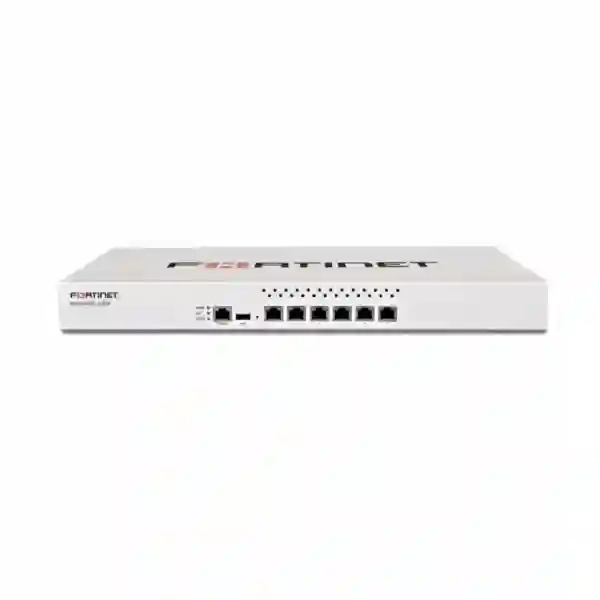
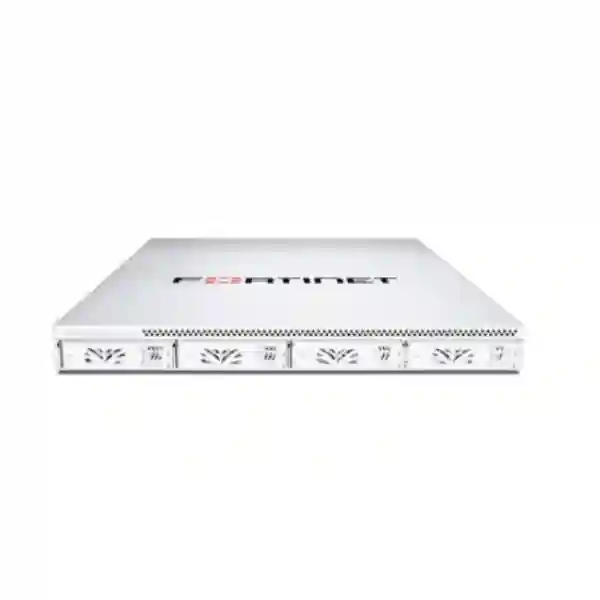
Fortinet specifies the FAZ-810G as a 1RU appliance with 4 RJ-45 interfaces, 2 GE SFP interfaces and 16 TB self-encrypting storage. Published capacity includes up to 200 GB of logs per day, 4,000 logs/sec analytic sustained rate, 6,000 logs/sec collector sustained rate and a maximum 800 devices/VDOMs.
Centralized Fortinet analytics
Security infrastructure produces continuous operational and security information. When logs remain distributed across devices, investigation and reporting become harder. FortiAnalyzer centralizes Fortinet telemetry so security and network teams can organize logs, investigate activity, build reports and establish repeatable workflows. Device onboarding, time synchronization, retention, administrator permissions, ADOM design, alert processes and backup practices should be planned before production use.
Verified FAZ-810G capacity
Published daily log capacity.
Published analytic sustained rate.
Published collector sustained rate.
Self-encrypting storage specified by Fortinet.
Sizing and retention
Start with measured logs rather than user count alone. Record average and peak event rates, daily ingest, device and VDOM counts, required searchable retention and realistic growth. Daily gigabytes and logs per second describe different constraints. Retention should be defined from security, operational, contractual and governance needs. Do not assume headline disk capacity equals a fixed number of retention days for every environment.
Topology also matters. Multi-branch organizations should consider WAN reliability, secure log transport, collector architecture where appropriate, DNS, NTP, routing, firewall policy, management access, backups and recovery. The appliance should be integrated into operational procedures instead of being treated as storage only.
FortiAnalyzer FAZ-810G Tanzania
Tanzania organizations evaluating FAZ-810G may include enterprises, institutions, financial environments, hospitality groups, industrial operations and multi-branch businesses that need a consistent place to analyze Fortinet security logs. Build an inventory covering FortiGate appliances, VDOMs, other intended Fortinet log sources, daily volume, peak rate, retention and expected expansion.
Connectivity between Dar es Salaam, Mwanza, Arusha, Dodoma and other sites should be part of the architecture. A central FortiAnalyzer may receive logs across WAN links, but bandwidth, routing, link stability and interruption behavior need review. Power, cooling, rack space, UPS protection and secure management connectivity should also be prepared.
Review FourTeck Tanzania’s integrated technology overview, technology shop, IT services and quotation contact page for related project requirements.
FortiAnalyzer FAZ-810G Dar es Salaam
Dar es Salaam headquarters and data-center environments may centralize logs from internet gateways, VPN services, internal segmentation and remote branches. Capacity planning should include all participating devices, not only the primary firewall. Confirm rack location, management network, cooling, power protection and backup procedures before delivery.
Security teams should define alert ownership and reporting schedules so the appliance supports active operations. When requesting a quote, include device models, VDOM counts, log-rate evidence, retention targets, interfaces, subscriptions and implementation scope. This gives procurement a clearer basis for comparing proposals.
FortiAnalyzer FAZ-810G Mwanza
Mwanza sites can participate in a centralized Tanzania analytics architecture as either the hosting location or a log-producing branch. If FAZ-810G is deployed locally, prepare rack, ventilation, UPS, switching and secure administrative access. If logs cross a WAN, review route stability, bandwidth and recovery after outages.
Do not size only from current firewall quantity. Future branches, VDOMs, logging policy and security-service changes can increase telemetry. A useful sizing worksheet separates current requirements, approved expansion and realistic lifecycle growth.
FortiAnalyzer FAZ-810G Arusha
Arusha hospitality, institutional, NGO, education and commercial environments may operate separate guest, staff, server, surveillance and management networks. Central analytics can simplify investigation when logging policies and device naming are consistent. Define retention for both troubleshooting and security investigation, avoiding indiscriminate logging that consumes capacity without operational value.
Clarify whether the requirement is hardware supply or a broader deployment including rack integration, registration, logging configuration, reports, administrator handover and documentation. Mixed firmware or complex VDOM structures should be identified before implementation.
FortiAnalyzer FAZ-810G Dodoma
Dodoma institutional, public-sector, education and enterprise environments may value centralized security records and repeatable reporting. The published maximums are a starting point, not a substitute for sizing. Define devices, event rates, retention and administrative separation.
Document who can access raw logs, create reports and receive alerts. Management access should follow organizational security policy. Branch-heavy deployments should also document WAN paths, DNS, NTP and the troubleshooting process for interrupted log flows.
FortiAnalyzer FAZ-810G UAE
UAE organizations may combine headquarters, branches, cloud services, remote users and data-center workloads. FAZ-810G suitability depends on measured telemetry and workflow. A dedicated SOC has different alerting and reporting requirements from a smaller IT team using FortiAnalyzer mainly for troubleshooting and scheduled reports.
Regional customers can review FourTeck UAE and the Fortinet UAE specialist site. Verify software compatibility, rack requirements, service options and whether resilience or distributed collection is required.
FortiAnalyzer FAZ-810G Uganda
Uganda organizations can centralize Fortinet logging across Kampala and regional branches. Start with devices, VDOMs, measured log volume, retention and WAN topology. Branch-heavy environments should plan for interrupted connectivity and establish procedures to confirm log flow has recovered.
The FourTeck Uganda site supports broader regional technology coordination. Multi-country organizations should decide whether analytics is centralized, distributed or separated according to connectivity, governance and operational responsibility.
FortiAnalyzer FAZ-810G Kampala
Kampala may serve as the central security operations point for Uganda networks. An FAZ-810G deployed there should be sized against combined head-office and branch telemetry. Network staff should prepare addressing and reachability, security staff should define log policies and reports, and infrastructure teams should prepare rack, power and cooling.
Time synchronization, configuration backup and recovery ownership should be explicit. Procurement should separate hardware, implementation, subscriptions, support and migration so commercial comparisons use equivalent scope.
FortiAnalyzer FAZ-810G Arua
Arua branches may send logs to a national central appliance rather than host FortiAnalyzer locally. Plan WAN resilience, log forwarding and standardized configuration. Consistent device names, NTP, logging settings and VPN architecture improve reporting and troubleshooting.
Include Arua in the central sizing worksheet even when no analytics appliance is installed locally. Its devices and telemetry still contribute to central capacity and retention requirements.
FortiAnalyzer FAZ-810G Mbarara
Mbarara branches can benefit from centralized analysis managed elsewhere. Treat each site as a defined telemetry source with known devices, VDOMs, policies and paths. Role-based access can allow local staff to troubleshoot without unnecessary platform privileges.
Review branch power and WAN conditions and understand log behavior during outages. Update the central sizing model whenever branches or security services are added.
FortiAnalyzer FAZ-810G Gulu
Gulu sites should follow consistent onboarding: inventory devices, establish secure reachability, configure time, define logging policy and test that events arrive with recognizable site context. If connectivity is constrained, decide which telemetry is operationally necessary based on policy and measured volume.
Commissioning should confirm device authorization, log reception, time accuracy, report visibility and administrator access. A documented acceptance test helps detect missing data early.
FortiAnalyzer FAZ-810G Kenya
Kenya enterprises can use FAZ-810G for centralized analytics where published capacity aligns with their estate. The FourTeck Kenya site supports related regional requirements. Organizations spanning Kenya and Tanzania should explicitly choose between country-specific and regional analytics based on connectivity, policy and operational ownership.
Measure log metrics rather than relying on user count. Traffic profile, security inspection, services and device architecture can produce very different telemetry even for organizations of similar size.
FortiAnalyzer FAZ-810G Kuwait
Kuwait deployments should focus on centralized visibility, retention and workflows. High bandwidth alone does not determine log volume. Measure security telemetry and define administrative roles, reporting requirements, rack conditions and backup before selection.
Quotations should distinguish hardware, subscriptions, implementation and optional support. This prevents scope differences from being mistaken for product-price differences.
FortiAnalyzer FAZ-810G Ghana
Ghana businesses with multiple Fortinet gateways can centralize investigation and reporting when device-by-device review becomes inefficient. The FourTeck Ghana site supports regional coordination. Size from ingest, event rate, device/VDOM count and retention.
Use consistent naming, time sources and logging policies. If migrating from an older platform, define which historical data must remain accessible and when the new system becomes the reporting source.
FortiAnalyzer FAZ-810G Nigeria
Nigeria organizations may have substantial branch and data-center footprints. The FourTeck Nigeria site supports regional coordination. Evaluate whether FAZ-810G capacity aligns with current and projected telemetry, then assign ownership for alerting, reporting, WAN paths, backups and lifecycle management.
Multi-country enterprises should document where analytics occurs and how security teams share visibility. A defined regional architecture is easier to operate than an unplanned collection of separate systems.
FortiAnalyzer FAZ-810G Seychelles
Seychelles deployments may involve hospitality, finance, government-related or multi-site environments where dependable remote visibility matters. Suitability should be determined from telemetry and retention rather than organization size alone.
Connectivity resilience deserves attention when logs cross inter-site or international links. Procurement should document destination, rack readiness, power, interfaces, implementation scope and support expectations before ordering.
Quotation checklist
Provide Fortinet device models, VDOM count, average and peak log rates, daily volume, retention, site count, WAN topology, target software release, rack and power environment, interfaces, service requirements, migration needs, implementation scope, administrator handover and growth expectations. If metrics are unavailable, include discovery in the scope rather than assuming capacity.
FAZ-810G FAQs
How much log data can FAZ-810G handle?
Fortinet publishes up to 200 GB/day, with 4,000 analytic sustained logs/sec and 6,000 collector sustained logs/sec.
How much storage is included?
Fortinet specifies 16 TB self-encrypting storage using four 4 TB 3.5-inch SAS drives.
How many devices or VDOMs?
The published maximum is 800 devices/VDOMs. Verify current release guidance before deployment.
What should I send for a quote?
Send device counts, log metrics, retention, site topology, rack/interface requirements and the desired deployment scope.
Decision recap
FAZ-810G provides centralized Fortinet log analytics at a published scale of 200 GB/day, 4,000 analytic sustained LPS, 6,000 collector sustained LPS, up to 800 devices/VDOMs and 16 TB self-encrypting storage. A sound purchase verifies that capacity against the real estate and then plans compatibility, retention, WAN topology, rack infrastructure, administrator roles, reporting and lifecycle support.
Plan your FortiAnalyzer deployment
Share your Fortinet inventory, log volume, retention target, sites and growth expectations. FourTeck can use these inputs to structure a more accurate product and deployment quotation.


Reviews
There are no reviews yet.