
FortiAP FAP-222KL Tanzania
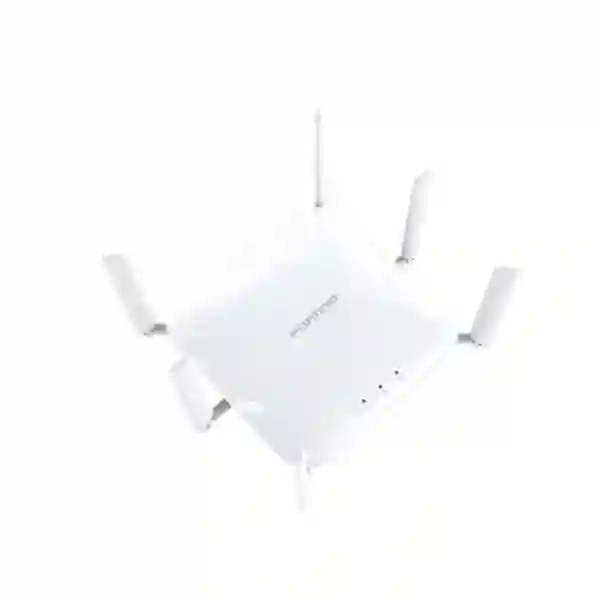
Fortinet FortiAP FAP-222KL is an outdoor Wi-Fi 7 access point for organizations planning secure wireless coverage beyond conventional indoor office spaces. Fortinet positions the model as a 2×2 outdoor platform with external antennas. It operates Wi-Fi service on the 2.4 GHz and 5 GHz bands and belongs to the FortiAP K-series generation. For buyers in Tanzania, the practical value is not simply the Wi-Fi 7 label: the product can form part of a centrally governed Fortinet wireless architecture for compounds, logistics facilities, campuses, hospitality grounds, utilities, industrial locations and other sites where outdoor radio design and security policy need to be considered together.
What the FortiAP FAP-222KL is designed to solve
Outdoor wireless projects frequently fail when an access point is chosen only from a throughput figure. Coverage geometry, antenna placement, mounting position, power availability, Ethernet uplink design, client mix, roaming expectations, environmental exposure, security segmentation and regulatory settings all affect the result. The FAP-222KL gives network teams an outdoor FortiAP option in the Wi-Fi 7 family while retaining the Fortinet approach to coordinated networking and security. It is particularly relevant where a customer already uses, or is planning, FortiGate-based control and wants outdoor WLAN policy to fit the wider security architecture.
Fortinet documents Multi-Link Operation support for the FAP-222KL on its 2.4 GHz and 5 GHz radios. MLO is a Wi-Fi 7 capability intended to let compatible clients use multiple links, although actual client behavior and available features depend on software, configuration and endpoint capability. Buyers should therefore treat Wi-Fi 7 as an architecture decision rather than an automatic promise of a particular real-world speed. A site survey, channel plan and compatibility review remain important.
Outdoor deployment
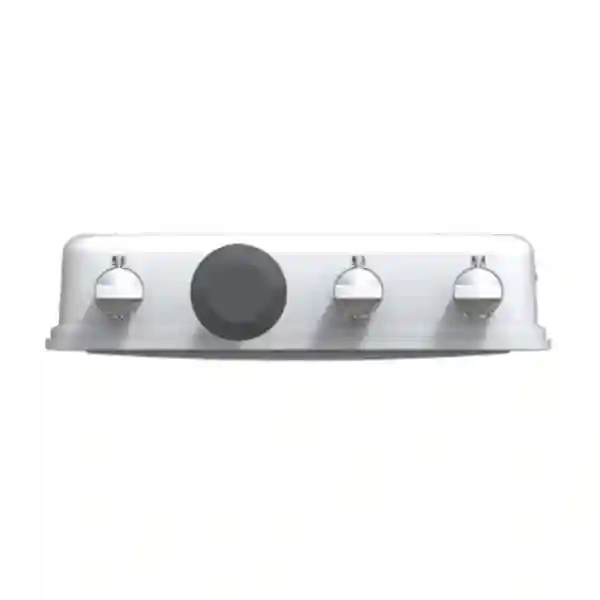
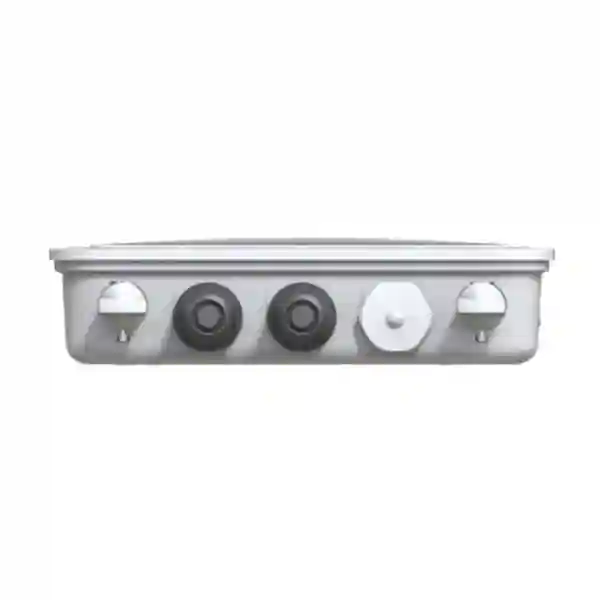
The rugged outdoor form factor targets locations where indoor access points are not appropriate. Mounting position, cable routing, grounding, surge protection and environmental planning should be included in deployment design.
External antennas
External antenna support gives designers flexibility, but antenna selection and orientation should follow the intended coverage pattern and permitted regional configuration rather than being treated as a generic plug-and-play choice.
Fortinet management
FortiAP deployments can be managed within supported Fortinet architectures. Confirm the intended FortiGate, FortiOS and FortiAP firmware combination before rollout because compatibility evolves with software releases.
Technical planning points
Fortinet lists the FAP-222KL as Wi-Fi 7, 2×2, outdoor and external-antenna. Current Fortinet documentation also identifies the model in the Wi-Fi 7 compatibility matrix and documents MLO on 2.4 GHz and 5 GHz. Fortinet rugged-product material describes additional LoRaWAN, LTE and GNSS capabilities around the platform. Those functions require careful region, module, antenna, service and regulatory verification; they should not be assumed to be enabled or lawful in every country simply because the hardware family supports them. FourTeck can use the requested deployment location and use case to help prepare a procurement checklist before a commercial quote is finalized.
For architecture planning, confirm the number of outdoor coverage zones, expected simultaneous users, client device generations, application mix, upstream switching, PoE design, cable distances, VLANs, guest access requirements, authentication method and whether IoT connectivity is part of the project. This information is more useful than purchasing solely from a headline radio rate.
FortiAP FAP-222KL Tanzania
Organizations searching for FortiAP FAP-222KL Tanzania are often planning outdoor wireless for a compound rather than a single room. Typical requirements can include linking staff mobility across buildings, providing controlled connectivity around yards and loading areas, extending guest or operational WLANs into open spaces, or supporting connected devices near warehouses, workshops and utility areas. The correct design begins by defining the service area and identifying obstructions, elevation changes, metal structures and areas where users actually need consistent roaming. Tanzania deployments can vary from dense urban premises to large industrial or hospitality properties, so the same access-point count should not be copied from another site without validation.
The FAP-222KL is relevant when the design calls for an outdoor Wi-Fi 7 FortiAP with external antennas and 2.4/5 GHz operation. External antennas make antenna planning especially important. Procurement teams should request a bill of materials that clearly identifies the correct regional product variant, intended antennas and mounting or power accessories rather than assuming every FAP-222KL package is identical globally. If LTE or LoRaWAN functions are part of the requirement, confirm Tanzania regulatory suitability, carrier or network compatibility, frequency plans and the precise supported configuration before ordering.
A Tanzania quotation request is stronger when it states whether the project is a new Fortinet deployment or an extension of an existing FortiGate environment. Include the FortiGate model, FortiOS release, current FortiAP estate, VLAN plan and authentication approach where known. Fortinet publishes compatibility guidance and recommends appropriate firmware matching, so software alignment belongs in the rollout plan. Customers can also review FourTeck Tanzania technology solutions and use the Tanzania contact and quotation page to share project details.
FortiAP FAP-222KL Dar es Salaam
Dar es Salaam buyers commonly need outdoor WLAN design for offices with external courtyards, logistics compounds, warehouses, hospitality properties, education sites, commercial facilities and multi-building premises. In these environments, radio planning should account for building materials, neighboring wireless networks, vehicle movement, outdoor user density and the physical path between the access point and intended clients. A Wi-Fi 7 access point does not remove the need for RF planning; the objective is to place and configure the FAP-222KL where its outdoor form factor and external-antenna design can be used effectively.
For a Dar es Salaam procurement, identify whether coverage is intended for people, operational handhelds, cameras, sensors or a mixed device population. Older 2.4 GHz clients and newer 5 GHz devices may coexist, so SSID, security and roaming policies should be planned around the actual fleet. Where MLO-capable Wi-Fi 7 clients are expected, Fortinet documentation shows FAP-222KL support across its 2.4 and 5 GHz radios, but endpoint capability and software configuration determine whether the feature is used.
Commercial buyers should ask for model-region confirmation, compatible power and mounting items, support options and deployment assumptions in the quote. Outdoor Ethernet routes may also need surge protection, grounding and weather-aware installation practices. If the FAP-222KL is being integrated with FortiGate, provide the firewall model and software version so compatibility can be checked against current Fortinet guidance. For broader regional security architecture, the FourTeck Africa technology portfolio provides a useful cross-market reference while Tanzania-specific inquiries should remain anchored to the local site.
FortiAP FAP-222KL Mwanza
In Mwanza, the FAP-222KL can be evaluated for outdoor enterprise connectivity around business campuses, accommodation properties, institutional grounds, storage areas, workshops and operational sites. The purchasing question should be framed around required coverage and application behavior. A large open area may need a different antenna strategy from a courtyard surrounded by walls, and a site serving voice or real-time operational applications may require different roaming and capacity targets from a low-traffic outdoor guest network.
Because the FAP-222KL uses external antennas, installers should document antenna type, mounting height, orientation and cable considerations as part of the design. Network teams should also confirm PoE and upstream switch capacity, management reachability, VLAN configuration and the expected Fortinet controller architecture. These details help avoid a situation where the access point is purchased before the supporting network is ready. For exposed locations, environmental installation details and lightning or surge risk should be considered by qualified deployment personnel.
Mwanza buyers considering the product for IoT-related projects should separate standard Wi-Fi requirements from any LoRaWAN, LTE or GNSS requirement. Fortinet material associates these capabilities with the platform, but radio use can be region dependent. State the required IoT function in the RFQ and request confirmation for the exact Tanzania variant and planned network. The quotation should also specify whether installation, configuration, Fortinet support or only hardware supply is being requested. This makes commercial comparison clearer and reduces ambiguity during deployment.
FortiAP FAP-222KL Arusha
Arusha deployments can include hospitality compounds, offices, institutions, visitor facilities and distributed business properties where outdoor coverage must remain manageable as part of the wider network. For these sites, the FAP-222KL is best assessed by mapping outdoor user areas first: entrances, walkways, gardens, service areas, parking zones, staff spaces and any operational areas requiring WLAN access. That map can then inform access-point placement and antenna direction instead of relying on a generic radius estimate.
The model’s Wi-Fi 7 generation can help organizations plan for newer endpoints, while its dual-band 2.4/5 GHz service remains relevant to mixed client populations. Wi-Fi 7 features should be enabled with attention to client support and security policy. Fortinet’s MLO guidance, for example, links configuration to appropriate security modes and software support. A staged rollout with validation is preferable when the site contains legacy devices or specialized equipment.
For an Arusha quotation, list expected client numbers by zone, desired SSIDs, guest-network needs, authentication, existing FortiGate and switch models, outdoor cabling constraints and whether the project needs new antennas or mounting hardware. Buyers should also identify whether they need supply only, configuration assistance or broader network design. The goal is to make the FAP-222KL one element of a coherent outdoor WLAN rather than an isolated hardware purchase. Tanzania-specific commercial requests can be directed through the FourTeck Tanzania contact workflow for model and configuration review.
FortiAP FAP-222KL Dodoma
Dodoma organizations evaluating outdoor Wi-Fi for administrative campuses, commercial premises, education environments and operational facilities can use the FAP-222KL where the design calls for a rugged outdoor FortiAP with external antennas. Planning should begin with coverage zones and security boundaries. Outdoor users may require corporate access, guest access and device-specific networks at the same site, making VLAN segmentation, authentication and firewall policy as important as signal strength.
A procurement team should request confirmation of the exact regional SKU and avoid substituting a part number intended for another regulatory domain. This is especially important for wireless equipment because permitted channels and radio behavior differ by jurisdiction. Where the intended use includes LTE or LoRaWAN functions, add the required bands, operator context and IoT architecture to the request so the proposed configuration can be checked before purchase. Do not assume those capabilities are universally available.
Operational readiness also matters. Confirm FortiAP firmware and FortiOS compatibility, management method, switch port speed, PoE requirements, cable path and mounting position. Document who will own post-installation monitoring and firmware lifecycle tasks. These steps help Dodoma buyers evaluate total deployment requirements rather than comparing only the access-point unit price. A complete RFQ should therefore include site type, approximate outdoor area, expected users, current Fortinet equipment, desired security services and any installation constraints.
FortiAP FAP-222KL UAE
UAE projects often combine demanding outdoor environments with dense commercial networks, making model-region selection, mounting and thermal or environmental planning important. The FAP-222KL can be considered where a Fortinet-based design needs an outdoor Wi-Fi 7 access point with external antennas and 2×2 operation. Common project contexts can include logistics facilities, campuses, hospitality grounds, industrial premises and large commercial compounds. The final RF design should reflect the actual property rather than assumptions based on indoor access-point spacing.
For UAE procurement, confirm the correct regulatory variant, permitted radio settings and any LTE or LoRaWAN requirement before ordering. Outdoor antenna placement should consider line of sight, building geometry and interference. Where Wi-Fi 7 MLO is part of the project objective, verify compatible endpoints and Fortinet software requirements. A new AP may coexist with older client generations, so migration planning can be as important as maximum capability.
Customers coordinating a regional rollout can reference FourTeck UAE for UAE-focused technology engagement and FourTeck Fortinet UAE resources for Fortinet-related project context. For multi-country deployments, keep bills of materials separated by regulatory region and site requirement. That approach reduces the risk of treating a wireless SKU as globally interchangeable.
FortiAP FAP-222KL Uganda
Uganda organizations can evaluate the FAP-222KL for outdoor coverage at business compounds, institutions, hospitality properties, logistics sites and distributed facilities. The model is most appropriate when the design calls for an outdoor Wi-Fi 7 FortiAP and the project can make effective use of external antennas. Before purchase, define coverage zones, client types, upstream connectivity and the security architecture that will govern outdoor users.
Wireless regulation and regional SKU selection should be checked for Uganda rather than inferred from another country’s bill of materials. The same applies to optional LTE and LoRaWAN-related use: the project should identify the desired radio function and obtain compatibility confirmation. Network teams should also validate FortiGate/FortiAP software compatibility, PoE availability and mounting requirements. If the AP will serve business-critical handhelds or operational traffic, plan a site survey and acceptance test around the applications that matter.
For Uganda-focused procurement and related infrastructure planning, buyers can review FourTeck Uganda solutions. A useful RFQ includes the FortiGate model if present, the number of proposed outdoor zones, approximate client count, preferred authentication, guest requirements and whether installation services are needed. This gives the supplier enough context to discuss a suitable configuration instead of quoting an isolated access point without its dependencies.
FortiAP FAP-222KL Kampala
Kampala sites can present a mix of dense neighboring networks, multi-storey structures, courtyards, compounds and outdoor operational spaces. An FAP-222KL deployment should therefore start with RF objectives rather than a simple device count. Determine where reliable 5 GHz service is required, which legacy devices still depend on 2.4 GHz, and where roaming between indoor and outdoor APs must be seamless. The external-antenna format gives designers choices, but those choices need deliberate antenna and mounting decisions.
If the organization already operates FortiGate, include its model and FortiOS version in the design review. Fortinet publishes compatibility matrices for FortiAP releases, and matching supported software helps simplify deployment and troubleshooting. Where Wi-Fi 7 endpoints will use MLO, confirm security settings and client support. Real-world throughput will still depend on RF conditions, client capability, backhaul and network load.
Kampala procurement teams should ask suppliers to identify the exact regional part, accessories, support coverage and any assumptions around configuration. Projects involving LTE or LoRaWAN should state those requirements explicitly and verify local regulatory and operator suitability. This keeps the quotation technically meaningful and avoids relying on a feature list that may not map directly to the local deployment.
FortiAP FAP-222KL Arua
For Arua, outdoor wireless projects may prioritize practical coverage, manageable security and resilient connectivity across compounds or facilities. The FAP-222KL offers a Wi-Fi 7 outdoor FortiAP option, but project success depends on installation fundamentals: a suitable mounting point, correct antennas, stable power, protected Ethernet, compatible management and a channel plan appropriate to the regulatory domain.
Before requesting hardware, identify whether users will be concentrated in a small outdoor area or dispersed across a larger property. Capacity design and coverage design are not identical. A low-density yard can require different placement from a busy visitor area even when both occupy similar space. If the AP must coexist with indoor FortiAPs, plan SSID, roaming and security policy consistently across the estate.
Arua buyers interested in the platform’s IoT-related capabilities should document the exact requirement rather than purchasing on the assumption that LTE or LoRaWAN operation is automatically available. Regional regulations, supported modules and network services matter. Include those details in the RFQ together with the existing Fortinet environment, user estimate, desired support term and installation scope. This produces a clearer procurement path and makes technical review easier before deployment.
FortiAP FAP-222KL Mbarara
Mbarara businesses and institutions considering outdoor WLAN modernization can use the FAP-222KL as part of a Fortinet architecture when Wi-Fi 7, outdoor construction and external antennas align with the site requirement. Potential environments include compounds, education grounds, hospitality sites, storage areas and operational facilities. The access point should be selected after reviewing where users need service and what applications they will run.
External antennas introduce design flexibility but also require discipline. Antenna pattern, height and orientation influence coverage, while nearby structures can change propagation. Upstream switching and PoE should be reviewed at the same time. For security, decide how corporate, guest and device traffic will be separated and authenticated. If the project uses FortiGate management, validate current compatibility before rollout.
Mbarara procurement should include regional SKU confirmation and avoid assuming that a variant advertised in another market is suitable locally. If LTE, LoRaWAN or GNSS functionality is required, specify the business use case and obtain technical confirmation for the exact configuration. A quote that captures accessories, support and deployment scope is more actionable than a bare hardware price, particularly for outdoor installations where supporting components can affect project readiness.
FortiAP FAP-222KL Gulu
Gulu outdoor wireless requirements can range from staff connectivity around a facility to controlled guest access or operational device coverage. The FAP-222KL is a candidate where a rugged Wi-Fi 7 FortiAP with external antennas is appropriate. Rather than estimating coverage from a marketing figure, map the actual site and identify walls, vegetation, metal structures, elevation and high-use areas. These factors help determine AP position and antenna approach.
The network design should also account for software and security. Fortinet’s documentation places the FAP-222KL in the current Wi-Fi 7 family and publishes FortiOS/FortiAP compatibility information. Check that relationship before deployment. Wi-Fi 7 features such as MLO require compatible devices and configuration; they should be treated as supported capabilities, not guaranteed performance outcomes.
For purchasing, specify the correct country of deployment, expected user count, existing firewall and switching, outdoor power/cabling constraints and whether the project needs IoT radio functions. Confirm regulatory support for any LTE or LoRaWAN use. This structured request allows suppliers to discuss a complete bill of materials and avoids accidental reliance on a part number intended for a different regulatory region.
FortiAP FAP-222KL Kenya
Kenya deployments can include enterprise campuses, hospitality grounds, logistics operations, industrial facilities and institutional properties where outdoor WLAN must integrate with security policy. The FAP-222KL provides a Wi-Fi 7 outdoor option in the FortiAP portfolio with external antennas. Project teams should identify whether they need broad outdoor coverage, concentrated capacity or continuity between indoor and outdoor networks, because each objective can lead to a different placement strategy.
For mixed client environments, retain support planning for 2.4 GHz devices while designing 5 GHz capacity for modern endpoints. If MLO is a target feature, confirm endpoint and software compatibility. The upstream wired network must also be sized for the intended traffic, and PoE design should be validated before installation. Outdoor cabling, surge mitigation and mounting should be included in the installation scope.
Kenya buyers can review FourTeck Kenya technology solutions for country-specific engagement. Procurement should identify the Kenyan regulatory variant and separately confirm any LTE or LoRaWAN requirement. For organizations rolling out the same WLAN standard across Tanzania and Kenya, use a common architecture template but keep country-specific radio, SKU and site-survey decisions separate.
FortiAP FAP-222KL Kuwait
Kuwait organizations evaluating the FAP-222KL should focus on outdoor environmental conditions, mounting, antenna design and regulatory selection as well as wireless capability. The model’s Wi-Fi 7 generation and external antennas make it relevant to outdoor enterprise scenarios, but physical placement can strongly affect performance. Logistics yards, campuses, hospitality properties and commercial compounds each create different RF requirements.
Plan client mix and application needs before choosing channel and security settings. Fortinet documents MLO support on the FAP-222KL’s 2.4 and 5 GHz radios, subject to supported software and client capability. Existing FortiGate environments should be checked against the current FortiAP compatibility matrix. Power, Ethernet and outdoor installation protection should be validated as part of the bill of materials.
For Kuwait-focused procurement, FourTeck Kuwait can provide regional technology context. Buyers should request the appropriate regulatory variant and confirm any LTE or LoRaWAN requirement before ordering. A useful quotation request includes site type, approximate outdoor coverage, client count, current Fortinet equipment, authentication requirements and desired deployment assistance.
FortiAP FAP-222KL Ghana
Ghana customers can consider the FAP-222KL for secure outdoor Wi-Fi projects where a Fortinet-managed architecture and external-antenna design are appropriate. Typical planning questions include how far users are distributed, whether the site contains multiple buildings, which outdoor areas are operationally important and whether client density changes during the day. These answers should guide access-point placement and capacity decisions.
The Wi-Fi 7 platform can support modernization while maintaining 2.4 and 5 GHz service for a broad client population. MLO capability is documented by Fortinet for the model, but only compatible devices and supported configurations can use it. For existing Fortinet customers, confirm FortiOS and FortiAP firmware alignment before deployment. Outdoor installation should also address power, cable protection and mounting.
For Ghana-specific commercial engagement, see FourTeck Ghana solutions. Buyers who require LTE, LoRaWAN or GNSS-related functionality should include that requirement explicitly and verify local regulatory and network compatibility. A clear RFQ should distinguish hardware supply from survey, installation, configuration and ongoing support so commercial responses can be compared on the same scope.
FortiAP FAP-222KL Nigeria
Nigeria outdoor WLAN projects may involve large compounds, warehouses, industrial locations, campuses, hospitality sites and distributed facilities. The FAP-222KL can be assessed when the project requires a Wi-Fi 7 FortiAP built for outdoor use and external antennas. The design should account for local interference, client density, security zones and the wired infrastructure feeding each access point.
A network refresh should not assume every endpoint will immediately use Wi-Fi 7 features. Inventory the client estate and plan for a transition period. Fortinet documents 2.4/5 GHz MLO support for the FAP-222KL, but configuration and endpoint support determine practical use. If managed through FortiGate, verify the current software compatibility matrix and include firmware lifecycle planning in operations.
Nigeria-specific buyers can use FourTeck Nigeria for regional technology engagement. The RFQ should identify the correct regulatory market and any LTE or LoRaWAN use case. It should also state expected outdoor coverage, user numbers, existing Fortinet equipment, required accessories and whether professional deployment assistance is needed. This helps convert a product inquiry into a deployable architecture.
FortiAP FAP-222KL Seychelles
Seychelles deployments can place particular emphasis on hospitality grounds, visitor areas, institutional sites and business properties where indoor and outdoor connectivity need to feel continuous. The FAP-222KL can be considered for the outdoor portion of a Fortinet WLAN where external antennas and Wi-Fi 7 align with the design. Coastal or exposed environments make installation planning especially important; mounting hardware, cable protection and environmental exposure should be assessed by qualified installers.
Coverage planning should distinguish between guest convenience and business-critical operational traffic. Guest WLANs may prioritize broad usability and isolation, while staff or operational networks can require stronger authentication, predictable roaming and segmentation. The access point’s 2.4 and 5 GHz radios can support mixed device populations, while Wi-Fi 7 capabilities should be enabled according to endpoint and software support.
For procurement, confirm the correct Seychelles regulatory configuration rather than importing assumptions from another region. If LTE, LoRaWAN or GNSS functionality is part of the intended design, request specific confirmation of local suitability. Include the existing Fortinet environment, switch and PoE details, site layout, approximate client count and installation scope in the RFQ. This gives the supplier the information needed to discuss a complete and supportable outdoor WLAN solution.
Related Fortinet and FourTeck planning resources
The FAP-222KL is normally evaluated as part of a wider network. For Tanzania projects, start with FourTeck Tanzania for local product and solution context and use the Tanzania contact page for a project-specific quotation. Regional teams can coordinate requirements through FourTeck Africa, FourTeck Kenya, FourTeck Uganda, FourTeck Ghana and FourTeck Nigeria. These regional references are useful when an organization wants consistent Fortinet architecture while preserving country-specific procurement and regulatory checks.
FortiAP FAP-222KL buying checklist
Share site type, outdoor area, obstacles, mounting possibilities, user concentration and roaming requirements.
List FortiGate, FortiOS, switches, VLANs, authentication services and existing FortiAP models where applicable.
Confirm country of use, regulatory variant and any LTE, LoRaWAN or GNSS requirement before finalizing the part number.
State whether the request is hardware only or includes survey, installation, configuration, support or broader network integration.
Frequently asked questions
Is the FortiAP FAP-222KL a Wi-Fi 7 access point?
Yes. Fortinet lists the FAP-222KL as a Wi-Fi 7 outdoor access point with 2×2 operation and external antennas.
Does the FAP-222KL support 6 GHz Wi-Fi?
Fortinet’s MLO documentation lists the FAP-222KL for 2.4 GHz and 5 GHz MLO and marks 6 GHz as not applicable for this model. Buyers needing 6 GHz should compare other FortiAP K-series models and verify local regulatory availability.
Can the FAP-222KL be managed with FortiGate?
Fortinet positions FortiAPs for supported Fortinet management architectures. Always check the current FortiOS/FortiAP compatibility matrix for the exact software releases planned for deployment.
Should I request LTE or LoRaWAN capability in the quotation?
If those functions are part of the project, state them explicitly. Their use can depend on region, radio regulations, modules, network services and the exact product configuration, so they should be confirmed before purchase.
What information helps FourTeck prepare a quotation?
Provide the country and site, coverage objective, approximate users, existing Fortinet equipment, required SSIDs and security, mounting constraints, IoT radio needs and whether installation or configuration is required.
Decision recap and consultation
Choose the FortiAP FAP-222KL when the verified requirement points to an outdoor Fortinet Wi-Fi 7 access point with 2×2 operation and external antennas, and when the deployment team is prepared to validate RF design, regional SKU, power, management and software compatibility. Do not select it solely because Wi-Fi 7 is newer; compare the site’s client mix, coverage goals and any need for 6 GHz against other FortiAP models. For Tanzania projects, share the deployment details with FourTeck so the quotation can be aligned to the actual environment.


Reviews
There are no reviews yet.