
FortiAP FAP-243K Tanzania
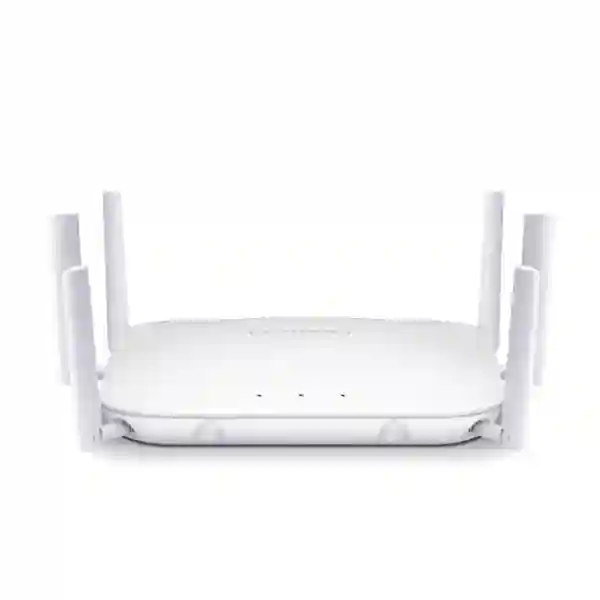
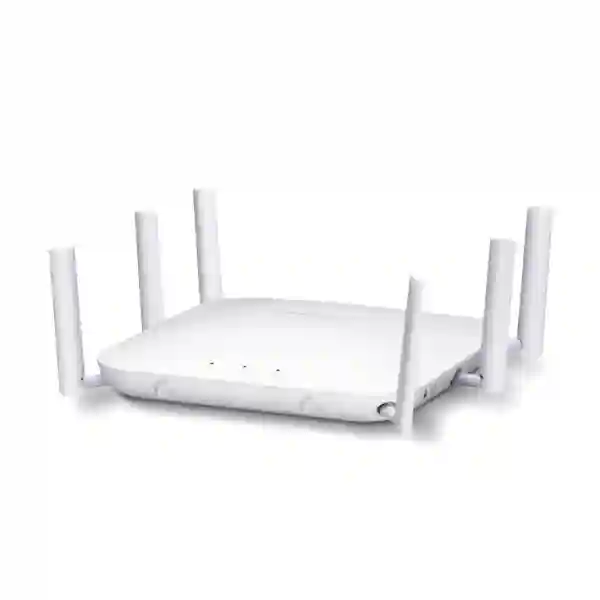
FortiAP FAP-243K is an enterprise-class Wi-Fi 7 indoor access point for organizations that want modern wireless capacity, flexible external-antenna design and close integration with Fortinet security and management. It combines four radios with 2×2 MU-MIMO service, supports the 2.4 GHz, 5 GHz and 6 GHz bands, and includes dedicated scanning capability so wireless monitoring does not have to displace the normal client-service radios. For Tanzania businesses planning new offices, refresh projects, secure branch networks or high-performance indoor WLANs, the FAP-243K should be evaluated as part of a complete RF, switching, power and security design rather than as a stand-alone coverage device.
Wi-Fi 7, 2×2 external-antenna indoor design, 6 GHz capability subject to regional regulatory approval, 10GbE + 1GbE wired connectivity, BLE/ZigBee and Fortinet-managed deployment options.
What the FortiAP FAP-243K delivers
Fortinet positions the FAP-243K with the FAP-241K as a Wi-Fi 7 enterprise access-point family. The FAP-243K is the external-antenna model, making it relevant where the RF design benefits from antenna choice and placement rather than a fixed internal antenna pattern. Its service radios cover 2.4 GHz, 5 GHz and 6 GHz, while a separate radio can perform continuous scanning. Fortinet lists maximum radio data rates of up to 688 Mbps on 2.4 GHz, 2.88 Gbps on 5 GHz and 5.76 Gbps on 6 GHz. These are radio-layer maximums rather than a promise of application throughput; real client performance depends on channel width, interference, client capability, signal quality, wired uplinks and network design.
Designed for 2.4 GHz, 5 GHz and 6 GHz wireless service. Use of 6 GHz must follow the approvals and operating rules that apply in the deployment country.
A fourth radio supports scanning while the primary service radios continue serving clients, helping security and RF monitoring strategies.
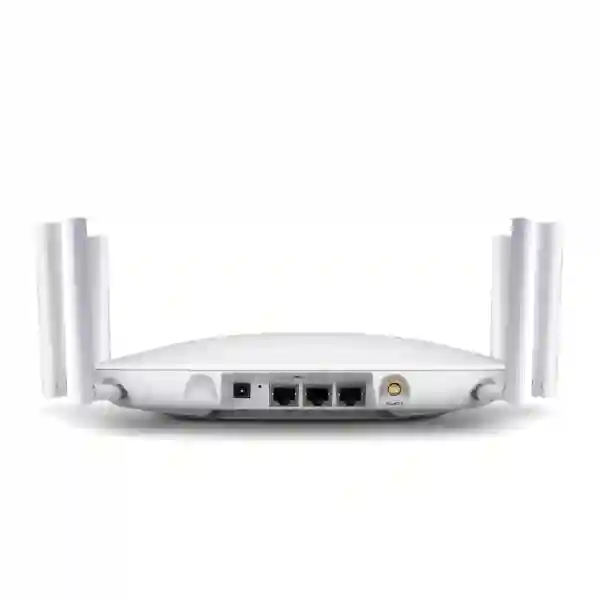
One 10 Gigabit Ethernet interface and one 1 Gigabit Ethernet interface give the AP a wired platform suited to modern high-capacity WLAN designs.
The integrated BLE/ZigBee radio can support beacon and location-oriented applications where the surrounding solution is designed for them.
Technical specification highlights
| Wireless generation | Wi-Fi 7 |
| Form factor | Indoor access point |
| Spatial streams | 2×2 MU-MIMO |
| Radio design | Four radios: 2.4 GHz + 5 GHz + 6 GHz + scanning |
| Maximum listed data rates | Up to 688 Mbps + 2.88 Gbps + 5.76 Gbps across the respective service bands |
| Ethernet | 1 × 10 Gigabit Ethernet and 1 × 1 Gigabit Ethernet |
| Antenna approach | External antenna connectors; antenna selection should match the RF design |
| IoT radio | Integrated BLE / ZigBee |
| Management | FortiGate, Fortinet cloud-management options or SASE-oriented management depending on architecture and service selection |
Specifications should be checked against the current Fortinet datasheet, regional regulatory domain and exact order code before procurement. Maximum PHY rates do not equal guaranteed user throughput.
Planning FAP-243K with switching, security and cabling
A Wi-Fi 7 access point can only perform as well as the infrastructure behind it. Before ordering the FAP-243K, confirm the PoE design, switch uplink capability, cable category and distance, VLAN plan, DHCP and DNS services, firewall policies, authentication design and internet capacity. A 10GbE AP port can expose bottlenecks in older access switches or cabling, while high client density can expose internet or application constraints even when RF coverage looks excellent. Fourteck Tanzania’s integrated IT and networking overview explains why wireless, switching, firewalling and infrastructure should be designed together.
For a broader implementation discussion, review the Fourteck Tanzania services page, which covers solution planning, installation, configuration and lifecycle support. Buyers comparing complementary equipment can also use the Tanzania technology shop as a starting point for related network, security and infrastructure requirements. When the bill of materials is ready, the Fourteck Tanzania contact page is the verified route for product-selection and quotation enquiries.
FortiAP FAP-243K Tanzania
For a Tanzania deployment, the most useful starting point is to define the wireless problem before selecting quantities. A corporate office may be replacing congested legacy Wi-Fi, a hotel may need better room and public-area capacity, a school may be increasing device density, while a warehouse may need deliberate antenna placement around shelving and operational zones. The FAP-243K’s external-antenna architecture makes antenna and mounting decisions especially important. A site survey or at least a careful floor-plan review should identify wall materials, ceiling heights, user concentration, roaming paths, interference sources and areas where business applications need predictable performance. Wi-Fi 7 capability does not remove the need for sound RF engineering.
Tanzania buyers should also validate the 6 GHz regulatory position applicable to the intended deployment. Fortinet explicitly notes that FAP-243K use of the 6 GHz band is subject to regional regulatory approval. That means procurement teams should not assume that every advertised band, channel width or radio configuration can be used identically in every country. The exact regulatory domain and configuration should be confirmed before rollout. If 6 GHz use is constrained, the broader design still needs to account for the 2.4 GHz and 5 GHz client population, channel reuse and legacy devices.
For commercial planning, provide the site type, approximate floor area, number of floors, expected concurrent users, key device types, internet speed, current switch model, PoE capability, firewall environment and whether guest access is required. If FortiGate is already present, include its model and software environment so management and policy integration can be reviewed. A complete quotation may need access points, compatible external antennas, mounting hardware, PoE-capable switching, cabling, configuration and support rather than only the AP unit. This approach helps Tanzania organizations procure a wireless system that is supportable after installation instead of buying isolated hardware.
FortiAP FAP-243K Dar es Salaam
Dar es Salaam projects can range from compact professional offices to multi-floor headquarters, retail locations, hospitality properties, education sites and logistics environments. In dense commercial buildings, neighboring wireless networks can make channel planning and placement more important than raw access-point count. The FAP-243K can serve modern client populations across 2.4, 5 and, where permitted, 6 GHz, but each band behaves differently through walls and around obstacles. A design should therefore map capacity and coverage separately. An AP positioned to provide excellent signal in an open office may not provide the same experience through reinforced walls, service cores or enclosed meeting rooms.
For office floors, separate employee, guest and device traffic with appropriate SSIDs, VLANs and security policies. Avoid creating unnecessary SSIDs because each one adds management overhead and wireless airtime. Where voice, conferencing or cloud applications are important, roaming behavior and upstream network quality deserve testing. The AP’s 10GbE capability also makes switch selection relevant: connecting a modern access point to an old 1GbE-only edge can be acceptable for some workloads, but it should be a deliberate design choice rather than an accidental bottleneck.
A Dar es Salaam quotation request should include a floor plan when possible, user estimates, existing AP locations, cable routes and switch details. If the project is a replacement, note the current complaints: dead zones, slow performance, unstable roaming, guest-network issues or management complexity. This gives the design team a measurable target. Fourteck’s verified Tanzania contact page identifies Dar es Salaam among its contact locations and accepts wireless access-point enquiries. Buyers can use the same route to discuss model quantity, external antennas, FortiGate integration, switching and installation scope before committing to the final bill of materials.
FortiAP FAP-243K Mwanza
Organizations evaluating FortiAP FAP-243K in Mwanza should plan around the physical site and the operational importance of wireless connectivity. A lakeside hospitality property, healthcare facility, education campus, branch office or distribution operation can have very different RF conditions. External antennas provide design flexibility, but that flexibility has value only when antenna characteristics and placement are selected for the intended coverage pattern. The access point should not be treated as a universal replacement that can simply be mounted where an older AP happened to be located.
Start by documenting user density and application demand. General browsing, cloud productivity, voice, video meetings, point-of-sale devices, handheld scanners and large file transfers create different traffic patterns. Determine which devices actually support newer Wi-Fi standards and which will remain on older bands. Then check the wired network. The FAP-243K includes a 10GbE interface, so switches, uplinks and cabling should be evaluated if the goal is to exploit high aggregate wireless capacity. PoE design must also be verified against the current Fortinet power requirements and the switch’s available budget.
For Mwanza procurement, ask for a complete project scope rather than only a unit price when the deployment involves several APs. The useful scope may include RF planning, antenna selection, switching, VLAN configuration, guest isolation, firewall policy, mounting, labeling, testing and documentation. Where the site connects to a larger Tanzania or regional organization, centralized management and consistent SSID/security standards can simplify operations. Include the number of sites and existing Fortinet equipment in the enquiry so the architecture can be reviewed as a whole.
FortiAP FAP-243K Arusha
Arusha buyers often need wireless networks that support a mixture of staff, guests and operational devices. Hospitality, tourism-related offices, professional services, education and multi-building business sites may place very different demands on the WLAN. The FAP-243K is an indoor model, so outdoor courtyards, external walkways or exposed areas should not automatically be included in its coverage responsibility. A design should identify indoor zones suitable for the model and use purpose-built outdoor equipment where environmental exposure requires it.
Guest Wi-Fi deserves deliberate segmentation. Guest users generally should not share unrestricted access to internal business resources, printers, management interfaces or operational devices. A Fortinet-based design can coordinate WLAN access with firewall policy and broader security controls, but the exact architecture depends on the management model and existing network. For staff, authentication and device policy should match the organization’s risk requirements. For IoT or operational devices, compatibility testing is useful because some endpoints may support only 2.4 GHz or older security methods.
When requesting an Arusha quotation, identify the number of rooms or work areas, expected peak users, guest requirements, ceiling type, existing cable locations and any outdoor coverage expectations. If the project involves conference spaces, remember that high-quality Wi-Fi still depends on internet capacity and application performance upstream. The verified Fourteck Tanzania contact page lists Arusha among its contact locations, providing a route to discuss exact FAP-243K quantities, compatible accessories, switching, installation and network integration without assuming stock or delivery timing before confirmation.
FortiAP FAP-243K Dodoma
For Dodoma offices, institutions and growing business facilities, FortiAP FAP-243K can be considered where a secure, centrally managed Wi-Fi 7 platform and external antenna flexibility match the site. The planning process should begin with capacity, coverage and security zones. Reception areas, meeting rooms, open offices, executive rooms and shared spaces can create different usage peaks. A single high-specification AP should not be expected to overcome poor placement or heavy attenuation. Multiple correctly placed access points often produce a more predictable network than a smaller number operating at excessive transmit power.
The wired edge should be assessed at the same time. Confirm whether the switch supports the required PoE class, whether its uplinks can handle aggregate traffic and whether existing copper runs are suitable. If new cabling is needed, plan routes, patch-panel ports and labels before mounting APs. Wireless VLANs should map cleanly to firewall policy, and DHCP scopes should have enough capacity for peak client counts. Guest and staff networks should be designed with appropriate isolation, while management access to APs and switches should be restricted to authorized administrators.
Procurement teams in Dodoma can reduce quotation revisions by supplying the exact model name, expected quantity, building information, existing FortiGate or switch models and desired deployment scope. Fortinet’s 6 GHz note is important here as in every region: operation must follow applicable regulatory approval. The verified Fourteck Tanzania contact page lists a Dodoma contact location and provides the central enquiry route for wireless, firewall and networking requirements. Use it to confirm the exact commercial package rather than relying on generic online pricing.
FortiAP FAP-243K UAE
UAE organizations considering the FAP-243K may be standardizing wireless across offices, retail sites, hospitality environments, branches or regional headquarters. A multi-country business benefits when SSID naming, authentication, VLAN structure, management and security policy follow repeatable standards, but regulatory settings must still be appropriate to each country. The FAP-243K’s Wi-Fi 7 and external-antenna design can support modern indoor projects where higher wireless capacity and controlled RF patterns are priorities.
In dense commercial towers, neighboring WLANs and high client counts make RF planning especially important. 6 GHz can provide additional spectrum for compatible clients where permitted, but not every endpoint supports it. Maintain a migration strategy for devices that remain on 5 GHz or 2.4 GHz. Conference rooms, collaboration spaces and executive floors may generate short periods of heavy traffic, so both AP capacity and upstream internet/application performance should be considered. The 10GbE interface also means the access switch and cabling design should be checked instead of assuming the existing edge is adequate.
For cross-border procurement, document regulatory domain, required support term, antenna choice, mounting accessories, management architecture and shipping destination before ordering. Fourteck’s broader regional technology network can support discussions where a Tanzania organization also has UAE requirements; visit Fourteck UAE for the regional technology portfolio. Commercial availability, exact order codes and delivery schedules should always be confirmed for the specific project rather than inferred from a generic product listing.
FortiAP FAP-243K Uganda
Uganda deployments can use the FAP-243K as part of a secure branch, office, education, healthcare or hospitality WLAN where indoor Wi-Fi 7 and external antennas fit the design. For organizations operating in both Tanzania and Uganda, a common Fortinet architecture can make management more consistent, but each site should still be surveyed for its own walls, client density, cable routes and interference. Standardization should define configuration principles, not force identical AP quantities into different buildings.
The AP’s dedicated scanning radio is relevant where organizations want continuous wireless monitoring alongside normal service. Its BLE/ZigBee capability can also be considered in broader location or beacon projects, though the business application, software and surrounding system must be designed separately. Do not assume the presence of the radio alone creates a complete location service. Similarly, Wi-Fi 7 benefits depend on compatible clients, appropriate spectrum and a wired network capable of carrying the traffic.
Uganda procurement teams should provide user count, floor plans, switch models, firewall environment and required guest/staff segmentation when requesting a quote. If a project spans several branches, include site count and WAN design so centralized management can be evaluated. Fourteck maintains a regional Uganda technology site at Fourteck Uganda, while Tanzania buyers can coordinate their local requirement through the Tanzania contact page. Exact product availability should be checked at enquiry time.
FortiAP FAP-243K Kampala
Kampala business environments can place substantial demand on wireless networks, particularly in multi-tenant buildings, hotels, schools and offices with large numbers of cloud-connected devices. An FAP-243K design should therefore consider channel reuse, client distribution and roaming rather than only signal strength. A strong signal does not guarantee capacity if too many devices share one radio or if the wired uplink and internet connection are congested.
External antennas can help shape coverage for specific indoor layouts, but the antenna model, orientation and mounting position matter. Procurement should include compatible antennas rather than assuming they are interchangeable. Network teams should also identify which clients support 6 GHz and Wi-Fi 7. Older phones, laptops, scanners and IoT devices may continue using 2.4 or 5 GHz, so the WLAN needs to support a mixed estate during the technology transition.
For Kampala sites, provide a simple coverage map and list the business-critical applications. If voice over Wi-Fi, video meetings or real-time cloud applications are important, include those requirements in acceptance testing. Security planning should separate guests from internal systems and restrict management access. Where FortiGate is used, WLAN policy can be considered in the context of the broader Fortinet environment. Commercial quotations should specify APs, antennas, mounting, PoE, cabling and configuration as applicable so stakeholders can compare complete project scope rather than hardware-only prices.
FortiAP FAP-243K Arua
Arua deployments may prioritize reliable branch connectivity, manageable infrastructure and straightforward support. The FAP-243K can be relevant for indoor offices, institutions and business facilities that want to move toward Wi-Fi 7 while maintaining Fortinet-centered management. Before choosing the model, determine whether the site actually needs external antennas. External antennas add useful RF flexibility but also add design decisions; a simpler internal-antenna model can sometimes be preferable when coverage is conventional and the mounting position is predictable.
Infrastructure readiness matters. Confirm cable quality, PoE budget, switch port speed and UPS strategy where power continuity is important. If the site has limited WAN bandwidth, upgrading wireless alone will not make cloud applications faster once traffic reaches the internet bottleneck. Conversely, a fast WAN connection can be underused when internal Wi-Fi is congested. The project should therefore review wireless and wired paths together.
For an Arua quotation, list the existing network devices and any plan to connect the site to Kampala, Tanzania or other branches. Standard SSIDs, VLANs and security policy can simplify multi-site support. Include expected user growth so AP placement and switching leave reasonable expansion capacity. The FAP-243K’s 6 GHz function should only be configured where local regulatory rules permit it, and the exact Fortinet regional SKU should be confirmed during procurement. A clear requirement helps avoid purchasing accessories or capacity that the site does not need.
FortiAP FAP-243K Mbarara
Mbarara organizations considering the FAP-243K should map wireless service to operational zones. Reception, administration, meeting rooms, training spaces, clinical areas, classrooms or hospitality spaces may each have different device density and traffic patterns. A good design places access points according to those patterns and the building materials between them. The goal is stable coverage and capacity with sensible roaming, not simply the maximum possible transmit power.
The external-antenna FAP-243K is particularly useful when the RF pattern needs to be adapted, but compatible antenna selection should follow Fortinet guidance. Its four-radio architecture also allows a dedicated scanning function while the other radios serve clients. Security teams can incorporate that capability into a broader wireless-monitoring strategy. Client access should still be protected through authentication, segmentation, firewall policy and sound administration practices.
Before purchase, review the switch layer. PoE availability, port speed, uplinks and cable condition can determine whether the new WLAN reaches its intended performance. If the site is expanding, reserve switch capacity for additional APs and other PoE devices. A quotation request should include the desired management approach, whether FortiGate already exists, and whether installation/configuration is required. This gives suppliers enough information to distinguish between a hardware request and a complete managed wireless project.
FortiAP FAP-243K Gulu
For Gulu offices, education sites, hospitality properties and distributed organizations, FAP-243K planning should balance future-ready wireless capability with practical site conditions. Wi-Fi 7 can increase available wireless capability for compatible clients, but a project still needs clean cabling, suitable PoE, correct AP placement and adequate internet connectivity. When those dependencies are ignored, users may see little improvement even after a modern AP is installed.
A useful assessment records the current AP count, dead zones, busy areas and peak client numbers. It should also identify devices that cannot use 5 or 6 GHz, because 2.4 GHz may remain necessary for certain endpoints. Where 6 GHz is permitted, its propagation characteristics and client compatibility should be considered when deciding AP density. The external antennas should be chosen for the intended indoor pattern and mounted consistently across the site.
For Gulu branch projects connected to a larger organization, standard configuration templates and centralized management can reduce support effort. Define SSIDs, VLANs, authentication, guest policy and naming conventions before deployment. Document switch ports and AP locations after installation so troubleshooting does not depend on memory. Commercial enquiries should state whether the requirement is hardware supply only or includes design, installation, configuration and post-deployment support. Exact availability and regional order codes should be confirmed when the quotation is prepared.
FortiAP FAP-243K Kenya
Kenya organizations evaluating FAP-243K can consider it for indoor enterprise and branch environments where Wi-Fi 7, external antennas and Fortinet management align with the network strategy. Nairobi office towers, hospitality sites, schools, healthcare facilities and distributed business branches can have very different RF challenges, so quantity should be based on survey and capacity planning rather than a simple area-per-AP formula. Dense neighboring WLANs, wall construction and client mix can materially affect results.
For regional companies operating between Kenya and Tanzania, using a consistent Fortinet WLAN architecture can simplify policy, support and staff training. However, the regulatory domain must be correct for each deployment, particularly for 6 GHz. The exact access-point order code and antenna package should be verified before purchase. The wired design should also be standardized where practical: VLAN structure, PoE switching, uplink capacity, firewall policy and documentation can be repeated while AP placement remains site-specific.
Fourteck’s Kenya technology site provides a regional route for organizations with Kenyan requirements. When preparing a multi-country quotation, separate quantities and site details by country so regulatory, logistics and implementation assumptions are clear. Include existing FortiGate and FortiSwitch models, user counts, expected Wi-Fi 7 client adoption and any need for guest access, roaming or centralized management. This produces a more useful commercial and technical response than requesting a generic access-point price alone.
FortiAP FAP-243K Kuwait
Kuwait deployments may use the FAP-243K in corporate offices, retail, hospitality, education or branch environments where indoor Wi-Fi 7 and external antenna flexibility are appropriate. Modern office spaces can contain a high concentration of laptops, smartphones, collaboration systems and IoT devices, so wireless capacity should be planned for peak concurrency rather than only total employee count. Meeting areas can create temporary density that justifies different AP placement from open work areas.
The 6 GHz band can provide additional spectrum for compatible devices where regulations permit, but it should be treated as part of a multi-band design. Many endpoints will continue to use 5 GHz, while certain legacy and IoT devices may rely on 2.4 GHz. A well-designed WLAN manages this mixed client population without assuming immediate Wi-Fi 7 adoption. External antennas should be selected and oriented to match the intended indoor coverage, and the AP’s 10GbE capability should be considered when specifying access switching.
For Kuwait procurement, confirm the correct regional regulatory SKU, power method, antennas, mounting accessories, support options and management architecture. Multi-country customers should avoid moving access points between regulatory domains without confirming compliance and configuration. Where the Kuwait site is part of a wider Fourteck-supported regional project, document the common WLAN standards and the site-specific exceptions. The objective is consistent operations without ignoring local spectrum and building conditions.
FortiAP FAP-243K Ghana
Ghana businesses can evaluate the FAP-243K for indoor secure wireless projects that need Wi-Fi 7 capability and Fortinet ecosystem integration. Offices, education sites, hospitality properties and growing enterprises should first establish the required service areas and peak users. The external-antenna format is valuable where RF coverage needs deliberate shaping, but antenna choice should be part of the design rather than an afterthought. A compatible antenna with the wrong pattern or orientation can undermine an otherwise capable access point.
Network readiness should be assessed before rollout. Verify PoE, cable quality, switch port speed, uplinks and internet capacity. If the WLAN will carry guest, employee and operational traffic, define VLANs and firewall policies in advance. For businesses already using FortiGate, include the firewall model and management approach in the design discussion. The dedicated scanning radio can contribute to continuous wireless monitoring while client-service radios remain active, which can be useful in security-conscious environments.
Organizations with Ghana requirements can review the regional technology presence at Fourteck Ghana. A quotation should identify exact site location, AP quantity estimate, antenna needs, management preference and whether installation is included. Because 6 GHz operation is regulated by country, confirm the permitted configuration and exact regional product code before ordering. Avoid basing a procurement decision on specifications copied from a different regulatory market.
FortiAP FAP-243K Nigeria
Nigeria projects can involve dense offices, financial and professional environments, education, hospitality, retail and multi-branch enterprises. The FAP-243K offers a modern Wi-Fi 7 platform, but the deployment should be engineered around client density, building structure and application demand. Large offices may need multiple APs with controlled channel reuse and transmit power; simply increasing power can create sticky-client and interference problems rather than improving the user experience.
For branch standardization, define a reference architecture that covers FortiGate policy, switching, PoE, VLANs, SSIDs, authentication and management. Then adjust AP quantity and placement for each site. The FAP-243K’s external antennas allow additional RF flexibility, while the 10GbE port can support a high-capacity wired edge when paired with appropriate switching and cabling. The 6 GHz band should be enabled only in accordance with applicable Nigerian regulation and the correct Fortinet regulatory domain.
For regional enquiries, Fourteck Nigeria provides a technology contact point for Nigerian projects. Procurement teams should request the complete bill of materials, including antennas and mounting where required, and state whether the project needs survey, installation, configuration or ongoing support. Exact stock, price and delivery timing should be confirmed at quotation stage. For multinational organizations, include the Tanzania and Nigeria site requirements separately so commercial and regulatory details remain clear.
FortiAP FAP-243K Seychelles
Seychelles deployments may include hospitality, professional offices, public-facing facilities and distributed business environments where wireless experience is highly visible to users. The FAP-243K is an indoor access point, so a resort or property design should clearly separate indoor coverage from outdoor pools, walkways, gardens and exposed areas that may require outdoor-rated equipment. External antennas can be useful for specific indoor patterns, but environmental exposure and mounting location must remain within the product’s intended deployment conditions.
Hospitality and guest environments should prioritize segmentation and capacity. Guest internet access should be separated from business administration, payment, voice and operational networks. Staff devices may require different authentication and access policy from visitors. In rooms and corridors, wall materials and layout can create rapid signal changes, so a survey is valuable. Wi-Fi 7 and 6 GHz can benefit compatible devices where permitted, but the design should continue supporting the installed client mix across other bands.
For Seychelles procurement, provide property plans, room counts, expected concurrent users, indoor/outdoor boundaries, internet capacity and existing switching/firewall information. If equipment must be coordinated with a Tanzania or UAE project, identify each country separately so the correct regulatory domain and logistics can be confirmed. The final quote should make clear which antennas, mounts, PoE equipment and services are included. This avoids comparing a bare AP price with a complete installed WLAN scope.
How to choose and size the FAP-243K
Do not size a wireless network by square metres alone. Begin with a floor plan, construction materials, ceiling height, client density and the applications that matter. Identify areas that require capacity rather than simple coverage, such as meeting rooms, classrooms, training areas or guest spaces. Record legacy devices that need 2.4 GHz and newer devices capable of 5 or 6 GHz. Decide whether external antennas are required for the desired RF pattern. Then validate switching, PoE, cabling and firewall capacity. For larger sites, a predictive design followed by onsite validation can reduce the risk of overbuilding or leaving dead zones.
The number of access points is therefore a design outcome, not a fixed product specification. Two sites of the same floor area can require different quantities because of walls, users, interference and application demand. Where roaming matters, overlapping coverage should be engineered carefully rather than created through maximum transmit power. Where capacity matters, distribute clients across APs and bands while keeping the wired edge free of avoidable bottlenecks.
FortiGate and FortiAP integration
Fortinet positions FortiAP as part of its secure networking architecture, with management available through FortiGate and other Fortinet management approaches. A FortiGate-managed WLAN can help organizations align wireless access with firewall and security policy, while cloud-oriented management may suit other operational models. The right choice depends on existing Fortinet infrastructure, number of sites, administrator workflow and service requirements. Do not purchase subscriptions or management services based only on a generic bundle description; confirm the required management and support options for the intended deployment.
For businesses planning a wider Fortinet architecture, wireless should be coordinated with FortiSwitch where appropriate, VLAN segmentation, identity, guest access and internet security. A secure WLAN is not created by an access point alone. The policy path from client to application, management-plane protection, administrator permissions, firmware lifecycle and logging are all part of the operational design.
Quotation checklist
Country, city, building type, floor area, floors, peak users and device types.
FortiGate model, switches, PoE budget, cabling, internet bandwidth and current APs.
Staff/guest SSIDs, roaming, high-density areas, voice/video, IoT and 6 GHz client plans.
AP quantity, antennas, mounts, PoE, installation, configuration, support and required timeline.
Frequently asked questions
Is FortiAP FAP-243K a Wi-Fi 7 access point?
Yes. Fortinet lists FAP-243K as an indoor Wi-Fi 7 access point with a 2×2 external-antenna design.
Does FAP-243K support 6 GHz?
The hardware supports the 6 GHz band, but Fortinet states that use of 6 GHz on FAP-243K is subject to regional regulatory authority approval. Confirm the applicable country rules and correct regulatory-domain product before deployment.
What is the difference between FAP-241K and FAP-243K?
Both belong to Fortinet’s 2×2 Wi-Fi 7 indoor family. The key planning distinction is antenna approach: FAP-241K uses internal antennas, while FAP-243K is designed for external antennas.
Can FAP-243K be managed by FortiGate?
Yes. Fortinet positions FortiAP access points for centralized management through FortiGate, with other Fortinet cloud/SASE management approaches also available depending on architecture.
Does FAP-243K have a 10GbE port?
Yes. Fortinet lists one 10 Gigabit Ethernet port and one 1 Gigabit Ethernet port for the FAP-243K family specification.
How many FAP-243K access points do I need?
There is no universal number. Quantity depends on floor plan, wall materials, user density, client capabilities, application demand, interference and desired roaming. A survey or predictive RF design is recommended for multi-AP projects.
How do I request a Tanzania quotation?
Use Fourteck Tanzania’s verified contact page and include the FAP-243K model, quantity, site location, user count, existing FortiGate/switch environment and whether antennas, installation and configuration are required.
Decision recap
Choose FAP-243K for an indoor Wi-Fi 7 project when the design benefits from external antennas, tri-band capability, dedicated scanning and high-speed wired connectivity. Confirm 6 GHz regulatory permission, client compatibility, antenna selection, PoE, switching and cabling before purchase. For a conventional indoor ceiling deployment where external antennas are unnecessary, compare the internal-antenna alternatives in the same FortiAP family before finalizing the bill of materials.
Fourteck Tanzania can use your floor plan, user estimate and existing network information to discuss the product in the context of a complete wireless deployment. Pricing, stock, delivery timing and exact regional SKU should be confirmed at quotation stage.
Consultation panel
For the most useful FAP-243K discussion, send Fourteck Tanzania your city, building type, approximate floor area, expected users, current access points, switch/PoE details, firewall model and any floor plan you can share. This makes it easier to discuss AP quantity, external antennas, placement, management and the surrounding wired network as one project.


Reviews
There are no reviews yet.