
FortiGate 201F (FG-201F) Tanzania
The FortiGate 201F is the storage-equipped model in Fortinet’s 200F Series of next-generation firewalls. It is designed for organizations that need substantial firewall capacity, secure branch and site connectivity, network segmentation, VPN services, SD-WAN and advanced security inspection in a compact 1RU appliance. For procurement teams in Tanzania, the important question is not simply whether FG-201F has enough headline throughput; it is whether its inspected-traffic performance, interface mix, VPN capacity, storage, resilience options and FortiGuard service plan fit the real production environment.
What is the FortiGate FG-201F?
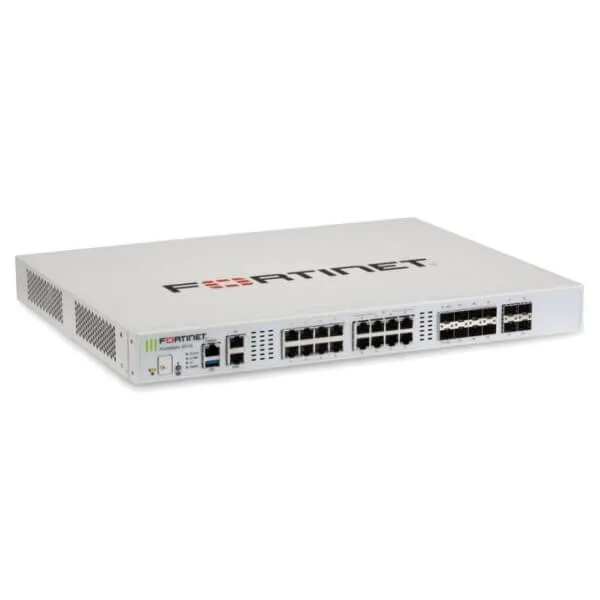
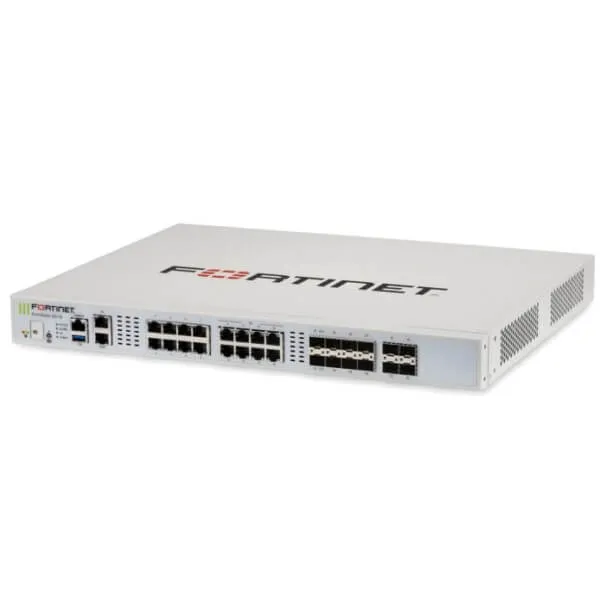
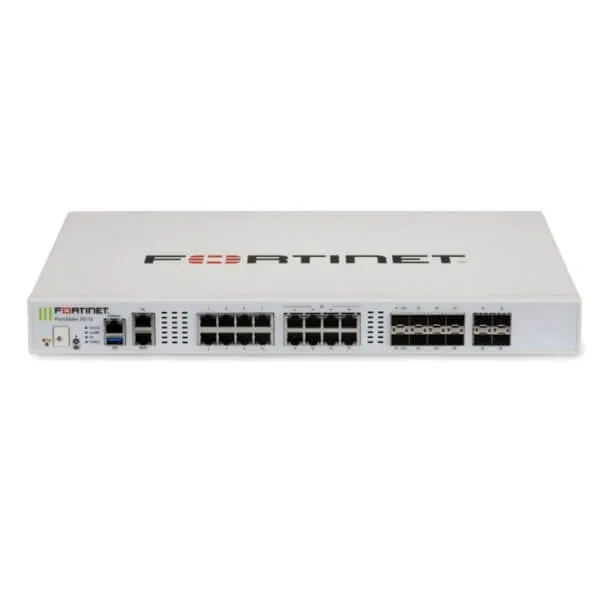
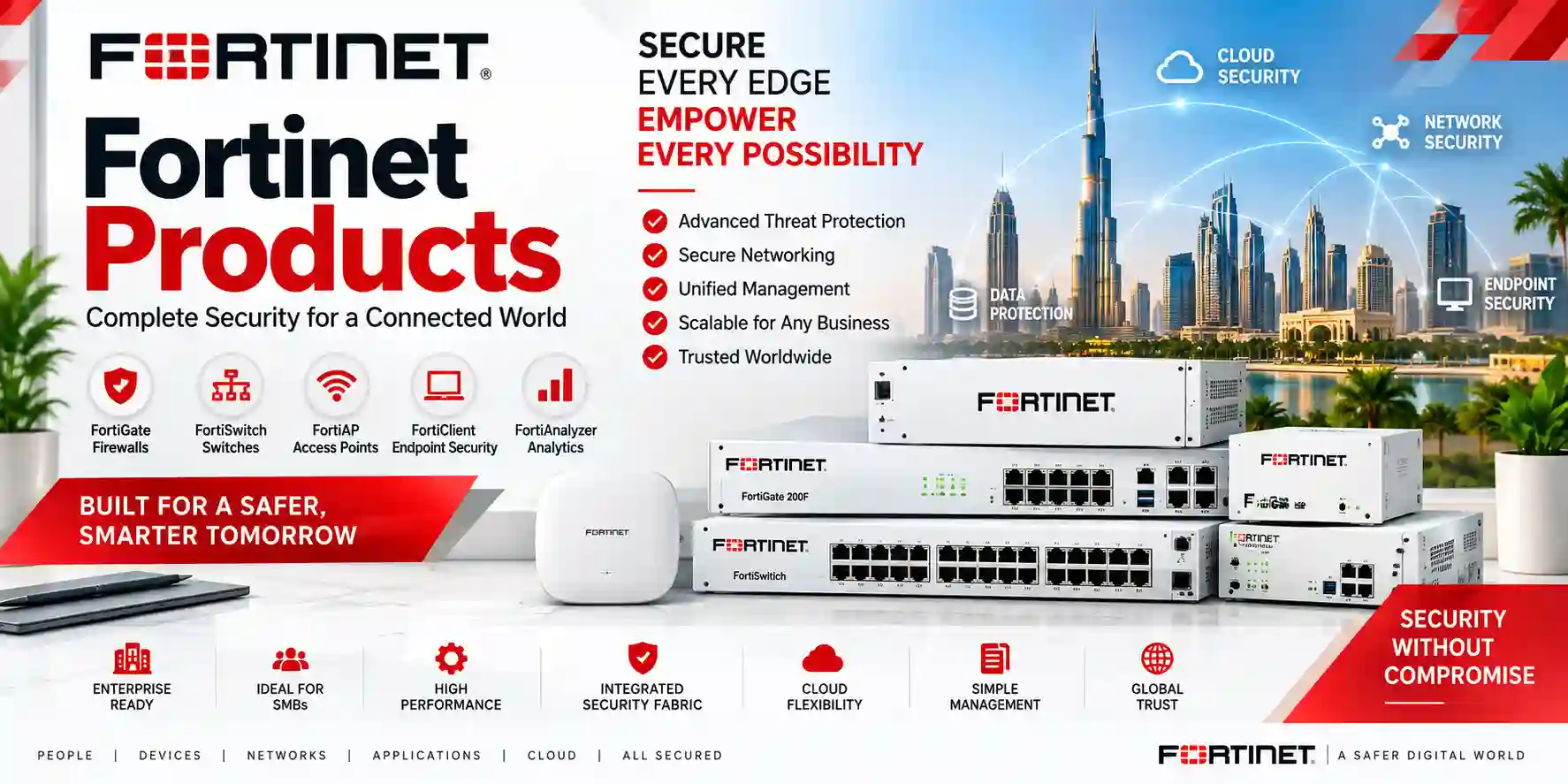
FG-201F is part of the FortiGate 200F Series and uses Fortinet hardware acceleration to combine networking and security functions. Fortinet’s published 200F Series data identifies the FG-201F with 18 Gigabit Ethernet RJ45 ports, including dedicated management and high-availability ports within that count, eight Gigabit Ethernet SFP slots, four 10 Gigabit Ethernet SFP+ slots, NP6XLite and CP9 acceleration, and 480 GB onboard SSD storage. That interface density makes the platform relevant where a firewall must connect multiple LAN, WAN, DMZ, server, fiber or aggregation segments without immediately depending on additional media conversion.
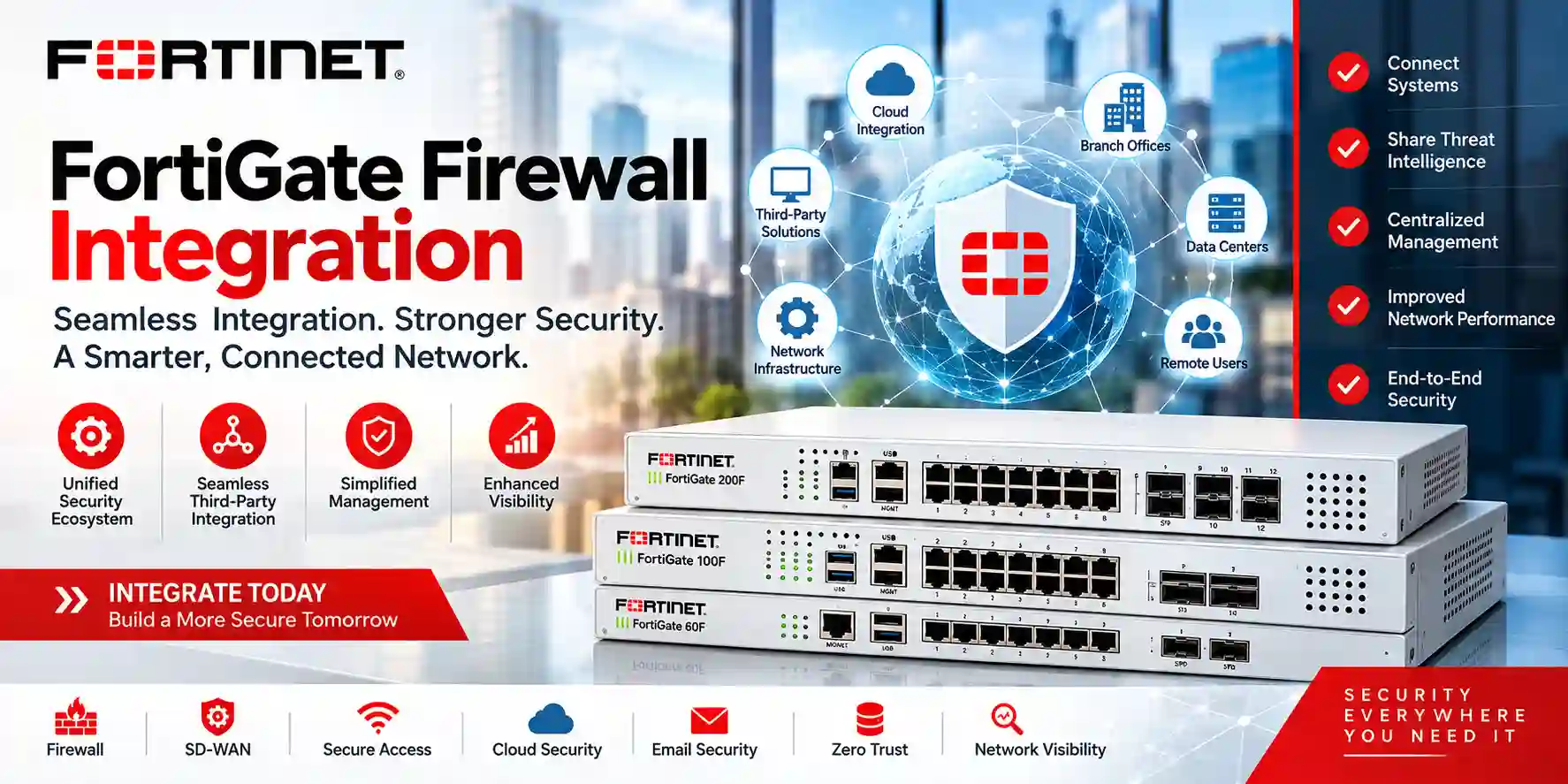
The 201F should be evaluated as a security platform rather than a basic router. FortiOS brings firewall policy, routing, SD-WAN, IPsec VPN, segmentation and security controls into one operating environment. Optional FortiGuard security services can extend protection through capabilities such as intrusion prevention, application control, web security and malware-related inspection according to the subscription selected. Because enabled inspection changes real-world capacity, procurement should be based on the intended security profile rather than the largest firewall-only figure.
The FG-201F differentiates itself from the FG-200F with onboard storage, useful for supported local logging and related appliance functions.
Four SFP+ slots provide high-speed connectivity options for core, aggregation, server or upstream network designs.
Firewall, VPN, routing and SD-WAN functions can be planned together instead of operating as disconnected appliances.
Verified FG-201F hardware highlights
| Item | Published configuration |
|---|---|
| GE RJ45 | 18 ports, including management and HA |
| GE SFP | 8 slots |
| 10GE SFP+ | 4 slots |
| Acceleration | NP6XLite and CP9 |
| Local storage | 480 GB onboard SSD |
Performance figures should always be interpreted using Fortinet’s stated test conditions and the security functions that will actually be enabled. A network with SSL inspection, IPS and application control has a different sizing requirement from a simple stateful firewall deployment. User count alone is also insufficient: internet bandwidth, east-west traffic, remote-access concurrency, branch VPNs, public services, logging and expected growth all influence the correct design.
Security, SD-WAN, VPN and integration planning
For enterprise edge deployments, FG-201F can act as the policy boundary between internet circuits and internal networks while also segmenting business systems. Separate zones can be created for users, servers, guest Wi-Fi, voice, cameras, management systems and other operational technology where appropriate. Segmentation is valuable only when rules are deliberately designed; simply creating VLANs without controlled inter-zone policies does not deliver the same security outcome.
Secure SD-WAN is relevant when a site has multiple internet or WAN paths. Policies can be designed around application requirements, link quality and failover objectives. Buyers considering dual ISP connectivity should document the bandwidth of each circuit, whether public IP services must remain reachable during failover, which applications are critical, and whether asymmetric routing or upstream dependencies exist. See FourTeck Tanzania’s IT and network services for broader deployment context, and review the Tanzania technology shop when coordinating the firewall with switching, wireless and infrastructure requirements.
VPN planning should distinguish site-to-site IPsec connectivity from individual remote-user access. Branch VPN design needs addressing, routing, encryption parameters, redundancy and operational monitoring. Remote access additionally requires identity, endpoint posture and authentication decisions. For organizations standardizing Fortinet, integration with the wider Security Fabric can provide a more coordinated operational model, but every component should still be selected against a defined requirement rather than added merely because it shares a vendor.
Buying and sizing the FortiGate 201F
A useful quotation request includes the exact model, quantity, required subscription term, internet bandwidth, expected security services, number of sites, VPN needs, interface types, redundancy requirements and any transceivers or rack accessories. Existing Fortinet licenses should be identified when the request concerns renewal or migration. If the project replaces another firewall, exportable configuration information, network diagrams and current rule counts can make discovery more efficient.
Organizations should also decide whether high availability is required. A single firewall remains a single hardware point in the traffic path even when it is correctly configured. High-availability design can reduce that risk, but it adds appliance, licensing, switching, cabling and operational considerations. Power protection, rack ventilation and out-of-band management should be considered at the same time. FourTeck Tanzania’s broader integrated IT infrastructure portfolio helps buyers frame the firewall as one component of the network rather than an isolated purchase.
FortiGate 201F (FG-201F) Tanzania
Organizations searching for FortiGate 201F Tanzania commonly need an enterprise firewall for a headquarters, data center edge, campus, branch hub or multi-site environment. The procurement discussion should begin with traffic and risk. Tanzania deployments may combine business applications, cloud services, voice, CCTV, Wi-Fi, remote users and site-to-site connectivity across the same underlying network. The firewall must therefore be sized for inspected traffic and operational growth, not only for the present internet circuit. FG-201F offers a broad physical interface mix and onboard SSD storage, which can be useful where local connectivity and logging requirements are important.
For a Tanzania quotation, identify whether the appliance will terminate one or several ISP circuits, whether fiber handoff requires SFP or SFP+ optics, and whether internal core switching uses 10GbE. Also document security subscriptions, VPN requirements and any HA objective. Buyers should avoid assuming that every FortiGuard service is automatically included with hardware; service bundles and terms should be confirmed in the quotation. Where a project also includes switches, wireless access points, servers or structured cabling, coordinating those dependencies before purchase can reduce redesign.
FourTeck Tanzania can use the requirement to discuss product fit, integration and quotation preparation. The company’s live website describes firewall, VPN, segmentation, web filtering and intrusion-prevention work as part of its network-security portfolio. For the strongest enquiry, provide the number of users and sites, primary and backup bandwidth, important applications, remote access expectations, current firewall model and planned growth. This gives the sales and technical discussion enough context to determine whether FG-201F is appropriate or whether another FortiGate capacity point should be considered.
FortiGate 201F (FG-201F) Dar es Salaam
For businesses evaluating FortiGate 201F in Dar es Salaam, typical design questions include how the firewall will connect headquarters users, cloud applications, branch offices, data-center resources and remote staff. A city office may have more than one internet circuit and high dependence on SaaS, voice and video services. In that situation, secure SD-WAN and policy-based path selection can be planned alongside threat inspection. The design should define which applications need priority, how failover is tested, and whether inbound services depend on a particular public address.
Dar es Salaam projects may also involve dense office LANs, Wi-Fi, IP telephony and CCTV sharing the same switching estate. The FG-201F can provide segmentation boundaries, but the upstream and downstream switching architecture must carry the required VLANs and bandwidth. Ten-gigabit SFP+ interfaces can be relevant for faster core connections, while SFP slots can support suitable fiber transceivers where required. Transceiver compatibility and media type should be confirmed rather than assumed.
When requesting a quotation, specify whether this is a new deployment, replacement, HA pair or license renewal. Include internet speed, user count, site count, VPN peers, remote users, public servers and expected security services. FourTeck’s verified Tanzania contact page accepts firewall enquiries and explicitly asks customers to share bandwidth, VPN and branch information. That detail is more useful than asking only for a price because it helps align the appliance, subscription and deployment scope with the actual network.
FortiGate 201F (FG-201F) Mwanza
A FortiGate 201F deployment in Mwanza can suit organizations that need a secure regional hub with connectivity to other offices, cloud platforms or central applications. The first planning task is to map traffic flows: which users access local servers, which services travel over the internet, which branch routes use IPsec VPN, and which devices should never communicate directly with business systems. This mapping produces more meaningful firewall policies than a flat trusted LAN.
Connectivity resilience can be particularly important for sites where business operations depend on continuous access to cloud systems. If two WAN links are available, the firewall can be designed around link health, application priorities and failover. However, dual WAN is not automatically business continuity. DNS, public IP dependencies, upstream provider behavior and application sessions can affect recovery. Testing should therefore be part of commissioning. The supplied FortiGate dual-WAN planning imagery is relevant to this operational scenario, while the final configuration must reflect the customer’s actual circuits.
For procurement, Mwanza customers should provide the expected circuit speeds, number of connected users, security inspection profile, VPN topology and interface requirements. If the site is a branch that backhauls traffic to another location, the design differs from a site that breaks out directly to the internet. If cameras, voice and guest wireless are present, segmentation and bandwidth policies should be included. A complete bill of materials may also need compatible optics, patching, rack space and power protection rather than the appliance alone.
FortiGate 201F (FG-201F) Arusha
Organizations searching for FG-201F in Arusha may be securing corporate offices, hospitality operations, education environments, service businesses or multi-site networks. Each has a different traffic profile. Hospitality networks, for example, often require strong separation between guest access and business systems, while an office may prioritize secure remote access and SaaS performance. The FortiGate should be configured around these zones and business processes rather than relying on a generic policy template.
The 201F’s interface range can support designs with multiple network segments and higher-speed uplinks, but port availability should be planned before installation. Identify which links are copper, fiber or 10GbE, whether a core switch handles inter-VLAN routing, and where inspection boundaries should sit. If the firewall will terminate site-to-site VPNs to other cities, address planning must avoid overlapping subnets. Identity, MFA strategy and remote-user requirements should also be documented before enabling remote access.
A useful Arusha quotation request states the exact FG-201F model, quantity, subscription requirement and intended deployment. It should also describe current internet links, existing switches and wireless, important business applications and desired resilience. FourTeck Tanzania’s contact page currently identifies Arusha among its contact locations, so buyers can route an enquiry through the same central form while keeping the technical requirement explicit. No assumption about stock or delivery time should be made until confirmed in a current quotation.
FortiGate 201F (FG-201F) Dodoma
For FortiGate 201F requirements in Dodoma, buyers should frame the firewall around organizational policy, connectivity and continuity. Government-related, professional, education and enterprise environments can have strict segmentation requirements between user groups, servers, guest networks and externally accessible systems. A next-generation firewall can enforce those boundaries, but the rule base should be documented so that access is deliberate and auditable.
If the Dodoma site connects to Dar es Salaam or other locations, site-to-site VPN architecture should account for routing, encryption, redundancy and monitoring. A hub-and-spoke design has different failure characteristics from a full mesh. Where several internet links exist, secure SD-WAN can help select paths, but service-level rules should reflect actual application needs. Critical traffic may need different thresholds from general browsing, backups or software updates.
The procurement package should include subscriptions and support expectations as well as hardware. Buyers should ask which FortiGuard bundle and term is quoted, whether renewals align with internal budgeting, and what configuration or migration work is included separately. The verified FourTeck Tanzania contact page lists Dodoma as a contact location and encourages customers to include firewall bandwidth, VPN and branch information. Supplying those details early helps distinguish a straightforward appliance request from a migration or multi-site security project.
FortiGate 201F (FG-201F) UAE
For UAE procurement, FG-201F can be considered for enterprise perimeter, branch-hub and secure SD-WAN use where the interface mix and inspected performance match the workload. Multi-site companies operating between the UAE and East Africa may use IPsec connectivity to join offices while applying local internet breakout policies. The architecture should account for latency, cloud application locations, identity systems and any data-handling requirements that apply to the organization.
FourTeck maintains a specialist Fortinet UAE resource, which is a relevant network link for regional Fortinet enquiries. A UAE quotation should specify the exact appliance and FortiGuard subscription term, HA requirements, optics and implementation scope. Buyers comparing 200F and 201F should note that the published distinction includes the 201F’s 480 GB onboard SSD, so storage requirements can be part of model selection.
For cross-border networks, avoid assuming one security policy fits every site. Internet capacity, applications, local ISP design and operational ownership may differ. Standardization can still help through consistent naming, object structure, logging, VPN templates and change control. The goal is a repeatable security architecture with documented exceptions rather than identical configurations copied without site analysis.
FortiGate 201F (FG-201F) Uganda
Uganda buyers considering FortiGate 201F should evaluate the firewall as part of the full WAN and LAN design. A headquarters or regional hub may terminate branch VPNs, provide internet security, separate server and user networks and manage multiple WAN paths. Those simultaneous roles increase the importance of sizing for security services rather than firewall-only throughput. Growth in encrypted traffic and cloud usage should be included in planning.
FourTeck’s Uganda technology site provides regional context for networking and IT projects. For a FortiGate request, customers should state where the device will be deployed, circuit speeds, branch count, remote users and subscription requirements. If an HA pair is planned, the adjacent switching and WAN handoff design must avoid creating another single point of failure.
The 480 GB SSD in FG-201F can matter where the chosen design benefits from supported local storage functions, while organizations with centralized analytics may also consider how logs are retained and reviewed elsewhere. Logging policy should match operational needs: collecting data without a process for alerting, investigation and retention does not by itself improve security. The quotation discussion should therefore include management and monitoring expectations alongside the appliance.
FortiGate 201F (FG-201F) Kampala
Kampala enterprises often need firewalls to protect internet access while supporting branches, remote workers and cloud applications. FG-201F offers the physical connectivity to participate in complex network designs, but the logical design is equally important. VLANs for users, servers, voice, Wi-Fi and management should be mapped to clear security policies. Public-facing services should be separated from internal user networks, and administrative access to the firewall should be restricted and monitored.
For organizations with primary and secondary internet circuits, SD-WAN can be designed to monitor link quality and steer applications. The business should define what constitutes a failed or degraded link and which applications must move first. Real-time voice or video may react to latency and loss differently from email or web traffic. This is why a WAN policy should be based on application behavior rather than a single generic failover rule.
A Kampala buyer requesting FG-201F should include current and expected bandwidth, security inspection needs, number of VPN tunnels and required interfaces. If the project is a migration, note the existing firewall and whether IP addressing or public services must remain unchanged. Planning migration windows, rollback and testing is as important as choosing the appliance, especially where the firewall is the central path for many business systems.
FortiGate 201F (FG-201F) Arua
For an Arua deployment, resilience and remote manageability may be major decision factors. A regional office connected to central systems needs secure VPN, predictable internet access and policies that can be supported without constant on-site intervention. The firewall configuration should therefore be documented with interface labels, addressing, VPN definitions, administrator roles and backup procedures. Central management may be considered where several FortiGate sites must follow consistent standards.
If connectivity options vary in capacity, the design should account for what happens when the primary circuit is unavailable. A lower-bandwidth backup may need application restrictions so critical business traffic receives priority. Security inspection should not simply be disabled during failover without understanding the risk. Instead, policies can be designed around realistic backup capacity and business priorities.
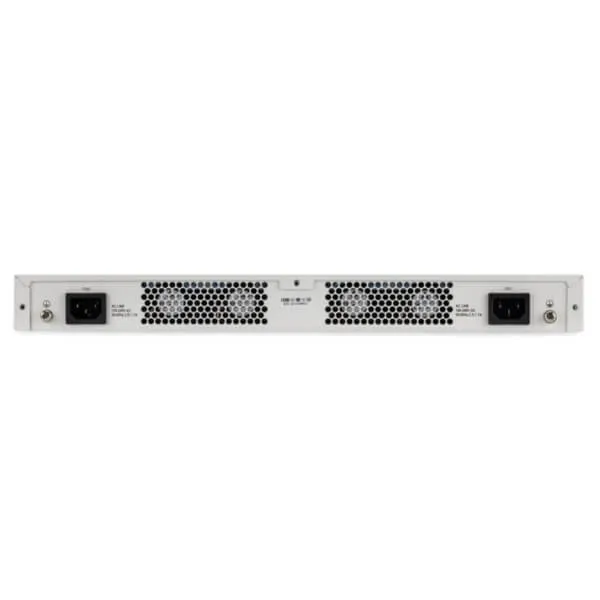
Procurement should also consider environmental and power conditions at the equipment location. A firewall belongs in an organized rack or secure equipment area with appropriate ventilation and UPS planning. Fiber or copper handoffs, patching and transceivers should be identified before shipment. These practical details often determine whether installation is straightforward or delayed by missing infrastructure.
FortiGate 201F (FG-201F) Mbarara
Mbarara organizations can evaluate FG-201F for secure business connectivity where several departments, applications or sites must be protected through one enterprise edge platform. The design should classify networks by trust and function. Finance systems, general users, guest Wi-Fi, cameras and administrative interfaces should not automatically share unrestricted access. Firewall policy can then permit only the flows needed for business operation.
Site-to-site VPN can connect Mbarara with Kampala or other branches, but stable routing and unique IP subnets are prerequisites. If networks overlap, migration or NAT workarounds may be required. Organizations should also determine whether internet traffic exits locally or through a central site. Local breakout can improve cloud performance, while centralized egress may simplify some controls; the right choice depends on application and security architecture.
For a quotation, include the desired FortiGuard subscription, expected term and any requirement for configuration, migration or support. Hardware alone does not define the final security capability. Subscription selection, firmware lifecycle, policy maintenance and log review are continuing operational decisions. Buyers should therefore consider the ongoing management model before deployment rather than treating it as an afterthought.
FortiGate 201F (FG-201F) Gulu
In Gulu, FG-201F may be relevant for an organization that needs a strong security gateway for a regional office, institutional site or hub network. The first sizing inputs are internet and WAN bandwidth, expected security services, concurrent use patterns and future expansion. A site with moderate user numbers can still require substantial capacity if it carries high-volume backups, server traffic, VPN aggregation or extensive encrypted inspection.
Network segmentation should be planned together with switching. The firewall can enforce policy between selected VLANs, while access switches connect endpoints and provide the appropriate trunks or routed links. If the organization uses wireless networks, guest and corporate SSIDs can map to separate segments. Cameras and other devices can also be isolated according to risk and operational requirements.
Operational readiness matters for sites where support access may take time. Keep configuration backups, interface documentation, ISP details and recovery procedures available to authorized staff. UPS protection and clean rack installation reduce avoidable outages. When requesting FG-201F, include any need for spare optics, cables or associated network equipment so the bill of materials reflects the complete installation rather than only the firewall chassis.
FortiGate 201F (FG-201F) Kenya
Kenya enterprises considering FG-201F can use the same disciplined sizing process: measure internet and WAN capacity, identify inspected traffic, define VPN and segmentation requirements, and document growth. Multi-office organizations may use FortiGate as part of an SD-WAN design linking branches to cloud and central services. Application-aware policies can help use multiple paths effectively, but monitoring and clear service-level objectives remain necessary.
A Nairobi headquarters, data center edge or regional hub may need 10GbE connections to core infrastructure, while smaller sites may use Gigabit interfaces. The FG-201F provides both SFP and SFP+ options, but the actual optics and cabling must match the network. The 480 GB onboard SSD distinguishes this model within the 200F pair and should be considered alongside logging architecture.
Regional projects can be coordinated through FourTeck’s network, while Tanzania customers should continue to use the Tanzania contact route for local page enquiries. Cross-border standardization works best when configuration templates define common security intent but allow site-specific bandwidth, addressing and provider details. This reduces configuration drift without pretending every branch has identical infrastructure.
FortiGate 201F (FG-201F) Kuwait
For Kuwait deployments, FortiGate 201F can be assessed for enterprise perimeter security, VPN aggregation and secure networking where its 1RU form factor and interface density suit the rack design. Procurement teams should verify subscription terms, power requirements, optics and support scope in the current quotation. Where the appliance protects high-speed internet, sizing should focus on the enabled threat-protection profile rather than assuming raw firewall throughput represents every workload.
Organizations connecting Kuwait operations with offices elsewhere can use IPsec VPN or broader SD-WAN architectures, but route design, encryption domains and failover behavior should be documented. Cloud applications may benefit from local breakout when security policy permits. Sensitive internal systems can remain segmented behind tighter controls. Remote administration should use restricted management paths and strong authentication.
Before ordering, list all required physical connections and whether they are copper or fiber. If 10GbE is required, specify the media and compatible transceiver type. Also identify whether the firewall will be deployed singly or as an HA pair. A complete quote should make it clear what is hardware, what is subscription, and what implementation or migration service is included.
FortiGate 201F (FG-201F) Ghana
Ghana customers evaluating FG-201F may be planning a headquarters firewall, branch hub, data-center edge or secure multi-site network. FourTeck’s Ghana technology site provides regional context for broader infrastructure enquiries. For firewall sizing, the same fundamentals apply: traffic volume, inspection services, VPN demand, interfaces, redundancy and growth should be documented before model selection.
If the firewall is replacing an existing platform, migration planning should inventory objects, policies, NAT rules, VPNs, routes and public services. Old rule bases often contain unused entries, so a migration can also be an opportunity for controlled cleanup rather than a blind one-to-one copy. Testing should cover internet access, critical applications, VPNs, inbound services, DNS and failover before the old device is removed from the recovery plan.
Subscription renewal should be budgeted as part of lifecycle planning. The security services enabled on the firewall influence both protection and capacity, so renewal decisions should not be separated from technical policy. Organizations should maintain a record of contract terms and renewal dates and review whether the selected bundle still matches the deployed controls.
FortiGate 201F (FG-201F) Nigeria
Nigeria organizations can consider FG-201F for enterprise internet security and branch connectivity where the platform’s port mix and performance class align with operational requirements. Large offices may have several ISP links, public services, VPN peers and internal security zones. Each should be represented in a network diagram before implementation so policy and routing decisions are visible rather than buried only in device configuration.
SD-WAN can improve the use of multiple circuits by steering traffic according to health and application requirements, but business continuity still depends on upstream services, DNS, public addressing and application behavior. Regular failover testing is therefore essential. VPN connectivity between Nigeria and other regional offices should use documented address plans and monitored tunnels.
Procurement teams should request the exact FG-201F appliance and required FortiGuard term, plus any optics, rack accessories and implementation services. Avoid comparing quotations only by appliance price when bundles or terms differ. A lower initial quote may represent a different subscription scope. Clear line items make commercial comparison more meaningful and help future renewal planning.
FortiGate 201F (FG-201F) Seychelles
For Seychelles businesses, secure connectivity and resilience can be especially important where cloud services, remote support or links to external offices are central to daily operation. FG-201F can be assessed as a consolidated security and WAN platform, but the design should reflect available circuits and realistic backup options. If the secondary link has much lower capacity, failover policy should preserve critical applications first.
Hospitality and service environments may need strong separation between guest networks and operational systems. Corporate wireless, payment-related systems, cameras, building devices and administrative networks can be assigned distinct zones with controlled access. The firewall policy should be supported by switch and wireless configuration so segmentation remains consistent end to end.
A remote-island deployment also benefits from good documentation and spares planning. Record interface assignments, ISP details, VPN parameters and recovery procedures. Confirm optics and cabling before shipment, and provide UPS protection suitable for the site. These steps do not replace technical support, but they reduce preventable installation and recovery delays.
Related network and security planning
A firewall project usually touches other parts of the infrastructure. The FourTeck Tanzania home page documents network switching, Wi-Fi, servers, structured cabling and integrated IT services alongside firewall solutions. When FG-201F connects to a core switch, confirm VLAN trunks, routing ownership and 10GbE requirements. When it protects Wi-Fi, map staff and guest SSIDs to the intended security zones. When it provides VPN access to servers, define which applications remote users actually need instead of granting broad network access.
For wider regional reference, FourTeck’s Uganda IT solutions site, Fortinet UAE specialist site and Ghana IT supplier site can support multi-country procurement discussions. The Tanzania page remains the primary reference for Tanzania enquiries.
FortiGate 201F FAQs
What is the difference between FortiGate 200F and 201F?
Fortinet’s 200F Series ordering information shows the same main interface configuration and hardware acceleration for both models, while FG-201F adds 480 GB onboard SSD storage. Buyers should confirm any additional operational differences against the current Fortinet documentation and desired FortiOS release.
Does FG-201F support 10 Gigabit Ethernet?
Yes. Fortinet publishes four 10GE SFP+ slots for the FG-201F. The correct transceiver, fiber or copper medium and connected equipment must be selected for the intended link.
Can FortiGate 201F be used for SD-WAN?
FortiGate platforms run FortiOS and support secure SD-WAN capabilities. The practical design depends on available WAN links, application priorities, performance objectives and failover behavior.
Which FortiGuard subscription should I buy?
The appropriate bundle depends on the security services the organization intends to use, procurement term and operational model. Ask for line-item clarity on the quoted bundle and duration rather than assuming all services are included with the appliance.
What information is needed for an FG-201F quotation?
Provide model, quantity, subscription term, internet bandwidth, user and site counts, VPN requirements, HA needs, required interfaces and optics, existing firewall information and whether configuration or migration services are required.
Quotation checklist
Decision recap
FortiGate 201F is a 200F Series enterprise NGFW with 480 GB onboard SSD storage, a dense mix of Gigabit copper and fiber interfaces, four 10GE SFP+ slots and Fortinet hardware acceleration. It is best evaluated by matching inspected traffic, VPN, SD-WAN, segmentation, interface and resilience requirements to the current Fortinet specifications. The right commercial comparison should also normalize subscription bundles, terms, optics and implementation scope.
Discuss your FortiGate 201F requirement
Use FourTeck Tanzania’s verified contact page to share the site, bandwidth, users, VPNs, security services and subscription term you need. A clear requirement makes it easier to prepare a relevant product and implementation discussion without making unsupported assumptions about stock, delivery or project scope.



Reviews
There are no reviews yet.