
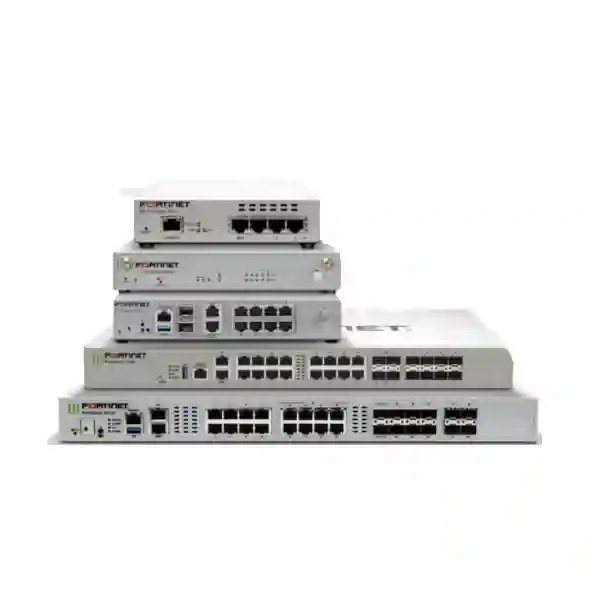
FortiManager G Series Tanzania
FortiManager G Series is designed for organizations that want a centralized operational layer for Fortinet network and security infrastructure. Instead of administering distributed appliances independently, security and network teams can use FortiManager to coordinate configuration, policy, provisioning and operational workflows from a unified management platform. The current G-series hardware portfolio spans FortiManager 200G, 400G, 1000G, 3100G and 3750G, giving buyers a progression from smaller managed estates to large enterprise and service-provider environments. Model selection should be based on the number of managed devices and VDOMs, administrative-domain requirements, resilience design, workflow complexity and anticipated growth rather than simply choosing the largest appliance.
Centralized Operations
Coordinate Fortinet device settings, policies, templates and operational workflows from a central management environment.
Automation at Scale
Use templates, scripts, APIs, connectors and automation capabilities to reduce repetitive administration across distributed deployments.
SD-WAN Orchestration
Support repeatable branch and campus deployment workflows, including standardized provisioning for Fortinet SD-WAN environments.
FortiManager G Series Overview
Fortinet positions FortiManager as a network and security operations management platform that provides a single management experience across the Fortinet Security Fabric. It can orchestrate FortiGate deployments across physical and virtual form factors and extends management capabilities to FortiOS-based networking components including FortiSwitch, FortiAP and FortiExtender. This is useful when an organization has multiple branches, campuses, data-center firewalls, cloud-connected environments or managed customer networks and wants configuration discipline across them.
The G Series is a hardware-appliance choice within the broader FortiManager portfolio. Fortinet also provides virtual and cloud-oriented options, so hardware should be selected when the operational, architectural and procurement requirements favor a dedicated appliance. Fortinet’s published portfolio identifies the 200G and 400G for comparatively smaller managed estates, the 1000G for larger environments, and the 3100G and 3750G for high-scale deployments. Buyers should validate the current datasheet, software compatibility, support subscription and exact device/VDOM requirements before procurement because capacities and licensed capabilities differ by model.
Verified G-Series Model Positioning
| Model | Published default devices/VDOMs | Planning role |
|---|---|---|
| FortiManager 200G | 30 | Compact centralized management deployments. |
| FortiManager 400G | 150 | Growing multi-site environments needing additional management scale. |
| FortiManager 1000G | 1,000 | Large distributed enterprise environments. |
| FortiManager 3100G | 4,000 | High-scale enterprise and service-provider operations. |
| FortiManager 3750G | 10,000 | Very large managed estates requiring substantial centralized capacity. |
These figures are model-level planning references from Fortinet’s current product information. They should not be interpreted as a universal capacity statement for every deployment. Administrative domains, software release, optional licensing, topology, high-availability design and operational requirements should be reviewed during sizing.
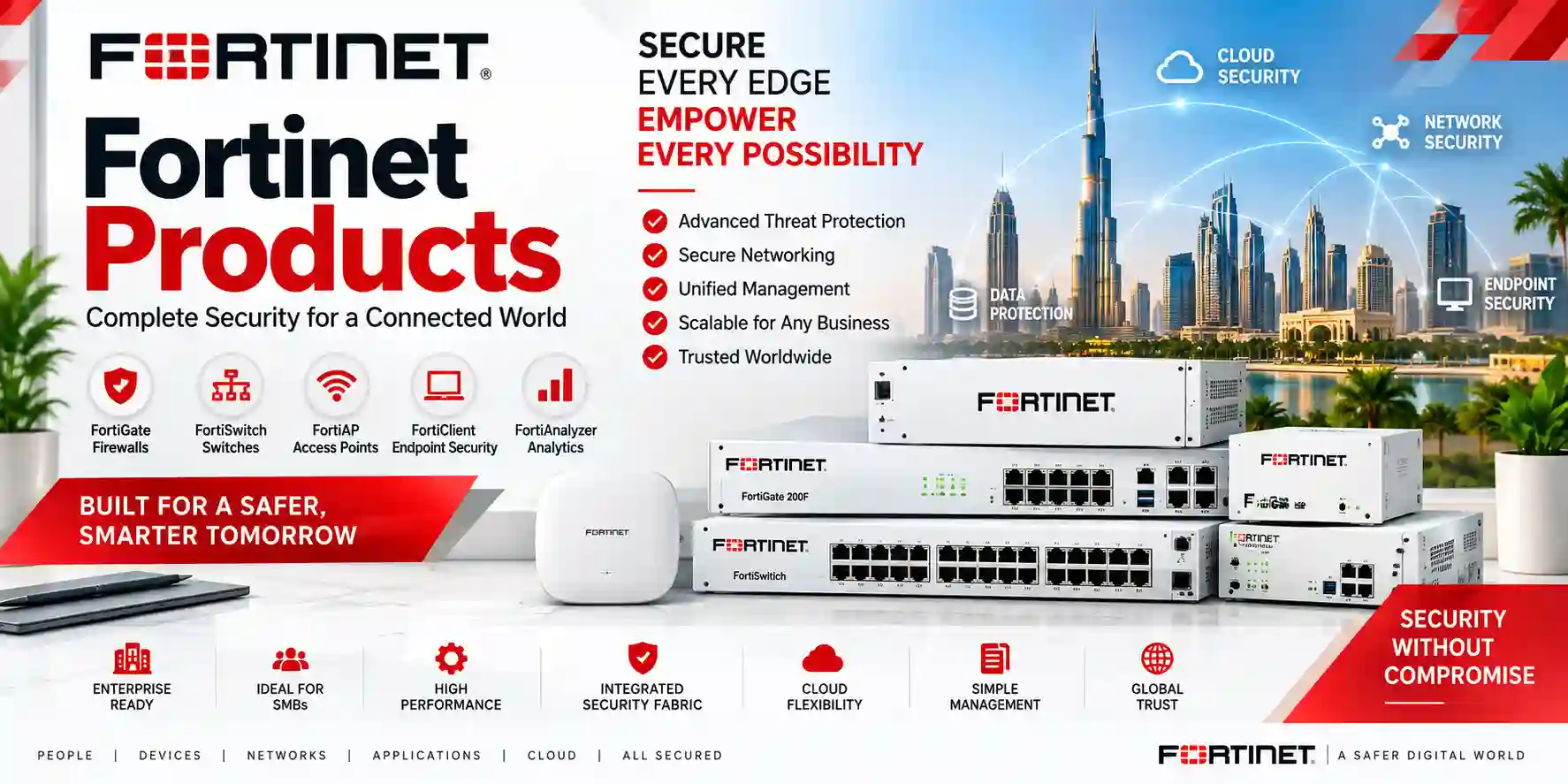
What FortiManager Helps Operations Teams Solve
A distributed firewall estate can become difficult to govern when administrators make local changes device by device. FortiManager provides a framework for centralized configuration, policy management and standardized provisioning. Templates can help teams establish repeatable branch designs, while centralized workflows can improve change control and reduce inconsistent configurations. Fortinet also documents automation through REST APIs, scripts, connectors and automation stitches, making the platform relevant to organizations building more mature network-security operations.
For SD-WAN, FortiManager supports overlay orchestration and standardized provisioning. For organizations combining FortiGate with FortiSwitch, FortiAP or FortiExtender, centralized management can help align network operations with security policy. FortiManager also supports integration with broader operational ecosystems, which can matter when IT teams use ticketing, SIEM, orchestration or compliance tools alongside Fortinet infrastructure.
Compatibility, Licensing and Deployment Planning
FortiManager procurement should include a software compatibility review. Fortinet maintains release-specific documentation, upgrade guidance and compatibility information, and organizations should map the intended FortiManager release against their FortiGate and other managed-device versions before rollout. A centralized manager is operationally important infrastructure, so upgrade sequencing, backup procedures, administrative access, change windows and recovery processes should be planned before production migration.
Licensing and support also vary by platform and model. Current Fortinet product information distinguishes hardware, VM and cloud/subscription approaches and identifies support and optional capacity characteristics by offering. A quotation should therefore identify the exact appliance, required support term, administrative-domain needs, deployment architecture and any additional licensing rather than treating “FortiManager” as a single undifferentiated SKU.
FortiManager G Series Tanzania
Organizations evaluating FortiManager G Series in Tanzania commonly need to bring structure to a growing Fortinet estate. A business may begin with a small number of FortiGate appliances and later add branches, segmented networks, SD-WAN sites, wireless infrastructure or additional security zones. At that point, device-by-device administration can consume more operational time and make configuration consistency harder to maintain. FortiManager provides a centralized management approach that can support repeatable policy and configuration workflows while giving network and security administrators a common operational view.
For Tanzania deployments, the first sizing exercise should inventory every Fortinet device that will be managed, the expected VDOM count, branch growth, administrative separation and the desired lifecycle for the platform. A company with a modest estate may evaluate the FortiManager 200G or 400G, while a large enterprise, institution, operator or managed-service environment may need the scale offered by the 1000G, 3100G or 3750G. Selection should be evidence-based: current device count, three-to-five-year growth assumptions, required ADOM design, high-availability objectives and software compatibility all matter.
Procurement teams should also define what they expect from centralized management. Some organizations primarily want consistent firewall policy administration; others are standardizing SD-WAN, branch provisioning, FortiSwitch and FortiAP operations, or automated workflows. The quotation request should state these objectives so the appliance and service scope can be matched appropriately. For broader Fortinet planning, review FourTeck Tanzania and the regional FourTeck Africa technology portfolio. These resources help procurement teams place centralized management in the wider security and networking architecture without assuming unverified stock or delivery commitments.
FortiManager G Series Dar es Salaam
Dar es Salaam organizations often operate networks that connect headquarters, branches, warehouses, customer-facing locations, data-center resources and cloud services. In this type of environment, FortiManager G Series can provide an operational control point for Fortinet infrastructure rather than requiring administrators to repeat changes across individual appliances. The value is particularly clear when a security team must maintain common policy standards while still allowing legitimate site-level differences for connectivity, applications and business operations.
A Dar es Salaam deployment assessment should begin with topology. Document internet links, branch VPNs, SD-WAN overlays, FortiGate clusters, VDOMs, managed switching and wireless components, and any FortiExtender connectivity that falls within the intended management scope. This produces a more reliable FortiManager model recommendation than simply counting offices. It also helps identify administrative domains, template groups and policy-package structure before migration. Organizations with change-control requirements should define who can create, review, approve and install configuration changes, because centralized management is most effective when operational governance is designed alongside the technology.
Buyers should include software versions in the procurement conversation. FortiManager and FortiOS compatibility can affect migration sequencing, and an existing estate may contain appliances on different maintenance branches. A phased onboarding plan can reduce disruption: establish the management platform, validate backup and administrative access, onboard a controlled set of devices, test policy installation and only then expand to additional sites. Businesses planning wider East African operations can also review FourTeck Kenya and FourTeck Uganda when considering regional standardization. A useful quote request should specify the target FortiManager model or expected scale, device inventory, support term, deployment mode and required implementation assistance.
FortiManager G Series Mwanza
For organizations in Mwanza, centralized management can be valuable when network operations extend beyond a single facility. Enterprises with retail points, service locations, logistics sites, educational facilities, hospitality operations or regional offices may need consistent firewall and SD-WAN configuration without sending an administrator through repetitive device-level changes. FortiManager can provide a structured method for deploying templates and policies while maintaining centralized visibility over the managed Fortinet environment.
Connectivity diversity should be part of the design discussion. Sites may use different service providers or link types, and branch availability requirements can differ substantially. FortiManager does not remove the need for sound WAN design, but its SD-WAN orchestration and provisioning capabilities can help operations teams apply standardized patterns across branches. During sizing, buyers should separate the number of physical sites from the number of managed devices and VDOMs. They should also estimate growth because new branches, segmentation projects or additional Fortinet networking components can increase management scope over the appliance lifecycle.
Operational resilience matters as much as capacity. Determine how FortiManager will be protected, backed up, monitored and accessed by administrators. Define maintenance windows and an upgrade process that accounts for compatibility with managed FortiGate versions. If different business units require administrative separation, document the ADOM requirement before ordering. The procurement package should include the appliance, applicable support subscription and clearly scoped implementation activities. Organizations should avoid assuming that a larger appliance automatically produces a better design; the appropriate choice is the model whose supported capacity and architecture fit current operations plus realistic growth. For Tanzania-focused consultation and quotation preparation, the FourTeck Tanzania contact page provides the route to share the inventory and project requirements.
FortiManager G Series Arusha
Arusha businesses evaluating FortiManager G Series may be managing combinations of office networks, hospitality sites, tourism operations, institutional campuses, branch locations or distributed service points. The management challenge is not simply the number of firewalls. It is the need to keep security policy, device settings and deployment practices consistent while preserving the flexibility required by different sites. FortiManager supports this by centralizing administration and providing repeatable workflows for Fortinet environments.
A practical Arusha project should classify sites before configuration begins. Headquarters, branches, guest-facing networks, operational networks and remote facilities may need different templates and policy packages. This classification helps prevent a centralized platform from becoming a collection of exceptions. Where FortiSwitch, FortiAP and FortiExtender are part of the Fortinet architecture, their relationship with FortiOS-based management should be documented so administrators understand what will be controlled centrally and what remains under other operational systems.
Zero-touch and template-based provisioning can be important when new sites are expected. However, buyers should define the complete workflow: staging, device registration, template assignment, WAN parameters, validation, rollback and post-deployment monitoring. Centralization improves repeatability only when those operational steps are deliberate. Procurement teams should therefore request more than a hardware price. They should provide the managed-device count, VDOMs, desired ADOM separation, FortiOS versions, branch growth forecast and support period. This allows a comparison between the 200G, 400G, 1000G and higher-scale G-series options using actual requirements. Where cross-border operations are part of the architecture, the broader FourTeck Africa resource can support regional planning discussions while the Tanzania team remains the appropriate starting point for this page’s target market.
FortiManager G Series Dodoma
Organizations in Dodoma may require centralized security administration across headquarters, offices, institutional sites and remote locations where consistency, governance and traceable operational processes are important. FortiManager G Series can consolidate Fortinet management tasks into a central platform, helping teams manage configurations and security policies with a more structured approach than isolated appliance administration. This is relevant for enterprises and institutions that expect their network footprint to grow over time.
Governance should be addressed early. Administrators need clearly defined roles, access controls, approval processes and change windows. If different departments or environments must be separated administratively, ADOM design becomes part of sizing. For larger deployments, the ability to organize devices and policy packages logically can be as important as raw device capacity. Buyers should also plan how the FortiManager platform itself fits into backup, monitoring, authentication and business-continuity procedures because it becomes an important management-plane component.
Before requesting a quotation, create a device register containing model, FortiOS version, VDOM count, site role and expected lifecycle. Add anticipated sites and devices rather than sizing only for the present day. Then document whether the project includes SD-WAN orchestration, branch templates, API automation, FortiSwitch or FortiAP management relationships, or integrations with operational tools. These details make it easier to determine whether the 200G, 400G, 1000G, 3100G or 3750G aligns with the deployment. Licensing and support should be confirmed for the exact selected model and term. FourTeck can use this information to prepare a solution-oriented discussion without making assumptions about availability, lead time or local stock before those details are confirmed during quotation.
FortiManager G Series UAE
Organizations evaluating FortiManager G Series for UAE operations may have dense branch networks, multi-site retail, hospitality, logistics, professional services, industrial environments or regional headquarters that manage infrastructure across several countries. In these environments, centralized Fortinet management can reduce the operational burden of maintaining separate device configurations and can support standardized security policy across a larger estate. FortiManager’s orchestration and automation capabilities are especially relevant where deployment speed and repeatability are important.
A regional headquarters design should consider administrative boundaries. A single organization may need separate ADOMs or policy structures for subsidiaries, countries, business units or customer environments. Capacity planning should therefore examine both devices/VDOMs and administrative organization. The FortiManager 3100G and 3750G are positioned for substantially larger estates than entry G-series appliances, but the correct choice depends on actual requirements rather than geography. Integration with operational platforms, API-driven workflows and standardized SD-WAN deployment may also influence architecture and implementation scope.
For UAE procurement and regional projects, buyers can review FourTeck UAE for the wider technology portfolio and FourTeck’s Fortinet-focused UAE resource for Fortinet-related planning. A quotation should identify the intended G-series model where known, device and VDOM count, software versions, support duration, HA expectations and whether professional services are required for migration or deployment. Cross-country operations should additionally document change ownership, time-zone support expectations and common configuration standards so centralized management supports the operating model rather than merely consolidating interfaces.
FortiManager G Series Uganda
Uganda organizations can use FortiManager G Series to structure the management of Fortinet environments that span headquarters, branches, campuses and remote sites. Centralized configuration and policy workflows are useful when multiple administrators or service teams are responsible for the same estate, because standards can be defined and reused rather than recreated separately at every location. This can support operational consistency while still allowing site-specific settings where the network design requires them.
Sizing should start with a complete inventory. Count FortiGate devices and VDOMs, identify FortiSwitch, FortiAP and FortiExtender relationships, record software versions and map anticipated branch growth. If the organization is implementing SD-WAN, document hubs, branches, overlays and provisioning requirements. This information clarifies both appliance capacity and the implementation effort required to move from decentralized management to FortiManager. It also helps determine whether administrative domains are needed to separate business units, customers or environments.
The FourTeck Uganda website is relevant for customers whose procurement or deployment scope is centered in Uganda, while Tanzania customers can continue through the Tanzania contact route. In either market, support and licensing should be confirmed for the exact hardware model and chosen term. Buyers should ask how backups, administrator authentication, change approvals, upgrades and compatibility checks will be handled after deployment. These operational questions help turn FortiManager from a management appliance into a sustainable management process. A well-prepared quotation request should therefore combine hardware scale with lifecycle and workflow requirements rather than focusing on appliance price alone.
FortiManager G Series Kampala
Kampala-based enterprises and institutions may manage Fortinet infrastructure across a headquarters location and numerous branches or service sites. FortiManager can provide a common administration layer for these distributed deployments, supporting policy management, templates, provisioning and automation. For teams that frequently open new sites or update standardized security controls, a central platform can make the workflow more repeatable and easier to govern than direct administration of every firewall.
A Kampala deployment plan should identify the operational patterns that can be standardized. Branches with similar connectivity and security requirements can often share template logic, while data-center or headquarters environments may need separate policy structures. Administrators should decide how exceptions are documented so local requirements do not undermine the intended standardization. SD-WAN projects should also map provider links, overlay topology and branch onboarding processes before template design begins.
Model selection requires a realistic scale forecast. The FortiManager 200G and 400G address smaller device counts than the 1000G, while the 3100G and 3750G are designed for high-scale environments. Published device/VDOM figures are useful starting points, but administrative-domain design, optional licensing, resilience and software release requirements also need review. Procurement teams should include the desired support period and implementation scope in the request. If an existing Fortinet estate will be migrated, provide the current FortiOS versions and configuration ownership model. This allows compatibility and change sequencing to be considered before onboarding. Customers working across Uganda can use the regional FourTeck Uganda resource for country-specific engagement while coordinating architecture consistently with other East African locations.
FortiManager G Series Arua
For organizations operating in Arua and connecting remote or distributed sites, FortiManager G Series can support a centralized approach to Fortinet administration. The practical benefit is the ability to define repeatable management patterns even when individual sites have different WAN characteristics or business functions. Rather than treating every firewall as an isolated project, administrators can organize policy and configuration through a common platform and use templates where standardization is appropriate.
Remote-site design makes planning particularly important. Teams should document how devices will be onboarded, what connectivity is available during deployment, how configuration changes will be validated and what recovery process applies if a remote change causes an issue. Zero-touch and centralized provisioning capabilities can reduce repetitive tasks, but they should sit inside a tested operational procedure. The same applies to SD-WAN: orchestration can simplify rollout, while sound underlay connectivity and branch-specific validation remain necessary.
A procurement request from Arua should specify current and planned managed devices, VDOMs, software versions, ADOM requirements and support term. It should also state whether the project is a new deployment or migration from locally managed FortiGate appliances. If the environment includes managed switching, wireless or FortiExtender components, include them in the architecture discussion. This creates a clearer basis for comparing FortiManager G-series models. Customers should confirm availability and delivery expectations during quotation rather than assuming stock. For deployments connected to a wider Uganda network, consistent templates, naming standards and change processes can help the Arua site fit into the same operating model as Kampala, Mbarara, Gulu and other locations.
FortiManager G Series Mbarara
Mbarara organizations with branch connectivity, campus networks, service locations or distributed security appliances can evaluate FortiManager G Series when centralized governance becomes more efficient than individual device administration. The platform can help network and security teams coordinate policy packages, configuration templates and deployment workflows, providing a structured operational approach as the Fortinet estate expands.
The design should reflect how the business actually operates. If multiple branches share the same security and connectivity pattern, templates can support consistency. If sites have different application, segmentation or WAN requirements, those differences should be modeled deliberately rather than handled as undocumented exceptions. Administrators should also plan role separation and approval processes, particularly where more than one team manages security policy. FortiManager centralizes control, so access governance and backup practices are essential parts of implementation.
When selecting a G-series appliance, buyers should compare managed-device and VDOM requirements with Fortinet’s published capacities and leave reasonable room for planned expansion. They should also verify the intended software release against managed FortiGate versions. Where administrative domains are required, confirm model and license implications. A complete request for quotation should include hardware, support term and any migration, configuration or knowledge-transfer services required. Organizations with multi-city Uganda operations can align Mbarara deployment standards with a broader centralized design, making it easier to apply common policy while retaining local network parameters. This approach supports future growth because new sites can be incorporated into an established management framework rather than requiring a new operational method for each branch.
FortiManager G Series Gulu
Gulu-based operations can benefit from centralized Fortinet management when network services are distributed across offices, branches or remote facilities. FortiManager G Series gives administrators a platform for organizing configuration and policy workflows, which can reduce the need for repeated direct changes on individual devices. This is particularly useful when a central IT team supports locations that have limited on-site technical resources.
The implementation plan should account for remote operations. Define how devices are registered, how templates are assigned, how administrators verify successful changes and what rollback method is available. WAN instability or limited maintenance windows can make change planning important, so centralization should be combined with disciplined testing and staged deployment. For SD-WAN environments, document the intended branch design and provider diversity before building reusable configuration patterns.
FortiManager sizing should include future growth and not just today’s appliance count. Record VDOMs, planned branches and any Fortinet networking components that will be managed through the FortiOS ecosystem. Organizations should also determine whether separate administrative domains are needed for departments or operational environments. Support subscriptions, software compatibility and lifecycle procedures belong in the procurement plan. A quotation that includes these details is more useful than a generic request for “FortiManager G Series price” because it allows the solution to be aligned with the actual network. For organizations spanning multiple Uganda cities, centralized naming conventions, policy standards and administrator roles can help Gulu sites operate within a consistent national architecture while retaining the local WAN and application settings their operations require.
FortiManager G Series Kenya
Kenya enterprises with distributed branches, campuses, data-center resources or regional operations can evaluate FortiManager G Series as a centralized management layer for Fortinet infrastructure. Organizations operating many FortiGate appliances often need more than visibility: they need repeatable configuration, coordinated policy changes, controlled administrator access and a scalable method for deploying new sites. FortiManager addresses these operational requirements through centralized management and automation capabilities.
Large Kenyan deployments should pay close attention to architecture rather than selecting a model from device count alone. VDOMs, ADOM organization, high availability, software versions, automation requirements and anticipated growth can all influence design. If the network uses SD-WAN, branch templates and overlay orchestration should be planned alongside underlay connectivity and application-routing requirements. If FortiSwitch, FortiAP or FortiExtender are part of the environment, document their relationship with the managed Fortinet estate so the operational scope is clear.
Customers whose primary requirement is in Kenya can review FourTeck Kenya for regional technology engagement. For organizations headquartered in Tanzania but extending into Kenya, a shared FortiManager architecture may help standardize policies and deployment practices across borders, subject to the organization’s own governance and connectivity design. Procurement teams should request the exact hardware model, support duration and professional-service scope required. Existing customers should provide device and FortiOS inventories for compatibility review. Availability, pricing and lead time should be confirmed in the formal quotation, because these are commercial variables rather than fixed product specifications.
FortiManager G Series Kuwait
Kuwait organizations may use FortiManager G Series to centralize Fortinet operations across corporate offices, branches, retail environments, hospitality, industrial sites or service locations. The platform can help administrators maintain policy consistency and streamline repetitive deployment tasks as the network grows. For enterprises with regional infrastructure, centralized management can also support common operational standards across locations while allowing site-specific connectivity and application requirements.
A Kuwait sizing exercise should quantify the managed estate and identify the operational features that matter. Device and VDOM counts establish a baseline, while ADOM structure, SD-WAN orchestration, automation, integration and resilience requirements shape the broader architecture. High-scale models should be considered where the environment genuinely requires their capacity; otherwise, an appropriately sized appliance may provide a simpler procurement and operational fit. Software compatibility must be checked before migration, particularly where an existing estate contains different FortiOS releases.
Implementation planning should include administrator roles, backup, change approval, upgrade sequencing and incident recovery. These controls are important because FortiManager becomes a central point for managing many security devices. Procurement teams should request the desired support term and clarify whether migration, configuration and knowledge transfer are included. Organizations operating across the Gulf and Africa can use a common architecture standard while adapting site templates to local connectivity. This reduces unnecessary configuration variation without assuming that every location is identical. Before purchase, confirm the exact model specification and commercial terms in the current quotation, as product bundles, support subscriptions and availability can change over time.
FortiManager G Series Ghana
Ghana organizations with expanding Fortinet estates can evaluate FortiManager G Series when centralized policy and configuration management becomes operationally valuable. Multi-site enterprises may need to apply consistent controls across branches while keeping local WAN settings and business applications appropriately configured. FortiManager supports this type of model by giving administrators a central place to organize managed devices, policies and repeatable deployment workflows.
The procurement process should begin with discovery. Inventory FortiGate appliances, VDOMs, software releases and expected new sites. Identify whether FortiSwitch, FortiAP or FortiExtender components are part of the management architecture. If the organization uses or plans SD-WAN, document hub-and-branch relationships, link diversity and rollout patterns. This information helps determine whether a smaller G-series model is sufficient or whether enterprise-scale capacity is required.
Operational design is equally important. Decide how administrators are separated, how changes are reviewed, how backups are protected and how upgrades will be tested. If separate administrative domains are required, include that requirement in sizing and licensing discussions. For cross-border businesses, FortiManager can support standardized operational methods, but each country or site may still require distinct connectivity and application settings. A well-designed template hierarchy can preserve both consistency and necessary variation. Buyers should request a quotation that states appliance model, support duration, implementation scope and any migration assistance. They should also verify compatibility against the actual managed-device versions before scheduling rollout. This creates a stronger foundation than choosing hardware based only on headline capacity.
FortiManager G Series Nigeria
Nigeria enterprises and service organizations can have large, geographically distributed networks where centralized Fortinet administration offers significant operational structure. FortiManager G Series can help teams coordinate policies, templates and deployment workflows across many sites and devices. For organizations with frequent branch rollout or complex SD-WAN estates, automation and standardized provisioning can reduce repetitive configuration work and support more consistent change management.
Large-scale environments should evaluate the 1000G, 3100G and 3750G alongside smaller G-series models based on verified requirements. Device/VDOM capacity is one factor, while ADOM organization, high-availability design, integrations, API automation and projected expansion also matter. Managed-service environments may have additional needs for administrative separation and repeatable customer onboarding. These requirements should be mapped before the model and license configuration are finalized.
A migration from individually managed FortiGate appliances should be staged. Document current versions and configuration ownership, establish the FortiManager platform, validate backups and access, onboard a pilot group and test policy installation before expanding the scope. This approach can expose compatibility or workflow issues early. Procurement teams should include the support term and implementation requirements in the quotation. Organizations managing both Nigerian and East African sites can define common security standards centrally while creating regional templates for connectivity differences. FortiManager enables that management framework, but the quality of the outcome depends on accurate inventory, sensible policy architecture and disciplined operational processes. Commercial availability and delivery should always be confirmed at quotation time rather than inferred from product-family information.
FortiManager G Series Seychelles
Seychelles organizations with multiple facilities, hospitality properties, corporate offices or remote operational sites can consider FortiManager G Series for centralized management of Fortinet infrastructure. Where IT teams support geographically separated locations, a common management platform can make policy administration and configuration workflows more consistent. Templates can help standardize recurring site patterns while allowing the WAN, segmentation and application settings that differ between properties or facilities.
Connectivity and remote administration should receive particular attention in deployment planning. Teams should establish how devices will be onboarded, how configuration changes will be tested and what recovery process is available if a remote site becomes unreachable. Centralized management does not replace resilient WAN design, but it can provide a repeatable operational method for managing the security estate. SD-WAN orchestration may be relevant where sites use multiple links and standardized branch designs.
Sizing should include current devices, VDOMs and expected growth. Buyers should also record software versions and determine whether separate ADOMs are needed for business units, properties or managed environments. The FortiManager model should be selected after comparing these requirements with current Fortinet specifications. Support subscriptions and implementation scope should be quoted explicitly. If the Seychelles deployment forms part of a wider African network, a shared policy and template strategy can help maintain common standards across countries while preserving local site parameters. The final procurement decision should be based on the verified appliance configuration, compatibility and commercial quotation, not assumptions about stock, warranty or delivery time.
Related Fortinet and Regional Resources
FortiManager is most valuable when considered as part of the wider network-security architecture. Tanzania customers can start with FourTeck Tanzania for the local site context. Regional organizations can use FourTeck Africa when planning broader African technology requirements, FourTeck Kenya for Kenya-centered projects, FourTeck Uganda for Uganda requirements, and FourTeck’s Fortinet UAE resource for Fortinet-focused UAE planning. These links provide regional context; exact product availability, commercial terms and service scope should be confirmed through a project quotation.
FortiManager G Series Buying and Sizing Checklist
List every FortiGate and VDOM plus relevant FortiSwitch, FortiAP and FortiExtender relationships.
Estimate branches, devices and segmentation growth over the intended appliance lifecycle.
Record FortiOS versions and validate them against the intended FortiManager release before migration.
Define ADOMs, administrator roles, approvals, backup, HA expectations and change-control procedures.
Identify SD-WAN orchestration, templates, zero-touch provisioning, APIs and integrations required.
Request the exact appliance, support term, applicable licensing and professional-service scope.
FortiManager G Series FAQ
Which FortiManager G Series models are available?
Fortinet’s current product information lists FortiManager 200G, 400G, 1000G, 3100G and 3750G in the G-series hardware portfolio. Exact ordering configurations and support should be confirmed during quotation.
How do I choose between FortiManager 200G and 400G?
Start with managed devices/VDOMs, expected growth and administrative requirements. Fortinet currently publishes a default capacity of 30 devices/VDOMs for 200G and 150 for 400G. Confirm the complete model specifications and your software design before purchase.
Can FortiManager manage more than FortiGate?
Fortinet states that FortiManager extends management capabilities across its FortiOS-based networking ecosystem, including FortiSwitch, FortiAP and FortiExtender, alongside FortiGate. The exact architecture should be validated for the products and software versions in your environment.
Does FortiManager support SD-WAN deployment?
Yes. Fortinet identifies SD-WAN overlay orchestration and provisioning as FortiManager capabilities. Deployment still requires correct WAN, routing, security and branch design.
What information should I provide for a FortiManager quotation?
Provide current and planned device/VDOM counts, FortiOS versions, ADOM requirements, required support term, HA expectations, deployment locations and whether you need migration, configuration or knowledge-transfer services.
Decision Recap
Choose FortiManager G Series when a dedicated hardware management platform aligns with your Fortinet operational architecture. Match the model to verified managed-device and VDOM requirements, administrative-domain design, growth, software compatibility and resilience needs. The strongest procurement brief combines hardware sizing with the workflows you want to improve: policy governance, branch provisioning, SD-WAN orchestration, automation and multi-site operations.
Prepare a FortiManager G Series Consultation
For a more useful discussion, prepare your Fortinet device inventory, VDOM count, software versions, branch count, growth plan, desired support term and any SD-WAN, automation or administrative-separation requirements. FourTeck can use this project information to discuss an appropriate FortiManager G Series configuration and quotation for Tanzania or a coordinated multi-region requirement.




Reviews
There are no reviews yet.