
Fortinet FortiAnalyzer FAZ-300G Tanzania
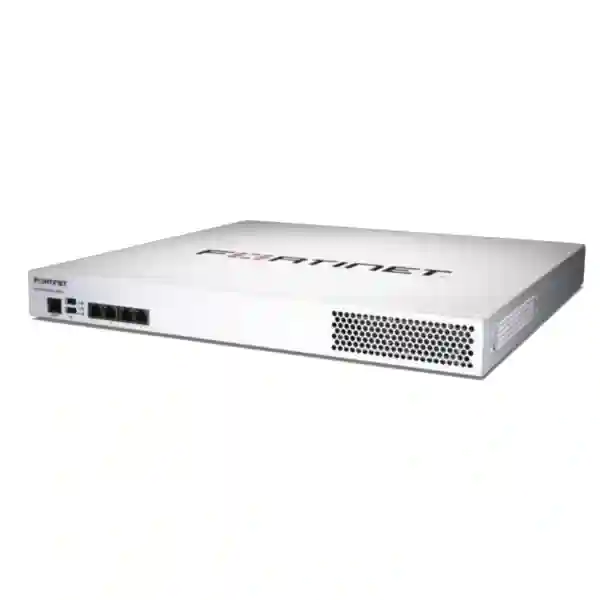
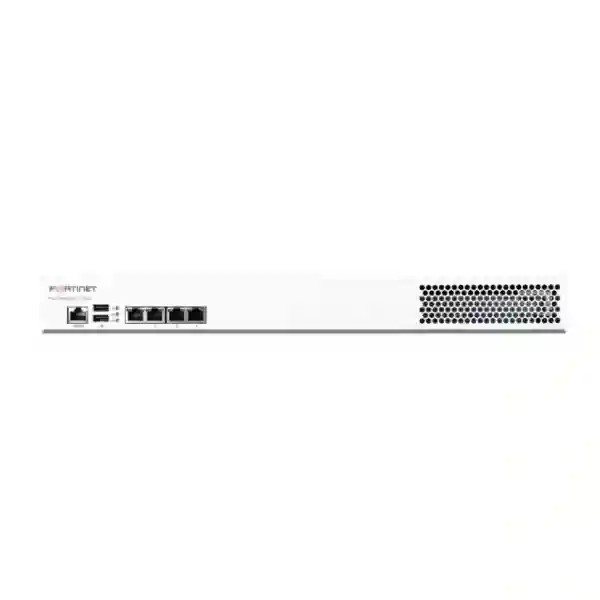
Fortinet FortiAnalyzer FAZ-300G gives security and network teams a dedicated platform for centralized logging, analytics and reporting across Fortinet deployments. For organizations moving beyond device-by-device log review, the appliance creates a practical foundation for operational visibility, investigation workflows and structured reporting. Current Fortinet specifications position the FAZ-300G at up to 100 GB of logs per day, 2,000 sustained logs per second in analytics mode, 3,000 sustained logs per second in collector mode, a maximum of 180 devices or VDOMs, and up to 25 ADOMs. The hardware includes four GE RJ45 interfaces and 8 TB of storage.
What the FAZ-300G solves
Security operations become harder when logs remain distributed across individual firewalls and security systems. FortiAnalyzer is designed to consolidate this information so teams can investigate events, review traffic history, prepare reports and maintain a more consistent operational view. The FAZ-300G is especially relevant when a business has multiple FortiGate devices, multiple VDOMs, separate administrative domains, branch locations or a growing requirement for security reporting. A correct purchase decision should begin with measured log generation rather than device count alone. Existing environments should review representative log rates and daily log volumes, expected growth, desired retention, reporting frequency and the number of managed devices or VDOMs before selecting an appliance.
Published maximum daily log-volume positioning for FAZ-300G.
Published sustained analytics-mode log rate.
Two 4 TB drives provide the appliance’s published storage capacity.
Published maximum device/VDOM scale, with up to 25 ADOMs.
Technical and procurement guidance
The appliance should be sized around the real workload. A useful assessment records current FortiGate log volume over representative business periods, distinguishes average from peak behavior, identifies how long searchable analytics must be retained, and considers growth from new branches, additional VDOMs, more verbose logging or new security controls. The published maximums are sizing boundaries rather than a promise that every environment will obtain identical retention. Retention depends on generated data and operational configuration. Buyers should also confirm the required FortiCare and FortiAnalyzer service bundle for the procurement term instead of assuming that hardware alone includes every desired service.
For broader Fortinet planning, review FourTeck Tanzania for the regional technology portfolio and use the Tanzania contact and quotation page to provide deployment requirements. Organizations with cross-border requirements can also consult FourTeck Uganda, FourTeck Kenya, and FourTeck Fortinet UAE when the procurement scope spans those markets.
Fortinet FortiAnalyzer FAZ-300G Tanzania
Organizations evaluating Fortinet FortiAnalyzer FAZ-300G in Tanzania commonly need more than a specification sheet: they need to know whether the platform fits the amount of security data their environment actually produces. A useful Tanzania sizing exercise begins by listing FortiGate appliances, VDOMs and other relevant Fortinet log sources, then measuring representative daily log volume and logs per second. The FAZ-300G is positioned for up to 100 GB of logs per day and 2,000 sustained LPS in analytics mode, with 3,000 sustained LPS in collector mode. Those values make it important to compare present demand with planned expansion rather than selecting purely from today’s device count.
For Tanzanian enterprises with a head office plus branches, centralized analysis can simplify operational review because administrators do not have to treat each firewall as an isolated source of historical information. Teams can plan administrative domains around organizational or customer boundaries where appropriate, while the published maximum of 25 ADOMs gives a clear sizing parameter. The maximum of 180 devices or VDOMs is another boundary to include in the design worksheet. Neither figure should be treated in isolation: log volume, retention, reporting workload and future expansion all influence the practical design.
Procurement teams should request a quotation that identifies the exact FAZ-300G hardware, desired support period, applicable FortiAnalyzer services, rack and network prerequisites, and implementation scope. If an organization is replacing an older analyzer, migration requirements should be documented before ordering. If it is deploying centralized analysis for the first time, the project plan should include log-source onboarding, administrator access, time synchronization, reporting objectives and validation of received logs. FourTeck can use these details to frame a more precise commercial discussion without assuming stock, delivery dates or service coverage before confirmation.
Fortinet FortiAnalyzer FAZ-300G Dar es Salaam
Dar es Salaam buyers often evaluate centralized security analytics in environments where corporate headquarters, data rooms, internet edges and branch connectivity generate a substantial stream of operational records. FAZ-300G can provide a dedicated central destination for Fortinet logging and analysis, helping administrators move from fragmented device review toward a consolidated workflow. Before procurement, teams should measure the actual log profile of internet-facing FortiGate systems, VPN activity and branch gateways over normal and busy periods. This matters because security events, traffic logging policies and session volumes can change the daily data rate considerably.
The FAZ-300G hardware specification of four GE RJ45 interfaces and 8 TB storage gives infrastructure teams concrete rack and connectivity requirements to plan around. The platform’s published capacity of up to 100 GB/day and sustained analytics rate of 2,000 LPS should be compared with measured usage and anticipated growth. A Dar es Salaam organization opening more sites, enabling additional logging or separating business units through VDOMs should include that growth in the sizing model. The 180-device/VDOM and 25-ADOM published maxima also help determine whether the appliance sits comfortably within the planned architecture.
A quotation request should state the number and models of FortiGate devices, approximate current GB/day and LPS, retention expectation, required reports, support term and whether configuration assistance is required. This produces a more useful procurement conversation than requesting only a unit price. Buyers should also confirm power, rack space, management addressing, DNS and NTP dependencies, backup expectations and administrator roles before deployment. These steps help turn the appliance purchase into an operational logging project with measurable acceptance criteria rather than an isolated hardware acquisition.
Fortinet FortiAnalyzer FAZ-300G Mwanza
For organizations in Mwanza, the value of FortiAnalyzer often appears when security administration spans a main site and distributed operational locations. Centralized logs make it easier to establish a common review process across FortiGate devices rather than relying on each site to preserve and interpret its own history. FAZ-300G supports this type of planning with published scale of up to 180 devices or VDOMs, while its 25-ADOM maximum can support structured administrative separation when the design calls for it. The correct architecture still depends on log generation, retention objectives and operational responsibilities.
Mwanza buyers should collect at least a representative sample of daily logging behavior before deciding that FAZ-300G is the correct tier. Fortinet publishes up to 100 GB/day, 2,000 sustained analytics LPS and 3,000 collector-mode sustained LPS for this model. Compare those limits with both average and peak activity, then add realistic headroom for additional users, branches, VPN usage, security inspection and future FortiGate deployments. Retention planning is equally important because storage consumption depends on what the environment records, not merely the number of devices connected.
The commercial request should identify whether the project is a new deployment, capacity upgrade or replacement. Include the desired FortiCare term and any FortiAnalyzer service requirements, because support and service bundles need to be matched to the procurement objective. During implementation planning, document which devices will send logs, which teams need access, how ADOM boundaries should be defined, and which reports are important to management or technical operations. A well-defined scope lets FourTeck discuss the appliance in the context of the customer’s actual security operations rather than making unsupported assumptions about suitability.
Fortinet FortiAnalyzer FAZ-300G Arusha
Arusha organizations considering FAZ-300G may include hospitality groups, service businesses, institutions and multi-site enterprises that need a consistent record of network security activity. Centralized analysis is particularly useful when local IT teams need to investigate events across more than one firewall or site. The FAZ-300G provides a dedicated appliance format with four GE RJ45 interfaces and 8 TB of storage. Its published analytics scale is up to 100 GB of logs per day and 2,000 sustained LPS, while collector mode is rated at 3,000 sustained LPS.
Sizing should reflect seasonal and operational peaks rather than a single quiet-day measurement. An Arusha deployment with guest networks, corporate applications, remote access or multiple properties can experience changing traffic and security-log patterns. Measure existing log volume where possible, document the number of devices and VDOMs, then estimate expected growth. FAZ-300G’s published ceiling of 180 devices/VDOMs and 25 ADOMs should be checked against the target architecture. Teams should also define how long they expect logs to remain available for analysis and which reporting workflows matter most.
For procurement, request the exact hardware model and specify the desired support and service term. Avoid treating a reseller’s advertised bundle as automatically equivalent to another bundle, because service combinations and durations can differ. Deployment preparation should cover rack location, power, network addressing, administrative access, time synchronization and the onboarding sequence for log sources. Organizations can then validate that expected devices are sending logs and that reporting and search workflows meet the agreed operational requirements. This approach keeps the project focused on usable security visibility rather than simply installing another rack appliance.
Fortinet FortiAnalyzer FAZ-300G Dodoma
In Dodoma, enterprises and institutions evaluating centralized Fortinet logging can use the FAZ-300G as a dedicated analysis platform when their environment fits its published capacity. The model is designed for centralized log and analysis duties and includes 8 TB storage with four GE RJ45 interfaces. Fortinet currently lists up to 100 GB/day of logs, 2,000 sustained analytics LPS and 3,000 sustained collector-mode LPS. These figures provide a factual starting point for capacity planning but should be compared with measured organizational demand.
Where security operations involve separate departments, locations or administrative responsibilities, the maximum of 25 ADOMs may be an important design consideration. Likewise, the maximum 180 devices or VDOMs should be checked against both the current environment and planned expansion. A procurement worksheet should list every intended log source, expected changes over the purchase lifecycle, reporting needs and retention targets. This is particularly valuable for formal procurement processes because it creates measurable technical requirements that can accompany the commercial quotation.
Deployment planning should also identify who will administer FortiAnalyzer, which users need reporting access, how backups and configuration protection will be handled, and how time synchronization will be maintained across logging devices. If the organization already operates FortiAnalyzer, document the current model, software version, existing ADOM design and migration expectations before requesting an upgrade. If it is a first deployment, define acceptance checks such as successful device authorization, log reception, search, reporting and administrative access. FourTeck can then discuss supply and implementation requirements against a clearer technical brief.
Fortinet FortiAnalyzer FAZ-300G UAE
UAE organizations evaluating FAZ-300G frequently operate dense, multi-site environments where centralized security records support troubleshooting, investigation and management reporting. The appliance’s 8 TB storage, four GE RJ45 interfaces and published 100 GB/day log capacity place it in a specific FortiAnalyzer hardware tier. Security teams should compare 2,000 sustained analytics LPS and 3,000 sustained collector-mode LPS with measured workloads, especially where internet edges, VPN gateways, branch firewalls and segmented VDOM environments generate high volumes of records.
The UAE procurement process should separate hardware selection from service-term selection. Fortinet offers support and FortiAnalyzer service options in different ordering combinations, so buyers should state the required term and operational outcomes in the RFQ. They should also document device/VDOM count and ADOM requirements against the FAZ-300G published maxima of 180 devices/VDOMs and 25 ADOMs. Growth assumptions are important in rapidly changing environments; new sites or more detailed logging can materially change storage and log-rate demand.
Implementation planning should cover rack placement, network reachability to log sources, administrative access controls, NTP, naming conventions, reporting requirements and a staged onboarding sequence. Teams replacing an existing analyzer should add migration and validation requirements. Cross-border organizations can use the UAE deployment as part of a wider architecture, but each site should be assessed on connectivity and log-forwarding design rather than assuming identical conditions. The objective is to establish a centralized platform that fits measurable security operations requirements and has sufficient capacity for the planned lifecycle.
Fortinet FortiAnalyzer FAZ-300G Uganda
Ugandan organizations with FortiGate deployments can consider FAZ-300G when centralized log collection and analysis are becoming operational requirements. The model supports up to 100 GB of logs per day and has a sustained analytics rate of 2,000 LPS, giving teams defined figures to compare with measured traffic and security events. Collector mode is rated at 3,000 sustained LPS. Hardware planning is straightforward around four GE RJ45 interfaces and 8 TB storage, but the more important design question is how much data the environment will generate over time.
For multi-site businesses, the maximum 180 devices/VDOMs and 25 ADOMs should be included in architecture reviews. An organization may have relatively few physical appliances yet use multiple VDOMs, so device count alone can understate the management scale. Likewise, a small number of busy gateways can generate more logs than a larger set of lightly used devices. Measure log rate and daily volume wherever possible and plan headroom for additional branches, users and security controls.
Procurement teams should specify whether they need hardware only for an existing support framework or a bundle covering a defined FortiCare and FortiAnalyzer service term. The RFQ should also mention deployment assistance, migration needs and desired reports. During rollout, authorize sources in a controlled sequence and confirm that log timestamps, device identities and reporting behave as expected. For regional enquiries, FourTeck’s Uganda site can complement the Tanzania engagement where the project includes Ugandan operations, while final commercial terms should be confirmed for the exact scope.
Fortinet FortiAnalyzer FAZ-300G Kampala
Kampala enterprises often combine headquarters connectivity, branch VPNs, cloud access and internet security gateways, creating a strong need for centralized historical visibility. FAZ-300G can serve as a dedicated FortiAnalyzer appliance when the measured workload aligns with its specifications. Fortinet publishes 100 GB/day maximum log volume, 2,000 sustained analytics LPS and 3,000 sustained collector LPS. These numbers should be evaluated using representative operational data rather than assumed from user count.
A Kampala deployment assessment should record FortiGate models, VDOMs, number of sites, current logging settings and retention expectations. If multiple business units require administrative separation, document the intended ADOM design and compare it with the appliance maximum of 25 ADOMs. The overall device/VDOM maximum is 180. Storage is 8 TB, but practical retention varies with the actual amount and type of data received, so teams should avoid promising a fixed retention period without workload analysis.
Commercial planning should cover the exact FAZ-300G appliance and the desired support/service duration. Implementation scope can include initial system configuration, log-source onboarding, administrator setup, reporting and validation, but buyers should request these items explicitly rather than assume they are included with hardware. Where Kampala is part of a wider East African network, establish whether logs are centralized locally, regionally or through another design and assess WAN dependency accordingly. A documented architecture makes quotation comparison clearer and reduces the risk of selecting capacity solely on headline specifications.
Fortinet FortiAnalyzer FAZ-300G Arua
For Arua operations, centralized logging can be useful where a local site participates in a larger enterprise network and security teams need consistent visibility across locations. FAZ-300G provides a hardware-based FortiAnalyzer option with four GE RJ45 interfaces, 8 TB storage and published capacity up to 100 GB of logs per day. Its sustained analytics rate is 2,000 LPS and collector-mode rate is 3,000 LPS. These values should be checked against the total environment that will report to the appliance, not just one branch.
Connectivity design deserves particular attention in distributed environments. Teams should determine where the appliance will be hosted, which sites will forward logs to it, and how network interruptions affect the operational plan. Device and VDOM totals should be documented against the published maximum of 180, while administrative separation should be planned within the maximum 25 ADOMs. Log retention requirements and reporting needs should be agreed with security and management stakeholders before purchase.
An Arua-related RFQ should therefore include the broader topology, not simply the city name and model number. State the number of logging devices, approximate daily log volume, peak or sustained LPS measurements if available, support duration and implementation expectations. If the appliance will support multiple Ugandan sites, describe those locations and growth plans so sizing can account for them. This turns procurement into a capacity-driven exercise and helps avoid both undersizing and unnecessary oversizing. Final availability, delivery and implementation arrangements should always be confirmed in the quotation rather than inferred from a web page.
Fortinet FortiAnalyzer FAZ-300G Mbarara
Mbarara businesses planning centralized Fortinet security monitoring can evaluate FAZ-300G where branch growth or compliance-oriented reporting has made local device logs difficult to manage. The appliance consolidates logging and analysis functions in dedicated hardware. Fortinet’s current model information lists 8 TB storage, four GE RJ45 ports, up to 100 GB/day, 2,000 sustained analytics LPS and 3,000 sustained collector-mode LPS. Those published limits provide the basis for a structured sizing review.
The review should include the number of FortiGate devices and VDOMs, which can be especially relevant when segmentation increases logical device count. FAZ-300G supports a published maximum of 180 devices/VDOMs and 25 ADOMs. Teams should map those figures to current and planned architecture, then assess storage demand using actual log volume. New security profiles, additional VPN use, more users or expanded branch operations may increase logging, so procurement should include reasonable capacity headroom.
For deployment, identify the rack and power location, management network, administrator roles, NTP source, device onboarding sequence and required reports. If central IT is located elsewhere, clarify how administrators will securely reach the platform and how remote sites forward logs. The quotation request should separately state desired support and service terms and any configuration assistance. This detail helps suppliers return a more comparable proposal. Buyers should avoid assuming a particular stock position, delivery interval or included service until those items are stated in the commercial response.
Fortinet FortiAnalyzer FAZ-300G Gulu
Gulu organizations that operate FortiGate security across local and remote locations can use centralized analysis to make investigations and reporting less dependent on individual appliances. FAZ-300G is a dedicated FortiAnalyzer platform whose current specifications include four GE RJ45 interfaces and 8 TB storage. Fortinet positions it for up to 100 GB of logs per day with 2,000 sustained LPS in analytics mode and 3,000 sustained LPS in collector mode. These are the key capacity figures to test against a proposed design.
A useful Gulu assessment looks at both present traffic and the organization’s expected network changes. Count physical devices and VDOMs, review current daily logging and identify whether additional sites or security controls are planned. The published maximum of 180 devices/VDOMs can accommodate many distributed designs, while the 25-ADOM limit matters where administrative separation is required. Actual retention should be modeled from expected data volume rather than inferred solely from the 8 TB raw storage specification.
Before requesting a quote, decide which operational outcomes are required: centralized searches, regular management reports, incident investigation, structured administration or a combination of these. State the desired FortiCare and FortiAnalyzer service duration and ask for the corresponding ordering configuration. Deployment acceptance can then test device authorization, log reception, correct timestamps, administrator access and reporting. If Gulu is one node in a national network, include the complete topology and WAN considerations in the scope so the central logging design reflects real connectivity and not an idealized single-site environment.
Fortinet FortiAnalyzer FAZ-300G Kenya
Kenyan enterprises evaluating FAZ-300G may be consolidating logs from a headquarters, data center and multiple branches. A centralized FortiAnalyzer can give security teams one analysis platform instead of requiring separate investigation on each FortiGate. FAZ-300G’s published capacity is up to 100 GB/day, with 2,000 sustained analytics LPS and 3,000 sustained collector-mode LPS. It provides four GE RJ45 interfaces and 8 TB storage, supporting a hardware deployment model for organizations that prefer a dedicated appliance.
Sizing should use measured log generation across representative periods. High-traffic internet edges may create significant log volumes even with a modest device count, while numerous smaller branches may produce lower individual rates but increase device/VDOM scale. Fortinet publishes a maximum of 180 devices/VDOMs and 25 ADOMs for FAZ-300G. Both limits should be evaluated with growth plans, especially if new branches, VDOM segmentation or more extensive security logging are expected during the appliance lifecycle.
Kenya procurement teams should request an exact configuration and support term rather than compare headline hardware prices alone. The scope should identify whether implementation, migration or reporting configuration is required. Network teams should prepare management addressing, rack and power, NTP, administrative access and a phased source-onboarding plan. Organizations operating in both Kenya and Tanzania can coordinate requirements across the two environments while preserving clear ownership and architecture for each site. Commercial availability and service coverage should be confirmed for the specific project rather than assumed from regional marketing.
Fortinet FortiAnalyzer FAZ-300G Kuwait
Kuwait organizations considering FortiAnalyzer FAZ-300G should start with log-volume and retention requirements. The appliance is positioned for centralized security logging and analysis, with up to 100 GB/day, 2,000 sustained analytics LPS and 3,000 sustained collector-mode LPS. Its hardware platform includes 8 TB storage and four GE RJ45 interfaces. These specifications can suit a range of enterprise environments, but correct selection depends on measured demand and expected growth rather than brand standardization alone.
The architecture worksheet should count all intended devices and VDOMs against the maximum of 180 and define ADOM requirements within the published maximum of 25. Teams should estimate how changes in firewall policy logging, VPN usage, branch expansion and security services could affect future volume. Retention objectives should be expressed in operational terms—how long analysts need searchable history and what reporting periods matter—then tested against expected data generation. This is more reliable than promising a fixed number of days from storage capacity alone.
Kuwait RFQs should specify the exact appliance, desired support/service term, installation responsibilities and any migration needs. During deployment, verify network connectivity from log sources, accurate time synchronization, administrative access, device authorization and reporting. For organizations with operations across Gulf and African markets, define whether each region has its own analyzer or forwards to a shared architecture, considering connectivity and operational ownership. A precise technical brief enables a more meaningful quotation and reduces ambiguity around subscriptions, implementation and lifecycle support.
Fortinet FortiAnalyzer FAZ-300G Ghana
Ghanaian organizations using FortiGate across multiple offices can evaluate FAZ-300G when security data needs to be centralized for investigation and reporting. Fortinet’s current specification lists four GE RJ45 interfaces, 8 TB storage and up to 100 GB of logs per day. The appliance supports 2,000 sustained analytics LPS and 3,000 sustained collector-mode LPS. Those values should be compared with actual log rates from the intended sources, particularly where busy internet gateways or detailed traffic logging generate substantial data.
Scale planning should also consider logical architecture. FAZ-300G is published for up to 180 devices/VDOMs and 25 ADOMs. A Ghana deployment with several business units or managed environments may care about ADOM separation as much as total device count. Measure current usage, document planned branches and identify changes that could increase logging. Storage retention should be modeled from expected volume and business requirements rather than stated as a universal period.
Procurement teams should ask for the precise hardware and desired FortiCare/FortiAnalyzer service duration, plus any implementation services required. A deployment checklist should include rack space, power, management addressing, DNS/NTP dependencies, administrator accounts, source authorization and report validation. If the organization is migrating from another FortiAnalyzer or from local-only logging, include migration and cutover expectations in the RFQ. Final supply, delivery and service details should be established in the project quotation, giving the buyer a documented scope that can be evaluated against technical and commercial requirements.
Fortinet FortiAnalyzer FAZ-300G Nigeria
Nigerian enterprises with complex branch networks can benefit from assessing centralized logging as an architecture requirement rather than an optional accessory to firewalls. FAZ-300G is a dedicated FortiAnalyzer appliance with 8 TB storage and four GE RJ45 interfaces. Fortinet publishes capacity of up to 100 GB/day, 2,000 sustained analytics LPS and 3,000 sustained collector-mode LPS. These specifications create measurable boundaries for determining whether the model fits the organization’s present and projected security-data workload.
A Nigeria sizing exercise should capture both high-volume sites and numerous smaller branches. Device count by itself does not describe log load, while log load alone does not capture administrative scale. Therefore, document daily GB, sustained or representative LPS, device/VDOM count, ADOM requirements and retention goals together. The FAZ-300G maximum is 180 devices/VDOMs and 25 ADOMs. Growth scenarios should include new branches, additional segmentation, expanded VPN activity and changes in logging policy.
The procurement package should identify the desired support and FortiAnalyzer service term, implementation expectations and any migration requirements. Infrastructure preparation includes rack and power, management network access, time synchronization and secure administrator roles. During commissioning, onboard sources in stages and confirm that expected data arrives with correct timestamps and can be searched and reported. Organizations spanning Nigeria and other African markets should document where analysis will occur and how logs traverse WAN links. This helps the quotation address the actual architecture while avoiding unsupported assumptions about local stock, delivery or service availability.
Fortinet FortiAnalyzer FAZ-300G Seychelles
Seychelles organizations may operate compact but distributed environments across offices, hospitality properties or service locations where centralized visibility is valuable despite a smaller physical footprint. FAZ-300G should be assessed by log generation and retention need rather than organization size. Fortinet lists up to 100 GB/day, 2,000 sustained analytics LPS and 3,000 sustained collector-mode LPS, with four GE RJ45 interfaces and 8 TB storage. These specifications allow a technical team to compare the appliance against measured requirements.
Where inter-site connectivity is a design factor, decide which location will host the analyzer and how remote FortiGate devices will send logs. Count devices and VDOMs against the 180 maximum and define administrative domains within the maximum of 25 ADOMs. Include expected expansion, because additional properties, network segments or logging policies can alter the data profile. Retention should be calculated from actual or estimated log volume rather than assumed from the storage figure alone.
A Seychelles quotation request should provide the topology, source count, daily log estimates, retention objectives, desired support term and required deployment assistance. Teams should also plan rack and power, management connectivity, NTP, administrator access and reporting. If the organization has regional operations, specify whether the analyzer serves only Seychelles or participates in a broader architecture. Final delivery arrangements, availability and implementation coverage should be confirmed commercially. This disciplined approach helps buyers compare proposals on equivalent scope and ensures that FAZ-300G is evaluated as part of an operational security process rather than as a standalone box.
FAZ-300G quotation checklist
For a useful quotation, provide the number of FortiGate devices and VDOMs, measured or estimated GB of logs per day, representative logs per second, desired retention, ADOM requirements, current FortiAnalyzer details if this is an upgrade, desired support/service term, rack and network readiness, reporting objectives, implementation assistance required and the countries or sites included in the deployment. These inputs help distinguish whether FAZ-300G is appropriately sized or whether another FortiAnalyzer tier should be evaluated.
Decision recap
FAZ-300G is a centralized Fortinet log and analysis appliance with 4 × GE RJ45, 8 TB storage, up to 100 GB/day, 2,000 sustained analytics LPS, 3,000 sustained collector-mode LPS, up to 180 devices/VDOMs and up to 25 ADOMs. The strongest purchasing decision is based on measured log volume, required retention, logical scale, expected growth and the correct support/service package. FourTeck can use those requirements to prepare a project-specific quotation without relying on unverified assumptions about stock, delivery or included services.
Frequently asked questions
How much log data can FAZ-300G handle?
Fortinet currently publishes up to 100 GB of logs per day for FAZ-300G, with 2,000 sustained LPS in analytics mode and 3,000 sustained LPS in collector mode. Actual sizing should use measured workload and growth expectations.
How much storage does FAZ-300G include?
The published hardware specification is 8 TB, implemented as two 4 TB drives. Retention depends on the volume and characteristics of logs received and should be modeled for the specific environment.
How many devices can FAZ-300G support?
Fortinet lists a maximum of 180 devices/VDOMs and up to 25 ADOMs for FAZ-300G. Both current scale and expected growth should be considered.
What information should I send for a quotation?
Send device and VDOM counts, daily log volume and LPS if known, retention target, ADOM requirements, support term, deployment locations and any implementation or migration requirements.
Discuss your FortiAnalyzer design with FourTeck
A productive consultation starts with workload data. Share your FortiGate inventory, current logging profile, growth plan and reporting requirements so the FAZ-300G can be assessed against a concrete design. Use the Tanzania contact page to request a project-specific quotation and confirm commercial availability, support options and implementation scope.



Reviews
There are no reviews yet.