
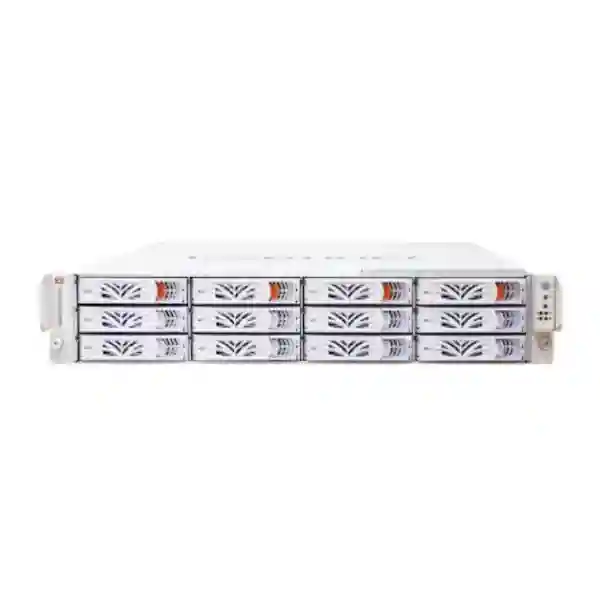
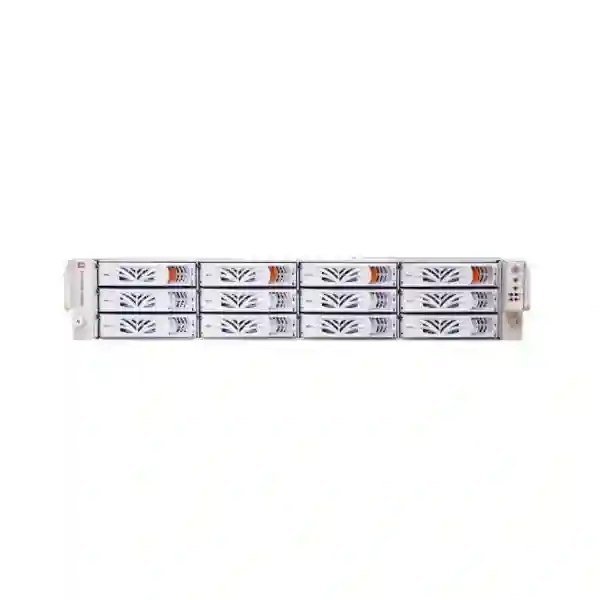
FortiSIEM FSM-2200G Tanzania
FortiSIEM FSM-2200G is an all-in-one FortiSIEM hardware appliance for organizations that need centralized security event visibility, operational monitoring and scalable SIEM architecture. Fortinet positions the 2200G as a Supervisor or Worker platform and specifies up to 20K events per second with collectors. The appliance does not include device or EPS licenses; those must be selected separately according to the monitored environment.
FortiSIEM 2200G overview
For security teams consolidating logs, events and infrastructure monitoring, the FSM-2200G provides a purpose-built hardware foundation for FortiSIEM. A procurement plan should begin with expected event volume, number of monitored devices, retention requirements, integration scope and deployment topology. These variables affect licensing and architecture, so a quotation should be based on measured requirements rather than appliance name alone.
Fortinet lists the FSM-2200G at up to 20K EPS with collectors.
The 2200G can serve as a Supervisor or Worker, supporting all-in-one and clustered FortiSIEM designs.
Device and EPS licenses are separate from the hardware appliance and should be sized for the intended environment.
Verified hardware specifications
| CPU | 2 × Intel Xeon Silver 4210R, 10C/20T, 2.4 GHz |
| Memory | 128 GB DDR4 ECC RDIMM |
| Network | 4 × 1GE RJ45 and 2 × 25GE SFP28 |
| Storage | 8 × 4 TB hot-swappable HDD plus 4 × 1.92 TB hot-swappable SSD |
| Usable event storage | Approximately 5.2 TB hot/SSD and 21 TB warm/HDD |
| Form factor | 2 RU |
Security operations and integration planning
A FortiSIEM project typically brings together telemetry from security devices, servers, applications, network infrastructure and other operational systems. Before deployment, document log sources, collection methods, expected daily and peak event rates, network zones, retention policies, administrator roles and incident workflows. This helps determine whether an all-in-one configuration is appropriate or whether Supervisor, Worker and Collector roles should be distributed.
Fortinet documents both all-in-one and cluster installation paths for the FSM-2200G. The setup process includes rack mounting, system verification, network configuration, license generation and registration, user-interface access and event-database selection. Organizations with remote sites should also consider where collectors are placed, how events traverse WAN links, and how growth in log volume may affect future capacity.
FortiSIEM FSM-2200G Tanzania
Organizations in Tanzania evaluating the FSM-2200G should frame procurement around measurable security-monitoring requirements. A useful starting point is an inventory of firewalls, switches, servers, endpoints, cloud workloads, business applications and other systems that will forward or expose telemetry. The project team should estimate both normal and peak EPS rather than relying only on device count, because event generation varies widely by source type and logging policy. Retention objectives should also be defined before purchase so that storage and database choices align with audit, investigation and operational needs.
For multi-site Tanzanian environments, collector placement and WAN design deserve early attention. Branches with constrained connectivity may benefit from an architecture that collects locally before forwarding to the central FortiSIEM deployment. Security teams should also document time synchronization, DNS, routing, firewall policies and administrative access before installation. The FSM-2200G has 1GE RJ45 and 25GE SFP28 interfaces, allowing network connectivity to be planned around the data-center switching environment, but interface selection should be validated against the actual topology.
Licensing is a separate procurement consideration. The appliance itself does not include device or EPS licenses, so a Tanzania quotation should state the hardware, required licensing quantities, support requirements and any associated deployment services independently. This reduces ambiguity and makes later expansion easier to plan. For broader Fortinet security projects, review FourTeck Tanzania technology solutions and discuss how SIEM monitoring can fit alongside the existing security architecture.
FortiSIEM FSM-2200G Dar es Salaam
Dar es Salaam enterprises commonly need security monitoring that can consolidate data from headquarters, data-center systems, branch connectivity and internet-facing services. For an FSM-2200G project, the important design question is not simply whether the appliance fits in the rack; it is how the complete monitoring architecture will handle event ingestion, retention, correlation and investigation. Build an asset and log-source register first, then identify high-volume sources and security-critical systems. This provides a defensible basis for EPS licensing and collector design.
Data-center readiness should include rack space for the 2 RU appliance, power planning, cooling, network ports and management access. Fortinet specifies front-to-back airflow and a defined operating environment, so facilities planning should be completed before commissioning. Teams should also identify whether 1GE or 25GE connectivity will be used and confirm compatible network optics and switching arrangements separately rather than assuming accessories are included.
A quotation request from a Dar es Salaam organization is more useful when it includes device count, estimated EPS, required retention, number of sites, desired deployment topology and target implementation window. That information allows hardware and licensing to be discussed together while keeping optional services visible. The goal is a design that can support current monitoring needs without obscuring the licensing and infrastructure implications of future growth.
FortiSIEM FSM-2200G Mwanza
For Mwanza organizations with distributed offices, operational sites or mixed IT infrastructure, FortiSIEM planning should focus on reliable collection and useful security visibility. Start by classifying log sources into network, security, server, application, identity and cloud categories. Then estimate peak event rates and identify which sources require continuous collection for investigations or compliance. This prevents the SIEM design from being based on a simple device count that may not reflect real event volume.
Where remote locations connect over WAN links, collector architecture can influence resilience and bandwidth use. The FSM-2200G can participate in a distributed FortiSIEM architecture as a Supervisor or Worker, while collectors can be positioned according to the environment. Network teams should validate routing, name resolution, time synchronization and access rules before deployment. Storage and event-database decisions should likewise reflect retention goals and expected growth.
Mwanza buyers should request a clearly itemized proposal separating the FSM-2200G appliance from device/EPS licensing and support. If integrations or deployment assistance are required, those should also be described as separate scope items. This makes technical comparison easier and gives the security team a clearer roadmap for future expansion.
FortiSIEM FSM-2200G Arusha
Arusha businesses evaluating FortiSIEM FSM-2200G can use the procurement stage to standardize how security events are collected across servers, networking, security appliances and business systems. The most useful sizing inputs are the number and type of monitored devices, measured or estimated EPS, retention requirements and expected growth. High-volume infrastructure should be identified separately so licensing is not based on averages that hide peak demand.
Installation planning should include rack capacity, power, cooling, management connectivity and access to the FortiCare licensing workflow. Fortinet’s hardware guide documents all-in-one and clustered deployment paths, so the chosen architecture should match operational scale and resilience objectives. Organizations with more than one site should also consider whether collectors are needed close to event sources and how WAN interruptions affect collection workflows.
When requesting an Arusha quotation, include the current environment and the intended monitoring outcome. For example, state whether the priority is centralized visibility, faster investigation, infrastructure monitoring, audit support or consolidation of multiple log-management tools. This helps align the appliance and license quantities with an actual operational requirement rather than purchasing capacity without a deployment model.
FortiSIEM FSM-2200G Dodoma
Dodoma organizations considering the FSM-2200G should begin with governance and data-retention requirements as well as technical sizing. Security monitoring projects often involve infrastructure owners, security teams, application teams and compliance stakeholders, so the log-source list and retention policy should be agreed before licensing is finalized. Fortinet states that device and EPS licenses are separate from the hardware, making accurate scope definition especially important.
For deployment, verify rack and environmental requirements, management network addressing, DNS, NTP, routing and required firewall access. The appliance does not have a default IP address in Fortinet’s documented setup workflow; initial network configuration is part of commissioning. If a cluster architecture is planned, Supervisor, Worker and Collector roles should be documented before equipment is installed.
A procurement checklist for Dodoma should therefore include the appliance, licensing, support, network connectivity, storage/retention assumptions, implementation responsibilities and acceptance criteria. A clear bill of requirements reduces the risk of discovering after installation that event volumes or monitored-device counts differ from the original estimate.
FortiSIEM FSM-2200G UAE
UAE deployments can use the FSM-2200G as a hardware foundation for centralized FortiSIEM operations in enterprise and multi-site environments. Planning should begin with measured event volume, monitored devices and retention rather than relying on generic sizing. Where environments include multiple data centers, branches or cloud workloads, teams should document collection paths and identify whether distributed collectors are required.
The appliance’s 1GE and 25GE interfaces provide options for data-center connectivity, while the Supervisor/Worker role supports scalable architecture choices. Licensing remains separate from the hardware, so procurement should explicitly identify EPS and device entitlements. UAE buyers can also review FourTeck Fortinet UAE solutions for related Fortinet planning.
Before implementation, confirm rack, power, cooling, network addressing, time services and access to licensing resources. A structured readiness review is particularly useful when the SIEM will ingest from segmented networks or multiple business units, because connectivity and ownership issues can otherwise delay onboarding.
FortiSIEM FSM-2200G Uganda
Uganda organizations can evaluate FSM-2200G for consolidated monitoring across security, network and server infrastructure. The design process should inventory event sources and estimate peak EPS, then map collection paths between sites. Where connectivity between branches and the central location is constrained, collector placement can become an important architectural decision.
The hardware appliance can operate as a Supervisor or Worker, allowing FortiSIEM architecture to expand beyond a single-node deployment. Device and EPS licensing must be purchased separately, so proposals should distinguish hardware capacity from licensed monitoring scope. For related regional planning, visit FourTeck Uganda.
A complete Uganda request for quotation should include sites, device types, EPS estimates, retention targets, integrations and support expectations. This gives the project team a clearer basis for selecting licensing and deployment services.
FortiSIEM FSM-2200G Kampala
Kampala enterprises planning centralized security operations should identify which systems need continuous monitoring and which events are most important for detection and investigation. The FSM-2200G supports up to 20K EPS with collectors according to Fortinet, but actual project sizing still depends on licensing and the complete architecture.
Data-center planning should verify the 2 RU rack requirement, power, airflow, network connectivity and management access. Teams should also determine whether an all-in-one deployment is appropriate or whether Supervisor, Worker and Collector roles should be distributed. Documenting these decisions before installation improves implementation predictability.
For procurement, separate appliance, EPS/device licenses, support and professional services in the quotation. This helps Kampala buyers compare scope accurately and plan future growth without treating the base appliance as a complete licensing bundle.
FortiSIEM FSM-2200G Arua
Arua deployments may involve remote connectivity and a mix of centralized and branch infrastructure. A FortiSIEM design should therefore consider how logs are collected during normal operation and how network interruptions affect forwarding. Collector placement can be evaluated as part of the topology rather than after the appliance is installed.
Security teams should inventory log sources, estimate EPS, define retention and identify priority integrations. These inputs drive licensing and help determine whether the FSM-2200G is best used in an all-in-one role or within a distributed architecture. Network addressing, DNS, NTP and firewall rules should be prepared before commissioning.
Arua buyers can improve quotation accuracy by providing the number of sites, monitored devices, expected event rates and required implementation scope. This creates a clearer technical baseline for procurement and expansion planning.
FortiSIEM FSM-2200G Mbarara
Mbarara organizations assessing FortiSIEM should consider both current monitoring needs and expected growth in event sources. New applications, cloud services, network devices and security controls can materially change EPS, so sizing should include a reasonable expansion scenario without making unsupported capacity assumptions.
The FSM-2200G combines substantial local HDD and SSD capacity with FortiSIEM’s hardware deployment model. Retention policy and database architecture should still be planned carefully, because usable event storage and retention duration depend on event volume and implementation choices. Licensing for devices and EPS is separate.
For Mbarara procurement, document monitoring objectives, sites, device categories, EPS estimates and retention. Add implementation and support requirements separately so the final proposal shows exactly what is included.
FortiSIEM FSM-2200G Gulu
Gulu organizations can approach FSM-2200G deployment as a security-operations architecture project rather than a standalone appliance purchase. The value of SIEM depends on the quality of connected data sources, collection reliability, event normalization and operational processes around investigation and response.
Before purchase, identify monitored devices and expected EPS, then define retention and collection topology. If multiple locations are involved, assess WAN capacity and collector placement. The 2200G can operate as Supervisor or Worker and supports all-in-one or clustered installation approaches documented by Fortinet.
A detailed Gulu quotation request should include hardware, separate device/EPS licensing, support and any implementation scope. Clear requirements make it easier to plan both initial deployment and later scaling.
FortiSIEM FSM-2200G Kenya
Kenya enterprises evaluating the FSM-2200G should map event sources across data centers, offices, cloud platforms and security controls before licensing. Peak EPS and retention targets are core sizing inputs, while distributed sites may require collectors to improve collection architecture.
The appliance provides 1GE and 25GE network connectivity and can function as a Supervisor or Worker. Fortinet specifies up to 20K EPS with collectors, but device and EPS licenses are not included. For regional procurement context, see FourTeck Kenya.
Kenya buyers should request itemized hardware, licensing, support and services. Include expected integrations and retention so the proposed architecture reflects the actual environment.
FortiSIEM FSM-2200G Kuwait
Kuwait organizations can use the FSM-2200G in FortiSIEM architectures that centralize monitoring across security and infrastructure systems. Planning should cover EPS, device counts, retention and collection topology before hardware and licensing are finalized.
Facilities teams should verify rack space, power, cooling and front-to-back airflow, while network teams prepare addressing, DNS, NTP and routing. The appliance’s device and EPS licensing is purchased separately, so quotation scope should state these entitlements clearly. Regional buyers can review FourTeck Kuwait.
A structured requirements document helps prevent gaps between appliance capacity, licensed event volume and operational expectations. Include support and deployment assistance as explicit line items where needed.
FortiSIEM FSM-2200G Ghana
Ghana organizations planning SIEM modernization can evaluate FSM-2200G as a dedicated FortiSIEM hardware platform. Begin by identifying the infrastructure that generates security-relevant events and measuring or estimating peak EPS. Define retention and investigation requirements so storage and licensing discussions have a concrete basis.
Distributed environments should assess collector placement and WAN connectivity, while data-center teams verify rack, power, cooling and network interfaces. The 2200G supports Supervisor or Worker roles, allowing it to fit into more than one deployment topology. See FourTeck Ghana for regional technology enquiries.
Procurement should distinguish the hardware appliance from separately purchased device and EPS licenses. Include support and implementation requirements so the proposal reflects the complete project rather than hardware alone.
FortiSIEM FSM-2200G Nigeria
Nigeria enterprises with high numbers of network, server and security systems can benefit from disciplined SIEM sizing. The FSM-2200G is specified for up to 20K EPS with collectors, but teams should calculate their own event profile and licensing needs. Peak event bursts, new integrations and retention targets should be considered during architecture design.
For multi-site environments, map where collectors will operate and how event traffic reaches the Supervisor/Worker infrastructure. Validate management networking, DNS, NTP, firewall policies and data-center readiness before installation. The device/EPS licenses are separate from the appliance. Regional enquiries can reference FourTeck Nigeria.
A Nigeria quotation should list the appliance, licensing quantities, support and any professional services separately. This makes expansion planning clearer and reduces ambiguity around what the hardware purchase includes.
FortiSIEM FSM-2200G Seychelles
Seychelles organizations considering centralized security monitoring should assess the FSM-2200G against their actual number of monitored systems, event rates and retention objectives. In island or distributed-site environments, WAN dependencies can be especially important when deciding where collectors should be placed.
The appliance can be deployed in all-in-one or clustered FortiSIEM designs and can operate as a Supervisor or Worker. Data-center readiness includes rack, power, cooling, network connectivity and management access. Licensing for devices and EPS is separate and should be calculated before purchase.
For quotation preparation, provide device categories, EPS estimates, number of sites, retention goals and integration priorities. A clear technical scope supports better procurement decisions and gives the project team a defined path for implementation and later growth.
Deployment and quotation checklist
Before requesting a quote, prepare: monitored device count and categories; measured or estimated normal and peak EPS; retention requirements; number of physical and cloud sites; preferred all-in-one or distributed architecture; collector requirements; network interface requirements; integration list; support expectations; implementation scope; and anticipated growth. Confirm device and EPS licensing separately from the FSM-2200G appliance.
FortiSIEM FSM-2200G FAQ
What is the FSM-2200G?
It is Fortinet’s FortiSIEM 2200G all-in-one hardware appliance, designed for FortiSIEM deployments and usable in Supervisor or Worker roles.
How many events per second does it support?
Fortinet’s current datasheet specifies up to 20K EPS with collectors for the FSM-2200G.
Are device and EPS licenses included?
No. Fortinet states that device and EPS licenses must be purchased separately.
What should I provide for a quotation?
Provide monitored device counts, estimated EPS, retention requirements, sites, integrations, collector requirements, support expectations and implementation scope.
Decision recap and consultation
FortiSIEM FSM-2200G is suited to organizations seeking a dedicated FortiSIEM hardware platform with scalable collection architecture. The key purchasing decisions are not limited to the appliance: EPS, device licensing, retention, collector placement, integration scope and support should be defined together. FourTeck can use these requirements to prepare a more precise commercial and deployment discussion.


Reviews
There are no reviews yet.