
GWN7672WM Tanzania
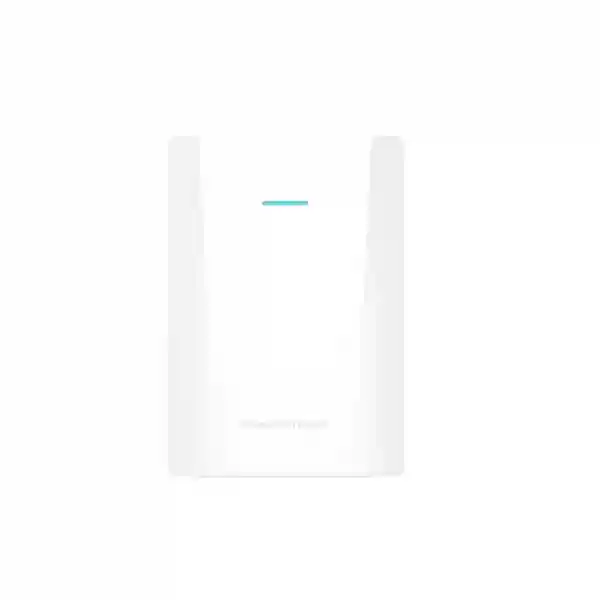
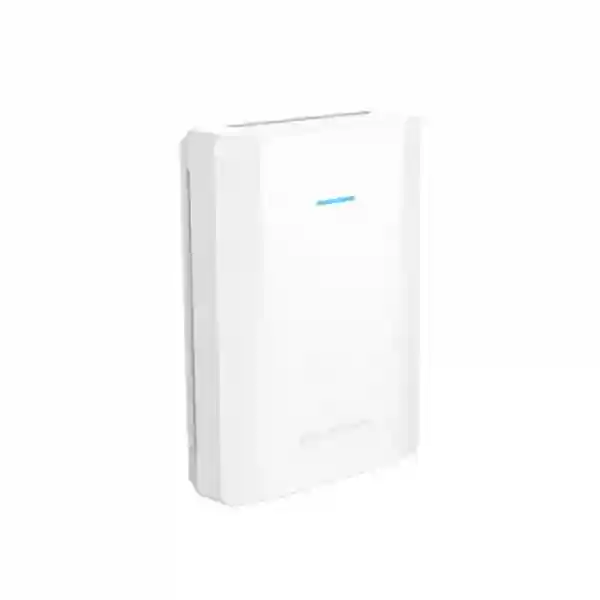
The Grandstream GWN7672WM is a wall-mounted BE11000 tri-band Wi‑Fi 7 access point designed for medium-scale, high-density indoor wireless environments. It combines 2.4 GHz, 5 GHz and 6 GHz radios, 2×2:2 MU-MIMO on each band, Wi‑Fi 7 technologies including Multi-Link Operation, 4096-QAM, Multi-RU and preamble puncturing, and a discreet form factor that supports junction-box, in-wall and on-wall installation. For businesses planning new wireless deployments or refreshing older Wi‑Fi infrastructure, the GWN7672WM offers a practical route to higher wireless capacity while maintaining flexible network management and PoE-powered installation.
✓ Tri-band Wi‑Fi 7, 2×2:2 MU-MIMO
✓ 1 × 5GbE RJ45 with PoE+ input
✓ Up to 384 concurrent Wi‑Fi clients
✓ Up to 48 SSIDs, 16 per radio
✓ Up to 2,500 PPSK accounts
✓ Embedded, cloud and on-premise management
What the GWN7672WM is designed to solve
Business wireless networks are increasingly expected to carry collaboration traffic, cloud applications, voice, guest access, mobile devices and large numbers of endpoints at the same time. The GWN7672WM is designed for indoor environments where both network capability and discreet wall-oriented installation matter. Grandstream specifies up to 11 Gbps aggregate wireless throughput across its three radios and support for as many as 384 concurrent clients. Those figures are maximum platform capabilities rather than guaranteed real-world performance; practical throughput and coverage depend on client capabilities, channel planning, interference, building materials, regulatory settings, upstream switching and internet bandwidth.
For procurement teams in Tanzania, the important question is not simply whether an access point supports Wi‑Fi 7. A useful deployment also needs suitable PoE+, a wired path that can take advantage of the 5GbE interface, sensible VLAN and SSID design, a management model, and a radio plan appropriate for the building. FourTeck Tanzania can be used as a starting point for broader business technology planning through the FourTeck Tanzania technology solutions overview, while product buyers can also review the Tanzania IT and networking shop for related infrastructure.
Tri-band Wi‑Fi 7
Three radios cover 2.4 GHz, 5 GHz and 6 GHz with Wi‑Fi 7 support. Available channels and transmit settings remain subject to regional regulation and client support.
5GbE PoE+ uplink
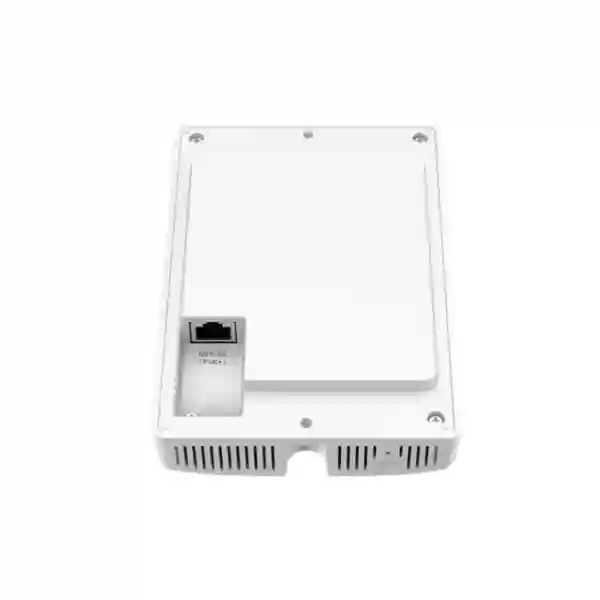
The current Grandstream technical specification lists one 5GbE RJ45 interface with PoE+ input, helping reduce a potential wired bottleneck when paired with suitable switching.
Flexible mounting
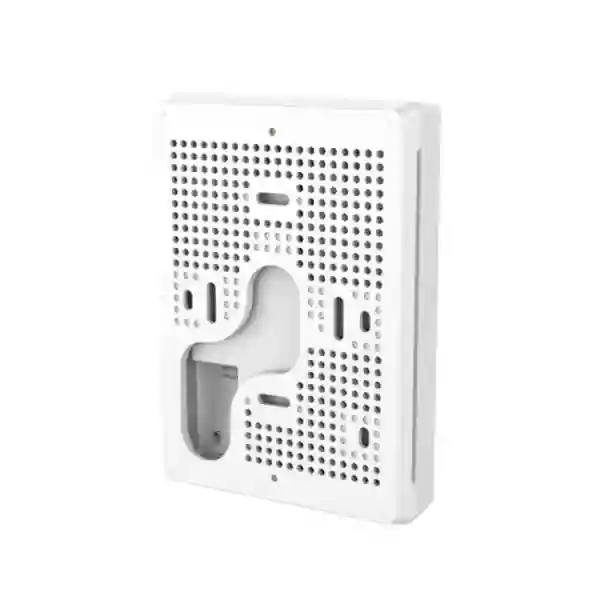
Junction-box, in-wall and on-wall mounting options, together with a paintable front cover, make the model relevant to offices, hospitality areas, meeting spaces and other appearance-sensitive interiors.
Scalable management
Management options include the local Web UI, embedded controller, GWN App, GDMS Networking and GWN Manager, allowing buyers to choose local, cloud or on-premise operational models.
Verified technical specifications
| Wireless standard | IEEE 802.11a/b/g/n/ac/ax/be, Wi‑Fi 7 |
| Radios | Tri-band 2×2:2 MU-MIMO on 2.4 GHz, 5 GHz and 6 GHz |
| Maximum aggregate wireless rate | Up to 11 Gbps |
| Network interface | 1 × 5GbE RJ45 with PoE input |
| Power | PoE+ IEEE 802.3at; maximum consumption 25.5 W |
| Concurrent clients | Up to 384 |
| SSIDs | 48 total, up to 16 per radio |
| PPSK | Up to 2,500 accounts |
| Coverage | Up to 175 m under suitable conditions; actual coverage varies |
| Management | Local Web UI, embedded controller, GWN App, GDMS Networking, GWN Manager, TR-069 and SNMP |
| Security | WPA2/WPA3, Enhanced Open, PMF, secure boot, digital signatures, unique device certificate, WIDS and client isolation |
| Dimensions | 168.95 × 118.95 × 39.1 mm |
Planning the wired network around a Wi‑Fi 7 access point
A Wi‑Fi 7 access point can only perform as well as the infrastructure around it. The GWN7672WM’s 5GbE interface makes multigigabit switching an important consideration for sites expecting high local throughput. The selected switch also needs enough PoE+ budget, not merely enough physical ports. For multiple APs, planners should total the expected power draw and retain operational headroom. VLANs can separate corporate, voice, guest, IoT or operational traffic, while QoS policies should be aligned with real applications rather than added indiscriminately. FourTeck’s Tanzania IT services and integration page provides context for design, configuration and deployment work around the access point.
The 6 GHz band deserves special planning. It can provide valuable additional spectrum for compatible clients, but availability and channel use differ by regulatory region, and many installed devices will still connect on 2.4 GHz or 5 GHz. A mixed client population is therefore normal. Wi‑Fi 7 features such as MLO can improve efficiency for compatible devices, while older clients continue using the standards they support. During design, it is better to measure user density, device mix, room layout, wall construction and application behavior than to use maximum coverage distance as the only AP-count calculation.
GWN7672WM Tanzania
For organizations evaluating the Grandstream GWN7672WM in Tanzania, the strongest use case is a new or refreshed indoor wireless design where high client density, modern Wi‑Fi capability and neat wall installation are all important. Offices, hotels, clinics, schools, professional-service firms, retail environments, meeting areas and multi-room facilities can benefit from an AP that is designed to sit unobtrusively in occupied spaces. The unit’s support for up to 384 concurrent clients is a platform ceiling, not a recommendation to place 384 active users on every AP. Practical capacity planning should consider simultaneous traffic, client radio capability, airtime demand and expected application mix.
A Tanzania deployment should start by validating the physical environment and the available wired infrastructure. If existing switches provide only 1GbE ports, the AP can still be integrated into a network design, but the wired side may limit the value of the 5GbE interface. Where higher throughput is a project goal, multigigabit switching, suitable Cat6/Cat6A cabling and the switch PoE+ budget should be checked together. Power resilience is also relevant for business Wi‑Fi; placing PoE switches on UPS-backed circuits can help keep access points online during short power interruptions, subject to the wider network and internet equipment also being protected.
For businesses with multiple SSIDs, the model supports up to 48 in total, with up to 16 per radio. That does not mean every project should create many SSIDs. Too many wireless networks increase management complexity and can consume airtime through additional beaconing. A more maintainable design usually defines a small number of networks for well-understood purposes such as employees, guests, voice or controlled device groups, with VLANs and authentication mapped accordingly. PPSK support can provide individualized access without a single shared password, depending on the chosen deployment model.
Procurement should also verify regional radio regulations, required quantities, mounting conditions, switch compatibility, management preference and client readiness before the quotation is finalized. Buyers seeking a complete design can pair access-point selection with switching, firewall, cabling and voice requirements rather than purchasing Wi‑Fi in isolation. This is particularly useful for new offices and renovation projects where network outlets, PoE budgets and AP locations can be planned before finishing work.
GWN7672WM Dar es Salaam
Dar es Salaam businesses often have dense indoor network requirements across offices, hospitality sites, retail spaces, clinics, education facilities and mixed commercial premises. The GWN7672WM can be considered where a discreet wall-mounted access point is preferable to a conventional ceiling model and where the network is being designed for Wi‑Fi 7 capable endpoints while continuing to serve Wi‑Fi 6 and earlier devices. Its tri-band architecture gives planners access to 2.4 GHz, 5 GHz and 6 GHz resources, subject to regional rules and client support, which can help separate different generations of devices and reduce contention in busy areas.
In a Dar es Salaam office, the most important design step is often an RF and usage assessment rather than a simple square-metre calculation. Reinforced walls, glass partitions, lift cores, corridors, meeting rooms and dense seating can change signal behavior significantly. An AP mounted attractively in a reception or meeting area may need a different placement strategy from one serving open-plan workstations. The GWN7672WM’s junction-box, in-wall and on-wall options allow the physical installation to be coordinated with room finishes, but the final location still needs to prioritize radio performance and accessible structured cabling.
High-throughput applications should also be considered end to end. A 5GbE AP connected to a 1GbE access switch remains limited by the switch connection. If the purpose of the upgrade is to support fast local transfers, high-resolution collaboration, many simultaneous users or newer Wi‑Fi 7 clients, the switch, uplink and cabling should be sized as part of the same project. Where the site uses IP phones, CCTV cameras and other PoE devices, the combined PoE budget needs to be calculated so that AP power does not compete unexpectedly with other endpoints.
For procurement in Dar es Salaam, request a quotation that states the AP quantity, expected users, floor plan, existing switch models, internet bandwidth, VLAN requirements and whether cloud or local management is preferred. That information helps turn a product request into a deployable design. Organizations with branch offices can also standardize SSID names, authentication and VLAN policy across multiple locations while allowing channel plans and AP quantities to differ by building.
GWN7672WM Mwanza
Mwanza buyers considering the GWN7672WM should evaluate it as part of a complete indoor wireless system rather than as a stand-alone speed upgrade. The model brings tri-band Wi‑Fi 7, a 5GbE PoE+ network connection and centralized management options into a wall-oriented form factor, making it relevant for business premises where visible ceiling hardware may not be ideal. In offices, hotels, training centres, healthcare environments and customer-facing areas, the paintable front cover can help the AP fit into interior design requirements while still providing enterprise wireless functionality.
A useful Mwanza deployment plan starts with client and application mapping. Staff laptops may need dependable roaming and cloud access; guests may need isolated internet connectivity; IP phones or Wi‑Fi calling endpoints may need predictable latency; scanners or operational devices may stay on 2.4 GHz; and newer laptops or phones may use 6 GHz. The GWN7672WM can accommodate this mixed environment, but good results depend on sensible SSID design, band steering policy, channel planning and security settings. Grandstream’s support for 802.11k/v/r roaming can assist mobility when multiple APs are designed as one coordinated network.
The number of APs should be based on capacity as well as coverage. One access point may technically be heard from a long distance while still being unsuitable for a dense room with many active users. Conversely, too many APs installed without power and channel tuning can increase interference. For multi-floor buildings, planners should account for vertical signal propagation and avoid treating each floor in isolation. Cabling routes and switch locations should support the chosen AP positions, and PoE+ availability must be verified before installation.
Mwanza procurement teams can improve quotation accuracy by specifying building type, floor count, approximate users per area, applications, security requirements and existing infrastructure. If a site already uses Grandstream networking, the embedded controller, GDMS Networking or GWN Manager may fit existing operational practices. For new deployments, management choice should be made according to who will administer the network, how many sites are involved and whether remote visibility is important.
GWN7672WM Arusha
In Arusha, the GWN7672WM is particularly relevant to customer-facing businesses, hospitality operations, professional offices, education environments and organizations that want high-capacity indoor Wi‑Fi without making the access point visually dominant. Its wall-oriented enclosure and mounting flexibility can suit guest rooms, reception spaces, meeting rooms, corridors or work areas when an RF survey confirms those positions are appropriate. The device supports modern Wi‑Fi 7 capabilities while retaining compatibility with earlier Wi‑Fi standards, which is important in locations serving a diverse mix of staff and visitor devices.
Hospitality and event-oriented environments should pay close attention to guest-network design. A guest SSID should be separated from business systems, and captive portal or authentication choices should match the operating model. Client isolation, VLAN segmentation and firewall policy can reduce unnecessary access between guest devices and protected resources. The GWN7672WM supports captive portals and multiple authentication methods, but those functions need to be configured consistently with the broader network. A well-designed guest network is not simply an open SSID with internet access; it includes addressing, bandwidth policy, monitoring and operational procedures.
For offices and meeting spaces in Arusha, low-latency collaboration and voice traffic can benefit from a clean RF environment and thoughtful QoS. Wi‑Fi 7 technologies can improve efficiency for compatible endpoints, yet internet performance still depends on the WAN connection and firewall. If video meetings are poor because the internet circuit is saturated, replacing the AP alone will not fix the root cause. Similarly, an AP capable of multigigabit throughput should be matched to suitable switching when high local performance is required.
A procurement request should therefore include expected guest and staff concurrency, peak event usage if applicable, building layout, existing network equipment and management preference. For hospitality rooms, the physical mounting method and cable availability are as important as radio specifications. For larger properties, centralized monitoring and standardized configurations can simplify ongoing operations, particularly when access points are distributed across many rooms or buildings.
GWN7672WM Dodoma
Dodoma organizations planning new offices, institutional buildings, training facilities or commercial spaces can consider the GWN7672WM where modern wireless capability and controlled indoor installation are priorities. Its tri-band Wi‑Fi 7 radios are designed to serve demanding environments, while the 5GbE PoE+ uplink provides a wired path beyond standard Gigabit Ethernet when connected to compatible switching. Because the unit can be mounted in a junction box, in-wall or on-wall, network outlets and mounting points can be coordinated with a new-build or renovation plan rather than added as an afterthought.
For government, education and enterprise-style environments, network segmentation is often a central requirement. Different SSIDs can map to staff, guest, operational or managed-device VLANs, while WPA3, 802.1X, PPSK and captive portal capabilities provide several authentication choices. The correct method depends on identity infrastructure, device ownership and administrative resources. A complex authentication design is not automatically more secure if it cannot be maintained, so selection should balance policy with operational capability.
Dodoma sites with multiple APs should also plan roaming. Grandstream lists 802.11k/v/r and Layer 2 roaming support, which can help compatible clients move between access points. However, seamless user experience requires overlapping coverage, consistent SSID/security settings and sensible radio-power levels. Increasing transmit power indiscriminately can create sticky-client behavior where devices remain connected to a distant AP. Survey-driven design and post-installation validation are therefore valuable, particularly in corridors, large meeting rooms and multi-storey premises.
Before ordering, procurement teams should identify the expected number of APs, switch model and PoE capacity, uplink design, cable category, authentication approach and management platform. When the wireless network is part of a wider infrastructure project, coordination with firewall rules, DHCP services, DNS, internet capacity and UPS protection reduces commissioning problems. The GWN7672WM can provide the access layer, but reliable business Wi‑Fi depends on the full path from the client through the LAN to the applications being used.
GWN7672WM UAE
For UAE projects, the GWN7672WM can suit offices, hospitality sites, retail outlets and other indoor environments where high-capacity Wi‑Fi and a discreet wall-oriented installation are required. The model’s tri-band Wi‑Fi 7 architecture provides access to 2.4 GHz, 5 GHz and 6 GHz spectrum subject to local regulations. Buyers should confirm the regulatory domain and approved channel plan for the exact deployment before assuming that every channel shown in a global datasheet can be used locally. This is especially important for 6 GHz, where regional rules can differ.
Enterprise and hospitality networks in the UAE frequently place a premium on consistent user experience across dense spaces. The GWN7672WM’s support for up to 384 clients is useful as a planning reference, but real capacity is determined by active traffic rather than association count alone. A conference floor with simultaneous video calls, for example, has different requirements from a corridor where users are mostly idle. Channel reuse, AP spacing, client mix and upstream capacity should be engineered around peak behavior.
The 5GbE PoE+ interface can be valuable in newer structured cabling environments equipped with multigigabit switches. Designers should verify cable quality and distance, switch port capability and PoE budget. A modern AP connected to legacy switching may still operate, but the project should document the resulting bottleneck. For multi-site organizations, cloud or on-premise management can provide centralized visibility and policy consistency. Regional FourTeck buyers can also reference FourTeck UAE technology solutions when coordinating wider infrastructure requirements.
A useful UAE quotation request should state the site type, floor area, expected concurrent users, client categories, existing switches, internet speed, VLAN design and whether guest portals or enterprise authentication are required. For fit-out projects, final AP placement should be coordinated with interior finishes but not driven by aesthetics alone. The radio environment and cable pathway remain essential to performance.
GWN7672WM Uganda
Uganda organizations upgrading business Wi‑Fi can consider the GWN7672WM for indoor spaces that need modern capacity, Wi‑Fi 7 features and flexible wall mounting. It can support a mixture of current and legacy wireless clients while introducing 6 GHz for compatible devices where permitted. The model’s management options are useful for businesses that want a choice between local administration and centralized remote management, particularly where more than one branch or site is involved.
A Uganda deployment should be sized from real traffic requirements. Retail branches may prioritize point-of-sale reliability and guest isolation; schools may have bursts of many student devices; offices may combine voice, video and cloud applications; healthcare sites may need careful segmentation of staff, guest and operational devices. These environments should not use identical configurations merely because they use the same AP model. SSID count, VLAN design, transmit power, channel width and authentication need to match each location.
Power and switching are also important. PoE+ simplifies installation because a single Ethernet cable can carry data and power, but the switch must provide the required standard and adequate total power budget. If the project expects to exploit the AP’s 5GbE interface, a multigigabit switch port and appropriate cabling are needed. Branch sites using lower-speed WAN links may still benefit from improved wireless efficiency, but internet-bound traffic will remain limited by WAN capacity.
For projects spanning Tanzania and Uganda, consistent design standards can reduce operational effort while leaving room for local RF tuning. SSID names, security policies, management conventions and documentation formats can be standardized across branches. The FourTeck Uganda solutions site can support regional coordination for associated networking and IT requirements. Procurement should confirm quantities, mounting approach, switch compatibility, user density and required support scope before finalizing an order.
GWN7672WM Kampala
Kampala has many office, education, hospitality, healthcare and retail environments where wireless capacity and appearance both matter. The GWN7672WM’s wall-mounted design can be useful in finished interiors where access points need to integrate visually, while its Wi‑Fi 7 platform is intended for medium-scale, high-density indoor deployments. Buyers should view the model as one component of a network architecture rather than assuming a single high-specification AP will solve every coverage problem.
In dense Kampala office spaces, AP placement should account for meeting rooms, corridors, concrete walls, neighboring wireless networks and the distribution of users throughout the day. An AP near a reception area may see light traffic most of the time but experience bursts during events; a meeting room may have fewer devices but sustained high-bandwidth video traffic. Capacity planning should account for those patterns. Using 6 GHz for compatible clients can provide additional spectrum, while older endpoints continue on 2.4 or 5 GHz.
Security design should distinguish between authentication and segmentation. WPA3 or 802.1X can control who joins a network, but VLANs and firewall policy govern where joined devices can communicate. Guest access should normally be isolated from internal systems. PPSK can support per-user or per-device credentials in environments that want stronger accountability than one shared passphrase without necessarily running full enterprise authentication. Grandstream specifies up to 2,500 PPSK accounts on this model.
A Kampala quotation should include floor plans where possible, expected users by area, existing switch and firewall models, internet services, guest-network needs and whether centralized remote management is required. Installation plans should include PoE+ validation, cable testing and post-deployment wireless checks. For multi-branch organizations, naming standards, configuration templates and documentation can be prepared centrally so that each branch remains understandable to support teams even when local radio settings differ.
GWN7672WM Arua
Arua businesses and institutions can evaluate the GWN7672WM where a compact wall-mounted access point is preferable and where future-ready wireless capabilities are valuable. The device supports Wi‑Fi 7 but remains compatible with earlier 802.11 standards, so an upgrade does not require every client to be replaced immediately. This allows organizations to modernize the wireless infrastructure while endpoints transition over time. The 2.4 GHz band can continue serving devices that depend on range or older radios, while newer devices may benefit from 5 GHz or 6 GHz.
For sites where IT resources are distributed across branches, management choice matters. Local Web UI and embedded control can suit smaller networks, while GDMS Networking or GWN Manager can provide centralized oversight. Remote monitoring can reduce the need to visit a site for every configuration check, but it should be combined with good documentation and access-control practices. Administrator credentials, firmware policy, configuration backups and ownership of the management account should be defined at handover.
Arua deployments should also consider the resilience of the supporting infrastructure. An access point powered by PoE+ depends on its switch, and the switch depends on stable power and an upstream network. UPS protection, surge considerations and organized rack installation may be appropriate according to the site. Where internet connectivity is constrained, Wi‑Fi 7 does not increase the speed of the internet circuit, but it can still improve the local wireless network and client handling when designed correctly.
For procurement, provide approximate users, floor layout, existing cabling, switch type, required SSIDs and planned applications. If the site is being renovated, AP mounting and cable routes can be incorporated before walls and finishes are complete. If it is an existing building, an installation survey can identify practical locations without unnecessary disruption. The goal is to combine suitable RF placement with maintainable physical installation, rather than choosing positions only because they are convenient for cabling.
GWN7672WM Mbarara
Mbarara organizations looking for a modern indoor access point can consider the GWN7672WM for business areas where user density, roaming and discreet mounting are significant. Its tri-band 2×2:2 architecture is designed to use 2.4, 5 and 6 GHz resources, and Wi‑Fi 7 functions such as MLO, 4096-QAM, Multi-RU and preamble puncturing are intended to improve performance and spectrum efficiency for compatible clients. These features are most valuable when the overall RF environment and upstream network are designed to support them.
Education and training environments are a good example of why capacity planning matters. A classroom or training room may go from minimal traffic to dozens of active devices within minutes. Cloud-based learning platforms, software downloads and video can create concentrated demand. Rather than stretching one AP across too large an area, planners should consider user density per room and channel reuse across adjacent rooms. The GWN7672WM’s client capacity is a technical ceiling; practical design should aim for predictable performance at peak usage.
Hospitality and business sites may place more emphasis on guest access, roaming and appearance. Wall mounting can fit certain room layouts well, but the AP should not be hidden behind furniture, metal objects or other obstructions that reduce radio performance. The paintable front cover can help visual integration without placing the unit in a poor RF position. Where multiple APs are deployed, 802.11k/v/r support can assist compatible clients as they move through the site.
For Mbarara quotations, list the number and type of spaces, expected users, existing wired ports, switch speeds, PoE+ availability and whether separate staff and guest networks are required. A network upgrade may also involve firewall policy and structured cabling. Testing after installation should verify coverage, roaming and application experience in the areas that matter, not only whether the phone shows a strong Wi‑Fi icon.
GWN7672WM Gulu
Gulu offices, institutions, hotels and commercial organizations can use the GWN7672WM as part of a planned move toward higher-capacity indoor wireless networking. The wall-oriented form factor is relevant where ceiling access is difficult, aesthetics matter or junction-box installation fits the building design. Because the AP includes Wi‑Fi 7 along with compatibility for earlier Wi‑Fi generations, it can support a gradual client upgrade cycle rather than forcing every endpoint to be replaced at once.
The wired design should be reviewed before installation. Grandstream’s current technical specification lists one 5GbE RJ45 interface with PoE input. A site that wants multigigabit wired connectivity therefore needs a compatible switch port and suitable cable. If the existing LAN is 1GbE, the AP can still join the network, but procurement teams should understand that the wired uplink can become the limiting path. PoE+ capacity should also be verified across all powered devices on the switch.
For Gulu environments with guest access, a separate guest VLAN and suitable firewall rules can reduce the risk of visitors reaching business systems. For staff networks, organizations can choose WPA2/WPA3, enterprise authentication or PPSK according to operational needs. The product also supports client isolation and WIDS features. Security settings should be paired with sensible administrator practices, including unique credentials, controlled access to the management platform and a defined firmware-update process.
A strong quotation request includes floor dimensions, wall construction where known, current network diagram, switch models, users per zone and application priorities. If voice-over-Wi‑Fi is important, roaming and latency should be tested with the actual handsets or applications used by staff. If the site will be expanded later, cable routes and switch capacity can be planned with spare capacity so additional APs can be integrated without redesigning the entire access layer.
GWN7672WM Kenya
Kenya businesses evaluating the GWN7672WM can use it for indoor Wi‑Fi 7 upgrades in offices, hospitality, retail, education and customer-facing environments where wall installation is desirable. Tri-band 2×2:2 radios provide 2.4, 5 and 6 GHz connectivity, while the 5GbE PoE+ interface allows the AP to connect to multigigabit switching. As with any high-performance access point, the practical value of those capabilities depends on the wired LAN, regulatory channel plan and actual clients in use.
For Nairobi-style high-density office environments or regional branches, neighboring networks and internal RF conditions can strongly influence performance. Wide channels can deliver high peak rates but consume more spectrum, so channel width should be chosen according to density and interference rather than set to the maximum everywhere. A site with many APs often benefits from a more conservative channel plan than a small isolated office. RF validation after installation should confirm that users can roam and that coverage overlaps are appropriate.
The GWN7672WM can be managed through local, cloud or on-premise Grandstream tools, which can suit organizations with different operational preferences. Multi-site businesses may value centralized monitoring, template-based configuration and remote troubleshooting, while a smaller site may prefer the embedded controller. The decision should consider who will operate the network, how access is secured and how configurations are backed up. Kenya projects can also reference FourTeck Kenya IT and networking solutions for regionally coordinated requirements.
Procurement should document the AP count, intended mounting method, existing switch ports, PoE budget, internet service, VLANs and authentication requirements. For new premises, coordinate AP locations with structured cabling before ceilings and walls are finalized. For existing sites, avoid placing units solely where an old access point happened to be; Wi‑Fi 7 radio behavior, new user density and changed floor layouts may justify a different design.
GWN7672WM Kuwait
Kuwait projects can consider the GWN7672WM when upgrading indoor business wireless networks to Wi‑Fi 7 while preserving a neat wall-mounted appearance. The AP’s tri-band design can serve modern clients across 2.4, 5 and 6 GHz, subject to local spectrum rules, and its 5GbE PoE+ network interface supports integration with modern multigigabit switching. Buyers should verify regional radio configuration and compliance requirements for the supplied unit rather than assuming global settings are identical in every country.
High-density office, hospitality and retail deployments need more than headline data rates. RF planning should account for walls, glass, neighboring networks, meeting-room occupancy and the distribution of users. Wide 160 MHz or 320 MHz channels may be attractive for peak speed, but they are not always the best choice in a dense network because spectrum must be reused across multiple APs. Channel-width decisions should therefore be made as part of a site design rather than copied from laboratory maximums.
The wall-mounted form factor may be especially useful where a ceiling AP would conflict with interior design or where network cabling is already available in wall boxes. However, location convenience should not override radio quality. The AP should remain clear of large metal surfaces and obstructions where possible, with accessible cable routing and a verified PoE+ source. For business continuity, the PoE switch and upstream firewall/router can be connected to UPS protection when appropriate.
Kuwait procurement teams should request a design based on expected concurrent users, applications, floor plan, current switch speeds and security requirements. Guest access, staff authentication, VLANs and captive portals should be decided before deployment so the network can be configured consistently. Central management can be useful for multiple branches, while embedded management can simplify smaller installations. Final commissioning should test coverage and real applications, not just theoretical link rates.
GWN7672WM Ghana
Ghana organizations planning Wi‑Fi 7 upgrades can assess the GWN7672WM for offices, hotels, schools, clinics and commercial premises where indoor capacity and unobtrusive mounting matter. Its Wi‑Fi 7 feature set is designed for efficient use of spectrum and high client demand, while compatibility with earlier standards helps maintain service for existing devices. Buyers should expect a mixed environment during the transition to Wi‑Fi 7 and plan each band according to the devices actually in use.
In Accra and other dense commercial areas, surrounding Wi‑Fi can contribute to interference, especially in 2.4 GHz and 5 GHz. The addition of 6 GHz can provide cleaner spectrum for compatible clients, but signal characteristics and regional rules still need to be considered. A survey can identify where channels are congested and where walls or structural elements reduce coverage. The GWN7672WM’s quoted maximum 175-metre range is an ideal-condition reference and should not be used as a guaranteed indoor radius.
For businesses that separate staff and visitors, VLAN mapping and firewall policy are central to the design. Guest users can be placed on an isolated network while staff access protected resources through stronger authentication. PPSK can be useful where individual credentials are desirable without a shared password. If the organization already operates a RADIUS environment, 802.1X may be appropriate. The chosen security model should be documented so that future administrators understand how users and devices are admitted.
Procurement should confirm PoE+, switch speed, cable quality, management platform and mounting conditions. Where several APs are deployed, centralized monitoring can make performance and configuration issues easier to identify. For larger projects, the wireless design should be coordinated with internet services, firewalls and core switching so that a high-capacity AP is not constrained by another part of the network. A pilot area can also be useful before rolling out the same design to many rooms or branches.
GWN7672WM Nigeria
Nigeria businesses with demanding indoor wireless requirements can consider the GWN7672WM for Wi‑Fi 7 deployments in offices, hotels, retail sites, healthcare, education and professional environments. The device provides a tri-band platform and supports up to 384 associated clients, but its best use comes from capacity planning rather than simply maximizing associations. A branch with many light-use devices needs a different design from a collaboration-heavy office where dozens of users run video meetings and cloud applications simultaneously.
In Lagos, Abuja and other busy urban environments, RF congestion can be significant. Proper channel planning, AP placement and transmit-power tuning are important for predictable performance. 6 GHz can provide additional capacity for compatible clients, while 2.4 and 5 GHz continue serving the broader installed base. Wi‑Fi 7 technologies such as MLO can improve efficiency for supported devices, but planners should avoid presenting those gains as guaranteed speed for every user because client capability, signal quality and upstream traffic all influence results.
Power design deserves attention in business networks. PoE+ makes AP installation cleaner by eliminating a separate local power adapter, but the switch must have enough total power capacity for all connected endpoints. UPS support can protect switches, routers and firewalls through short outages according to site requirements. Structured cabling should also be tested, especially when using multigigabit Ethernet. Poor cabling can undermine a high-performance wireless design before the radio layer is even considered.
Nigeria procurement teams should provide floor plans, expected users, switch models, internet circuits, applications and segmentation needs when requesting a quotation. For enterprises with many branches, consistent naming, VLAN IDs, authentication and documentation can simplify support. Cloud or on-premise management can provide visibility across locations while still allowing per-site radio tuning. Installation should finish with validation tests in high-priority areas such as meeting rooms, reception spaces and dense work zones.
GWN7672WM Seychelles
Seychelles hospitality, professional-service and commercial environments can consider the GWN7672WM when they need a modern indoor Wi‑Fi 7 access point that can integrate with finished interiors. The wall-mounted form factor, paintable cover and flexible mounting options can be useful in guest-facing spaces where appearance is important. At the same time, tri-band Wi‑Fi 7, advanced QoS and modern security features make the model suitable for business traffic when the surrounding LAN is designed correctly.
Hospitality environments often have a distinctive usage pattern: many rooms, variable occupancy, large numbers of personal devices and traffic that shifts through the day. A guest-room design may prioritize local signal strength and controlled roaming, while a lobby or conference area may need much higher aggregate capacity. It is therefore risky to repeat the same AP spacing throughout a property without considering room layout and occupancy. Building materials and furniture also affect signal propagation, so field validation is valuable.
Guest Wi‑Fi should be separated from hotel, office or operational systems. The GWN7672WM supports multiple SSIDs, captive portal functions and client isolation, while network VLANs and firewall policy can enforce broader separation. Staff and managed devices may use stronger authentication, while visitor access can follow the organization’s guest policy. Bandwidth management should consider the internet circuit as well as radio capacity; even a very fast Wi‑Fi link cannot exceed the available WAN service for internet traffic.
For Seychelles procurement, provide room counts or floor plans, public-area requirements, expected peak occupancy, existing switch and cabling information, and the desired management method. Where APs are distributed across many rooms, centralized management can simplify configuration and monitoring. PoE+ switch sizing should include all APs plus other powered endpoints, and UPS strategy should reflect the importance of continuous guest connectivity. A pilot floor or representative area can help validate placement before broader deployment.
Compatibility, management and security considerations
The GWN7672WM supports IPv4 and IPv6 networking, DHCP server/client/relay functions, VLAN tagging, 802.1X, QoS features and multiple deployment modes including bridge, extender and mesh combinations. For roaming, Grandstream lists 802.11k/v/r and Layer 2 roaming. Security capabilities include WPA2/WPA3, Enhanced Open, Protected Management Frames, client isolation, WIDS, secure boot, digital signatures and a unique device certificate. These capabilities provide tools for a robust network, but secure operation still depends on configuration, credential handling, firmware maintenance, firewall policy and ongoing administration.
Management options are deliberately broad. An individual AP can be accessed through a local Web interface; an embedded controller can manage a local GWN deployment; GDMS Networking provides cloud management; and GWN Manager supports on-premise management. The right option depends on network size, branch distribution, governance and who is responsible for operations. Organizations should decide where configuration backups are stored, who holds administrator accounts and how changes are documented. For larger deployments, standardized naming and templates can make troubleshooting considerably easier.
Buying and quotation checklist
Frequently asked questions about GWN7672WM
Is the GWN7672WM a Wi‑Fi 7 access point?
Yes. Grandstream identifies the GWN7672WM as a BE11000 tri-band Wi‑Fi 7 access point supporting IEEE 802.11be along with earlier Wi‑Fi standards.
How many clients can the GWN7672WM support?
Grandstream specifies up to 384 concurrent Wi‑Fi clients. Real deployment capacity should be designed according to active traffic, client capability, RF conditions and application demand rather than association count alone.
Does GWN7672WM need PoE+?
Yes. The current specification lists PoE+ IEEE 802.3at with maximum power consumption of 25.5 W. Confirm that the selected switch or injector provides the required standard and adequate total power budget.
Does the access point have a 5GbE port?
Grandstream’s current technical specification lists one 5GbE RJ45 network interface with PoE input. To make practical use of multigigabit wired capacity, the connected switch and cabling must also support it.
Can it be managed in the cloud?
Yes. GDMS Networking is one of the supported management options. The model can also be managed locally, through its embedded controller, GWN App, GWN Manager, TR-069 and SNMP according to the deployment design.
Can the GWN7672WM be installed in a wall box?
Grandstream lists junction-box, in-wall and on-wall mounting. The actual site should still be checked for cable access, mounting compatibility, heat clearance and radio suitability.
Decision recap
Choose the GWN7672WM when the project needs a wall-mounted Grandstream Wi‑Fi 7 access point, tri-band connectivity, multigigabit Ethernet, high client capacity and flexible management. Before purchase, validate the number of APs, switch speeds, PoE+ budget, client mix, regional channel requirements and mounting plan. For a simple product order, provide quantity and delivery destination. For a designed deployment, include floor plans, expected users, current network equipment and the applications that matter most.
Consultation and deployment planning
A useful Wi‑Fi 7 project connects the AP decision to cabling, switching, PoE, firewall policy, internet capacity, authentication and ongoing management. FourTeck Tanzania can help frame those dependencies so the GWN7672WM is specified within a network design rather than as an isolated component. Share your site type, location, estimated users, floor layout, existing switch information and required guest/staff networks when requesting a quotation.




Reviews
There are no reviews yet.