
Yeastar TA400 FXS VoIP Gateway Tanzania
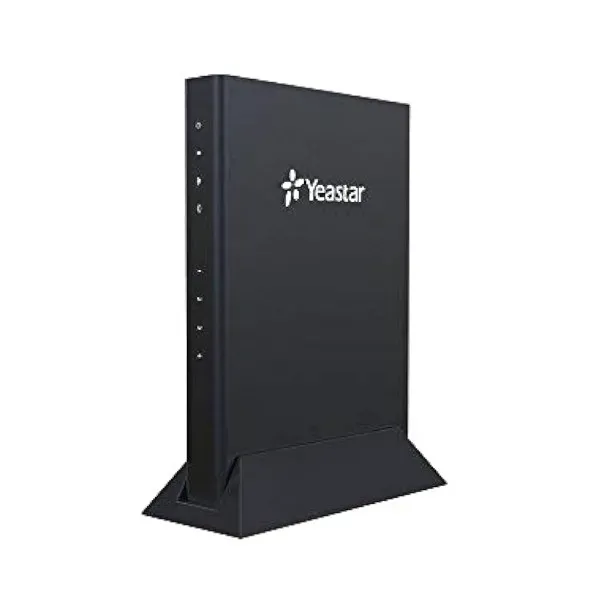
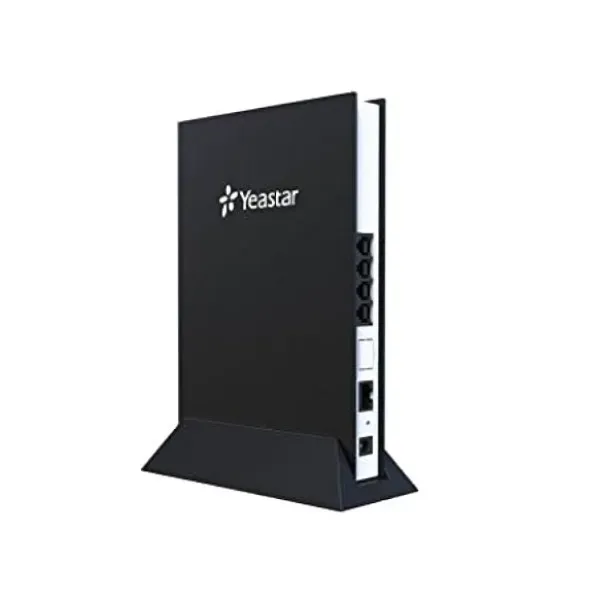
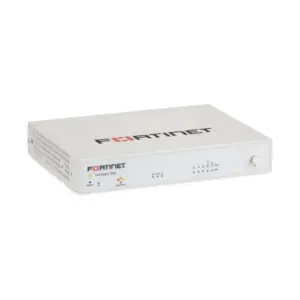
The Yeastar TA400 is a compact FXS VoIP gateway for organizations that need to keep useful analog telephones or fax devices while moving their communications platform to SIP-based IP telephony. With four RJ11 FXS ports, the TA400 can register analog endpoints as extensions or connect them into an IP PBX environment without forcing an immediate replacement of every legacy handset. For Tanzanian businesses modernizing branch telephony, reception phones, fax workflows, security-room phones, warehouse handsets, or specialized analog devices, that makes the TA400 a practical bridge between established equipment and a modern voice network.
FourTeck Tanzania can help buyers verify how many analog extensions are required, which PBX or SIP platform will be used, how the device will be addressed on the LAN, what dial plan and call-routing behavior is expected, and whether fax transmission is part of the requirement. The goal is not simply to purchase a gateway; it is to deploy the gateway with the right extension mapping, network parameters, security settings, power protection, and documentation so that the analog-to-IP transition remains predictable.
Direct answer
Choose the Yeastar TA400 when you need up to four FXS ports for analog phones or fax devices and want those endpoints to operate through a SIP/IAX2-capable IP telephony environment. It is especially suitable for staged VoIP migrations, small branch deployments, and retaining analog endpoints that still serve a business purpose.
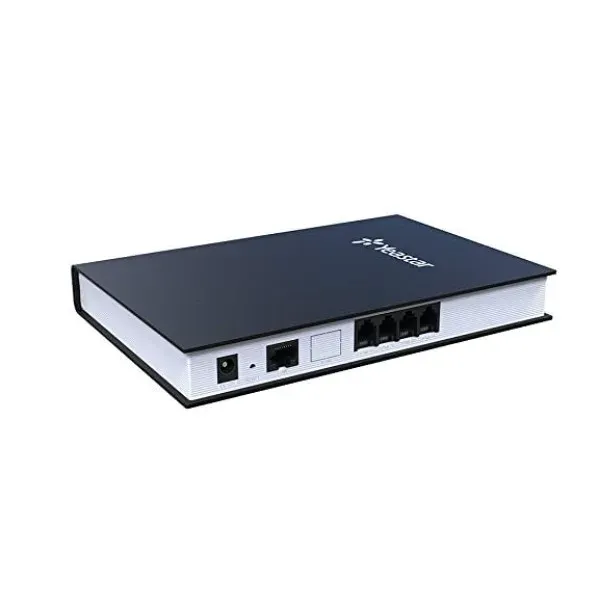
Connect up to four analog phones or compatible analog fax endpoints through RJ11 FXS interfaces.
Supports SIP RFC3261 and IAX2 for integration with suitable IP PBX and VoIP platforms.
Supports T.38 and fax pass-through, useful where analog fax capability must be preserved.
Desktop or wall-mount form factor with a single 10/100 Mbps LAN interface and 12V/1A power.
What the Yeastar TA400 solves
Many organizations do not need to replace every analog endpoint when adopting an IP PBX. A reception desk may still use a familiar analog handset, a warehouse may have a rugged legacy phone, a security post may require a simple telephone, or an accounts department may still depend on a fax machine. The TA400 provides the FXS interfaces required to connect those analog devices to an IP network so they can participate in a modern voice system. This reduces disruption and allows migration decisions to be made according to operational value instead of forcing a complete endpoint refresh on day one.
An FXS gateway is different from an FXO gateway. FXS ports provide the analog subscriber interface used by telephones and fax machines. If the requirement is to connect traditional PSTN lines to an IP PBX, an FXO gateway is normally the relevant class of device. The TA400 is therefore best evaluated by counting analog endpoints, not incoming copper telephone lines. Buyers should identify exactly which devices will connect to each of the four ports and how each port should register or route calls through the IP PBX.
The gateway can also simplify staged projects. A business can deploy a new SIP PBX while retaining selected analog extensions, then replace endpoints later if there is a genuine operational reason. This approach can be useful for offices, retail sites, clinics, schools, hotels, factories, warehouses, security control rooms, and branch networks where different user groups may move to IP telephony at different times.
Verified technical specifications
| Item | Yeastar TA400 |
|---|---|
| FXS interfaces | 4 × RJ11 FXS ports |
| LAN | 1 × 10/100 Mbps Ethernet |
| VoIP protocols | SIP (RFC3261), IAX2 |
| Transport/security | UDP, TCP, TLS, SRTP |
| Codecs | G.711 A-law/u-law, G.722, G.723, G.726, G.729A, GSM, ADPCM |
| Fax | T.38 and pass-through |
| DTMF | RFC2833, SIP INFO, in-band |
| QoS/VLAN | DiffServ, ToS, 802.1p/q VLAN tagging |
| Networking | DHCP, DDNS, OpenVPN, PPPoE, static route, VLAN |
| Management protocols | SNMP, RADIUS, TR-069 |
| Voice processing | ITU-T G.168 echo cancellation, dynamic jitter buffer, packet loss concealment |
| Power | 12V, 1A |
| Dimensions | 200 × 137 × 25 mm |
| Operating range | 0°C to 40°C |
| Mounting | Desktop or wall-mount |
Specifications should be matched to the exact deployment, firmware, PBX platform, codec policy, and local network design. Quotation preparation should confirm the required accessories and deployment scope.
Key capabilities for business deployments
Analog extension migration
Connect existing analog phones to a SIP-based phone system so selected users can retain familiar endpoints while the core communications platform moves to IP.
Fax continuity
T.38 and pass-through support can help preserve fax workflows, subject to the PBX, SIP service, network path, and receiving endpoint supporting a compatible configuration.
Call features
Features published for the TA series include call forwarding, call waiting, blind and attended transfer, three-way conferencing, hunting groups, speed dial, hotline, caller ID, and message waiting indication.
Administration
Web-based management, firmware upgrade, backup and restore, system logs, call detail records, packet capture, SNMP, RADIUS, and TR-069 provide useful tools for administrators.
Network control
VLAN tagging, DiffServ/ToS, static routing, DHCP, OpenVPN, and common management protocols allow the gateway to fit into structured business networks rather than operate as an isolated appliance.
Security considerations
TLS and SRTP support, firewall features, IP blocklisting, attack alerts, and controlled administrative access can form part of a more secure deployment when configured correctly.
Deployment and configuration planning
A successful TA400 deployment starts with port mapping. Document which analog device is connected to FXS 1, FXS 2, FXS 3, and FXS 4, then map each port to the intended PBX extension, registration account, dial rule, caller-ID behavior, and outbound route. Port-register mode is commonly used when the PBX provides individual SIP extension accounts. Where a different architecture is required, the TA platform also supports other VoIP modes, but the exact design should be selected according to the PBX and call flow.
Network addressing should be planned rather than left undocumented. The TA400 can obtain network settings by DHCP, but many business deployments benefit from either a reserved DHCP address or a carefully managed static address so administrators can find the gateway easily and monitoring remains consistent. Voice VLANs, gateway routing, DNS, NTP, firewall policies, and SIP server reachability should all be validated. If the PBX is hosted or located across a WAN, NAT traversal and security policies deserve special attention.
Voice quality depends on more than the gateway. Packet loss, jitter, latency, overloaded WAN links, misconfigured QoS, and unstable internet connectivity can degrade calls. Businesses should therefore examine the full path between the TA400 and the PBX. Where multiple voice devices share a network with data, cameras, backups, or Wi-Fi traffic, segmentation and QoS can help maintain predictability. The gateway supports DiffServ, ToS, and VLAN tagging, but those features must align with the switching, routing, and PBX environment.
Power resilience matters as well. The TA400 uses a 12V/1A supply and has no separate power switch. If continuity is important, consider how the gateway, Ethernet switch, router, firewall, PBX, and internet equipment are protected by UPS power. Keeping the gateway online while the switch or PBX is offline does not preserve calling, so the complete voice chain should be considered.
Compatibility and integration guidance
Yeastar publishes interoperability information for the TA series and identifies compatibility with platforms including Asterisk and FreePBX, with historical certification references including Elastix and BroadSoft. Yeastar also publishes integration guidance for connecting TA FXS gateways with its own PBX systems and documentation for other platforms. In procurement, this should be treated as a starting point rather than a substitute for project-specific verification. PBX firmware, SIP authentication method, NAT topology, codec policy, DTMF mode, fax requirement, and dial-plan behavior can all affect an otherwise standards-based integration.
For Yeastar PBX environments, auto-provisioning support can simplify certain deployment tasks. For third-party PBX platforms, administrators should prepare SIP credentials, server addresses, port numbers, transport choices, registration intervals, extension mapping, and outbound/inbound call rules. Test calls should cover internal dialing, incoming calls, outgoing calls, caller ID, DTMF, transfer, hold, voicemail access, and any emergency or special dial patterns relevant to the organization.
If fax is required, test it early instead of assuming that successful voice calls guarantee successful fax transmission. T.38 support exists on the TA400, but the full path must be compatible. Where a SIP carrier or hosted PBX is involved, confirm how it handles fax, whether T.38 is supported end to end, and what fallback behavior applies. For mission-critical fax workflows, record the tested settings and keep them with the deployment documentation.
FourTeck Tanzania related resources
A gateway is only one part of a working voice environment. FourTeck Tanzania’s integrated IT and telecom solutions overview explains how voice, switching, Wi-Fi, security, power, and cabling requirements can be planned together. Buyers comparing technologies can use the FourTeck Tanzania technology shop to consider IP phones, IP PBX hardware, network switches, firewalls, wireless access points, conferencing equipment, and supporting infrastructure alongside the TA400 requirement.
For projects that need design or implementation help, review FourTeck Tanzania services, especially where the gateway is part of a wider communications, network, security, or infrastructure project. Regional buyers can also explore FourTeck Uganda for Uganda-related technology requirements and FourTeck Kenya for Kenya-focused projects.
Organizations operating across the Gulf can reference FourTeck UAE, while broader African requirements can be aligned through FourTeck Africa. For specialist IP telephony context, FourTeck IP PBX solutions provides additional PBX-focused coverage for projects where gateways, extensions, SIP trunks, and call routing must be considered together.
Yeastar TA400 FXS VoIP Gateway Tanzania
In Tanzania, the Yeastar TA400 fits organizations that want to introduce SIP-based telephony without discarding every analog endpoint at once. A typical project may involve a small office replacing an older PBX, a branch linking into a centralized IP PBX, a security or reception desk retaining a simple analog handset, or an accounts team preserving a fax device while the rest of the organization moves to IP phones. Because the TA400 provides four FXS ports, it is most appropriate when the requirement can be clearly mapped to four analog endpoints. If the project needs more ports, buyers should compare larger TA-series models rather than chaining devices without a capacity plan.
Tanzanian deployments should begin with the local network and call architecture. Confirm where the IP PBX is hosted, how the branch reaches it, whether the PBX is on the same LAN, across an MPLS/VPN connection, or reached through the public internet, and what security controls are used. For offices using shared internet links, voice traffic should be considered alongside cloud applications, video meetings, backups, and CCTV traffic. Even a small four-port gateway can suffer poor call quality if the WAN path is unstable or congested. VLAN and QoS options on the TA400 can help, but the surrounding switches, routers, and firewalls must be configured consistently.
Procurement teams in Tanzania should provide the number and type of analog devices, PBX brand and model, expected extension numbers, whether fax is needed, whether caller ID must be preserved, and whether remote branches will register over a WAN. It is also useful to state whether existing analog cabling will be reused and where the gateway will be physically installed. The TA400 can be desktop or wall-mounted, so a small telecom cabinet or secure equipment area can usually accommodate it. However, power protection and ventilation remain important. The published operating range is 0°C to 40°C, so hot enclosed spaces should be avoided.
For quotations, FourTeck Tanzania can help define the gateway requirement together with IP PBX, IP phones, switches, firewall policy, voice VLANs, UPS protection, and cabling where those components form part of the same project. This is useful because the performance of the gateway ultimately depends on the broader voice and network environment, not only the specifications printed on the device.
Yeastar TA400 FXS VoIP Gateway Dar es Salaam
For businesses in Dar es Salaam, the TA400 is particularly relevant where offices are modernizing telephony while still relying on selected analog endpoints. Corporate offices, logistics companies, retail operations, professional-services firms, clinics, schools, warehouses, and hospitality properties may already have structured IP networks but still retain analog handsets or fax machines for specific roles. The gateway provides a controlled way to bring four of those endpoints into a SIP environment rather than maintaining a completely separate analog phone system.
A Dar es Salaam deployment should account for the practical realities of busy business networks. Many organizations now run cloud applications, video conferencing, surveillance, Wi-Fi, and voice over the same internet or LAN infrastructure. Before adding the TA400, confirm that the switching and routing design can give voice traffic predictable treatment. If an office uses separate VLANs for data, voice, guest Wi-Fi, and CCTV, the gateway should be assigned to the intended voice segment with correct routing and firewall access to the PBX. Where the PBX is cloud-hosted, SIP signaling and RTP paths should be tested through the edge firewall instead of relying on broad inbound rules.
Dar es Salaam buyers should also decide whether the TA400 is a permanent design element or a migration tool. If four analog devices will remain useful for many years, the gateway can be documented as part of the production voice system. If it is only supporting a transition, label the ports and record the endpoint owners so future replacement is simple. This distinction matters because temporary equipment often becomes permanent without documentation, creating confusion during later troubleshooting.
When requesting a quotation, include the existing PBX platform, number of analog phones or fax devices, network location, expected extension numbering, codec or SIP-provider requirements, and whether installation or configuration assistance is required. FourTeck can then assess the gateway as part of a complete telephony design rather than treating it as an isolated box. That approach is especially valuable for multi-floor offices or distributed Dar es Salaam sites where network segmentation, UPS coverage, and centralized administration influence the quality of the final system.
Yeastar TA400 FXS VoIP Gateway Mwanza
Organizations in Mwanza can use the Yeastar TA400 when they need a simple bridge between analog telephony devices and a modern IP PBX. A regional branch may have only a few legacy handsets, a reception or security position may not justify replacement with a more complex IP phone, or a finance team may need to preserve fax capability while the rest of the organization migrates to SIP. Because the TA400 supports four FXS ports, it is well aligned with small branch requirements where the number of analog endpoints is known and stable.
For a Mwanza branch connected to a head office elsewhere in Tanzania, the most important design question may be WAN connectivity rather than the gateway itself. If extensions register to a central PBX, test latency, jitter, packet loss, and firewall traversal between the branch and the PBX location. A branch with modest bandwidth can still support four analog extensions successfully when the network is stable and voice traffic is planned, but call quality can degrade if the link is heavily shared by file transfers, cloud backups, CCTV viewing, or other bursty traffic. QoS policies should therefore be end-to-end where possible.
Power planning also deserves attention. A gateway, switch, router, and PBX path are interdependent. If the TA400 is protected by UPS but the branch router or Ethernet switch is not, calling may still fail during power interruptions. A small voice deployment should therefore document every active device required for service and identify which ones need backup power. This is a more useful continuity plan than focusing only on the gateway’s adapter.
Mwanza procurement teams can make quotation preparation faster by listing the four expected analog endpoints, current phone numbers or extension numbers, target PBX, site network details, and whether existing telephone cabling reaches the gateway location. If fax is part of the design, specify it explicitly so T.38 or pass-through can be tested with the actual service path. For businesses with future expansion plans, compare the expected analog-port requirement over the next few years before finalizing the model; a larger TA-series gateway may be more appropriate if four ports are likely to be exceeded soon.
Yeastar TA400 FXS VoIP Gateway Arusha
In Arusha, the Yeastar TA400 can suit hotels, tour operators, professional offices, schools, clinics, NGOs, branch offices, and service businesses that are upgrading communications but still have useful analog endpoints. Hospitality environments in particular may contain legacy analog phones in selected back-office, reception, utility, or service areas even when the main telephony platform becomes IP based. The TA400 allows four such devices to participate in the new system without a wholesale replacement exercise.
The gateway should be positioned according to the analog cabling layout as well as the IP network. If existing telephone pairs terminate in a communications room, installing the TA400 there may simplify reuse of legacy copper runs. If the analog devices are dispersed and cabling is fragmented, verify line quality and termination before assuming the gateway alone will solve the problem. The Ethernet side must also have a reliable path to the PBX. A well-documented patching plan avoids situations where administrators know the SIP extension but cannot identify which analog cable or room is connected to a given FXS port.
Arusha buyers should also consider call behavior. Does each analog phone need its own extension account? Should multiple phones ring as part of a group? Is there a hotline requirement? Will users need transfer, call waiting, voicemail access, or caller ID? These operational questions determine how the gateway and PBX should be configured. Testing should reflect real user actions rather than only confirming that one test call can be placed.
Where the gateway supports guest-facing or operational areas, maintainability matters. Keep a configuration backup, record the administrator address, label each port, and note the PBX credentials or extension references in a secure project document. If a replacement or reset is ever required, that documentation can reduce downtime. FourTeck can help Arusha organizations define the TA400 requirement in the wider context of IP PBX, switching, cabling, UPS power, and network security, which is generally more valuable than selecting the gateway solely by port count.
Yeastar TA400 FXS VoIP Gateway Dodoma
The Yeastar TA400 can support offices and institutions in Dodoma that are moving toward IP-based communications while retaining a small number of analog endpoints. Government-related offices, education environments, professional services, healthcare facilities, administrative branches, and growing enterprises may all encounter mixed telephony estates where some users move to IP phones while other positions still operate effectively with analog devices. Four FXS ports make the TA400 appropriate for small, clearly defined analog-extension requirements.
For Dodoma deployments, the buying discussion should include resilience and administration. If the PBX is located in another city or hosted in the cloud, the branch internet or WAN link becomes part of the voice system. Administrators should know what happens when that link is unavailable, whether local calling is required, and whether any critical analog endpoints depend entirely on centralized SIP registration. The TA400 itself cannot compensate for a failed WAN or unavailable PBX, so continuity expectations should be realistic and documented.
Security is equally important. Do not expose the management interface unnecessarily to the public internet. Use controlled administrative access, strong credentials, firewall rules, and secure transports where supported by the complete system. If TLS or SRTP is selected, confirm that the PBX configuration and certificates or security policies are compatible. For branch networks using VPN connectivity, ensure voice routing and QoS remain correct across the tunnel rather than testing only on the local LAN.
When requesting a Dodoma quotation, provide the exact number of analog handsets or fax devices, the PBX platform, where the PBX resides, network addressing requirements, whether a voice VLAN exists, and whether installation or remote configuration assistance is needed. If the gateway will be mounted in a cabinet, confirm available power, ventilation, and cable routing. This level of preparation makes it easier to estimate not only the gateway but also the supporting work required for a clean deployment, including switching, cabling, UPS capacity, documentation, and post-installation testing.
Yeastar TA400 FXS VoIP Gateway UAE
For organizations in the UAE, the TA400 can be useful in branch modernization, hospitality back offices, warehouses, retail sites, small offices, and multi-country enterprises that want to integrate four analog endpoints with a SIP environment. Many regional businesses standardize their PBX architecture across several countries while allowing individual sites to retain specialized analog devices. In that model, the TA400 can provide a small, predictable analog edge at each location while the central call control remains IP based.
UAE projects often emphasize centralized management and consistency. If multiple branches use the same gateway model, create a standard configuration template covering LAN addressing, VLAN assignment, NTP, DNS, SIP transport, codec preference, DTMF mode, extension naming, password policy, and logging. Then document site-specific details separately. Standardization reduces troubleshooting time and makes replacement easier because administrators already know the expected baseline.
Where the gateway connects to a hosted PBX, do not assume that every SIP service handles NAT, TLS, SRTP, and fax in the same way. Confirm the provider’s supported configuration and test the actual call flow. If T.38 fax is needed, validate it with representative destinations before considering the deployment complete. For voice-only endpoints, test inbound and outbound calls, transfer, DTMF to IVR systems, caller ID, and any after-hours rules that depend on the PBX.
For UAE procurement and cross-border standardization, FourTeck’s regional network can help align the gateway with IP PBX, switch, firewall, and branch-network requirements. The useful question is not whether the TA400 has four ports, but whether those four ports fit the target branch architecture and whether the supporting network, security, power, and operational procedures are ready for production use.
Yeastar TA400 FXS VoIP Gateway Uganda
Ugandan businesses can deploy the Yeastar TA400 where a small number of analog phones or fax devices must connect to an IP PBX. This may occur during a phased VoIP migration, when branch offices retain existing desk phones, or when certain operational locations require simple analog endpoints. The four-port capacity is easy to understand and document, making the model a practical choice when the requirement is modest and unlikely to exceed four analog devices.
For organizations with sites in both Uganda and Tanzania, a standardized voice architecture can simplify support. The same PBX platform, gateway model, extension numbering conventions, VLAN policies, and configuration documentation can be applied across borders while still accounting for site-specific WAN links and telecom services. This is particularly helpful when a central IT team is responsible for several offices and needs consistent troubleshooting procedures.
Before deployment, test the quality and stability of the connection between the gateway and PBX. If the PBX is remote, the WAN path must support voice reliably. Codec choice affects bandwidth and quality, while DTMF settings can affect interaction with IVRs and voicemail systems. If the branch uses a firewall or VPN, make sure SIP and media paths are allowed securely without opening unnecessary access. Administrative interfaces should be limited to trusted management networks or controlled remote access methods.
Uganda quotations should identify the analog devices, expected PBX extensions, installation location, LAN design, power-backup requirements, and any fax use. For larger organizations, decide whether the TA400 is one of many gateways or the only analog interface in the network. That distinction affects monitoring, configuration backup, naming standards, and spare strategy. FourTeck Uganda and the wider FourTeck network can help coordinate such projects where analog gateways are part of a broader IP telephony and networking rollout.
Yeastar TA400 FXS VoIP Gateway Kampala
In Kampala, the Yeastar TA400 can serve offices, financial-service branches, education sites, clinics, NGOs, retailers, hotels, and other organizations that need to preserve selected analog endpoints while deploying a SIP-based PBX. The gateway is especially useful when the analog requirement is concentrated in a reception area, security desk, back office, or fax workflow and there is no need to purchase a higher-density FXS gateway.
Kampala networks can be complex even in small offices because voice may share connectivity with cloud software, video conferencing, surveillance, and Wi-Fi. The TA400 supports QoS marking and VLAN tagging, but those mechanisms provide value only when the network honors them. Configure the access switch, router, and firewall so the voice VLAN has the correct routing and priority. Avoid simply placing the gateway on an unsegmented flat network if the organization already uses structured segmentation for other business services.
Management procedures should be defined before handover. Record the IP address or DHCP reservation, administrator access method, firmware version, configuration backup, connected extension numbers, and physical port labels. If the device is supporting a fax machine, add the tested fax settings. If the gateway connects to a central PBX, note the PBX server address and transport method. This information reduces dependency on individual technicians and makes future support faster.
For a Kampala quotation, specify whether you need supply only or a complete deployment scope. A complete scope can include compatibility review, configuration, switch/VLAN preparation, testing, user acceptance, and documentation. Where an office is expanding, include anticipated analog requirements in the planning discussion so the correct model is chosen from the beginning. If more than four FXS ports are likely to be required shortly, compare the TA800 or larger TA models rather than buying purely for today’s count.
Yeastar TA400 FXS VoIP Gateway Arua
For organizations in Arua, a compact gateway such as the TA400 can be valuable when a branch needs to join a centralized VoIP system but still relies on a few analog phones. Instead of installing a complete local legacy PBX, four analog endpoints can be connected through the gateway and registered to an IP PBX, subject to the branch network and PBX architecture. This can simplify branch telephony while allowing existing handsets to remain in service where replacement would provide little operational benefit.
Connectivity planning is central to this use case. A branch that reaches its PBX over internet VPN or another WAN connection should test voice during normal busy periods, not only during installation. Packet loss or congestion that is invisible during light usage may become noticeable when business applications or backups consume bandwidth. Choose a codec policy appropriate to the available link and use QoS where the network supports it. If branch resilience is important, document what telephony functions remain available during a WAN outage.
Physical installation should also be practical. The TA400 is small and can be wall-mounted or placed on a desktop, but it should still be secured away from accidental cable removal. Label both the analog and Ethernet connections. If existing building telephone wiring is reused, trace and test those pairs so each FXS port reaches the intended room or user. Clear labeling is particularly useful in remote branches where on-site support may be limited.
A quotation request from Arua should include the number of analog phones, the central PBX details, WAN method, existing switch and router information, power conditions, and whether a UPS is available. If remote configuration is required, identify how administrators can securely reach the gateway without exposing it directly to the internet. These details help turn the TA400 from a simple hardware purchase into a manageable branch communications component.
Yeastar TA400 FXS VoIP Gateway Mbarara
Businesses and institutions in Mbarara may use the Yeastar TA400 when they have a four-port or smaller analog requirement within a modern voice environment. Typical scenarios include keeping legacy desk phones during an IP PBX transition, connecting a fax machine, serving a security desk, or supporting analog endpoints in a branch that is centrally managed from another location. The gateway’s value comes from allowing analog devices to remain useful without forcing the organization to maintain a separate analog call-control platform.
Branch design should focus on simplicity. Assign each FXS port a clear purpose and extension number, reserve a predictable IP address for the gateway, and keep configuration backups. Avoid complex dial plans at the gateway unless there is a strong reason; where possible, centralize call-routing logic in the PBX so administrators have one primary control point. This makes future changes easier and reduces the risk of conflicting rules across devices.
Security and support should be proportional to the business role of the phones. For ordinary office extensions, strong credentials, restricted management access, firewall controls, and regular firmware review are sensible. For critical phones, also consider UPS-backed networking and documented fallback procedures. If the gateway supports a site that operates extended hours, ensure the PBX’s time conditions, after-hours routing, and voicemail behavior are tested from the analog endpoints.
Mbarara procurement teams should include expected call use and future growth in the request. Four FXS ports may be enough today, but if additional analog devices are planned, compare higher-port models early. Also state whether users need features such as transfer, call waiting, three-way conference, or message waiting indication, because testing these features during commissioning gives a clearer picture of how the analog phones behave with the chosen PBX.
Yeastar TA400 FXS VoIP Gateway Gulu
In Gulu, the TA400 can support organizations that want centralized IP telephony but still have a handful of analog phones at operational locations. A small branch, school office, clinic, service business, or administrative site may not need a large gateway. Four FXS ports can cover a reception phone, security point, back-office handset, and fax device, for example, while the core PBX remains IP based. The exact mix should be documented so the gateway’s capacity is intentionally used rather than filled randomly over time.
Remote sites benefit from straightforward support procedures. Configure a stable LAN address, label the ports, save the configuration, and keep a simple network diagram showing the gateway, switch, router, and PBX relationship. If the PBX is outside the site, note the WAN dependency. If a VPN is used, document which network routes carry voice. These steps make it easier for a central IT team to diagnose whether a problem lies with the analog phone, gateway, local LAN, WAN, firewall, or PBX.
Fax should be treated as a separate application rather than merely another phone port. If a Gulu office depends on fax, test T.38 and pass-through behavior with the actual PBX and service provider. Voice can work perfectly while fax fails because the media handling requirements differ. Keep successful fax parameters documented after testing so later configuration changes do not unintentionally break the service.
When planning procurement, include the power environment and whether voice must continue through short outages. UPS coverage should include all required devices in the path, not only the gateway. If the branch router loses power, remote PBX registration stops. If the switch loses power, Ethernet connectivity stops. Considering the full chain allows the TA400 to be deployed as part of a resilient service rather than treated as a standalone appliance.
Yeastar TA400 FXS VoIP Gateway Kenya
Kenyan organizations that operate mixed analog and IP telephony environments can use the Yeastar TA400 to connect up to four analog endpoints to a SIP-based PBX. This is useful for branch offices, reception and security desks, fax machines, hotels, warehouses, and staged migration projects where selected analog devices remain operationally suitable. For multi-country businesses with Kenya and Tanzania locations, using a common gateway model can also simplify standards, spares, and support documentation.
The most important procurement check is whether four FXS ports match the real requirement. Count devices, not users, and identify each endpoint type. A fax machine may need different testing from a voice phone. A hotline phone may need special dial-plan logic. A reception phone may require transfer and caller-ID behavior. Mapping these requirements before installation helps the integrator configure the correct PBX extensions and avoids discovering feature gaps after deployment.
For Kenyan branches connected to a cloud PBX or regional data center, evaluate the WAN path. Use VLANs and QoS consistently, ensure the firewall permits required SIP and RTP traffic, and avoid unsafe shortcuts such as exposing the gateway management page publicly. If secure SIP transport is used, confirm TLS and SRTP compatibility across the full system. Monitoring and logging should be enabled at a level that supports troubleshooting without creating unnecessary complexity.
A strong quotation request should include PBX details, target extensions, whether installation or configuration is needed, branch connectivity, power-backup expectations, and future growth. FourTeck Kenya and the wider FourTeck network can coordinate gateway requirements with IP phones, PBX platforms, switching, security, Wi-Fi, and structured cabling when the voice deployment forms part of a broader branch-technology project.
Yeastar TA400 FXS VoIP Gateway Kuwait
In Kuwait, the Yeastar TA400 can be used by offices, retailers, service companies, warehouses, hospitality operators, and multi-site organizations that need a small number of analog extensions on an IP-based communications platform. Four FXS ports make it suitable for localized requirements where replacing analog handsets is unnecessary or where a fax device must continue operating as part of a SIP PBX migration.
Because many Gulf-region organizations use centralized IT standards, the gateway should be deployed using repeatable templates. A template can define naming, management access, firmware policy, VLAN, SIP server, transport, codec order, DTMF method, and logging. Site-specific extension credentials and IP addresses can then be added separately. This structured approach improves consistency across branches and helps technical teams compare a working site with a site experiencing problems.
Environmental and power considerations remain important even for compact equipment. The TA400’s published operating range is up to 40°C, so it should be installed in an appropriate indoor equipment area rather than an excessively hot enclosure. UPS protection can help maintain service during short power events, but the switch, router, firewall, and PBX path also need power. If voice is business-critical, review the complete dependency chain.
For procurement, specify whether the gateway will connect to an on-premises PBX, hosted service, or remote regional PBX. Include any fax requirement, SIP security expectations, extension count, and network-management standard. FourTeck’s Kuwait and wider regional resources can help align the TA400 with the rest of the voice environment so the final solution is built around call behavior, security, and maintainability rather than only hardware availability.
Yeastar TA400 FXS VoIP Gateway Ghana
Organizations in Ghana can use the Yeastar TA400 to retain up to four analog phones or fax devices while moving to SIP-based communications. This is useful for offices that have already invested in analog handsets, for branches linked to a centralized PBX, and for operational areas where a simple telephone remains preferable to a more feature-rich IP phone. The gateway creates a defined boundary between the analog endpoint and the IP telephony network.
When the gateway is used in a branch, administrators should treat WAN connectivity as part of the voice design. Confirm whether the PBX is local, hosted, or located in another office. If it is remote, test the branch link under normal load and ensure firewall rules are specific and secure. Voice VLANs and QoS can improve predictability, but they should be implemented across the relevant switching and routing path rather than only configured on the endpoint.
Port documentation is especially important for small gateways because each port often serves a different business function. Label the physical port and record the associated PBX extension, endpoint location, and user or purpose. If a fax machine is connected, mark that clearly because its troubleshooting process differs from voice. If a hotline or emergency-use analog phone is connected, document the expected dialing behavior and test it during handover.
A Ghana quotation should include the current PBX environment, number and type of analog devices, branch network design, whether installation services are required, and the expected growth of the analog requirement. FourTeck Ghana can also help coordinate the gateway with IP PBX, switching, firewall, and cabling requirements where the project is part of a broader communications upgrade.
Yeastar TA400 FXS VoIP Gateway Nigeria
The Yeastar TA400 can support Nigerian offices and branches that need to integrate a small analog estate into an IP PBX. Four FXS ports are suitable for defined use cases such as reception, security, fax, back-office lines, or legacy endpoints retained during a migration. For enterprises with many branches, the TA400 can form part of a standardized edge-telephony design where each small site has a limited number of analog devices and registers them to central call control.
Multi-site Nigerian deployments should emphasize monitoring and fault isolation. Administrators need to know whether an issue originates from the analog device, FXS port, gateway registration, branch LAN, WAN path, firewall, SIP service, or PBX. Static documentation, configuration backups, and consistent naming make this easier. SNMP, system logs, call detail records, and packet-capture capability can provide useful troubleshooting information when used by qualified administrators.
Security should be designed from the beginning. Use strong gateway credentials, limit management access, maintain firmware, and apply firewall controls around SIP. If TLS and SRTP are deployed, ensure the PBX and gateway configuration match. If the branch connects through VPN, test registration and media through the VPN path. Avoid broad port forwarding that exposes services unnecessarily.
Nigeria buyers should also compare immediate needs with growth. A four-port gateway is efficient when the analog count is stable, but fast-growing sites may be better served by higher-density models. Include the expected two- to three-year endpoint picture in the quotation discussion. FourTeck Nigeria and regional FourTeck resources can help align the gateway with broader IP PBX, network, firewall, and power requirements for more manageable branch communications.
Yeastar TA400 FXS VoIP Gateway Seychelles
In Seychelles, the Yeastar TA400 can be a practical component for hotels, offices, service businesses, clinics, retail operations, and distributed sites that need to retain a few analog devices while using an IP PBX. Hospitality and island operations may contain legacy analog cabling or specialized telephones in locations where replacing every endpoint is unnecessary. A four-port FXS gateway provides a compact way to bridge those devices into a SIP environment.
Remote management can be particularly valuable when technical resources are centralized elsewhere. The deployment should therefore be documented with a stable IP address, secure management path, configuration backup, port labels, PBX extension mapping, and firmware record. If the gateway is reached remotely, use controlled access through VPN or other approved management methods rather than exposing the web interface directly to the internet.
Connectivity quality should be evaluated carefully if the PBX is hosted off-island or in another country. Latency alone is not the only concern; packet loss and jitter can have a greater impact on voice quality. The TA400 includes dynamic jitter buffering and packet loss concealment, but these features cannot fully compensate for an unstable network. QoS, sensible codec selection, and adequate bandwidth remain important. If fax is required across a long network path, test T.38 or pass-through with the actual service provider and destination conditions.
For Seychelles quotations, describe the analog endpoints, hotel or office use case, PBX location, connectivity type, and support expectations. If the gateway will serve guest-facing or operationally critical phones, include power resilience and fallback considerations. This creates a more complete procurement record and helps ensure the chosen gateway fits the wider communications environment.
Selection and sizing guide
Choose the TA400 when the project requires no more than four analog FXS connections and the devices must connect to an IP telephony environment. If you need eight FXS ports, the TA800 is the closer comparison. For 16, 24, or 32 FXS ports, Yeastar publishes higher-density TA-series models. The correct model should be selected by expected endpoint count, not simply by initial purchase price. Leave realistic room for near-term growth when the organization expects additional analog devices.
Do not choose an FXS gateway when the requirement is to connect analog PSTN lines as trunks. That is an FXO use case and requires a different gateway type. This distinction is one of the most common buying questions in analog VoIP projects. A simple rule is: FXS connects analog subscriber devices such as phones or fax machines; FXO connects to analog line interfaces from the public telephone network or certain PBX trunk/extension scenarios.
Before ordering, confirm port count, PBX compatibility, SIP credentials, codec requirements, fax needs, DTMF method, power, mounting, network addressing, VLAN, QoS, security, and installation scope. Also confirm what is included in the commercial quotation rather than assuming accessories, installation, or configuration are bundled. This makes price comparisons more accurate because two quotations may cover different scopes even when they name the same gateway.
Quotation checklist for Yeastar TA400
Frequently asked questions
What is the Yeastar TA400?
The TA400 is a four-port FXS analog VoIP gateway. It connects analog telephones or compatible fax devices to IP telephony systems using protocols including SIP and IAX2.
How many analog phones can the TA400 connect?
It provides four RJ11 FXS ports, so up to four analog endpoints can be connected, subject to the deployment design and device compatibility.
Does the TA400 support fax?
Yeastar specifies T.38 and fax pass-through support. Successful fax operation depends on compatible settings across the gateway, PBX, SIP service, network, and receiving endpoint, so real-world testing is recommended.
Is the TA400 an FXO gateway?
No. The TA400 is an FXS gateway. It is intended for analog subscriber devices such as phones and fax machines. If you need to connect analog PSTN lines to an IP PBX, evaluate an FXO gateway instead.
Does the TA400 support secure SIP?
Yeastar lists TLS and SRTP among supported transport/security options. The PBX and complete deployment must be configured compatibly for these mechanisms to provide value.
Can the TA400 work with FreePBX or Asterisk?
Yeastar identifies interoperability with Asterisk and FreePBX among supported environments. Specific integration should still be tested with the exact PBX version, SIP settings, codecs, DTMF method, and network topology.
Does the TA400 support VLAN and QoS?
Yes. Yeastar lists 802.1p/q VLAN tagging, DiffServ, and ToS support. The switches and routers in the voice path should be configured consistently for QoS policies to have the intended effect.
Can the TA400 be wall mounted?
Yes. Yeastar specifies desktop and wall-mount installation for the TA400/TA800 form factor.
What information should I send for a quotation?
Provide the number of analog devices, PBX platform, site location, network design, extension requirements, fax needs, installation scope, and expected growth. This helps ensure that the quoted gateway and supporting work match the actual requirement.
Decision recap
The Yeastar TA400 is a strong fit when the requirement is clear: connect up to four analog phones or fax devices to a SIP/IP telephony environment, preserve useful legacy endpoints, and manage the transition with modern networking and administration features. Its value is highest when the gateway is deployed as part of a documented voice architecture with appropriate PBX integration, VLAN/QoS planning, secure management, and power resilience.
If the project needs more than four analog endpoints, compare higher-density TA models. If the requirement is to connect PSTN lines rather than analog subscriber devices, evaluate an FXO gateway. If you are unsure which scenario applies, share your existing PBX, line type, endpoint count, and desired call flow before ordering.
Consultation panel
For a useful pre-sales review, send FourTeck the current PBX model, quantity of analog phones or fax devices, target city/country, branch connectivity, whether the PBX is local or hosted, and any known VLAN or firewall constraints. With those details, the TA400 can be evaluated against your actual environment rather than as a generic four-port appliance.
A good consultation should also identify whether the gateway is part of a migration, a permanent mixed analog/IP deployment, or a multi-branch standard. That distinction influences sizing, documentation, spares, monitoring, and long-term support decisions.


Reviews
There are no reviews yet.