
FortiGate 101F (FG-101F) Tanzania
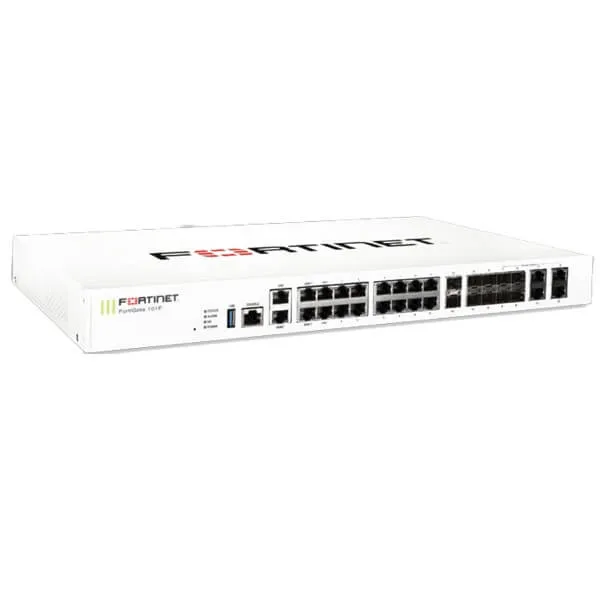
The FortiGate 101F is a rack-mount next-generation firewall for organizations that need secure connectivity, policy enforcement, VPN, SD-WAN and threat inspection in a single platform. The FG-101F adds 480 GB onboard storage to the 100F-series platform, making it particularly relevant where local logging and storage are part of the deployment design. For Tanzanian enterprises, institutions, branch networks and multi-site environments, the practical buying question is not simply whether a firewall can pass traffic: it is whether the selected appliance, subscriptions, interfaces and security policies fit real application traffic, encrypted sessions, WAN design and future growth.
Published firewall throughput for 1518-byte UDP traffic under Fortinet test conditions.
Published IPS throughput using Fortinet’s enterprise traffic methodology.
Onboard storage distinguishes the FortiGate 101F from the non-storage 100F model.
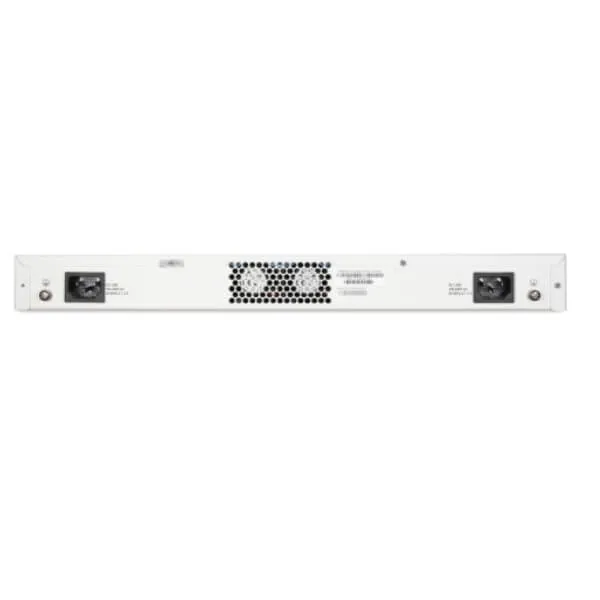
Rack-mount format with dual AC power supplies for power redundancy.
FortiGate 101F Overview and Verified Capabilities
Fortinet positions the 100F family for branch and campus deployments that combine next-generation firewall security with secure SD-WAN. The FG-101F uses Fortinet’s purpose-built security processing architecture and provides a broad interface mix for WAN, LAN, management, high availability and FortiLink connectivity. Published performance figures include up to 20 Gbps firewall throughput, 11.5 Gbps IPsec VPN throughput, 2.6 Gbps IPS throughput, 1.6 Gbps NGFW throughput and 1 Gbps threat-protection throughput. These figures represent different test profiles and should not be treated as interchangeable capacity numbers. Real deployments should be sized around enabled security services, TLS inspection, application mix, packet sizes, concurrent sessions, VPN load and growth expectations.
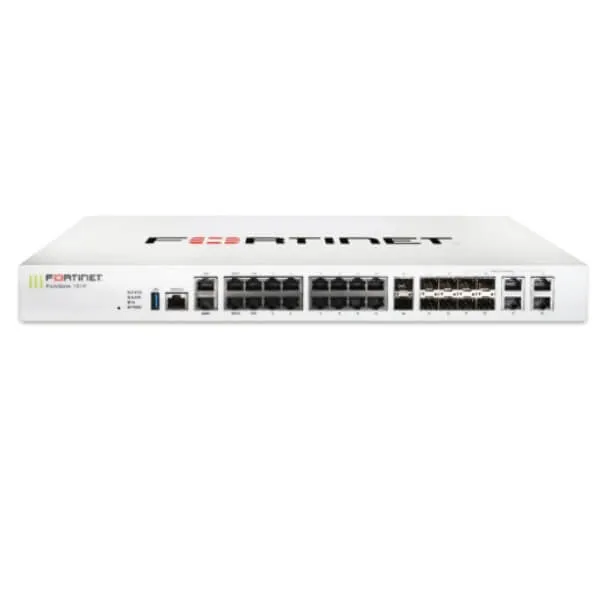
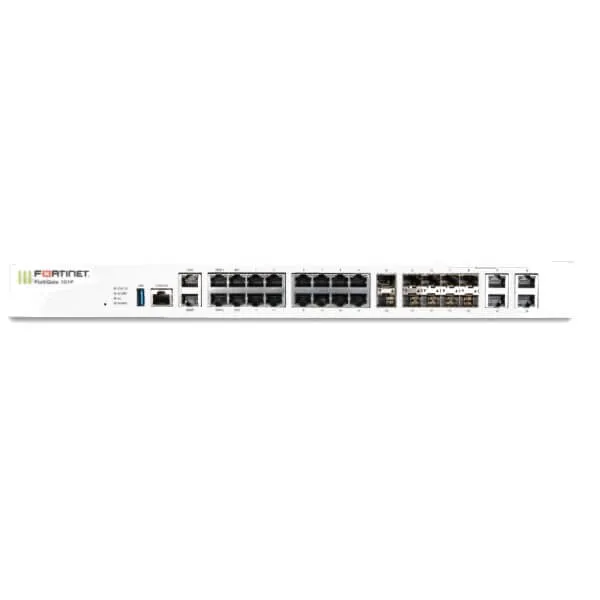
Physical connectivity includes two GE RJ45 WAN ports, dedicated management, HA and DMZ connectivity, switch ports, four shared RJ45/SFP media pairs, GE SFP interfaces and two 10GE SFP+ FortiLink interfaces. The platform supports redundant AC power. Its 480 GB onboard storage can support designs where local logging is useful, although retention strategy should still consider event volume, compliance requirements and whether centralized FortiAnalyzer or cloud-based logging is appropriate.
Security, SD-WAN, VPN and Integration
An FG-101F deployment can consolidate perimeter firewall policy, application visibility, intrusion prevention, malware protection, web and DNS security options, IPsec VPN and SD-WAN policy. The exact protection available depends on the FortiOS configuration and active FortiGuard and FortiCare entitlements. Buyers should therefore compare hardware and subscription scope together rather than treating the appliance alone as the complete security solution. For multi-branch organizations, SD-WAN can be used to steer application traffic across available links according to policy and health checks, while IPsec VPN can secure site-to-site connectivity.
Integration planning should identify VLANs, routing protocols, internet circuits, public IP addressing, NAT requirements, remote-access needs, authentication sources, switching and wireless infrastructure, log destinations and monitoring workflows. Organizations already using FortiSwitch or FortiAP can evaluate FortiLink-based management, while environments with mixed-vendor infrastructure can design standards-based routing and segmentation around existing networks. For broader Fortinet options, visit FourTeck’s Fortinet specialist resource; for regional technology sourcing, see FourTeck Africa solutions.
FortiGate 101F Tanzania
Organizations searching for FortiGate 101F Tanzania commonly need a firewall that can sit between business networks and one or more internet services while enforcing consistent security policy. A useful procurement process begins with the actual network rather than the headline throughput figure. Document the number and speed of WAN circuits, peak and average utilization, user count, server and cloud traffic, guest networks, VoIP, branch tunnels, remote users and any applications that are sensitive to latency. Then identify which inspection functions will be enabled. IPS, application control, antivirus, web security and SSL inspection place different demands on the appliance, so sizing should reflect the intended security profile.
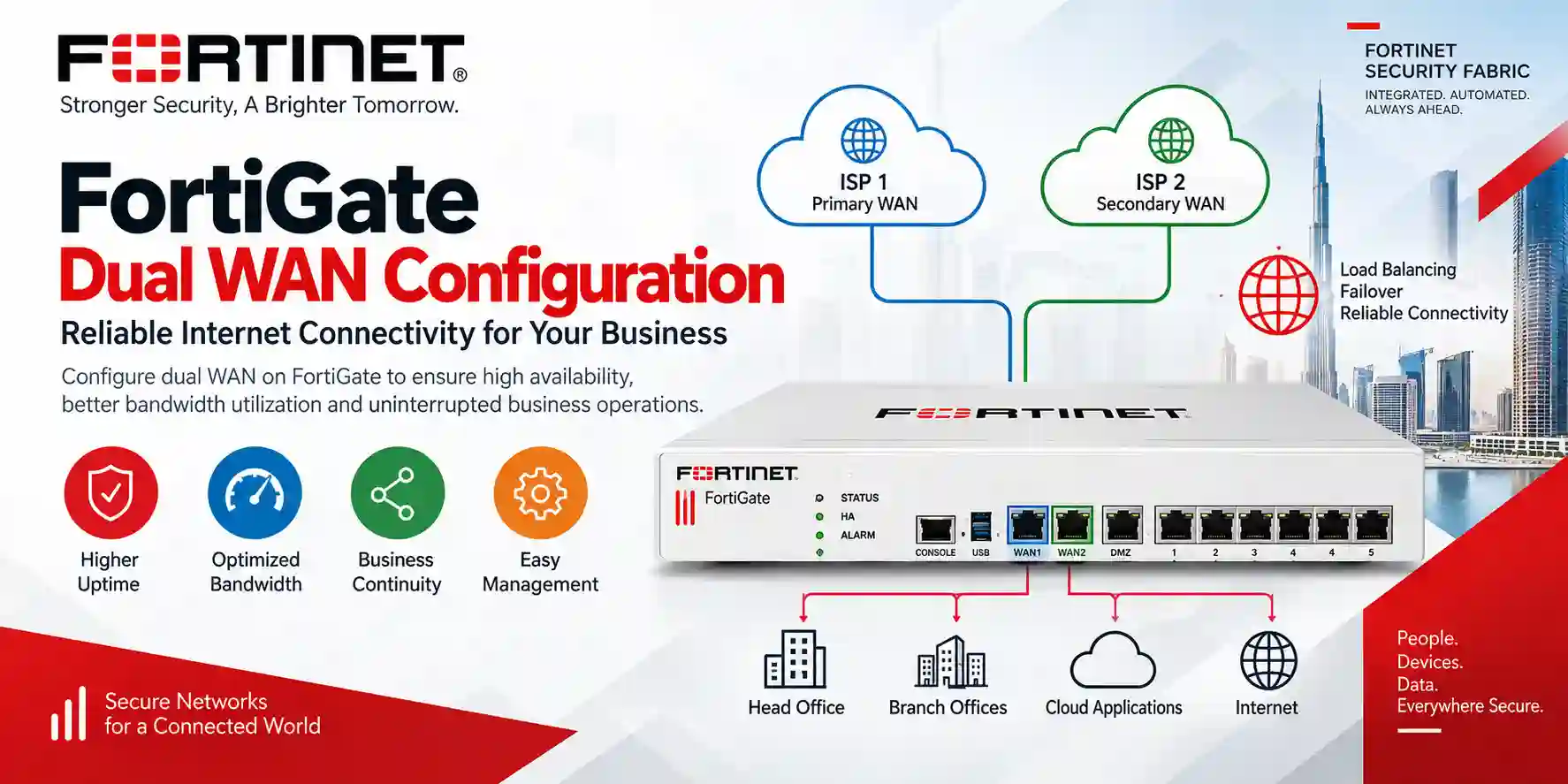
For Tanzanian businesses with multiple sites, the FG-101F can be evaluated as a hub or substantial branch firewall where its interface density, VPN performance and 10GE FortiLink connectivity fit the topology. Dual WAN designs can improve resilience when independent internet services are available, but successful failover depends on correct link monitoring, routing, NAT and session behavior rather than simply connecting a second ISP. See the supplied guidance image below for the kind of architecture discussion that should happen before configuration.
Quotation preparation should state whether the requirement is hardware only, a security bundle, FortiCare support, FortiGuard services, transceivers or implementation assistance. It should also state the desired subscription term and whether an existing Fortinet estate needs license renewal or migration. This prevents an apparently simple firewall quotation from omitting services that are essential to the intended security outcome. FourTeck Tanzania can help structure the bill of materials and clarify deployment requirements through the Tanzania sales and consultation contact.
FortiGate 101F Dar es Salaam
For businesses evaluating FortiGate 101F in Dar es Salaam, common scenarios include head-office internet security, distributed branch connectivity, data-center edge protection and segmentation between user, server, voice, wireless and guest networks. The city contains organizations with very different connectivity profiles, so a sound design should avoid assuming that one configuration suits every office. A professional-services firm may prioritize secure remote access and SaaS performance, while a logistics, hospitality, education or industrial organization may have more complex VLANs, site-to-site connectivity and operational systems.
Dual-provider connectivity is a frequent design consideration for business continuity. FortiGate SD-WAN can monitor link health and apply traffic steering policies, but procurement teams should confirm circuit handoffs, addressing, upstream dependencies and desired failover behavior before implementation. If the firewall will terminate many VPNs or inspect encrypted traffic, the security profile and expected concurrency matter more than raw ISP bandwidth alone. The FG-101F’s onboard storage may be useful for local logs, yet organizations with longer retention or centralized security operations should consider an external logging architecture.
A Dar es Salaam quotation request is more actionable when it includes current firewall model, internet speeds, approximate users, number of sites, VPN requirements, rack and power environment, desired FortiGuard services and planned growth. Where the existing network includes switches, access points or authentication systems, provide those details as well. This enables compatibility and migration planning before a change window is booked and reduces the risk of discovering missing optics, ports or subscriptions during deployment.
FortiGate 101F Mwanza
A FortiGate 101F deployment in Mwanza can suit organizations that require centralized control of internet access, inter-site VPN connectivity and segmentation across a substantial office or branch. The design process should consider whether the site is a standalone location, a branch connecting to Dar es Salaam or another headquarters, or a regional hub supporting smaller locations. Each pattern changes the importance of VPN throughput, route design, redundancy and centralized management.
For branch connectivity, document the applications that cross the WAN. ERP, cloud platforms, voice, video, backups and file transfers have different performance characteristics. SD-WAN policy can prioritize or steer traffic, while security policies can separate business-critical systems from guest or less-trusted networks. Where two internet connections are planned, validate whether they are genuinely independent and decide whether the objective is failover, active-active use or application-aware steering. Security subscriptions should be chosen according to the protections required rather than by bundle name alone.
Mwanza buyers should also plan for lifecycle management: configuration backups, firmware policy, administrator access controls, monitoring, alerting and renewal dates. Firewall ownership continues after installation. A quotation should therefore distinguish hardware, security services, support and implementation scope. For a wider East African deployment involving neighboring markets, FourTeck Uganda can provide a regional reference point while Tanzania requirements remain coordinated through the Tanzania contact channel.
FortiGate 101F Arusha
Organizations looking for FortiGate 101F in Arusha may be supporting corporate offices, tourism and hospitality operations, educational environments, professional services, NGOs or distributed field activities. These environments often combine staff networks, guest connectivity, cloud applications and remote access. Segmentation is therefore a central design topic. Rather than placing every device behind one broad policy, the firewall can enforce different controls for trusted users, guests, servers, management systems, voice endpoints and other network zones.
Hospitality and guest-facing environments should pay particular attention to separation between guest access and internal systems. Corporate environments may focus more heavily on site-to-site VPN, identity integration and application controls. In either case, SSL inspection decisions require careful planning because certificate deployment, privacy considerations, application compatibility and performance all matter. Fortinet’s published threat-protection and NGFW figures use defined test methodologies, so real-world capacity should be evaluated against the intended inspection stack.
For procurement, include the number of WAN connections, switch uplinks, fiber requirements, VPN peers and required subscription term. The FG-101F provides copper, SFP and 10GE SFP+ connectivity, but transceiver selection and cabling must match the actual network. If a project is refreshing an older firewall, capture existing policies, objects, VPNs and routing before migration. A structured migration plan is safer than recreating settings during the cutover window.
FortiGate 101F Dodoma
FortiGate 101F requirements in Dodoma can include government-adjacent institutions, enterprises, education, professional offices and multi-site organizations that need consistent security controls. Procurement teams should begin with policy and connectivity requirements: what networks must be protected, which services are exposed, where users authenticate, which sites communicate over VPN and how logs must be retained. These questions determine whether the FG-101F’s interface set, performance profile and local storage are appropriate.
High availability is another planning area. The appliance includes dedicated HA connectivity and redundant power, but resilient service requires more than redundant power supplies. The design should consider upstream and downstream switch paths, WAN circuits, addressing, configuration synchronization and operational procedures. If a pair of appliances is planned, confirm the exact HA architecture and licensing implications during quotation. Likewise, if local logging is important, define retention and reporting needs before relying on onboard storage as the sole logging strategy.
A complete Dodoma request for quotation should identify desired FortiGuard security services, FortiCare level, implementation scope and subscription duration. Include expected user growth and planned bandwidth upgrades so the selected platform is not sized only for today’s utilization. This creates a procurement record that connects business requirements to the firewall configuration and makes later renewal or expansion decisions easier.
FortiGate 101F UAE
For organizations comparing FortiGate 101F in the UAE, the same technical discipline applies: verify the intended security services, encrypted traffic, WAN bandwidth and interface requirements before selecting hardware or renewals. Multi-site businesses operating between the UAE and East Africa may use site-to-site IPsec VPN or SD-WAN overlays to connect offices, but the final topology should reflect application paths, cloud usage, latency and redundancy requirements.
The FG-101F’s 480 GB storage differentiates it from the FG-100F and can support local logging use cases. Its dual AC power and 1RU rack form factor fit conventional communications-room installations, while the two 10GE SFP+ FortiLink interfaces can support higher-speed integration where appropriate. Buyers should verify optics, rack power, patching and switch compatibility as part of the bill of materials. Subscription choices should be mapped to required security controls and support expectations, not selected solely on price.
For UAE-specific Fortinet sourcing and solution context, use FourTeck UAE and the Fortinet UAE specialist site. Cross-border projects should keep configuration standards, renewal tracking and documentation consistent so each location can be managed as part of one security architecture rather than as isolated firewall purchases.
FortiGate 101F Uganda
Ugandan organizations evaluating the FortiGate 101F may require secure internet access, branch VPNs, SD-WAN and segmentation across offices in Kampala and regional locations. A regional deployment benefits from standardized policy naming, address objects, VPN conventions, logging and administrator roles. Standardization reduces operational complexity when multiple sites must be supported and makes future firewall refreshes easier to plan.
Capacity planning should include the traffic that will actually be inspected. Firewall throughput is not the same as threat-protection throughput, and VPN capacity is a separate measure. Where security services are enabled broadly, sizing against the appropriate inspected-traffic metric is more meaningful than comparing only raw firewall numbers. The 101F’s interface density can support multiple network zones and uplinks, but network diagrams should confirm which copper and fiber interfaces will be used.
For projects spanning Tanzania and Uganda, procurement teams should align subscription terms and support processes where practical. This can simplify renewals and policy management. Visit FourTeck Uganda technology solutions for Uganda-focused enquiries while using the Tanzania team for Tanzanian requirements.
FortiGate 101F Kampala
In Kampala, the FG-101F can be considered for headquarters, substantial branches and campus-style networks that need security inspection alongside WAN control. Before purchase, map the current edge design: ISP handoffs, public addresses, VLANs, servers, wireless networks, remote-access users and site-to-site tunnels. If the firewall replaces another platform, export or document the existing rule base and identify obsolete rules rather than automatically carrying every historical policy into the new deployment.
Organizations with cloud-heavy workloads should examine traffic paths carefully. Direct internet breakout can improve application paths but requires consistent policy and DNS, web and application security. SD-WAN can use health checks and rules to select links, yet it must be designed around the actual circuits and application priorities. For remote access, authentication, MFA strategy and endpoint posture should be considered alongside VPN configuration.
Kampala procurement requests should specify whether local storage is a requirement, whether centralized analytics will be used, and whether FortiSwitch or FortiAP integration is planned. These details influence design and subscriptions. A complete quotation also identifies installation scope, migration expectations and post-deployment support rather than treating the firewall as an isolated box.
FortiGate 101F Arua
For an Arua branch or regional operation, the FortiGate 101F may be evaluated where a site needs substantial VPN, segmentation and security capability or acts as a hub for additional locations. The first sizing question is whether the appliance is proportionate to the site’s traffic and inspection requirements. An oversized device may add unnecessary cost, while an undersized design can constrain security services or future bandwidth. User count alone is not enough; traffic type and enabled inspection matter.
Connectivity resilience may involve primary and backup links with different performance characteristics. Define what should happen when the preferred circuit degrades, not only when it fails completely. Health checks, application-aware rules and sensible routing can help maintain critical services. Where bandwidth is constrained, prioritize business applications and schedule large backups or updates thoughtfully rather than assuming every flow should receive equal treatment.
Operational planning is particularly important for remote sites. Maintain secure administrator access, configuration backups, documented recovery procedures and monitoring. If local technical resources are limited, central management and clear escalation processes become more valuable. The quotation should therefore include the support and subscription model required for ongoing operation, not just initial installation.
FortiGate 101F Mbarara
Mbarara organizations considering FG-101F can use the platform to build segmented networks for staff, servers, guests, voice and operational devices while maintaining secure connectivity to other sites. Segmentation should reflect trust boundaries and business function. Firewall policies can then permit only required flows between zones, reducing unnecessary lateral connectivity and making troubleshooting more structured.
When the appliance is used for branch-to-headquarters connectivity, IPsec design should define subnets, routing, encryption settings, failover and monitoring. For organizations with multiple links, SD-WAN can combine path health information with application rules. The design should also account for DNS and cloud traffic because many modern applications communicate directly to internet services rather than through a central data center.
A procurement checklist for Mbarara should cover rack space, power, copper versus fiber handoffs, optics, subscription term, FortiCare, migration and training or handover needs. If the organization expects rapid growth, include future circuit speeds and additional branches in the sizing discussion. This produces a more defensible purchase decision than choosing solely from today’s peak bandwidth.
FortiGate 101F Gulu
A Gulu deployment may prioritize reliable branch connectivity and centrally managed security. The FG-101F provides substantial performance and interfaces, so it is most useful when requirements justify that capacity. Document application traffic, VPNs, local internet breakout and network zones before selection. If the site has modest requirements, compare alternative FortiGate models rather than assuming the 101F is automatically the correct size.
For sites dependent on remote applications, link quality can matter as much as nominal bandwidth. SD-WAN policies can respond to measured path conditions, while VPN overlays secure inter-site traffic. Security inspection should be configured according to risk and application compatibility. TLS inspection, for example, requires certificate planning and testing rather than being enabled indiscriminately on every flow.
The ongoing operating model should include firmware management, renewal tracking, backups, alerting and administrative access control. If the Gulu site is one of many branches, templates and naming standards can simplify support. Buyers should ask for a quotation that clearly separates appliance, subscriptions, support and professional services so recurring costs and responsibilities are visible from the start.
FortiGate 101F Kenya
Kenyan businesses evaluating FortiGate 101F often need to connect offices, cloud services and remote users while maintaining consistent security controls. For a Nairobi headquarters or regional branch environment, identify whether the firewall will serve as an internet edge, VPN hub, SD-WAN node, internal segmentation firewall or a combination. Each role changes the traffic profile and therefore the sizing assumptions.
Organizations operating across Kenya and Tanzania can benefit from a common policy architecture, but local circuits and applications still need individual assessment. Standardized objects, logging and renewal records help operations teams manage the estate, while site-specific SD-WAN policies can reflect available providers and application priorities. The FG-101F’s 480 GB storage may support local logging, although larger or regulated environments should define centralized retention separately.
For Kenya-focused technology procurement, visit FourTeck Kenya. A cross-border project brief should list every site, bandwidth, VPN relationships, desired security services and subscription terms. That enables a consistent architecture without assuming identical hardware is required at every location.
FortiGate 101F Kuwait
For Kuwait deployments, FortiGate 101F evaluation should focus on the same measurable requirements: inspected throughput, VPN demand, interface type, resilience and subscription scope. Headquarters and branch networks may have high-speed internet services, so buyers should distinguish raw firewall capacity from the lower throughput associated with full security inspection. This distinction is essential when comparing a current circuit speed with an appliance datasheet.
The two 10GE SFP+ FortiLink interfaces can be relevant for higher-speed switching integration, while GE copper and SFP options provide flexibility for other zones and uplinks. Confirm optics and cabling rather than assuming they are included or interchangeable. Dual AC power improves appliance power resilience, but a complete availability design should also consider switches, circuits and power sources.
Organizations connecting Kuwait with East African operations should document latency-sensitive applications and route design before building VPN or SD-WAN policy. Centralized security standards can simplify governance, while local path selection can improve application experience. Subscription and support terms should be aligned with the organization’s maintenance model and renewal calendar.
FortiGate 101F Ghana
Ghanaian organizations considering the FG-101F can evaluate it for corporate internet edge security, secure SD-WAN and branch VPN aggregation. A design workshop should identify critical applications, network zones, internet links and expected inspection. Where the firewall protects both users and externally published services, DMZ design, NAT, certificate management and logging should be planned explicitly.
For multi-site businesses, consistent configuration standards help prevent policy drift. Central monitoring can improve visibility across sites, while local storage provides an additional logging option on the FG-101F. Retention requirements should be calculated rather than assumed because log volume varies substantially with enabled features and traffic. Security services should likewise be selected based on required controls and operational capability.
A Ghana quotation should include the desired hardware, subscription duration, support level, optics and deployment services. If the project connects Ghana with Tanzania or other African markets, provide a complete site list and WAN topology so VPN and routing dependencies can be reviewed as one architecture. This avoids purchasing appliances independently and discovering later that addressing or routing plans conflict.
FortiGate 101F Nigeria
Nigeria deployments can range from branch security to large corporate edge environments, so FG-101F suitability depends on actual traffic and inspection requirements. Businesses with multiple internet providers may use SD-WAN for application steering and resilience. The design should define performance thresholds, failover behavior and which applications deserve preferred paths. Simply balancing traffic equally across circuits is not always the best policy.
Security architecture should separate internal zones and apply least-required access between them. IPS, application control and malware protection can add inspection at the edge, while VPN secures site-to-site communications. Remote access requirements should include authentication and MFA planning. If the organization uses cloud applications heavily, DNS and web security policies should account for direct internet traffic from branches.
Procurement teams should request clear subscription and support terms and identify whether the requirement concerns new hardware, renewals or migration from an existing firewall. Lifecycle status should be checked at quotation time because product availability and recommended successor platforms can change. A technically complete request makes it easier to compare options without relying on unsupported claims about stock or delivery.
FortiGate 101F Seychelles
For Seychelles organizations, secure connectivity and resilient internet design can be especially important for hospitality, professional services and distributed operations. An FG-101F design should begin with the available circuits, critical applications, guest connectivity, staff networks and any remote sites. Where multiple WAN services exist, SD-WAN can monitor and steer traffic, but policy should reflect the characteristics of each connection.
Hospitality environments should keep guest networks separated from operational and administrative systems. Corporate networks may require site-to-site VPN and secure remote access. In both cases, the firewall rule base should be documented and reviewed rather than allowed to grow without governance. Logging, backups and administrator controls are part of the security design, not afterthoughts.
A Seychelles procurement request should identify whether fiber or copper interfaces are needed, subscription scope, VPN requirements and expected support model. If equipment is being standardized across islands or regional offices, document the topology and management approach before ordering. This allows the bill of materials to include necessary optics and services and gives operations teams a clearer handover after deployment.
FortiGate 101F Buying and Sizing Guidance
Start with inspected traffic, not only internet speed. List the security profiles that will be enabled, expected VPN load, encrypted application traffic and future bandwidth. Confirm whether the 480 GB storage is required for local logging and whether centralized analytics is also planned. Count required copper and fiber interfaces and identify transceivers. For high availability, specify whether a second appliance is required and review upstream and downstream redundancy. Finally, select FortiGuard and FortiCare coverage according to the desired security and support outcome.
Because firewall product lifecycles and ordering status can change, buyers should request current availability and successor guidance at quotation time rather than relying on an older online listing. Existing FG-101F owners should separately identify renewal, support, upgrade and migration needs. This is particularly important when planning multi-year security subscriptions or a broader network refresh.
FortiGate 101F Technical Specification Summary
| Firewall throughput | Up to 20 Gbps (1518-byte UDP test) |
| IPsec VPN throughput | 11.5 Gbps (512-byte test) |
| IPS throughput | 2.6 Gbps |
| NGFW throughput | 1.6 Gbps |
| Threat protection | 1 Gbps |
| Storage | 480 GB onboard storage |
| Form factor | 1RU rack mount |
| Power | Dual AC redundant power |
| High-speed connectivity | 2 x 10GE SFP+ FortiLink plus GE RJ45/SFP connectivity |
Performance values are vendor-published test results and actual performance varies by configuration, traffic and enabled security services.
Quotation Checklist
✓ Number of users, sites and VPNs
✓ Required security inspection features
✓ Copper, SFP and 10GE interface needs
✓ FortiCare support requirement
✓ HA, logging and management design
✓ Migration, configuration and handover scope
FortiGate 101F FAQs
What is the difference between FortiGate 100F and 101F?
The key distinction is onboard storage: Fortinet specifies 480 GB storage for the FG-101F, while the FG-100F is the non-storage variant. Other design requirements should still be checked against the current vendor documentation and intended configuration.
Can FG-101F be used for dual WAN and SD-WAN?
Yes. FortiOS supports SD-WAN and the appliance provides multiple WAN-capable interfaces. The correct design depends on circuit types, routing, health checks, application policy and failover requirements.
Does the FortiGate 101F support site-to-site VPN?
Yes. It supports IPsec VPN for secure site-to-site connectivity. Tunnel count, throughput and topology should be sized against the actual deployment.
Do I need FortiGuard subscriptions?
The appliance can provide firewall and networking functions, while FortiGuard services provide subscription-based security capabilities. Select services according to the protection required and verify current bundle contents when requesting a quote.
How should I size an FG-101F deployment?
Use inspected throughput, VPN traffic, concurrent sessions, TLS inspection, application mix, interface needs and expected growth. Do not size solely from raw firewall throughput or user count.
Decision Recap and Consultation
FortiGate 101F is a capable 1RU Fortinet firewall with 480 GB onboard storage, redundant power, flexible GE and 10GE connectivity, NGFW security, VPN and secure SD-WAN capabilities. The right purchase decision depends on inspected traffic, subscriptions, interfaces, availability design and lifecycle requirements. FourTeck can help prepare a requirement-based quotation for Tanzania and coordinate regional technology needs through the wider FourTeck network.
For related infrastructure and cross-market requirements, explore FourTeck Africa, FourTeck Kenya, FourTeck Uganda, and FourTeck UAE. Each link provides a regional path for related IT and network requirements without implying local stock or guaranteed service coverage.



Reviews
There are no reviews yet.