
Cisco Meraki outdoor wireless for Tanzania
Cisco Meraki MR86 Tanzania
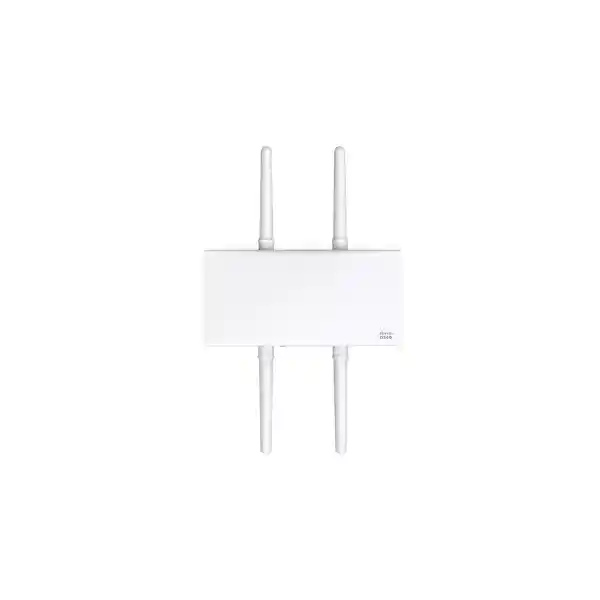
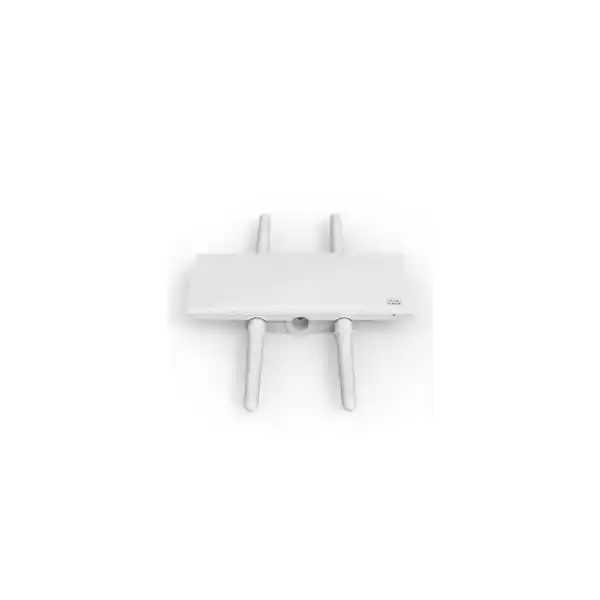
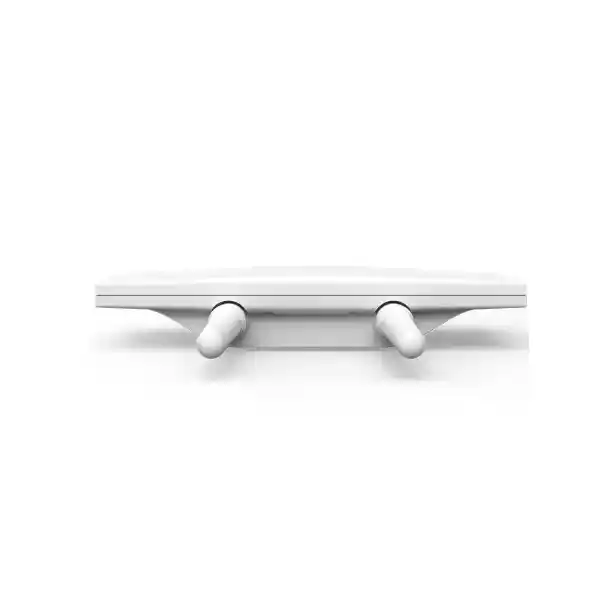
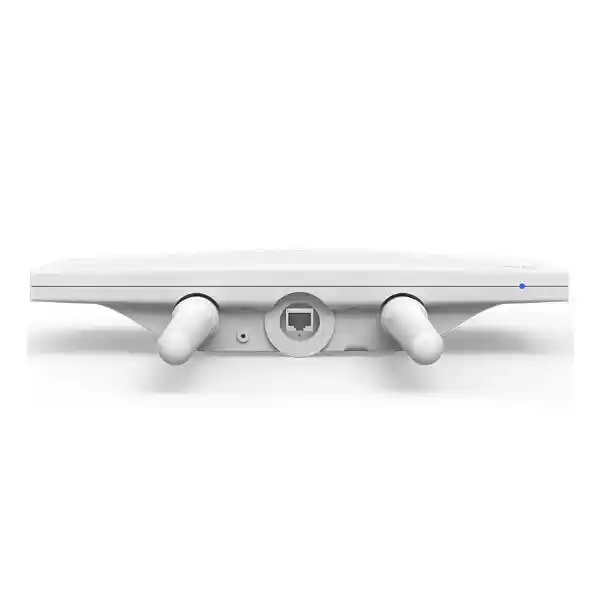
Cisco Meraki MR86 is a cloud-managed, ruggedized Wi‑Fi 6 outdoor access point built for demanding, high-density wireless environments. Cisco documentation identifies the MR86 as a 4×4:4 802.11ax platform with concurrent 2.4 GHz and 5 GHz client radios, a dedicated dual-band WIDS/WIPS and spectrum-analysis radio, Bluetooth Low Energy, external antenna connectors, IP67 environmental protection, and a multigigabit Ethernet uplink. For organisations in Tanzania, the strongest buying approach is to plan the MR86 as part of a complete wireless system: access point, correct antenna pattern, 802.3at PoE, switching capacity, cabling, mounting, Meraki licensing, RF design and operational ownership.
Direct answer
The MR86 is intended for high-capacity outdoor or demanding semi-industrial wireless deployments where environmental protection, flexible external antennas, high client density and centralized cloud management are important. It is not a 6 GHz access point; Cisco’s current capability reference identifies MR86 as Wi‑Fi 6 using 2.4 GHz and 5 GHz bands.
Best-fit projects
Typical projects include outdoor campuses, schools, hospitality properties, healthcare estates, warehouses, logistics yards, courtyards, public venues, large commercial premises and other spaces where wireless coverage must extend beyond controlled indoor rooms.
Before ordering
Confirm the required antenna type, mounting location, cable path, PoE source, switch uplink, VLAN design, expected client density, RF conditions, licensing term and Dashboard ownership. The MR86 hardware does not include antennas, and Meraki access point licensing is required.
What Cisco Meraki MR86 solves
Outdoor wireless is harder than indoor Wi‑Fi because the coverage area is less predictable, users may be spread across open and partially obstructed spaces, weather exposure affects hardware choices, and the best antenna pattern changes from one site to another. A courtyard, hotel garden, school field, logistics yard and long warehouse aisle do not have the same RF geometry. The MR86 addresses this by pairing a rugged outdoor enclosure with four external N-type antenna connectors and Meraki-supported omni, patch and sector antenna options. This gives the designer flexibility to match radio energy to the space instead of forcing one built-in pattern everywhere.
The MR86 also separates client service from RF monitoring. Its dedicated third radio performs dual-band wireless intrusion detection and prevention, spectrum analysis and location analytics while client radios continue serving users. A fourth Bluetooth Low Energy radio supports beaconing and scanning functions. For organisations with multiple sites, Meraki Dashboard provides centralized cloud management, monitoring, firmware delivery, RF optimization and troubleshooting tools. That operational model can be valuable when administrators need visibility across branches without installing a dedicated wireless controller at every property.
Performance planning should remain realistic. Cisco’s published figures describe aggregate radio frame rates rather than a guaranteed user throughput figure. Actual application performance depends on channel widths, interference, signal strength, client capabilities, airtime demand, backhaul, internet bandwidth and policy configuration. The 2.5 GbE wired interface helps prevent a 1 GbE uplink from becoming an immediate ceiling in high-demand designs, but the upstream switch, cabling and PoE system must also support the intended architecture.
Verified Cisco Meraki MR86 specifications
| Area | Verified MR86 information | Buying implication |
|---|---|---|
| Wireless generation | Wi‑Fi 6 / IEEE 802.11ax, dual-band 2.4 GHz and 5 GHz | Do not specify MR86 when 6 GHz service is a mandatory requirement. |
| Client radios | 4×4:4 MIMO with four spatial streams; SU-MIMO and MU-MIMO support | Useful for high-density and performance-sensitive deployments when clients and RF conditions can benefit. |
| Dedicated radio | Dual-band WIDS/WIPS, spectrum analysis and location analytics radio | Security and RF monitoring do not need to consume the primary client-serving radios. |
| Bluetooth | 2.4 GHz Bluetooth Low Energy radio with beacon and scanning support | Useful where BLE-based applications form part of the wider deployment. |
| Wired uplink | 1 x 100/1000/2.5G BASE-T Ethernet RJ45 | Check switch multigigabit support, cabling and uplink capacity. |
| Power | 802.3at-compatible PoE; Cisco installation guidance lists up to 30W | Validate PoE+ availability and total switch PoE budget. |
| Environment | IP67; operating temperature stated as -40°C to 55°C | Suitable for outdoor conditions when mounted and cabled according to Cisco guidance. |
| Antennas | Four external N-type female connectors; supported options include MA-ANT-20, MA-ANT-25, MA-ANT-27 and AIR-ANT2513P4M-N= | Antennas are not included; choose pattern and quantity during design. |
| Licensing | Meraki access point license required | Include the correct license term in lifecycle and procurement budgets. |
Antenna, PoE and deployment planning
Antenna selection is one of the most important MR86 design decisions. Cisco lists dual-band omni, patch and sector antennas for the platform. An omni antenna can suit areas where clients surround the mounting point, while a patch or sector pattern can be more effective when coverage must be concentrated toward a courtyard, seating area, yard, building face, corridor-like outdoor zone or defined sector. The correct decision should be based on a site drawing, mounting height, obstructions, expected client locations and an RF survey where the project justifies it. Choosing the highest-gain antenna without considering beamwidth can create weak areas or overshoot the intended zone.
Power planning should also be explicit. The MR86 requires 802.3at PoE operation according to Cisco installation guidance, and the access switch should have enough total PoE budget for all access points and other powered devices. If the existing switch is 802.3af only, a compatible injector or switch upgrade may be required. The Ethernet path should be checked for outdoor-rated cabling, surge and grounding considerations appropriate to the building design, cable distance, weather protection and the intended multigigabit link rate.
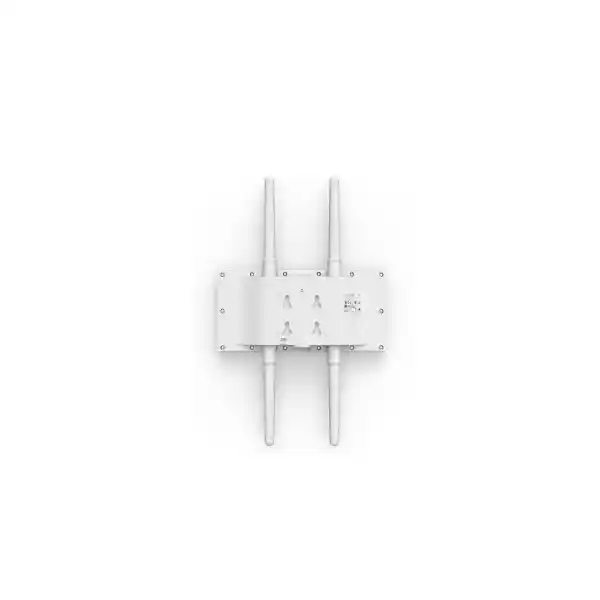
Before installation, the Dashboard organization and network should be prepared, serial numbers claimed, SSIDs and VLANs defined, security policies reviewed and firmware strategy agreed. Outdoor mounting should follow Cisco’s published installation procedure, including the supplied mount cradle and appropriate fixings for the surface. For a multi-AP project, channel strategy, transmit power, roaming behavior and coverage overlap should be validated after installation rather than assuming default placement is optimal.
Licensing, management and lifecycle considerations
Meraki is a cloud-managed platform, so licensing is part of the operating model rather than an optional afterthought. A quotation should therefore identify the MR86 hardware quantity and the appropriate Meraki MR licensing quantity and term. Procurement teams should confirm the licensing model in use for the customer organization, renewal ownership, subscription end dates and who will hold Dashboard administrative control. The license decision should be made together with the customer rather than copied from an unrelated deployment.
Centralized Dashboard operation is especially useful for organizations with multiple branches or campuses because administrators can monitor status, configure networks, review RF conditions, receive alerts and troubleshoot remotely. That convenience still requires governance. Use named administrator accounts, multi-factor authentication where supported, suitable role permissions, configuration standards, network naming conventions and documented ownership. A well-managed Dashboard organization becomes a shared operational system, not merely a place to activate hardware.
Firmware also deserves a lifecycle policy. Meraki cloud management automates distribution of firmware, but businesses should still understand maintenance windows, release status, application sensitivity and post-upgrade validation. For critical wireless services such as payment, warehouse operations, guest services, healthcare mobility or voice, change planning and testing can reduce avoidable disruption.
Cisco Meraki MR86 Tanzania
Cisco Meraki MR86 Tanzania projects are best approached as complete outdoor wireless designs rather than one-line hardware purchases. Tanzanian organizations may need wireless coverage across school compounds, hospitality properties, warehouses, logistics facilities, commercial courtyards, healthcare campuses, industrial areas, large offices with outdoor spaces, government facilities or multi-building estates. In each case, the key design question is not simply how far one access point can transmit. The useful questions are where users will stand or move, which applications they will run, how many devices may be active during peak periods, what structures block or reflect radio signals, which wired network is available at the mounting point and how the environment changes during busy periods.
The MR86 is attractive for these projects because it combines IP67 construction, external antenna flexibility, 4×4:4 Wi‑Fi 6 radios, a multigigabit uplink and Meraki cloud management. However, the bill of materials needs to include more than MR86-HW. Antennas are purchased separately, so the coverage pattern must be selected deliberately. Power requires 802.3at PoE, which means the proposed switch or injector should be checked for both per-port power and aggregate budget. A Meraki AP license is also required. If existing switches are older, verify that they can provide PoE+ and, where desired, a 2.5 GbE connection.
For Tanzania procurement, request a quotation that identifies hardware, antennas, licenses, power components and installation assumptions separately. Provide site plans, mounting heights, user density, existing switch models, cabling type, internet capacity and the number of SSIDs or VLANs expected. If staff, guests, cameras, voice and operational devices will share the same network, define segmentation early. Review the FourTeck Tanzania integrated technology overview for the wider relationship between Wi‑Fi, switching, security and infrastructure, and use the FourTeck Tanzania technology shop to frame product-selection and compatibility questions. The practical objective is a wireless network that remains supportable after installation, with documented Dashboard ownership, AP names, switch ports, antenna choices and renewal responsibilities.
Cisco Meraki MR86 Dar es Salaam
Cisco Meraki MR86 Dar es Salaam deployments may serve headquarters compounds, hotels, education sites, warehouses, customer-facing facilities, logistics operations and multi-building offices where indoor wireless coverage needs to extend into outdoor or semi-outdoor areas. Dar es Salaam projects can also involve high concurrent user counts in courtyards, reception approaches, pool areas, loading zones or event spaces. In those situations, high-density design matters more than headline range. The radio environment should be planned around client concentration, interference, wall construction, mounting height and how traffic flows back to the switching and internet edge.
The MR86 can provide a strong technical foundation because Cisco specifies 4×4:4 Wi‑Fi 6 client radios, OFDMA and MU-MIMO features, a dedicated RF security/monitoring radio, BLE, IP67 protection and 2.5 GbE Ethernet. The external N-type antenna system lets designers choose an omni pattern for surrounding coverage or more focused patch/sector patterns where radio energy should be directed toward a specific area. Antenna placement should be assessed visually and technically; mounting an outdoor AP at the highest possible point is not automatically the best design if the intended users are close to buildings or concentrated in one direction.
Dar es Salaam businesses should include the wired side of the project in the same review. Determine where the nearest PoE+ switch is located, whether outdoor cabling needs additional mechanical or environmental protection, whether fiber is required between buildings and whether the uplink can support aggregate wireless demand. Guest access should normally be isolated from finance, servers, IP cameras and business systems. If the site also uses Meraki security appliances, the Cisco Meraki MX Tanzania overview explains how cloud-managed security and SD-WAN can complement wireless segmentation. For implementation assistance, the FourTeck Tanzania services page covers broader planning, deployment and lifecycle work. Before quotation, provide quantity, antenna assumptions, license term, switch details, floor or site plan and expected peak clients so the commercial response is tied to the actual environment.
Cisco Meraki MR86 Mwanza
Cisco Meraki MR86 Mwanza projects can be particularly relevant for organizations that need centralized control of wireless infrastructure at a branch, campus, hotel, warehouse, education site or outdoor operational area while the main IT team may be elsewhere. The Meraki cloud-management model can reduce the need for a dedicated on-site wireless controller and gives administrators remote visibility into access point status, RF conditions and client behavior. That operational advantage is strongest when the deployment is standardized with clear naming, documented switch ports, defined SSIDs, consistent VLANs and known escalation ownership.
A Mwanza site should first establish the physical coverage objective. Outdoor areas around buildings, courtyards, warehouses and open operating zones can behave differently from indoor rooms. Water, metal surfaces, vehicles, shelving, construction materials and human density can influence RF behavior. The MR86 supports external antenna choices, making it possible to use a broad omni pattern in one location and a directional patch or sector approach in another. The selection should be based on intended users and obstruction geometry rather than on a generic “long range” assumption. After installation, validate signal quality, channel utilization, roaming and application performance in real operating conditions.
Power and connectivity require equal attention. Cisco specifies 802.3at PoE and a 100/1000/2.5GBASE-T uplink. If the current Mwanza switching environment offers only 1 GbE, the access point can still be assessed in that design, but the organization should understand where wired bottlenecks may occur and whether a switch upgrade is justified. For remote sites, UPS protection for the access switch and upstream internet equipment may be important if continuity is a business priority. If the wider network is being standardized on Meraki, the Cisco Meraki MX67 Tanzania product page provides an example of how branch security hardware can fit into the same cloud-managed ecosystem. Quotations should keep MR86 hardware, antennas, PoE components and licenses visible as separate planning items.
Cisco Meraki MR86 Arusha
Cisco Meraki MR86 Arusha deployments can fit hospitality, tourism, education, commercial campus and regional business environments where outdoor wireless experience affects both staff operations and guest service. A resort or hotel may need reliable connectivity around courtyards, recreation areas, gardens or external meeting spaces. A school or training campus may need capacity across shared outdoor areas. A business compound may need roaming between buildings or warehouse zones. These scenarios place different demands on antenna pattern, client density and traffic policy, so one repeated AP placement rule is rarely enough.
For hospitality-style deployments, guest traffic can be highly variable and may include streaming, cloud backups and many personal devices. Staff systems may include reservation, payment, voice, security or operations applications that require more predictable service. Wireless design should therefore combine RF planning with network segmentation and bandwidth policy. The MR86 supports Meraki application-aware traffic features and guest-network controls through the Meraki platform, but the end-to-end result also depends on switching, firewall policy and internet capacity. Guest SSIDs should not be treated as equivalent to trusted staff networks.
Arusha buyers should pay particular attention to antenna selection and mounting. An omni antenna can be suitable when users surround the AP, while patch or sector antennas can focus coverage toward a defined area and reduce wasted energy in other directions. The AP itself is IP67-rated, but installation details still matter: use correct outdoor cabling practices, protect connections, follow Cisco grounding and mounting guidance and avoid placing the unit where structural elements unnecessarily shadow the intended service area. The Cisco Meraki MX75 Tanzania page is useful for organizations also reviewing Meraki-managed security and WAN services, while the FourTeck Tanzania company page provides context on the broader technology approach. For quotation accuracy, include the outdoor areas, estimated peak clients, mounting points, existing switch model, desired license term and whether staff, guest and IoT traffic need separate policies.
Cisco Meraki MR86 Dodoma
Cisco Meraki MR86 Dodoma deployments may suit institutions, business campuses, education facilities, public-sector environments, healthcare estates and commercial properties that require managed outdoor Wi‑Fi with centralized administration. In distributed organizations, the Meraki Dashboard can help a central team monitor AP health, make policy changes and investigate issues without treating every site as an isolated wireless system. This is particularly useful when Dodoma is one branch in a broader Tanzania network and the organization wants repeatable SSIDs, VLANs, security policy and device naming across locations.
The MR86 should be selected for the environment, not only the brand standard. Its 4×4:4 Wi‑Fi 6 radios and dedicated security/spectrum radio are intended for demanding deployments, while external antennas make it possible to shape coverage around the property. A campus may need multiple sectors rather than one centrally mounted AP. A long outdoor walkway may benefit from a directional pattern. A courtyard with users on all sides may suit an omni approach. A survey or careful predictive design can identify where overlap is needed for roaming and where excessive overlap would create unnecessary co-channel contention.
Infrastructure planning in Dodoma should document PoE, cable paths, switch port capacity, uplink bandwidth and power continuity. Cisco specifies 802.3at PoE and a multigigabit Ethernet port. If an installation uses several MR86 units on one switch, calculate aggregate PoE demand and verify the switch can supply it under the chosen power configuration. If the site connects back to other offices, confirm the WAN architecture can carry the expected cloud and internal application traffic. Organizations comparing security appliances can also review the Cisco Meraki MX85 Tanzania product page for a related Meraki platform example. Before purchase, the customer should retain ownership of Dashboard credentials and licensing records, document all antenna SKUs and ensure renewal responsibility is assigned.
Cisco Meraki MR86 UAE
Cisco Meraki MR86 UAE deployments can support regional organizations that want a consistent wireless architecture across Tanzania and Gulf locations. UAE offices, hospitality properties, logistics facilities, warehouses, campuses and large commercial sites can have high-bandwidth internet services and dense client populations, which makes wired backhaul design especially important. The MR86 includes a 2.5 GbE port, but achieving useful end-to-end performance requires compatible switching, suitable cabling, enough PoE budget and appropriate upstream capacity. A multigigabit AP connected to an undersized switch uplink will still inherit the bottleneck of the rest of the path.
Outdoor and semi-outdoor areas in the UAE can also involve heat, dust and wide-open RF spaces. Cisco rates the MR86 to IP67 and lists an operating range up to 55°C, but equipment placement should still avoid unnecessary thermal loading, follow Cisco mounting guidance and account for the environmental conditions of the exact installation. External antenna flexibility is valuable for yards, hotel areas, building approaches and outdoor public zones because designers can select omni, patch or sector patterns instead of accepting a fixed integrated-antenna shape.
Regional businesses should coordinate Dashboard organization structure before adding sites in multiple countries. Decide whether Tanzania and UAE networks are managed in one organization, how administrator roles are delegated, which templates or common settings will be used and who owns license renewals. Standardization can simplify operations, but local RF plans should still reflect each property. For UAE-wide technology context, visit FourTeck UAE; for broader African Meraki portfolio planning, the Cisco Meraki Enterprise Solutions Africa page explains related switching, security and wireless families. A regional quotation should separate MR86 hardware, antennas, licensing, PoE and installation while maintaining a common documentation standard across countries.
Cisco Meraki MR86 Uganda
Cisco Meraki MR86 Uganda deployments can help organizations operate outdoor wireless across offices, schools, healthcare sites, hospitality properties, logistics facilities and multi-building compounds while keeping configuration and monitoring centralized. For businesses with sites in both Uganda and Tanzania, a Meraki deployment can create a common operating model: similar SSID naming, user policies, alerting, administrator roles and troubleshooting workflows, while still allowing each property to use the antenna pattern and AP density that its physical environment requires.
Uganda procurement should begin with the site role. A branch courtyard with moderate users has different requirements from an education campus during class changes or a warehouse yard with handheld devices moving among loading areas. Capacity design should identify peak concurrent clients, application types and roaming paths. External antennas make MR86 adaptable, but only when the correct model is selected. Omni coverage can suit a central point; patch and sector antennas can concentrate RF toward a building face, yard or defined service zone. A post-install validation survey should confirm coverage and channel behavior after the environment is active.
The wired network remains essential. Cisco requires 802.3at PoE and supports 2.5 GbE on MR86. Check the access switch for PoE budget, port capability and uplink capacity. Where sites are remote from the core network, fiber may be appropriate between buildings, with the AP connected to a local PoE switch rather than attempting excessive copper distance. UPS design can keep the AP, switch and internet edge available during short power interruptions if continuity is important. Buyers can use FourTeck Uganda for Uganda-focused technology context and Cisco Meraki MR Series Africa for broader family planning. Quotations should identify hardware, antennas and licensing clearly so there is no ambiguity about what is included.
Cisco Meraki MR86 Kampala
Cisco Meraki MR86 Kampala can be considered for headquarters compounds, hospitality locations, education campuses, warehouses, logistics businesses, medical facilities and multi-building commercial environments that need centrally managed outdoor Wi‑Fi. Kampala may also be the operational hub for organizations with branches across Uganda, so the wireless design can benefit from common Meraki Dashboard policies while each branch uses a hardware profile suited to its size. The MR86 is most appropriate where high density, rugged outdoor installation and external antenna flexibility justify the platform compared with smaller outdoor APs.
A Kampala campus design should define wireless zones rather than merely placing access points at visually convenient positions. Map staff work areas, guest spaces, vehicle or loading zones, outdoor meeting points, walkways and any areas where handheld operational devices roam. Then select antenna patterns and mounting points that cover those zones with appropriate overlap. Directional antennas can be particularly useful when the mounting surface is at the edge of the service area. Omnidirectional antennas may be more appropriate for central positions where clients exist around the AP. Interference from neighboring networks should be considered, especially in dense urban settings.
The security design should separate users according to trust. Guest internet, staff devices, IoT equipment, cameras and administrative systems do not necessarily need the same VLAN or firewall access. Meraki wireless policy can participate in that segmentation, but the switch trunks, DHCP scopes and firewall rules must match. If the Kampala property is also a VPN hub or central internet edge, aggregate traffic from branches should be included in WAN sizing. The MR86 itself needs an AP license, and the support/renewal term should be coordinated with other Meraki assets where practical. A useful quotation includes quantity, desired antenna type, pole/wall mounting assumptions, switch model, license duration, estimated clients and site plan. This information reduces the chance of ordering correct hardware with incomplete supporting components.
Cisco Meraki MR86 Arua
Cisco Meraki MR86 Arua deployments may emphasize remote manageability, environmental resilience and operational simplicity. A branch or institutional site may not have a specialist wireless engineer on location every day, so centralized cloud management can reduce the number of routine tasks that require local access. Dashboard visibility can help a central team identify AP status, client issues and RF conditions, while configuration standards can be replicated from the broader organization. This does not remove the need for good physical design, but it can make day-to-day support more efficient.
For Arua, define the service area carefully before choosing antenna hardware. A broad outdoor compound may need multiple APs because client capacity and roaming matter as much as signal reach. Trying to cover a large area from one very high mounting point can produce uneven uplink performance because client devices transmit at lower power than the access point. Directional patch or sector antennas can focus service into practical zones, while omni antennas can serve users around a centrally located mount. The final plan should account for walls, roofs, vegetation, vehicles and any structures that change the line of sight.
Remote sites also make infrastructure resilience important. The access point depends on the switch, the switch depends on stable power and the cloud-management path depends on WAN connectivity. If the site requires continuity, consider UPS capacity for networking equipment and a documented recovery process. Cisco specifies PoE+ class power for MR86, so check that the switch does not become overloaded as additional APs, cameras or phones are added. Where WAN bandwidth is limited, traffic shaping and guest policy can help preserve critical application performance, but local user expectations should be realistic. Procurement should record serial ownership, license term, antenna SKU and mounting accessories so a later support team can identify exactly what was installed.
Cisco Meraki MR86 Mbarara
Cisco Meraki MR86 Mbarara can support business compounds, healthcare facilities, hotels, educational sites, warehouses and branch environments where reliable outdoor or semi-outdoor wireless needs to be managed by a central IT team. The platform is valuable when a project needs stronger capacity and antenna flexibility than an entry-level outdoor access point. Because the MR86 is Wi‑Fi 6 rather than 6E, it serves clients on 2.4 GHz and 5 GHz. That distinction matters for procurement teams comparing it with newer 6 GHz-capable platforms: choose based on actual client, spectrum and deployment requirements rather than generation labels alone.
For a Mbarara deployment, estimate peak usage by zone. A quiet courtyard during most of the day may become dense during events. A warehouse yard may have fewer users but require stable roaming for scanners and operational devices. A hotel may combine staff applications with many guest devices. These patterns influence AP quantity, antenna choice and channel design. The MR86 supports external N-type antennas, so each AP can be aligned with its coverage role. Use a site plan and, when practical, RF measurements to confirm design assumptions.
The backhaul should be documented at the same time. A 2.5 GbE AP port can support more wired capacity than 1 GbE, but the switch and upstream links must match if the project expects to use that headroom. The AP requires 802.3at PoE, and the cable path should follow appropriate outdoor installation practice. Network segmentation can separate guests, business devices and IoT. If the site is part of a wider Meraki organization, standard templates can improve consistency, but local RF settings may still need tuning. Before a quotation is approved, confirm antenna type, quantity, license term, PoE availability, mounting location, cable length, VLANs and Dashboard ownership. These details make the purchase auditable and easier to support later.
Cisco Meraki MR86 Gulu
Cisco Meraki MR86 Gulu projects can benefit from the combination of cloud administration and rugged outdoor hardware when an organization needs managed Wi‑Fi in branch compounds, education sites, healthcare environments, hospitality properties or operational facilities. Centralized management is particularly useful when the network team supports several geographically separated sites. Administrators can use Meraki Dashboard for configuration and monitoring, while local staff focus on physical tasks such as checking power, cabling or mounting if needed.
A Gulu design should avoid equating coverage with capacity. Seeing a strong Wi‑Fi signal does not guarantee good performance if too many devices share one radio or if the internet connection is saturated. Plan around concurrent clients, traffic type, roaming and service-critical applications. Outdoor client devices may have different radio capabilities, so cell sizes should be designed for two-way communication rather than maximum AP transmit range. The MR86’s external antennas provide useful flexibility for this. Directional patterns can create purposeful cells along yards or building edges; omni patterns can serve central open areas.
For procurement, verify all dependencies. Antennas are not included with the AP hardware. The MR86 needs 802.3at PoE and a Meraki AP license. If an existing switch is already powering cameras and phones, calculate remaining PoE capacity before adding wireless units. If the switch uplink is limited, account for combined traffic from all APs and wired endpoints. For important branch operations, consider UPS coverage for the switch and WAN equipment so a brief power event does not take the wireless service down immediately. The final handover should document AP serial numbers, antenna models, mounting points, switch ports, IP/VLAN design, Dashboard organization access and license renewal dates. This documentation is particularly valuable for remote support and future expansion.
Cisco Meraki MR86 Kenya
Cisco Meraki MR86 Kenya deployments can provide a common wireless architecture for organizations operating in both Kenya and Tanzania. Nairobi headquarters, logistics facilities, hospitality sites, education campuses and multi-building commercial properties may require high client density and robust outdoor hardware, while branch sites may use smaller access points. Meraki Dashboard allows those different hardware profiles to sit within one management approach, enabling common naming, policy, alerting and administrator practices without forcing every location to use identical AP models.
For high-bandwidth Kenyan sites, the wired network should be designed to match the MR86’s 2.5 GbE capability where the traffic profile justifies it. That means multigigabit switch ports, adequate switch backplane and uplink capacity, appropriate cabling and sufficient 802.3at PoE budget. In a multi-AP campus, aggregate wireless traffic can exceed one access-switch uplink if many users transfer large files or use video simultaneously. Network design should therefore include both RF and switching calculations rather than treating them as separate purchases.
Outdoor antenna design is equally important. Cisco supports omni, patch and sector options for MR86. An installation around a hospitality property may mix antenna types so open central spaces receive broad coverage while long edges or parking areas use more directed cells. Urban interference can also be significant, so channel reuse and transmit power should be validated. For Kenya-specific IT context, visit FourTeck Kenya. Organizations standardizing across Africa can also reference Cisco Meraki Products Africa for the wider MX, MS, MR and related portfolio. A cross-border quotation should keep hardware, licenses and antennas visible by site so renewals and deployment scope remain clear.
Cisco Meraki MR86 Kuwait
Cisco Meraki MR86 Kuwait can be appropriate for outdoor commercial areas, hospitality properties, education campuses, logistics facilities, warehouses and enterprise compounds where cloud-managed Wi‑Fi 6 and ruggedized hardware are required. Kuwait deployments should consider both environmental exposure and the intended mounting position. Cisco rates the MR86 IP67 and for operation up to 55°C, but engineering practice should still seek sensible placement, correct weatherproofing, proper cable entry and installation according to manufacturer guidance. Environmental rating does not eliminate the need for careful field work.
High temperatures and exposed outdoor areas can make antenna and enclosure placement more consequential. A directional antenna can concentrate service toward a defined yard, terrace or building approach instead of transmitting equally in all directions. An omni antenna can suit a central pole where users surround the access point. The correct antenna should be selected from the supported Cisco options and documented in the bill of materials. Antenna connectors, cable glands and mounting accessories should be treated as part of the deployment, not added informally after the AP arrives.
Kuwait sites can also have high-speed internet and dense user expectations, making switching design important. If the MR86 is expected to carry substantial traffic, evaluate multigigabit access switching and upstream capacity. 802.3at PoE is required, so total PoE budget must include all powered endpoints. Meraki licensing and Dashboard organization management should be coordinated with the wider network. Visit FourTeck Kuwait for Kuwait-focused technology context. For businesses linking Kuwait with Tanzania or other regions, standardize documentation, administrator roles, SSID naming and license tracking while allowing each site to have its own RF design. This balance provides operational consistency without ignoring local conditions.
Cisco Meraki MR86 Ghana
Cisco Meraki MR86 Ghana deployments can support organizations that need high-capacity outdoor wireless across hotels, campuses, healthcare compounds, warehouses, commercial sites, schools or public-facing spaces. Cloud management can be useful when IT administration is centralized and multiple properties must be monitored from one team. The MR86’s dedicated security and spectrum radio also helps administrators observe the RF environment while the primary radios continue serving clients, which is valuable in places where neighboring wireless networks or changing interference conditions affect service quality.
A Ghana project should define whether the priority is broad coverage, high density, directional coverage or mobility. These goals produce different AP placements. A large open area may require several cells because client capacity and uplink power limit practical coverage. A building edge may benefit from a sector antenna that points into the intended zone. A central courtyard may be more suited to omni coverage. Because the MR86 uses external antennas, the design can be adapted, but the procurement team must include the selected antenna SKUs and verify they are appropriate for local regulatory and Cisco-supported operation.
The rest of the network must support the wireless layer. Confirm 802.3at PoE, switch port capability, cabling, uplink bandwidth, VLANs and internet capacity. If guest access is offered, isolate it from internal systems and define reasonable traffic policy. If voice or operational applications use Wi‑Fi, roaming and QoS considerations should be tested in the actual site. For Ghana-focused technology resources, visit FourTeck Ghana. Regional organizations can use the same Meraki Dashboard operating standards across countries while assigning local network names, RF profiles and site documentation. A quotation should include hardware, antennas, licensing, PoE/multigigabit switching needs and any installation scope separately so procurement can compare complete solutions rather than incomplete AP-only prices.
Cisco Meraki MR86 Nigeria
Cisco Meraki MR86 Nigeria deployments may suit large enterprises, education campuses, hospitality environments, logistics operations, warehouses, healthcare facilities and distributed organizations that need rugged outdoor Wi‑Fi and centralized administration. Large sites can experience both high client density and significant RF complexity, so the design should divide the property into service zones. An MR86 should not be selected simply because it is a high-end outdoor AP; it should be matched to coverage shape, client demand, mounting options and wired backhaul.
Meraki’s cloud architecture can be valuable for organizations with offices in several Nigerian cities or across multiple African countries. A central network team can maintain common SSIDs, identity methods, alerting and operational processes while local sites use different AP quantities and antenna types. Dashboard visibility also reduces dependence on on-site controller appliances. However, cloud-managed operation means licensing must be included in procurement and renewals must have a named owner. Dashboard administrator security, MFA, role separation and configuration documentation are part of the operational design.
For a high-density outdoor area, use the MR86’s external antennas deliberately. Sector or patch patterns can shape cells and help manage interference; omni patterns can provide surrounding coverage from central positions. The 2.5 GbE wired port provides headroom, but access and core switching should be sized for aggregate demand. The AP requires 802.3at PoE, so switch power budget and UPS planning should be reviewed for multi-AP deployments. Nigeria-focused IT context is available at FourTeck Nigeria. For a regional rollout, request site-by-site bills of materials that identify MR86 hardware, antennas, licenses, PoE requirements and mounting assumptions. This makes procurement clearer and avoids hidden dependencies during installation.
Cisco Meraki MR86 Seychelles
Cisco Meraki MR86 Seychelles projects can be relevant for resorts, hospitality properties, commercial compounds, education sites and other environments where users expect wireless service in outdoor spaces exposed to changing weather. The MR86’s IP67 enclosure and external antenna design make it suitable for outdoor planning, but coastal and island projects should still pay close attention to installation materials, cable protection, mounting hardware and long-term environmental exposure. Manufacturer environmental ratings do not remove the need for site-specific engineering and periodic inspection.
Hospitality is a strong example of why antenna design matters. Guests may move between rooms, restaurants, pools, terraces and landscaped areas while using multiple devices. Staff may use operational applications, voice, payment or service systems over the same infrastructure. The wireless design should therefore distinguish guest capacity from business-critical traffic and create overlapping cells that support practical roaming without excessive interference. Directional antennas can focus service into beaches, terraces or building edges, while omni antennas can suit central shared spaces where users surround the mounting point.
Connectivity between buildings may require fiber or protected outdoor copper depending on distance and site architecture. The MR86 itself uses 802.3at PoE and can link at 2.5 GbE, so switches should be chosen with power and uplink capacity in mind. If the property depends heavily on cloud applications, internet resilience and WAN monitoring are also part of the end-user experience. A single Wi‑Fi issue can actually originate upstream, so troubleshooting should look at RF, switching, firewall and internet layers together. For regional planning, FourTeck Africa provides broader technology context. A Seychelles quotation should include hardware, antenna model, license term, PoE equipment and installation assumptions, and should avoid promises about coverage until the property layout and RF conditions have been assessed.
Related FourTeck Tanzania resources
Cisco Meraki MR86 performs best when planned with the network around it. Use the following verified Tanzania FourTeck pages as supporting references: the FourTeck Tanzania home and integrated solutions overview explains how wireless connects with switching, firewalls, cabling and power; the business technology shop gives category-level buying guidance; the technology services page covers planning and lifecycle work; and the Tanzania contact page is the verified route for commercial requests.
For related Meraki security products, review Cisco Meraki MX Tanzania for the family overview, Cisco Meraki MX67 Tanzania for a compact branch security example, Cisco Meraki MX75 Tanzania for a larger branch platform, and Cisco Meraki MX85 Tanzania for another higher-capacity edge option. These links are not substitutes for MR86 wireless design; they are useful where the customer wants a broader Meraki-managed network across wireless, switching and security.
How to choose MR86 instead of a smaller outdoor AP
Choose MR86 when
The design needs 4×4:4 Wi‑Fi 6 capacity, a multigigabit uplink, rugged outdoor operation, external antenna flexibility and centralized Meraki management in a demanding environment.
Review alternatives when
The site has modest client density, only basic coverage requirements, or needs integrated antennas, 6 GHz, Wi‑Fi 7 or a different management architecture. Model selection should follow requirements rather than product tier.
Confirm before purchase
Antenna SKU, AP quantity, PoE+, switch uplink, mounting, license term, regulatory domain, cable path, SSIDs, VLANs and Dashboard ownership.
Cisco Meraki MR86 quotation checklist
✓ Number of MR86 access points and site locations
✓ Antenna pattern and supported antenna SKU for each AP
✓ Meraki license quantity and preferred subscription term
✓ Existing PoE switch model, PoE budget and port speeds
✓ Site plan, mounting heights and outdoor cable routes
✓ Peak client count, application types and guest requirements
✓ SSIDs, VLANs, identity method and firewall segmentation
✓ Installation, RF validation, documentation and support scope
Cisco Meraki MR86 FAQs
Is Cisco Meraki MR86 Wi‑Fi 6 or Wi‑Fi 6E?
Cisco’s current MR capability reference identifies MR86 as Wi‑Fi 6 / 802.11ax with 2.4 GHz and 5 GHz operation and no 6 GHz capability. Some general product index pages can use inconsistent labeling, so the model-specific datasheet and capability matrix should guide procurement.
Does MR86 include antennas?
No. Cisco lists antennas separately. Supported choices include Meraki dual-band omni, patch and sector antennas and a Cisco dual-band patch option. The correct antenna depends on the coverage geometry and should be selected during design.
What PoE does MR86 need?
Cisco installation guidance states 802.3at-compatible Power over Ethernet, with up to 30W maximum power consumption. Verify both per-port capability and the total PoE budget of the switch.
Does Cisco Meraki MR86 require a license?
Yes. Cisco’s MR86 ordering information states that a Meraki access point license is required. Include the correct license quantity and term with the procurement plan.
Can MR86 be used outdoors?
Yes. Cisco positions MR86 as an outdoor access point and lists an IP67 environmental rating. Installation should still follow manufacturer mounting, grounding, cabling and weather-protection guidance.
How many MR86 access points do I need?
There is no reliable fixed square-metre rule. Quantity depends on site geometry, mounting height, wall or structural materials, antenna pattern, client density, interference, roaming requirements and application demand. A site survey or predictive design is preferred for important projects.
What should I provide to receive an accurate quotation?
Provide quantity, site location, coverage areas, floor or site plans, expected peak users, existing switch model, available PoE, desired antenna pattern if known, license term, mounting requirements and whether installation or RF validation is required.
Decision recap
Cisco Meraki MR86 is a strong fit when a project needs rugged outdoor Wi‑Fi 6, 4×4:4 capacity, flexible external antennas, dedicated RF security/monitoring, a 2.5 GbE uplink and centralized Meraki cloud management. The purchase decision should not stop at MR86-HW. A complete design also includes supported antennas, 802.3at PoE, suitable switching, cabling, mounting, licensing, VLAN/security policy and operational ownership. If 6 GHz is mandatory, evaluate a 6 GHz-capable alternative rather than assuming MR86 is Wi‑Fi 6E.
Consultation panel
For a useful Cisco Meraki MR86 quotation, share the deployment location, number of outdoor zones, approximate site dimensions, expected concurrent users, switch model, PoE availability, internet capacity, desired guest/staff separation and preferred license term. FourTeck can then review whether MR86 is appropriate, which antenna pattern should be considered and which supporting components belong in the bill of materials. Use the verified FourTeck Tanzania contact page for the commercial request.



Reviews
There are no reviews yet.