
FORTINET SECURE WIRELESS
FortiAP FAP-221K Tanzania
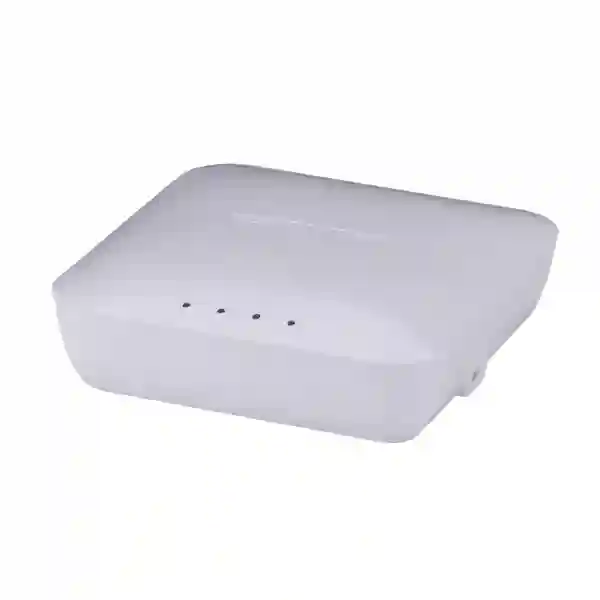
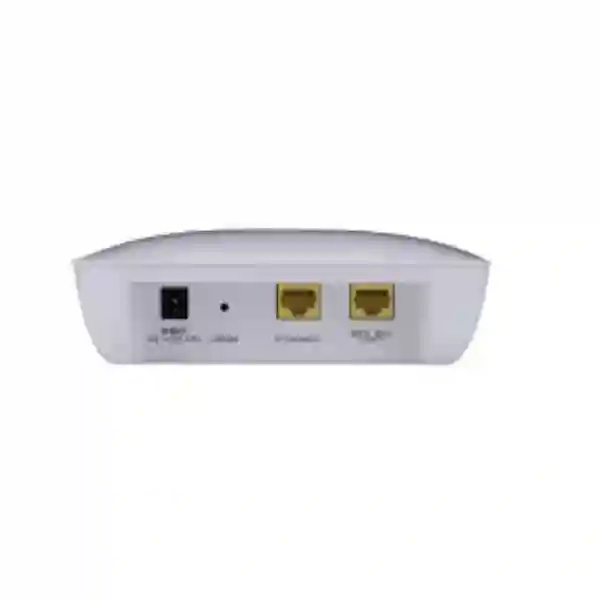
The FortiAP FAP-221K is an indoor Wi-Fi 7 access point in Fortinet’s secure wireless portfolio. Fortinet lists the model with 2×2 internal antennas and positions FortiAP as part of an integrated approach to wireless networking and security. For organizations in Tanzania, the practical buying decision is not simply whether a device carries a Wi-Fi 7 label: it is whether the access point fits the site’s client mix, coverage plan, switching infrastructure, power design, security policies, and management architecture.
FourTeck supports procurement conversations around those real deployment questions. A quotation request can include the number of planned access points, building type, floor count, approximate coverage area, expected user and device population, existing FortiGate and switch environment, guest-access requirements, and any requirement to integrate wireless access with existing network-security controls.
Verified model snapshot
Model: FAP-221K
Wireless generation: Wi-Fi 7
Radio/antenna class: 2×2, internal
Deployment: Indoor
Use these verified characteristics as a starting point; final WLAN design should be based on the actual site and intended workload.
Why consider the FortiAP FAP-221K?
Modern wireless projects are increasingly security projects as well as connectivity projects. Users move between meeting rooms, work areas and shared spaces while laptops, phones, scanners, printers, collaboration devices and other endpoints compete for airtime. Fortinet’s FortiAP strategy brings wireless access into its broader secure-networking architecture, enabling organizations to plan WLAN operations alongside security and network policy rather than treating the access layer as an isolated system.
Wi-Fi 7 platform
FAP-221K belongs to Fortinet’s Wi-Fi 7 access-point range, giving buyers a current-generation platform for new indoor WLAN projects.
Indoor 2×2 design
Fortinet identifies the model as a 2×2 access point with internal antennas for indoor use, suitable for designs where discreet integrated antennas are preferred.
Integrated operations
FortiAP can participate in Fortinet’s centralized wireless-management approach, helping IT teams align wireless access with their broader Fortinet environment.
Deployment planning for FAP-221K
A reliable WLAN starts with design inputs rather than a simple access-point count. Building materials, ceiling height, room layout, neighboring RF activity, device density, application mix and roaming patterns all influence coverage. A small office with mostly email and web traffic has different requirements from a training facility with many simultaneous video sessions, a retail environment with handheld terminals, or a hospitality site with guest traffic. Buyers should therefore avoid assuming that a fixed square-metre figure or a generic access-point-to-user ratio will be accurate for every project.
Before ordering, document the existing LAN edge. Identify switch models, available uplink capacity, PoE capability, VLAN design, DHCP and DNS dependencies, firewall placement and internet circuits. Where a FortiGate already exists, record the exact model and software environment so compatibility and management planning can be reviewed against current Fortinet documentation. If this is a new Fortinet deployment, the quotation can be scoped as a wider secure-LAN project rather than as isolated AP hardware.
Wireless security requirements should also be captured early. Consider employee authentication, guest segmentation, IoT isolation, SSID strategy, administrative roles, logging, policy enforcement and the organization’s compliance obligations. This makes the procurement conversation more useful because the access-point hardware can be evaluated as part of an operational design rather than after the network has already been purchased.
FortiAP FAP-221K Tanzania
Organizations searching for FortiAP FAP-221K in Tanzania commonly need a practical path from model selection to deployment planning. The country’s business networks span corporate offices, professional services, education, hospitality, retail, healthcare, logistics and distributed branch environments. Each has a different wireless profile. An office may prioritize secure employee roaming and meeting-room performance; a retailer may need reliable connectivity for operational devices and segmented guest access; a school may need policy consistency across classrooms and administration areas. The FAP-221K’s indoor form factor makes the model relevant to projects where integrated antennas and current-generation Wi-Fi are required, but the correct quantity and placement should be based on the site.
For Tanzania procurement, prepare a bill-of-requirements before requesting a quote. Include the number of buildings and floors, approximate dimensions, wall construction, expected concurrent clients, critical applications, existing firewall and switches, available PoE, and whether the project is a new installation or replacement. If existing APs are being replaced, note their locations and the problems the new design is expected to solve, such as weak coverage, congestion, difficult management or inconsistent security policy. This information helps separate a simple hardware quote from a properly scoped WLAN requirement.
Organizations standardizing on Fortinet can also examine the relationship between wireless access and the wider Security Fabric. Fortinet describes FortiAP as part of its secure networking portfolio, with centralized management options designed to simplify policy and visibility. Buyers should confirm the management method and software compatibility for their intended architecture before final purchase. For related security planning, visit FourTeck Tanzania to review the local technology portfolio, and use the consultation process to align wireless requirements with firewall, switching and network-security needs.
Commercial evaluation should also cover the non-AP items that can affect project readiness: compatible PoE infrastructure, mounting requirements, cabling, switching headroom, configuration effort and support expectations. FourTeck does not need to assume stock, delivery dates or pricing in advance; those details can be confirmed during quotation. This gives Tanzanian buyers a clearer procurement record and reduces the risk of ordering access points before the supporting network has been assessed.
FortiAP FAP-221K Dar es Salaam
Dar es Salaam deployments can range from compact offices to multi-floor commercial sites, hotels, retail spaces, clinics and branch operations. In these environments, an FAP-221K project should begin by mapping where users actually work and move. Reception areas, meeting rooms, open-plan offices, corridors, customer areas and back-office spaces can create different demand patterns. Rather than placing APs only according to visual symmetry, a design should consider client density, interference, wall materials and the locations of wired network closets.
Businesses replacing older wireless equipment should inventory the current SSIDs, VLANs and authentication methods before migration. This is especially useful when the WLAN supports both staff and guest traffic. A transition plan can preserve essential network segmentation while allowing the new FortiAP environment to be tested before legacy equipment is removed. Where FortiGate is already used, record its model and current software release so the planned FortiAP management architecture can be checked against official compatibility guidance.
Power and cabling are equally important. A Wi-Fi upgrade can expose limitations in older switching infrastructure, particularly when access points are expected to share switches with phones, cameras and other PoE devices. Buyers should calculate the total PoE budget and review uplink capacity rather than checking only whether a switch has an available port. Cabling routes and ceiling access should be surveyed before installation so mounting positions remain practical.
For a Dar es Salaam quotation, provide floor plans when available and identify business-critical areas where wireless interruption would be most disruptive. FourTeck can use those inputs to frame a more relevant commercial discussion around the FAP-221K and associated network requirements. The goal is a procurement package that reflects actual usage instead of a generic AP quantity, while avoiding unsupported assumptions about coverage or performance in a building that has not been surveyed.
FortiAP FAP-221K Mwanza
For organizations in Mwanza, the FAP-221K can be evaluated for indoor office, service, education, retail and hospitality networks that are moving toward newer wireless standards. The first decision is whether the project is primarily about expanding coverage, improving capacity, simplifying management, refreshing aging hardware or strengthening network-policy consistency. Defining that objective prevents the procurement team from treating every Wi-Fi problem as a need for more access points.
A site with dead zones may require placement changes; a site with many active clients may require a capacity-focused design; and a site with unreliable upstream connectivity may have a problem outside the WLAN entirely. Documenting these symptoms before ordering makes troubleshooting and design more disciplined. The FAP-221K is an indoor 2×2 internal-antenna model, so it should be compared with other FortiAP form factors if the project includes outdoor areas, specialized antenna requirements or substantially different density needs.
Mwanza buyers should also plan how remote administration will work if the network is managed by an IT team based elsewhere. Centralized management, configuration standards, logging and clear escalation procedures become especially valuable in distributed organizations. Fortinet’s FortiAP portfolio is designed around integrated management choices, but the exact architecture should be confirmed for the selected model and existing Fortinet environment.
When requesting commercial information, include the number of sites, estimated AP count, existing firewall and switch inventory, power availability and desired deployment schedule. If the project is phased, identify which site or floor will be used first. A controlled initial deployment can validate configuration, roaming and application behavior before a broader rollout. This approach helps procurement teams in Mwanza build a repeatable standard rather than buying hardware without an agreed operational model.
FortiAP FAP-221K Arusha
Arusha organizations evaluating the FortiAP FAP-221K may include hotels, tour and travel operations, offices, educational institutions, NGOs, healthcare facilities and customer-facing businesses. These environments can combine staff devices, guest devices and operational endpoints on the same physical wireless infrastructure. The design challenge is therefore not merely signal coverage; it is creating appropriate logical separation and management while maintaining a usable experience.
Start by identifying user groups and the applications each group needs. Staff may require access to internal services, while guests should typically remain separated from business resources. Operational devices may need tightly controlled access to specific services. The access-point project should be coordinated with VLAN, firewall and authentication design so that wireless connectivity supports the organization’s security model. Fortinet’s integrated secure-networking approach is particularly relevant when a business wants wired, wireless and firewall policy to be planned together.
Hospitality and visitor-heavy locations should estimate peak concurrent usage rather than average daily usage. Meeting spaces, lobbies, training rooms and event areas can produce temporary concentrations of clients. A predictive design can be useful, but physical validation is preferable when building materials or RF conditions are uncertain. Buyers should not rely on a single advertised range figure to determine the AP count.
For Arusha procurement, provide floor plans, room functions, existing cabling, switch locations and the intended management platform. If the network must support business continuity across multiple properties or branches, include those sites in the planning conversation so configuration standards can be considered from the outset. FourTeck can then frame the FAP-221K quotation around the actual deployment context, while commercial availability and lead-time details are confirmed at the time of enquiry.
FortiAP FAP-221K Dodoma
Dodoma customers considering FAP-221K may be planning wireless connectivity for administrative offices, institutions, professional organizations, education, healthcare or growing branch networks. Procurement teams should begin with a requirements document that distinguishes coverage, capacity, security and management needs. These categories overlap, but they lead to different design decisions. For example, extending coverage into an additional wing is not the same engineering problem as supporting a dense training room.
The FAP-221K’s indoor 2×2 internal-antenna format provides a clear model profile for comparison. If a project also includes outdoor courtyards, warehouses, exposed environments or locations requiring external antennas, buyers should evaluate other FortiAP models rather than forcing one device type into every location. Standardization is valuable only when the standardized model matches the physical and operational environment.
Government and institutional buyers may also need structured procurement documentation. Record the exact model, required quantity, management expectations, installation scope, accessories, support requirements and acceptance criteria. Avoid writing tender requirements around unverified specifications copied from reseller pages; official Fortinet documentation should remain the factual baseline. If equivalent or related models are being considered, keep their specifications separate so features are not accidentally mixed.
A Dodoma deployment plan should also include change management. Determine when configuration can be introduced, how existing SSIDs will migrate, how users will be informed, and what rollback process exists if a change affects business applications. These operational details often determine whether a wireless refresh feels smooth to users. FourTeck can support the procurement discussion by aligning the FAP-221K request with switching, security and implementation considerations rather than reducing the conversation to unit price alone.
Compatibility, management and secure LAN planning
Fortinet states that FortiAP wireless can be configured and controlled through Fortinet management options including FortiGate and cloud-oriented platforms, depending on model and architecture. This makes compatibility validation a key procurement step. The model of the FortiGate, its software version, intended controller method and any cloud-management requirement should be recorded before the order is finalized. Do not assume every feature available across the FortiAP family applies identically to every model.
For organizations building a broader Fortinet environment, FourTeck’s Fortinet-focused resource can provide additional context around Fortinet solutions, while FourTeck Africa is relevant to multi-country African procurement conversations. Tanzanian projects should still be scoped against the specific local requirement and current vendor documentation.
FortiAP FAP-221K UAE
UAE organizations evaluating FAP-221K often operate in environments where wireless networks must support office mobility, customer access, cloud applications and a growing mix of connected endpoints. For a cross-regional company with operations in Tanzania and the UAE, using a common Fortinet architecture can simplify documentation and operational standards, but each site’s RF design should still be local. Building construction, floor layout, client density and regulatory settings can differ substantially between countries and facilities.
A useful UAE procurement brief should list the intended AP locations, switch infrastructure, PoE budget, firewall platform, authentication approach and guest-network requirements. Multi-site organizations should also define which configuration elements need to be standardized and which should remain site-specific. SSID naming, VLAN mapping, administrative roles and logging conventions can be documented centrally, while channel and power planning should reflect the local RF environment.
For organizations purchasing across regions, commercial coordination is another consideration. Keep model numbers, quantities and required accessories explicit in every quotation request, and avoid assuming that pricing, availability or support terms in one market automatically apply to another. For UAE-focused enquiries, FourTeck UAE provides a regional route for technology discussions. Tanzania requirements should remain tied to the Tanzania project scope.
The FAP-221K is best evaluated as part of a complete LAN-edge plan. Verify that switching and cabling can support the intended deployment, define security policies before installation, and test representative user applications during rollout. This avoids the common mistake of upgrading the radio technology while leaving upstream network constraints unchanged.
FortiAP FAP-221K Uganda
Ugandan organizations considering the FAP-221K can approach procurement by first separating headquarters, branch and customer-facing requirements. A headquarters may require broader roaming coverage and more complex segmentation, while a small branch may prioritize straightforward deployment and centralized administration. The same access-point model can be considered in different scenarios, but quantity and placement should never be assumed without examining the site.
If the organization already uses Fortinet security products, document the installed FortiGate environment and the desired management model. Fortinet’s secure wireless approach is built around integration with its networking and security ecosystem, so buyers can consider how wireless policy, visibility and administration fit their current operations. Exact feature availability and compatibility should be checked against the current documentation for the selected versions.
Procurement teams should include installation dependencies in the request: switch ports, PoE budget, structured cabling, mounting conditions and any requirement to migrate existing SSIDs. Where sites are distributed, a standard configuration template and a documented commissioning checklist can make rollout more consistent. Testing should cover authentication, DHCP, DNS, internet access, internal applications, guest isolation and roaming where applicable.
For Uganda-specific regional engagement, FourTeck Uganda can support market-specific discussions. For Tanzania-based organizations with Ugandan branches, a single requirements matrix can help compare site needs while preserving local deployment differences.
FortiAP FAP-221K Kampala
Kampala deployments may include busy office floors, retail sites, schools, clinics, hotels and multi-tenant commercial environments. These sites can experience variable client density throughout the day. A design should therefore identify peak-use zones rather than relying only on building size. Boardrooms, training areas, reception spaces and customer waiting areas can create short periods of high demand that deserve specific attention.
The FAP-221K is an indoor model with internal antennas, which makes it straightforward to consider for conventional indoor installations. However, access-point placement should balance RF requirements with practical cabling and mounting constraints. Placing an AP where a cable happens to terminate is not always the same as placing it where wireless performance is best. Survey and design work should reconcile both needs.
Kampala buyers migrating from another WLAN should capture the existing authentication and segmentation design. If users depend on certificate-based access, captive portals, directory services or specialized devices, those dependencies should be included in pre-deployment testing. A wireless refresh is an opportunity to simplify old configuration, but changes should be controlled so they do not unexpectedly interrupt business workflows.
A quotation request should specify whether hardware-only supply, configuration assistance, installation planning or broader network integration is required. Keeping these scopes distinct makes commercial comparison easier. It also allows the organization to identify responsibilities for cabling, switching, firewall policy, user onboarding and post-deployment support before work begins.
FortiAP FAP-221K Arua
For Arua branches and institutions, centralized operations may be as important as raw wireless capability. When local IT resources are limited, a consistent configuration and remote-management strategy can reduce the amount of site-specific troubleshooting. FortiAP’s place within Fortinet’s secure networking portfolio makes management architecture an important part of model evaluation.
Start with a simple site record: floor plan, internet connection, firewall model, switch model, PoE capacity, expected clients, key applications and business hours. Note any areas where current Wi-Fi is unreliable and whether the problem is coverage, congestion or upstream connectivity. This prevents the AP purchase from being used as a blanket solution for unrelated network issues.
If the FAP-221K will be deployed as part of a branch standard, define a repeatable commissioning process. That can include physical installation checks, link verification, controller adoption, configuration assignment, client authentication tests, guest isolation tests and a basic performance validation. Documentation should capture AP names and locations so future troubleshooting does not depend on memory.
Commercial requests from Arua should also state whether the organization needs a single unit, a branch bundle or a phased multi-site rollout. FourTeck can then frame the procurement conversation around the actual architecture and required supporting components without making assumptions about local inventory or delivery schedules before they are confirmed.
FortiAP FAP-221K Mbarara
Mbarara organizations can evaluate the FAP-221K for indoor wireless refresh projects where a Wi-Fi 7 FortiAP platform and integrated Fortinet operations are desired. The buying process should begin with current-state measurements: how many APs are installed, which areas experience complaints, what applications dominate traffic, and how many client types must be supported. These observations are more useful than purchasing solely from a theoretical coverage estimate.
For education and training environments, class schedules can create concentrated client activity. For hospitality, occupancy and event patterns can change demand quickly. For offices, video meetings and cloud applications can make consistency more important than headline speed. Each scenario should influence placement, capacity planning and acceptance testing. The FAP-221K’s verified model characteristics provide a hardware baseline, while the site determines the design.
Security planning should define which devices belong on which networks and what resources they may reach. Staff, guests and operational devices often need different policies. Where FortiGate is part of the design, wireless access can be planned alongside firewall policy and broader network segmentation. Confirm compatibility and licensing or support requirements applicable to the intended management environment before ordering.
For a clear Mbarara quotation, include exact quantities only after a design estimate has been made, and list supporting requirements separately. This may include switching, PoE, cabling, mounting, configuration and testing. Separating these elements makes it easier to understand the full project cost and avoids treating the AP unit price as the entire WLAN budget.
FortiAP FAP-221K Gulu
Gulu businesses and institutions planning an indoor wireless upgrade can use the FAP-221K as a candidate where Fortinet Wi-Fi 7 and integrated security operations align with the organization’s architecture. The most important early task is to establish whether the project is a greenfield installation or a migration. Greenfield sites can design SSIDs, VLANs and authentication cleanly from the start, while migration projects must account for existing users and devices.
Older client devices may remain in service even after the WLAN infrastructure is refreshed, so the client inventory matters. Identify business-critical handhelds, printers, laptops, phones and specialized equipment and include representative devices in testing. Wireless standards evolve faster than many endpoint replacement cycles, making compatibility testing a practical part of deployment rather than an afterthought.
For distributed organizations, configuration governance should define who can change WLAN settings and how changes are documented. Centralized administration can improve consistency, but only when roles and processes are clear. A branch rollout should also include a fallback path if an upstream internet, firewall or switch issue prevents normal operation during commissioning.
Gulu procurement requests can state the intended deployment date, site readiness, existing infrastructure and desired implementation scope. Availability, commercial terms and support options can then be confirmed against the actual request. This evidence-based approach keeps the project focused on deployability and avoids promises that cannot be verified before quotation.
FortiAP FAP-221K Kenya
Kenyan organizations, including regional companies with Tanzanian operations, may want consistent wireless standards across offices while retaining site-specific RF design. FAP-221K can be evaluated as an indoor Wi-Fi 7 FortiAP model for that purpose. Standardizing the product family can simplify training and documentation, but access-point count, placement and channel planning still need to reflect each building.
Cross-border IT teams should create a common deployment template containing naming conventions, SSID purpose, VLAN mapping, authentication requirements, logging, administrative roles and acceptance tests. Site teams can then add local floor plans, switch inventories, client counts and RF observations. This combination preserves operational consistency without pretending every site is physically identical.
When replacing older wireless networks, schedule migration in manageable phases. Validate a representative area first, test key applications and devices, then expand. If a problem appears, the team can isolate whether it comes from RF design, authentication, switching, firewall policy or upstream connectivity before the change reaches every site.
Kenya-focused technology requirements can be explored through FourTeck Kenya. Tanzanian buyers with Kenyan branches can use the same procurement worksheet for both countries while requesting market-specific commercial details separately. This helps maintain technical consistency without assuming identical stock, pricing or service conditions across borders.
FortiAP FAP-221K Kuwait
Kuwait projects evaluating the FAP-221K can benefit from the same disciplined approach: establish indoor coverage and capacity requirements, confirm the existing Fortinet environment, review switching and PoE, and define security policy before hardware procurement. Regional companies may seek a consistent FortiAP platform across offices, but local building conditions and regulatory requirements should always be respected.
Office fit-outs are an ideal time to coordinate wireless design with structured cabling. AP locations can be planned before ceilings and finishes restrict access, and switch capacity can be sized alongside other PoE endpoints. Retrofit projects require more attention to existing cable routes and switch headroom. In either case, the AP should be positioned based on network design rather than convenience alone.
Security requirements should include guest access, staff authentication and separation of operational devices. Where the wireless environment integrates with Fortinet security infrastructure, record the exact management and software environment so current vendor guidance can be checked. Procurement documents should avoid combining specifications from similar FortiAP models, since family members can differ in radios, antennas, form factor and supported capabilities.
Kuwait commercial requests should list the FAP-221K model clearly, required quantities, project scope and supporting infrastructure. For organizations operating across the Gulf and East Africa, a common technical standard can simplify operations while quotations remain region-specific. This reduces ambiguity and gives purchasing teams a better basis for comparing complete project requirements.
FortiAP FAP-221K Ghana
Ghanaian businesses evaluating FortiAP FAP-221K may be planning office modernization, branch standardization or a broader Fortinet secure-networking rollout. The model’s indoor Wi-Fi 7 positioning makes it relevant to current-generation WLAN projects, but buyers should first establish whether their switching, cabling and security architecture are ready for the refresh.
A good design workshop starts with user journeys. Identify where staff enter, work, meet and move, where guests connect, and where operational devices are installed. Mark these zones on a floor plan and add network closets and known interference sources. This produces a more useful starting point than dividing total floor area by a generic coverage number.
Multi-site Ghana deployments should use consistent documentation. Each AP should have an agreed name and physical location, and each site should record switch ports, VLANs and configuration ownership. If a central team manages the network, define how local staff report issues and what information they should collect before escalation. Operational discipline can be as important as hardware selection for maintaining a reliable WLAN.
For procurement, request confirmation of the exact model and any required associated components rather than assuming accessories are included. State whether the project needs hardware supply only or also design, configuration and implementation assistance. This allows commercial responses to match the real scope and avoids misleading comparisons between a bare hardware quote and a complete deployment package.
FortiAP FAP-221K Nigeria
Nigeria’s large and varied business environments can produce very different WLAN requirements, from compact branch offices to multi-floor corporate facilities, education, retail and hospitality sites. FAP-221K should therefore be selected through requirements-based design rather than a one-size-fits-all assumption. Its verified identity as an indoor 2×2 internal-antenna Wi-Fi 7 FortiAP gives buyers a clear starting profile.
Power and upstream network resilience should be considered as part of the wireless project. The AP depends on the LAN and power architecture around it, so switch capacity, PoE design, cabling quality and internet or WAN availability all affect the user experience. A modern access point cannot compensate for an overloaded uplink or unstable upstream network. Documenting these dependencies helps identify the correct scope for remediation.
Security design should include endpoint categories and intended access. Employee devices, guests and operational equipment should not automatically share the same trust level. Where Fortinet infrastructure is used, the WLAN can be planned as part of a broader secure networking environment. Confirm model-specific management support and current software compatibility from official Fortinet information during implementation planning.
Nigeria procurement teams should provide a site list, floor count, estimated users, existing network equipment and rollout priority when requesting a multi-site quote. This allows technical and commercial planning to be phased. Pilot deployment at a representative site can validate configuration and operational processes before a larger rollout, reducing the risk of repeating the same design issue across many locations.
FortiAP FAP-221K Seychelles
Seychelles organizations evaluating the FAP-221K may include hospitality, professional services, administration and multi-building business environments. Indoor wireless planning in hospitality deserves particular attention because guest expectations, room layouts, common areas and back-office operations create different usage zones. An indoor AP model can be part of that design, but the complete property should be assessed rather than assuming one model fits every indoor and outdoor requirement.
For hotels and guest environments, separate operational networks from visitor access and identify areas with peak concentration, such as conference rooms, restaurants and lobbies. For office environments, prioritize reliable access to collaboration and cloud applications. In both cases, structured testing should include representative devices and movement between coverage areas where roaming matters.
Island and remote-site operations can also make documentation and spares planning important. Procurement teams should decide how faults will be diagnosed, which configuration records are retained, and what support path is expected. Those operational choices should be discussed during quotation rather than after deployment. Commercial availability and delivery expectations should be confirmed for the specific order instead of assumed from another market.
Regional companies with Tanzania and Seychelles operations can standardize naming, security policy and management practices while allowing each property to maintain its own RF design. The result is a WLAN program that is operationally consistent but technically responsive to each building’s needs.
Selection and sizing guidance
Choose the FAP-221K when its verified indoor, 2×2 internal-antenna Wi-Fi 7 profile matches the intended environment and the Fortinet management architecture fits the organization. Do not choose it merely because it is newer than an existing AP. If a site requires outdoor operation, external antennas, a different radio architecture or another density profile, compare the relevant FortiAP alternatives using current Fortinet documentation.
Sizing should consider capacity as well as coverage. A signal may reach a room without providing sufficient airtime for the number and type of active clients. Conversely, adding too many APs without channel planning can create unnecessary interference. For important sites, use predictive design and on-site validation where practical. After installation, test business applications rather than relying only on a speed-test result.
Quotation checklist for FortiAP FAP-221K
Site information
Provide country, city, number of sites, buildings and floors, approximate dimensions, floor plans when available, wall/ceiling characteristics, business hours and target deployment timing.
Network information
List FortiGate and switch models, software versions where known, PoE availability, cabling type, VLAN design, internet/WAN setup and any existing WLAN controller or cloud-management arrangement.
Wireless requirements
Estimate concurrent clients, device types, critical applications, guest access, employee authentication, roaming needs, IoT segmentation and areas with known coverage or congestion problems.
Frequently asked questions
Is the FortiAP FAP-221K a Wi-Fi 7 access point?
Yes. Fortinet’s current wireless access-point catalog lists the FAP-221K as Wi-Fi 7.
Is FAP-221K intended for indoor use?
Yes. Fortinet lists FAP-221K as an indoor access point with internal antennas. If a project includes exposed or outdoor areas, compare Fortinet models designed for those environments.
How many FAP-221K access points do I need?
The quantity depends on floor layout, construction materials, client density, applications, interference and required coverage. A site design or survey is preferable to a generic range estimate.
Can FortiAP be managed with FortiGate?
Fortinet describes FortiGate as one of the central management options for FortiAP. Confirm the exact model and software compatibility for the intended deployment before procurement.
What information should I send for a Tanzania quotation?
Send the required quantity if known, site location, floor plans, expected users and devices, existing firewall and switch models, PoE availability, guest and staff network requirements, and whether you need supply only or deployment assistance.
Should I upgrade my switches when deploying Wi-Fi 7?
Not automatically, but the existing switching environment should be reviewed for port capability, PoE budget, uplinks and overall capacity. The appropriate switch design depends on the complete deployment.
Decision recap
FortiAP FAP-221K is a current Fortinet indoor Wi-Fi 7 access point with a 2×2 internal-antenna design. It is a candidate for organizations that want modern indoor wireless connectivity within a Fortinet-oriented secure networking strategy. The strongest purchasing process verifies the site design, management compatibility, switching and PoE, security policy, user density and installation scope before finalizing quantities.
For Tanzania, the next step is to turn the product request into a site-specific quotation. Provide the project details rather than only the model number so the discussion can account for the supporting network and deployment requirements.
Consult FourTeck about FAP-221K
Use the consultation to confirm the exact FortiAP model, quantities, intended management architecture, supporting switching and power requirements, installation scope and commercial terms. For broader international technology enquiries, FourTeck provides the wider company network, while Tanzania enquiries can be directed through the local contact route.




Reviews
There are no reviews yet.