
FortiAP FAP-233G Tanzania
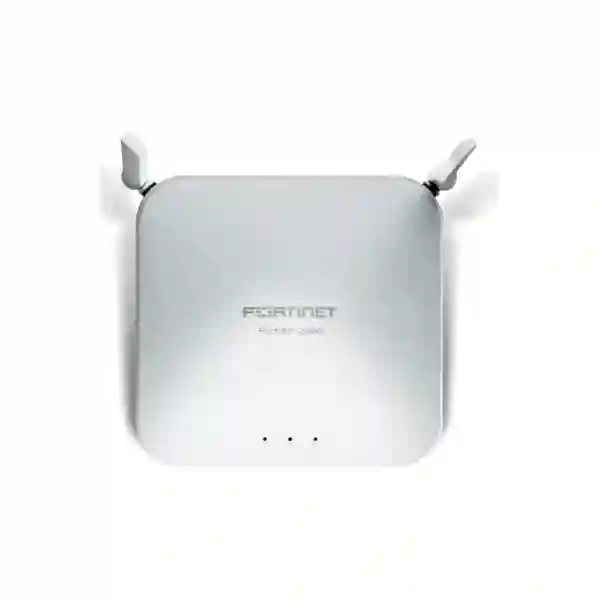
The FortiAP FAP-233G is an enterprise-class Wi-Fi 6E access point built for organizations that want modern wireless capacity, flexible radio operation and security-aware management within the Fortinet ecosystem. It combines three radios, 2×2 MU-MIMO, support for 2.4 GHz, 5 GHz and 6 GHz operation, multigigabit Ethernet connectivity and an integrated BLE/ZigBee radio. For Tanzania businesses planning new office wireless, branch modernization, secure guest access or a broader Fortinet network, the FAP-233G provides a practical platform that can be designed around coverage, density, client mix and management requirements.
FortiAP FAP-233G Overview
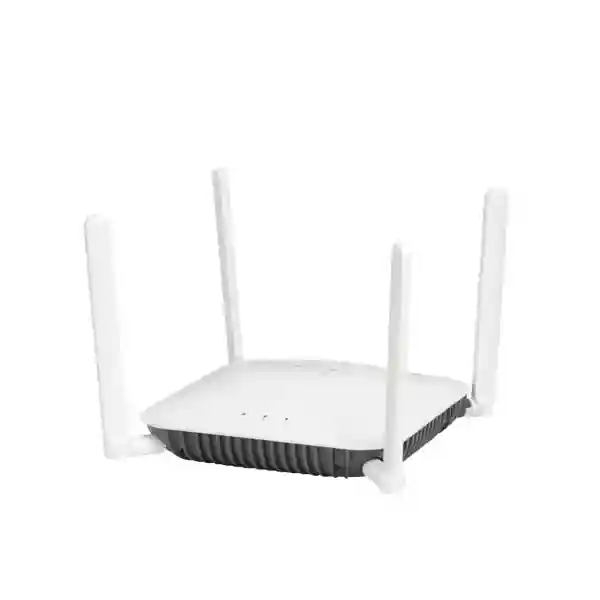
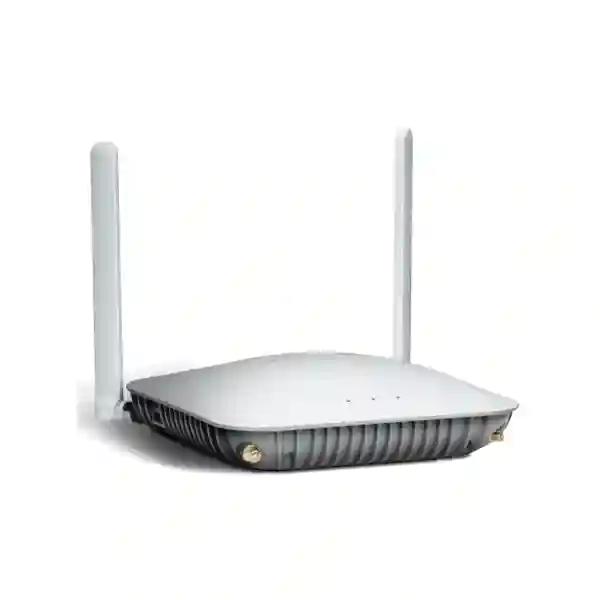
Fortinet positions the FAP-231G and FAP-233G as enterprise-class extended-frequency-band Wi-Fi 6E access points. The FAP-233G is particularly useful where a project benefits from external antenna flexibility and where administrators want to combine modern wireless service with the policy, visibility and operational model of a Fortinet-based network. Its radio architecture can be configured for simultaneous 2.4 GHz, 5 GHz and 6 GHz service, or used in alternative radio arrangements including dual 5 GHz operation and scanning depending on design requirements and supported software configuration.
The access point uses 2×2 MU-MIMO and supports theoretical maximum radio data rates up to 574 Mbps on the 2.4 GHz radio, 1201 Mbps on the 5 GHz radio and approximately 2402 Mbps on the third service radio. These are radio link rates rather than guaranteed application throughput. Real-world performance depends on client capability, channel width, interference, regulatory domain, antenna placement, wired uplink capacity, security processing, RF design and the number of active devices. A sound deployment therefore begins with a site requirement rather than simply comparing headline wireless speeds.
For organizations already standardizing on Fortinet, the FAP-233G can fit into a broader architecture involving FortiGate, FortiSwitch and Fortinet wireless management. Buyers should verify the intended FortiOS or FortiAP software version against Fortinet’s current compatibility matrix before deployment. FourTeck can help translate the technical requirement into a quotation covering the access point, suitable power approach, switching, firewall integration and deployment scope without assuming that every site needs the same design.
Wi-Fi 6E
Supports 802.11ax operation with access to the 6 GHz band where permitted by the applicable regulatory domain and client ecosystem.
Tri-Radio Design
Designed for 2.4 GHz, 5 GHz and flexible 5/6 GHz service or scanning modes, supporting more adaptable RF planning.
2×2 MU-MIMO
Two spatial streams per service radio provide a balanced fit for mainstream enterprise client devices and controlled-density deployments.
Multigigabit Uplink
Includes a multigigabit RJ45 interface plus a secondary Gigabit Ethernet interface, helping avoid a simple 1 GbE uplink bottleneck in suitable designs.
Verified Technical Highlights
| Wireless generation | Wi-Fi 6E / IEEE 802.11ax |
| Radio architecture | Tri-radio: 2.4 GHz + 5 GHz + flexible 5 GHz / 6 GHz / scanning operation |
| Spatial streams | 2×2 MU-MIMO |
| Maximum radio rates | Up to 574 Mbps + 1201 Mbps + approximately 2402 Mbps |
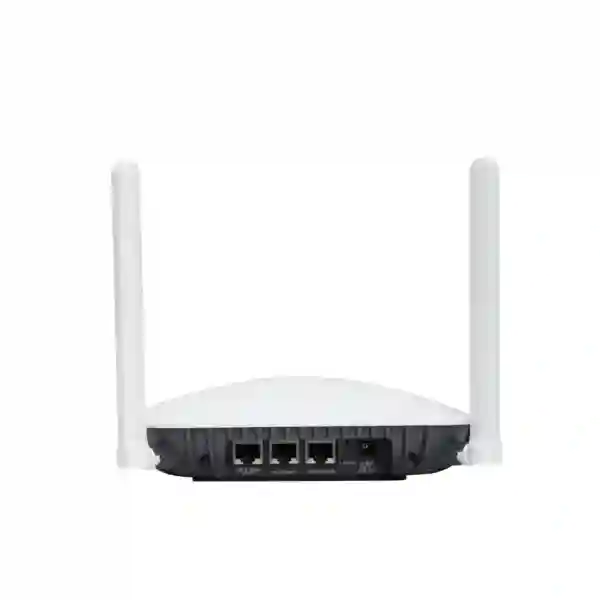
| Wired interfaces | One multigigabit RJ45 interface and one Gigabit Ethernet RJ45 interface; Fortinet documentation lists serial connectivity for the platform |
| IoT radio | Integrated BLE/ZigBee capability |
| Power planning | PoE behavior depends on power mode; confirm the selected switch/injector and software design against the current Fortinet datasheet and deployment guide |
Wireless rates are theoretical PHY rates. Regulatory availability of 6 GHz spectrum and permitted channels varies by country. Confirm local regulatory requirements, client support and current Fortinet documentation during project design.
What the FAP-233G Solves
Many business Wi-Fi problems are not caused by a lack of raw radio speed. They come from crowded spectrum, unmanaged consumer access points, weak roaming design, insufficient wired uplinks, poor guest isolation or inconsistent policy between wired and wireless users. The FAP-233G gives network teams a more structured foundation. Wi-Fi 6E can add access to the 6 GHz spectrum for compatible clients, while the tri-radio design gives administrators options for service and scanning. In an environment where many existing devices remain on 2.4 GHz or 5 GHz, this flexibility allows a phased migration rather than forcing every endpoint to support 6 GHz immediately.
External antenna capability can also matter in projects where RF coverage must be adapted to the physical environment. Antenna choice, mounting and regulatory limits should be engineered rather than improvised. Warehouses, long corridors, high ceilings, partitioned offices and customer-facing spaces can require different RF patterns. The FAP-233G should therefore be selected as part of a wireless design, not treated as a universal one-device coverage answer.
Compatibility, Management and Fortinet Integration
A major reason to evaluate FortiAP is its place within the Fortinet ecosystem. Depending on the deployment model and supported software, FortiAP can be managed through FortiGate, FortiEdge Cloud or other supported Fortinet approaches. This is valuable for organizations that want wireless policy to be considered alongside firewall, switching and security operations instead of maintaining a completely separate Wi-Fi stack.
Software compatibility should be checked before procurement, especially when the access point is being added to an existing FortiGate environment. Fortinet publishes a FortiAP and FortiOS compatibility matrix and recommends matching supported software versions where possible. A project team should document the current FortiGate model, FortiOS release, FortiSwitch model, PoE capacity, VLAN design, authentication method and planned SSIDs before finalizing the bill of materials.
For a broader security architecture, review FourTeck Tanzania networking and security solutions and the regional Fortinet Kenya solution overview. Organizations operating across East Africa can also use FourTeck Uganda for regional project coordination, while broader Fortinet-focused requirements can be explored through FourTeck’s Fortinet UAE specialist site.
FortiAP FAP-233G Tanzania
For Tanzania organizations, the FAP-233G is relevant when wireless modernization needs to support a mixture of established 2.4 GHz and 5 GHz devices alongside newer Wi-Fi 6E clients. A procurement team should begin by mapping the actual business environment: floor area, wall construction, user count, peak concurrent devices, application mix, guest access, voice or video traffic, wired switching capacity and the location of network cabinets. This avoids the common mistake of purchasing access points by room count alone. A large open office and a heavily partitioned floor of the same size can require very different AP placement.
Tanzania deployments should also treat 6 GHz availability as a regulatory and client-readiness question. The FAP-233G supports the technology, but the usable bands and channels must comply with the applicable national rules and the configured regulatory domain. Many organizations will continue serving legacy clients on 2.4 GHz and 5 GHz while selectively benefiting from newer spectrum for compatible laptops, phones and other devices. This makes radio planning, channel strategy and client inventory important parts of the design.
Power and switching are equally important. A Wi-Fi 6E access point can only deliver a well-designed service when its wired network and PoE environment are sized correctly. Before ordering, document the PoE switch model, available power budget, uplink speeds and VLAN requirements. Where a FortiGate is already deployed, record its model and FortiOS version so compatibility can be verified. FourTeck can use these details to prepare a more accurate quotation and identify whether the project also needs FortiSwitch, firewall changes, cabling or configuration assistance.
For buyers searching for FortiAP FAP-233G price Tanzania, the useful question is not only the hardware cost. Ask for a complete project quotation that separates access-point quantity, required accessories, power method, switching, subscriptions or management requirements where applicable, installation scope and configuration work. This gives procurement teams a clearer basis for comparison and reduces the chance of discovering missing components after purchase.
FortiAP FAP-233G Dar es Salaam
Dar es Salaam businesses often operate in office towers, retail environments, hospitality properties, logistics facilities, professional-service offices and multi-floor commercial buildings. In these settings, Wi-Fi quality is influenced by neighboring networks, dense device populations, reinforced walls, glass partitions, elevators and the practical location of network cabinets. The FAP-233G can form part of a managed wireless design, but a successful project should first identify coverage zones and high-density areas rather than placing access points at equal distances without RF consideration.
A Dar es Salaam head office may have different wireless needs across reception, meeting rooms, open-plan desks, executive offices and shared customer spaces. Staff SSIDs may require corporate authentication and internal application access, while guest networks should be segmented according to company security policy. IoT devices, printers, handheld terminals and building systems can add further client classes. The FAP-233G’s multiple-band capabilities give designers options, but segmentation and authentication remain network-design decisions that must be aligned with the firewall and switching configuration.
Organizations upgrading from older Wi-Fi should inventory endpoint capability before assuming that every user will immediately benefit from 6 GHz. Newer compatible clients can use Wi-Fi 6E where local regulations and design permit, while older equipment remains on 2.4 GHz or 5 GHz. This staged approach can make an upgrade more practical because it improves the wireless foundation without requiring every endpoint to be replaced at once.
When requesting a Dar es Salaam quotation, provide floor plans if available, approximate daily and peak user counts, internet bandwidth, existing switch models, current firewall model, required SSIDs and any high-priority applications such as cloud ERP, voice, video conferencing or point-of-sale traffic. These inputs help determine AP quantity and placement more responsibly than a generic coverage estimate.
FortiAP FAP-233G Mwanza
Mwanza organizations evaluating the FAP-233G may include offices, education sites, healthcare facilities, hospitality properties, retail operations and growing branch networks. Each environment places different demands on wireless. A school may prioritize classroom concurrency and controlled student access, a hotel may care about guest coverage and roaming, while an office may focus on secure employee authentication, meeting-room capacity and reliable access to cloud applications. The access point is therefore best evaluated against the operational profile of the site.
For a branch deployment, consistency can be as valuable as peak speed. Organizations with a Fortinet security architecture may want wireless policies, VLANs and security controls designed in a repeatable way across locations. The FAP-233G can support this approach when used with compatible Fortinet management. Before extending an existing template to Mwanza, however, verify local RF conditions, building materials, WAN capacity and switching. A design that works at one office should not automatically be copied without validation.
Where users depend heavily on Microsoft 365, Google Workspace, browser-based ERP, video meetings or cloud-hosted line-of-business systems, stable Wi-Fi depends on more than the AP. WAN quality, DNS, firewall inspection, switch uplinks and client drivers can all influence the experience. Troubleshooting should therefore distinguish radio problems from upstream network or application issues. A well-documented design makes this easier by recording SSIDs, VLANs, AP locations, switch ports and intended client groups.
Mwanza procurement teams can request a solution-level quote by supplying the number of buildings or floors, expected users, existing Fortinet equipment, desired management method and whether installation or configuration support is required. This creates a clearer scope and helps avoid buying an access point without the power, cabling or management components needed for production use.
FortiAP FAP-233G Arusha
Arusha has a diverse mix of hospitality, tourism, professional services, education, NGOs, retail and corporate operations, and these environments can create demanding wireless requirements. Guest-facing locations may need broad coverage and clean separation between visitor and operational networks, while business offices may prioritize secure staff access and predictable roaming. The FAP-233G offers a modern Wi-Fi 6E foundation, but the design should reflect the building and user behavior rather than relying on a single generic configuration.
Hospitality and conference environments deserve special attention to concurrency. A meeting hall may be quiet for much of the day and then suddenly host many devices during an event. Bedrooms, corridors, lobbies and outdoor-adjacent spaces have different RF characteristics. The FAP-233G’s external antenna approach can be useful in engineered designs, but antenna selection and placement should follow Fortinet guidance and regulatory requirements. More transmit power is not a substitute for correct AP density because client devices have their own transmit limitations.
For offices and NGOs, security segmentation may be a stronger priority than guest capacity. Teams can plan separate access for corporate endpoints, visitors, operational devices and selected IoT equipment, with policies enforced through the wider network. If FortiGate is used as the management and security platform, verify the FortiOS release and supported FortiAP firmware before deployment. Change-management procedures should also cover firmware upgrades so wireless service remains predictable.
An Arusha quote request should identify the primary use case, building layout, expected device density, existing cabling and PoE infrastructure, management preference and whether the project includes a new firewall or switching layer. These details allow the wireless requirement to be priced as a usable system rather than as an isolated hardware item.
FortiAP FAP-233G Dodoma
Dodoma organizations planning office expansion, institutional connectivity or secure branch wireless can evaluate the FAP-233G when Wi-Fi 6E, multiband service and Fortinet integration fit the requirement. Administrative buildings and multi-department offices often need clear separation of user groups, predictable meeting-room connectivity and centralized operational control. A wireless refresh is a good opportunity to review VLAN design, authentication, guest access and switch capacity rather than simply replacing older APs one for one.
The physical environment should be surveyed carefully. Thick walls, long corridors, multiple floors and dense office partitions can reduce effective coverage. Placing a powerful AP in a corridor does not necessarily provide good two-way communication to clients behind several walls. Coverage should be designed around where users actually work, and capacity should be considered separately from basic signal presence. Areas with many simultaneous users may need additional APs even if one device can technically cover the floor.
For organizations using FortiGate, compatibility planning should be part of procurement approval. Record the current firmware, identify whether centralized wireless management is intended, and confirm the PoE switch capability. If the network is being built from scratch, consider the access point, switching and firewall as a coordinated design. This can simplify VLAN mapping and operational ownership later.
Dodoma buyers asking for a formal quotation should include AP quantity if already known, floor plans, target coverage areas, user counts, internet capacity, switch inventory and required support scope. If the quantity is not known, state that clearly and request design guidance. A requirement-led quote is more useful than guessing a unit count based only on square metres.
FortiAP FAP-233G UAE
For UAE projects, the FAP-233G can suit organizations standardizing secure wireless across offices, retail branches, hospitality environments and regional operations. Wi-Fi 6E is especially relevant where compatible devices and regulatory conditions allow use of the 6 GHz band, providing additional spectrum that can help modern wireless planning. The correct design still depends on density, channel planning, client capabilities and building construction, particularly in high-rise offices and dense commercial areas where neighboring wireless networks can be significant.
Regional companies operating between the UAE and East Africa may value a repeatable Fortinet architecture. Standard AP models, SSID naming, VLAN conventions, authentication and monitoring practices can reduce operational variation between sites. Standardization should not mean identical RF layouts, however. Each office needs its own coverage and capacity assessment because wall materials, floor shape, user concentration and regulatory domain can differ.
Procurement teams should confirm the exact hardware requirement, power source, mounting and antenna plan, software compatibility and management model before ordering. If an existing FortiGate is expected to manage the AP, include its model and FortiOS version in the technical review. Organizations planning many sites may also want to define a firmware lifecycle and configuration template so future deployments remain controlled.
For regional sourcing and Fortinet solution discussions, FourTeck UAE provides a useful coordination point. A project spanning Tanzania and the UAE should clearly separate country-specific regulatory assumptions while keeping common security and operational standards where practical.
FortiAP FAP-233G Uganda
Uganda businesses considering the FAP-233G can use it as part of a secure wireless refresh for offices, branches, education, healthcare, hospitality and distributed organizations. The most important planning step is to identify what the wireless network must support: ordinary staff browsing, cloud applications, voice, video, guest users, handheld devices or operational equipment. This application profile influences capacity planning and segmentation more directly than a simple device count.
Organizations with branches in both Uganda and Tanzania may want a common Fortinet design. The same AP family can simplify spares, documentation and administration, while compatible Fortinet management can help maintain consistent wireless policies. Each site still requires local validation of spectrum regulations, RF conditions and physical layout. A cross-border standard should define technology and security principles while allowing site-specific channel and placement decisions.
The FAP-233G’s multigigabit uplink capability also means the wired LAN should be reviewed. Connecting a modern AP to an older switch port may work in some designs but can constrain the intended architecture or power mode. Check switch speed, PoE budget, cabling category and uplink utilization before finalizing the project. If switching is due for refresh, coordinating both layers can avoid duplicated installation work.
Uganda buyers should request quotations that clearly state the access point quantity, management approach, power solution, accessories and service scope. Regional information is available through FourTeck Uganda, while Tanzania-based projects can be coordinated through the contact option on this page.
FortiAP FAP-233G Kampala
Kampala deployments frequently involve multi-floor offices, retail sites, schools, hotels, clinics and branch headquarters where wireless density changes significantly by area. A reception may have transient guests, a meeting room may experience short periods of high concurrency, and open offices may sustain steady business traffic throughout the day. The FAP-233G can serve these environments when AP placement and radio configuration are planned around actual usage patterns.
In dense commercial areas, neighboring Wi-Fi can influence channel choices on the established bands. Wi-Fi 6E introduces the possibility of 6 GHz service for compatible clients, but it should be treated as an additional design option rather than a reason to ignore 5 GHz planning. Client devices, drivers and regulatory settings determine what spectrum is available in practice. A mixed-client network normally needs a balanced strategy across bands.
Security planning should define which users and devices belong on each SSID, how they authenticate and which internal resources they can reach. Guest traffic should follow the organization’s security policy, and operational devices should not automatically share the same access as staff endpoints. When FortiGate and FortiSwitch are part of the environment, the wireless project can be aligned with broader segmentation and policy controls.
For Kampala procurement, gather a current network diagram, floor plans, switch inventory, FortiGate model and software version, estimated users and required SSIDs. This information enables a supplier to identify compatibility questions before equipment arrives and gives stakeholders a clearer understanding of what installation and configuration work is included.
FortiAP FAP-233G Arua
Arua organizations may evaluate enterprise Wi-Fi for branch offices, institutions, NGOs, healthcare sites, education facilities and commercial operations that need more structured wireless than standalone consumer access points can provide. The FAP-233G offers modern Wi-Fi 6E capability and Fortinet integration, but the business case should focus on secure manageability, coverage and operational consistency rather than headline speed alone.
Branch connectivity can make local wireless design especially important. If critical applications are hosted elsewhere, users depend on both the WLAN and WAN. Poor application performance should therefore be investigated end to end. An access point can provide a strong local radio link while a congested internet or VPN connection remains the bottleneck. Planning should document WAN capacity and critical applications alongside AP placement.
Power resilience may also influence the network architecture. The AP relies on suitable power through the selected PoE or supported power design, so switches and backup-power strategy should be considered as part of service continuity. The goal is not to make unsupported uptime promises but to ensure that wireless equipment is included in the site’s broader power and network-resilience planning.
Arua buyers can improve quotation accuracy by identifying the number of rooms or zones, expected users, current network hardware, desired management method and whether cabling work is already complete. If a site survey is needed, state that during the enquiry rather than relying on an arbitrary AP quantity. This helps procurement compare complete solution scopes.
FortiAP FAP-233G Mbarara
Mbarara businesses, campuses, healthcare organizations, hospitality sites and branch offices can consider the FAP-233G when moving toward centrally managed enterprise wireless. Different industries have different client behavior. A clinic may need reliable access for staff systems and controlled guest service, while a hotel may have many personal devices and variable occupancy. The wireless design should account for these patterns before deciding AP quantity and radio settings.
Wi-Fi 6E support can help prepare a network for newer devices, but organizations should inventory existing endpoints. Barcode devices, printers, older laptops and IoT equipment may remain on established bands for years. The FAP-233G’s multiband architecture makes a mixed environment possible, while network policy can separate device classes where appropriate. This is more practical than designing solely for the newest client type.
For Fortinet customers, management integration is another selection factor. A consistent FortiGate, FortiSwitch and FortiAP architecture can reduce the number of disconnected management systems, depending on the selected deployment model. Compatibility and licensing should be checked against current vendor documentation because software capabilities evolve. Project documentation should record the approved versions at deployment time.
Mbarara procurement requests should include whether the project is a new installation or an upgrade, the current firewall and switches, number of users, coverage zones, guest-access requirements and any special applications. This allows the quotation to distinguish hardware supply from configuration, installation and ongoing support requirements.
FortiAP FAP-233G Gulu
Gulu organizations planning secure wireless can use the FAP-233G as a building block for offices, schools, healthcare, hospitality and institutional networks. The access point’s Wi-Fi 6E capability supports newer client generations while retaining service options for established 2.4 GHz and 5 GHz devices. This matters for organizations where endpoint replacement occurs gradually rather than in a single refresh cycle.
Coverage planning should consider wall type, ceiling height, room layout and the locations where users actually work. A site with a small number of large rooms may need a different design from a similarly sized building divided into many offices. Capacity planning should then consider concurrent devices and application usage. Both dimensions matter: strong signal alone does not guarantee good performance in a crowded area.
Network administrators should also plan the wired path. Confirm cabling, PoE capability, switch uplinks, VLAN configuration and the firewall’s role in wireless management. If the AP is being introduced into an existing Fortinet environment, verify software compatibility before scheduling the change. A pilot area can be useful in larger upgrades to validate client behavior and operational procedures before wider rollout.
For a Gulu quotation, provide site information and clarify whether the requirement is hardware only or a complete wireless project. A complete scope may include APs, compatible switching, configuration, mounting, cabling coordination and documentation depending on the customer’s needs. Keeping these items explicit makes commercial comparison more meaningful.
FortiAP FAP-233G Kenya
Kenya organizations can evaluate the FAP-233G for secure enterprise wireless in offices, branches, hospitality, education, healthcare, logistics and retail. For companies operating across Kenya and Tanzania, using a common Fortinet wireless platform can simplify technical standards, configuration templates and support documentation. Site-specific RF design remains essential because local buildings, client density and regulatory requirements differ.
A Wi-Fi 6E project should start with client and application analysis. Newer compatible devices may use the 6 GHz band where permitted, while older endpoints continue using 2.4 GHz and 5 GHz. This allows a phased technology transition. Network teams should decide which SSIDs and client groups require which capabilities instead of assuming that all users need identical radio treatment.
The multigigabit wired interface makes switch selection important. Where high aggregate wireless capacity is expected, suitable multigigabit switching can help preserve the intended uplink design. PoE capacity and cabling should be checked at the same time. For distributed organizations, consistent switch and AP standards can reduce troubleshooting complexity and spare-parts variation.
FourTeck’s Fortinet Kenya information can support regional planning. When comparing quotes, buyers should confirm exact model, included accessories, management assumptions, service scope and any subscriptions rather than comparing only the headline unit price.
FortiAP FAP-233G Kuwait
Kuwait businesses with modern offices, retail environments, hospitality properties and distributed branches can consider the FAP-233G where Wi-Fi 6E and Fortinet integration align with the network strategy. Dense indoor environments can benefit from careful spectrum planning, particularly when many neighboring networks operate on established bands. 6 GHz capability can add design flexibility for compatible clients subject to local regulatory rules.
Enterprise wireless projects should distinguish coverage from capacity. An AP may provide usable signal over a large area, yet busy meeting spaces or shared work zones can still require additional capacity. Client transmit power, roaming behavior and application demand all affect the result. A proper design therefore combines floor-plan review with expected occupancy and device counts.
If the organization uses FortiGate, verify current software support for the FAP-233G before deployment. If a new switch is required, check multigigabit port availability and PoE power. These dependencies should appear in the bill of materials so procurement can see the full network requirement rather than receiving an incomplete AP-only quote.
Regional buyers can reference FourTeck Kuwait for Kuwait-focused coordination. Organizations managing both GCC and African sites may benefit from common configuration standards while maintaining country-specific regulatory settings and deployment plans.
FortiAP FAP-233G Ghana
Ghana organizations considering a wireless refresh can evaluate the FAP-233G for office, education, hospitality, healthcare, branch and institutional networks. Wi-Fi 6E provides a path to newer spectrum for compatible devices, while support for traditional bands keeps the network useful for existing endpoint fleets. This is valuable where organizations replace laptops and mobile devices over several budget cycles.
A secure wireless design should define user groups and traffic paths. Staff, guests and operational devices may need different access policies. Where Fortinet firewalls and switches are used, the AP can form part of a broader security architecture, but integration should be planned deliberately. Record VLANs, authentication requirements, DNS and DHCP design, firewall policies and management ownership before implementation.
Physical design remains equally important. Thick walls, multiple floors and high-density rooms can change AP quantity and placement. External antennas should be selected and installed according to the approved design and regulatory requirements. A site survey or predictive design can reduce guesswork for larger deployments.
Ghana procurement teams should ask suppliers to identify exactly what is included: FAP-233G hardware, power method, accessories, management assumptions, installation and configuration. Regional project information can also be coordinated through FourTeck Ghana. This makes it easier to compare like-for-like proposals.
FortiAP FAP-233G Nigeria
Nigeria enterprises and growing businesses can consider the FAP-233G for managed wireless across offices, branches, hospitality, education, healthcare and commercial sites. In larger cities and dense buildings, RF planning can be complicated by neighboring networks and high device counts. Wi-Fi 6E capability provides additional design options for compatible clients, while the access point continues to support established Wi-Fi bands for mixed endpoint environments.
Power and network resilience should be considered as part of the overall site architecture. The AP depends on suitable PoE or supported power arrangements, and the switch infrastructure must be included in any backup-power planning the organization chooses to implement. The WAN, firewall and switching layers also influence the user experience, so wireless troubleshooting should not focus on RF alone.
For multi-branch companies, standardizing on a Fortinet architecture can help make configuration and documentation more repeatable. A central standard can define SSIDs, segmentation, authentication and firmware policy, while each branch receives its own RF placement plan. This balance supports consistency without pretending that every building has identical wireless conditions.
Nigeria buyers can review FourTeck Nigeria for regional coordination. Quote requests should state branch count, user density, existing Fortinet equipment and whether the project needs only hardware or also design, configuration and deployment assistance.
FortiAP FAP-233G Seychelles
Seychelles organizations in hospitality, professional services, administration and commercial operations may require wireless networks that support both staff systems and guest connectivity. The FAP-233G can be evaluated for indoor enterprise Wi-Fi 6E deployments where its radio flexibility and Fortinet integration match the project. Hospitality environments in particular should plan separately for guestrooms, lobbies, meeting spaces, staff areas and operational networks.
Guest experience depends on more than AP model. Internet capacity, authentication design, DNS, roaming, channel planning and the number of concurrent devices all contribute. Staff and operational systems should also be segmented according to the organization’s security policy. A modern AP provides the radio platform, but the complete solution includes switching, firewalling and well-defined network services.
The 6 GHz capability should be validated against local spectrum rules and the actual client fleet. Many guests and staff devices may still rely on 5 GHz or 2.4 GHz, so a balanced multiband design remains necessary. For larger properties, RF design should consider construction materials, room geometry and expected occupancy rather than using a fixed AP-per-room assumption without analysis.
Seychelles procurement teams can request a project quote with floor plans, room or zone counts, estimated concurrent users, internet bandwidth and existing network equipment. This helps determine whether FAP-233G is the right fit and whether additional Fortinet switching or security components should be included.
Buying and Sizing Guidance
Do not size an FAP-233G deployment by a single coverage number. Wireless design is affected by wall attenuation, ceiling height, antenna selection, user density, application type, neighboring RF activity and client transmit capability. For a small office, a floor plan and basic requirement review may be sufficient to establish a starting design. For larger or high-density sites, predictive planning or a survey is more appropriate.
Also confirm the wired infrastructure. Document whether the switch supports the desired Ethernet speed, whether the PoE budget is sufficient for all APs, and whether existing cabling is appropriate. Where an older switch would limit the design, include the switch refresh in the same procurement discussion. This reduces the risk of installing modern wireless hardware on an infrastructure that cannot support the intended configuration.
Finally, verify management and software compatibility. Fortinet’s compatibility matrix changes as software releases evolve. Use the current vendor documentation at the time of deployment, not an old project template. Record the approved versions in the implementation documentation so future upgrades can be planned methodically.
Industries and Use Cases
Corporate Offices
Secure staff wireless, meeting-room connectivity, guest segmentation and a path for newer Wi-Fi 6E client devices.
Education
Classrooms, administration and shared learning spaces where client density and access policy need deliberate planning.
Hospitality
Guest and operational Wi-Fi designs requiring segmentation, capacity planning and coverage across varied indoor spaces.
Healthcare
Managed connectivity for staff and approved devices, with network segmentation aligned to organizational security policies.
Retail and Branches
Repeatable wireless standards for staff, business devices and controlled guest access across distributed sites.
Warehouses
Engineered RF coverage where antenna selection, aisle geometry, ceiling height and handheld device behavior require special attention.
FAP-233G Quotation Checklist
For a more useful quotation, provide: target country and site city; number of buildings and floors; floor plans where available; approximate coverage area; peak concurrent users and devices; key applications; staff and guest SSID requirements; current FortiGate model and FortiOS version; current switch model and available PoE budget; internet bandwidth; existing cabling; preferred management approach; whether external antenna selection is required; installation expectations; configuration scope; and target deployment schedule. If any item is unknown, FourTeck can use the available information to identify what should be confirmed during technical discovery.
Frequently Asked Questions
Is FortiAP FAP-233G a Wi-Fi 6E access point?
Yes. Fortinet documents the FAP-233G as a Wi-Fi 6E enterprise access point supporting 802.11ax and operation that can include the 6 GHz band, subject to regulatory domain and configuration.
Does FAP-233G support 2.4 GHz, 5 GHz and 6 GHz?
The tri-radio platform supports 2.4 GHz and 5 GHz plus flexible third-radio operation that can include 5 GHz, 6 GHz or scanning. The exact deployment mode should follow Fortinet documentation and local regulatory requirements.
Can FAP-233G work with FortiGate?
Fortinet supports FortiAP integration with FortiGate, but the exact FortiOS and FortiAP software versions must be checked in the current compatibility matrix. Provide your FortiGate model and software version during quotation.
How many FAP-233G access points do I need?
There is no reliable universal number based only on floor area. AP quantity depends on building materials, user density, applications, RF conditions, antenna design and client behavior. Floor plans and expected device counts provide a better starting point.
Does every device use the 6 GHz band?
No. Only compatible client devices can use 6 GHz, and availability depends on local regulation and configuration. Older devices can continue operating on supported 2.4 GHz or 5 GHz service.
What should I check before buying FAP-233G in Tanzania?
Check coverage and density requirements, client capabilities, regulatory requirements, FortiGate/FortiAP software compatibility, switch speed, PoE budget, cabling, management approach, antenna requirements and installation scope.
Decision Recap
Choose the FortiAP FAP-233G for evaluation when your project needs an enterprise Wi-Fi 6E access point with tri-radio flexibility, 2×2 MU-MIMO, multigigabit wired connectivity, external-antenna design options and integration into a supported Fortinet management architecture. Before purchase, validate local spectrum rules, client readiness, AP quantity, antenna design, PoE, switching and Fortinet software compatibility. The right outcome comes from matching the access point to the site rather than buying on model specifications alone.
Talk to FourTeck About Your Wireless Project
Send FourTeck your site location, floor plan, expected users, existing Fortinet equipment and desired deployment scope. The team can use those details to discuss FAP-233G suitability, quotation structure and the supporting network components that should be considered. For Tanzania enquiries, use the FourTeck Tanzania contact page.




Reviews
There are no reviews yet.