
FortiAP FAP-431F Tanzania
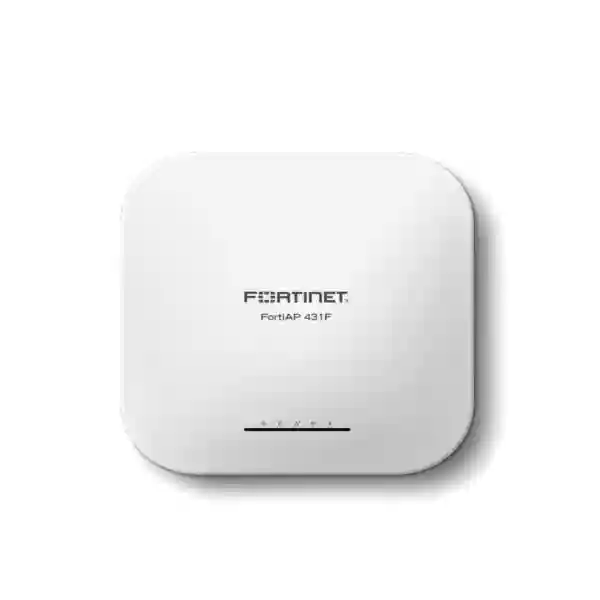
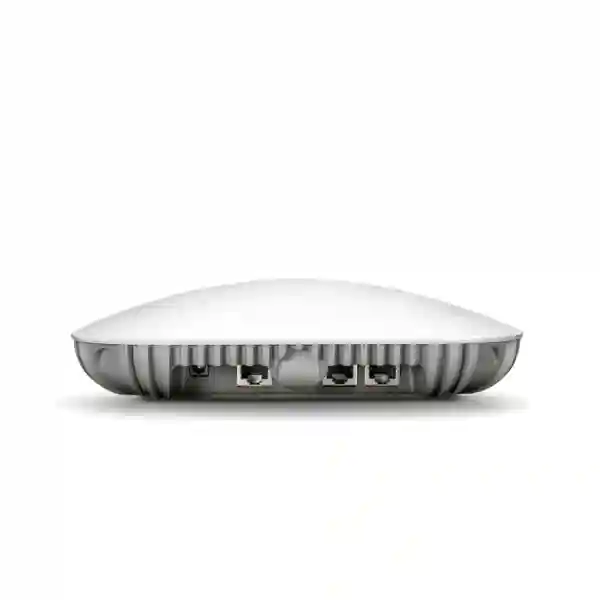
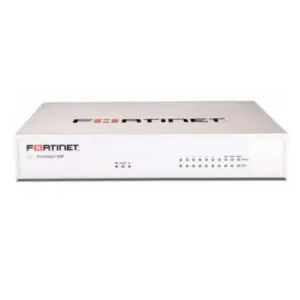
The Fortinet FortiAP FAP-431F is an enterprise-class indoor Wi-Fi 6 access point for organizations that need strong wireless capacity, centralized policy control and practical integration with a Fortinet security architecture. Fortinet documents the FAP-431F as an 802.11ax indoor AP with three radios plus an integrated BLE radio, five internal antennas, a 2.5 Gigabit Ethernet interface and an additional 1 Gigabit Ethernet interface. Its design supports modern office, education, hospitality, healthcare, branch and campus wireless projects where access-layer performance must be planned alongside switching, PoE, segmentation, authentication and security policy.
For buyers in Tanzania, the important question is not simply whether an access point supports Wi-Fi 6. A successful deployment depends on user density, floor plan, construction materials, client capabilities, application mix, uplink design, power availability, roaming expectations and the management architecture already in use. FourTeck approaches the FAP-431F as part of a complete wireless solution rather than an isolated device. Procurement teams can use this page to understand the model, prepare a quotation request and identify the network information needed before selecting quantities or installation locations.
Wi-Fi 6 Indoor Platform
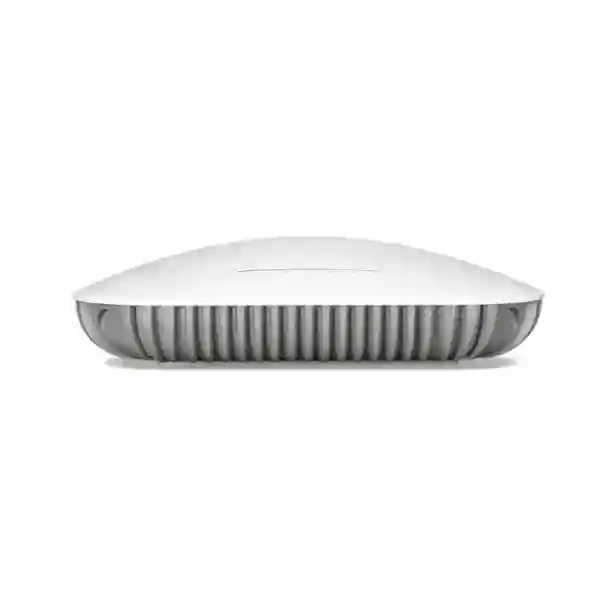
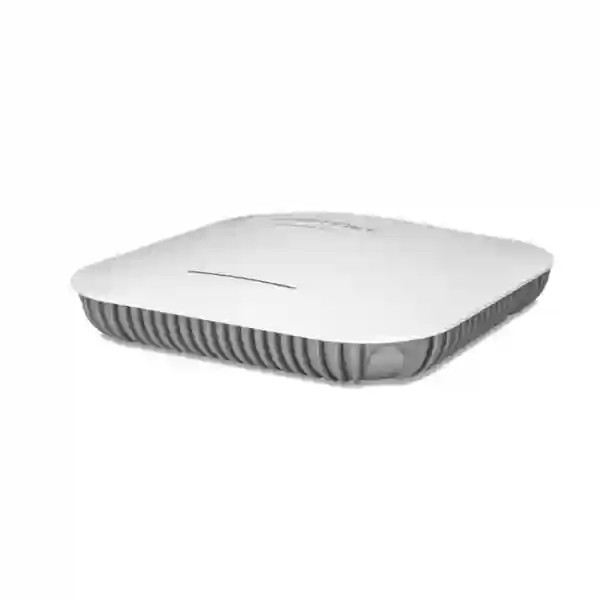
FAP-431F is built for indoor 802.11ax deployments and uses internal antennas, helping create a clean ceiling or wall-mounted enterprise installation where the RF design calls for an integrated-antenna access point.
Three Radios + BLE
The radio architecture gives network designers options for client access and dedicated wireless monitoring. Integrated Bluetooth Low Energy can support compatible beacon and location-oriented use cases where those capabilities are part of the solution design.
Multi-Gigabit Uplink
A 2.5GbE interface helps avoid treating the wired uplink as an afterthought in higher-throughput Wi-Fi 6 designs. The additional 1GbE interface gives designers another interface option and should be considered together with compatible switching and power requirements.
FortiAP FAP-431F Technical Overview
Fortinet positions the FAP-431F as a high-performance Wi-Fi 6 indoor access point. Official Fortinet documentation identifies three radios plus one BLE radio and five internal antennas. The radio capabilities include a 2.4 GHz 4×4 radio and a 5 GHz 4×4 radio, while the third radio can be used for wireless monitoring functions. The platform supports OFDMA, a core Wi-Fi 6 technology intended to improve efficiency when many compatible clients share airtime. Fortinet also documents wireless monitoring capabilities such as rogue scanning, WIDS/WIPS modes, packet-sniffer operation and spectrum analysis. Actual design choices should be based on the selected FortiAP firmware, FortiOS release, management platform and local regulatory domain.
The FAP-431F is particularly relevant where an organization wants wireless access to participate in the same operational and security framework as the wider Fortinet environment. Centralized management can simplify SSID policy, segmentation and operational visibility, but the final architecture should be validated against the customer’s FortiGate, FortiOS and FortiAP compatibility requirements. Fortinet publishes compatibility matrices and release notes, and these should be checked during implementation rather than assuming that every historical firmware combination behaves identically.
| Verified characteristic | FAP-431F |
|---|---|
| Hardware type | Indoor access point |
| Wireless generation | Wi-Fi 6 / IEEE 802.11ax |
| Radios | 3 + 1 BLE |
| Antennas | 5 internal + 1 BLE internal |
| Primary wired interface | 2.5 Gigabit Ethernet |
| Additional interface | 1 Gigabit Ethernet |
| Dimensions | 210 × 210 × 56.5 mm |
| Weight | Approximately 0.98 kg |
Planning a FortiAP FAP-431F Deployment
Access-point selection should begin with coverage and capacity requirements, not a simple square-metre rule. Walls, glass, concrete, shelving, machinery, ceiling height and neighboring wireless networks all affect RF behavior. A meeting room with many active laptops can require a different design from a corridor or low-density office even when the physical area is smaller. For this reason, a quotation request should include floor plans where possible, expected concurrent users, major applications, existing switch models, available PoE capacity, internet bandwidth and whether the site already operates a FortiGate.
The 2.5GbE interface is useful when the access layer is designed to take advantage of multi-gigabit wired connectivity. Buyers should verify that selected switches provide the required port speed and suitable power. Cabling should also be reviewed; retaining unsuitable legacy cabling can undermine an otherwise capable wireless upgrade. The additional 1GbE interface and Fortinet’s power options should be considered in the context of the intended installation. Do not assume that every deployment needs identical power accessories, because switch-delivered PoE and local power designs differ.
Security planning should include SSID segmentation, guest access, employee authentication, device classes, VLAN mapping, firewall policy and monitoring requirements. Organizations already using Fortinet security infrastructure may benefit from evaluating the AP within that broader architecture. For related security planning, explore FourTeck Tanzania technology solutions, Fortinet solution resources, and FourTeck Africa enterprise technology coverage. Regional procurement teams can also reference FourTeck Uganda and FourTeck Kenya when coordinating multi-country projects.
FortiAP FAP-431F Tanzania
Organizations searching for FortiAP FAP-431F in Tanzania commonly need more than a model number and a price. Enterprise wireless projects involve the interaction of RF coverage, user capacity, switching, PoE, security policies and ongoing management. The FAP-431F is suitable for indoor Wi-Fi 6 projects where a higher-performance access point with internal antennas and multi-gigabit wired connectivity fits the design. Typical evaluation environments include corporate offices, universities, training centers, healthcare facilities, hotels, financial organizations, public-sector buildings and distributed branch networks. The correct quantity cannot be determined responsibly from a generic coverage figure because Tanzanian buildings vary substantially in construction, layout and interference conditions.
For a Tanzania quotation, procurement teams should provide the number of sites, approximate floor area, floor plans if available, expected concurrent users, high-density areas, existing firewall and switch infrastructure, cabling category, desired guest access and authentication requirements. This allows the wireless design to be discussed as a system. Where a FortiGate is already deployed, the exact appliance model and FortiOS version are useful because Fortinet publishes platform compatibility information. Where the project is greenfield, the firewall, switching and wireless layers can be considered together so that VLANs, SSIDs, uplinks and security policies are aligned from the beginning.
Tanzania deployments may also need to account for branch connectivity and centralized administration. A company with offices in several cities can standardize SSID naming and security intent while still adapting RF design to each building. Warehouses may require attention to shelving and aisle propagation; hotels may prioritize room coverage and guest isolation; schools may prioritize classroom density; professional offices may focus on roaming and meeting-room capacity. FourTeck can use these requirements to help prepare a product and solution quotation without making unsupported assumptions about stock, delivery time or site-specific performance.
FortiAP FAP-431F Dar es Salaam
For Dar es Salaam businesses, the FAP-431F can be evaluated for busy indoor networks in offices, commercial buildings, hotels, campuses and customer-facing facilities. Dense work areas can create a capacity challenge even when signal strength appears acceptable. A sound design therefore considers how many devices are active at the same time, which applications they use and how traffic is segmented. Wi-Fi 6 technologies such as OFDMA are intended to improve airtime efficiency with compatible clients, while the FAP-431F’s multi-radio architecture provides flexibility for access and monitoring functions.
A Dar es Salaam project should also examine the wired side of the network. The access point’s 2.5GbE interface is most useful when the switch port, cabling and power design can support the intended deployment. If an organization is refreshing wireless while retaining older switches, the switch inventory should be reviewed before purchase. This avoids specifying capable APs and then constraining them with unsuitable uplinks or insufficient power budgets. For multi-floor buildings, the quotation process should identify telecommunications rooms, cable routes and likely AP mounting areas so that the physical design can be assessed alongside wireless requirements.
Business continuity requirements vary. Some sites may need guest Wi-Fi separated from internal applications; others may require employee authentication, voice roaming, handheld terminals or IoT connectivity. Rather than treating every Dar es Salaam installation as identical, buyers should document the critical workflows that depend on wireless access. This information supports better decisions about SSIDs, segmentation, access-point placement and the supporting Fortinet security environment. It also helps distinguish a simple hardware purchase from a managed enterprise WLAN project that needs configuration and lifecycle planning.
FortiAP FAP-431F Mwanza
Mwanza organizations considering the FortiAP FAP-431F may be upgrading from older Wi-Fi generations, extending a secure branch network or building new indoor wireless coverage. The model’s Wi-Fi 6 architecture, internal antennas and enterprise management options make it relevant for offices, education facilities, hospitality environments and operational sites where dependable access is important. The procurement discussion should start with the site’s actual usage rather than selecting an access-point count solely from room dimensions.
In a Mwanza office, user density may concentrate around meeting spaces and collaborative areas. In a school or training center, many devices may become active simultaneously at lesson times. In hospitality, guest isolation and consistent coverage across rooms and common areas may matter more than peak throughput in one location. These different patterns affect AP placement and channel planning. Construction materials also matter: reinforced walls and complex layouts can reduce usable coverage, so a floor plan or survey data is valuable when available.
Network teams should document their switch environment and available PoE before ordering. The FAP-431F includes a 2.5GbE interface plus an additional 1GbE interface, but the surrounding network determines how those interfaces can be used. Firmware and FortiOS compatibility should be checked against current Fortinet documentation during implementation. A complete Mwanza quotation can therefore include the AP requirement, appropriate switching considerations, management architecture and any relevant security components. This creates a clearer bill of materials and reduces the risk of discovering infrastructure gaps after equipment has been selected.
FortiAP FAP-431F Arusha
The FortiAP FAP-431F is relevant to Arusha organizations that need enterprise indoor Wi-Fi for offices, hospitality properties, educational environments and other business facilities. Hospitality projects in particular can involve very different wireless zones: guest rooms, reception areas, restaurants, conference spaces and back-office networks each have distinct capacity and isolation requirements. A single generic coverage estimate does not capture those differences, so design inputs should identify where users gather and which services depend on wireless connectivity.
For office and institutional projects, roaming and policy consistency may be important. Multiple APs can be designed to provide a coordinated wireless environment, while security policy can separate employees, visitors and device categories. The FAP-431F’s third radio can support monitoring functions, allowing wireless operations to consider security visibility as well as client connectivity. Integrated BLE also creates an option for compatible beacon or location-oriented applications when such features are part of the customer’s planned solution.
Arusha procurement teams should include switch models, PoE budgets, firewall details, floor plans and user estimates when requesting a quotation. If the installation includes older cabling, cabling capability should be assessed alongside the AP’s 2.5GbE uplink. If the network already uses Fortinet infrastructure, management and version compatibility should be validated. For new deployments, considering firewall, switching and wireless together can simplify VLAN and policy design. FourTeck can use these inputs to structure the technical discussion while avoiding assumptions about a building that has not been surveyed.
FortiAP FAP-431F Dodoma
In Dodoma, the FAP-431F can be considered for secure indoor wireless projects across offices, institutions, training facilities and distributed organizational networks. Buyers often need to balance coverage with manageability: adding access points can improve RF availability, but a well-designed WLAN also needs consistent SSIDs, authentication, segmentation, monitoring and change control. The Fortinet ecosystem provides management options that can make the AP part of a broader security and networking strategy.
A Dodoma site assessment should identify user concentration, application requirements and building characteristics. Video meetings, cloud applications, large file transfers, voice, guest access and mobile operational tools place different demands on the WLAN. The number of devices per person has also increased in many workplaces, so counting employees alone may underestimate client load. Wireless design should consider laptops, phones, tablets, scanners and other connected equipment expected to operate concurrently.
Procurement should also account for the wired access layer. Multi-gigabit capability on the FAP-431F is valuable when paired with suitable switch ports and cabling, while power requirements must be matched to the intended PoE or power arrangement. Network teams should verify current firmware compatibility and avoid assuming that historical release combinations remain the recommended configuration. By providing existing network details and deployment objectives with the quotation request, Dodoma customers can obtain a more useful bill of materials and clearer implementation scope than a hardware-only request can provide.
FortiAP FAP-431F UAE
UAE organizations evaluating the FortiAP FAP-431F may be planning high-density office WLANs, hospitality networks, education facilities or secure branch environments. The model combines Wi-Fi 6 client access with enterprise monitoring capabilities and multi-gigabit Ethernet. In modern commercial buildings, wireless design often needs to account for open offices, enclosed meeting rooms, glass partitions and high device counts, all of which can influence RF planning and AP density.
A UAE procurement request should identify the desired management model, existing FortiGate environment, switch infrastructure and whether the project is a new deployment or an expansion. Where customers operate multiple sites, configuration standards can be developed for SSIDs, segmentation and security policy while RF parameters remain appropriate to each site. This distinction is important because standardized security does not mean identical access-point placement in every building.
The FAP-431F’s 2.5GbE interface should be considered together with multi-gigabit switching and suitable PoE. Cabling and patch infrastructure should be reviewed as part of the project, particularly during upgrades from older access points. UAE customers coordinating regional estates can also align wireless standards with branches elsewhere, using consistent Fortinet operational practices where appropriate. Quotations should separate verified hardware requirements from optional installation, configuration or support scope so procurement teams can compare like-for-like requirements without relying on assumptions about stock or delivery.
FortiAP FAP-431F Uganda
For Uganda deployments, FortiAP FAP-431F can support organizations modernizing indoor wireless connectivity while maintaining a security-focused network architecture. Corporate offices, education sites, hotels, healthcare environments and branch operations can have very different density profiles, making capacity planning an important part of model selection. Wi-Fi 6 provides improved efficiency mechanisms for compatible clients, but the surrounding RF and wired design remains critical to the user experience.
Uganda buyers should document site count, building layout, expected clients and current network equipment before requesting quantities. A branch with modest user numbers may prioritize secure centralized administration, while a campus or training environment may place greater emphasis on concurrent-device density. Guest access may require isolation from internal resources, and operational devices may need dedicated network policies. These requirements can be translated into SSID, VLAN and firewall design rather than added after hardware procurement.
Switching is another important consideration. The 2.5GbE interface provides a multi-gigabit uplink option, so customers should check port speeds, PoE availability and cabling. FortiAP and FortiOS compatibility should be validated against the relevant software releases. For organizations operating across Uganda and neighboring countries, a common wireless standard can simplify procurement and operations, while site-specific RF planning preserves performance. The result is a deployment strategy that treats the access point as part of an integrated network rather than a standalone radio.
FortiAP FAP-431F Kampala
Kampala businesses often operate in multi-tenant offices, commercial properties, campuses and hospitality environments where neighboring wireless networks can add interference. The FAP-431F’s monitoring capabilities are therefore relevant to designs that need ongoing visibility into the RF environment. Its enterprise Wi-Fi 6 platform is intended for managed deployments rather than unmanaged consumer-style coverage, and customers should plan configuration, security and lifecycle management accordingly.
High-density meeting areas deserve special attention. A floor may appear well covered from a signal perspective yet still need additional capacity where many users gather. Conversely, simply adding access points without channel and power planning can create unnecessary contention. Kampala projects should identify meeting rooms, training areas, reception spaces and other concentration points on the floor plan. This information helps guide AP placement and makes the quotation process more meaningful.
Existing switching and cabling should be assessed before purchase. The FAP-431F supports a 2.5GbE interface and an additional 1GbE interface; the design should match these capabilities with appropriate switch ports and power. If FortiGate is used for management and security integration, the current software environment should be recorded so compatibility can be checked. A well-prepared Kampala request can include user estimates, floor plans, desired authentication, guest requirements, existing hardware and expansion plans, enabling a clearer technical and commercial response.
FortiAP FAP-431F Arua
Arua organizations considering FortiAP FAP-431F may be looking for secure enterprise wireless at a branch, institution, hotel or operational facility. For distributed sites, centralized visibility and standardized security can be as important as raw wireless speed. The AP’s Wi-Fi 6 capabilities can support modern client estates, while the Fortinet management architecture can be evaluated for consistent policy across locations.
Remote or branch deployments benefit from careful pre-installation planning because avoidable site visits can increase project complexity. Before equipment selection, teams should confirm switch port availability, PoE capability, cable runs, mounting locations and internet/WAN design. Floor plans and photographs can support initial planning, although a formal RF assessment may still be appropriate where coverage or density is critical. This preparation also helps determine whether supporting switches, cabling work or security components belong in the quotation.
Arua buyers should avoid choosing AP quantities solely from theoretical range. Wall materials, room arrangement, user density and interference can all change practical results. Applications matter too: general web access, video conferencing, voice, cloud applications and handheld operational systems have different performance expectations. Documenting these needs allows the wireless design to focus on business outcomes. For organizations with several Ugandan sites, the FAP-431F can be assessed as part of a repeatable hardware standard while retaining site-specific RF design and implementation checks.
FortiAP FAP-431F Mbarara
Mbarara customers evaluating the FAP-431F can use it as a candidate for indoor enterprise Wi-Fi 6 where security, management and capacity are central requirements. The integrated internal antennas suit installations where a self-contained AP is preferred, while the multi-radio architecture supports both client service and wireless monitoring functions. The appropriate deployment depends on the physical environment and client demand rather than the product specification alone.
For education, healthcare, professional offices and hospitality, wireless usage often changes by time and location. A classroom may become dense during lessons, a clinic may need reliable access for staff mobility, and a hotel may need separation between guest and operational networks. These use cases should be reflected in SSID and segmentation plans. Where authentication services or existing VLAN structures are already in place, they should be included in the technical discovery process.
The wired infrastructure should not be overlooked. Customers should confirm compatible switching, PoE and cabling before finalizing the bill of materials. The 2.5GbE interface can provide a higher-speed uplink than standard Gigabit Ethernet, but end-to-end benefit depends on the access switch and network architecture. Fortinet software compatibility should be checked at deployment time. A Mbarara quotation request that includes floor plans, expected device counts, switch details and management preferences can reduce ambiguity and support a more complete solution discussion.
FortiAP FAP-431F Gulu
Gulu organizations can evaluate the FortiAP FAP-431F for secure indoor Wi-Fi in offices, institutions, hospitality sites and branch networks. Wi-Fi 6 is useful for modern device populations, but reliable enterprise WLANs depend on coordinated RF, wired and security planning. The FAP-431F offers a capable platform with internal antennas, multiple radios, BLE and multi-gigabit Ethernet, giving designers several capabilities to integrate into a broader network architecture.
The first design step should identify what users need to accomplish over wireless. Basic internet access, cloud productivity, video meetings, voice, guest services and operational applications can create different traffic patterns. User counts should include multiple devices per person where relevant. Areas of concentrated activity should be marked on floor plans, and physical obstructions should be considered before deciding AP placement. This is more reliable than applying a fixed device-per-floor formula.
For Gulu branch deployments, teams should also record WAN resilience requirements, switch availability and power design. The AP’s 2.5GbE capability should be matched with suitable infrastructure where that throughput is required. Centralized management can be valuable for organizations with remote IT administration, but firmware and platform compatibility need to be verified. By combining these inputs in the quotation request, customers can plan hardware, configuration and supporting infrastructure together and avoid treating wireless as a separate component from network security.
FortiAP FAP-431F Kenya
Kenya enterprises assessing the FortiAP FAP-431F may be refreshing office Wi-Fi, expanding a campus, standardizing branch infrastructure or integrating wireless into a Fortinet security environment. The model is designed for indoor Wi-Fi 6 and includes internal antennas, three radios plus BLE and multi-gigabit wired connectivity. It is best evaluated as part of a managed WLAN where access, monitoring, segmentation and security requirements are defined together.
Dense office environments can require capacity-focused planning, particularly in meeting rooms, shared workspaces and training areas. Hospitality and education have different traffic patterns and isolation needs. Warehouse or operational environments may introduce physical obstacles and specialized client devices. Because these scenarios differ, a Kenya quotation should identify the business environment, expected concurrent devices and applications rather than requesting an arbitrary AP quantity.
Customers should also review switches, PoE and cabling. A Wi-Fi 6 upgrade can expose limitations in older access-layer infrastructure, and the FAP-431F’s 2.5GbE interface is most valuable when the rest of the path can support the design. Where FortiGate is already present, provide model and software details for compatibility checks. Organizations coordinating Kenya and Tanzania deployments can standardize documentation, security intent and procurement processes while keeping each site’s RF plan independent. This creates a scalable approach without assuming identical building conditions across markets.
FortiAP FAP-431F Kuwait
Kuwait organizations looking at the FortiAP FAP-431F can consider it for enterprise indoor WLANs in offices, education, hospitality and commercial facilities. The model’s internal-antenna format supports clean indoor installation, while Wi-Fi 6 and multi-radio operation address modern wireless requirements. Procurement should nevertheless be based on a site design rather than a product-only comparison, because RF behavior and client density strongly influence results.
Modern offices may combine open-plan areas, enclosed rooms and high-density collaboration spaces. Hotels and education sites introduce other patterns of roaming and concurrent use. The wireless design should map these usage zones and determine where capacity is needed. Security requirements should identify employee, guest and device networks, authentication methods and segmentation expectations. If Fortinet security infrastructure is already deployed, those details can guide integration planning.
Switch port speed, PoE and cabling should be checked against the planned AP deployment. The FAP-431F includes a 2.5GbE interface plus an additional 1GbE interface, so the wired design should be intentional. Firmware compatibility and management architecture should also be verified during implementation. For Kuwait procurement teams managing regional technology standards, a consistent FortiAP model can simplify operations, but site surveys and local design inputs remain important. Quotations should therefore include both equipment requirements and the relevant implementation assumptions.
FortiAP FAP-431F Ghana
Ghana customers can evaluate FortiAP FAP-431F for secure enterprise Wi-Fi 6 across offices, campuses, hospitality facilities and branch environments. The access point provides internal antennas, a three-radio architecture plus BLE and multi-gigabit Ethernet. These capabilities support modern WLAN design, but they should be aligned with real user density, building characteristics and the existing network stack.
A useful Ghana quotation request describes the site rather than simply listing an AP model. Include floor area, floor plans, concurrent device estimates, important applications, guest access requirements, existing firewall and switch models, PoE availability and any expansion plans. If the organization operates multiple branches, identify whether centralized policy and monitoring are desired. This information helps establish whether the same AP standard is suitable across all sites and what supporting equipment may be required.
Wireless security should be designed with segmentation in mind. Corporate users, visitors and specialized devices may require different access policies. The Fortinet ecosystem can be considered for integrated policy and operational visibility, while current software compatibility should always be verified. Ghana projects should also assess cabling when adopting multi-gigabit uplinks. By treating the AP, switch, firewall and management layer as a coordinated solution, procurement teams can reduce integration surprises and create a clearer path from quotation to deployment.
FortiAP FAP-431F Nigeria
Nigeria enterprises considering the FAP-431F may need scalable wireless for corporate offices, financial environments, education, hospitality, healthcare or distributed branches. Large organizations often require consistent security policies across many sites while still accommodating different floor plans and client densities. The FAP-431F can be evaluated as an enterprise Wi-Fi 6 platform within such a standardized architecture.
Capacity planning is especially important in locations with high concurrent usage. Meeting spaces, training rooms, reception areas and shared work zones can produce concentrated demand. A design should consider client types, application traffic, roaming and interference rather than relying on signal strength alone. The AP’s third radio and monitoring features can support operational visibility, while the integrated BLE radio may be relevant for compatible beacon or location applications where those are explicitly required.
On the wired side, customers should check multi-gigabit switch availability, PoE and cabling. The 2.5GbE interface should be matched to the access-layer design, and FortiOS/FortiAP compatibility should be validated against current documentation. Multi-site Nigeria projects can benefit from a structured deployment template covering SSIDs, VLANs, naming, security policies and monitoring, while AP placement remains site-specific. A detailed quotation request should therefore include technical standards and site information so the proposed bill of materials can reflect the intended operating model.
FortiAP FAP-431F Seychelles
Seychelles businesses, hospitality properties and institutions can consider FortiAP FAP-431F for managed indoor Wi-Fi 6 where secure access and operational visibility are required. Hospitality deployments may include guest rooms, lobbies, restaurants, meeting spaces and administrative areas, each with different wireless expectations. The FAP-431F’s internal antennas and enterprise feature set make it a candidate for indoor designs, but placement should follow the building and usage pattern rather than a generic range estimate.
Guest connectivity should be separated from operational systems, and staff networks may require stronger authentication and access controls. Hotels may also need roaming across common areas, while conference spaces can create short periods of very high density. These requirements should be documented during design. For offices and institutions, cloud applications, video meetings and mobile work can shape capacity needs. Integrated monitoring capabilities can help support ongoing wireless operations when configured within the chosen Fortinet management architecture.
Seychelles procurement should account for switching, PoE, cabling and any supporting security infrastructure. The FAP-431F’s 2.5GbE interface can be paired with appropriate multi-gigabit switching where the design requires it. Current software compatibility should be verified before deployment. Where organizations manage island or multi-property environments, standardized hardware and security policies can simplify administration, while each property’s RF plan remains tailored to its construction and user distribution. Supplying these details with a quotation request leads to a more useful technical proposal.
FortiAP FAP-431F Buying and Quotation Checklist
A complete quotation request helps avoid assumptions. State the project country and city, number of sites, number of floors, approximate floor area, expected concurrent users and device types. Share floor plans when available and identify high-density spaces such as meeting rooms, classrooms or conference halls. Describe critical applications including voice, video, cloud productivity, guest internet or operational systems. List existing FortiGate and switch models, FortiOS versions, available PoE, cabling category and whether multi-gigabit switch ports are already available.
Also specify whether the requirement is hardware supply only or whether configuration, installation, migration and support should be discussed. Note existing SSIDs, VLANs and authentication services if this is an expansion. For a new environment, identify desired employee, guest and device segmentation. If several countries or branches are involved, include the rollout sequence and whether a common hardware standard is preferred. These inputs allow the FAP-431F to be evaluated against the complete environment rather than quoted in isolation.
FortiAP FAP-431F FAQ
Is the FortiAP FAP-431F a Wi-Fi 6 access point?
Yes. Fortinet identifies the FAP-431F as an indoor IEEE 802.11ax, or Wi-Fi 6, enterprise access point.
Does the FAP-431F have internal antennas?
Yes. Fortinet documents five internal Wi-Fi antennas plus an internal BLE antenna for this model. The related FAP-433F uses external Wi-Fi antennas, so the two models should not be confused when specifying a project.
Does the FAP-431F support 2.5 Gigabit Ethernet?
Yes. Official Fortinet documentation lists a 2.5 Gigabit Ethernet interface and an additional 1 Gigabit Ethernet interface. Switch port capability, PoE and cabling should be checked as part of the deployment design.
How many FAP-431F access points do I need?
There is no responsible universal quantity based only on floor area. Building materials, layout, user density, applications, interference, channel design and client types affect AP placement. Provide floor plans and expected concurrent-device information for a more useful assessment.
Can FAP-431F be used with FortiGate?
Fortinet supports FortiGate-managed FortiAP deployments. The exact FortiOS and FortiAP software compatibility should be checked against Fortinet’s current compatibility matrix and release documentation for the planned implementation.
What should I include when requesting a Tanzania quotation?
Include site location, floor plans, expected users and devices, application requirements, existing firewall and switches, PoE capability, cabling, guest access needs, authentication requirements and whether installation or configuration should be included in the discussion.
Decision Recap
FortiAP FAP-431F is a strong candidate when the requirement calls for an indoor Fortinet Wi-Fi 6 access point with internal antennas, three radios plus BLE, enterprise monitoring capabilities and a 2.5GbE uplink. The purchasing decision should also confirm management architecture, FortiOS/FortiAP compatibility, PoE, switching, cabling, RF design and client density. For existing Fortinet environments, integration requirements should be documented before ordering; for new networks, wireless can be planned together with firewall and switching so segmentation and security are coherent from day one.
Discuss Your FortiAP FAP-431F Requirement
Prepare your site details, expected device count, floor plan, existing Fortinet equipment and switch information, then request a project quotation. FourTeck can use those inputs to discuss the appropriate product scope and supporting network considerations for Tanzania or a coordinated multi-region requirement. Availability, commercial terms, implementation scope and any services should be confirmed in the quotation rather than assumed from a web page.



Reviews
There are no reviews yet.