
FortiExtender Rugged 511G (FER-511G) Tanzania
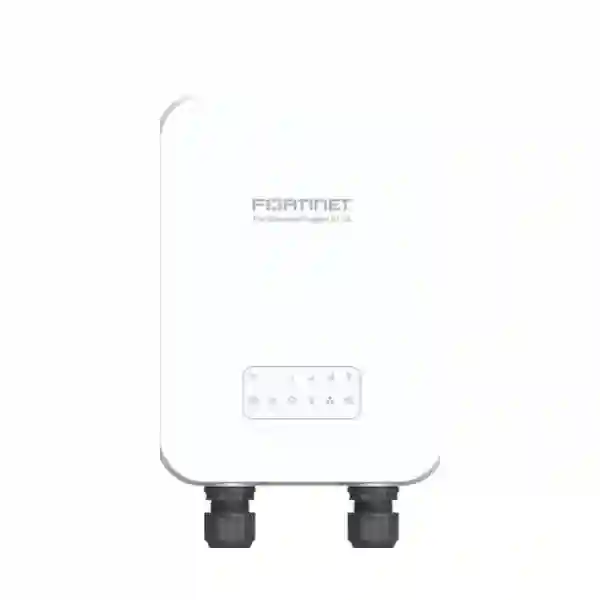
Fortinet FortiExtender Rugged 511G is a rugged outdoor 5G gateway built for organizations that need cellular WAN connectivity where ordinary indoor networking equipment is not the right physical fit. For Tanzanian enterprises, industrial operators, distributed businesses and remote facilities, FER-511G provides a practical way to extend network reach using 5G/LTE connectivity while retaining integration with the Fortinet ecosystem. Its combination of cellular access, Wi-Fi 6, Ethernet connectivity, flexible SIM options and outdoor-oriented construction makes it relevant for branch resilience, operational technology sites, temporary locations, remote infrastructure and locations where wired WAN service is unavailable, slow to provision or requires a cellular backup path.
What the FER-511G delivers
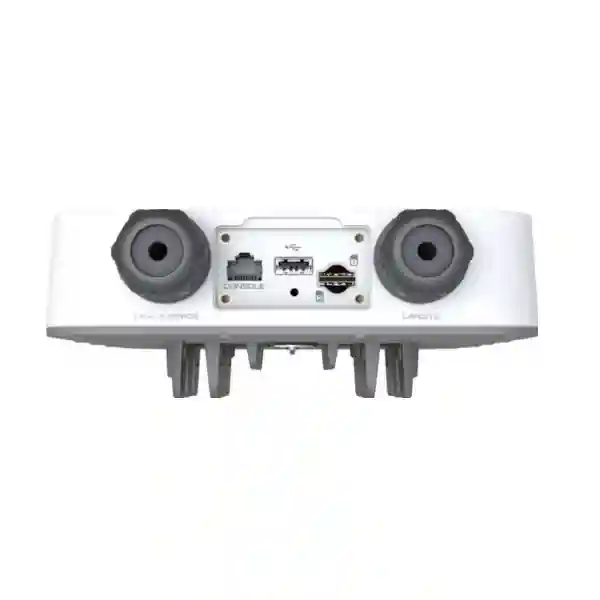
Fortinet positions the FortiExtender Rugged 511G as a 5G outdoor gateway. Current vendor documentation identifies a single 5G modem, dual physical SIM capability plus eSIM, built-in Wi-Fi 6 and Ethernet connectivity. The hardware includes one LAN1 2.5Gbps PoE Ethernet interface, one LAN2 1Gbps Ethernet interface, an RJ45 console interface and USB 2.0. This combination gives network designers several practical options when connecting a rugged cellular edge device to a firewall, switch, local endpoint or management environment.
5G cellular WAN
Use cellular connectivity as a primary path for remote deployments or as an additional WAN option where resilience matters.
Dual SIM + eSIM
Flexible subscriber options help planners design around carrier availability, procurement policies and redundancy requirements.
Wi-Fi 6
The integrated 2×2 MIMO dual-band Wi-Fi 6 radio can support local wireless requirements where the deployment design calls for it.
Rugged deployment
The outdoor-oriented platform is intended for environments that require a more robust installation approach than conventional indoor cellular gateways.
Verified FER-511G hardware highlights
| Area | FER-511G |
|---|---|
| Cellular | 5G modem; dual SIM plus eSIM options documented by Fortinet |
| LAN1 | 2.5Gbps RJ45 with 802.3at PoE |
| LAN2 | 1Gbps RJ45 Ethernet |
| Management interfaces | RJ45 console and USB 2.0 |
| Wireless LAN | Concurrent 2.4GHz/5GHz Wi-Fi 6, 2×2 MIMO, up to 1800Mbps radio rate as documented by Fortinet |
Exact cellular band support and deployment compatibility should always be checked against the Fortinet data sheet, the selected regional hardware variant and the intended mobile operator before purchase. Cellular performance is influenced by network coverage, spectrum, congestion, antenna conditions, installation position and carrier configuration, so a procurement decision should not be based on theoretical radio capability alone.
Deployment and integration planning
A strong FER-511G deployment starts with the WAN objective. Some buyers need a cellular connection because fibre or fixed wireless is not available. Others want a secondary path for business continuity. Industrial and remote-site teams may need a gateway located where cellular signal is stronger than inside a control room or equipment cabinet. In each case, the network design should identify the role of the cellular link, required traffic flows, expected bandwidth, failover policy, security boundaries, power source, mounting position and management method before hardware is ordered.
Fortinet documentation supports FortiGate management and lists FER-511G compatibility across current FortiOS releases. This makes the model particularly relevant to organizations already standardizing on Fortinet security. A FortiGate can remain the policy and security enforcement point while FortiExtender supplies cellular WAN reach. For broader Fortinet planning in Tanzania, explore FourTeck Tanzania technology solutions and the regional Fortinet specialist resources at FourTeck Fortinet UAE.
FortiExtender Rugged 511G (FER-511G) Tanzania
For Tanzania, FER-511G is relevant to organizations planning connectivity across a mix of urban, industrial and remote operating environments. The key buying question is not simply whether 5G is available somewhere in the country; it is whether the intended installation location has a suitable mobile service, signal profile and carrier plan for the application. A Dar es Salaam office seeking WAN resilience has a different traffic and uptime profile from a remote utility installation, construction site, agricultural operation, logistics yard or temporary project location. Procurement teams should therefore map the gateway to the business requirement rather than treat cellular networking as a universal replacement for fixed connectivity.
A Tanzania deployment plan should document the preferred carrier, backup carrier strategy where required, physical SIM or eSIM approach, expected monthly data consumption, required public or private addressing, VPN requirements and how traffic will move between the FER-511G and the security gateway. Where the unit will serve as a backup WAN, define failover and recovery behavior before installation. Where it will serve as primary WAN, consider application sensitivity to cellular latency and variable throughput. Cloud applications, voice, video, telemetry, remote administration and large file transfers can have very different network requirements.
The rugged form factor can be valuable when better radio placement is needed outside a conventional communications room. That does not eliminate the need for site engineering. Power, grounding, cable routing, mounting, environmental exposure and safe access for maintenance all matter. The 2.5GbE PoE interface can simplify suitable designs by carrying power through the Ethernet connection, but the selected power source must match Fortinet requirements. Buyers should also validate the precise regional model and cellular bands against their operator before ordering.
FourTeck can help build a quotation around the actual network architecture rather than only the gateway model. Useful quotation details include installation location, current firewall model, carrier preferences, primary-versus-backup WAN role, required SIM strategy, mounting environment and expected number of sites. Organizations planning wider security upgrades can also review FourTeck Africa solutions for complementary regional infrastructure context.
FortiExtender Rugged 511G (FER-511G) Dar es Salaam
Dar es Salaam buyers commonly evaluate cellular WAN in the context of headquarters, branch offices, retail operations, logistics facilities, warehouses, construction projects and business continuity. FER-511G can fit designs where a fixed connection remains primary but an independent cellular path is wanted for outages, or where a project location needs connectivity before permanent circuits are commissioned. Because cellular conditions can change substantially between buildings and even between mounting positions at one site, a site-specific approach is more useful than relying on citywide coverage assumptions.
For a branch or office, the design should identify which applications are allowed to use the cellular link during failover. Critical SaaS access, payment systems, VPN connectivity and administrative traffic may need priority, while large backups or software downloads may need restrictions when the network is operating on mobile data. If a FortiGate is already deployed, FortiExtender integration can provide a cleaner operational model than treating a standalone consumer modem as an unmanaged emergency connection.
Industrial and port-adjacent deployments should also consider physical placement. The rugged gateway can be positioned to improve cellular reception while Ethernet connects back toward the protected network. The installation plan should address cable length, grounding, weather exposure, mounting access and power. Wi-Fi 6 is available on the FER-511G, but its use should be determined by the security architecture rather than enabled simply because the feature exists.
When requesting a Dar es Salaam quotation, provide the site type, current Fortinet equipment, carrier preference, expected data use and whether the gateway is intended for primary connectivity, backup, temporary connectivity or an OT/remote-site application. This lets the bill of materials and deployment guidance reflect the real requirement rather than a generic product bundle.
FortiExtender Rugged 511G (FER-511G) Mwanza
In Mwanza, a rugged cellular gateway can be considered for distributed commercial sites, field operations, facilities outside dense fixed-network footprints and organizations that want an alternate WAN path. The most important pre-purchase task is to test the intended mobile service at the exact installation point. A device capable of modern 5G connectivity still depends on the available radio network, supported bands, signal quality and subscription. Where 5G is not available or not optimal, the broader cellular design and operator compatibility remain central to expected results.
Organizations with multiple sites should standardize the deployment template. Define how SIMs are assigned, who owns carrier accounts, how configuration is backed up, what monitoring alerts are required and what happens when the primary connection fails. Standardization reduces operational ambiguity when a remote site loses connectivity. It also makes future expansion easier because each new gateway can be deployed against an established security and management baseline.
FER-511G is particularly interesting when the best radio position is separated from the main network cabinet. Its rugged design and PoE-capable 2.5GbE interface can support installation architectures that would be awkward with an indoor modem. The physical installation should still follow vendor guidance for mounting, grounding and cabling. Buyers should confirm any required injectors, switches or accessories as part of the quotation rather than assuming every deployment uses identical power components.
For Mwanza procurement, share whether the site is permanent or temporary, how many users or devices depend on the connection, the security gateway in use and the expected critical applications. This information helps distinguish a simple backup-WAN requirement from a more demanding primary cellular or operational-technology deployment.
FortiExtender Rugged 511G (FER-511G) Arusha
Arusha organizations may evaluate FER-511G for hospitality support infrastructure, distributed offices, project sites, logistics, remote operations and resilient enterprise connectivity. In these scenarios, cellular networking is often valuable because it can provide a path that is physically different from the primary fixed service. Diversity is useful only when the network is designed to use it correctly, so the failover policy, routing behavior, application priorities and monitoring process should be documented before deployment.
A hospitality or service business may prioritize booking, payment, cloud and communications applications during an outage. A field or project site may instead prioritize VPN access, telemetry and remote administration. The same FER-511G hardware can participate in both designs, but the firewall policy and operational expectations are different. Buyers should therefore specify the business services that must remain reachable and the acceptable performance during cellular operation.
The integrated Wi-Fi 6 capability can be useful for certain local-access scenarios, yet enterprises should avoid mixing convenience access with protected operational networks without a clear segmentation plan. Where FortiGate is used, security policy can remain centralized while FortiExtender provides the cellular transport. Fortinet’s current compatibility documentation should be checked against the FortiOS release used in production before a rollout or firmware change.
Arusha quotations should include the intended carrier, site environment, power availability, mounting needs and whether dual-SIM or eSIM flexibility is part of the resilience plan. For cross-border organizations that also operate in Kenya, FourTeck Kenya provides a related regional technology resource for planning consistent deployments.
FortiExtender Rugged 511G (FER-511G) Dodoma
Dodoma deployments can include administrative facilities, enterprise branches, project offices and remote-support requirements where a cellular path adds flexibility. The FER-511G should be evaluated as part of the complete WAN architecture: what it connects to, how it is powered, which carrier services it uses, which traffic is permitted and how the site is monitored. This is especially important for unattended locations, because troubleshooting a remote connectivity failure is easier when configuration, SIM ownership and escalation procedures are known in advance.
For backup connectivity, test failover rather than assuming it works because the secondary link is present. Confirm that DNS, VPNs, cloud services and essential applications behave as intended when traffic moves to cellular. Also test restoration to the primary path. If public IP addressing, inbound connectivity or carrier NAT behavior matters to the application, discuss those requirements with the mobile operator and network designer before procurement.
For primary cellular use, estimate data consumption and application behavior. A high-speed radio interface does not mean every workload should run without policy controls. Software distribution, cloud backups and high-resolution video can consume significant data. Traffic shaping and application policy can help align the connection with the purchased mobile service and business priorities.
When requesting pricing for Dodoma, include the number of sites and whether they share a standard architecture. Multi-site projects benefit from a repeatable bill of materials, documented mounting method, consistent FortiOS policy and clear monitoring ownership. This turns the FER-511G from an isolated modem purchase into a manageable component of the enterprise WAN.
FortiExtender Rugged 511G (FER-511G) UAE
UAE deployments can use FER-511G for construction, utilities, logistics, industrial estates, temporary facilities and enterprise WAN resilience. The region’s high availability of modern mobile networks can make 5G attractive, but buyers should still validate the exact carrier, supported radio bands, subscription and installation location. Industrial sites may also impose physical, grounding and access requirements that are more important than raw headline throughput.
For businesses operating between Tanzania and the UAE, a common Fortinet architecture can simplify policy management and support processes. FortiExtender can supply the cellular edge while FortiGate provides security and routing policy. The design should document whether cellular is active at all times, used only during failure, or reserved for particular traffic. Where multiple carriers are considered, SIM and eSIM options can be incorporated into the resilience strategy subject to operator support and provisioning.
Procurement teams should confirm the regional hardware variant rather than assuming every FER-511G unit is interchangeable across markets. Cellular products can have region-specific radio support and regulatory considerations. A quote should therefore state the destination country and intended operator. For UAE-specific Fortinet resources, consult FourTeck UAE and Fortinet UAE solutions.
Installation planning should cover PoE source, Ethernet path, mounting, environmental exposure and access for service. For mission-critical sites, define monitoring and replacement procedures before deployment so that a cellular link remains an operationally managed service rather than an emergency device nobody routinely checks.
FortiExtender Rugged 511G (FER-511G) Uganda
Ugandan organizations can consider FER-511G for resilient branch networking, remote facilities, project sites and industrial connectivity. A rugged 5G gateway is most valuable when its placement and management are designed around the actual site. Before ordering, verify mobile coverage, carrier compatibility, data plan requirements and whether the site needs primary or secondary WAN. A backup link should ideally have meaningful path diversity from the primary service rather than depending on the same upstream infrastructure wherever that can be assessed.
For enterprises already using FortiGate, FortiExtender can integrate cellular access into a familiar security environment. Network teams should define health checks, routing priorities and the traffic permitted during failover. This is particularly useful for branches where payment, cloud applications, voice or VPN access must continue when fixed connectivity is interrupted.
Remote deployments should include an operational checklist covering SIM ownership, renewal, data usage, device configuration, firmware policy, mounting and physical inspection. Cellular resilience can fail for administrative reasons as easily as technical ones if a subscription expires or a SIM is not correctly provisioned. Documenting these dependencies improves support readiness.
For organizations spanning Tanzania and Uganda, consistent product selection can reduce training and configuration differences. Visit FourTeck Uganda for the matching regional technology resource and use a site-by-site quotation process to confirm hardware variants and carrier requirements.
FortiExtender Rugged 511G (FER-511G) Kampala
In Kampala, FER-511G can support offices, retail locations, financial-service branches, logistics facilities and other businesses that want a managed cellular WAN option. Urban coverage does not remove the need for testing inside and around the actual premises. Building materials, equipment rooms and mounting position can affect radio conditions, and the rugged form factor provides more placement flexibility than a conventional indoor gateway.
For business continuity, decide which services remain active during a fixed-line outage. A controlled failover policy can prioritize transaction systems, business communications and remote access while limiting nonessential high-volume traffic. This helps the cellular connection serve the continuity objective without uncontrolled data use. If FortiGate is the security edge, configuration should be tested under real failover conditions and documented for support teams.
The dual SIM plus eSIM capability can be relevant to carrier-resilience planning, but buyers should confirm operator support and provisioning before assuming a particular eSIM workflow. The physical SIM format and installation method should also follow Fortinet documentation. For multi-branch deployments, maintain an inventory linking each gateway to its site, carrier account and support information.
A Kampala quotation request should identify the firewall model, intended carrier or carriers, number of locations, mounting environment, primary/backup role and expected applications. These details help ensure that accessories, power arrangements and configuration services are scoped appropriately.
FortiExtender Rugged 511G (FER-511G) Arua
Arua deployments may place greater emphasis on extending enterprise connectivity to sites where fixed services are limited, slow to provision or operationally inconvenient. FER-511G offers a rugged cellular option, but successful deployment depends on local mobile-network conditions. Before committing to a rollout, test the target operator at the intended mounting location and verify the relevant cellular bands against the regional FER-511G specification.
Remote sites benefit from simplicity. Keep the network design clear: identify the upstream carrier, the downstream firewall or LAN device, the management path and the recovery procedure. If the gateway is deployed where physical visits are costly, remote monitoring becomes particularly important. Define who receives alerts and who is responsible for carrier issues versus device configuration.
Power planning also matters. The FER-511G supports a PoE-based installation through its 2.5GbE interface, but the PoE source and cabling must satisfy vendor requirements. Where local power is unstable, the broader site design may require appropriate backup power for the gateway and connected network equipment. That requirement should be addressed at system level rather than assumed to be solved by the gateway itself.
For Arua procurement, describe the physical site, expected users or connected systems, critical applications and availability objectives. This allows the cellular gateway to be sized and configured as part of a complete connectivity plan, not simply purchased because it supports 5G.
FortiExtender Rugged 511G (FER-511G) Mbarara
Mbarara businesses and distributed organizations can evaluate FER-511G for branch resilience, remote operations and temporary connectivity. The device is particularly useful where a cellular connection must be positioned for better reception while the protected network remains indoors. Its Ethernet interfaces create a straightforward handoff into the network, while Fortinet integration supports organizations already operating FortiGate infrastructure.
A procurement plan should separate performance expectations from availability expectations. Cellular throughput can vary, while a backup link may still deliver substantial business value even if it does not match the primary circuit speed. Identify the minimum applications that must remain usable and configure policy accordingly. For primary cellular sites, assess average and peak data demand, latency-sensitive applications and monthly data allowances.
SIM resilience should be planned operationally. Dual SIM capability is useful only when carrier accounts, provisioning and failover procedures are maintained. If two operators are used, document which is preferred and how switching is expected to occur. eSIM support adds another provisioning option where supported, but should be verified with the selected carrier.
Mbarara buyers should include installation and management requirements in the quote request. Specify whether the unit will be wall mounted, the expected cable route, available PoE source, firewall model and monitoring platform. This reduces last-minute accessory changes and helps create a repeatable deployment if more branches are added later.
FortiExtender Rugged 511G (FER-511G) Gulu
Gulu deployments can benefit from rugged cellular connectivity where organizations need an alternative to fixed WAN, rapid connectivity for a new location or a resilient path for critical services. FER-511G combines modern cellular capability with Ethernet and Wi-Fi 6, but the right architecture depends on the site. A field office may need straightforward cloud and VPN access, while an industrial or infrastructure site may require tightly controlled machine-to-network communications.
Security boundaries should be explicit. A cellular gateway provides transport; it should be integrated with the organization’s firewall and access policies so that the availability of a second WAN path does not create an unmanaged route around security controls. FortiGate integration is therefore a major consideration for existing Fortinet environments. Firmware and compatibility should be reviewed as part of change management.
Physical installation requires equal attention. Rugged equipment still needs correct mounting, grounding, cable management and power. The preferred location should balance cellular signal, safe access, cable constraints and environmental conditions. Where a site is unattended, protect the installation against accidental disconnection and document how local personnel can identify basic status information.
For Gulu quotations, provide the number of sites, intended mobile operators, firewall environment and business continuity target. If the requirement is part of a Uganda-wide rollout, standardize configuration and documentation so support teams can diagnose sites consistently.
FortiExtender Rugged 511G (FER-511G) Kenya
Kenya organizations can use FER-511G in enterprise, industrial, logistics, remote-site and business-continuity designs. 5G availability in major markets can make cellular WAN attractive, but the gateway should be selected against the exact site and carrier rather than national coverage assumptions. The regional hardware variant, supported bands and operator plan should be confirmed before procurement.
For distributed enterprises, a common Fortinet architecture across Kenya and Tanzania can simplify network policy and support. The same design principles apply: define whether cellular is primary or backup, specify application priorities, test failover and monitor the link. Where a branch relies heavily on cloud applications, consider how user experience changes when traffic shifts from fixed WAN to cellular.
Outdoor placement can improve the options available to network engineers seeking a better radio environment. The 2.5GbE PoE interface can help simplify cable and power planning in suitable installations. However, correct grounding, mounting and environmental installation remain essential. Any accessory requirement should be confirmed in the final bill of materials.
For Kenya-specific procurement and related solutions, use FourTeck Kenya. Buyers operating across East Africa should request quotations that identify the destination of each unit so regional cellular variants and deployment requirements can be checked independently.
FortiExtender Rugged 511G (FER-511G) Kuwait
Kuwait deployments can use rugged 5G connectivity for industrial locations, construction projects, remote facilities and enterprise WAN resilience. High-capacity mobile networks make 5G a useful design option, while harsh outdoor conditions increase the importance of selecting equipment intended for rugged deployment. Installation teams should still verify the vendor’s environmental limits and follow mounting and grounding guidance for the exact site.
Carrier selection should be based on coverage and service requirements at the installation location. If the gateway is a backup WAN, test it under realistic outage conditions and confirm that critical VPN, cloud and voice services behave as expected. If it is primary WAN, review data consumption and application performance. Dual SIM and eSIM flexibility can support carrier strategy, subject to operator provisioning.
Industrial environments should treat the gateway as one component of a segmented security architecture. Cellular transport should not bypass firewall controls. FortiGate integration can help maintain consistent policy, while centralized monitoring can improve visibility across multiple remote gateways.
Procurement requests should identify Kuwait as the destination, the intended carrier, site environment and power method. This helps ensure the appropriate regional variant and accessories are considered. Organizations operating across several Gulf and African markets should avoid assuming a cellular SKU purchased for one country is automatically the correct choice for another.
FortiExtender Rugged 511G (FER-511G) Ghana
Ghana enterprises can consider FER-511G for remote offices, industrial sites, logistics, field operations and backup WAN. The purchasing process should start with the site connectivity objective and available mobile services. Test signal and carrier performance where possible, and verify the regional device specification before ordering. Cellular networks are dynamic, so realistic expectations should account for variation in throughput and latency.
For business continuity, define essential applications and establish a policy for cellular operation. The goal may be to keep payment, email, cloud ERP and VPN traffic active while restricting bulk transfers. A FortiGate-based architecture can enforce those priorities and use FortiExtender as the cellular transport. Compatibility should be checked against the deployed FortiOS version during design and maintenance.
Remote-site teams should include physical inspection and subscription management in their maintenance plan. A rugged gateway can reduce environmental constraints, but cabling, power, mounting and carrier account status still need attention. Maintain site records showing SIM identifiers, carrier contacts, configuration ownership and escalation paths.
For Ghana-related technology procurement, FourTeck Ghana can support regional planning. Cross-border buyers should specify the destination country for every unit in a multi-country quote so compatibility checks remain explicit.
FortiExtender Rugged 511G (FER-511G) Nigeria
Nigeria presents many use cases for cellular WAN, from enterprise branches and retail to energy, logistics and temporary project locations. FER-511G is designed for rugged outdoor 5G connectivity and can provide a managed cellular edge for Fortinet environments. The exact business value depends on the local carrier network, the role of the link and how well the deployment is integrated with security and monitoring.
Multi-carrier planning can be valuable where continuity is important. Dual SIM plus eSIM capability gives designers options, but the operational process is as important as the hardware feature. Confirm provisioning, data plans, carrier NAT behavior and any requirements for static addressing or private APNs directly with the selected provider. Test the intended workflow before a large rollout.
For industrial or remote sites, placement should be selected through a combination of radio testing and physical engineering. The gateway needs safe mounting, grounding, power and Ethernet connectivity back to the protected network. If PoE is used, verify the source and cable design. Remote monitoring should be configured so link degradation or carrier loss is visible before it becomes a prolonged outage.
Nigeria-focused buyers can consult FourTeck Nigeria for regional technology context. A complete quote request should state site count, destination, carrier preferences, firewall models and deployment role.
FortiExtender Rugged 511G (FER-511G) Seychelles
Seychelles organizations may consider rugged cellular networking for hospitality support systems, distributed facilities, remote infrastructure and WAN resilience. Island and multi-site environments can make connectivity diversity particularly important, but mobile performance should be assessed at the actual property or installation point. FER-511G provides a modern 5G platform with flexible SIM options, Ethernet and Wi-Fi 6 for designs where cellular transport is appropriate.
Hospitality and service environments should prioritize the applications that support guest operations and business administration. If cellular is used as backup, policy can preserve critical cloud, payment and communications traffic while controlling nonessential bandwidth. If the gateway supports a remote operational system, segmentation and secure management should be designed from the start.
The rugged form factor can assist when radio-friendly placement is outside the normal IT room, but installers must account for mounting, weather exposure, grounding, cabling and maintenance access. The PoE-capable Ethernet interface can simplify certain installations, subject to correct power sourcing. Cellular band compatibility and carrier provisioning should be confirmed for the destination before shipment.
A Seychelles quotation should include island/site location, carrier preference, primary or backup role, existing firewall and expected connected services. These details make it easier to propose the correct hardware variant and avoid treating a cellular gateway as a one-size-fits-all component.
Buying checklist for FER-511G
Before requesting a quotation, prepare the destination country and site, preferred mobile operator, primary-versus-backup WAN role, current FortiGate or firewall model, number of locations, physical mounting environment, available PoE source, SIM/eSIM preference, critical applications and expected data usage. If the project spans countries, list quantities by destination. This information helps validate regional hardware selection and creates a more useful deployment discussion.
Common questions
Is FER-511G a 5G router?
Fortinet describes the FortiExtender Rugged 511G as a 5G outdoor gateway. It supplies cellular connectivity and can integrate with FortiGate and Fortinet management workflows. The exact network role depends on the deployment architecture.
Does FER-511G support dual SIM?
Yes. Current Fortinet material documents dual SIM plus eSIM capability. Operator support, provisioning and regional compatibility should be verified for the intended country.
Does it have Wi-Fi?
Yes. Fortinet documents concurrent 2.4GHz and 5GHz Wi-Fi 6 with 2×2 MIMO on FER-511G. Whether Wi-Fi should be enabled depends on the site security and access design.
Can FER-511G be used for backup internet?
Yes, cellular WAN resilience is a core use case for FortiExtender. The firewall, routing and health-check policy should be configured and tested so failover behaves as intended.
What should be verified before buying?
Verify the regional hardware variant, carrier and band compatibility, installation environment, power method, firewall integration, SIM strategy and required accessories. Do not rely only on a generic 5G coverage statement.
Decision recap
FortiExtender Rugged 511G is a strong fit to evaluate when a project needs outdoor-oriented 5G connectivity, flexible SIM options and integration with a Fortinet network. Its value is highest when the cellular link is designed as part of the complete WAN and security architecture. Confirm carrier compatibility, regional model, mounting, PoE, traffic policy and management requirements before purchase. For Tanzania projects, FourTeck can prepare a quotation around the actual site and Fortinet environment rather than treating FER-511G as an isolated modem.
Plan your FER-511G deployment
Share your site location, carrier preference, FortiGate model, number of gateways and whether cellular will be primary or backup WAN. These details support a more accurate product and deployment discussion.



Reviews
There are no reviews yet.