
Enterprise Wi-Fi 7 for demanding business networks
Grandstream GWN7674 Tanzania
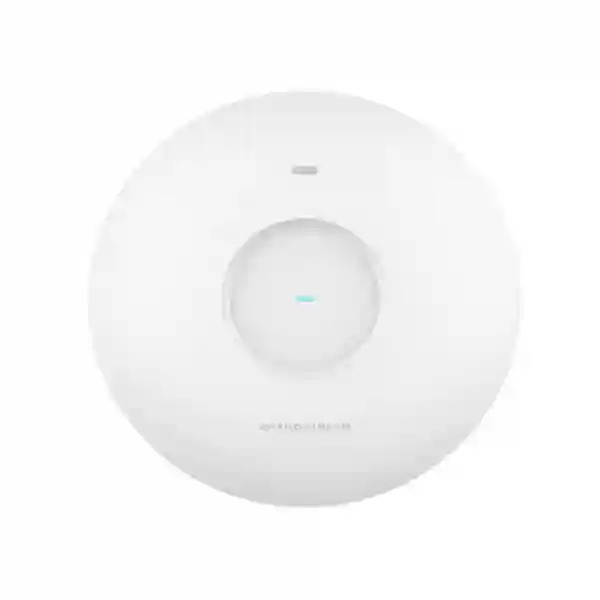
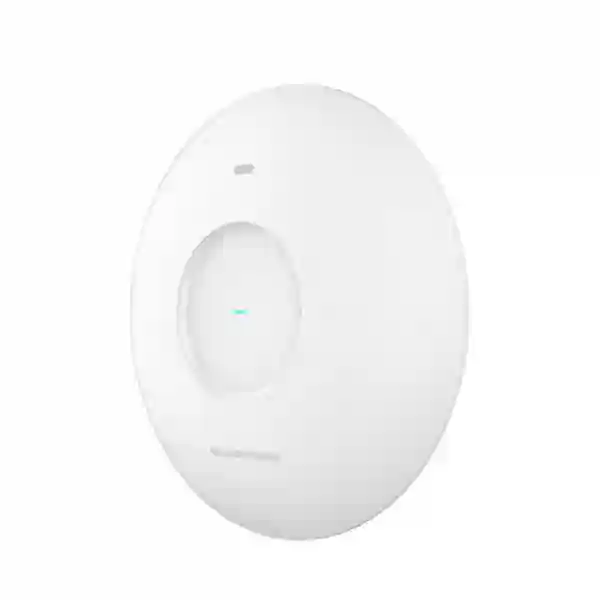
The Grandstream GWN7674 is a high-performance tri-band Wi-Fi 7 access point built for medium-sized businesses and large enterprises that need higher wireless capacity, faster wired backhaul and flexible management. Grandstream specifies up to 21Gbps aggregate wireless throughput, up to 768 concurrent clients, a 10 Gigabit Ethernet interface, a 2.5 Gigabit Ethernet interface and IEEE 802.3bt PoE++ power input.
Up to 21Gbps
Up to 768 clients
10G + 2.5G Ethernet
Tri-band capacity
The GWN7674 uses 2.4GHz, 5GHz and 6GHz radios, with 2×2:2 MU-MIMO on 2.4GHz and 4×4:4 MU-MIMO on both 5GHz and 6GHz.
Wi-Fi 7 technologies
Multi-Link Operation, 4096-QAM, Multi-RU and preamble puncturing support help the platform use spectrum more efficiently when compatible client devices are available.
High-speed backhaul
A 10G Ethernet port and a 2.5G Ethernet port help avoid restricting a high-capacity Wi-Fi 7 access point to a conventional 1Gbps wired uplink.
Flexible management
Administrators can use the embedded controller for local GWN deployments, GDMS Networking for cloud management or GWN Manager for on-premises software management.
What the Grandstream GWN7674 is designed to solve
Business Wi-Fi problems are rarely caused by a single headline speed. Congested meeting areas, dense user populations, cloud applications, video collaboration, voice over Wi-Fi, large file transfers and newer Wi-Fi 7 client devices can place simultaneous demand on the radio layer and the wired network behind it. The GWN7674 is intended for environments where ordinary access points may become capacity bottlenecks and where administrators want a stronger path to 6GHz operation, wider channels, modern Wi-Fi 7 features and multi-gigabit backhaul.
Grandstream positions the model for medium-sized businesses and larger enterprises with medium-to-high user density. Its quoted maximum coverage is up to 175 metres, but coverage is an environmental maximum rather than a planning rule. Wall construction, glass, shelving, interference, mounting height, client transmit power and desired data rate all affect usable coverage. For that reason, a proper design should distinguish coverage from capacity. A room can show a strong signal and still perform poorly if too many active clients share the available airtime.
FourTeck Tanzania can help buyers review the wireless requirement together with the wired dependencies. The FourTeck Tanzania services overview explains how wireless access points depend on cabling, switching, backhaul, network policy and power. Buyers can also use the Tanzania technology shop to compare networking and security categories before requesting a complete quotation.
Grandstream GWN7674 verified technical highlights
| Area | Verified GWN7674 detail | Planning implication |
|---|---|---|
| Wireless class | Wi-Fi 7 / IEEE 802.11be, tri-band | Useful for modern high-capacity deployments with compatible clients and regionally permitted spectrum. |
| Aggregate wireless throughput | Up to 21Gbps | Actual client throughput will depend on radio conditions, protocol overhead, client capability and backhaul. |
| Client capacity | Up to 768 concurrent Wi-Fi client devices | Design around active-client behaviour and application load rather than treating the maximum as a target. |
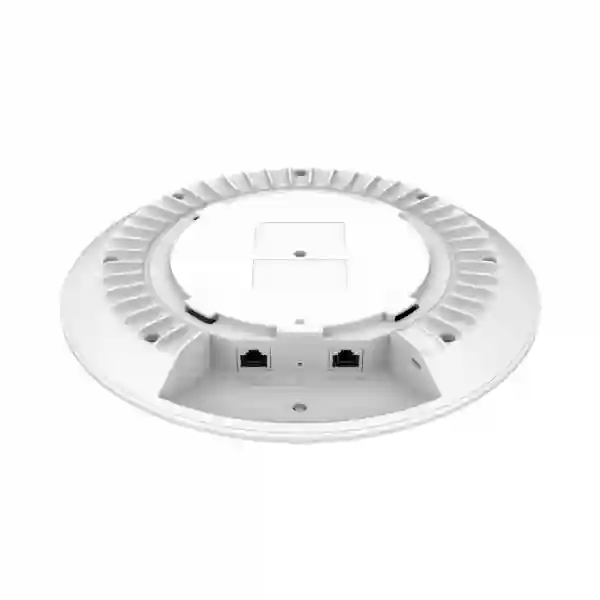
| Ethernet | 1 x 10G RJ45 and 1 x 2.5G RJ45 | The upstream switch and cabling should match the intended multi-gigabit design. |
| Power | IEEE 802.3bt PoE++, maximum power consumption 36W | Confirm the PSE standard and total PoE budget before procurement. |
| SSIDs | Up to 48 total, 16 per radio | Use only the SSIDs required; excessive SSID counts create management and airtime overhead. |
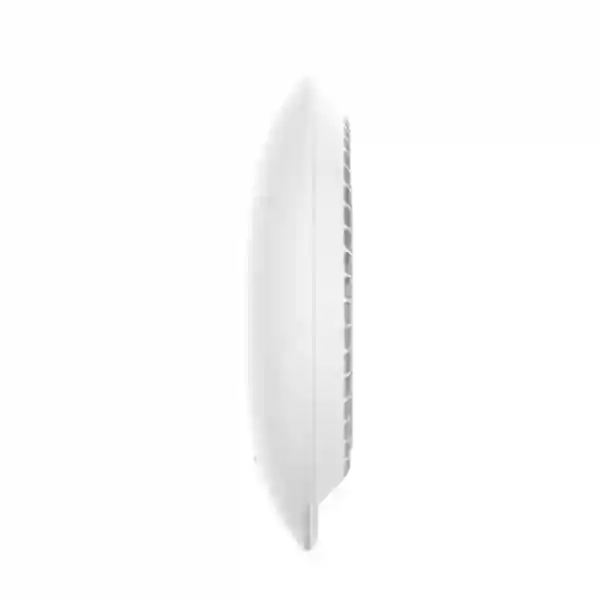
| Mounting | Indoor wall or ceiling mount, mounting kits included | Placement should follow a site survey or at least a floor-plan and density review. |
| Management | Embedded controller, GDMS Networking, GWN Manager | Choose local, cloud or on-premises management based on policy, scale and administrator workflow. |
Grandstream notes that not all frequency bands can be used in all regions. 6GHz availability, permitted channels and transmit rules should therefore be confirmed against local regulatory requirements before final radio planning.
Deployment, switching and security planning
A high-performance access point can only deliver a useful result when the rest of the network can feed it. If the GWN7674 is installed with a legacy 1Gbps switch, insufficient PoE, overloaded uplinks or poorly arranged VLANs, the wireless radio may not be the limiting factor. For performance-focused deployments, the 10G interface gives a path to high-capacity backhaul, while the 2.5G interface offers another multi-gigabit option. Cabling category, switch-port capability, uplink aggregation and core capacity should be reviewed at the same time.
The model supports security capabilities including WPA2 and WPA3 modes, client isolation, MAC filtering, rogue AP detection and containment, traffic rules and secure boot protections. These features should be placed inside a broader network-security architecture. Staff, guest, voice, IoT and operational devices may need separate VLANs and policies. A firewall can then control which network segments communicate and which services are exposed. FourTeck’s FortiAP FAP-221K Tanzania page offers a useful comparison point for buyers evaluating another Wi-Fi 7 ecosystem, while the FortiAP FAP-222KL Tanzania page illustrates an outdoor-focused Wi-Fi 7 alternative where environmental requirements differ from the indoor GWN7674.
If an organisation is standardising on Grandstream, central management can simplify configuration across multiple GWN devices. The embedded controller can manage up to 50 local GWN access points according to Grandstream, while GDMS Networking and GWN Manager provide cloud and on-premises paths for larger management needs. Buyers should choose the management model before rollout so naming, SSIDs, VLAN mapping, administrator roles, firmware policy and monitoring are consistent from the first site.
Related FourTeck Tanzania network resources
FortiAP FAP-231F TanzaniaReview a Wi-Fi 6 access point option when Wi-Fi 7 capability is not required for the project.
About FourTeck TanzaniaUnderstand the broader approach to integrated IT, telecom, security and infrastructure projects.
FourTeck Tanzania homeExplore Wi-Fi, switching, firewalls, servers, IP telephony and other business technology categories that may form part of the same deployment.
Grandstream GWN7674 Tanzania
For organisations searching for the Grandstream GWN7674 in Tanzania, the most important question is whether the site can use the capacity of a tri-band Wi-Fi 7 access point rather than simply whether the model is available for quotation. A Tanzanian enterprise considering this AP may be upgrading a head office, new commercial building, education facility, hospitality property, technology workspace or multi-floor business environment where higher user density and newer client devices justify a modern wireless layer. The GWN7674 provides the radio capability, but the design still depends on building materials, floor plan, interference, client mix and the applications people actually use.
Procurement teams should first document the number of users, approximate number of active wireless devices, expected growth, coverage zones and business-critical applications. Video conferencing, cloud desktops, large file transfers and voice over Wi-Fi create different traffic patterns from casual web browsing. The switch layer then needs to be checked for IEEE 802.3bt PoE++, port speed and total power budget. Where the project is intended to exploit high Wi-Fi 7 throughput, a 10G-capable access switch or appropriate aggregation path may be relevant. Existing copper cabling should be assessed for the chosen Ethernet rate rather than assumed suitable.
Tanzania buyers should also treat 6GHz as a regulatory and compatibility question. Grandstream explicitly notes that not all frequency bands are usable in every region, so the allowed spectrum and channel plan must be confirmed before the 6GHz radio is incorporated into a production design. Client devices also need compatible radios to gain the full benefit of Wi-Fi 7 features. Older Wi-Fi generations can still connect where supported, but a mixed-client environment should be tested realistically.
FourTeck Tanzania can help structure the requirement around wireless design, managed switching, segmentation, security and lifecycle support. The verified Tanzania contact page is the right route for a project quotation. When requesting pricing, include the quantity of access points, site type, floor count, approximate user density, current switch models, available PoE standard, internet capacity and whether cloud or on-premises management is preferred. These details allow a quotation discussion to focus on a workable deployment rather than a standalone device price.
Grandstream GWN7674 Dar es Salaam
Dar es Salaam businesses often operate in office towers, commercial compounds, retail sites, hotels, professional-service offices and mixed-use buildings where wireless capacity can be as important as simple coverage. In these environments, the Grandstream GWN7674 can be relevant when the network must support dense client populations, modern laptops and phones, guest access, real-time collaboration and large cloud workloads. The model’s tri-band design is particularly useful when compatible clients can use 6GHz, reducing pressure on traditional 2.4GHz and 5GHz spectrum. That benefit still depends on the regulatory channel plan and the device population actually present at the site.
For a Dar es Salaam headquarters or multi-floor office, access-point placement should be based on floor layout, wall type, glass, meeting-room concentration and roaming patterns. A boardroom with many simultaneous video meetings may need more capacity than an open office of the same floor area. Corridors, lift cores, partition walls and adjacent tenants can affect RF design. It is therefore better to plan around desired signal levels and active-client density than to divide the manufacturer’s maximum coverage figure by square metres.
The wired network is equally important. The GWN7674 can connect through 10G or 2.5G Ethernet and requires PoE++ input. A Dar es Salaam site upgrading from older 1Gbps PoE switches should verify whether new access switches are needed, whether uplinks to the core can sustain the aggregate traffic and whether the existing cabling supports the target Ethernet rate. UPS-backed switching may also be important where the business expects wireless service to remain available during short power interruptions. Guest and corporate traffic should be segmented so public access does not share the same trust zone as internal business systems.
When preparing a Dar es Salaam GWN7674 quotation request, specify the building, number of floors, estimated active users, high-demand areas, current switching and whether the design includes voice over Wi-Fi, guest portals or separate device networks. That information supports a more precise bill of materials. Buyers who need a broader design can also review FourTeck Tanzania’s integrated services, because access points, switching, firewall policies and cabling are best treated as parts of one network rather than separate purchases.
Grandstream GWN7674 Mwanza
Organisations evaluating the Grandstream GWN7674 in Mwanza may be planning wireless connectivity for offices, education sites, hospitality environments, healthcare facilities, retail operations or larger commercial compounds. The product is most valuable where multiple users and devices need reliable access at the same time and where the network team wants a longer-term move toward Wi-Fi 7. Grandstream’s support for three radio bands, high client counts and multi-gigabit Ethernet gives planners room to build a stronger local wireless layer, but project success depends on how accurately the access point is matched to the site.
A Mwanza deployment should begin with a map of coverage and capacity zones. Reception areas and corridors may primarily need dependable reach, while training rooms, conference spaces or computer labs may generate concentrated demand. Warehouses and retail storage areas can introduce metal shelving and equipment that alter RF propagation. Hospitality areas may require guest isolation and a captive portal, while enterprise offices may need several staff VLANs and secure access to internal resources. These differences influence how many access points are required and where they should be mounted.
The GWN7674’s maximum 36W power consumption means the switch must provide suitable IEEE 802.3bt power and enough aggregate PoE budget for all installed APs. Where multiple GWN7674 units are deployed, switching should be sized for both power and traffic. A site with eight high-capacity access points can create very different uplink requirements from a small branch with one or two units. If the local network still uses 1Gbps uplinks between access switches and the core, the wireless upgrade may expose those bottlenecks during busy periods.
Mwanza buyers should include support and management preference in the quotation stage. Smaller deployments may use the embedded controller, while organisations with several locations may prefer GDMS Networking or GWN Manager. The decision affects administrator workflow, monitoring and how configurations are standardised. Include site quantity, desired SSIDs, guest access, VLANs, authentication requirements and expected growth in the request. This makes it easier to select supporting switches, firewall capacity and cabling alongside the GWN7674 rather than discovering dependencies after procurement.
Grandstream GWN7674 Arusha
Arusha has a mix of corporate offices, hospitality properties, education organisations, tourism-related businesses, professional firms and institutions that can create very different Wi-Fi requirements. A Grandstream GWN7674 deployment in Arusha should therefore be designed around the users and spaces rather than treated as a standard template. Hotels and guest facilities may prioritise roaming, client isolation and internet-focused access. Offices may need secure employee networks and voice or video collaboration. Training or conference venues can generate short periods of very high client density that require more radio capacity than day-to-day occupancy suggests.
The GWN7674’s 5GHz and 6GHz 4×4:4 MU-MIMO radios give the platform capacity for demanding environments, and its 2.4GHz radio provides support for devices that still depend on that band. The design should not force every device onto the newest band without checking compatibility. Many existing IoT and operational devices remain 2.4GHz-only, while current laptops and phones may use 5GHz or 6GHz. A balanced channel and band-steering strategy can improve user experience without breaking older devices.
Arusha sites with large public areas should pay attention to roaming and guest security. Multiple access points need consistent SSIDs, VLAN mapping and radio settings so devices can move between coverage cells without confusing network changes. Guest networks should be separated from staff networks, and management interfaces should not be exposed to ordinary users. For properties handling payment systems, administration devices or sensitive records, the firewall and wired network should enforce separation instead of relying only on wireless passwords.
A useful Arusha quotation request should identify room count or floor area, the number of guest and staff devices, conference or event capacity, current switch and firewall models, available PoE, internet bandwidth and whether the organisation needs cloud management. If a hospitality property includes outdoor courtyards or gardens, remember that the GWN7674 is an indoor wall/ceiling-mount access point; outdoor areas may require purpose-built outdoor hardware rather than extending an indoor AP beyond its intended environment. FourTeck can help align the indoor wireless design with switching and security requirements before purchase.
Grandstream GWN7674 Dodoma
For organisations in Dodoma, the Grandstream GWN7674 can support new office builds, institutional facilities, government-related workplaces, education environments and expanding commercial sites where the wireless network needs to handle more devices and higher application demand. Wi-Fi 7 is most useful when it is part of a planned network refresh rather than an isolated access-point replacement. A project that upgrades APs but leaves old switches, limited uplinks and flat network segmentation unchanged may not achieve the intended improvement.
A Dodoma deployment should start with the building plan and expected user behaviour. Identify workspaces, meeting rooms, executive areas, reception, training rooms and any high-density halls. Note thick walls, long corridors and equipment rooms that may affect signal. The manufacturer’s up-to-175-metre range should be treated as a theoretical environmental maximum, not as a guarantee through walls or across multiple floors. The practical design target is stable coverage at the data rates required by users, with enough capacity during peak periods.
The GWN7674 supports up to 768 concurrent clients, but network design should use realistic active-client estimates. Hundreds of associated clients browsing occasionally are different from hundreds simultaneously running video calls or cloud applications. Capacity planning should also include internet bandwidth and firewall throughput. If the WAN link is small or the security gateway is overloaded, replacing access points will not fix slow cloud access. The network should be assessed end to end.
Dodoma procurement teams can make the quotation process more efficient by providing the AP quantity, floor plans where available, expected client count, current switches, PoE capabilities, desired VLANs and management model. If new switches are required, specify whether 2.5G or 10G access ports are planned and whether fibre uplinks connect floors or buildings. Documenting these dependencies early makes it easier to compare the full project cost. The result should be a wireless network that is not only fast on day one but also understandable, supportable and expandable as the organisation grows.
Grandstream GWN7674 UAE
Businesses researching the Grandstream GWN7674 in the UAE are often comparing high-density Wi-Fi platforms for corporate offices, hospitality, retail, education, healthcare and technology-focused environments. The UAE market includes many multi-floor offices and modern commercial sites where multi-gigabit switching, fibre backbones and newer client devices can make a Wi-Fi 7 upgrade practical. The GWN7674’s 10G and 2.5G Ethernet interfaces are useful in those designs because they can connect the wireless edge to a wired infrastructure that is faster than conventional Gigabit Ethernet.
A UAE design should still be based on site-specific RF requirements. Dense office areas, glass partitions, meeting rooms, concrete walls and neighbouring wireless networks affect channel planning. 6GHz operation should be aligned with the locally permitted regulatory domain and the access point’s supported configuration. Client capability is another deciding factor: Wi-Fi 7 smartphones and laptops can use the newest features, while older devices continue to rely on earlier standards. A migration plan should support the current device fleet while creating room for newer clients.
Organisations with several branches may value Grandstream’s management options because the same platform can be monitored through cloud or on-premises tools. Standard naming, SSIDs, VLAN templates, firmware policy and administrator roles make multi-site support more predictable. Security teams should combine wireless protections with firewall segmentation, identity policy and network monitoring. Guest access, contractor access, employee devices and operational systems should not automatically share a single flat trust zone.
For UAE-based project enquiries, the verified FourTeck UAE technology site provides a regional path for networking, cybersecurity and infrastructure discussions. A strong GWN7674 quotation request should state the site location, AP quantity, floor layout, target client density, switch uplink speeds, PoE standard and whether installation, configuration or supply-only pricing is required. This allows the wireless hardware to be discussed with the switching and security architecture instead of as an isolated line item.
Grandstream GWN7674 Uganda
Ugandan organisations evaluating the Grandstream GWN7674 may be upgrading head offices, universities, hospitality properties, healthcare facilities, financial-service sites, retail chains or multi-branch networks where wireless use has grown beyond basic internet access. Modern businesses increasingly run cloud applications, video collaboration and mobile workflows over Wi-Fi, which makes capacity, roaming and wired backhaul important. The GWN7674 is positioned for demanding environments, but the network should be sized around actual business traffic instead of using the maximum 21Gbps figure as an expected user speed.
The AP’s support for up to 768 clients offers headroom for busy spaces, yet a well-designed Ugandan deployment should distribute load across multiple access points where density or physical layout requires it. Large lecture rooms, conference areas and public reception spaces can have concentrated bursts of activity. Office floors may have more stable occupancy but require dependable voice and video performance. Warehouses may need coverage around shelving and operational devices. Each environment changes how radios and channels should be planned.
Power and switching deserve equal attention. IEEE 802.3bt PoE++ and multi-gigabit Ethernet may require a switch refresh if the existing network was designed for older Wi-Fi 5 or Wi-Fi 6 access points. The total PoE budget should be calculated across all connected devices, not checked one port at a time. Uplinks between the access layer and the core should also be evaluated so higher wireless capacity does not converge onto an undersized bottleneck.
The FourTeck Uganda site provides a regional route for networking and business technology enquiries. For procurement, share expected AP quantity, site type, number of floors or buildings, user counts, switch capabilities, required SSIDs, guest access and management preference. If several Ugandan branches are involved, include those locations from the beginning so IP addressing, VLANs and management standards can be designed consistently rather than added after each branch is installed.
Grandstream GWN7674 Kampala
Kampala is a major business centre where high-density offices, hotels, education facilities, healthcare organisations, retail spaces and technology companies can generate demanding wireless requirements. A Grandstream GWN7674 installation in Kampala is particularly relevant when a site is moving toward newer Wi-Fi 7 clients or when existing access points struggle during peak occupancy. The model’s tri-band radio design gives administrators more spectrum options, but benefits are greatest when clients, regulations and the physical environment support the selected band plan.
In a Kampala office tower, the wireless plan should account for neighbouring networks and dense meeting areas. Adjacent tenants can increase interference in traditional bands, while the 6GHz band can provide additional spectrum for compatible devices. However, planners should not assume 6GHz propagation behaves exactly like 2.4GHz through walls. Higher-frequency coverage may require more deliberate access-point placement. This is why an RF survey or at minimum a detailed floor-plan review is valuable before quantities are finalised.
The wired network should be designed to match the access point. If a business chooses the 10G interface for high-capacity backhaul, the access switch, cable plant and aggregation layer need to support that target. If 2.5G is sufficient for a particular site, the switch still needs compatible multi-gigabit ports and PoE++. Network administrators should separate staff, guest and device traffic using VLANs and firewall policies, with appropriate authentication for corporate access. Captive-portal guest Wi-Fi can be considered where public access is part of the business requirement.
Kampala buyers should request a quotation based on the complete environment, not only on the AP quantity. Include switch models, firewall, WAN bandwidth, existing cabling, user density, any voice over Wi-Fi requirement and whether management will be centralised. A branch-heavy organisation may benefit from using consistent configuration templates across sites. This reduces support complexity and makes it easier to compare performance between locations. The result is a GWN7674 deployment that forms part of a manageable enterprise network rather than a collection of independent access points.
Grandstream GWN7674 Arua
Arua organisations considering the Grandstream GWN7674 may have a different wireless profile from a dense metropolitan head office. Businesses, institutions, NGOs, healthcare sites, education facilities and hospitality environments may need reliable coverage across offices, meeting spaces and operational areas while keeping administration straightforward. The GWN7674 can provide significant performance headroom, but the project should confirm whether that capacity is justified by the number of users, the applications in use and the available wired infrastructure.
For an Arua site, the first design task is to separate coverage needs from capacity needs. A large low-density building may require several access points because of walls and distance even if each AP serves relatively few users. A smaller training or conference room may require more radio capacity because many users connect simultaneously. Mounting positions should therefore follow real usage zones. Metal roofing, thick walls, equipment and furniture can change signal paths, so the maximum manufacturer range should not be used as a fixed planning radius.
Infrastructure readiness is especially important when introducing a Wi-Fi 7 AP into an older network. The GWN7674 requires PoE++ and offers 10G and 2.5G Ethernet. If the site has only 1Gbps PoE+ switching, the proposal may need new switching or a suitable injector plus a clear backhaul plan. The internet circuit should also be considered. Local wireless speed can exceed WAN capacity by a large margin, so user experience for cloud applications may still be limited by the internet connection or upstream security gateway.
Arua procurement requests should specify whether the requirement is a single building, campus or multi-site rollout; how many users and devices are expected; which areas are high priority; and what network equipment is already installed. Management choice also matters. An embedded controller can simplify local management, while cloud or on-premises central platforms may be more useful when administrators support several remote locations. Documenting these requirements before quotation helps avoid buying a high-end access point without the switching, power and network design required to use it effectively.
Grandstream GWN7674 Mbarara
Businesses and institutions searching for the Grandstream GWN7674 in Mbarara may be planning wireless upgrades for professional offices, hotels, schools, clinics, retail environments or growing branch operations. Wi-Fi 7 can provide a useful platform for organisations that want more capacity and a longer technology lifecycle, especially where client devices are being refreshed. The GWN7674 combines tri-band radios with multi-gigabit Ethernet and PoE++, so it should be considered as part of a broader network modernisation rather than as a direct one-for-one replacement for every older AP.
Mbarara deployments should be sized by business zones. Reception areas, meeting rooms and guest spaces may have very different user loads. Education environments may see simultaneous logins at the start of a session. Hospitality properties need to consider guest rooms, corridors, public spaces and back-of-house operations separately. An office might prioritise smooth roaming for laptops and mobile voice. Each use case changes the number of access points, their mounting locations and the configuration of bands and channels.
The AP supports advanced wireless security and segmentation features, but the surrounding LAN should also be designed defensively. Guest users should not have direct access to internal servers or administrative devices. Corporate users may require stronger authentication and separate VLANs. IoT devices can be isolated in another network with only the services they need. These controls are easier to manage when the switch and firewall architecture is planned before the WLAN is commissioned.
When requesting GWN7674 pricing for Mbarara, provide the estimated AP quantity and explain what problem the upgrade is expected to solve: weak coverage, congestion, insufficient capacity, outdated security, poor roaming or a planned move to newer devices. Also list existing switches and whether they provide IEEE 802.3bt, 2.5G or 10G ports. If they do not, include switching in the project discussion. A complete proposal should clarify mounting, cabling, configuration, management and security dependencies so procurement teams can compare the true deployment scope rather than only device unit cost.
Grandstream GWN7674 Gulu
Gulu organisations evaluating the Grandstream GWN7674 can use the product as a foundation for higher-capacity indoor wireless networks where business applications, collaboration tools and mobile devices are becoming more important. The model is not limited to one industry. Offices may value predictable roaming and secure staff access, education environments may need higher-density classrooms, healthcare facilities may need controlled staff and device networks, and hospitality properties may need segmented guest access. The AP’s feature set can serve these use cases, but the configuration should be tailored rather than copied between sites.
A Gulu wireless plan should identify critical applications and acceptable performance. Email and web browsing can tolerate more variation than voice or interactive video. Network teams should place access points to serve the users who need them and avoid trying to cover too much space from one unit. Client-device capabilities should be inventoried because the newest Wi-Fi 7 features only benefit devices that support them. Older clients will continue to use earlier standards, so mixed environments require balanced configuration.
Power resilience and upstream capacity also influence real service quality. Since the GWN7674 uses PoE++, it can be powered centrally from the network rack, which can simplify UPS protection if the switches are on protected power. The switch must nevertheless have enough total PoE budget across all APs. Multi-gigabit Ethernet is valuable only when the upstream network can carry that traffic. If several high-capacity APs connect to one access switch, the uplink from that switch may need to be faster than the individual access ports.
Gulu buyers should include installation context in the quotation: number of buildings, floor layout, walls, ceiling type, access to cabling routes, user density, guest requirements and current network hardware. This allows the product conversation to include brackets, cabling, switching and configuration rather than assuming the AP is the only requirement. For multi-site Ugandan organisations, consistent management and documentation can reduce long-term operating effort. Naming, VLANs, SSIDs and firmware policy should be standardised so future expansion does not create a patchwork of different local configurations.
Grandstream GWN7674 Kenya
Kenyan enterprises evaluating the Grandstream GWN7674 may be comparing next-generation wireless for corporate offices, technology companies, campuses, hospitality, healthcare, retail and multi-branch operations. Wi-Fi 7 can be attractive where businesses are deploying newer laptops, smartphones and high-bandwidth applications, but a successful upgrade still needs an end-to-end network plan. The GWN7674 offers up to 21Gbps aggregate wireless throughput, yet actual user experience depends on client radio capability, channel conditions, protocol overhead, Ethernet backhaul, firewall performance and internet bandwidth.
For Nairobi and other high-density commercial areas, interference and neighbouring WLANs can be significant design factors. The 6GHz band can provide additional spectrum for compatible devices, subject to local regulations and configuration, while 5GHz remains important for broad device compatibility. Access-point quantities should be based on floor plans and active-user density. Large boardrooms, training areas and conference spaces often require more capacity than ordinary desk zones. High-rise offices also need consideration of RF energy from floors above and below.
The switch layer should match the chosen AP design. IEEE 802.3bt PoE++ is required, and 10G or 2.5G network ports can avoid constraining the AP to legacy Gigabit Ethernet. If an organisation is refreshing Wi-Fi across several branches, it may be efficient to standardise switch profiles, VLANs, SSIDs and management through one operating model. Central management makes it easier to identify configuration drift and monitor remote sites without treating each AP as a standalone device.
The FourTeck Kenya site provides a regional path for networking and wider business IT requirements. Kenyan procurement teams can improve quotation accuracy by supplying the number of sites, AP quantity, building type, current switch hardware, client density and desired management platform. Where a project includes firewall or branch connectivity upgrades, those requirements should be discussed together because the highest-performance wireless edge is only useful when the rest of the network can deliver comparable capacity and policy control.
Grandstream GWN7674 Kuwait
Kuwait businesses researching the Grandstream GWN7674 are likely to be planning modern office, retail, hospitality, education or multi-site wireless networks where high device density and newer applications justify a Wi-Fi 7 platform. The model’s tri-band architecture, 10G/2.5G Ethernet and PoE++ design fit well with organisations that are also modernising switches and structured cabling. A Wi-Fi upgrade should be assessed with the wired network because a legacy access layer can restrict performance even when the radio system itself is capable of much more.
Commercial properties in Kuwait can include dense office layouts, concrete construction, glass partitions and large meeting or event spaces. These physical factors affect RF propagation, and the correct access-point count may differ significantly from a simple area calculation. 6GHz can add spectrum for compatible clients, but planners must confirm the permitted regulatory domain and should model coverage separately because higher-frequency signals behave differently through obstacles. For mixed device estates, 2.4GHz and 5GHz still remain important.
Security planning should include more than the WLAN password. Employee, guest, voice, IoT and building-system traffic can be mapped to different VLANs and firewall policies. Access to management interfaces should be restricted to administrator networks. Centralised management can support consistent configuration across branches and make it easier to maintain firmware standards. Where captive portals are required for guests, the operational process for access, expiry and isolation should be defined before deployment.
For Kuwait enquiries, the FourTeck Kuwait site includes enterprise networking and business Wi-Fi guidance. A useful GWN7674 quotation request should include number of sites, room or floor plans where available, user count, current switch platform, PoE standard, uplink speed and desired installation scope. This helps determine whether the project requires only access points or also switching, cabling, configuration and security changes. The objective is a network that uses Wi-Fi 7 capacity effectively rather than merely replacing older APs with a faster specification.
Grandstream GWN7674 Ghana
Ghanaian organisations considering the Grandstream GWN7674 may be upgrading wireless in corporate offices, schools, hotels, hospitals, financial institutions, retail networks or technology businesses. The product can deliver substantial wireless capacity, but project planning should focus on the actual workload. Hundreds of connected devices do not automatically mean hundreds of active high-bandwidth users. A capacity model should estimate simultaneous activity, application types and peak periods so access points are distributed efficiently without unnecessary overlap or undersized coverage zones.
In multi-floor Accra offices and other dense business settings, the radio environment should be surveyed for neighbouring networks and building materials. 5GHz and 6GHz channels can provide more capacity than relying heavily on 2.4GHz, while the 2.4GHz band remains important for legacy and IoT devices. The GWN7674’s 4×4:4 radios on 5GHz and 6GHz are designed for demanding use, but client devices must support appropriate standards to benefit. Wi-Fi 7 clients can use the newest features, while older devices continue to operate within their own capability limits.
The 10G and 2.5G Ethernet interfaces should be matched to the rest of the LAN. A switch with PoE++ but only 1G data may power the AP but limit wired throughput. Conversely, a multi-gigabit switch without sufficient PoE budget may require an injector or different design. Procurement should check both data rate and power. Core uplinks, firewall throughput and WAN capacity also need to be reviewed so bottlenecks do not simply move elsewhere in the network.
The FourTeck Ghana site provides a regional route for Wi-Fi, switching and broader IT infrastructure discussions. Ghana buyers should include building type, AP quantity, expected client density, switch details, required VLANs and management preference when requesting a quote. For branches outside the main office, explain whether configurations should be standardised across locations. A consistent WLAN architecture makes troubleshooting, monitoring and future expansion much easier than maintaining different settings at every site.
Grandstream GWN7674 Nigeria
Nigeria’s large enterprise, education, hospitality, financial and technology sectors can create demanding wireless environments where a high-capacity Wi-Fi 7 access point is relevant. The Grandstream GWN7674 is designed for medium-to-high-density deployments and provides substantial radio and wired capacity. In a Nigerian project, however, the most important design work is to understand how many clients are active at peak time, what applications they use, where they congregate and how the access layer connects to the rest of the network.
A multi-floor office in Lagos or Abuja, for example, may have dense meeting rooms, open-plan work areas and neighbouring WLANs. Education sites may see hundreds of devices become active within minutes. Hotels need guest isolation and roaming. Retail and branch environments may require central management across many smaller sites. These scenarios should not use the same AP quantity or radio plan. The GWN7674’s 2.4GHz, 5GHz and 6GHz radios can be configured around the client mix, while 6GHz use must follow local regulatory conditions.
Power availability and switching architecture also require attention. Using PoE++ enables centralised powering from the network rack, which can be integrated with UPS protection where needed. The AP’s 10G interface can serve high-performance sites, while the 2.5G interface may suit other deployments. The selected switch must support the intended port speed and power standard, and the aggregate uplink to the core must be adequate. Firewall and internet throughput should be assessed against actual application demand so the wireless upgrade is not blamed for an upstream limitation.
The FourTeck Nigeria site provides a regional enquiry path for enterprise IT and networking. Nigerian procurement teams should request pricing with quantities, site locations, floor plans if available, current switches, expected client counts and whether configuration or installation is required. Multi-site organisations should also state whether centralised management is part of the requirement. These inputs make it easier to prepare a scalable proposal and avoid treating a powerful enterprise access point as a plug-and-play consumer Wi-Fi replacement.
Grandstream GWN7674 Seychelles
Seychelles businesses evaluating the Grandstream GWN7674 may include hotels, resorts, professional offices, education facilities, public-sector organisations and other environments where reliable indoor Wi-Fi is important for both staff and guests. Hospitality is a particularly relevant use case because guest rooms, conference areas, restaurants, reception spaces and back-office operations have different wireless patterns. A high-performance access point can provide capacity, but the design must still account for room walls, corridors, building layout and the number of active devices in each area.
The GWN7674 is an indoor access point, so outdoor pool decks, gardens, paths or open resort areas may need separate weather-rated hardware. Trying to cover outdoor spaces only from indoor APs can create inconsistent service because windows, external walls and mounting positions reduce usable signal. Indoors, the tri-band design can help distribute compatible clients across 2.4GHz, 5GHz and 6GHz. Guest-device diversity should be considered because visitors may arrive with phones, tablets and laptops supporting many different Wi-Fi generations.
Resort and hospitality networks should separate guest traffic from staff, administration, payment, surveillance and building-management systems. Captive portals may be used for guest access, while business devices can use stronger authentication and controlled VLANs. The firewall should enforce segmentation so guest devices cannot reach sensitive internal services. Central management is useful when a property has many access points because administrators can monitor status, apply settings consistently and maintain a documented radio and network design.
For Seychelles procurement, provide the property type, number of rooms or functional areas, expected peak occupancy, number of buildings, existing switch infrastructure, cabling and internet capacity. If the requirement includes several islands or properties, explain how central management and remote support should work. The GWN7674’s high throughput can be valuable in dense indoor areas, but the final bill of materials may also need PoE++ switching, multi-gigabit uplinks and additional outdoor access points. Planning those components together produces a more dependable result than selecting the indoor AP in isolation.
How to choose, size and buy the GWN7674
1. Define users and applications
Count active clients, not only employees. Include phones, laptops, tablets, scanners, voice devices and guest equipment, then identify video, voice and high-bandwidth workloads.
2. Map coverage zones
Use floor plans and identify walls, high-density rooms, corridors, public areas and any spaces requiring special security or roaming behaviour.
3. Verify PoE++ and uplinks
Confirm IEEE 802.3bt, switch PoE budget, 2.5G/10G port availability, cable capability and access-to-core uplink capacity.
4. Select management
Choose the embedded controller, GDMS Networking or GWN Manager according to site count, security policy, administrative workflow and scaling plans.
Grandstream GWN7674 FAQ
Is the GWN7674 a Wi-Fi 7 access point?
Yes. Grandstream identifies the GWN7674 as a tri-band Wi-Fi 7 access point supporting IEEE 802.11be together with earlier Wi-Fi standards for backward compatibility.
How many clients can the GWN7674 support?
Grandstream specifies support for up to 768 concurrent Wi-Fi client devices. Real deployment sizing should use active-client behaviour, radio conditions and application demand rather than treating the maximum as a recommended operating target.
Does the GWN7674 need PoE++?
Yes. The official specifications list IEEE 802.3bt PoE input and maximum power consumption of 36W. The upstream switch or injector should therefore be checked for compatibility and total available PoE budget.
Does the GWN7674 have a 10G Ethernet port?
Yes. It includes one 10G Ethernet RJ45 interface and one 2.5G Ethernet RJ45 interface. Selecting the appropriate uplink depends on the switch platform and performance objective.
Can the GWN7674 be managed without a separate hardware controller?
Yes. Grandstream provides an embedded controller and also supports GDMS Networking cloud management and GWN Manager on-premises software management.
Can I use the GWN7674 outdoors?
The official specifications describe indoor wall or ceiling mounting. Outdoor spaces should use hardware designed and rated for outdoor environmental exposure.
What should I include in a GWN7674 quotation request?
Include quantity, country and city, site type, floor plan or approximate area, user and device count, current switches, PoE standard, internet bandwidth, desired SSIDs and VLANs, management preference and whether you need supply only, installation or configuration.
Quotation checklist for Grandstream GWN7674
Decision recap
Choose the Grandstream GWN7674 when the project genuinely needs high-capacity indoor Wi-Fi 7, tri-band operation, a large client ceiling, multi-gigabit wired connectivity and flexible management. It is especially relevant when the organisation is already upgrading switching and wants a wireless platform that will not immediately be limited by 1Gbps access ports.
Do not select it only because Wi-Fi 7 is the newest standard. A lower-capacity access point may be more appropriate for small or lightly used areas. The right decision should consider site density, compatible client devices, permitted spectrum, PoE++, cabling, management and budget. FourTeck Tanzania can help compare the GWN7674 with other wireless options and align the AP choice with the network that will support it.
Discuss a GWN7674 deployment with FourTeck
Share your location, quantity, floor plan, user density, current switches and management preference. A useful conversation can cover access-point quantity, PoE++, multi-gigabit switching, VLAN design, guest access, security segmentation, cabling and rollout scope before a quotation is finalised.
For buyers comparing technologies, FourTeck’s regional network also includes FourTeck UAE, FourTeck Uganda, FourTeck Kenya, FourTeck Kuwait, FourTeck Ghana and FourTeck Nigeria for region-specific technology enquiries.


Reviews
There are no reviews yet.