
Cisco Meraki MG41 Tanzania
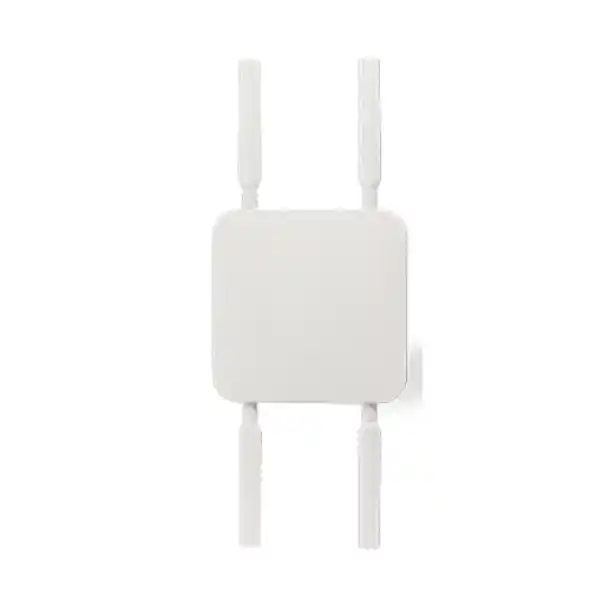
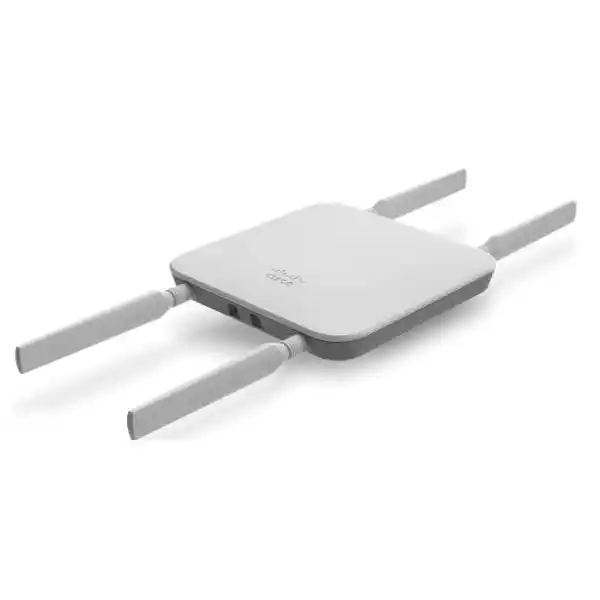
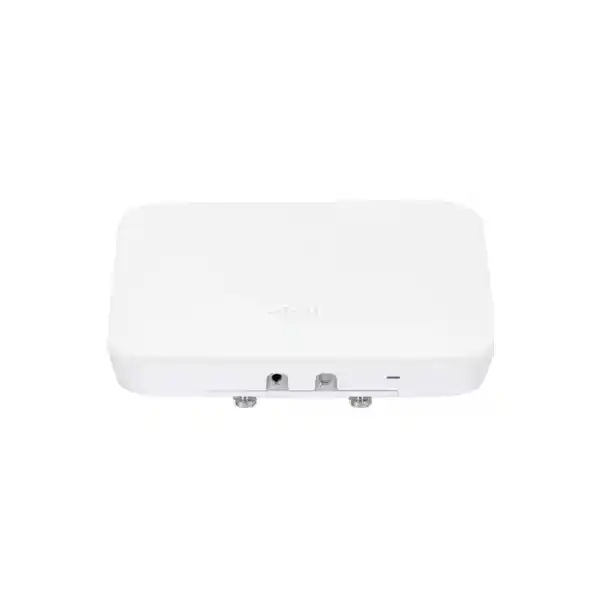
Cisco Meraki MG41 is a fixed wireless access cellular gateway built to convert LTE connectivity into a wired Ethernet WAN handoff for branch, campus and distributed-network use. The platform combines an integrated Cat 18 LTE modem, dual SIM slots, two Gigabit Ethernet interfaces, cloud management, remote diagnostics and zero-touch deployment. For organizations in Tanzania, the most useful buying approach is to evaluate the MG41 as part of a complete WAN-resilience design that includes carrier coverage, signal quality, primary routing or firewall equipment, licensing, power protection, cabling and operational ownership.
2 × Gigabit Ethernet LAN interfaces
2 × external nano-SIM slots
2 × PoE input options
Meraki Dashboard cloud management
Zero-touch remote deployment
What is Cisco Meraki MG41?
Cisco Meraki MG41 is an LTE Advanced Pro cellular gateway for organizations that need to use mobile-network connectivity as a business WAN service. Cisco positions the MG family as fixed wireless access devices that translate a cellular signal into wired Ethernet connectivity. That makes the MG41 useful in two broad designs: a primary wireless WAN where fixed-line service is unavailable or unsuitable, and a backup WAN where a business wants an independent path that can keep essential connectivity available when a wired circuit fails.
The MG41 contains a Cat 18 LTE modem capable of a maximum wireless data rate of up to 1.2 Gbps downstream and 150 Mbps upstream under suitable network, radio and carrier conditions. Those figures are modem capabilities rather than guaranteed application throughput; actual performance depends on the mobile operator, supported LTE bands, carrier aggregation, tower capacity, signal quality, building construction, antenna placement, SIM plan, network congestion and the Ethernet path behind the gateway. Buyers should therefore combine specification review with a practical site and carrier assessment.
The unit provides two Gigabit Ethernet interfaces and dual external nano-SIM slots. Dual-SIM capability is valuable when a deployment needs a second carrier option or an operational method for switching SIMs, but resilience should be designed intentionally. Two SIMs from the same operator may still depend on common network infrastructure, while two operators can offer greater diversity only when their coverage and backhaul are genuinely independent at the site. The Meraki Dashboard provides centralized management, signal visibility, diagnostic tools and configuration workflows that can help a remote IT team supervise gateways across multiple offices without treating each location as a standalone appliance.
For Tanzania organizations already using Cisco Meraki switching, wireless or MX security appliances, the MG41 can fit naturally into the same cloud-managed operating model. Buyers can review the Cisco Meraki MX Tanzania page for cloud-managed security and SD-WAN planning, and the Cisco Meraki CW9162I-MR Tanzania page when a wider Meraki branch design also requires modern Wi‑Fi. The value of a cloud-managed stack is strongest when WAN, firewall, switching, wireless, naming, administrator roles, alerting and licensing are planned as one operational system.
Cisco Meraki MG41 verified specifications
| Product | Cisco Meraki MG41 Cellular Gateway |
| Cellular platform | Integrated Cat 18 LTE Advanced Pro modem |
| Maximum cellular data rate | Up to 1.2 Gbps down / 150 Mbps up, subject to carrier and radio conditions |
| Ethernet | 2 × Gigabit Ethernet interfaces |
| SIM | 2 × external nano (4FF) SIM slots |
| Power | 12V/1A or 48–57V DC/0.35A; PoE input supported |
| Operating temperature | -30°C to 50°C |
| Humidity | 5% to 95% non-condensing |
| Mounting | Desktop, wall or ceiling mounting; standard mounting hardware included |
| Management | Meraki Dashboard cloud management, centralized policy, remote diagnostics, change logs and automatic firmware upgrades |
Specifications should be checked against the current Cisco documentation and the exact deployment country at quotation time. Regulatory behavior and permitted radio operation can vary by ship-to location and country. The MG41 uses internal antennas; organizations that need external antenna placement should evaluate the related MG41E rather than assuming an unofficial antenna modification is supported.
Deployment, licensing and design guidance
Carrier and signal
Confirm operator coverage, supported LTE bands, indoor signal quality and expected utilization at the exact site. A carrier that performs well in one district may not produce the same result inside another building or region.
Primary or backup WAN
Decide whether the MG41 will be the primary path, an automatic backup behind a security appliance, or a temporary connectivity platform. That role determines cabling, routing, failover testing and data-plan expectations.
Licensing
MG41 hardware must be paired with a valid Meraki MG license. Cisco documents Enterprise term licenses for traditional co-term deployments and Essential licensing under subscription licensing. Confirm the organization’s licensing model before ordering.
Power and placement
Place the gateway where cellular conditions are strong while preserving a practical Ethernet path to the router, firewall or switch. Use appropriate power protection and avoid burying the unit in a metal cabinet if signal quality is critical.
A good deployment begins before installation day. The unit should be claimed into the intended Meraki organization, the license should be available, the network should be created or selected, and administrator ownership should be clear. SIM APN requirements, static addressing needs, carrier authentication and failover policy should be documented. For distributed estates, naming conventions such as country-site-room-device make later support easier. The FourTeck Tanzania services page is useful when cellular WAN must be coordinated with switching, firewalling, structured cabling, UPS protection or broader branch deployment.
If the MG41 is feeding a Meraki MX or another firewall, confirm the handoff design and failover logic on both sides. A cellular gateway can provide an independent transport, but the firewall or router must still detect path failure and route traffic correctly. Organizations considering a compact Meraki security appliance with integrated cellular can also review Cisco Meraki MX67C Tanzania to compare architectural approaches. The best choice depends on desired separation of cellular and security functions, interface requirements, lifecycle, performance and the need to position the cellular radio independently from the firewall.
Where MG41 fits well
Common scenarios include branch offices that need cellular failover, pop-up or project locations waiting for a fixed circuit, retail and hospitality sites that want a secondary WAN path, remote operational sites where wired access is difficult, and multi-site organizations that prefer centralized Meraki management. Buyers should not treat cellular as automatically redundant: carrier diversity, power, signal path, data allowance, upstream firewall capacity and physical installation all influence real resilience.
Related Cisco Meraki resources on FourTeck Tanzania
Security and SD-WAN appliances that can use cellular as a resilient WAN transport.Cisco Meraki CW9162I-MR
Cloud-managed Wi‑Fi 6E for smaller and midsize indoor deployments.Cisco Meraki CW9163E-MR
Outdoor Wi‑Fi 6E option for environments requiring external antenna flexibility.Cisco Meraki CW9164I-MR
Higher-capacity Meraki-managed indoor wireless for business networks.FourTeck Tanzania shop
Browse adjacent networking, firewall, switching and infrastructure categories.FourTeck Tanzania solutions
Integrated IT, networking, security and communications planning for business projects.Technology services
Planning, integration and lifecycle support for connected business systems.
Regional procurement and deployment guidance
Cisco Meraki MG41 Tanzania
Organizations evaluating Cisco Meraki MG41 in Tanzania should begin with the connectivity role the device will perform. A branch office that already has fiber may want the MG41 strictly as a backup path, while a project office, construction site, temporary facility or remote operational location may use LTE as the primary WAN. Those two designs create different expectations for data allowance, failover, placement and support. For backup use, the business should define which applications must remain available during a fixed-line outage and whether all traffic should move to cellular or only essential services such as ERP, cloud productivity, voice or remote administration.
Carrier validation is central to a Tanzania deployment. Coverage maps are useful for planning but they do not replace a site test, particularly inside buildings with reinforced concrete, tinted glass, metal roofing, server rooms or equipment cabinets. Signal quality, not only signal strength, should be reviewed. The MG41’s internal antennas make placement important, so the unit may perform better in an elevated office location or near a suitable external wall than deep inside a rack. When a site needs antenna positioning away from the gateway, the external-antenna MG41E should be evaluated rather than modifying the MG41 with unsupported components.
A Tanzania quotation should include the hardware, correct Meraki license, preferred term, power method, SIM/carrier plan, downstream router or firewall, and any requirement for automatic failover. Procurement teams should also identify whether the organization already has a Meraki Dashboard tenant, who owns it and which administrators should have access. For broader architecture, Meraki MX security and SD-WAN can be reviewed together with the gateway so routing and failover are designed intentionally. The result should be a cellular WAN solution that matches business continuity objectives rather than simply a modem added to the network.
Cisco Meraki MG41 Dar es Salaam
Dar es Salaam businesses often operate from dense commercial areas where fixed broadband, mobile networks and neighboring radio activity coexist. An MG41 project should therefore evaluate cellular performance at the exact floor, office or equipment location. A company may have excellent outdoor LTE coverage but weaker signal inside a high-rise core, basement, metal-lined warehouse or data room. Before final placement, compare candidate locations, observe signal metrics over time and ensure the Ethernet run back to the firewall or switch remains practical. This is especially important when the MG41 is expected to be the emergency path for a headquarters rather than a convenience link.
For headquarters and larger offices, the value of the MG41 is often resilience. The primary fiber or fixed wireless link can carry normal traffic while LTE is reserved for outage conditions. In that design, IT should define a failover policy. Large backup jobs, guest internet and software downloads may be deprioritized on cellular, while cloud applications, payment services, remote support and voice remain allowed. If the network uses a Meraki MX appliance, the cellular handoff can be integrated into a wider SD-WAN and traffic-policy design. Administrators should test failover during a controlled window rather than assuming it will work because both links appear connected.
Dar es Salaam procurement should also consider carrier diversity. Dual SIM can simplify switching or provide an alternative network, but resilience improves only when each SIM has useful coverage and enough data capacity for the intended outage window. Businesses with branches elsewhere in Tanzania can standardize configuration templates, naming and alerting while allowing each location to use the carrier that performs best locally. A strong quotation brief includes the office address area, intended gateway position, primary WAN type, firewall model, existing Meraki organization, expected backup applications, SIM operators and desired license term. That information is more useful than requesting an MG41 hardware price without deployment context.
Cisco Meraki MG41 Mwanza
Mwanza organizations may use the Cisco Meraki MG41 to strengthen connectivity at branch offices, professional facilities, hospitality properties, education locations, retail operations and project sites. In many branch scenarios, the operational advantage is not only LTE connectivity but centralized management. A central IT team can view gateway health, signal behavior and configuration from the Meraki Dashboard, which can reduce the need for specialist staff at every site. That benefit grows when equipment naming, alerts, administrator permissions and documentation are standardized across the organization.
The WAN design should still reflect local reality. A branch that depends on cloud applications should identify what happens if its primary ISP fails. If employees need access to Microsoft 365, hosted ERP, web systems or IP telephony, the LTE backup must have enough usable throughput and data allowance to sustain those services. Cellular capacity can change with time of day, tower loading and weather-related network conditions, so a single speed test is not a complete design. It is better to measure performance over several periods and focus on the applications that must remain usable during an outage.
For Mwanza deployments, gateway placement and power continuity deserve attention. Putting the MG41 inside a rack may simplify cabling but can weaken radio conditions if the rack or room shields the signal. A short Ethernet extension to a stronger-signal location can be a better design. UPS protection should include the MG41 and the downstream firewall or switch; keeping only the cellular gateway powered does not preserve connectivity if the router loses power. Procurement should list the intended role, SIM provider, mounting location, primary WAN, downstream firewall, license term and any requirement for a second SIM. That produces a bill of materials and configuration plan aligned to the site rather than a generic cellular gateway purchase.
Cisco Meraki MG41 Arusha
Arusha has a mix of hospitality, tourism, professional, education and regional business environments where reliable internet can affect both internal operations and customer experience. The MG41 can support a resilient WAN design when a hotel, office, lodge administration facility or branch wants an alternate path if its primary service is interrupted. The first design decision is whether cellular is protecting only essential business systems or is expected to support guest-facing connectivity as well. That distinction matters because guest traffic can rapidly consume capacity and data allowance during an outage.
A hospitality deployment should normally separate critical operational traffic from public internet use. Reservation systems, payment workflows, staff applications, cloud telephony and remote management may need priority, while large guest downloads can be restricted or rate-limited when the network is running on LTE. The MG41 itself provides the cellular transport; policy enforcement typically belongs on the firewall or router behind it. If a Meraki MX is used, administrators can coordinate WAN failover and traffic policy through the Meraki environment. This is one reason to consider the entire branch stack during procurement instead of treating MG41 as a standalone modem.
Arusha projects should also evaluate signal placement carefully because buildings may use stone, concrete, metal roofing or other materials that affect cellular reception. A gateway location near a stronger-signal side of the building can produce a better result than a convenient rack position. Where the design demands an external antenna, consider MG41E and supported Cisco Meraki antenna options. When requesting a quotation, include the type of site, critical applications, approximate number of users during failover, current ISP, target mobile operator, existing firewall and preferred licensing term. FourTeck can then frame the MG41 around practical continuity objectives rather than an unrealistic expectation that cellular backup will behave identically to the primary wired service.
Cisco Meraki MG41 Dodoma
Dodoma offices, institutions and distributed organizations can use Cisco Meraki MG41 when centralized IT teams need a manageable cellular WAN option for branch resilience or temporary connectivity. The most effective deployments define the business impact of an outage before selecting the cellular design. A branch that only needs email and basic web access has a different requirement from a site running cloud-hosted line-of-business applications, voice, remote desktop, video meetings or payment systems. The backup link should be sized and governed according to those essential services.
For centrally managed estates, the Meraki Dashboard can provide a consistent operational model across Dodoma and other locations. Administrators can maintain common naming conventions, monitor status, review changes and use diagnostic tools remotely. However, cloud management does not remove the need for local installation discipline. The gateway must be placed where cellular conditions are acceptable, powered reliably and connected correctly to the downstream WAN interface. SIM APN details and carrier requirements should be confirmed before the installation team travels to site, and a controlled failover test should be part of handover.
Procurement should also account for licensing from the start. An MG41 should not be quoted as hardware only when the business expects normal Meraki operation; a valid MG license is part of the platform. If the organization is already using Meraki products, determine whether its licensing model is subscription or co-termination and align the new device appropriately. For a Dodoma quotation, provide the site type, primary internet service, desired backup carrier, firewall/router model, critical applications, existing Meraki organization, power arrangement and proposed license term. This information helps create a complete deployment plan and reduces the risk that installation is delayed by a missing license, SIM requirement, power accessory or configuration dependency.
Cisco Meraki MG41 UAE
Organizations operating between Tanzania and the UAE may use Cisco Meraki MG41 to standardize cellular WAN operations across regional branches, but procurement should treat each country as its own regulatory and carrier environment. Cisco’s regulatory-domain approach uses ship-to location and device geolocation as part of determining permitted wireless behavior, so hardware should be ordered for the intended destination rather than moved casually between countries. Mobile operator bands, SIM policies and data plans should also be validated separately for the UAE deployment.
In UAE offices, the MG41 may be used as secondary WAN for a branch, retail outlet, temporary project facility or remote operational site. Because primary internet circuits can be very fast, organizations should set realistic expectations for a Cat 18 LTE backup link. The purpose of failover may be to preserve access to business-critical applications rather than duplicate the full bandwidth of the fixed service. Firewall rules, traffic shaping and SD-WAN policy can reduce nonessential traffic when operating on cellular. This can protect limited mobile data and improve the experience of applications that matter most during an outage.
Regional IT teams can also benefit from common Meraki Dashboard administration, but they should document local SIM ownership, renewal, data-plan limits and support contacts per country. A multi-country quotation should separate hardware, licensing, SIM services and installation scope rather than blending them into one line item. UAE buyers can review FourTeck UAE IT and network solutions for the surrounding infrastructure context, while Tanzania deployments can remain aligned with the same operational standards. Consistent naming, alerts and administrator access can be shared across regions, but carrier selection and radio validation should remain local decisions.
Cisco Meraki MG41 Uganda
Uganda organizations with distributed branches can evaluate the MG41 as a cloud-managed LTE gateway for backup or primary wireless WAN. The design should begin with the type of sites involved. A head office may need cellular resilience for selected applications, while a remote branch could use LTE more heavily if fixed connectivity options are limited. The Meraki cloud model is useful where a central team wants visibility across many sites without maintaining a separate management appliance at each branch, but each location still requires its own carrier, signal and power assessment.
Dual SIM can be particularly useful when the organization wants a second operator option. The two carriers should be tested at the actual branch because nominal coverage does not guarantee similar indoor performance. If the MG41 is mounted in an equipment area with poor reception, moving it to a better position may be more effective than changing firewall settings. Where external antenna placement is required, the MG41E and supported antenna options should be evaluated. During commissioning, the team should verify APN configuration, SIM selection, Dashboard connectivity and the downstream Ethernet handoff.
For regional operations, organizations may align Uganda and Tanzania sites under consistent configuration and documentation practices. FourTeck Uganda provides a regional reference for IT and networking projects, while the Meraki platform can maintain a unified administrative approach across sites. A procurement request should include the number of locations, role of the MG41 at each site, preferred carriers, critical applications, expected outage traffic, firewall or router model and licensing preference. This allows the solution to be planned for actual business continuity rather than assuming the same cellular profile works everywhere in the country.
Cisco Meraki MG41 Kampala
Kampala headquarters and larger branches can use Cisco Meraki MG41 as part of a resilient edge design when the organization wants a cellular path independent from its primary fixed circuit. Headquarters deployments deserve special attention because the backup link may suddenly carry traffic for a large number of users. Before ordering, identify which services must remain active during a primary outage and whether the backup is expected to support only local users or also branch VPN traffic, cloud services, telephony and other centralized dependencies.
The downstream firewall or router should be configured to recognize the cellular handoff and apply the right policy. A bandwidth-intensive headquarters may need strict traffic shaping when operating on LTE so nonessential updates, guest traffic and cloud backups do not consume the link. If the organization already operates Meraki MX appliances, MG41 can be considered within the wider Meraki management model, but the exact failover behavior should be tested. IT teams should simulate loss of the primary circuit and confirm DNS, VPN, cloud application and voice behavior under the backup path.
Kampala deployment planning should also include physical placement. A network rack in the center of a concrete building may not be the best radio location. Measure signal near possible mounting areas and preserve a clean Ethernet run back to the edge firewall. If multiple SIM operators are being considered, test both before standardizing. Procurement documentation should identify the Meraki organization, license model, current WAN architecture, preferred carriers, power protection and expected backup load. This helps ensure the MG41 is purchased as an operational resilience component rather than as an isolated modem with no defined role in the site architecture.
Cisco Meraki MG41 Arua
Arua deployments can make strong use of a cellular gateway when an organization needs manageable connectivity at a branch, project office, nonprofit field location, retail point or operational site where fixed services may be less predictable. The MG41 is attractive because the cellular transport and cloud management are packaged in a dedicated device, allowing the gateway to be positioned for radio quality while the firewall remains in the network cabinet. This physical separation can be useful when the strongest LTE signal is not where the rest of the IT equipment is installed.
For primary LTE use, the business should pay close attention to the mobile data plan, traffic pattern and application profile. Video conferencing, cloud backup and large file transfers can consume substantial data, while ordinary web, email and transaction systems may be much lighter. If the MG41 is a backup link, administrators can restrict less important traffic when failover occurs. The purpose is to preserve business continuity, not necessarily to reproduce the full performance profile of the primary circuit. Carrier performance should be tested across working hours because tower utilization can affect speed and latency.
Arua procurement should include both hardware and licensing, and the device should be claimed and prepared in Dashboard before deployment where practical. This can reduce on-site configuration time and helps the central IT team confirm that organization ownership is correct. The installation checklist should cover SIM insertion, APN, signal metrics, Ethernet handoff, power, failover and remote access. If a second SIM is part of the resilience plan, document the operator and activation process. The final goal is a branch WAN that can be monitored and supported remotely with clear expectations about what cellular connectivity will carry during normal and emergency conditions.
Cisco Meraki MG41 Mbarara
Mbarara businesses and regional offices can evaluate Cisco Meraki MG41 for branch continuity, temporary deployments and locations where LTE offers a practical alternative to a second fixed circuit. A branch with a primary ISP may use the MG41 as a physically separate backup path, reducing dependence on one access medium. The design should still investigate whether the primary and cellular services share upstream infrastructure or power dependencies that could fail together. True resilience is an end-to-end concept, not simply the presence of two WAN interfaces.
The branch firewall should determine how traffic behaves during failover. Critical cloud systems, finance applications, remote desktop, voice and operational platforms can be allowed to continue, while guest Wi‑Fi or large updates may be limited. This policy is especially helpful when mobile data is metered. The MG41’s dual SIM capability can add another recovery option, but using two SIMs effectively requires valid service, tested coverage and a documented switching process. IT should know which SIM is primary, which is secondary and who is responsible for renewing or replacing each plan.
Mbarara installation planning should include the gateway’s radio environment. Test candidate positions before permanent mounting and avoid unnecessary shielding by metal cabinets or dense building cores. The unit supports desktop, wall and ceiling mounting, which gives installers flexibility. If external antennas are necessary, evaluate the MG41E instead. Procurement requests should specify the role of the device, anticipated users during outage, primary WAN, current firewall, carrier choices, license duration and UPS arrangement. Those details allow FourTeck to frame the MG41 within a complete branch network rather than quoting only the chassis and leaving the operational dependencies to be discovered later.
Cisco Meraki MG41 Gulu
Gulu organizations can use the MG41 where a branch or operational site needs cellular connectivity that can be supervised remotely. For companies with a central IT team, cloud management helps reduce the gap between headquarters and distant locations because administrators can review the gateway without traveling for routine checks. This does not eliminate local installation requirements, but it changes the support model: configuration, visibility and diagnostics can be centralized while site staff handle physical matters such as power, SIM replacement and cabling when required.
The first deployment question is whether the cellular link is primary or backup. Primary LTE sites require close attention to data usage, typical busy-hour performance and carrier policy. Backup sites need a clear failover objective and a tested procedure. In both cases, the business should map critical applications and estimate the traffic they generate. If an outage occurs during a video-heavy meeting period, backup capacity can disappear quickly unless traffic priorities are set. A firewall or SD-WAN appliance can enforce those priorities while the MG41 provides the transport.
Gulu buyers should also think about lifecycle ownership. Meraki licensing, SIM service, Dashboard administrator access and device inventory all need named owners. A gateway that is technically installed but attached to an unmanaged license or forgotten SIM plan can fail when it is most needed. The quotation request should therefore include desired license term, mobile operators, current network edge device, mounting environment, power protection and whether the organization already has Meraki equipment. This produces a more supportable branch design and helps standardize remote operations across multiple Ugandan sites without ignoring the local differences in carrier performance and building conditions.
Cisco Meraki MG41 Kenya
Kenya organizations planning branch resilience can use Cisco Meraki MG41 as a dedicated cellular WAN gateway alongside a firewall, router or SD-WAN appliance. The platform is particularly relevant to multi-site businesses that want consistent cloud administration while allowing each branch to use a locally appropriate carrier. A Nairobi office, warehouse, retail site and regional branch can have very different radio conditions even within the same operator network, so the procurement process should separate the standard platform choice from the local SIM and placement decision.
When MG41 is used as backup, the business should define what happens after the primary link fails. Traffic shaping can preserve capacity for critical SaaS applications, payment traffic, voice and remote support while reducing lower-priority downloads. If a branch uses site-to-site VPN, verify how the firewall establishes tunnels over the backup path and whether public addressing or carrier NAT affects any application. The cellular gateway itself provides Ethernet WAN connectivity; the surrounding network architecture determines security and routing behavior.
Cross-border organizations may standardize on Meraki Dashboard naming, alerting and administrator practices across Kenya, Tanzania and Uganda. FourTeck Kenya provides regional IT and networking context for Kenya-side projects. For quotation preparation, list the sites, primary WAN type, desired mobile operator, critical applications, firewall model, current Meraki organization and preferred license model. If a second SIM is planned, state whether it is an operational spare or an active carrier-diversity strategy. That level of detail helps avoid a generic design that overlooks the most important variables: signal, data policy, failover, security and ownership.
Cisco Meraki MG41 Kuwait
Kuwait businesses can evaluate MG41 as a cellular backup or fixed wireless access device for branch offices, retail locations, temporary sites and operational environments that need centralized Meraki management. Because wireless regulations and carrier implementations vary by country, equipment should be sourced for the intended deployment location and matched to a supported mobile network. The organization should also confirm whether the cellular service is intended for emergency use, continuous primary operation or a hybrid design where traffic policy changes according to WAN state.
High-speed fixed internet is common in many business areas, which makes expectation-setting important. A Cat 18 LTE link can be fast under good conditions, but it should not automatically be treated as a like-for-like replacement for every fixed service. During failover, the firewall can prioritize the traffic that keeps the business operating and suppress large nonessential transfers. Meraki Dashboard management can help regional teams monitor gateways consistently, while local testing ensures the SIM and radio conditions are appropriate for each site.
Kuwait deployments should include a placement survey, especially where offices are deep inside large structures or equipment rooms are surrounded by metal and concrete. If internal antenna performance at the desired gateway location is insufficient, evaluate the external-antenna MG41E with supported Cisco Meraki accessories. FourTeck Kuwait can be referenced for surrounding regional IT infrastructure needs. A complete quotation brief should include SIM operator, site type, firewall/router, primary WAN speed, expected backup applications, license term and any multi-site standardization requirements. This creates a clear distinction between the cellular transport, the security edge and the operational process used when the primary circuit is unavailable.
Cisco Meraki MG41 Ghana
Ghana enterprises and branch networks can use Cisco Meraki MG41 where mobile connectivity provides a useful alternative or backup to fixed access. Retail, professional services, hospitality, distributed offices and temporary project environments can all benefit from a gateway that presents cellular connectivity as Ethernet to the wider network. The design should remain application-driven. A site that processes transactions or depends on cloud ERP may need a tightly controlled backup path, while a small office may accept a broader internet failover policy.
Carrier selection should be based on tested performance at the site. Indoor radio conditions can vary substantially across buildings, and the best operator for one location may not be the best for another. The MG41’s internal antenna design favors careful placement; installers should compare candidate positions and avoid hiding the device where signal is poor simply because the rack is convenient. Dual SIM can support operational flexibility, but both SIMs should be provisioned, tested and documented if they are part of the continuity strategy.
A regional IT team can use Meraki Dashboard to apply a common monitoring and administration approach across Ghana and other countries, while each branch retains its local carrier plan. FourTeck Ghana provides country-level technology context for adjacent infrastructure needs. Procurement teams should include the gateway license, SIM plan, power method and downstream firewall in the same planning exercise. They should also define who owns the Dashboard organization, who receives alerts and how often backup connectivity is tested. A cellular link that is never tested can fail silently, whereas scheduled validation turns the MG41 into an actively managed continuity component.
Cisco Meraki MG41 Nigeria
Nigeria’s large and varied business environment makes cellular WAN design strongly site dependent. Cisco Meraki MG41 can be used for branch resilience, remote operations, retail connectivity, temporary offices and locations where LTE is more practical than a second fixed circuit. Procurement should not standardize on one SIM operator without testing, because network quality can vary by city, district and building. A multi-site rollout can standardize the gateway platform and Dashboard configuration while still selecting the strongest carrier per location.
Power continuity should also be planned as part of network continuity. The MG41 can remain available only when the downstream firewall, switch and any upstream power dependencies are also protected. An appropriately sized UPS can keep the network edge online during short interruptions, but the design should account for the full load rather than powering only the gateway. If a site uses a generator or inverter system, verify transition behavior and grounding so the networking equipment remains stable.
During cellular failover, policy can protect critical applications from being crowded out by large downloads or guest traffic. A Meraki MX or another suitable firewall can implement that control while MG41 supplies the WAN transport. FourTeck Nigeria offers regional context for broader IT deployments. A useful quotation request includes number of sites, expected users, critical applications, preferred operators, primary WAN type, downstream firewall, power arrangement and Meraki licensing model. If the deployment spans several countries, add a simple site matrix so hardware, licenses, SIM responsibilities and local installation requirements are clearly separated instead of being assumed identical across the estate.
Cisco Meraki MG41 Seychelles
Seychelles deployments may involve hospitality properties, professional offices, remote facilities and island locations where connectivity planning must account for both the availability of fixed services and the performance of mobile networks. Cisco Meraki MG41 can be useful as a backup WAN or, where appropriate, a primary cellular path, but the site should be evaluated carefully. Buildings near coastal environments may also require practical consideration of equipment placement, ventilation, power quality and the route of Ethernet cabling between the gateway and the network edge.
Hospitality environments should define whether the backup link serves only operational systems or guests as well. Reservation platforms, payment applications, administration, staff communications and remote support may be essential, while guest streaming can consume backup bandwidth rapidly. The network firewall should be prepared to enforce a reduced-service policy when cellular is active. This keeps business-critical traffic usable without expecting LTE to replicate every characteristic of the main internet circuit.
Meraki cloud management can be valuable when support teams are not permanently present at every site. Central staff can monitor the gateway and use remote diagnostics, while local personnel handle physical matters such as SIMs and power. Procurement should include a valid MG license and should document the Meraki organization owner, administrator contacts, SIM provider and data-plan responsibility. If internal-antenna placement is difficult because the network room has poor coverage, evaluate MG41E and supported external antenna options. A good Seychelles quotation therefore combines hardware with the operational plan: carrier, mounting, power, firewall integration, failover policy, license term and the applications that must remain available during an outage.
FourTeck regional network resources
Organizations with multi-country projects can coordinate common design principles while keeping country-specific carrier and regulatory checks separate. Useful regional references include Cisco Meraki Africa solutions, FourTeck UAE, FourTeck Kenya, FourTeck Uganda, FourTeck Kuwait, FourTeck Ghana and FourTeck Nigeria. These links are most useful for regional infrastructure context, while the final MG41 model, license, SIM and local deployment details should still be confirmed for each site.
Quotation checklist
Cisco Meraki MG41 FAQs
What is the Cisco Meraki MG41 used for?
MG41 provides LTE-based fixed wireless access and presents it as wired Ethernet connectivity. Organizations commonly use it for primary cellular WAN, branch backup connectivity, temporary sites and locations where cellular is a practical alternative to a second fixed circuit.
How fast is the MG41?
Cisco specifies a Cat 18 LTE modem with maximum wireless data rates up to 1.2 Gbps downstream and 150 Mbps upstream. Real performance depends on carrier support, LTE bands, signal, congestion, data plan, antenna conditions and the wider network path.
Does Cisco Meraki MG41 support dual SIM?
Yes. The MG41 supports two external nano (4FF) SIM cards. A second SIM can provide an alternative carrier option, but both services should be provisioned and tested if they are part of a business-continuity plan.
Does MG41 require a Meraki license?
Yes. Cisco documents MG41 hardware as requiring a valid Meraki MG license for normal operation. Licensing differs by organization model, including co-termination and subscription approaches, so confirm the current Meraki organization model before ordering.
What is the difference between MG41 and MG41E?
The MG41 uses internal cellular antennas, while MG41E is designed for external antennas. If the gateway must be installed where radio conditions are poor and antenna placement needs to be separated from the device, MG41E may be the more appropriate model.
Can MG41 connect to a Meraki MX firewall?
Yes, the MG41 can provide an Ethernet WAN handoff that can be used by a compatible firewall or router, including Meraki MX designs. The final topology, failover logic and performance should be validated for the exact MX model and network requirement.
Should I use one or two mobile operators?
That depends on the continuity objective. A second operator can add carrier diversity if both networks perform well and are genuinely independent at the site. Two SIMs are not automatically redundant merely because two slots are populated.
Decision recap
Choose Cisco Meraki MG41 when your project needs a cloud-managed Cat 18 LTE gateway with dual SIM, two Gigabit Ethernet interfaces and centralized Meraki operations. Confirm the cellular carrier, local regulatory suitability, signal conditions, license model, downstream firewall design and power arrangement before ordering. If external antennas are required, evaluate MG41E. If cellular is being used for failover, define and test exactly which business applications must remain available when the primary WAN fails.
Talk to FourTeck Tanzania about MG41
Share your site location, primary internet service, preferred mobile operator, firewall/router model, critical applications, number of branches and desired Meraki license term. FourTeck can use that information to prepare a more complete Cisco Meraki MG41 quotation and highlight deployment dependencies before equipment is ordered.


Reviews
There are no reviews yet.