
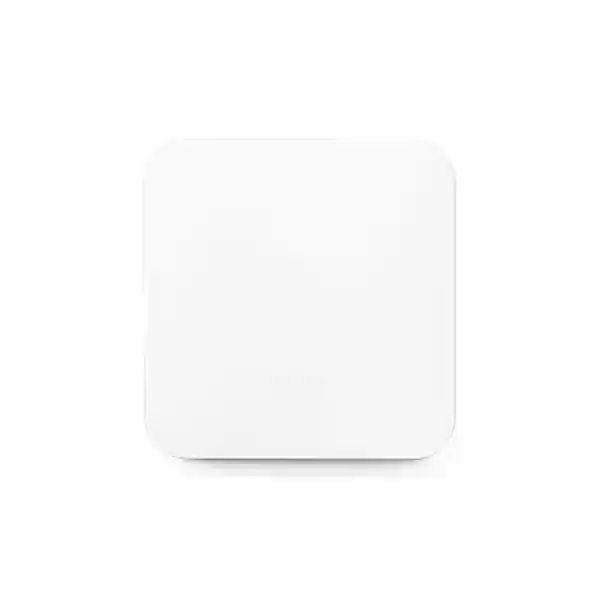
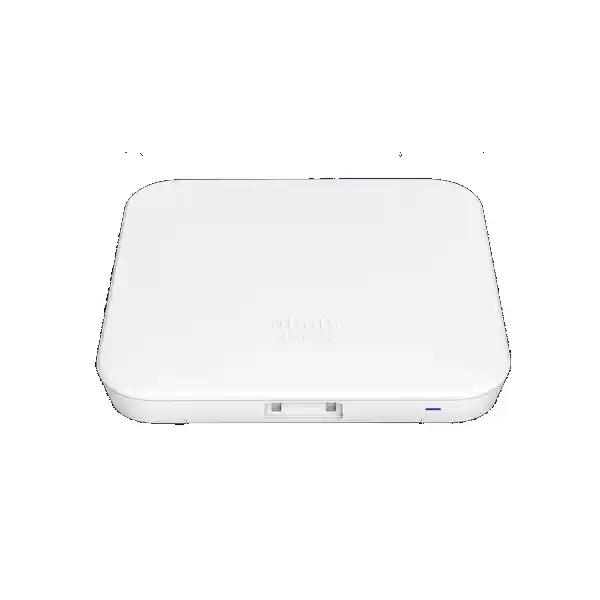
Cisco Meraki MG52 Tanzania
Cisco Meraki MG52 is a cloud-managed 5G Standalone cellular gateway for organizations that need a flexible primary WAN, a resilient secondary path, or a practical fixed-wireless-access option at branches and distributed sites. Cisco specifies an internal 5G SA modem with throughput up to 2 Gbps download and 300 Mbps upload, dual-carrier support, two multigigabit Ethernet ports, cloud-managed eSIM, IP67 protection and centralized operation through the Meraki Dashboard. For Tanzanian buyers, the most useful way to evaluate MG52 is not as a generic mobile router, but as an enterprise WAN component whose performance depends on carrier coverage, signal quality, mounting position, licensing, switching, security and the wider branch architecture.
MG52 is designed to turn supported 5G cellular service into centrally managed Ethernet WAN connectivity. It can fit sites that require rapid deployment, primary cellular access, backup connectivity, or a remotely managed WAN option where fixed circuits are slow to provision or operationally insufficient.
What Cisco Meraki MG52 is designed to solve
Traditional branch connectivity often assumes that a fixed internet service will be available before a site opens and will remain reliable after deployment. That assumption is not always practical. A new office, retail location, project site, temporary facility or remote operational point may need connectivity before a wired circuit can be installed. An established site may also need a second WAN path that does not depend on the same last-mile infrastructure as its primary provider. MG52 addresses these situations by providing a managed cellular WAN interface that can be placed where radio conditions are strongest and connected back to the network over Ethernet.
The product is particularly relevant to organizations already using, or planning to use, the Meraki operating model. Cisco positions the MG family as cloud-managed fixed wireless access. Administrators can view key cellular information such as IMEI, ICCID, APN, RSRP and RSRQ from the dashboard, schedule firmware activity, and configure carrier-related parameters without relying entirely on local hands. This central visibility can be valuable for distributed businesses where the network team supports many sites from one location.
MG52 is not a replacement for network design. A strong 5G signal does not by itself guarantee application quality, and advertised modem capability is not a promise of carrier throughput at a particular address. Site performance depends on the mobile operator, available spectrum, congestion, signal quality, antenna environment, Ethernet path, firewall or SD-WAN appliance, application load and service plan. Procurement should therefore combine the hardware decision with a coverage assessment, a licensing decision and a clear understanding of whether the connection will be primary, backup, temporary or part of a multi-WAN design.
Cisco Meraki MG52 verified feature summary
Internal 5G SA cellular modem supporting worldwide 5G bands, positioned by Cisco for future-ready fixed wireless access.
Cisco lists modem throughput up to 2 Gbps download and 300 Mbps upload. Actual service rates depend on the carrier and radio conditions.
Cloud-managed eSIM and dual-carrier operation support more flexible provisioning and resilience planning.
Two multigigabit Ethernet interfaces help avoid forcing a high-capacity 5G connection through a legacy low-speed handoff.
Environmental protection and an operating range of -30°C to 50°C support a wider set of mounting conditions than a typical indoor-only cellular router.
Cisco provides an all-in-one mounting bracket for ceiling, wall or pole installation, helping teams place the gateway according to signal and site constraints.
Deployment, licensing and integration guidance
An MG52 project should begin with the desired WAN role. For primary cellular connectivity, the design needs to confirm whether the carrier can provide acceptable capacity, latency and reliability for the applications at the site. For backup connectivity, the team should define which services must remain available during a fixed-line outage, how traffic will fail over, whether the mobile plan can support peak emergency use, and how quickly the primary path should be preferred again after recovery. Where cellular is used for a new-site bootstrap, the business should decide whether MG52 will remain as a permanent secondary path after the wired circuit goes live.
Signal placement is a major practical advantage of the MG architecture. Rather than placing a cellular modem inside a crowded rack simply because the firewall is there, the gateway can be mounted on a wall, ceiling or pole where radio conditions are more favorable, then connected back over Ethernet. The IP67 rating broadens deployment options, but the installation still requires appropriate cable routing, power design, physical security and environmental judgment. Radio performance should be validated at the intended mounting position rather than assumed from smartphone signal bars.
Meraki cloud management and licensing must be considered at quotation stage. Buyers should identify the organization that will own the Meraki Dashboard environment, the administrators who will manage it, the desired license term, and the person responsible for renewal. If MG52 is being integrated with Meraki MX, switching and wireless products, consistent naming, network templates, alerting and change-control practices can make remote operations substantially easier.
Related Cisco Meraki solutions on FourTeck Tanzania
MG52 normally sits inside a wider branch or campus architecture. The following verified FourTeck Tanzania pages provide useful context for adjacent components and design choices.
Cloud-managed security and SD-WAN context for organizations connecting MG52 to a managed branch edge.
Cisco Meraki MX67 Tanzania
Compact security and SD-WAN option useful when comparing small-branch edge requirements.
Cisco Meraki MX67C Tanzania
Integrated-cellular branch appliance context for buyers deciding between embedded cellular and a dedicated MG gateway.
Cisco Meraki CW9162I-MR Tanzania
Wi-Fi 6E access point for building a cloud-managed wireless edge behind the WAN platform.
Cisco Meraki CW9163E-MR Tanzania
Outdoor Wi-Fi 6E option for sites where wireless coverage extends beyond conventional indoor office areas.
Cisco Meraki CW9164I-MR Tanzania
Higher-capacity indoor wireless context for branch and campus design.
Cisco Meraki CW9166I-MR Tanzania
Premium indoor Wi-Fi 6E planning context where denser client environments are expected.
FourTeck Tanzania technology shop
Review networking, security, switching, wireless and supporting infrastructure categories before preparing a combined quotation.
Regional procurement and deployment guidance
Cisco Meraki MG52 Tanzania
Organizations evaluating Cisco Meraki MG52 in Tanzania should first define why cellular WAN is required. The answer may be rapid activation for a new branch, backup connectivity for a business that cannot tolerate a single fixed-line failure, primary connectivity at a site where wired services are impractical, or a standardized cellular option for many distributed locations. Each use case creates a different traffic and service-plan requirement. A backup link may carry only critical cloud, voice and transaction traffic during an outage, while a primary 5G link may need to support the entire site throughout the working day. Procurement should therefore include the expected user count, cloud applications, VPN traffic, peak bandwidth needs and required continuity level rather than requesting the gateway in isolation.
Carrier validation is equally important. Cisco provides the cellular platform, but real throughput depends on the Tanzanian mobile network available at the exact mounting location. A useful site assessment checks more than whether 5G appears on a phone. It should consider signal strength, signal quality, consistency across the day, operator congestion, available bands, building attenuation and whether the proposed gateway position can maintain stable service. Because MG52 supports flexible wall, ceiling or pole mounting and carries an IP67 rating, it can be positioned more strategically than a modem trapped inside a rack, but cabling, power, physical access and weather exposure still need to be engineered properly.
For businesses with several Tanzanian branches, Meraki Dashboard management can support a repeatable operating model. Administrators can maintain naming standards, monitor cellular statistics, manage firmware and coordinate WAN policies with compatible Meraki infrastructure. Where MG52 feeds a Meraki MX security appliance, define whether the cellular service is primary or secondary, which applications receive priority on failover, and how costs are controlled if the mobile data plan is metered. FourTeck Tanzania can align MG52 with networking and technology services, switching, security and wireless planning. A strong Tanzania quotation should state site locations, carrier preferences if any, desired license term, WAN role, required Ethernet handoff, mounting constraints and the existing Meraki organization so that the final design can be checked as a complete branch solution.
Cisco Meraki MG52 Dar es Salaam
Dar es Salaam deployments can range from corporate headquarters and professional offices to retail outlets, warehouses, hospitality properties, project locations and branch networks. In these environments MG52 can be considered when the business needs a second WAN technology that is operationally different from its fixed internet service, or when a new location must become connected before a fiber or other wired circuit is ready. The design should begin with the business impact of an outage. A headquarters may need continued access to cloud platforms, ERP, collaboration tools, VPN services and remote branches, while a smaller outlet may need only transaction systems, voice and a limited set of SaaS applications to stay online during failover.
Radio placement in dense commercial areas should be tested carefully. High-rise structures, reinforced concrete, reflective glazing, equipment rooms and internal building cores can all reduce usable signal even when outdoor cellular service is strong. MG52 can be mounted away from the firewall or core rack, allowing engineers to find a position with better 5G conditions and carry the WAN service back over Ethernet. For a multi-floor office, that may mean comparing several candidate locations before final mounting. If the gateway is intended for rooftop, exterior or semi-exposed installation, cable protection, lightning and surge planning, secure mounting and maintenance access need to be reviewed as part of the site design rather than left until installation day.
Dar es Salaam businesses using Meraki MX can integrate MG52 into a broader SD-WAN and failover policy. The practical questions include which applications should remain active on cellular, whether large backups or software downloads should be restricted during failover, how long the mobile plan can sustain an extended fixed-line outage, and whether traffic should automatically return to the preferred WAN after recovery. For regional organizations headquartered in the city, Meraki Dashboard can also give the local IT team visibility into MG gateways at other branches. When preparing a quote, include existing firewall model, WAN speeds, number of sites, intended carrier, expected cellular role, preferred licensing term and any requirement for wall, ceiling or pole mounting. That information makes it possible to treat MG52 as a resilience component rather than simply another internet modem.
Cisco Meraki MG52 Mwanza
For Mwanza businesses, MG52 can be useful where branch availability and remote manageability matter more than having a complex local network team. A branch office may rely on centralized business applications, cloud productivity, hosted voice, remote support or VPN access to systems located elsewhere. In that situation, loss of the only WAN circuit can interrupt an entire working day even if the local LAN is healthy. Cellular fixed wireless can provide a second path, but the decision should be based on the applications that must continue during an outage and the quality of 5G or LTE service at the specific site.
A structured Mwanza assessment should record both primary and backup connectivity options. If the existing service is wireless or mobile-based already, procurement should verify whether a second operator genuinely creates infrastructure diversity. Using two services that share the same upstream dependency may provide less resilience than expected. MG52’s dual-carrier capability can support a more flexible cellular strategy, but carrier profiles, subscription terms and failover behavior should be configured deliberately. Signal metrics from the Meraki Dashboard can also help administrators understand whether poor performance is caused by radio conditions instead of guessing from end-user complaints.
Physical deployment deserves attention because many branch environments place communications equipment wherever space happens to be available. A cellular gateway hidden inside a steel rack, storeroom or reinforced interior room may experience weaker service than the same device positioned closer to an exterior wall or higher mounting point. The included universal mounting approach allows the gateway to be located where the radio environment is better while the Ethernet connection returns to the network edge. For sites that experience short power interruptions, the network design should consider UPS protection for the MG52 power path, firewall, switches and any upstream devices required for the branch to remain usable. A Mwanza quotation should document branch headcount, business-critical applications, current WAN, desired backup behavior, Meraki Dashboard ownership, mounting conditions and the mobile operator under consideration. That information supports a right-sized design and avoids buying cellular hardware without a clear continuity plan.
Cisco Meraki MG52 Arusha
Arusha organizations can have very different connectivity profiles, including professional offices, hospitality operations, tourism-related businesses, education facilities, project offices and distributed service sites. MG52 is relevant when these locations need managed 5G connectivity that can be monitored centrally and integrated into a broader branch network. Hospitality and customer-facing environments, for example, may have substantial guest internet traffic while reservation, payment, staff and cloud-management systems require dependable business connectivity. A cellular failover design should therefore distinguish between traffic that is operationally essential and traffic that can be limited during an outage.
The first technical step is to evaluate coverage at the intended property. Building construction, site elevation, surrounding structures and the gateway’s physical position can all affect radio quality. Because MG52 has integrated omnidirectional antennas and flexible mounting, the installer can test several practical positions rather than assuming the network cabinet is automatically best. If an exterior or high-level position is selected, the project should plan safe access, cable paths, weather exposure and equipment security. IP67 protection improves environmental tolerance, but it does not eliminate the need for proper installation practice.
For businesses with multiple Arusha sites or branches elsewhere, centralized Meraki management can reduce the need for local configuration changes. A common template can define WAN behavior, alerts, naming conventions and documentation, while individual sites retain carrier and signal settings appropriate to their location. If MG52 is paired with Meraki MX, IT teams can design failover rules around business applications instead of treating all traffic equally. During an outage, guest streaming or nonessential updates may be less important than payment traffic, voice, cloud applications and secure remote access. Procurement should confirm the Meraki license, cellular service plan, Ethernet requirements, physical mounting accessories and any switch or firewall dependencies together. Arusha buyers can use the FourTeck Tanzania business technology shop to review related network equipment categories so the gateway is quoted as part of a complete resilient site rather than as a standalone device.
Cisco Meraki MG52 Dodoma
Dodoma offices, institutions, service facilities and branch environments may use MG52 where cloud-managed WAN resilience is important and specialist network staff are not expected to be present at every location. Cellular connectivity can be valuable for a newly commissioned office, for continuity when the primary circuit is unavailable, or for a site where fixed connectivity choices are limited. The business requirement should be written in operational terms: which applications must continue, how many users need access during failover, whether voice and video must remain active, and what duration of cellular use the service plan is expected to support.
Government, institutional and corporate environments often place a premium on consistent configuration and documentation. Meraki Dashboard can support centralized administration, but the organization should still establish clear ownership of the Meraki organization, administrator roles, firmware windows and alerting. MG52 exposes cellular information remotely, which can help central IT distinguish a carrier or signal issue from a LAN problem. This is particularly useful when a user simply reports that “the internet is slow” and there is no network specialist on site. Historical and real-time signal information can provide a more objective starting point for diagnosis.
Installation should account for the radio environment and power continuity. A site survey can compare signal at the rack, near an exterior wall, at ceiling level or at another secure location before final mounting. If the branch is expected to operate during power interruptions, protecting only the gateway is not enough; the firewall, switching and essential endpoint infrastructure must also remain powered. Where the MG52 is used behind a Meraki MX, WAN failover policy should prioritize critical applications and avoid uncontrolled mobile-data consumption from large updates or backups. Before requesting a Dodoma quotation, provide the site type, expected users, existing internet service, required uptime, available carrier options, current firewall or router, license term and mounting preference. This gives the procurement and technical teams enough context to decide whether MG52 should be the primary WAN, a secondary WAN or part of a staged new-site deployment.
Cisco Meraki MG52 UAE
Organizations operating in both Tanzania and the UAE can use Cisco Meraki MG52 as part of a consistent cellular WAN strategy, but each country should be treated as a separate radio, carrier and regulatory environment. A model or service plan selected for one market should not be assumed to behave identically in another. UAE deployments may benefit from strong 5G availability and high-capacity fixed connectivity, which makes MG52 useful not only as an emergency fallback but also as a rapid-deployment path for new offices, retail locations, construction sites, events or temporary facilities that need network service before a permanent circuit is commissioned.
Regional IT teams can gain value from standardizing the operational model. Meraki Dashboard can provide a familiar management interface across countries, while local carrier settings, service plans and physical placement are adapted to each site. The organization should document who owns the Meraki tenant, how devices are named, what alerts are enabled, which teams can make WAN changes and how license renewals are tracked. Standardization is especially useful for businesses that want the same security and SD-WAN approach in Dar es Salaam, Dubai, Abu Dhabi or other regional offices while allowing differences in local internet providers and mobile-network conditions.
For a UAE installation, high fixed-line speeds can create an important sizing question: the backup cellular path may have different capacity and latency from the primary circuit, so application policy should adapt during failover. Large synchronization jobs, backups or guest traffic may need to be deprioritized while cloud productivity, voice and transactional systems remain usable. The gateway’s multigigabit Ethernet interfaces help avoid an unnecessary local bottleneck when 5G service is strong, but the downstream firewall and switch must also support the intended throughput. Regional buyers can review FourTeck UAE technology solutions for UAE-side infrastructure requirements. A cross-border quotation should clearly separate hardware, licensing, cellular subscriptions, implementation scope and support responsibilities for each country.
Cisco Meraki MG52 Uganda
Ugandan organizations considering MG52 should begin by mapping branch connectivity requirements and available carrier options at each site. A headquarters, regional office, retail outlet and field location can have completely different WAN profiles even when they use the same business applications. Cellular WAN can serve as a backup to fixed connectivity, as a rapid temporary service while a circuit is pending, or as a primary path where a suitable 5G service is available. The correct role depends on application sensitivity, data usage, service-plan economics and the consequences of downtime.
A central advantage of the Meraki approach is operational visibility across dispersed sites. Administrators can monitor cellular status and key radio metrics without relying on a person at the branch to interpret modem lights or repeatedly restart equipment. That benefit becomes stronger when the business establishes a standard deployment template: consistent device names, documented carrier details, alert thresholds, firmware windows, WAN policies and contact procedures. If a branch loses its primary circuit, the IT team should already know which traffic is expected to move onto MG52 and what performance level is acceptable during the incident.
Uganda deployments should test signal at the actual mounting location and verify the selected mobile operator’s service rather than assuming a nationwide coverage map describes the building interior. The ability to mount MG52 away from the main equipment rack can improve practical radio performance, particularly in buildings with thick walls or internal network rooms. For organizations operating in several countries, the same physical design principles can be standardized while carrier profiles remain local. Buyers can consult FourTeck Uganda networking and IT solutions for country-specific project context. A useful Uganda quotation should include site cities, primary circuit details, expected cellular role, preferred carriers, user and application profile, current Meraki equipment, required license term and any requirement for multi-site rollout templates.
Cisco Meraki MG52 Kampala
Kampala can act as a headquarters, regional operations center or dense branch market for organizations that also operate elsewhere in Uganda. In that model, MG52 can provide a managed cellular path at the head office or at remote branches while the network team in Kampala retains central visibility through Meraki Dashboard. The head-office use case often requires more detailed planning than a small branch because many services can depend on the WAN at the same time: cloud applications, voice, video meetings, remote-site connectivity, ERP access, customer transactions and IT administration.
A resilient Kampala design should decide what happens when the primary ISP fails before the failure occurs. If every application is allowed to consume cellular bandwidth without control, a backup path can become congested or create unexpected data usage. Traffic policy should identify business-critical services and deprioritize large downloads, backups, guest traffic or other nonessential flows where appropriate. If the organization uses Meraki MX, MG52 can be integrated into a broader SD-WAN policy so failover is treated as part of the network architecture rather than as a manual emergency procedure.
Physical radio conditions also vary widely across urban buildings. High-rise construction, basement communications rooms, concrete cores and nearby structures can affect signal. Testing several mounting positions can be more valuable than changing carrier settings after installation. MG52’s wall, ceiling and pole mounting options give engineers flexibility to place the unit where radio quality is better while maintaining an Ethernet handoff to the security appliance or router. The project should also ensure that UPS protection covers the devices required for continued operation, not just the cellular gateway. For a Kampala procurement request, include primary and secondary WAN design, current firewall model, expected user count, application priorities, selected carrier or carriers, license duration and any requirement to manage remote branches from the same Meraki organization. This creates a clearer basis for both technical sizing and commercial comparison.
Cisco Meraki MG52 Arua
Arua sites may place a greater emphasis on practical branch autonomy, resilient remote access and centralized management than on complex local infrastructure. MG52 can be considered for offices, service points, development organizations, logistics operations, education environments and other distributed locations where dependable WAN access is important but a large on-site IT team is not practical. Cellular connectivity is most valuable when the business has first identified which functions truly require continuity. Email and web access may be important, but remote application access, voice, cloud records or secure links to another office can have a much higher operational priority.
Coverage and carrier selection should be validated at the specific Arua property. The strongest operator at one location may not be the best at another, and service quality can vary by time of day and building construction. MG52’s dual-carrier capability can support a more flexible strategy, but redundancy should be planned intentionally. A second SIM is not automatically useful unless it represents a viable alternative network and the failover policy has been tested. Dashboard visibility into cellular measurements can help IT teams compare sites and identify whether recurring problems are related to the radio path, carrier or local network.
Mounting is often a decisive factor in remote or branch deployments. A gateway installed near a window or at a higher, secure point can perform differently from one placed deep inside an equipment cabinet. The IP67 design and universal bracket offer installation flexibility, but the final location still needs reliable power, protected cabling and safe maintenance access. Where the branch uses a local firewall or Meraki MX, administrators should document the addressing, WAN port configuration, VLANs and failover behavior so a future support engineer can understand the site without starting from zero. An Arua quotation should include the site’s current connectivity, expected number of users, required applications, carrier preference, proposed mounting environment, license term and whether the solution is intended as primary, backup or transitional connectivity.
Cisco Meraki MG52 Mbarara
Mbarara businesses and branch operations can evaluate MG52 where reliable access to centralized systems, cloud services and business communications depends heavily on WAN availability. A branch that loses internet may also lose access to inventory, CRM, ERP, hosted telephony, collaboration and remote support, so the value of cellular backup should be measured against the operational cost of that interruption. For some sites the best design is a fixed primary circuit with MG52 as a secondary path. For others, especially temporary or newly opened locations, 5G may provide the initial connection until a permanent service is installed.
The cellular service must be tested under realistic conditions. A speed test performed once on a handset is not enough to characterize business suitability. The team should evaluate signal quality at the intended gateway location, observe performance at busy periods, consider data-plan limits and check whether application latency remains acceptable. Meraki Dashboard can provide useful operational data after installation, but the deployment starts with choosing a carrier and mounting location that make sense for the building. MG52’s flexible mounting helps separate the radio decision from the rack location, which can be particularly useful where the network cabinet is inside a dense interior room.
Mbarara sites that are part of a national network should follow common standards where possible. Device names, Dashboard networks, administrator roles, alerting, WAN policies and documentation can be standardized across branches while each location keeps its own carrier details. If the organization has security appliances, switches and access points under Meraki management, the cellular gateway can become one part of a coherent cloud-managed branch design. Power continuity should also be reviewed: a cellular backup circuit has little value if the firewall and access switch shut down during the same incident. A complete quotation should therefore identify primary WAN, mobile carrier, license term, firewall integration, power-protection requirements, mounting approach and the essential applications that must remain available when MG52 is carrying the site.
Cisco Meraki MG52 Gulu
Gulu deployments can benefit from MG52 when a distributed organization needs a centrally managed alternative to relying on one fixed WAN circuit. Branch offices, project sites, logistics facilities, education organizations and service locations may all depend on cloud systems or centralized applications that become unavailable during an internet outage. Before selecting the gateway, the business should define whether the objective is resilience, rapid site launch, temporary connectivity or full-time fixed wireless access. That objective determines the mobile data plan, expected traffic profile and failover policy.
Signal assessment should consider the actual site rather than only published coverage. Construction materials, room position and surrounding structures can change the quality of the radio path. MG52 is designed for flexible placement and can be mounted on a wall, ceiling or pole, allowing the installer to test locations with better cellular conditions. The Ethernet connection can then carry the WAN handoff back to the network edge. If a site is difficult to visit frequently, installation quality matters even more: secure mounting, protected cable paths, stable power and clear labeling reduce the number of avoidable support calls later.
Remote management can be particularly useful for Gulu branches. The central team can review signal information, device status and configuration without asking local staff to perform technical diagnostics. However, this works best when branch standards are documented. The organization should record the carrier, SIM or eSIM profile, Meraki network, licensing term, IP addressing, firewall WAN configuration and escalation contacts for each site. During failover, the policy can keep priority applications usable while limiting lower-value traffic. If the site is part of a wider East African network, similar configuration patterns can be used across Uganda, Tanzania and Kenya while carrier details remain local. A Gulu quotation should therefore cover both the gateway and the operational model around it, including licensing, carrier selection, integration, installation position and the applications the link is expected to protect.
Cisco Meraki MG52 Kenya
Kenyan organizations looking at MG52 may be planning branch resilience, rapid deployment or a regional standard that also covers Tanzania and Uganda. The most useful procurement approach is to separate the hardware platform from the local mobile service. MG52 provides the managed 5G gateway, but the real user experience is shaped by the Kenyan carrier, signal conditions, selected service plan and the network equipment behind the gateway. Businesses should identify whether the device will act as primary WAN, backup WAN or temporary activation connectivity at each site and then size the plan around that role.
A multi-site Kenyan deployment can benefit from Meraki Dashboard because the IT team can apply consistent operational practices while retaining site-specific carrier settings. Device naming, alerting, firmware schedules, administrator permissions and documentation should be standardized before the rollout grows. Where MG52 is connected to Meraki MX, WAN policies can be designed around application importance. A branch may prioritize payment systems, cloud productivity, voice and VPN during a fixed-line outage while suppressing large updates or nonessential guest traffic. This protects both performance and mobile-data consumption.
Kenya buyers should also evaluate physical placement, especially in office towers, warehouses and sites where the communications room is far from the building perimeter. The MG52 can be mounted where cellular conditions are stronger rather than forcing the modem to share the firewall’s rack location. Cabling, power, security and environmental exposure still need to be planned. Regional buyers can review FourTeck Kenya networking solutions for market-specific project context, and FourTeck Africa technology coverage for broader multi-country planning. A Kenyan quotation request should include site count, city locations, carrier preferences, current firewall or router, expected traffic during cellular operation, Meraki license term and any requirement to standardize the same design across East African branches.
Cisco Meraki MG52 Kuwait
Kuwait deployments may use MG52 for branch resilience, temporary project connectivity, retail rollouts, construction environments or rapid activation where fixed service timing does not align with the business opening date. The gateway’s 5G Standalone capability and cloud management can fit organizations that want cellular WAN to be part of a repeatable branch standard rather than an emergency modem kept in a drawer. The first planning step should determine the expected service level: is the cellular link required to carry the full site continuously, only critical applications during an outage, or temporary traffic until another circuit is commissioned?
Strong 5G availability can make cellular performance attractive, but the WAN architecture should still assume that radio networks vary with location and congestion. Site testing should be carried out at the intended gateway position, and the selected carrier plan should be reviewed for data allowances, enterprise APN requirements and any policies relevant to business use. MG52’s multigigabit Ethernet helps preserve a high-capacity handoff where available, but the downstream firewall and switch must also support the required speeds. A 2 Gbps-capable cellular modem does not create 2 Gbps application performance if another device in the path is limited to 1 Gbps or if the carrier does not deliver that rate.
For regional companies managing Tanzania, UAE and Kuwait sites, Meraki Dashboard can provide a common operational interface while local carrier and regulatory settings remain market specific. Standard templates should define naming, alerts, firmware timing, administrator access and documentation. During failover, traffic shaping or application policy can protect critical cloud, voice and transactional traffic from bulk downloads. Buyers can review FourTeck Kuwait technology solutions for local project context. A Kuwait quotation should separate MG52 hardware, Meraki licensing, carrier service, installation and network-integration work so procurement teams can compare the complete lifecycle requirement rather than only the gateway price.
Cisco Meraki MG52 Ghana
Ghanaian businesses can consider MG52 when they need an enterprise-managed cellular path for branches, offices, project sites or locations where continuity cannot depend on one wired circuit. A good design starts with service criticality. If an outage prevents access to cloud applications, payments, hosted voice or centralized systems, cellular failover may have measurable operational value. If the branch can work offline for a short period, the business may choose a more limited backup policy. Defining this difference helps determine the appropriate service plan and whether the gateway must support the entire site or only selected traffic.
Carrier selection should be evidence-based. The team should test candidate mobile services at the actual site and compare signal quality, stability and performance at busy periods. MG52 provides cloud visibility into radio and SIM information, which can help ongoing operations, but the best result still begins with selecting a viable network and mounting location. Because the gateway can be positioned away from the rack, installers can choose a location with better radio conditions and use Ethernet to connect back to the firewall. In warehouses or buildings with internal communications rooms, that placement flexibility can be more important than small differences in paper specifications.
Organizations with several Ghana sites should also plan management ownership. The Meraki organization, license renewal process, administrator permissions, alerting and site naming should be documented so the cellular service is maintainable after deployment. If MG52 supports a Meraki MX branch edge, failover policies can prioritize essential traffic and control mobile-data usage. Regional procurement teams can review FourTeck Ghana technology solutions for Ghana-specific infrastructure context. A useful quotation request includes branch locations, current ISP details, required cellular role, carrier preference, business-critical applications, existing Meraki devices, licensing term and physical mounting conditions. This gives both technical and procurement teams a clearer basis for deciding whether MG52 is appropriate for the intended service level.
Cisco Meraki MG52 Nigeria
Nigeria presents a broad range of branch-connectivity scenarios, from high-density corporate and retail environments to dispersed operational sites. MG52 can be evaluated for organizations that want centrally managed 5G fixed wireless access, a second WAN technology for resilience, or a rapid-deployment option while a permanent circuit is being arranged. The design should avoid treating every site identically. A headquarters with hundreds of users, a small retail branch and a temporary project office have different bandwidth, uptime and service-plan requirements even if they all use the same gateway model.
Carrier diversity can be important in resilience planning. If the goal is to protect against a fixed ISP outage, a strong cellular operator may provide a genuinely independent path. If the goal is protection against a mobile-network problem, dual-carrier planning becomes more relevant. MG52 supports dual-carrier operation and cloud-managed eSIM, but procurement should still confirm which operator profiles and subscription arrangements are appropriate for the deployment. Radio conditions need site-level testing because performance varies by city, building and network load. Dashboard visibility can assist ongoing monitoring, but it cannot compensate for choosing a poor mounting location or an unsuitable carrier.
For multi-branch Nigerian organizations, centralized Meraki management can reduce operational variation. A repeatable template can define device naming, alerts, WAN priority, firmware policy and documentation, while each site records its local carrier and physical installation details. Where MG52 integrates with Meraki MX, business-critical application traffic can be protected during failover and lower-priority traffic can be constrained. Power resilience should be considered across the whole network path so the gateway, firewall and switches remain available together. Buyers can reference FourTeck Nigeria technology solutions for regional project context. A Nigerian quotation should include site count, city, user profile, WAN role, carrier options, license duration, security appliance integration, mounting requirements and expected cellular data usage.
Cisco Meraki MG52 Seychelles
Seychelles organizations evaluating MG52 may be particularly interested in resilient connectivity for hospitality, offices, service locations and distributed operations where the business impact of an outage can be immediate. Cellular fixed wireless can provide an alternative WAN path, but island environments require careful assessment of actual operator coverage, available 5G service and the economics of the mobile plan. The gateway should be selected only after the organization defines whether it will support the whole site, critical business applications or a limited set of services during a primary-circuit failure.
Hospitality environments illustrate why traffic policy matters. Guest internet usage can be high and unpredictable, while reservation, payment, staff communication and operational systems may have much higher business priority. If MG52 is used as failover, the network can be designed so essential services remain usable without allowing guest streaming or bulk updates to consume the available cellular capacity. Where the site uses Meraki MX, SD-WAN and traffic policy can help implement this distinction. The same planning principle applies to offices and service businesses: define what must continue before deciding how much backup bandwidth and data allowance are required.
Physical placement is also important in coastal and hospitality properties. MG52’s IP67 rating and flexible mounting expand installation options, but installers should still consider salt exposure, secure mounting, protected cabling, power quality and access for maintenance. Testing signal at several candidate locations is preferable to assuming the communications room is suitable. For organizations managed from another country, Dashboard visibility can reduce the need for local diagnostic work by exposing gateway status and radio information remotely. A Seychelles quotation should include property type, site location, expected users, primary WAN, carrier options, business-critical applications, desired Meraki license term and proposed mounting environment. If the organization operates regionally, the same Meraki management and documentation standards can be reused across Tanzania, UAE and other markets while local carrier design remains specific to each site.
Quotation checklist for Cisco Meraki MG52
A useful MG52 quotation request should describe the network problem as well as the model name. This helps confirm that the gateway, license, carrier plan and adjacent network equipment form a workable solution.
Cisco Meraki MG52 FAQ
Does Cisco Meraki MG52 support 5G Standalone?
Yes. Cisco positions MG52 as a 5G Standalone sub-6 cellular gateway. The actual bands and service available depend on the mobile operator and country deployment.
What throughput does MG52 support?
Cisco lists internal modem capability up to 2 Gbps download and 300 Mbps upload. These are platform figures, not a guarantee of real-world carrier speed at a specific site. Network coverage, spectrum, congestion and signal quality strongly influence actual throughput.
Can MG52 be used as a backup WAN?
Yes. MG52 can be integrated into a branch design as a cellular path for failover. The firewall or SD-WAN configuration determines how and when traffic moves to the cellular connection and which applications receive priority.
Does MG52 use eSIM?
Cisco documents cloud-managed eSIM support on MG52. Procurement should confirm the intended carrier arrangement, physical SIM requirements and service availability for the deployment country.
Is MG52 suitable for outdoor installation?
MG52 is IP67-rated and Cisco specifies operation from -30°C to 50°C with 5% to 95% non-condensing humidity. Outdoor or exposed installation still requires suitable power, protected cabling, secure mounting and site-specific environmental judgment.
Why use a separate MG52 instead of a cellular modem inside the firewall?
A separate cellular gateway can be placed where signal conditions are better instead of being forced to sit inside the network rack. It also provides dedicated Meraki cellular management and can be paired with the branch security or SD-WAN platform appropriate to the site.
What should be checked before ordering MG52 in Tanzania?
Confirm carrier service at the site, intended WAN role, license term, mounting position, Ethernet and power requirements, firewall integration, expected traffic and whether the organization already uses Meraki Dashboard. A site-specific coverage check is more useful than relying only on a general carrier map.
Decision recap
Cisco Meraki MG52 is strongest when the buying requirement is expressed as a WAN-resilience or fixed-wireless-access problem rather than simply a request for a 5G router. Its cloud-managed eSIM, dual-carrier support, 5G Standalone modem, flexible mounting, IP67 rating and centralized Meraki Dashboard visibility make it well suited to distributed organizations that want repeatable operations across branches. The design still depends on local carrier performance, licensing, physical placement, power continuity and the firewall or SD-WAN policy behind the gateway.
For Tanzania projects, FourTeck can help place MG52 within the wider architecture by reviewing branch connectivity, security, switching, wireless and installation dependencies. The FourTeck Tanzania technology solutions overview explains the broader integrated approach, while the FourTeck Tanzania services page covers design, deployment and support considerations. The objective is to produce a quotation that reflects the complete operational requirement, including hardware, licensing, integration and site conditions.
Consultation panel
When requesting advice, share the site city, number of users, current internet connection, firewall or router model, required cellular role, preferred carrier, critical applications and desired Meraki license term. For multi-site projects, include a simple branch list so the same MG52 design can be standardized where appropriate while carrier and mounting decisions remain site specific.




Reviews
There are no reviews yet.