
FortiAP FAP-244K Tanzania
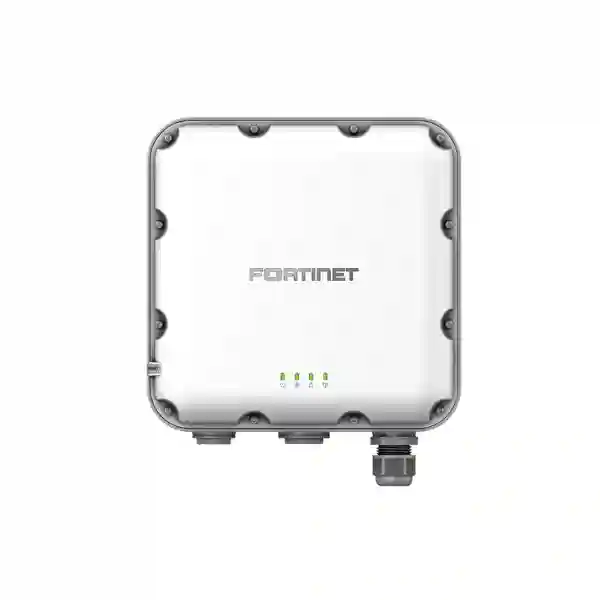
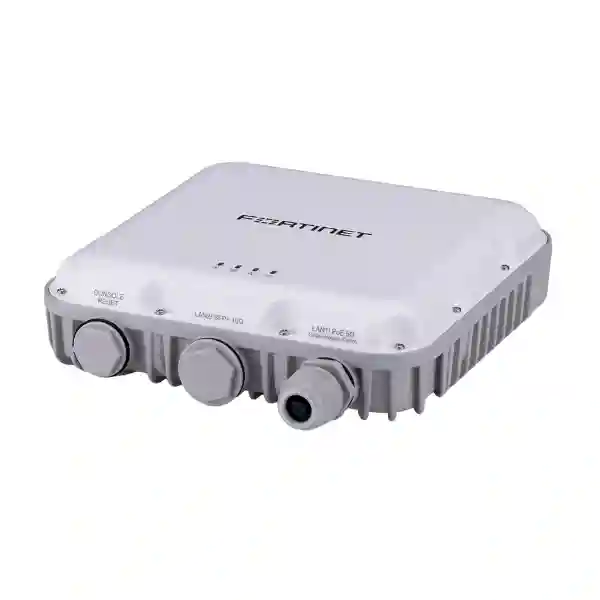
FortiAP FAP-244K is Fortinet’s ruggedized outdoor Wi-Fi 7 access point for organizations that need contemporary wireless capacity beyond indoor office spaces. Fortinet positions the model as a 2×2, internal-antenna outdoor AP. Its architecture serves the 2.4 GHz, 5 GHz and 6 GHz bands, with 6 GHz availability dependent on regional regulatory approval, while a dedicated radio can perform continuous scanning. For Tanzanian enterprises planning campuses, hospitality grounds, logistics areas, education facilities, public-facing outdoor spaces or industrial compounds, the important buying question is not simply whether an AP supports Wi-Fi 7; it is whether the wired network, power design, mounting locations, controller strategy and client mix are prepared to use it effectively.
Verified FAP-244K highlights
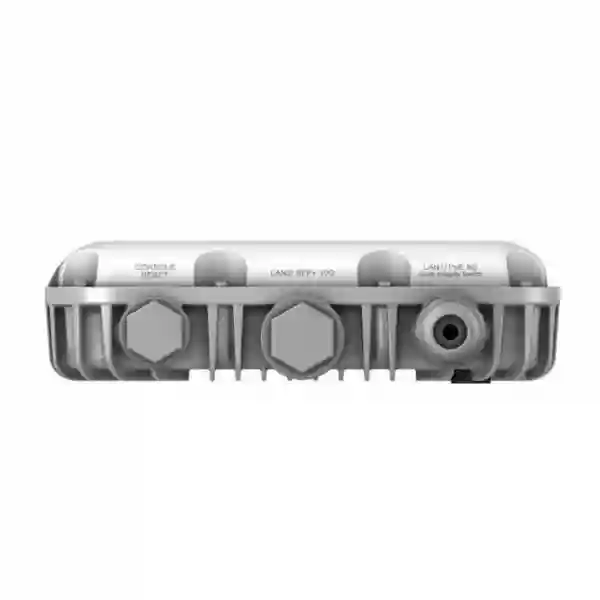
Fortinet documentation identifies the FAP-244K as an outdoor Wi-Fi 7 platform with internal antennas and two spatial streams. Published FortiAP material describes four-radio operation: client service on 2.4 GHz, 5 GHz and 6 GHz plus a scanning radio. It also documents a 10 Gbps SFP+ interface and an additional 5 Gbps RJ45 Ethernet interface supporting PoE. These capabilities make upstream switching, optics, cabling and PoE planning important parts of a correct deployment rather than afterthoughts.
Management and integration
Fortinet supports FortiAP management through its broader secure-networking ecosystem. The FAP-244K quick-start documentation shows FortiGate and FortiEdge Cloud setup paths, including direct and same-network connection scenarios. Buyers should confirm the intended controller method, FortiAP firmware and FortiOS compatibility before rollout. A design review should also define SSIDs, VLANs, authentication, guest access, roaming objectives, monitoring and upgrade processes.
Technical planning for FortiAP FAP-244K
| Area | Published characteristic | Procurement implication |
|---|---|---|
| Wireless generation | Wi-Fi 7 | Review client capability and lifecycle goals. |
| Form factor | Outdoor, internal antennas | Validate placement, mounting and coverage design. |
| Service bands | 2.4/5/6 GHz, subject to regional rules for 6 GHz | Confirm local regulatory operation and channel plan. |
| Wired interfaces | 10 Gbps SFP+ and 5 Gbps RJ45 PoE interface | Size switch ports, PoE and uplink media correctly. |
| Management | Fortinet management options including FortiGate and FortiEdge Cloud | Confirm controller architecture and software compatibility. |
Outdoor wireless design and buyer guidance
Outdoor Wi-Fi design begins with the service area and applications. A warehouse yard, university courtyard, hotel garden, manufacturing compound and transport facility create different coverage, capacity and roaming requirements. Buildings, vehicles, containers, vegetation, elevation and user movement can change RF behavior. A procurement team should therefore avoid selecting access-point quantity from floor area alone. A site survey or design exercise should identify mounting points, expected client density, critical applications, backhaul routes and interference conditions.
The wired edge matters equally. A Wi-Fi 7 AP connected to an undersized switch port or inadequate PoE source may not deliver the intended architecture. Review switch capabilities, PoE budget, fiber requirements for SFP+ connectivity, copper distance, surge and grounding practices, weather-protected cable paths and upstream firewall capacity. Where the wireless network will integrate with an existing Fortinet environment, document FortiGate, FortiSwitch and FortiAP versions and compare them against current Fortinet compatibility guidance before implementation.
Security design should map users and devices to appropriate network policies. Corporate endpoints, visitors, operational devices, cameras and IoT equipment often need different access rules. Plan SSIDs and segmentation deliberately rather than creating one broad outdoor network. The dedicated scanning capability can contribute to wireless monitoring while client radios remain available, but operational settings should follow the organization’s security policy and Fortinet documentation.
FortiAP FAP-244K Tanzania
Organizations searching for FortiAP FAP-244K Tanzania commonly need an outdoor wireless platform that fits an existing or planned Fortinet network. The procurement process should establish the physical areas to cover, number and type of users, applications, client Wi-Fi generations, existing switching infrastructure and management preference. For multi-building sites, campuses, logistics compounds and hospitality properties, planners should consider where wired backhaul reaches each AP and whether fiber is preferable for longer or exposed runs. The FAP-244K’s high-speed wired interfaces make it sensible to evaluate the LAN as a system, not merely replace an older AP.
Tanzania deployments may include mixed client populations. Legacy devices can remain important even when the network is being prepared for Wi-Fi 7. A good design balances current compatibility with future capacity. The 2.4 GHz band can remain relevant for certain IoT and legacy clients, while 5 GHz supports a broad modern device base. The 6 GHz capability offers additional spectrum where permitted and supported, but procurement teams should verify local regulatory requirements and actual endpoint support instead of assuming every client can use the band.
For quotation preparation, provide site count, approximate outdoor coverage areas, expected concurrent devices, existing FortiGate and FortiSwitch models, available PoE, preferred uplink type and any guest or authentication requirements. This helps identify whether the FAP-244K is appropriate and what supporting infrastructure may be needed. Explore FourTeck Tanzania technology solutions for related infrastructure context, and use the consultation process to validate compatibility rather than relying on a model name alone.
FortiAP FAP-244K Dar es Salaam
For Dar es Salaam organizations, outdoor Wi-Fi requirements can span corporate compounds, hotels, schools, warehouses, logistics facilities and mixed indoor-outdoor commercial properties. FAP-244K planning should begin with a map of where users actually require service. Outdoor courtyards and loading areas may be capacity-oriented, while perimeter work areas may prioritize reliable reach and device mobility. A survey should account for structures, metal surfaces, parked vehicles and other obstructions that change throughout the day.
Network teams should determine whether each mounting point can receive suitable PoE and data connectivity. The FAP-244K includes high-speed Ethernet options, so the selected FortiSwitch or other upstream switching platform should be evaluated for port speed and power requirements. Where an optical path is part of the design, confirm compatible optics and fiber architecture separately. Environmental installation also requires attention to grounding, cable entry, mounting security and maintenance access.
A Dar es Salaam quotation request is more useful when it includes the current firewall/controller environment and desired wireless services. State whether users require corporate authentication, visitor Wi-Fi, segmented IoT access or roaming across several APs. This allows the design to focus on business outcomes and compatibility. Organizations already using Fortinet can also review FourTeck’s Fortinet-focused resource for wider product-family context while confirming Tanzania-specific procurement through the local contact channel.
FortiAP FAP-244K Mwanza
Mwanza buyers evaluating the FortiAP FAP-244K should define whether outdoor connectivity is intended for staff mobility, guest service, operational applications, handheld terminals, cameras or a combination of endpoints. These use cases create different traffic and segmentation patterns. A hospitality site may value roaming between buildings and common areas, while an industrial or logistics location may prioritize predictable access in working zones. Wi-Fi 7 capability is useful as a platform direction, but coverage geometry and network design remain fundamental.
Because the FAP-244K is an outdoor model with internal antennas, mounting position influences how effectively its integrated radio system serves the target area. Teams should document proposed heights, obstacles and cable routes before purchasing a large quantity. The dedicated scanning radio and Fortinet management integration can support centralized operational visibility, while the service radios address client connectivity across supported bands. Use of 6 GHz remains subject to applicable regulation and device support.
For multi-site organizations operating from Mwanza, standardization can simplify operations if it is paired with a repeatable deployment template. Record VLANs, SSIDs, naming, controller settings, firmware policy, switch configuration and acceptance tests. A pilot installation can expose site-specific issues before broad rollout. Procurement should include required mounting and network accessories based on the official ordering information and actual site design rather than assuming every installation has identical needs.
FortiAP FAP-244K Arusha
Arusha deployments may include hospitality grounds, education campuses, offices, visitor facilities and commercial compounds where users move between indoor and outdoor zones. In these environments, FAP-244K selection should be coordinated with the broader WLAN plan. Decide which areas require high capacity, which require basic operational connectivity and where seamless roaming matters. Consider the client devices visitors and staff actually carry, because support for newer Wi-Fi features varies across endpoint generations.
Outdoor access-point placement should also be coordinated with the switching and security architecture. The FAP-244K can integrate into Fortinet-managed environments, making policy consistency an important design opportunity. Corporate, guest and operational traffic can be planned as distinct services with suitable VLAN and firewall controls. The management approach should be chosen before rollout so provisioning, monitoring and firmware processes are clear to the operations team.
When requesting an Arusha quote, share whether the project is a new installation, expansion or replacement. Include current AP models where relevant, building/site drawings, switch details, expected client counts and important applications such as voice, point-of-sale or cloud business systems. These details support more useful design conversations than a quantity-only request. They also help determine whether additional switching, firewall or structured-cabling work should be considered alongside the access points.
FortiAP FAP-244K Dodoma
In Dodoma, enterprises and institutions considering FAP-244K can approach the project as a secure LAN-edge modernization rather than a standalone radio upgrade. Begin by identifying the applications that depend on outdoor connectivity and their tolerance for latency, congestion and roaming interruptions. Map user groups and devices to security zones, then estimate capacity at busy times. This process helps determine AP density and prevents the design from being based solely on maximum theoretical radio rates.
The model’s outdoor form factor and internal antennas simplify the physical concept, but each installation still needs a suitable mounting position, protected network path and power strategy. High-speed uplinks can be valuable when aggregate wireless demand grows, provided the upstream switching and firewall architecture is sized appropriately. Teams should review the complete data path from wireless client to application, including LAN, WAN and security inspection constraints.
For government, education, enterprise or multi-building environments, documentation is especially useful. Maintain AP names, locations, switch ports, controller association, firmware versions and configuration standards. Before deployment, compare planned FortiOS/FortiAP versions with Fortinet’s current compatibility matrix. A structured handover makes later troubleshooting and expansion easier and helps ensure that the benefits of centralized management are reflected in day-to-day operations.
FortiAP FAP-244K UAE
UAE buyers evaluating the FAP-244K may be planning outdoor Wi-Fi for campuses, logistics zones, hospitality properties, commercial compounds or distributed enterprise sites. The same procurement discipline applies: establish coverage and capacity requirements first, then validate regulatory operation, switching, PoE and controller architecture. High ambient temperatures and exposed installation areas make correct environmental installation practices important; always follow the official Fortinet hardware and quick-start documentation for permitted operating and mounting conditions.
Organizations with existing FortiGate environments can evaluate the AP as part of a unified secure-networking design. Confirm software compatibility, SSID/VLAN policy, authentication, guest access and monitoring requirements. Where sites need 6 GHz service, verify local regulatory permissions and client capability. Do not treat 6 GHz as a universal replacement for established bands; it is one part of a tri-band design.
For regional procurement context, FourTeck UAE provides a related regional technology channel. A useful request should include site locations, AP quantities under consideration, existing Fortinet models and whether installation or configuration planning is required. This supports a more accurate bill of materials and reduces the risk of overlooking PoE, switching, optics or mounting considerations.
FortiAP FAP-244K Uganda
Uganda organizations can evaluate the FAP-244K for outdoor enterprise WLAN modernization where rugged deployment and Wi-Fi 7 capability align with the project lifecycle. Common planning concerns include coverage between buildings, visitor connectivity, operational mobility and segmented access for devices. Before selecting quantities, identify busy areas and expected simultaneous users. Outdoor wireless is sensitive to placement, obstruction and changing site conditions, so a design or survey is preferable to simple radius assumptions.
Integration planning should cover FortiGate or cloud management choice, switch connectivity and firmware compatibility. Where an organization operates multiple branches, standard configuration templates can simplify administration, but RF settings may still need to reflect individual sites. The 6 GHz band should be enabled only where allowed and appropriate. Client devices, channel availability and coverage characteristics should be considered alongside headline specifications.
For Uganda-specific FourTeck context, visit FourTeck Uganda. Cross-border organizations can use a common design framework while still validating procurement, regulation and installation conditions per country. Document requirements carefully so quotes distinguish access points from any switches, optics, power equipment, licenses or professional services that the final architecture may require.
FortiAP FAP-244K Kampala
Kampala projects often combine dense business activity with mixed building layouts and outdoor service areas. For the FAP-244K, identify whether the priority is a courtyard, campus path, warehouse perimeter, hospitality space or operational yard. Each requires a different balance of capacity and coverage. A Wi-Fi 7 AP can support a forward-looking client environment, but user experience still depends on RF planning and the performance of the complete wired network behind it.
Review available PoE at each planned location and whether the existing switch provides the desired multi-gigabit connectivity. If the design uses the SFP+ interface, specify optical components and fiber paths separately. Outdoor cable routes, grounding and physical access for maintenance should be documented before installation. These infrastructure details can affect both project cost and deployment schedule.
Security policy should separate user types according to business need. Staff, guests and operational devices do not necessarily require the same access. Centralized Fortinet management can help administrators apply consistent WLAN configuration, but the policies themselves should be designed deliberately. Include authentication systems and existing VLANs in the pre-sales discussion so the proposed wireless design can fit the current network rather than forcing unnecessary changes.
FortiAP FAP-244K Arua
For Arua organizations, FAP-244K planning can focus on resilient outdoor connectivity for business compounds, education, hospitality and operational environments. Start with the endpoints and applications rather than the access point specification. Determine where users gather, where they move and which applications must remain usable at the edge of the planned service area. This provides a stronger basis for deciding AP locations and quantities.
The FAP-244K’s integrated antennas mean antenna selection is not a separate design exercise in the same way as an external-antenna model, but placement remains important. Mounting height, orientation, nearby structures and physical obstructions can influence service. The wired connection must also be engineered: verify PoE capability, port speed, cabling and upstream capacity. For exposed sites, follow manufacturer installation instructions and appropriate electrical and grounding practices.
If the network is part of a wider Fortinet deployment, capture the FortiGate model and FortiOS version during planning. Fortinet publishes a compatibility matrix for FortiAP models, and this should be checked before rollout. Operational documentation should record the final approved versions and configuration so later updates can be tested systematically rather than applied without compatibility review.
FortiAP FAP-244K Mbarara
Mbarara buyers can use the FAP-244K where outdoor enterprise wireless needs to serve modern clients while fitting a centrally managed security architecture. Suitable project discussions may include campus expansion, hospitality grounds, warehouses, healthcare compounds or multi-building offices. Requirements should specify whether the WLAN carries ordinary internet access, internal business applications, voice, IoT or operational traffic because those workloads influence segmentation and capacity planning.
A practical design review checks the entire path: radio coverage, AP uplink, access switch, firewall/controller, WAN and application destination. Bottlenecks in any layer can limit user experience. Multi-gigabit AP connectivity is most valuable when the rest of the network can support it. At the same time, not every site requires maximum interface capacity immediately; the appropriate design depends on actual and expected demand.
Procurement documentation should separate verified hardware requirements from optional project services. Ask for clarity on the exact product variant, included items and any separately required infrastructure. If replacing older access points, compare mounting, power and switch-port requirements rather than assuming a drop-in replacement. A staged pilot can validate coverage and configuration before larger quantities are deployed.
FortiAP FAP-244K Gulu
Gulu organizations assessing FAP-244K should consider future wireless demand together with present device compatibility. Wi-Fi 7 offers a newer platform generation, while many deployed clients may still use earlier standards. A well-designed network accommodates this mixed environment without allowing legacy assumptions to dictate every future investment. Inventory important endpoint types and identify which ones are likely to be refreshed during the AP lifecycle.
Outdoor installations require more preparation than simply attaching an AP to an exterior wall. Confirm mounting suitability, network entry points, PoE source, grounding and safe service access. Plan coverage with the real site geometry, including trees, walls, metal structures and vehicle movement. If multiple APs are used, channel and power planning should be coordinated to reduce unnecessary contention and support roaming objectives.
Central management can simplify a multi-AP environment when configuration standards are defined in advance. Decide how SSIDs map to VLANs and security policy, how administrators monitor AP health and how firmware updates are governed. For organizations with several locations, maintain a consistent naming and documentation standard so remote support can quickly identify the affected AP, switch port and controller relationship.
FortiAP FAP-244K Kenya
Kenya enterprises considering the FortiAP FAP-244K can position it within an outdoor Wi-Fi 7 strategy for campuses, logistics, hospitality, education and commercial sites. The buying process should evaluate expected client density, outdoor coverage geometry and the availability of suitable wired infrastructure. If the project is part of a refresh, record the limitations of the existing WLAN—coverage gaps, congestion, management overhead or insufficient segmentation—so the new design addresses specific problems.
Fortinet’s published specifications make switching an important companion decision. Verify PoE capacity and desired uplink speed for each AP, and consider whether existing access switches need upgrading. Where fiber is appropriate, specify optics and patching based on the approved architecture. Confirm FortiGate/FortiAP compatibility before deployment and define an upgrade plan where existing software is older than the required support level.
For related regional procurement information, visit FourTeck Kenya. Multi-country customers can standardize design principles while respecting each country’s regulatory and operational conditions. A detailed bill of materials should identify APs, switches, transceivers, cabling, power requirements and any support or implementation scope separately.
FortiAP FAP-244K Kuwait
Kuwait deployments of outdoor Wi-Fi should give particular attention to environmental installation and manufacturer operating guidance. The FAP-244K is designed as a ruggedized outdoor access point, but correct mounting, cable protection, grounding and placement remain essential. Procurement teams should use Fortinet’s current hardware documentation for installation requirements and avoid assuming that outdoor classification eliminates the need for careful site engineering.
Capacity planning should distinguish radio capability from end-to-end application throughput. Wi-Fi 7 features can improve the wireless platform, but client support, spectrum availability, RF conditions, switch uplinks and upstream security inspection all affect actual performance. Validate 6 GHz regulatory availability locally and determine whether target clients can use it. Maintain 2.4 GHz and 5 GHz planning according to the device population and site needs.
Organizations managing several outdoor APs should define controller, monitoring and firmware processes before production rollout. Test authentication, VLAN assignment, guest workflows and roaming using representative devices. Document results and acceptance criteria. This turns a hardware purchase into a controlled network change and makes it easier to diagnose whether later issues arise from RF, switching, security policy or client behavior.
FortiAP FAP-244K Ghana
Ghana buyers may consider the FAP-244K for outdoor wireless across enterprise compounds, hospitality sites, educational facilities and logistics environments. A strong procurement brief identifies coverage zones and business applications first. For example, guest internet access has different security and capacity expectations from warehouse scanners or operational tablets. Defining these groups helps shape SSID, VLAN and firewall policy as well as AP placement.
Because the AP provides contemporary multi-band wireless and high-speed wired connectivity, assess whether the existing LAN can support the intended design. Review PoE budget, switch port capabilities, cabling and any fiber uplinks. For Fortinet-managed environments, check current compatibility guidance and decide how configuration will be standardized. The AP should be treated as part of a secure access architecture rather than an isolated device.
Regional procurement teams should also plan lifecycle operations. Record serial and location information, configuration ownership, firmware policy and support processes. When requesting a quotation, state whether the requirement is hardware supply only or includes design, configuration or implementation assistance. This distinction helps avoid ambiguity and allows accessories and supporting network components to be considered at the same time.
FortiAP FAP-244K Nigeria
Nigeria organizations evaluating FAP-244K can use a requirements-led approach for large compounds, campuses, hospitality properties, logistics operations and distributed enterprise sites. Start with a wireless coverage map and expected peak client population. Identify high-value applications and locations where a loss of connectivity would interrupt operations. This helps distinguish areas requiring capacity-focused AP placement from those needing general outdoor coverage.
Power and wired-network readiness should be checked early. The AP’s interface capabilities can support high-capacity designs, but switch selection, PoE budget and upstream bandwidth must align. Where sites are geographically distributed, controller strategy and remote operations become important. Standard templates can improve consistency while local RF parameters are adapted to each site. Fortinet compatibility guidance should be part of change control whenever firmware or FortiOS versions are updated.
Security segmentation is particularly important when outdoor Wi-Fi serves several user classes. Keep business users, guests and operational/IoT devices in appropriately controlled networks according to organizational policy. Test authentication and access rules before opening the service broadly. For procurement, provide existing Fortinet equipment details so compatibility and integration questions can be addressed during solution design rather than discovered during installation.
FortiAP FAP-244K Seychelles
Seychelles organizations considering an outdoor access point may have hospitality, resort, campus or commercial environments where exterior coverage is central to the user experience. The FAP-244K’s outdoor positioning and Wi-Fi 7 generation make it relevant to forward-looking designs, but coastal and exposed installations should always follow the manufacturer’s environmental, grounding and mounting instructions. Site-specific conditions should be reviewed by the implementation team rather than inferred from the product category alone.
Hospitality-oriented networks may need guest access across pools, gardens, walkways and common areas while keeping business systems segmented. Enterprise sites may prioritize staff mobility and operational endpoints. In both cases, map the intended service zones and estimate concurrent devices. Consider roaming between indoor and outdoor APs, authentication methods and the effect of building materials and landscape features on RF propagation.
A quotation should include enough context to assess supporting infrastructure. State the number of sites, proposed AP locations, existing switching and firewall environment, required user networks and any integration constraints. Verify local regulatory requirements for 6 GHz operation and confirm device support. A pilot at a representative location can provide practical evidence for final placement and configuration before a larger rollout.
Related Fortinet and network planning
A FortiAP project often touches switching, firewall policy, WAN design and centralized operations. Organizations planning regional deployments can review FourTeck Africa solutions for broader regional context. The purpose of these related resources is to help buyers think beyond the AP itself: suitable switching and PoE, compatible security gateways, structured cabling and a documented management approach all contribute to a successful WLAN.
For Tanzania projects, use the local consultation channel to discuss exact product requirements and supporting infrastructure. Product availability, commercial terms and final bill of materials should be confirmed at quotation time rather than inferred from published technical information.
FAP-244K quotation checklist
FortiAP FAP-244K FAQ
Is the FortiAP FAP-244K an outdoor Wi-Fi 7 access point?
Yes. Fortinet lists the FAP-244K as a Wi-Fi 7, 2×2, internal-antenna outdoor access point.
Does FAP-244K support 6 GHz?
Fortinet’s product material documents 6 GHz support, but use of that band is subject to regional regulatory approval. Confirm the rules applicable to the deployment country and client-device support.
How can FAP-244K be managed?
Fortinet documentation shows FortiGate and FortiEdge Cloud management/setup options. The appropriate approach depends on the wider network architecture and software compatibility.
What should be checked before ordering?
Check coverage requirements, AP quantity, PoE and switching, controller method, FortiOS/FortiAP compatibility, cabling, mounting, regulatory requirements and client capabilities. Confirm exact commercial configuration at quotation time.
Decision recap and consultation
FortiAP FAP-244K is designed for organizations that need a rugged outdoor Fortinet Wi-Fi 7 platform with internal antennas, multi-band service, dedicated scanning capability and high-speed wired connectivity. Its value is strongest when it is matched to a properly designed LAN edge: suitable PoE and switching, compatible Fortinet management, deliberate segmentation and RF planning. FourTeck Tanzania can use your site and infrastructure details to help prepare a relevant quotation and deployment discussion without assuming stock, pricing or compatibility that has not been confirmed.



Reviews
There are no reviews yet.