
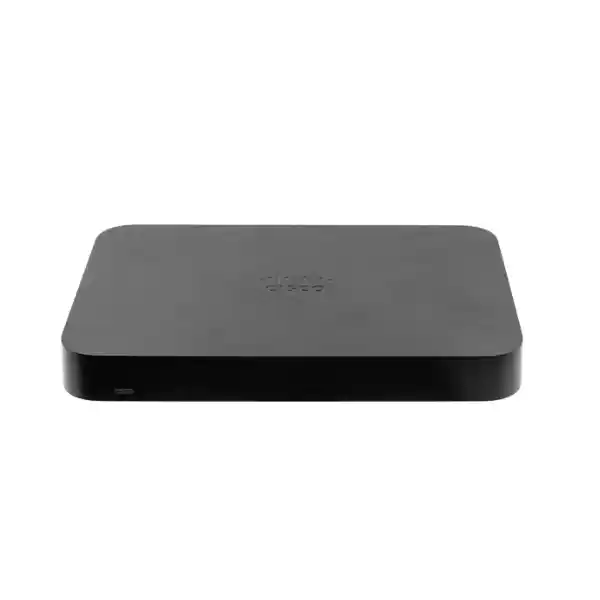
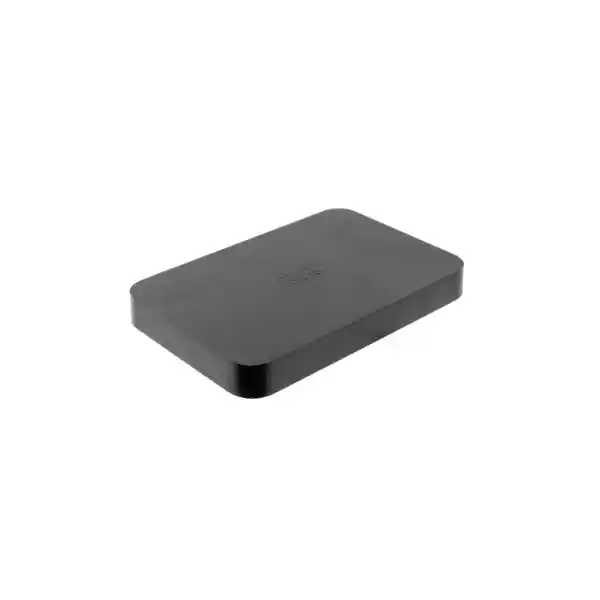
Cisco Meraki Z4 Tanzania
Cisco Meraki Z4 is a cloud-managed teleworker gateway built for organizations that need a repeatable way to extend secure business connectivity to remote employees, executive homes and compact branch locations. The Z4 combines routing, firewalling, VPN, Wi‑Fi 6 and wired connectivity in a small desktop or wall-mount platform managed through the Meraki Dashboard.
Choose the Z4 when you need a Meraki-managed remote-work edge for a small user group, secure site-to-site connectivity, integrated Wi‑Fi 6 and simple remote administration. Confirm the Meraki license, internet bandwidth, VPN design and endpoint count before ordering.
What is the Cisco Meraki Z4?
Cisco positions the Meraki Z4 as a cloud-managed teleworker gateway designed to provide office-like connectivity and enterprise security for remote working environments. It is not simply a consumer Wi‑Fi router. The platform is built around centralized configuration in the Meraki Dashboard, allowing an IT team to claim the appliance, create or assign a network, apply policies, monitor clients and troubleshoot the remote site without relying on the end user to perform advanced networking tasks.
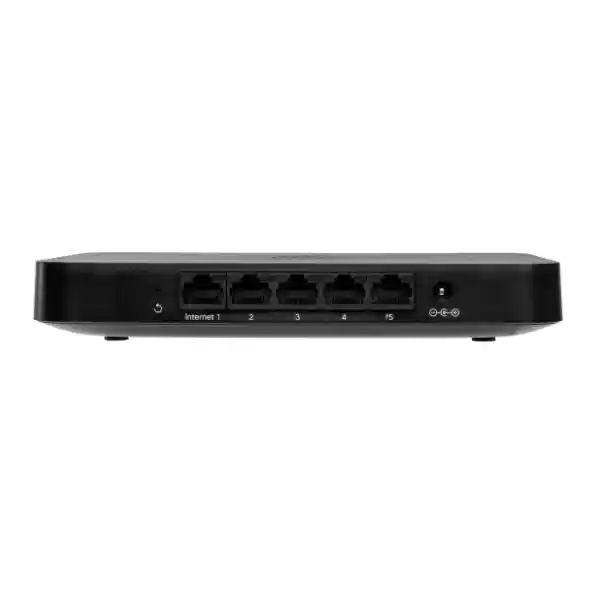
Official Cisco documentation lists one dedicated Gigabit Ethernet WAN interface and four dedicated Gigabit Ethernet LAN interfaces, with one LAN port providing 802.3at PoE+. Wireless connectivity is dual-band 2×2 Wi‑Fi 6. Cisco documents maximum stateful firewall throughput of 500 Mbps and maximum VPN throughput of 250 Mbps. The Z4 supports Layer 3 and Layer 7 stateful firewall functions, NAT, configurable VLANs and DHCP, static routing, client VPN functionality, Meraki AutoVPN, L2TP/IPsec VPN endpoint capabilities, custom traffic shaping, historical client usage statistics, NetFlow, syslog, remote packet capture and IPv6 support. Exact functionality should always be checked against current Cisco firmware and licensing guidance at the time of deployment.
The practical value is operational consistency. An organization with many remote users can standardize SSIDs, VLAN structure, firewall policy, VPN behavior and monitoring instead of supporting an unpredictable collection of consumer routers. The Z4 is particularly relevant to businesses that already operate a Meraki network because AutoVPN and Dashboard workflows can reduce the manual effort of connecting a remote user or small site back to corporate resources.
Cloud-managed operations
Configuration, monitoring, firmware and troubleshooting are handled through the Meraki cloud management model, helping IT teams support distributed locations from a common interface.
Secure branch extension
Meraki AutoVPN can simplify secure connectivity between a Z4 and compatible Meraki environments, reducing repetitive tunnel configuration across many remote sites.
Integrated Wi‑Fi 6
Dual-band 2×2 Wi‑Fi 6 supports modern client devices in compact home-office and teleworker environments without requiring a separate access point for basic coverage.
PoE+ endpoint support
One dedicated Gigabit LAN port provides 802.3at PoE+, useful for a compatible IP phone or other supported powered endpoint where a separate injector would otherwise be required.
Licensing and procurement guidance
The Z4 is part of the Meraki cloud-managed platform and licensing is part of the operational design. Cisco documentation identifies Z-Enterprise and Secure Teleworker license options for the Z4 family. Both are intended to support the Meraki management model, while Secure Teleworker adds a broader security and analytics set. Buyers should not request hardware alone and assume every advertised feature is automatically available indefinitely. The quotation should identify the hardware, license type, subscription term, accessories and the intended organization/network assignment.
For a remote-work rollout, procurement teams should also plan ownership. Decide which Meraki organization will claim the serial number, which administrators will have access, who will receive alerts, how replacement devices will be handled, what naming convention will identify remote users, and how configuration templates will be controlled. These details become important when ten, fifty or hundreds of teleworker gateways are deployed. A cloud-managed product can reduce field support, but only when the management process is standardized.
Related FourTeck Tanzania resources
Cisco Meraki Z4 Tanzania
Organizations searching for Cisco Meraki Z4 in Tanzania are usually trying to solve a distributed-work problem rather than simply buy a small router. A head office may need to provide a senior employee, finance user, engineer or remote support worker with a managed connection that follows corporate policy. Another business may need a compact gateway for a project office, kiosk, temporary workspace or small branch that does not justify a larger security appliance. The Z4 fits this use case because the central IT team can manage firewall, routing, wireless and VPN settings through the Meraki Dashboard instead of relying on a technically skilled person at the remote location.
For Tanzania deployments, start with the internet service available at the remote site. Confirm whether the ISP handoff uses DHCP, static addressing or PPPoE, and verify the real upstream and downstream speeds rather than choosing a gateway only from the advertised line rate. The Z4 has a dedicated Gigabit Ethernet WAN interface, but Cisco documents 500 Mbps maximum stateful firewall throughput and 250 Mbps maximum VPN throughput, so a buyer should compare the required protected traffic with these limits. If the site needs built-in cellular backup, the separate Z4C model should be evaluated instead of assuming the standard Z4 includes an LTE modem.
The LAN should be planned just as carefully. Four dedicated Gigabit Ethernet LAN ports are available, and one supports 802.3at PoE+. This can simplify deployment of a compatible IP phone or other powered endpoint, while Wi‑Fi 6 can serve modern laptops and mobile devices. For corporate separation, define VLANs and SSIDs intentionally. A teleworker may need a corporate SSID or wired VLAN that participates in secure VPN connectivity while personal devices use a separate segment with internet-only access. The correct design depends on the organization’s policy and on the capabilities enabled in the chosen license.
When requesting a Cisco Meraki Z4 quotation in Tanzania, include the number of gateways, intended users, WAN speed, VPN destination, Meraki organization details, license tier and term, any IP phone or PoE requirement, and whether standardized templates will be used. This information helps avoid a hardware-only purchase that later stalls because licensing, addressing or VPN architecture was not defined. FourTeck Tanzania can also relate the Z4 to existing Meraki switching, wireless or MX environments and to broader network design questions through the Cisco Meraki MX Tanzania resource.
Cisco Meraki Z4 Dar es Salaam
Dar es Salaam businesses often operate with a concentration of headquarters functions, professional staff, customer-facing offices and distributed teams. In that environment, the Cisco Meraki Z4 can be useful when an organization wants remote users to receive a predictable corporate network experience without shipping a complex branch rack to every location. A compact teleworker gateway can be prepared in the Meraki Dashboard, assigned to the correct organization and network, and then connected to the user’s local internet service. This approach is particularly relevant for executive home offices, remote finance staff, technical teams who require access to internal systems, and temporary workspaces that still need centrally governed networking.
A Dar es Salaam rollout should begin with a list of the applications that must traverse the VPN. If a user mainly accesses cloud SaaS directly, the design may differ from a user who needs file shares, internal ERP, voice services or applications hosted at a company data center. Meraki AutoVPN can simplify secure site-to-site connectivity when the corporate edge is also Meraki, but routing, subnet allocation and policy still need planning. Reusing the same private subnet at many remote sites can make operations confusing, so a scalable addressing method is valuable when the business expects to deploy multiple Z4 gateways.
Wireless design matters even in a home office. The Z4 provides dual-band 2×2 Wi‑Fi 6, but walls, neighboring networks and the position of the gateway affect practical performance. Place the appliance where the business user can obtain dependable signal rather than hiding it inside a dense cabinet. Wired Ethernet remains useful for a desktop, docking station or IP phone. The PoE+ LAN port can power a compatible endpoint, which may help organizations standardize corporate voice or another small PoE device without adding an injector at the user’s desk.
For procurement in Dar es Salaam, request the Z4 hardware together with the required Meraki subscription and confirm what is included in the quotation. Avoid assuming a listed price includes the preferred license term, deployment configuration, mounting accessories or support scope. If the remote site requires a built-in cellular modem, compare the Z4C instead. If the location is becoming a larger branch with many users, multiple WAN links or broader security requirements, review the Cisco Meraki MX67 or other current MX options rather than forcing the teleworker platform into a role it was not selected for.
Cisco Meraki Z4 Mwanza
For organizations with staff or small offices in Mwanza, the Cisco Meraki Z4 can reduce the amount of local network administration required at a remote location. Instead of treating each site as a unique consumer-router setup, the IT team can use Meraki Dashboard to apply a repeatable configuration, monitor connectivity and investigate issues centrally. This is useful for companies whose primary network or IT administration sits elsewhere but that still need remote employees to reach business systems securely and consistently.
The first design question is whether the Mwanza location truly fits the teleworker profile. Cisco’s current Z4 datasheet recommends the platform for up to 15 devices, making it appropriate for a compact environment rather than a growing office with many endpoints. Count business laptops, IP phones, printers, mobile devices and any other equipment that will use the Z4. Also identify how much traffic will cross the VPN. Cisco lists 250 Mbps maximum VPN throughput, but real application performance depends on the internet circuit, latency to the destination, packet loss, security policy and traffic mix.
Power and physical placement should be included in the deployment checklist. The Z4 can be desktop or wall mounted, and it operates within Cisco’s stated 0°C to 45°C range. Keep the unit in a ventilated indoor location and avoid placing networking equipment where heat, dust or unstable power can reduce reliability. If uninterrupted access is important, consider the wider power path, including a suitable UPS for the gateway and upstream modem or ONT. Protecting only the Z4 will not keep the site online if the ISP device loses power.
A Mwanza quotation should therefore include more than a product code. Provide expected device count, internet service details, VPN destination, Meraki organization, required license term and any dependency such as a corporate IP phone. If there is a plan to expand the site, describe that growth before buying. A small project office may fit the Z4 today, while a permanent branch may be better aligned with an MX platform. FourTeck Tanzania’s business technology shop can also help frame related switching, wireless, endpoint and infrastructure requirements for a complete procurement review.
Cisco Meraki Z4 Arusha
Businesses in Arusha may need secure connectivity for administrative teams, hospitality operations, professional services, project offices, travel-related businesses, NGOs or distributed staff. The Cisco Meraki Z4 is best considered when the site is small and the main objective is to extend a centrally managed corporate network to a remote user or compact location. Its value is not simply Wi‑Fi coverage; the differentiator is the combination of Meraki Dashboard management, firewall policy, VLANs, traffic shaping and VPN capabilities in one small platform.
A useful Arusha deployment plan separates corporate connectivity from local convenience. For example, a remote employee may require secure access to company systems while family or guest devices should remain outside the business network. Z-Series appliances can support multiple SSIDs and VLAN-based policy, allowing administrators to design separation rather than allowing all devices to share one flat network. The precise authentication and access method should be defined from the organization’s security policy, and any RADIUS, identity or corporate DNS dependencies should be tested before a large rollout.
Voice and collaboration are another practical consideration. The Z4 includes one 802.3at PoE+ LAN port, so a compatible IP phone can potentially be powered directly from the appliance. If the organization sends voice traffic through VPN, quality depends on upstream bandwidth, latency, jitter and congestion at the local internet connection. Custom traffic shaping can help prioritize important traffic, but it cannot repair a poor underlying circuit. Teams relying on video meetings should test the actual ISP service and ensure that other household or site traffic does not consume all available upstream capacity during calls.
For procurement in Arusha, ask for the official Z4-HW platform with the appropriate Meraki licensing rather than relying on ambiguous marketplace listings. Confirm whether the quotation covers only hardware or also includes the subscription, deployment assistance and any required power accessories. If the remote site needs cellular resilience, review the Z4C; if it is evolving into a larger multi-user branch, evaluate a related appliance such as the Cisco Meraki MX67C where its current capabilities fit the design. The goal is to match the platform to the role instead of selecting a model solely by size or initial price.
Cisco Meraki Z4 Dodoma
In Dodoma, the Cisco Meraki Z4 can support organizations that need a controlled network edge for a remote employee, executive workspace or small satellite office. Central management is valuable when the site has no dedicated network engineer because configuration and monitoring can be handled by the organization’s main IT team through Meraki Dashboard. A device can be associated with a prepared network before it reaches the user, reducing the amount of technical work required at installation compared with manually building firewall and VPN rules on an unmanaged router.
Before ordering, document the work the site must perform. If the user connects to internal file systems, remote desktop, ERP, VoIP or other private services, estimate the amount and direction of VPN traffic. Cisco’s published maximum VPN throughput for the Z4 is 250 Mbps, while the maximum stateful firewall throughput in NAT mode is 500 Mbps. These are important sizing references, but they do not guarantee the same throughput over every ISP connection. Local line quality, latency to the corporate gateway, packet loss and application behavior all influence the actual experience.
Addressing and segmentation should be standardized if several Z4s will be deployed. A central IT team can define a repeatable VLAN and subnet model, map wireless SSIDs to the correct networks, and use firewall policy to keep personal or guest traffic from reaching corporate resources. For wired devices, the four dedicated Gigabit LAN ports provide flexibility for a desktop, printer or IP phone. The integrated PoE+ port can be especially helpful where the business wants a single power and data cable to a compatible endpoint.
A Dodoma procurement request should include the quantity, Meraki organization, preferred license duration, WAN handoff type, expected device count, any VPN peer information and whether remote configuration support is required. If the site later grows beyond a compact teleworker profile, plan a migration rather than overloading the Z4. FourTeck Tanzania’s technology services page provides context for network planning, configuration, documentation and lifecycle support that may be required around the appliance.
Cisco Meraki Z4 UAE
Organizations with operations in both Tanzania and the UAE can use the Cisco Meraki Z4 as part of a standardized remote-work architecture across regions. A common Meraki operating model can simplify how IT teams create teleworker networks, apply security policy, deploy AutoVPN and monitor remote connectivity. This is particularly useful for companies with executives, specialists or support staff who move between locations but require the same controlled access to corporate applications regardless of where the remote workspace is located.
For UAE deployments, the starting point is still the actual role of the site. The Z4 is a teleworker gateway, not a substitute for every branch firewall. If a remote office has more users, dual WAN requirements, high VPN demand or advanced branch-security needs, a Meraki MX platform may be a better fit. The Z4 is most compelling when the site is compact and IT wants integrated Wi‑Fi 6, wired LAN, a PoE+ port, centralized cloud management and secure connectivity without deploying a separate access point and larger appliance.
Licensing should be aligned across the organization. Cisco documents Z-Enterprise and Secure Teleworker options for the Z4. The selection should follow the required feature set, support model and subscription strategy rather than being chosen only by term price. Procurement teams operating across countries may also benefit from using consistent subscription end dates or documented renewal ownership, depending on the organization’s licensing model. The key is to prevent remote gateways from becoming unmanaged because a renewal was missed or ownership was unclear.
For cross-region requirements, FourTeck’s wider network can help buyers keep related projects connected. The FourTeck UAE technology site is relevant for UAE-side procurement and solution discussions, while the Tanzania team can focus on the local environment. When planning the Z4, confirm the WAN service, corporate VPN destination, device count, license, security policy and any local power or mounting requirement. Standardized documentation should identify each gateway by user or site, serial number, network name, subnet and support owner so regional operations remain manageable as the deployment grows.
Cisco Meraki Z4 Uganda
For organizations with Tanzanian and Ugandan operations, Cisco Meraki Z4 can provide a consistent teleworker edge for remote employees and very small sites. The important design advantage is centralized control. An IT team can maintain common security, wireless and VPN settings across multiple remote locations rather than troubleshooting a different consumer router in each country. This operating model is valuable for finance teams, managers, technical support staff and other users who need reliable access to private corporate resources while working away from a full branch office.
A Uganda deployment should be sized from the intended traffic and device count. Cisco’s current Z4 guidance lists use for up to 15 devices, 500 Mbps maximum stateful firewall throughput and 250 Mbps maximum VPN throughput. Those figures help define the platform class, but they do not replace a real WAN assessment. If the remote worker’s broadband connection has limited upstream capacity, the VPN cannot exceed that local constraint. Likewise, packet loss or variable latency can affect voice, video and remote desktop even when headline bandwidth appears sufficient.
If the business expects intermittent fixed internet service and requires embedded mobile backup, the standard Z4 should not be assumed to include cellular. Cisco distinguishes the Z4 from the Z4C, with the cellular modem built into the Z4C. Procurement should therefore specify the exact model. A remote user who simply needs Ethernet WAN may prefer the standard Z4, while a more resilience-focused deployment can evaluate the Z4C and local carrier compatibility as a separate design decision.
Regional customers can also review the FourTeck Uganda technology site for Uganda-specific solution discussions. For a cross-border Meraki rollout, keep network naming, subnet allocation, SSID policy, firewall rules and documentation consistent wherever possible. A repeatable standard reduces support effort and makes it easier for central administrators to distinguish a local ISP problem from a gateway or VPN configuration issue. The quotation should include hardware, the selected Meraki license, term, any deployment assistance and the dependencies needed for the user’s actual work.
Cisco Meraki Z4 Kampala
Kampala is a likely location for regional offices, management teams and professional staff who need access to systems hosted elsewhere in East Africa or in cloud environments. The Cisco Meraki Z4 can be appropriate for an individual remote worker or small satellite workspace where the organization wants the same centrally managed connectivity model used across its main network. Meraki Dashboard allows the central team to see the device, connected clients and network status without sending an engineer to perform routine configuration at the user’s location.
When a Kampala user depends on voice or collaboration tools, the network design should prioritize quality, not only speed. Video meetings, VoIP and virtual desktop applications react strongly to packet loss, jitter and latency. The Z4 supports custom traffic shaping, but prioritization is most useful when the WAN itself has enough usable capacity. Assess the primary internet service, competing household or office traffic, Wi‑Fi conditions and the distance to the corporate or cloud application. Where possible, use wired Ethernet for fixed business endpoints that must remain stable during important calls.
The four dedicated Gigabit LAN ports give a small site flexibility, and one provides PoE+ for a compatible endpoint. For example, a corporate IP phone may be connected without a separate injector. Wi‑Fi 6 can handle modern wireless clients, but the appliance should be positioned in the working area rather than hidden behind dense materials. If guest devices are allowed, separate them from corporate resources with appropriate SSID and VLAN policy. A consistent design is more important than adding many custom exceptions for each user.
For Kampala procurement, define whether the Z4 is being added to an existing Meraki organization or starts a new environment. Include the license requirement, intended subscription term, VPN hub information and whether the user needs access to specific internal subnets. If a site is larger than the teleworker profile, compare a branch appliance instead. Cross-border procurement teams can use FourTeck Uganda for local discussions while maintaining a common regional network standard with Tanzania.
Cisco Meraki Z4 Arua
Arua-based users or small offices may be far from the organization’s primary IT team, which makes remote manageability especially important. The Cisco Meraki Z4 is designed around cloud management, allowing administrators to configure and monitor the gateway through Meraki Dashboard rather than requiring advanced configuration at the local site. This can reduce the burden on a remote employee whose job is not network administration and can help the IT team maintain consistent policy across dispersed work locations.
Connectivity planning should be realistic. The Z4 can only perform as well as the WAN service available to it. Before deployment, record whether the internet handoff uses DHCP, static IP or PPPoE, verify the modem or ONT, and test the upstream bandwidth that business applications will rely on. If the user needs to reach private systems through AutoVPN, upstream capacity can be more important than a consumer broadband package’s advertised downstream speed. Cisco’s 250 Mbps maximum VPN figure provides a platform ceiling, not a promise that every connection will achieve that rate.
Operational resilience should include power as well as internet. If a UPS is required, it should protect the Z4 and the upstream ISP equipment needed to keep the circuit active. The gateway itself supports desktop or wall mounting and should be placed in a ventilated indoor environment. Wi‑Fi 6 can serve laptops and mobile devices, but a critical workstation can use one of the four dedicated Gigabit LAN ports for predictable connectivity. The PoE+ port can simplify a compatible IP phone deployment.
When ordering for Arua, confirm the exact product as Cisco Meraki Z4 rather than a similar Z-Series model, and include the required subscription. If built-in cellular backup is part of the requirement, evaluate Z4C specifically and validate carrier compatibility instead of assuming the feature exists in Z4. For multi-country organizations, keep site naming and security policy aligned with other branches and teleworkers. Regional coordination can use FourTeck Uganda alongside Tanzania-based planning so procurement and configuration remain consistent.
Cisco Meraki Z4 Mbarara
For a remote worker or compact office in Mbarara, Cisco Meraki Z4 can provide a standardized network edge that remains under central IT control. The use case is strongest when the business already values the Meraki cloud operating model and wants to extend it outside larger offices. IT administrators can create a repeatable teleworker configuration with corporate wireless, guest separation, firewall policy and VPN settings, while the local user mainly needs to connect power and the WAN service.
A technical review should still occur before the gateway is shipped. Count the devices expected at the site and identify which are business-critical. The Z4 offers four Gigabit LAN ports plus dual-band 2×2 Wi‑Fi 6, which is suitable for a compact environment but not intended to replace a full switching and wireless design for a large office. Cisco’s current guidance of up to 15 devices is a useful boundary for planning. If the location is expected to grow, it may be more efficient to begin with an MX appliance and dedicated switching or wireless rather than replace the teleworker gateway soon after deployment.
VPN planning should cover more than turning on a tunnel. Determine which internal routes the Mbarara site requires, whether the site-to-site architecture is hub-and-spoke or another model, how DNS will resolve private services, and whether overlapping subnets exist. Meraki AutoVPN can remove much of the repetitive tunnel work, but good addressing and access policy remain essential. For user privacy and security, personal devices should not automatically gain access to corporate networks simply because they connect through the same gateway.
Procurement teams should ask for the hardware model, correct Meraki license, subscription term and any configuration or support scope as separate, clear line items. This makes comparison easier and reduces the risk of an incomplete order. If the deployment spans Tanzania and Uganda, use the same documentation format for both markets and keep a clear inventory of serial numbers, assigned users, network names and license ownership. The FourTeck Uganda site can support Uganda-related solution conversations within the broader regional rollout.
Cisco Meraki Z4 Gulu
Gulu deployments can benefit from the Cisco Meraki Z4 when the organization’s priority is secure, remotely manageable connectivity for a small location. A central IT team can use Meraki Dashboard to monitor the gateway and clients, push configuration changes and perform remote diagnostics, which can reduce dependence on local technical support. This is especially useful for project teams, remote administration staff or organizations that need to maintain a common network standard across offices of very different sizes.
The design should start with the local internet connection and the business applications that depend on it. If the user works mainly in cloud services, the priority may be stable direct internet access with appropriate security policy. If the user needs internal servers, voice systems or private applications, VPN quality becomes more important. Cisco documents up to 250 Mbps VPN throughput for the Z4, but the effective result will be limited by the local circuit and the path to the corporate gateway. Testing the WAN is therefore part of sizing, not an afterthought.
Wi‑Fi 6 provides convenient wireless access for modern endpoints, but radio performance depends on placement and interference. A fixed business workstation can connect by Ethernet, and the integrated PoE+ LAN port can power a compatible device. For segmentation, establish separate corporate and non-corporate access where policy requires it. In a standardized rollout, the same SSID names, authentication method, VLAN structure and firewall policy can be reused through templates, with site-specific details such as WAN addressing and local subnet allocated consistently.
Before requesting a Gulu quotation, specify whether the site needs the standard Z4 or a cellular-capable alternative. The standard Z4 does not include the built-in LTE modem that Cisco lists for the Z4C. Also identify the preferred Meraki license and term. For regional organizations, procurement and deployment can be coordinated with FourTeck Uganda while maintaining the same architecture used for Tanzania. The aim is not merely to install a gateway; it is to create a supportable remote-work standard with clear ownership and predictable security behavior.
Cisco Meraki Z4 Kenya
Kenyan branches, remote managers and home-based specialists can be included in the same Meraki teleworker architecture used for Tanzania. Cisco Meraki Z4 gives the IT team a compact managed edge with routing, firewall, Wi‑Fi 6, wired LAN and VPN functionality. The main benefit in a regional deployment is consistency: rather than support a different router configuration for every user, administrators can maintain common templates and policies in Meraki Dashboard and use AutoVPN where compatible Meraki infrastructure is present at the corporate side.
For a Kenya deployment, begin with user role. A finance employee may require secure access to internal applications and a corporate IP phone. A technical specialist may need access to management systems or remote labs. An executive may depend on stable video conferencing and private corporate resources. These differences influence how much traffic should cross VPN, which VLANs are required and whether direct internet breakout is appropriate. The Z4 provides the platform, but the policy should be designed around the application and risk profile.
Cisco’s published limits of 500 Mbps stateful firewall throughput and 250 Mbps maximum VPN throughput should be compared with the intended internet service. A high-speed broadband package does not automatically mean the Z4 will forward every traffic type at the access line rate, especially when security and VPN services are involved. Conversely, a remote user on a much slower circuit may never approach the platform limit. Sizing should therefore include actual application demand and a reasonable growth margin.
For Kenya-side procurement or regional support discussions, buyers can reference FourTeck Kenya. If the planned site is larger than a teleworker environment, compare Meraki MX models instead of assuming the Z4 is the lowest-cost answer to every small branch. A correct request for quotation should state the number of Z4 units, Meraki organization, license option and term, user/device count, WAN handoff, VPN hub, any PoE endpoint and whether standardized remote deployment preparation is required.
Cisco Meraki Z4 Kuwait
Companies that operate between Tanzania and Kuwait may use Cisco Meraki Z4 to give selected remote employees the same centrally managed network experience across both markets. The Z4 is well suited to compact, user-focused deployments because it integrates wired connectivity, Wi‑Fi 6, firewall functions and VPN in one appliance. Meraki Dashboard provides the common management layer, making it possible for a central IT team to monitor remote sites without building a separate management system for each country.
The teleworker design should specify which traffic remains local and which traffic goes through corporate VPN. Sending every internet-bound packet through a distant headquarters can add latency and consume VPN capacity, while allowing direct breakout may require additional endpoint or cloud security controls depending on policy. Cisco offers different licensing choices for the Z4, so organizations should align feature requirements with the selected subscription rather than assume every security function is identical under all licenses.
Physical connectivity is straightforward but should still be documented. One dedicated Gigabit Ethernet WAN port connects to the upstream internet service. Four dedicated Gigabit LAN ports support wired devices, with one providing PoE+. Dual-band 2×2 Wi‑Fi 6 serves wireless clients. Where the requirement includes built-in mobile backup, compare the Z4C rather than the standard Z4. In any country, carrier compatibility and practical failover design must be validated before treating cellular as a guaranteed resilience method.
For Kuwait-related projects, procurement teams can consult FourTeck Kuwait while keeping the Tanzania deployment aligned to the same regional standard. A good bill of materials should include hardware, license tier, subscription term and any required accessories. A good handover record should include assigned user or site, serial number, WAN details, subnet, SSIDs, VPN role and support ownership. These operational details turn the Z4 from a small appliance into a manageable remote-network service.
Cisco Meraki Z4 Ghana
For companies extending operations to Ghana, Cisco Meraki Z4 can form part of a repeatable teleworker strategy for selected employees and compact remote locations. Central cloud management is useful when the organization does not want local users to perform firewall or VPN administration. Once the appliance is claimed and its network is prepared, the user mainly needs a functioning internet connection and appropriate physical setup while the IT team retains control of policy and troubleshooting through Meraki Dashboard.
The fit should be validated against the device count and workflow. Cisco’s current datasheet guidance positions the Z4 for up to 15 devices. A remote executive with a laptop, phone, printer and a few mobile devices is very different from a branch with dozens of users, cameras and access points. If the site begins to resemble a branch network rather than a teleworker environment, a Meraki MX appliance with separate switching and wireless may offer a cleaner growth path. The Z4 should be chosen for its intended role, not simply because it is compact.
Security design includes segmentation, not only VPN. Corporate endpoints can be placed on controlled wired or wireless networks while personal devices remain on a separate VLAN or SSID. Firewall rules can then restrict unnecessary access. If the remote user needs an IP phone, the 802.3at PoE+ LAN port may simplify cabling. Voice quality, however, remains dependent on WAN latency, jitter and loss. Traffic shaping can prioritize applications but cannot create bandwidth that the ISP connection does not provide.
For Ghana projects, the wider FourTeck Ghana presence can support local technology discussions, while the Tanzania team can coordinate regional standards. When requesting a quotation, state the exact Z4 requirement, Meraki license choice and term, VPN destination, user profile, WAN type and whether a phone or other PoE endpoint is expected. Standardize documentation across countries so the central IT team can see which remote gateway belongs to which person, what subnet it uses and who is responsible for renewal and support.
Cisco Meraki Z4 Nigeria
Nigeria-based remote staff can be incorporated into a regional Meraki architecture with Cisco Meraki Z4 when the requirement is a small, centrally managed network edge. The appliance is suited to home-office and compact-site use where the business wants more control than a consumer router provides. Meraki Dashboard enables policy, monitoring and troubleshooting from a central operations team, while AutoVPN can simplify secure connectivity to compatible Meraki hubs.
WAN resilience deserves explicit planning. The standard Z4 uses a dedicated Gigabit Ethernet WAN interface and does not include the integrated cellular modem provided by the Z4C. If the business considers mobile backup essential, specify Z4C and verify local carrier compatibility, signal conditions and data-plan requirements. A backup path should also be tested; simply installing a SIM or secondary device does not guarantee that applications will behave acceptably when the primary circuit fails.
Performance planning should distinguish internet traffic from VPN traffic. Cisco publishes 500 Mbps maximum stateful firewall throughput and 250 Mbps maximum VPN throughput for the Z4. The effective result for a Nigeria-based user depends on the local access circuit, the path to the VPN hub, packet loss, latency, enabled features and the application itself. A video call may perform poorly on an unstable link even when a basic speed test looks adequate, while file transfers may tolerate more latency but require sustained bandwidth.
Regional procurement teams can use FourTeck Nigeria for Nigeria-specific discussions and maintain common policies with Tanzania. The order should clearly identify Z4 hardware, license tier, term and any configuration scope. The remote deployment record should include serial number, assigned user, physical site, WAN details, network/subnet, SSIDs and VPN role. This level of documentation becomes essential when a business scales from a few remote gateways to a broader distributed workforce.
Cisco Meraki Z4 Seychelles
For organizations with staff, management or small operational locations in Seychelles, Cisco Meraki Z4 can provide a controlled remote-work edge without requiring a full branch network stack. The platform combines cloud management, firewalling, VPN, wired LAN and Wi‑Fi 6, making it useful where a small number of business devices must connect securely to corporate resources. Central administrators can monitor the gateway through Meraki Dashboard, which is valuable when local IT presence is limited.
A Seychelles deployment should be designed around connectivity constraints and business criticality. Identify the primary internet service, expected upload capacity and the applications the remote worker must use. If the site relies on corporate VPN for most activity, the quality of the path back to the hub matters as much as local broadband speed. Cisco lists 250 Mbps maximum VPN throughput for the Z4, but real performance can be lower depending on WAN and traffic conditions. For cloud-first users, direct internet access may be more important, subject to the organization’s security policy.
The local device layout should remain simple and supportable. Four Gigabit Ethernet LAN ports can connect fixed equipment, while the PoE+ port can power a compatible IP phone or other supported endpoint. Wi‑Fi 6 provides wireless access for laptops and mobile devices. If the location has guest or personal devices, use separate networks so corporate access is not unintentionally extended. Standardized naming and templates are particularly helpful for remote islands or sites where on-site troubleshooting may be inconvenient.
When asking for a Cisco Meraki Z4 quotation for Seychelles, provide the number of users and devices, WAN service details, desired Meraki license and subscription term, VPN destination and any PoE requirement. If cellular backup is required, review the Z4C and validate local network compatibility rather than assuming the standard Z4 has embedded LTE. Organizations managing several African markets can also consult the FourTeck Africa technology site for broader regional coordination while keeping the Tanzania implementation documented within the same support framework.
Deployment and configuration checklist
Validate that the site is a teleworker or compact remote location rather than a branch that needs a larger MX security appliance, separate switching or dedicated access points.
Record DHCP, static IP or PPPoE requirements, upstream modem or ONT details, real upload/download speed and whether built-in cellular resilience is required.
Claim the device, create or assign the correct network, verify licensing, define administrator ownership and establish naming and template standards before deployment.
Separate corporate, guest and personal traffic as required. Define VLANs, SSIDs, DHCP, firewall policy and route advertisement before the user starts connecting devices.
Identify VPN hubs, remote subnets, route requirements, DNS dependencies and applications that must traverse the corporate network. Avoid overlapping addressing.
Validate voice, video, internal applications, internet access, failover behavior where applicable and remote troubleshooting before calling the deployment complete.
Cisco Meraki Z4 buying questions
Is the Cisco Meraki Z4 a firewall, router or VPN gateway?
It combines these roles in a cloud-managed teleworker appliance. Cisco describes the Z-Series as an enterprise-class firewall, VPN gateway and router, with the Z4 also providing integrated Wi‑Fi 6 and wired LAN connectivity.
What is the Z4 firewall throughput?
Cisco documents maximum stateful firewall throughput of 500 Mbps in NAT mode. Actual application throughput depends on traffic patterns, enabled services, firmware and WAN conditions.
What is the maximum VPN throughput?
Cisco lists 250 Mbps maximum VPN throughput for the Z4. The real result is also constrained by both WAN connections, latency, loss and the VPN topology.
Does the Cisco Meraki Z4 support Wi‑Fi 6?
Yes. Cisco specifies dual-band 2×2 Wi‑Fi 6 for the Z4, making it suitable for modern wireless clients in a compact teleworker environment.
Does the Z4 provide PoE?
Yes. One of the four dedicated Gigabit LAN ports supports 802.3at PoE+, which can be useful for a compatible IP phone or another supported powered device.
Does Z4 include LTE cellular backup?
The standard Z4 does not include the built-in cellular modem. Cisco offers the Z4C as the cellular-enabled variant with an integrated modem. Carrier compatibility should be verified for the target country and service provider.
Does Cisco Meraki Z4 require a license?
The Z4 operates within the Meraki cloud-managed licensing model. Cisco documents Z-Enterprise and Secure Teleworker license options for the Z4 family. The chosen license and subscription term should be included in procurement planning.
When should I choose an MX appliance instead of Z4?
Consider MX when the site is a true branch with more users, higher security or VPN scale, multiple WAN requirements, broader interface needs or expected growth beyond a compact teleworker deployment. Review the current Cisco sizing guidance before selecting a model.
Quotation checklist
For an accurate Cisco Meraki Z4 quotation, send the information that affects hardware fit, licensing and deployment:
Quantity of Z4 units; target city or country; number of users and devices per site; internet speed and handoff type; whether a static public IP or PPPoE is used; Meraki organization details if one already exists; preferred license tier and subscription term; VPN hub or destination; corporate and guest VLAN/SSID requirements; any IP phone or PoE endpoint; expected direct-internet versus VPN traffic; power and mounting considerations; and whether configuration, documentation or rollout assistance is required.
Decision recap
Cisco Meraki Z4 is a strong fit when a business needs a compact, cloud-managed teleworker gateway with Wi‑Fi 6, four Gigabit LAN ports, one PoE+ port, centralized management and secure VPN connectivity. It is most useful as part of a standardized remote-work strategy rather than as a generic replacement for every branch firewall.
Before purchase, verify user/device count, WAN service, VPN demand, Meraki licensing, security policy and growth. If cellular backup is required, evaluate Z4C. If the site needs greater branch capacity or a different interface/security profile, review the Cisco Meraki MX family.
Consult FourTeck Tanzania
A useful Cisco Meraki Z4 discussion should cover the network around the appliance, not only the hardware itself. FourTeck Tanzania can help customers organize the information needed for model selection, licensing, VPN planning, remote-user segmentation, PoE endpoint requirements and related Meraki infrastructure. For broader network requirements, review the FourTeck Tanzania solutions overview, business technology shop and technology services.
Regional organizations can also coordinate related requirements through FourTeck Kenya, FourTeck Uganda, FourTeck UAE, FourTeck Kuwait and FourTeck Africa.




Reviews
There are no reviews yet.