
Cisco Meraki MR78 Tanzania
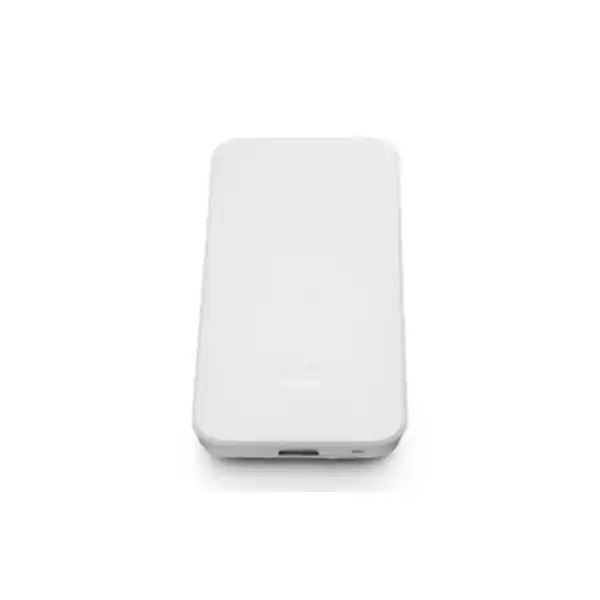
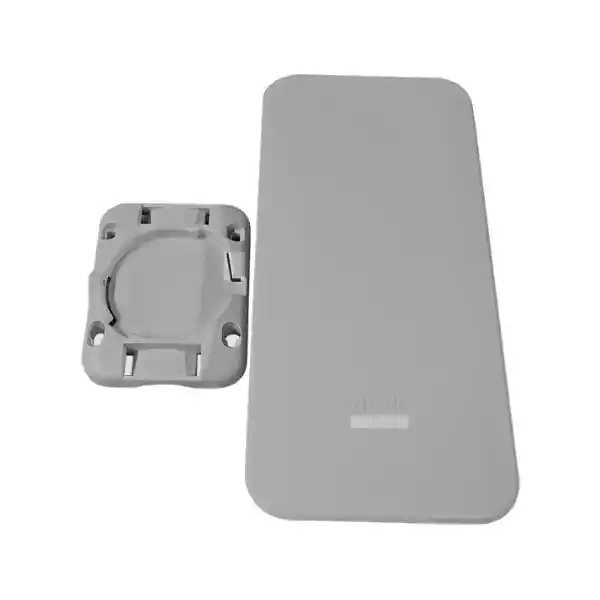
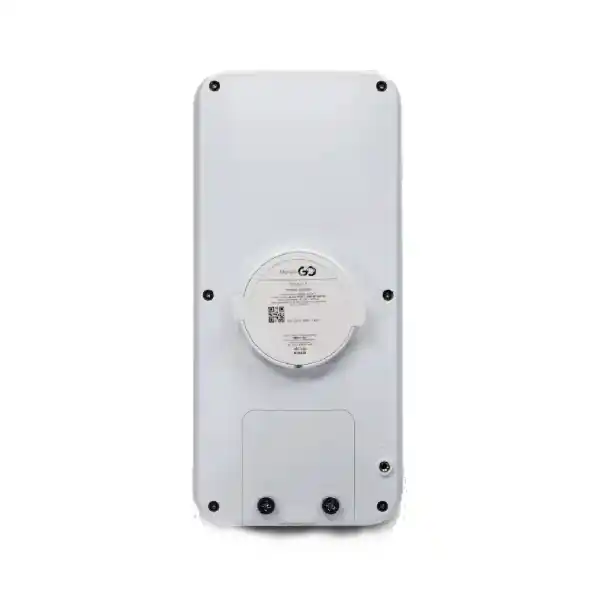
Cisco Meraki MR78 is an entry-level outdoor Wi‑Fi 6 access point for organizations that need centrally managed wireless coverage in courtyards, campuses, outdoor work areas, hospitality spaces, education environments, warehouses, walkways and other exposed locations. Cisco specifies dual 2.4 GHz and 5 GHz client radios, a Bluetooth Low Energy/IoT radio, 2×2:2 UL/DL MU‑MIMO with OFDMA, up to 1.5 Gbps aggregate frame rate, one 1 Gbps Ethernet interface, 802.3af PoE and integrated omnidirectional antennas. Its IP67-rated rugged enclosure is intended for outdoor use where weather and dust protection matter.
Choose the MR78 when you need Meraki cloud-managed outdoor Wi‑Fi 6 with internal antennas and standard Gigabit/802.3af infrastructure. For larger, denser or directional outdoor designs, compare the broader Meraki outdoor portfolio before finalizing the bill of materials.
What the Cisco Meraki MR78 is designed to solve
Outdoor wireless projects often fail for reasons that have little to do with the headline Wi‑Fi standard. The access point may be mounted where cabling is exposed, where dust and rain affect connectors, where users move between indoor and outdoor zones, or where administrators need to support multiple sites without maintaining a controller appliance at each location. The MR78 addresses the access-point layer of that challenge by combining a weather-resistant enclosure, integrated antennas and cloud-based management in a compact platform. It is most appropriate where coverage and capacity needs fit an entry-level outdoor model rather than a high-density or external-antenna design.
The buying decision should still begin with the site. A Wi‑Fi access point cannot correct poor mounting, inadequate Ethernet cabling, undersized PoE switching, congested upstream internet or an unrealistic expectation of coverage through walls, metal shelving, reinforced concrete or across very large open areas. FourTeck Tanzania therefore recommends treating MR78 procurement as a small design exercise: identify the outdoor zones, expected device count, application mix, switch location, cable path, power source, VLANs, security policy, roaming expectations and Meraki licensing model before choosing quantity.
Wi‑Fi 6 radio platform
Dual-band 802.11ax with 2×2:2 UL/DL MU‑MIMO and OFDMA supports modern client access and efficient scheduling in mixed device environments.
Outdoor construction
Cisco positions the MR78 as a rugged outdoor access point with an IP67-rated enclosure, suitable for installations where water and dust resistance are important.
Cloud management
Meraki Dashboard provides centralized configuration, visibility, reporting, firmware management and remote troubleshooting across one or many sites.
Simple wired edge
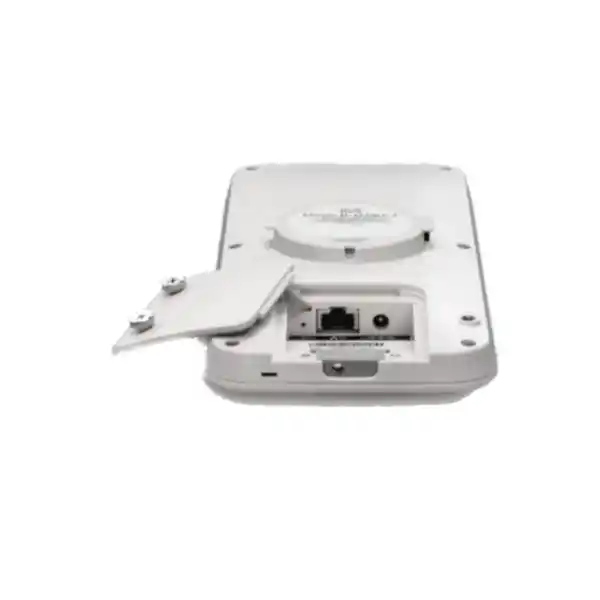
One Gigabit Ethernet interface and 802.3af PoE allow deployment on widely available managed PoE switching, subject to switch budget and cabling quality.
Verified Cisco Meraki MR78 specifications
| Product class | Outdoor, cloud-managed Wi‑Fi 6 access point |
| Client radios | 2.4 GHz and 5 GHz 802.11ax |
| Spatial streams | 2×2:2 UL/DL MU‑MIMO with OFDMA |
| Aggregate frame rate | Up to 1.5 Gbps |
| Additional radio | Bluetooth Low Energy / IoT radio |
| Ethernet | 1 × 1 Gbps Ethernet |
| Power | 802.3af PoE |
| Antenna | Integrated omnidirectional antenna |
| Environmental design | Rugged industrial design, IP67 water/dust protection, vibration and shock tested |
| Dimensions / weight | 245 × 115 × 30 mm; approximately 0.45 kg |
Licensing and lifecycle planning
Meraki wireless is designed around cloud management, so license planning belongs in the initial quotation. Cisco documentation lists MR78-HW within the Meraki MR licensing framework and distinguishes subscription tiers such as Essential and Advantage in current subscription licensing. The exact license, term and feature entitlement should be confirmed at quotation time because Cisco licensing programs and packaging can evolve. Procurement teams should therefore compare complete operational cost rather than hardware price alone.
A good purchase request identifies the number of access points, the desired term, management requirements, any advanced wireless capabilities, support expectations and the organization or Dashboard network in which the devices will be claimed. This reduces delays after installation and makes renewal ownership clear. It is also important to decide who will hold administrative access, which users will have organization-level privileges, how multi-factor authentication will be governed, and who is responsible for firmware and configuration changes.
Deployment, switching and integration
The MR78 can be powered by 802.3af PoE, which simplifies outdoor installation when a suitable Ethernet path is available. The switch should provide adequate total PoE budget for every powered endpoint, not merely enough PoE-capable ports. Long or poorly terminated copper runs can create intermittent issues that appear to be wireless problems, so structured cabling quality and outdoor cable protection are important. For building-to-building or long-distance outdoor paths, do not assume that copper is automatically appropriate; fiber, surge protection and local switching may be more suitable depending on the site.
Logical network design matters as much as physical installation. Staff Wi‑Fi, guest access, operational devices and IoT endpoints may need separate SSIDs and VLANs. The upstream switch must carry those VLANs correctly, and the firewall or router must apply the intended inter-VLAN and internet policy. Organizations using Meraki MX can align wireless and security management in the broader Meraki ecosystem; buyers can review the Cisco Meraki MX Tanzania overview for cloud-managed security and SD-WAN planning.
Where branch size is modest, related Meraki security appliances may be relevant depending on current lifecycle and sizing. FourTeck Tanzania currently provides contextual pages for Cisco Meraki MX67, Cisco Meraki MX67C, Cisco Meraki MX67W, Cisco Meraki MX68, Cisco Meraki MX68CW and Cisco Meraki MX75. These links are useful for understanding how outdoor wireless can fit into a managed branch architecture; final model choice should always be validated against current Cisco lifecycle and capacity guidance.
Cisco Meraki MR78 Tanzania
Organizations searching for Cisco Meraki MR78 in Tanzania are usually not looking for a consumer access point. They are planning business Wi‑Fi for outdoor or semi-outdoor areas where centralized administration, controlled guest access, reliable roaming and environmental protection matter. Appropriate use cases can include office compounds, school grounds, hospitality properties, retail forecourts, warehouses, logistics areas, clinics, campuses and operational sites. The MR78 is positioned by Cisco as an entry-level outdoor Wi‑Fi 6 model, so its strongest fit is a project that needs straightforward omnidirectional coverage rather than a high-density radio platform or a specialized directional antenna design.
For a Tanzania deployment, the first practical step is to map each coverage zone. Note where users stand or move, which walls or structures sit between the client and the AP, whether vehicles or metal equipment block line of sight, and where a protected Ethernet route can reach the mounting point. Outdoor Wi‑Fi should not be sized only from square metres. Device density, client radio capability, application demand and interference can change the required number of access points. A hospitality courtyard with many guests streaming video creates a different RF problem from a warehouse yard where handheld terminals exchange small transactions.
The MR78’s 802.3af PoE support can simplify a rollout when existing managed switches have sufficient power budget. Where the network is being upgraded at the same time, compare switch port count, PoE capacity, uplinks and VLAN requirements before ordering. FourTeck Tanzania’s business technology shop provides broader buying guidance across access points, switches and firewalls, while the main Tanzania technology solutions overview explains how Wi‑Fi, switching, cabling and security should be planned together.
Procurement teams should request a complete quotation that identifies MR78 quantity, licensing, PoE requirements, mounting requirements, cabling scope, VLAN/SSID assumptions and any firewall or internet dependencies. If outdoor coverage must span a large distance, include a site plan rather than assuming a fixed radius. FourTeck can then assess whether MR78 remains the right model or whether another Meraki outdoor access point should be considered for higher density, external antennas or other design requirements.
Cisco Meraki MR78 Dar es Salaam
In Dar es Salaam, MR78 enquiries can come from office compounds, hotels, restaurants, schools, logistics facilities, warehouses, residential developments and customer-facing businesses that need Wi‑Fi beyond an indoor ceiling grid. Coastal climate, outdoor mounting conditions and busy mixed-use environments make installation discipline especially important. The access point may be weather rated, but the full installation also includes Ethernet terminations, cable entry, switch power, grounding practice, mounting hardware and the physical path back to the network rack. Each component should be selected for the actual environment.
A Dar es Salaam office might use the MR78 to extend managed staff and guest Wi‑Fi into a courtyard, parking area, loading zone or covered outdoor workspace. A hospitality site may focus on seamless guest connectivity around pools, walkways or restaurant areas, while a warehouse may care more about handheld scanners and operations traffic. Those use cases should not be configured identically. Guest networks typically need internet-only isolation and bandwidth control, whereas operational devices may require access to internal applications and should be segmented from public users.
Because the MR78 is cloud managed, reliable internet access is relevant to administration even though local client forwarding behavior depends on the network design. Organizations with multiple Dar es Salaam branches can benefit from standardized SSID names, VLANs, switch templates and documented mounting conventions. If the branch edge also uses Meraki security, a page such as the Cisco Meraki MX68W Tanzania resource can help procurement teams understand how integrated Meraki branch components are commonly evaluated.
Before requesting an MR78 quotation for Dar es Salaam, provide the number of outdoor zones, approximate dimensions, expected concurrent users, application types, available switch model, available PoE budget, cable distances and preferred licensing term. Where possible, provide a floor or site plan. This allows the wireless requirement to be discussed as a coverage and capacity problem rather than a simple count of access points.
Cisco Meraki MR78 Mwanza
Businesses in Mwanza evaluating the Cisco Meraki MR78 may be supporting branch offices, hospitality areas, education sites, healthcare facilities, warehouses or operational locations where the IT team is not permanently present. Cloud management can be particularly useful in this pattern because administrators can monitor several access points and sites from a common Dashboard rather than maintaining a dedicated controller at every branch. That operational advantage should be paired with good on-site design so remote management is not expected to compensate for poor cabling or unsuitable mounting.
For Mwanza, the radio plan should be based on the site’s physical environment. Outdoor walls, roofing material, storage racks, vehicles and elevation changes can affect coverage. If users need Wi‑Fi while moving between buildings or outdoor areas, the design should consider roaming and overlap. Too little overlap creates dead zones; too much transmit power can encourage clients to remain attached to a distant AP. The correct solution may therefore involve several deliberately positioned access points rather than one device placed at the highest possible point.
Switching is the second planning layer. Confirm that the closest switch can provide 802.3af PoE and has enough total PoE capacity after accounting for phones, cameras and other powered devices. If the MR78 must be mounted far from the rack, verify Ethernet distance and cable quality. Where the site includes several buildings, fiber uplinks and local PoE switching may provide a cleaner architecture than long exposed copper runs. The FourTeck Tanzania homepage includes guidance on network switching, Wi‑Fi and structured cabling as one integrated design.
A useful Mwanza quotation request includes quantities only after the layout has been described. Share the outdoor zones, client count, current switch, available internet connection, expected SSIDs and whether staff, guests or devices require separate access policies. This creates a basis for validating MR78 suitability and the associated Meraki subscription before equipment is ordered.
Cisco Meraki MR78 Arusha
Arusha organizations may consider MR78 for hospitality, tourism-related properties, offices, educational campuses, clinics, warehouses, compounds and multi-building environments. In these projects, the distinction between coverage and capacity is important. A signal can be visible across a large outdoor area while user experience still degrades when many clients compete for airtime or when backhaul and internet capacity are insufficient. The MR78 offers Wi‑Fi 6 efficiency features such as OFDMA and MU‑MIMO, but successful deployment still depends on channel planning, AP placement and realistic client demand.
Hospitality environments deserve special attention because guest expectations are high and device behavior is unpredictable. Phones, tablets, laptops and IoT devices may connect concurrently, and guests may move between rooms, terraces, gardens and common spaces. Staff networks, point-of-sale devices and operational systems should not automatically share the same security policy as public Wi‑Fi. SSID and VLAN design should reflect the different trust levels, with firewall rules deciding what each group can reach.
Outdoor mounting should also be planned around maintenance. An access point placed in a location that is impossible to reach safely may make later inspection or replacement unnecessarily difficult. Cable entry, drip loops, connector protection and the physical security of the Ethernet path deserve the same attention as the AP. If the project includes a Meraki security appliance, the Cisco Meraki MX75 Tanzania page can provide related cloud-managed edge guidance, subject to current sizing and lifecycle checks.
For an Arusha quotation, include the use case for each outdoor area, approximate dimensions, concurrent user estimate, preferred guest-access method, existing switches and any need to integrate with cameras, IP phones or other networks. Meraki licensing should be quoted at the same time as hardware so the approval process reflects the full operating model rather than only the access-point purchase.
Cisco Meraki MR78 Dodoma
Cisco Meraki MR78 can suit Dodoma projects that need manageable outdoor connectivity around offices, institutions, campuses, public-facing facilities and operational sites. The model’s integrated antennas simplify product selection compared with an external-antenna platform, but they also mean the installer should confirm that omnidirectional coverage is appropriate. If the design needs focused coverage down a long corridor, across a point-to-point path or into a specific remote zone, another outdoor model or antenna architecture may be more suitable.
A Dodoma deployment should be documented from the beginning. Give each AP a meaningful name, record its mounting location, switch port, cable route, VLANs, static or DHCP assignment policy and Dashboard network. This makes remote troubleshooting more effective, especially when local staff are not networking specialists. Photographs of the final installation and cable labels can also reduce future confusion when a device must be serviced or moved.
Power and upstream infrastructure should be checked before hardware is purchased. The MR78 uses 802.3af PoE, so administrators should verify both per-port capability and total switch PoE budget. If a site already powers many phones, cameras or access points, the remaining budget may be lower than expected. The wired uplink should also be evaluated because wireless performance cannot exceed the capacity and quality of the Ethernet and internet path behind it.
Organizations with branch-security requirements can use FourTeck Tanzania’s Cisco Meraki MX67C Tanzania page as a related planning reference for cloud-managed WAN and security. For MR78 procurement in Dodoma, submit the site layout, user count, application mix, switching details and preferred license term so the quotation can be checked for missing dependencies rather than treating the access point as an isolated item.
Cisco Meraki MR78 UAE
UAE businesses evaluating the Cisco Meraki MR78 often need outdoor Wi‑Fi around offices, warehouses, hospitality spaces, schools, compounds, retail environments and branch locations where centralized management is preferred. Hot, dusty conditions and strong sunlight make site engineering important even with an outdoor-rated product. The IP67 enclosure helps protect the access point against dust and water ingress, but the broader installation still requires suitable cable protection, mounting position, heat awareness and maintainable access.
In the UAE, high-bandwidth internet services can create the impression that every part of the LAN will automatically perform at the same level. The MR78 has a one-Gigabit Ethernet uplink and is an entry-level 2×2 Wi‑Fi 6 outdoor AP, so organizations should match it to the intended client density rather than purchasing by brand alone. High-density venues or designs requiring external antennas may justify another Meraki model. A pre-deployment survey or at least a detailed floor/site plan helps separate these requirements.
Regional organizations that operate both Tanzania and UAE sites can benefit from a common Meraki operating model when the architecture is standardized. SSID naming, VLAN IDs, security policy, Dashboard network structure and administrator roles can be documented across branches while allowing local differences in ISP, switch model and site layout. For broader UAE technology sourcing and infrastructure requirements, see FourTeck UAE, one of the approved regional FourTeck network resources.
A strong UAE MR78 quotation request should identify hardware quantity, exact mounting areas, license term, PoE switching, cabling scope, expected SSIDs and whether the project must integrate with Meraki security or existing third-party firewalls. This avoids comparing a bare hardware line against a more complete deployment quotation and provides a clearer basis for technical approval.
Cisco Meraki MR78 Uganda
Uganda customers may evaluate the Cisco Meraki MR78 for branch offices, education, hospitality, logistics, healthcare, retail and distributed sites that need centrally managed outdoor wireless. The cloud-management model is useful where a central IT team supports multiple locations, but the network must still be designed for each site. The AP location, Ethernet path, PoE source and upstream internet service should be documented before equipment is ordered.
For distributed Ugandan deployments, consistency can simplify support. Administrators can define standard SSIDs for staff and guests, establish repeatable VLAN policies, and use naming conventions that identify city, building and AP position. That operational discipline makes Dashboard alerts and troubleshooting more meaningful. It also helps procurement teams understand whether every branch truly needs the same model or whether some sites require indoor APs, higher-density outdoor platforms or different antenna patterns.
The MR78’s integrated antenna design suits straightforward omnidirectional outdoor coverage. Where a project needs focused coverage over a particular direction or a challenging link, do not assume the MR78 is automatically the right choice. The design should compare the intended RF pattern and environmental conditions against the broader Meraki outdoor range. Switch PoE capacity and VLAN support are also essential because the access point relies on the wired LAN for power and backhaul.
For Uganda-specific FourTeck regional information, visit FourTeck Uganda. Organizations managing procurement from Tanzania can still use the Tanzania site to frame the bill of materials, licensing and integration requirements. Include branch count, estimated users, internet links, switch models and desired subscription term when requesting a quotation.
Cisco Meraki MR78 Kampala
Kampala deployments can place very different demands on outdoor wireless. A business office may only need coverage at an entrance, parking area or courtyard, while a hospitality property may have large guest areas and a school may need connectivity across several buildings. The same MR78 cannot be assumed to cover all of these environments in the same quantity. AP count should be based on the RF environment, expected concurrent clients and the applications those clients use.
In a multi-storey or dense urban setting, interference from neighbouring networks may be significant. Good channel planning and sensible transmit power can be more valuable than simply increasing AP power. Wi‑Fi clients make their own roaming decisions, so a design should provide sufficient overlap without creating a situation where devices remain attached to a distant AP. Meraki cloud visibility can help administrators observe client behavior after deployment, but a sound physical design remains the starting point.
Kampala buyers should also review guest-network requirements. Public users may need captive access or simple internet-only connectivity, while staff require secure authentication and internal resource access. Operational devices such as scanners, cameras or IoT endpoints may deserve separate policies. These SSIDs should map to intentional VLANs, and firewall rules should restrict traffic according to business need. If the organization uses Meraki MX at the edge, wireless and security policy can be managed within the same broader ecosystem.
Before purchasing MR78 for Kampala, document switch PoE availability, cabling distances, mounting surfaces, expected user density, SSID requirements and the license term. If several branches are involved, include each location instead of multiplying one generic AP count. This allows the wireless design to reflect actual demand and gives procurement a more defensible bill of materials.
Cisco Meraki MR78 Arua
Arua organizations considering MR78 may value remote manageability where specialist IT resources are centralized elsewhere. For such sites, configuration standards and documentation are particularly valuable. The AP should be named clearly in Dashboard, its switch port recorded, and its physical mounting location photographed or described. If a local team later needs to inspect the device, those records reduce unnecessary troubleshooting time.
Connectivity planning should also consider the upstream internet environment. Cloud management benefits from dependable connectivity, and business applications may depend on the WAN even when the wireless LAN itself is working correctly. If an Arua branch relies heavily on cloud systems, voice or video, the network design should include appropriate WAN resilience and traffic policy rather than focusing only on the access point. Meraki MX or another suitable firewall/SD‑WAN platform may form part of that broader architecture.
For outdoor coverage, identify whether users are stationary, moving or concentrated in specific areas. A small entrance or courtyard may need a different AP placement from a warehouse yard or compound. The MR78’s integrated omnidirectional antenna is simple to deploy when the desired coverage pattern matches that design. Where obstacles, long distances or directional needs are significant, another model should be evaluated before committing to quantities.
Arua procurement requests should therefore include site drawings where available, the planned number of users, application types, existing switch and firewall models, cable routes and any need for guest access. The quotation should state the Meraki license requirement alongside hardware and identify whether PoE injectors, switch upgrades, cabling or other supporting components are part of scope. This makes technical and commercial comparison much clearer.
Cisco Meraki MR78 Mbarara
In Mbarara, MR78 can be evaluated for business campuses, hospitality properties, schools, healthcare environments, branches and operational compounds that need outdoor Wi‑Fi 6 under centralized management. The ideal deployment is one where the access point’s entry-level capacity and omnidirectional antenna match the coverage requirement. Projects expecting very high client density or specialized antenna patterns should compare other Meraki outdoor models rather than trying to solve every problem with the same hardware.
The wired network should be validated before installation. The MR78 requires a Gigabit Ethernet connection and can use 802.3af PoE. Check the switch for available PoE budget, supported VLANs and uplink capacity. If the switch is also powering cameras and phones, calculate total demand. Outdoor Ethernet routes should be physically protected and tested, and any transition between buildings should be planned with electrical and lightning exposure in mind.
For guest and staff separation, decide the policy before creating SSIDs. Staff devices may require internal applications, while guests generally need isolated internet access. IoT or operational endpoints can have their own access requirements. Mapping each group to a clear VLAN and firewall policy helps prevent an outdoor AP from becoming an uncontrolled path into the internal network. Meraki Dashboard can simplify centralized configuration, but the underlying policy must still be deliberate.
When requesting an MR78 quotation for Mbarara, provide the intended mounting locations, approximate coverage areas, expected simultaneous users, switch details, internet connection and preferred licensing duration. For multi-site organizations, describe how the Mbarara branch connects to headquarters or cloud services. This context helps ensure that wireless, switching and WAN requirements are aligned rather than quoted as unrelated products.
Cisco Meraki MR78 Gulu
Gulu businesses and institutions can use MR78 as part of a planned outdoor wireless network where cloud administration and weather resistance are important. Typical requirements may include connecting outdoor staff areas, courtyards, school grounds, hospitality spaces or operational zones. The access point should not be selected solely because it is rated for outdoor use; the radio design, wired backhaul and expected client density must also fit the project.
For a site with several buildings, the architecture should identify where switching is located and how each AP reaches the LAN. Very long copper runs or exposed building-to-building cables can create reliability and safety concerns. Depending on site conditions, fiber between buildings and local PoE switching may be preferable. The wireless plan then becomes one part of a broader campus network rather than an isolated set of access points.
Remote support is another reason to document the deployment carefully. Meraki Dashboard can provide visibility and remote troubleshooting, but administrators still need clear labels, switch-port records, device ownership and access-control procedures. License renewals should have an assigned owner and renewal calendar so cloud-management entitlement is not treated as an afterthought. If the organization operates multiple Ugandan sites, common templates and naming can simplify operations while still allowing site-specific radio settings.
A Gulu MR78 request for quote should include the number of buildings, outdoor zones, client types, switch and firewall models, available PoE, cable path and subscription preference. Add any planned future expansion so the initial switching and uplink design does not become a constraint when more access points are added later.
Cisco Meraki MR78 Kenya
Kenya organizations searching for Cisco Meraki MR78 may be planning outdoor Wi‑Fi across offices, schools, hospitality locations, warehouses, retail estates or distributed branches. The MR78 is attractive where a rugged, internal-antenna Wi‑Fi 6 AP is preferable to a more complex external-antenna design. The right quantity still depends on the site, so procurement should distinguish between simple coverage extension and high-capacity outdoor service.
In dense commercial areas, neighbouring Wi‑Fi can influence channel availability and real performance. In larger compounds, distance and physical obstructions become more important. A proper plan therefore considers both spectrum and geometry. Client devices also matter because older phones, scanners or tablets may not use Wi‑Fi 6 features in the same way as current laptops and smartphones. A mixed-device environment should be tested against the applications that actually matter to the business.
Cloud management can simplify multi-branch operations for companies with sites in Kenya and Tanzania. Administrators can establish repeatable policies, naming conventions and alerting while maintaining different radio settings for each physical environment. Security and VLAN design should be consistent enough to support the business but not so rigid that local infrastructure differences are ignored. Regional buyers can review FourTeck Kenya for the matching market context.
For a Kenya quotation, include MR78 hardware quantity only after identifying installation areas, user density, existing switching, PoE availability, internet capacity and licensing term. If guest Wi‑Fi, captive access, application shaping or branch security are important, state those requirements explicitly. A complete request makes it easier to compare solutions on architecture and lifecycle rather than only on unit price.
Cisco Meraki MR78 Kuwait
Kuwait deployments require careful attention to heat, dust and mounting exposure. The MR78’s IP67-rated outdoor enclosure provides environmental protection, but installation quality remains critical. An outdoor AP should be mounted where it can deliver useful coverage without unnecessary direct exposure, cable runs should be protected, and maintenance access should be practical. The supporting PoE switch and upstream equipment should be located in an appropriate controlled environment.
The MR78 is an entry-level Wi‑Fi 6 model with integrated omnidirectional antennas and one Gigabit Ethernet port. For many office compounds, outdoor hospitality spaces and warehouse perimeters, that can be a sensible combination. For very high-density venues, long directional paths or specialized RF needs, organizations should compare higher-performance or external-antenna Meraki models. The goal is not to choose the most expensive AP but to match the antenna, radio capacity and uplink to the intended workload.
Kuwait businesses with multiple sites may value the Meraki cloud operating model because network teams can monitor deployments centrally. Templates, standard SSIDs and common security policies can reduce configuration drift, while per-site radio settings remain adjustable. License selection and renewal ownership should be documented in the procurement record so the recurring platform requirement is visible from the beginning.
For regional technology requirements in Kuwait, visit FourTeck Kuwait. A useful MR78 quotation request includes site dimensions, outdoor mounting points, expected client count, PoE switch details, VLAN design, firewall environment and desired Meraki subscription term. Where the AP will support critical operations, include redundancy and WAN considerations as part of the same discussion.
Cisco Meraki MR78 Ghana
Ghana organizations can consider Cisco Meraki MR78 for outdoor business Wi‑Fi where centralized visibility and simple cloud administration are priorities. Use cases can range from courtyards and outdoor office areas to hospitality, campuses, warehouses and operational compounds. The access point is best treated as part of a managed network design, not as a standalone wireless router, because it depends on upstream switching, VLANs, firewall policy and the Meraki management environment.
A practical design begins by classifying clients. Staff laptops and phones, guests, handheld terminals, cameras and IoT devices may all have different access requirements. Separate SSIDs and VLANs can reduce unnecessary lateral access and improve troubleshooting. Application shaping can then be applied where appropriate, but it should support a clear business objective rather than compensate for insufficient WAN bandwidth or an overloaded radio environment.
Physical installation should be checked in parallel. Confirm a compliant PoE source, cable distance, mounting surface and weather-protected Ethernet path. Outdoor wireless is sensitive to obstruction and placement, so a high mounting point is not automatically the best position. Consider where users actually operate and whether the integrated omnidirectional antenna pattern aligns with those areas. If a project involves long narrow coverage zones or large open spaces, compare alternatives before fixing the bill of materials.
For Ghana-related FourTeck requirements, see FourTeck Ghana. Buyers should request MR78 pricing together with licensing, PoE and installation assumptions. For multi-country businesses, the same Meraki standards can be adapted across Ghana, Tanzania and other branches while preserving local RF and infrastructure requirements.
Cisco Meraki MR78 Nigeria
Nigeria businesses evaluating MR78 may need wireless coverage across large commercial sites, branches, schools, hospitality properties, logistics areas or outdoor operational spaces. The cloud-managed architecture can help central IT teams maintain visibility across a distributed estate, but each site should still be surveyed or documented individually. Differences in building layout, interference, user density and cabling mean that one standard AP count rarely fits every location.
The MR78’s Wi‑Fi 6 radio platform provides 2×2:2 MU‑MIMO and OFDMA with up to 1.5 Gbps aggregate frame rate. Those figures describe radio capability, not guaranteed application throughput. Real performance is influenced by client capability, channel width, interference, distance, airtime utilization, Ethernet uplink and internet service. Procurement teams should therefore avoid using a single headline speed as the basis for comparing access points.
For sites with unstable or constrained WAN links, the wireless design should be coordinated with firewall and SD‑WAN planning. A fast outdoor WLAN can still deliver a poor user experience if cloud applications share a congested or unreliable internet circuit. Organizations using Meraki MX may benefit from a common Dashboard environment and consistent policy across wireless and WAN. Where third-party firewalls are used, VLANs and security rules should still be planned end to end.
For Nigeria-specific FourTeck information, visit FourTeck Nigeria. When requesting an MR78 quote, provide the deployment cities or sites, estimated concurrent users, switch model, PoE budget, WAN details and preferred license term. Multi-site quotes should also identify which locations require outdoor coverage versus indoor access points.
Cisco Meraki MR78 Seychelles
Seychelles deployments can present demanding outdoor conditions, especially for hospitality, resorts, offices and properties close to marine environments. The MR78 is IP67 rated and designed for outdoor deployment, but marine exposure, salt, cable corrosion and mounting hardware should still be considered at the project level. Environmental rating does not remove the need for inspection and protective installation practice.
Hospitality is a common scenario where outdoor wireless quality directly affects customer experience. Guests may expect coverage around pools, restaurants, walkways, outdoor seating and common areas while moving between indoor and outdoor access points. The design should provide sensible overlap and consistent SSID/security settings without oversaturating the site with radios. Staff, point-of-sale and operational devices should be separated from public guest access according to policy.
Backhaul architecture is especially important across large properties. Buildings may be separated by landscaped areas or long distances, and it may be impractical to run copper directly from one central switch to every AP. Fiber distribution, intermediate protected network points and local PoE switching can be considered where appropriate. The MR78 itself should be placed based on client coverage, not simply where cabling is easiest.
For Seychelles procurement, ask for a complete design conversation around AP quantity, Meraki license, switching, outdoor cabling, mounting and guest-network policy. If the property is part of a regional group, standardizing Dashboard administration and naming across countries can simplify support while each site maintains its own RF settings. The quotation should state assumptions clearly so procurement can distinguish hardware, subscriptions and installation dependencies.
Related FourTeck Tanzania resources
Cisco Meraki MR78 normally sits inside a wider network. The FourTeck Tanzania shop helps buyers compare wireless, switches, firewalls and supporting infrastructure by requirement. The Cisco Meraki MX family page explains the cloud-managed security and SD‑WAN layer that can complement a Meraki wireless deployment.
For smaller branch contexts, review Meraki MX67, Meraki MX67C, Meraki MX67W, Meraki MX68 and Meraki MX68CW. These resources help buyers understand adjacent branch-network considerations; always validate current lifecycle, performance and licensing before selecting any security appliance.
For a higher-capacity branch context, the Cisco Meraki MX75 Tanzania page provides additional planning guidance. These are not mandatory companions to MR78; they are internal references for customers building an end-to-end Meraki-managed branch or campus environment.
Quotation checklist
Site: City, building type, outdoor zones, approximate dimensions, mounting heights and any available floor/site plan.
Users: Expected concurrent devices, staff/guest split, application types, mobility and any IoT or operational clients.
Network: Current switch models, available PoE budget, VLANs, firewall, internet bandwidth and branch connectivity.
Commercial: MR78 quantity estimate, Meraki license term, installation scope, cabling, accessories and required delivery/project schedule.
Cisco Meraki MR78 FAQs
Is Cisco Meraki MR78 an outdoor access point?
Yes. Cisco positions MR78 as an outdoor Wi‑Fi 6 access point with a rugged IP67-rated enclosure. Outdoor rating should be combined with correct mounting, protected cabling and suitable installation practice.
What wireless standard does MR78 support?
MR78 supports dual-band Wi‑Fi 6 / 802.11ax on 2.4 GHz and 5 GHz with 2×2:2 MU‑MIMO and OFDMA. Cisco lists up to 1.5 Gbps aggregate frame rate.
Does MR78 require PoE?
Cisco lists 802.3af PoE as a supported power method. The project should verify switch PoE capability, total PoE budget and cable quality before deployment.
Does MR78 use internal or external antennas?
MR78 uses integrated omnidirectional antennas. If the project requires specialized directional coverage or external antennas, compare another Meraki outdoor model before purchasing.
Does Cisco Meraki MR78 need a license?
Meraki MR wireless is managed through the Meraki cloud licensing model. The applicable license tier and term should be quoted with the hardware and confirmed against current Cisco licensing documentation.
How many MR78 access points do I need?
There is no reliable fixed quantity based only on square metres. AP count depends on the shape of the area, obstacles, interference, client density, applications, roaming needs and target signal quality. A floor or site plan is the best starting point.
Can MR78 be used for guest Wi‑Fi?
Yes, it can be part of a managed guest Wi‑Fi design. Guest traffic should be isolated appropriately from staff and operational networks, with VLAN and firewall policy configured for the intended access model.
What should I send for a Cisco Meraki MR78 Tanzania quote?
Send your city, site plan or dimensions, expected users, intended outdoor areas, current switch model, PoE availability, internet/firewall environment, quantity estimate and preferred Meraki licensing term. Include installation and cabling scope if those are required.
Decision recap
Cisco Meraki MR78 is a strong candidate when the requirement is entry-level outdoor Wi‑Fi 6, integrated omnidirectional antennas, IP67 environmental protection, standard Gigabit Ethernet and 802.3af PoE under Meraki cloud management. It should not be chosen by model name alone. High-density sites, directional coverage, difficult RF environments or very large outdoor spaces may justify a different model or a denser AP design.
The most defensible purchase combines hardware selection with licensing, PoE, cabling, VLANs, firewall policy, mounting and future expansion. FourTeck Tanzania can use these inputs to help frame a quotation and identify missing dependencies before deployment.
Consultation panel
For a Cisco Meraki MR78 recommendation, send the site location, a floor or outdoor plan, expected user count, current switch/firewall details and the areas where coverage is required. FourTeck Tanzania can then discuss access-point quantity, licensing, switching, segmentation and installation dependencies as one project.




Reviews
There are no reviews yet.